
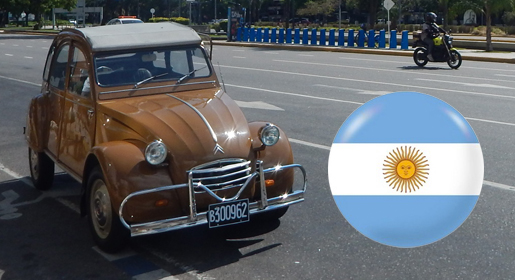
Those of us who move through this small universe of classic cars are more or less familiar with the history of the 2CV. In brief, we know that its genesis came from the idea of Citroën’s Director, Pierre Boulanger, who in 1936 gave precise instructions to create a minimalist car that, at low cost and with good performance, could motorize thousands of French people and also allow rural producers to transport their goods over the difficult country roads.
The project called TPV (Toute Petite Voiture) took shape in 1939 at the hands of Flaminio Bertoni and André Lefebvre, and was finally presented at the Paris Motor Show in 1948 with a name that represented its fiscal horsepower: 2CV.
This iconic Citroën car constantly evolved, and thanks to increases in engine power, along with some aesthetic changes to its body, it managed to remain in production until 1990, surpassing 5 million vehicles manufactured over this 42-year period.
Throughout its life, it also gained fans worldwide, as the success of the 2CV was so great that it transcended French borders and was manufactured in different countries, including Argentina. And this is where our story begins, as the first models imported from France and Belgium arrived in the country in the late 1950s, and from 1960, Citroën decided to start producing it locally.
The Argentine 2CV – with some peculiarities compared to its French counterpart – developed rapidly. In 1969 it reached its highest production with 10,388 units manufactured at the Barracas plant, thus consolidating its prominence in the automotive market. It was in that same year that Citroën Argentina decided to launch an evolution of the model, breaking with the classic 2CV nomenclature and introducing the new 3CV.
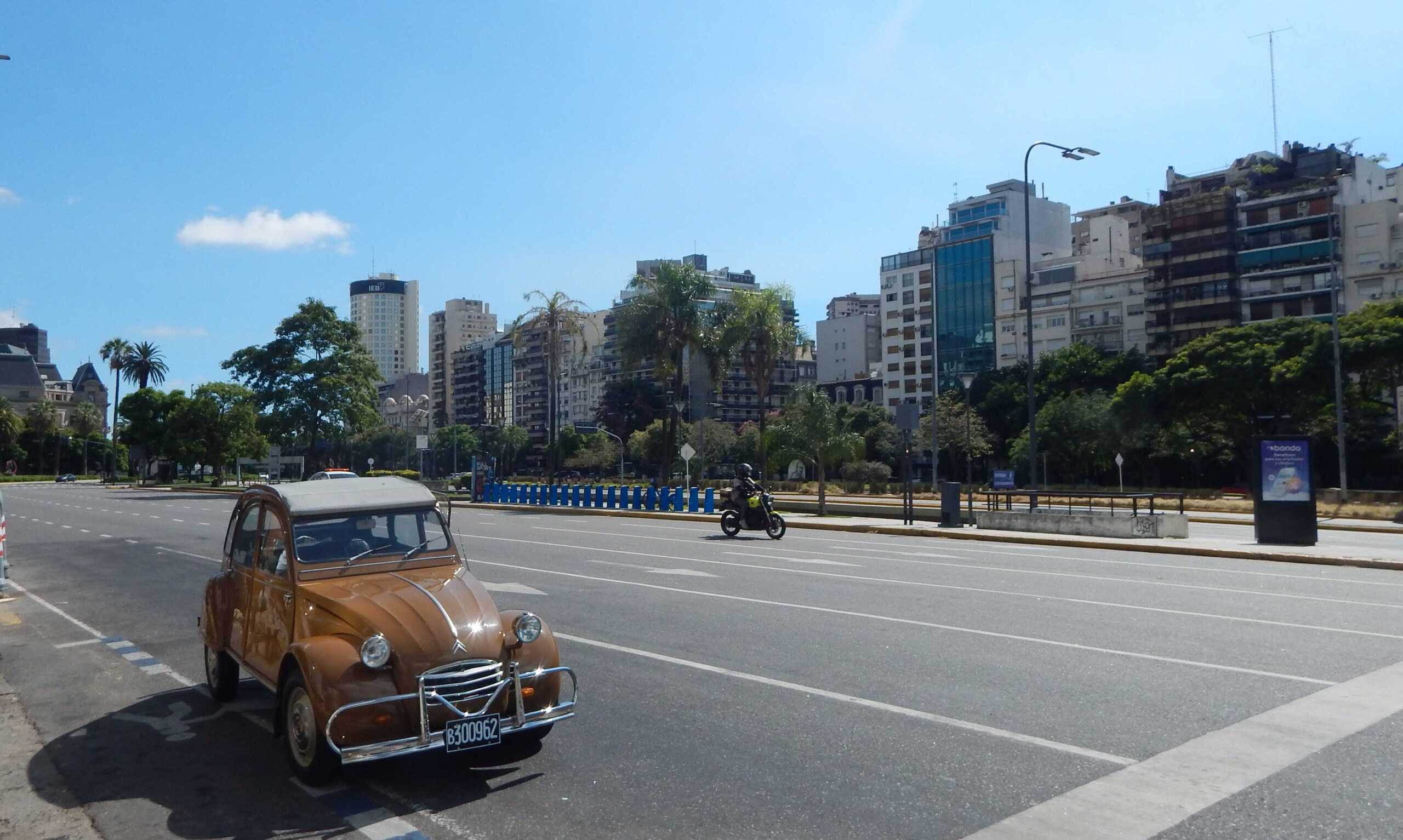
The project, called AX, began production on October 1 and stood out primarily from its predecessor due to its new 602cc boxer engine, while maintaining the body’s aesthetic, except for the new exterior headlight assemblies and proudly displaying the “3CV” badge on the rear.

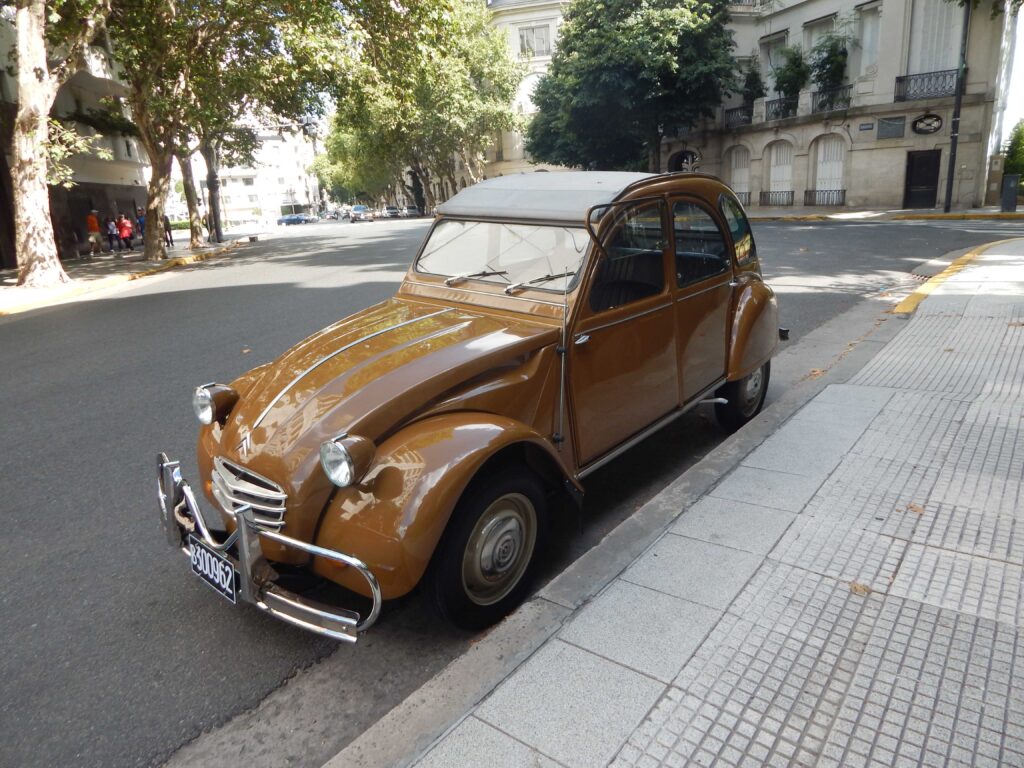
Commercialization began on November 1st, and what we are showing you here is one of these first 1,200 units produced in 1969, a car that is in excellent condition, with just over 53,000 km driven since it left the factory. Its current owner—Pascual Migale—acquired it from its first owner.
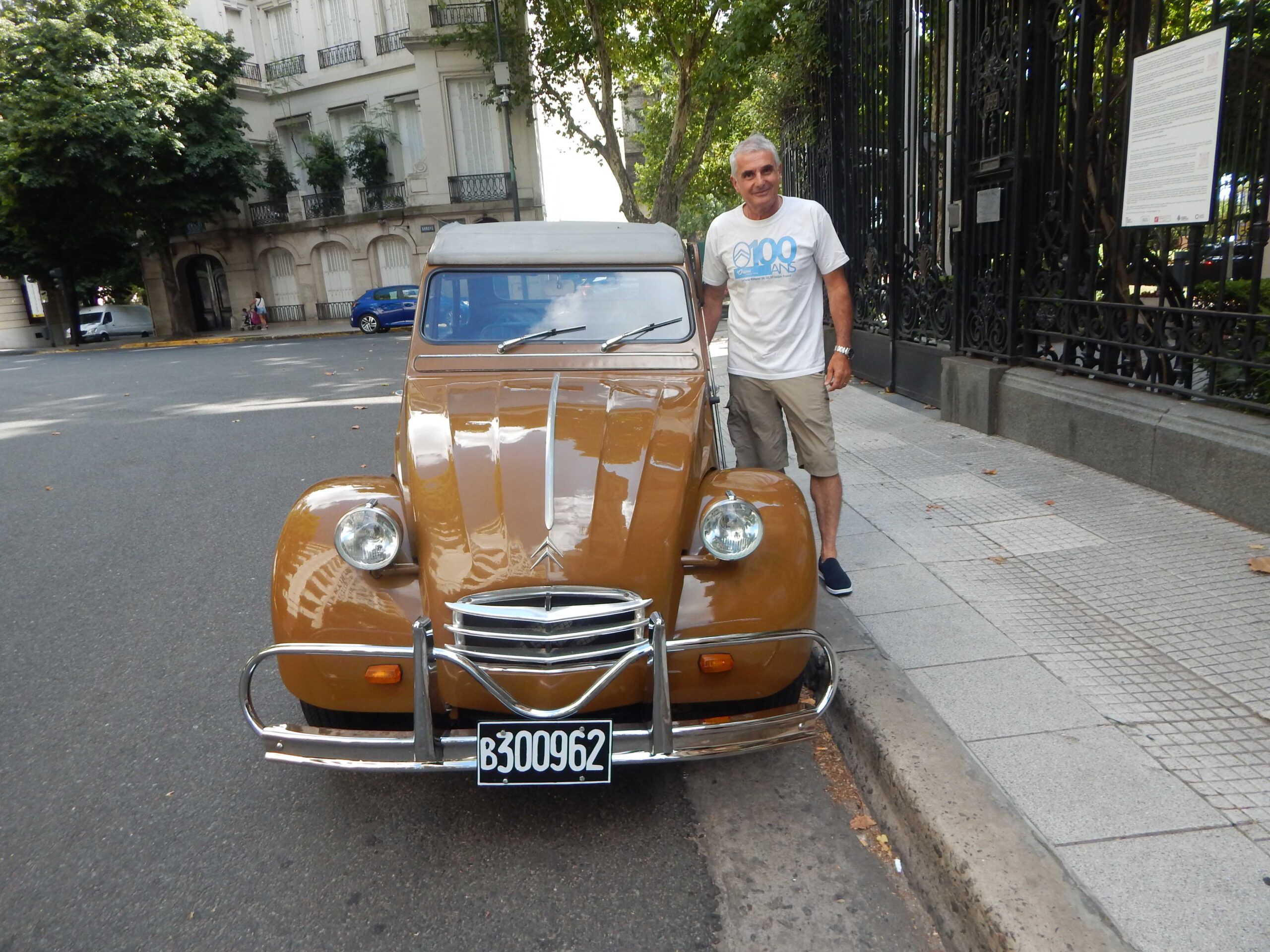
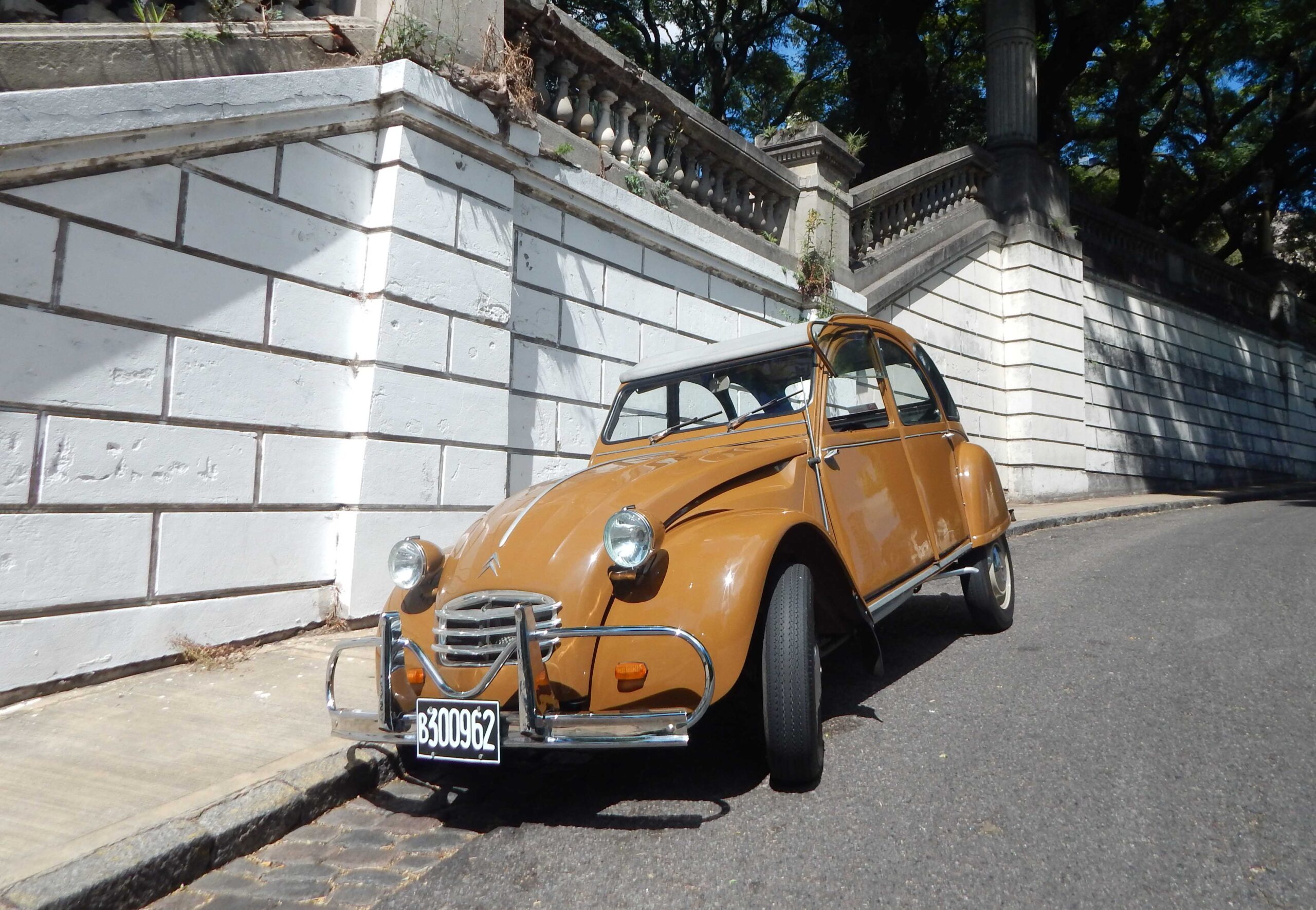
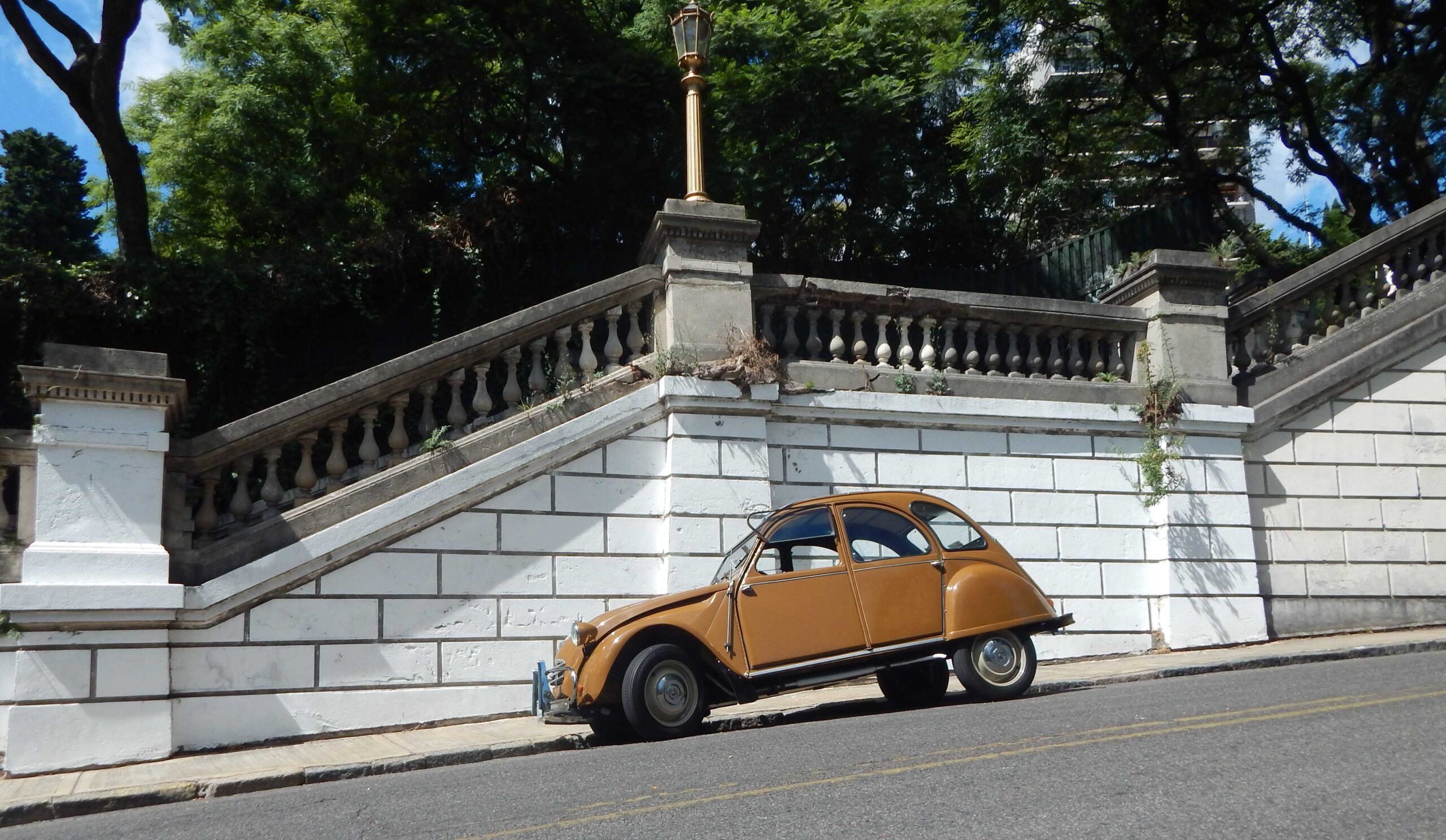
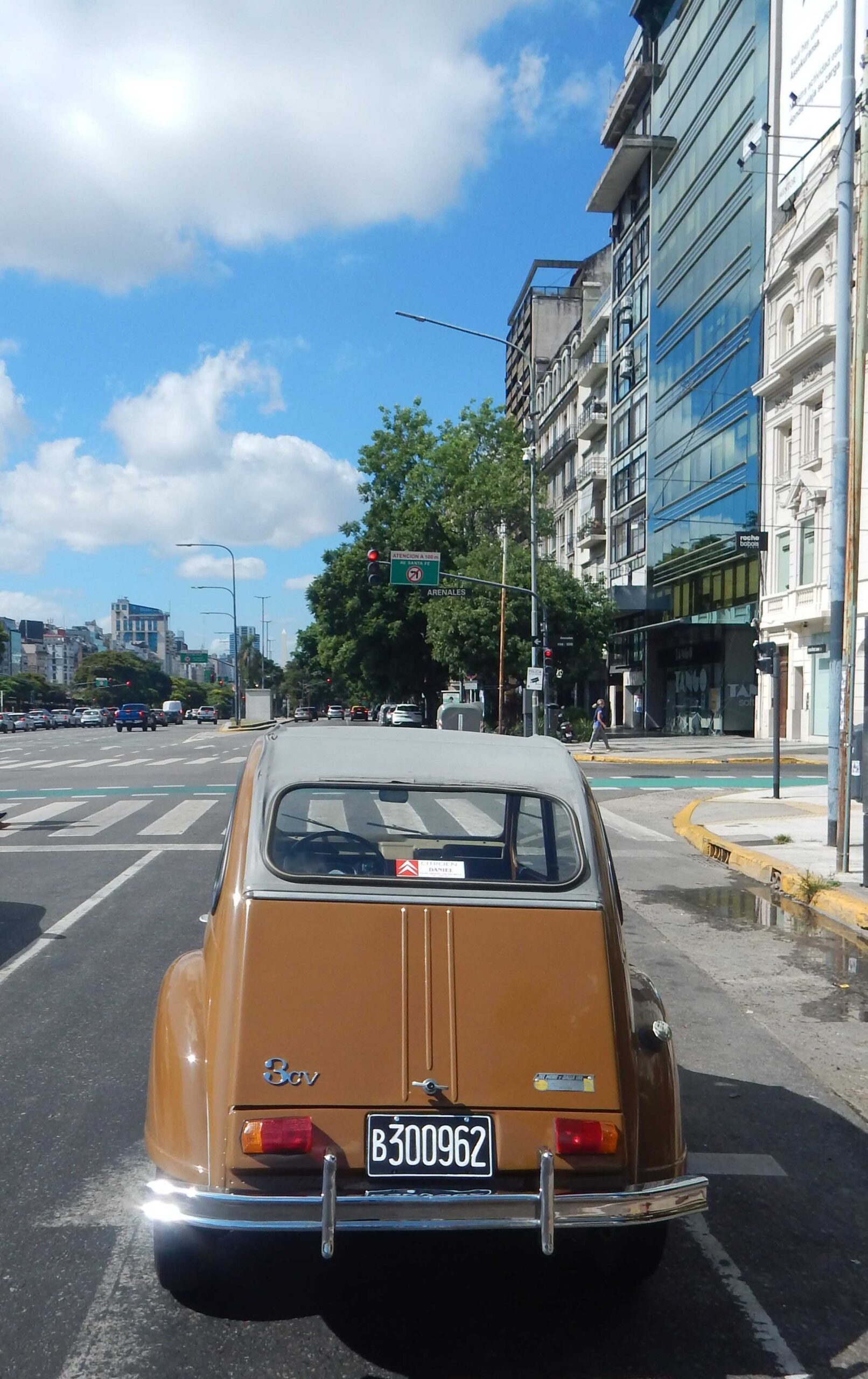
When we look at this car, it is impossible not to make a comparison with a 2CV from the same year, and that is when we notice some distinctive signs of evolution. In the best Darwinian style, we see how it adapted to new times.
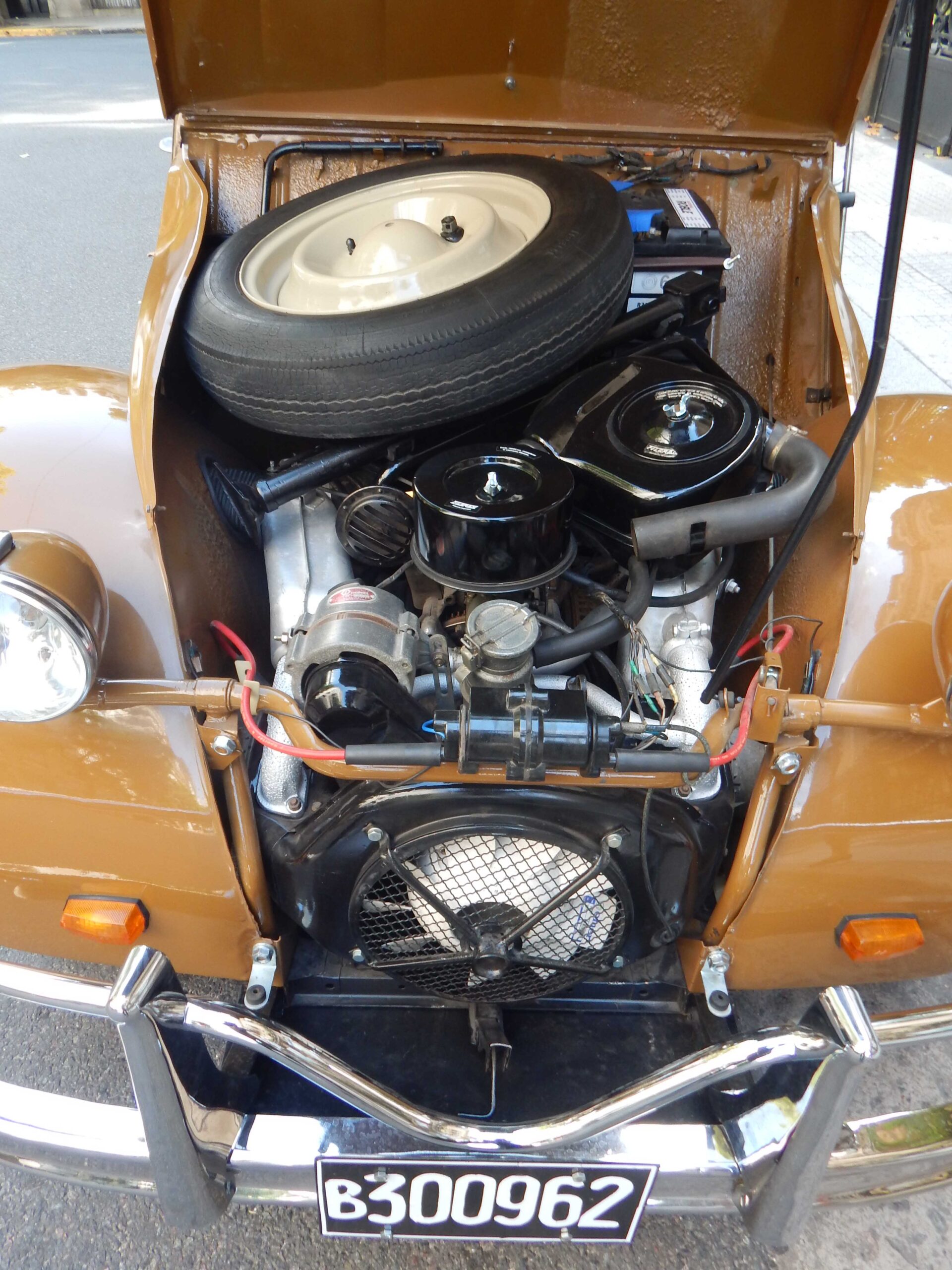
Upon opening the hood, notice its new M28 engine. Although it is a 2-cylinder boxer, it now has 602cc and produces 31.5 hp at 6250 rpm. In these early engines, the oil filter is internal, and it remained that way until 1971, when it was equipped with an external disposable unit.
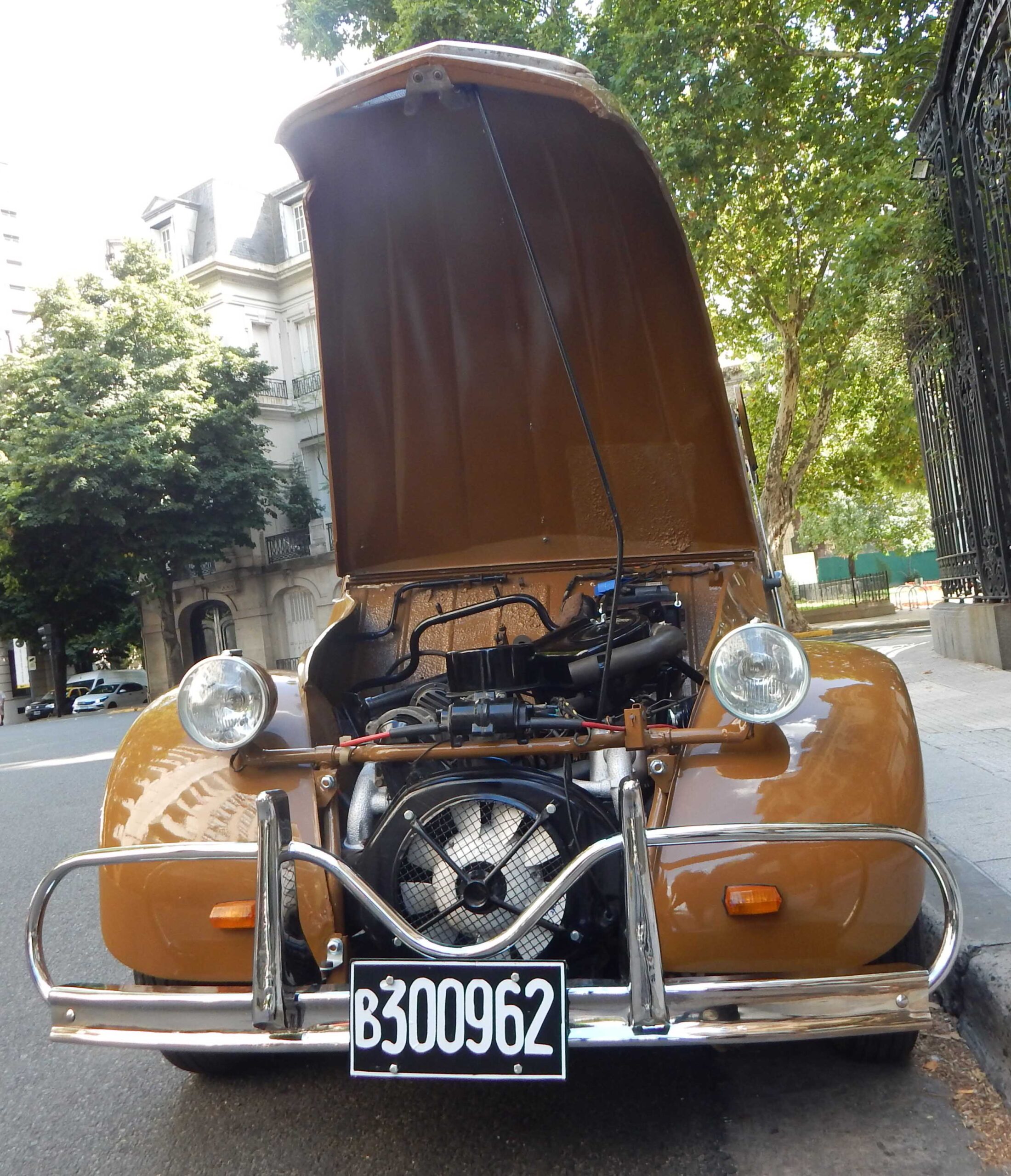
This car has a centrifugal clutch, an option that the factory still offered that year.
The gearbox is a local development, but it is based on that of the French Ami 6. At the output of the gearbox, notice the brake drums with a larger diameter (220mm) compared to the 2CV. The drive shafts are now constant velocity joint.
In the heating system, the heat exchangers stand out, and their operation is via a steel cable.
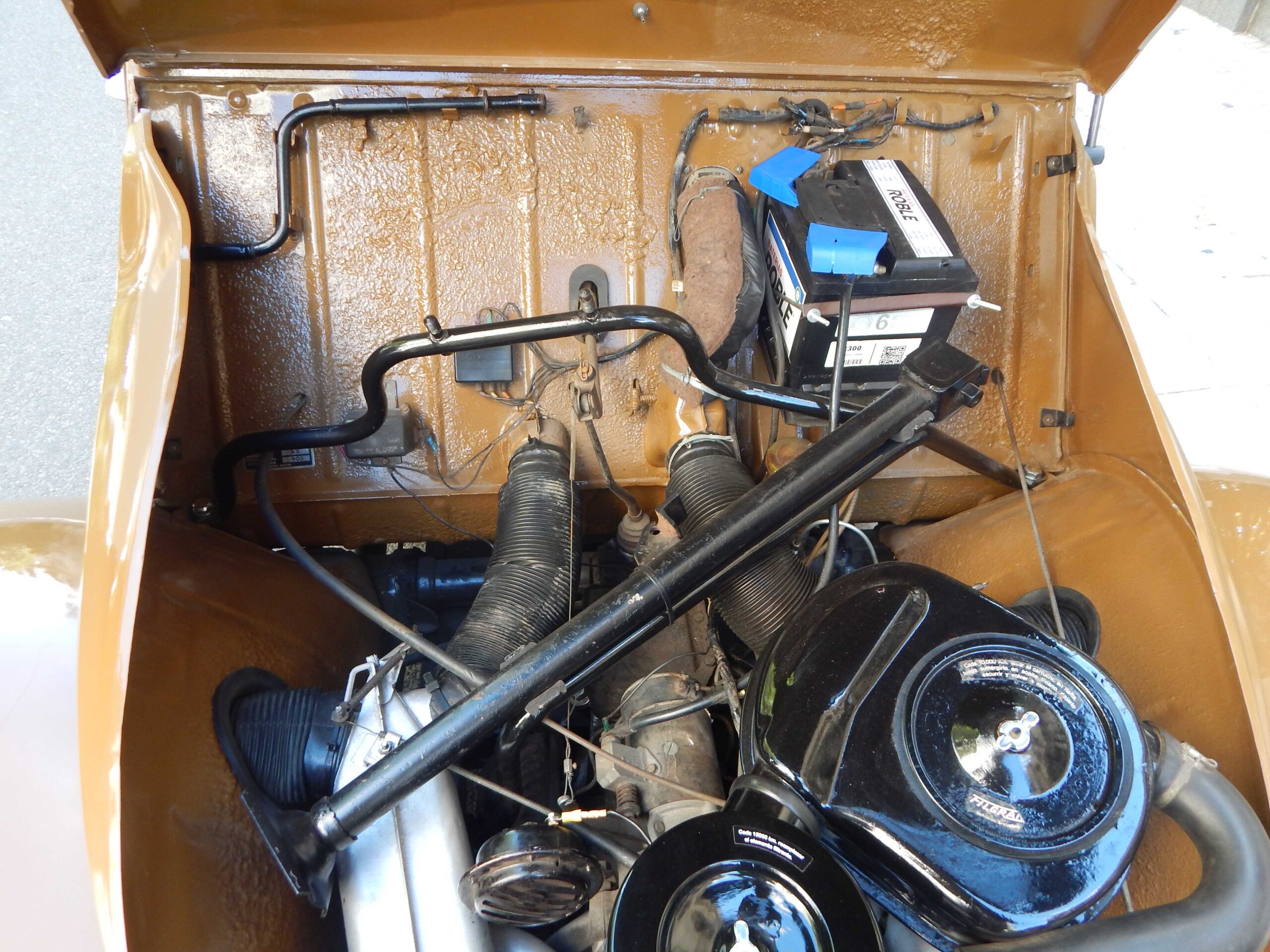
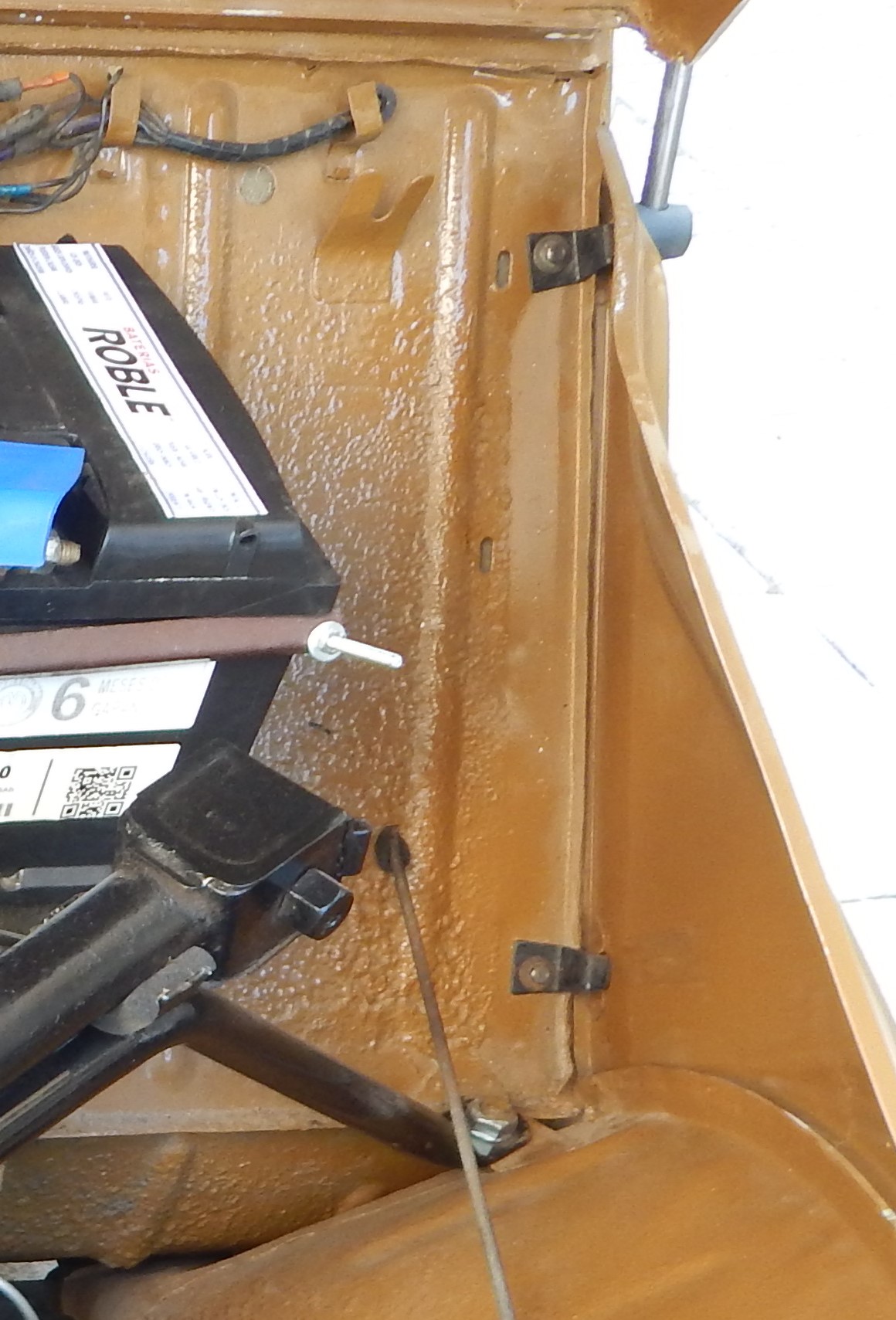
The firewall stamping no longer has the famous oval located at the top (on the driver’s side, which in the 2CV, where the speedometer cable came through).
Notice two oblong holes per side, —which would soon be used to mount the front door hinges, changing the opening method according to the regulations that would come into effect in 1970. (Screws went through those holes to secure the door hinges.)
The 12V electrical system shows an alternator and a new bar for the front lights.
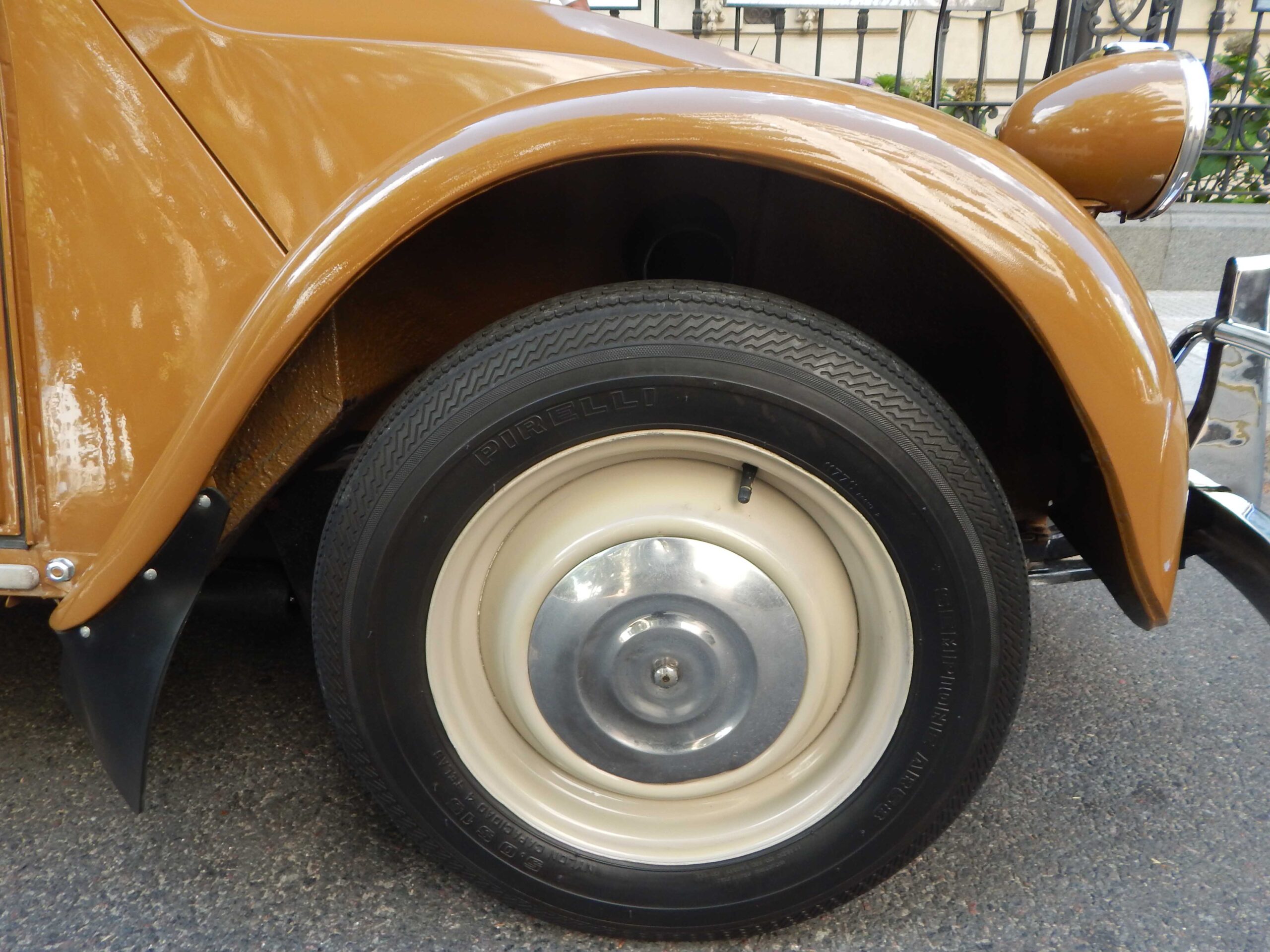
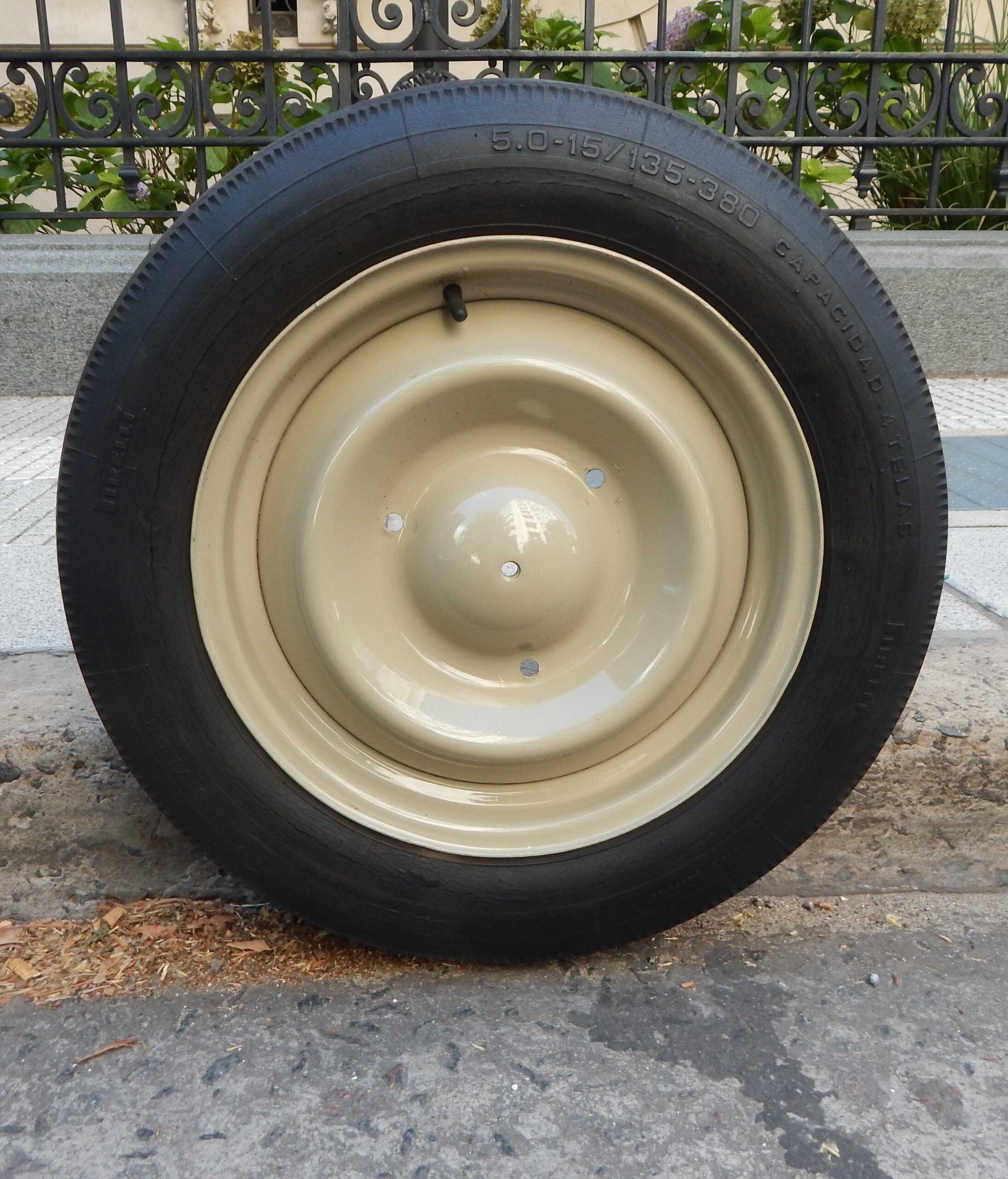
The 15” wheels keep the 2CV’s stainless steel hubcaps, but they are fitted with a wider tire (135 instead of 125).
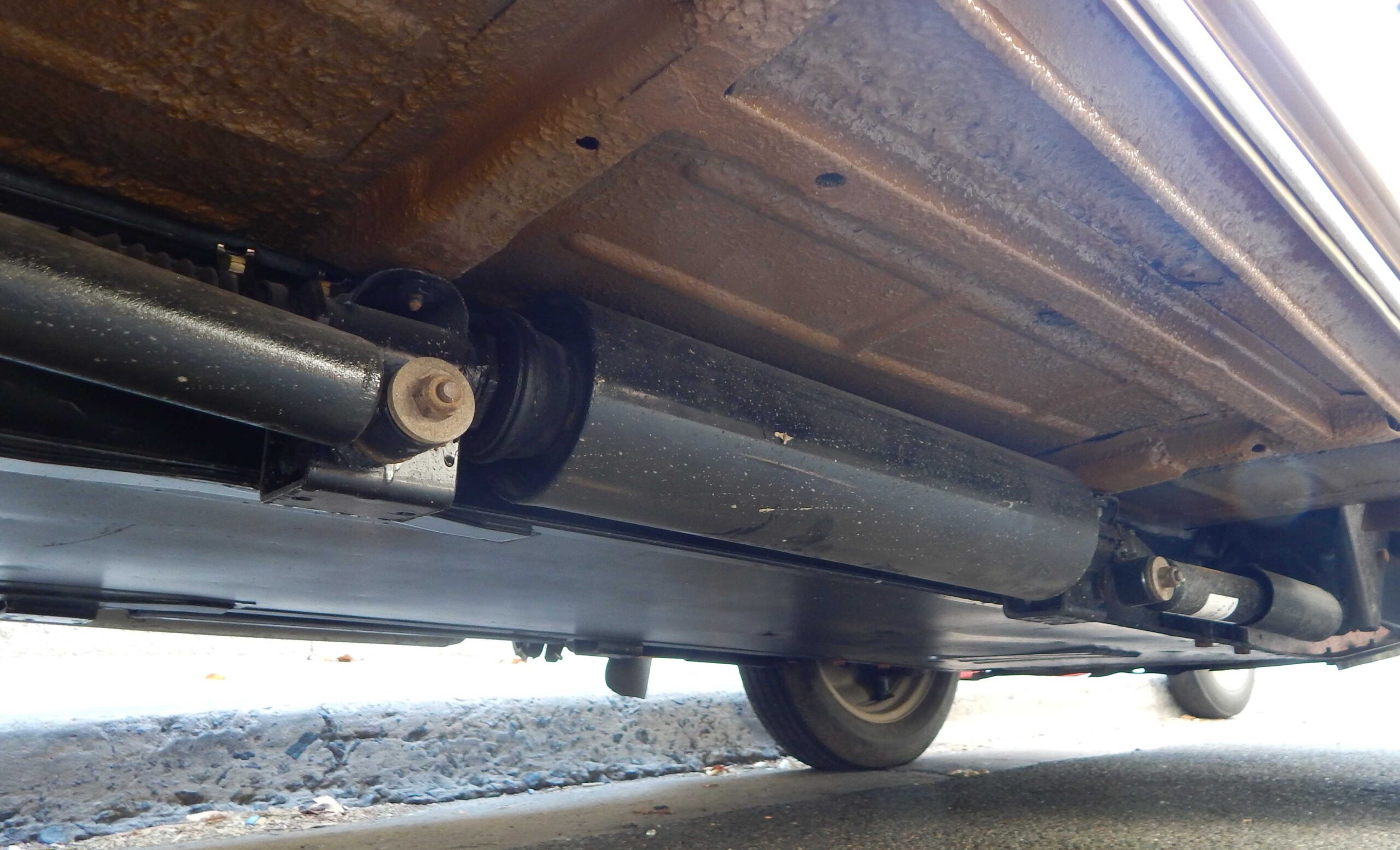
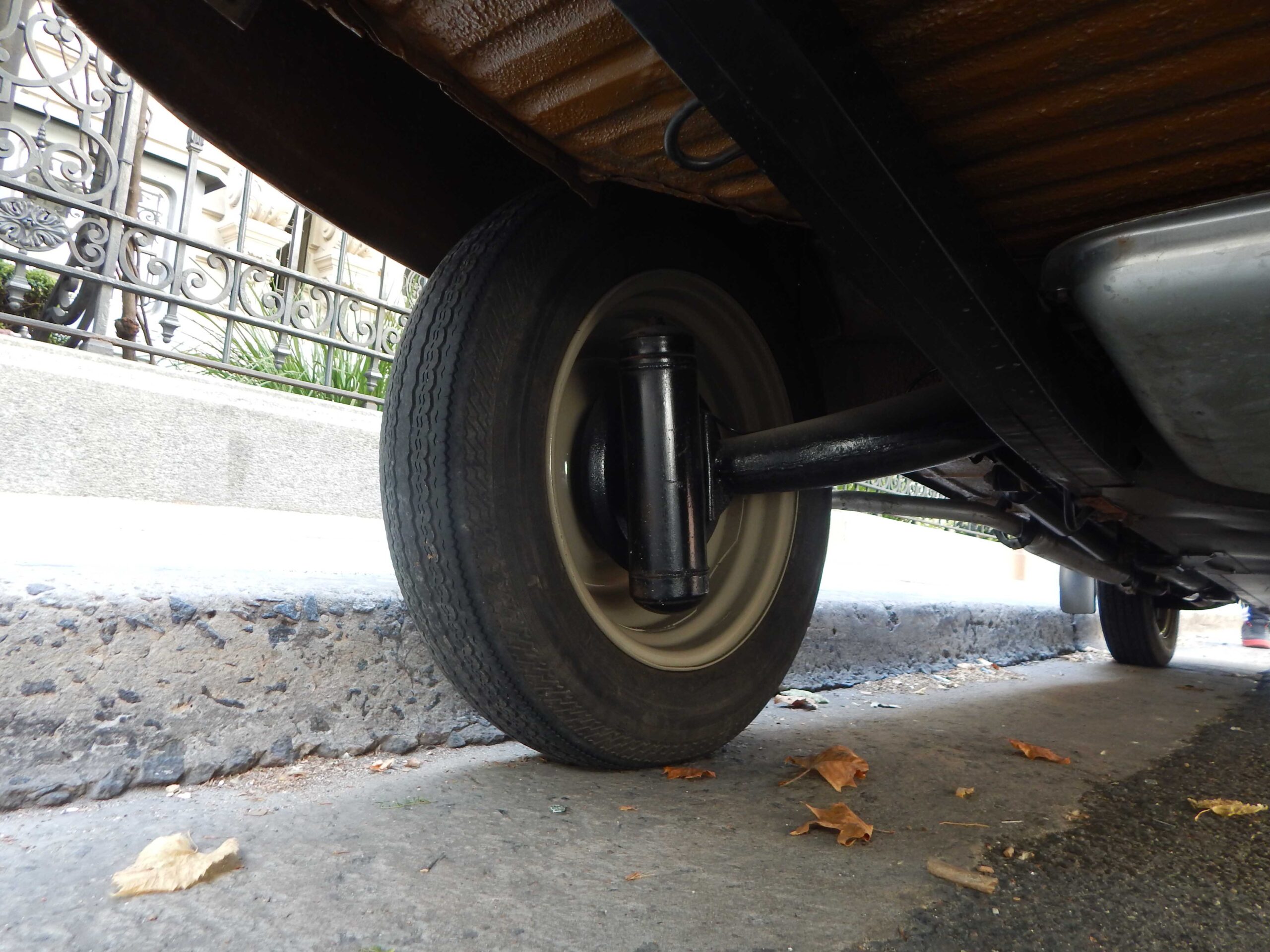
The suspension system features larger springs and hydraulic shock absorbers on all 4 wheels, while still retaining the inertia dampers.
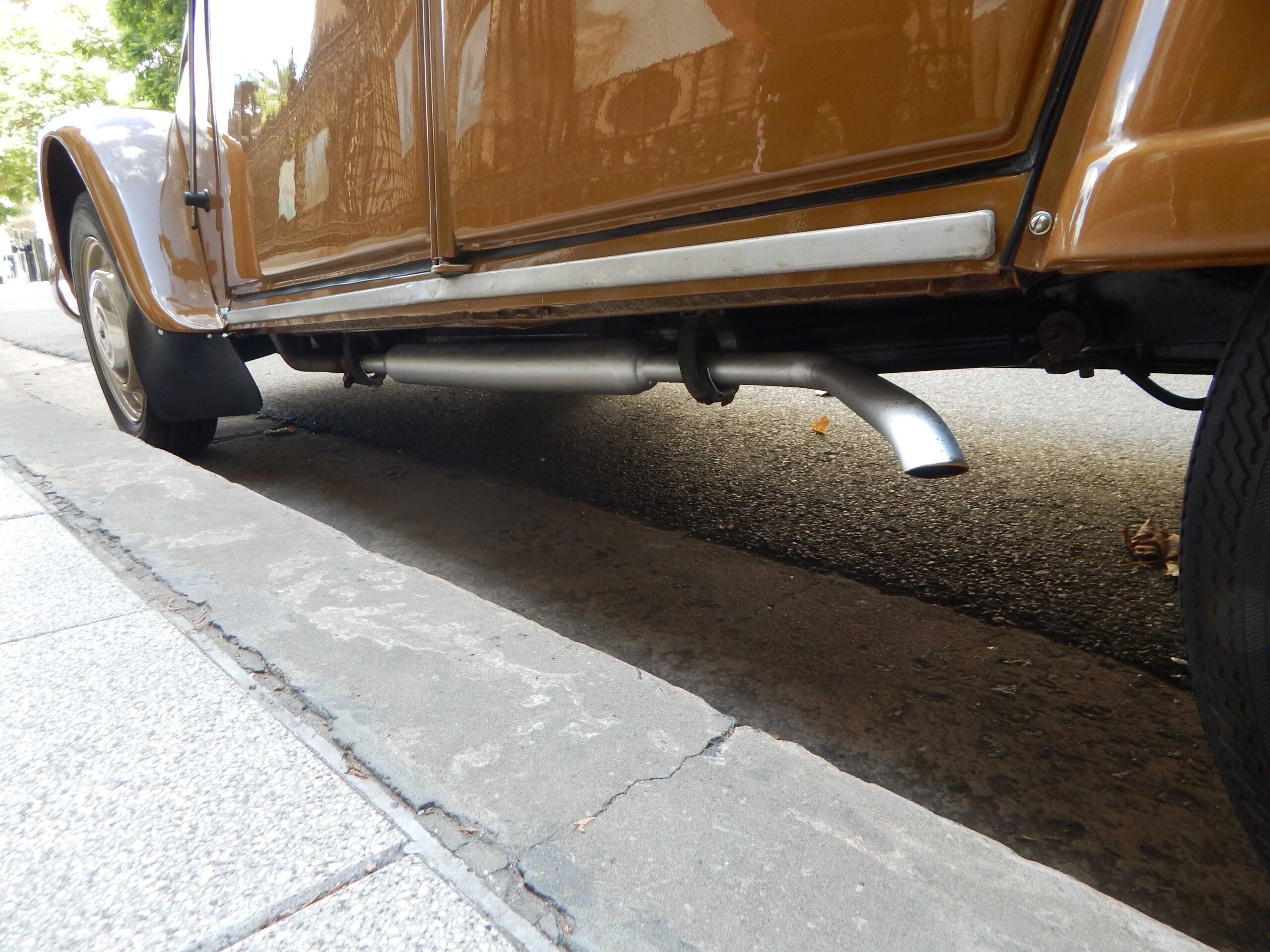
This new 3CV now has an exposed exhaust pipe, which was nonexistent on the 2CV.
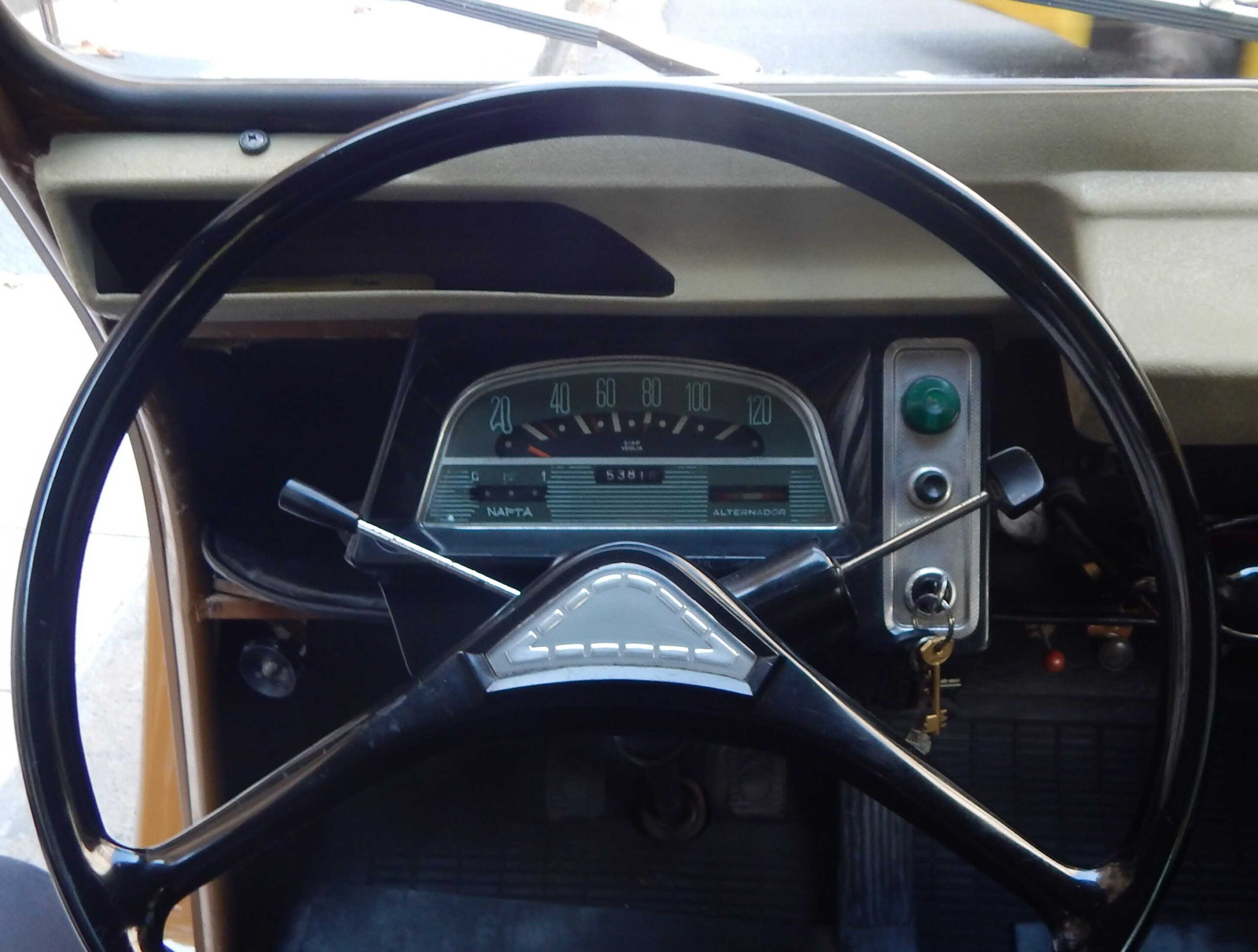
Inside, there are not many changes; the dashboard has some minor modifications, such as the alternator charge indicator and a wider speed range (now up to 120 km/h).
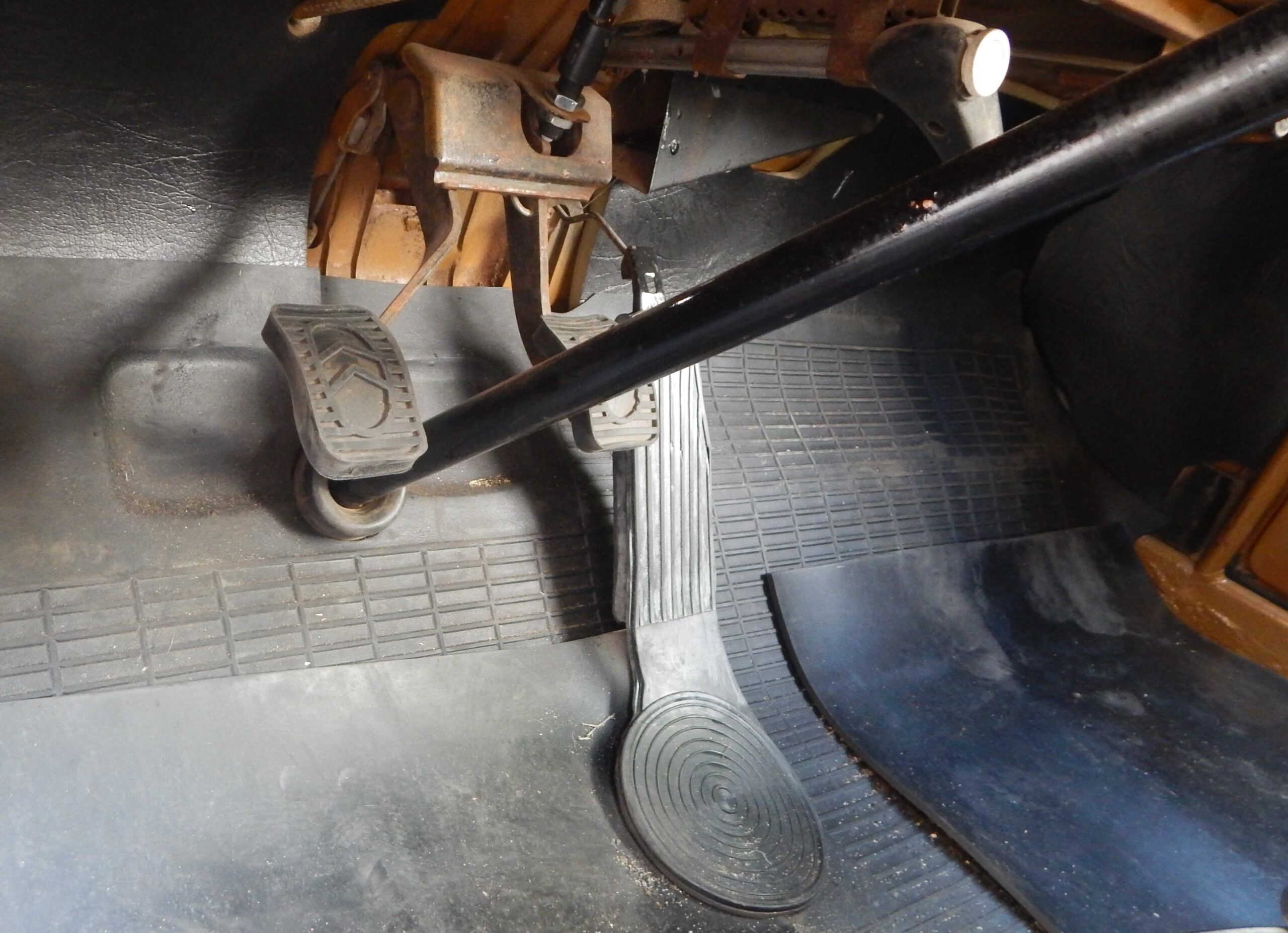
There is a fundamental change to the pedals. The brake and clutch pedals are now floating, (no longer protruding through the firewall) but the gas pedal is still floor hinged with rubber cover that includes a heel rest.
It also features a new lever to operate the handbrake and has a new frame to open the bonnet from the inside.
The bodywork has no changes, retaining the front “suicide” door design.
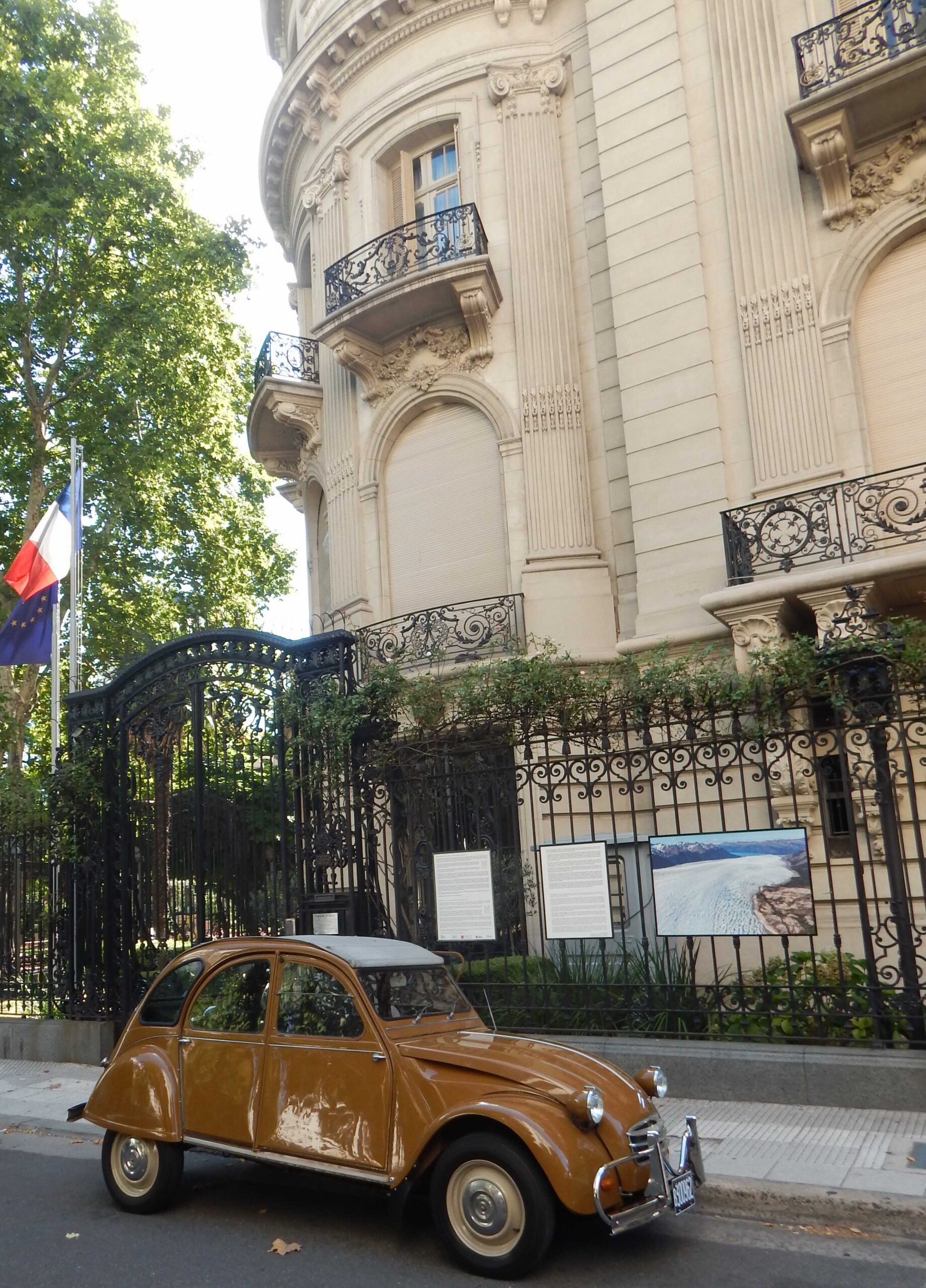
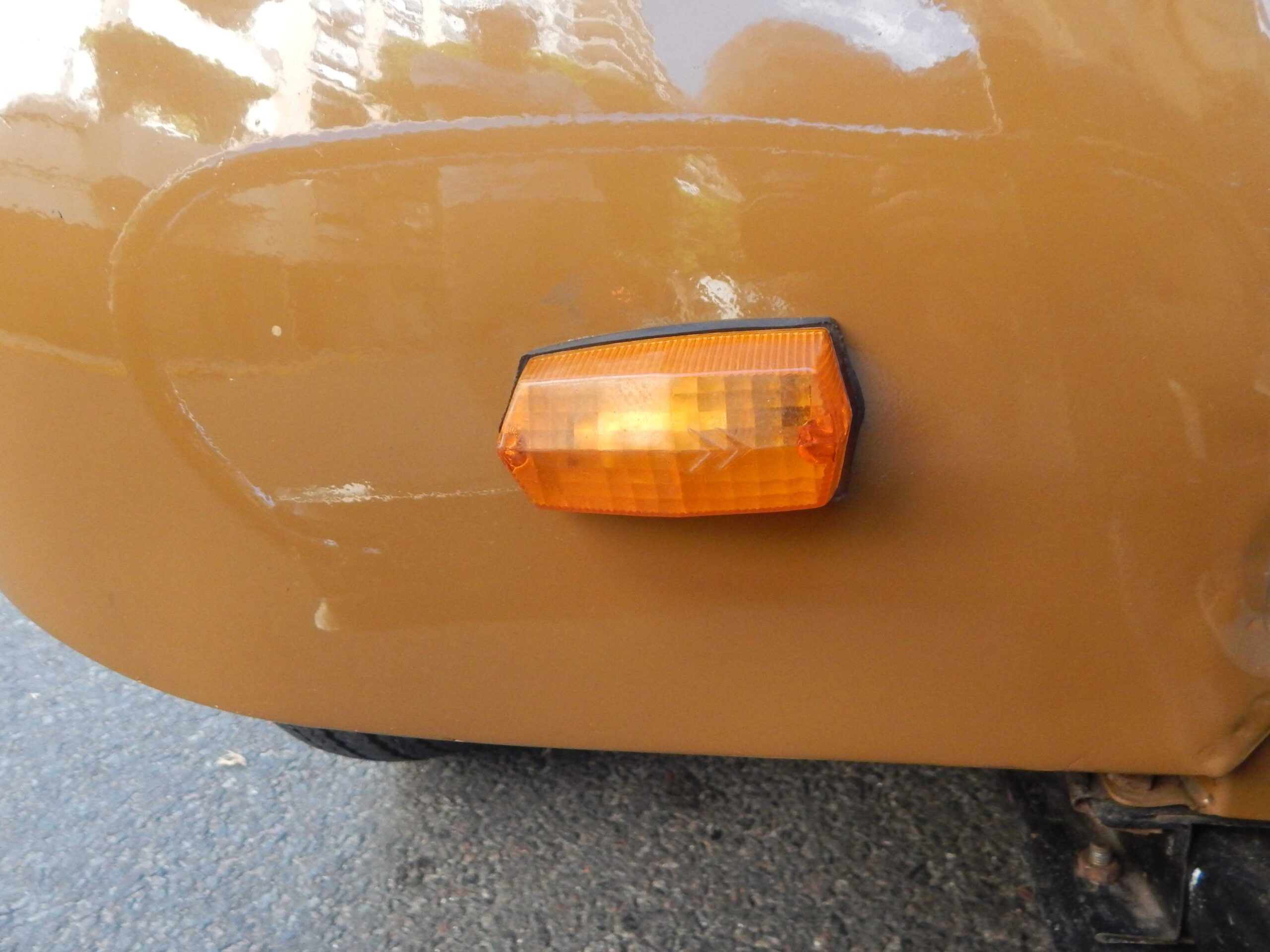
The most noticeable feature at first glance are the new light clusters. At the rear, it adopts those from the French Dyane, while on the front fenders, the new rectangular turn signal lights are incorporated, maintaining the style of the rear ones.
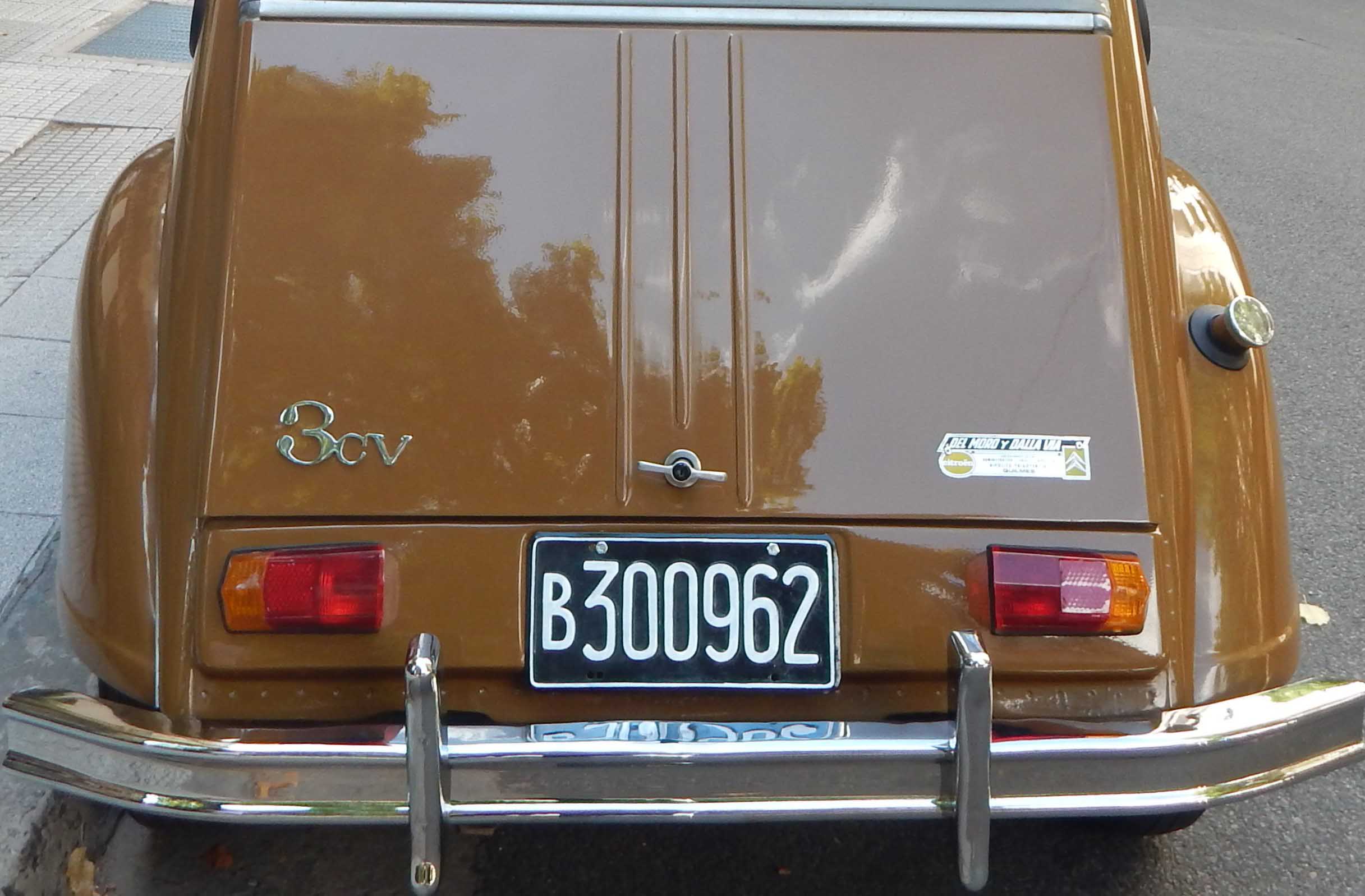
As already mentioned, the chrome “3CV” emblem appears on the trunk lid as a signature, identifying this new locally made product.
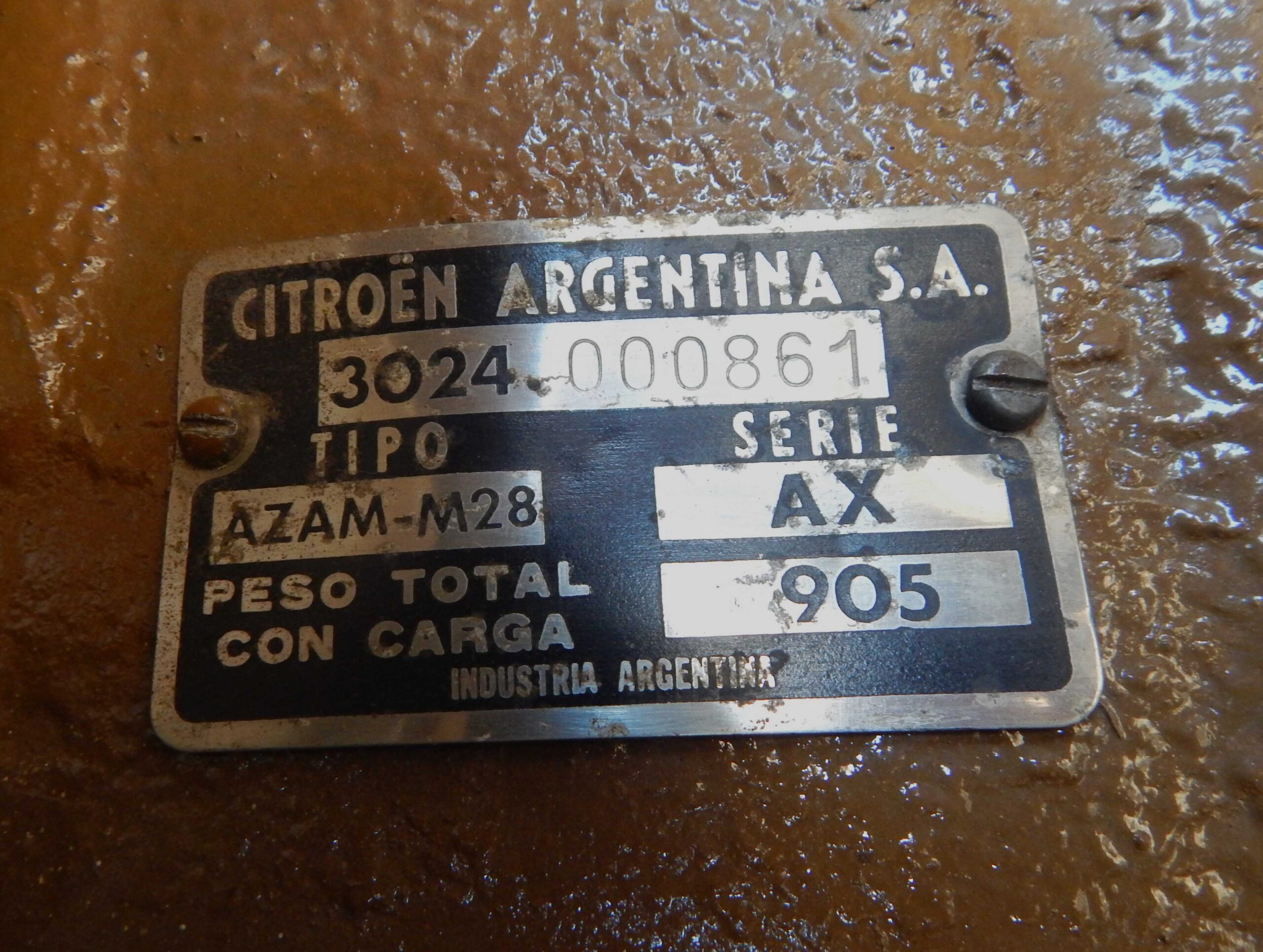
This particular specimen (body number 861), highlights some interesting features:
The exterior color called Shadow Gold was only used for two years (1969-1970) and appears in many brochures and advertisements from that time.
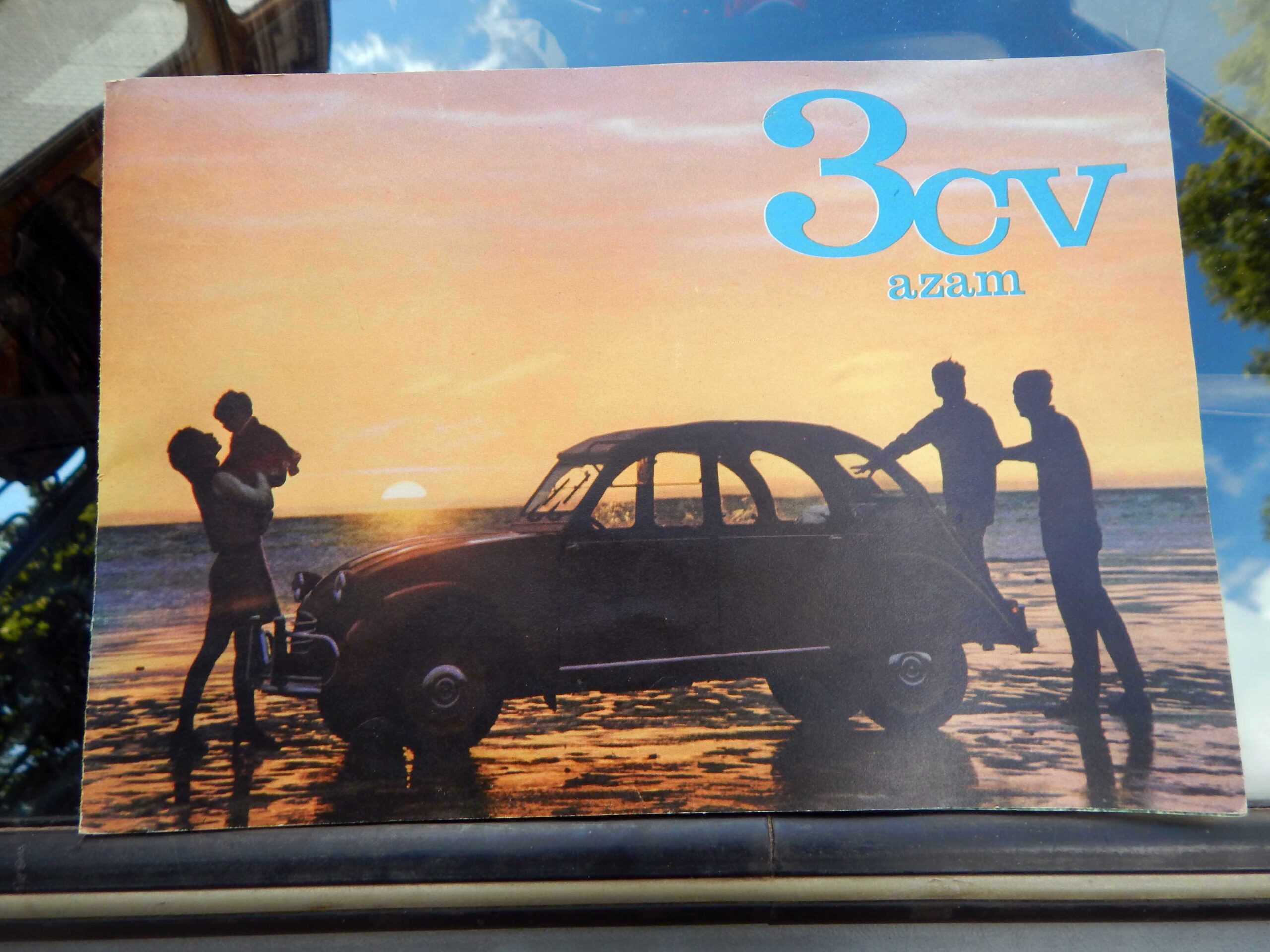
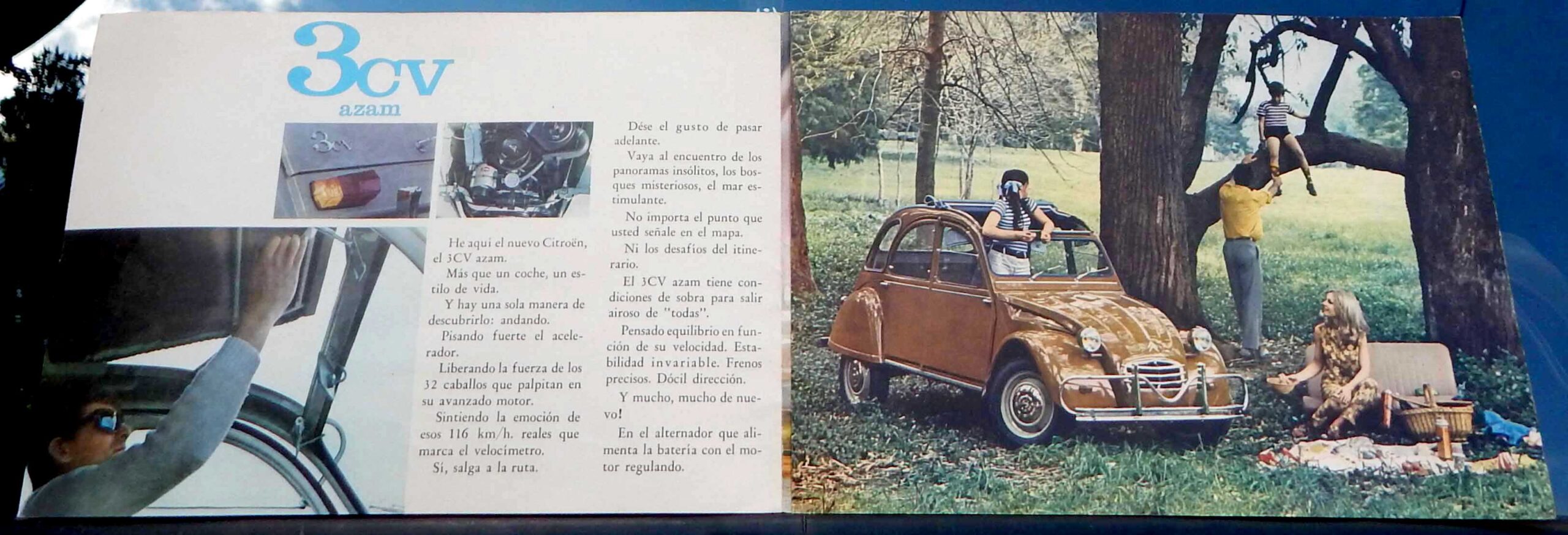
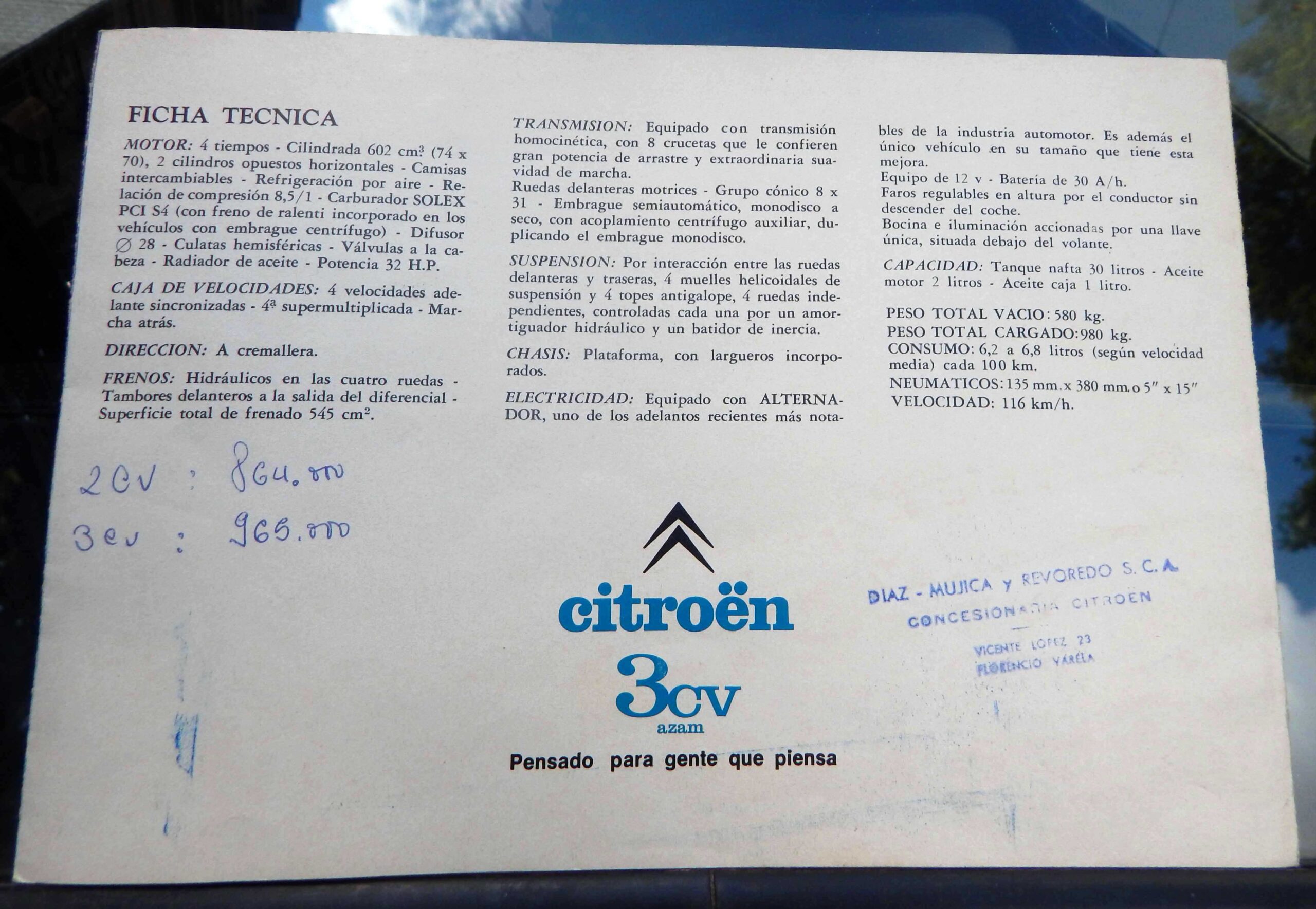
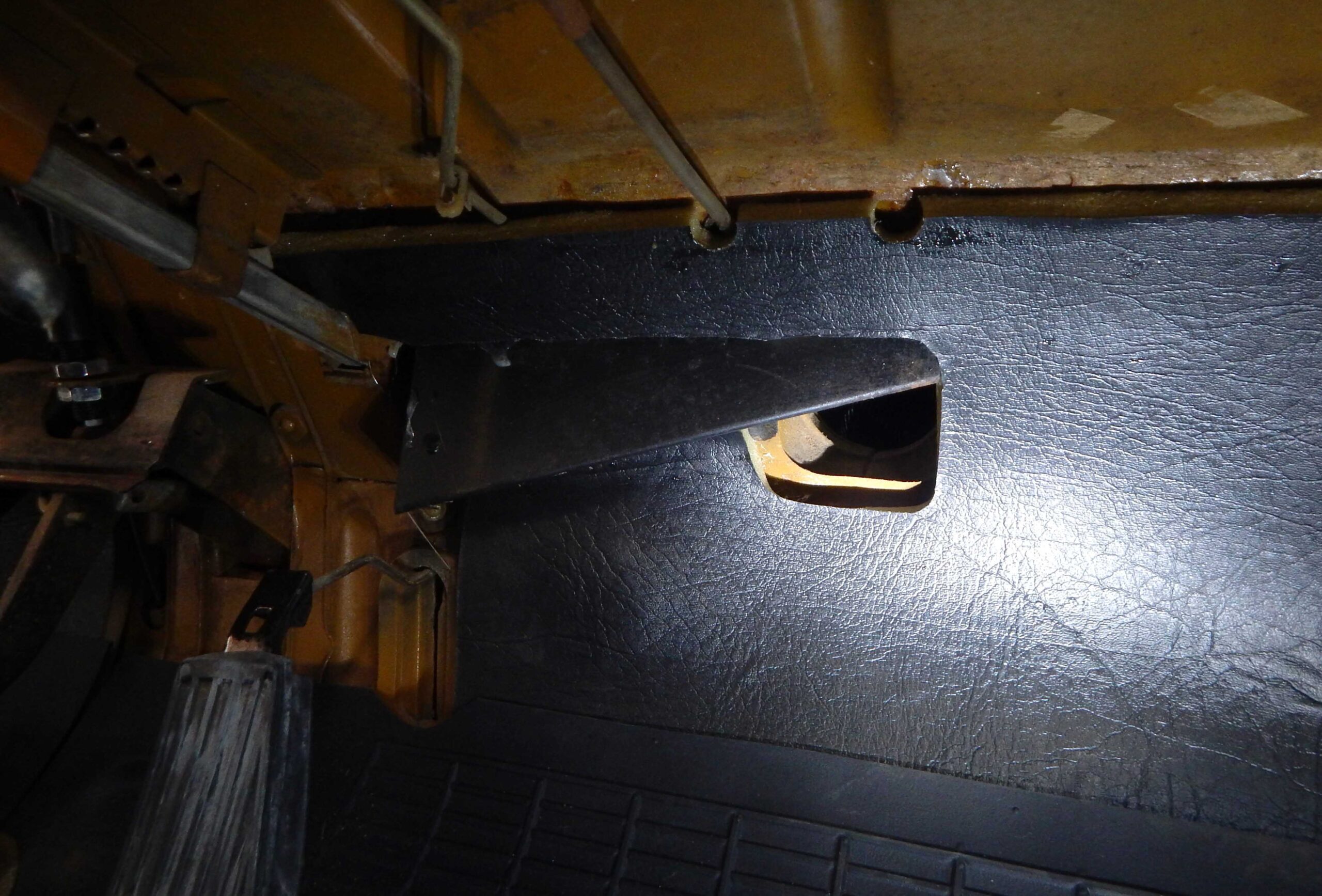
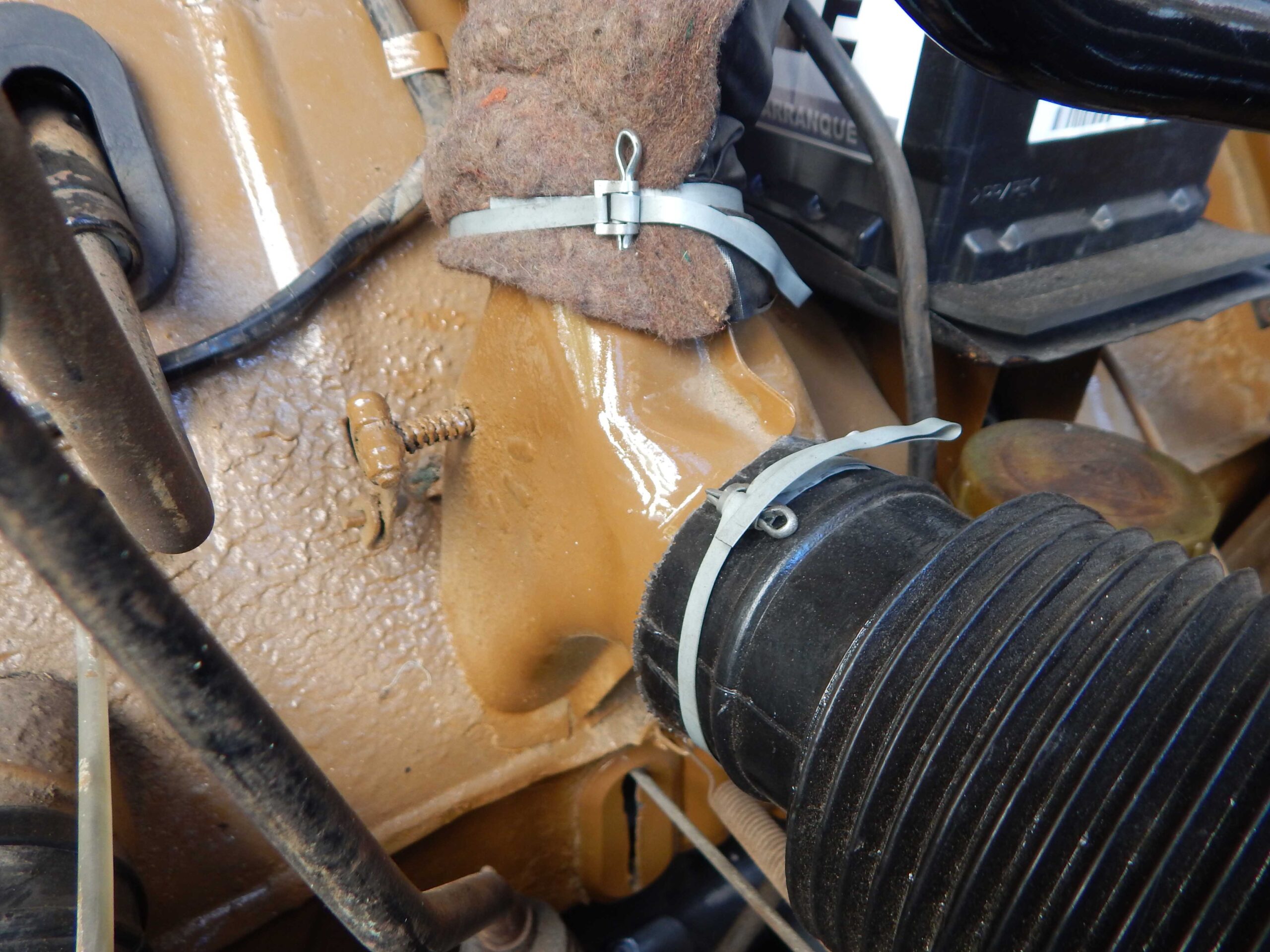
The heating system is a hybrid between parts from the 2CV and a cable-operated mechanism that is unprecedented in the 3CV (more typical in the future Ami 8). Additionally, on its interior outlet, it features a small deflector at the bottom.
A curiosity of this example is that it comes with the seats that Citroën dealerships offered as a luxury option. With a different appearance from the factory seats and greater comfort, this transformation included a small central console between the front seats and a straighter rear seat that matched the overall design.
This 3CV also has rear door windows that are vertically hinged to open and vent air.

With this 3CV model, Citroën Argentina began a new and long story, which remained active until 1979, the year in which production in the country was discontinued.
Text and photos: Alejandro Beiroa, February 2026.
We thank Pascual Migale and Miguel Angel Horoniski for their collaboration on this article.