
Citroën TUB – The First Van Bearing the Double Chevron Logo
By Thomas Urban….
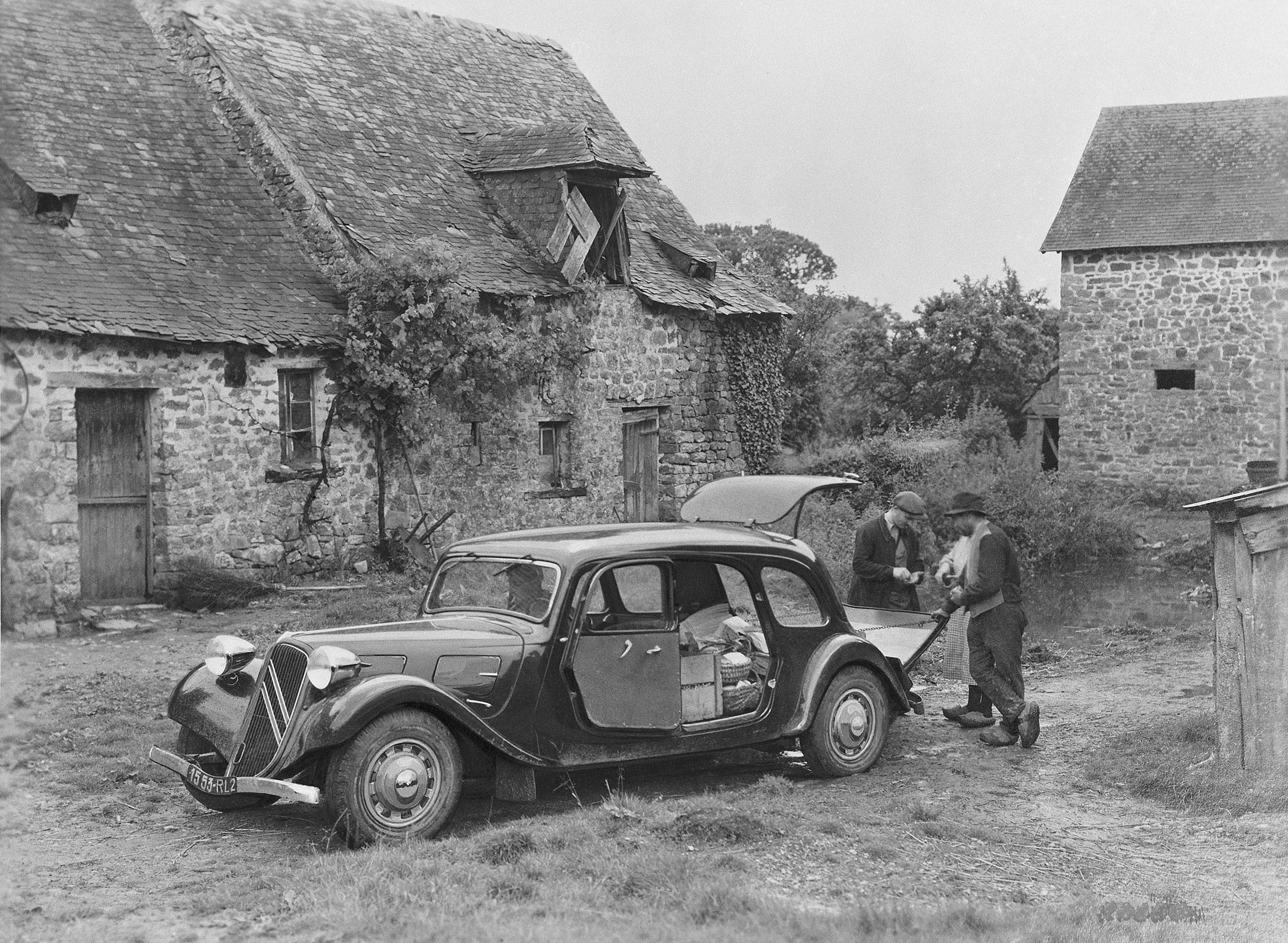
Following the 1935 takeover of Citroën by its main creditor, the Michelin tire company, a significant reorganization of the Quai de Javel factories was swiftly implemented. The top priority for the new leaders, Pierre Michelin and his right-hand man, Pierre Boulanger, was to accelerate and finalize the development of the Traction Avant whose premature launch had been plagued by reliability issues.

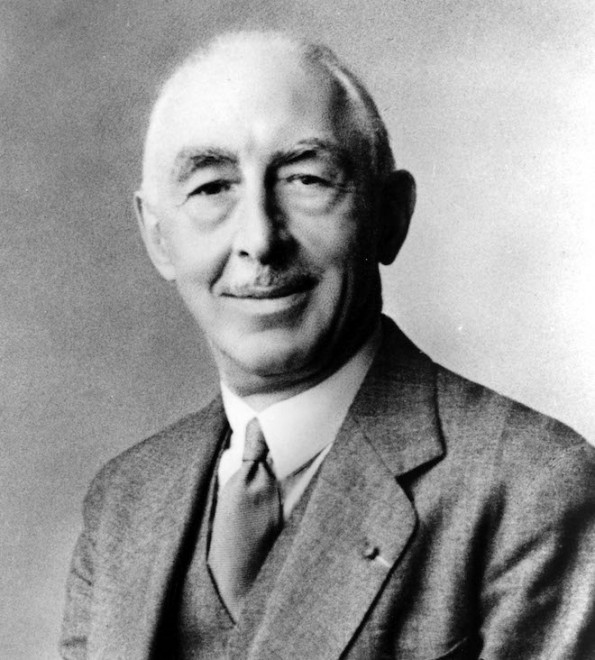
The model had been rushed into production by André Citroën in a bid to keep his company solvent despite encountering insurmountable expenses while getting the Traction Avant production lines operational. By 1938 most of the Traction Avant’s issues had been addressed, leading the company back to profitability. However, André Citroën did not live to see the success of his final creation; he succumbed to stomach cancer on July 3, 1935 at just 57 years of age.
Upon taking the reins at Citroën, the new management primarily focused on passenger cars but did not forget the company’s longstanding tradition of offering vehicles in the commercial sector. They produced larger vehicles specifically designed for commercial use that were capable of carrying greater payloads, often utilizing the same mechanical components as the passenger car models. Lighter-duty models were built on the chassis of passenger cars and frequently shared some bodywork components.
In 1935, Citroën recognized a gap in the commercial vehicle market for vehicle with a payload capacity between 500 and 850 kg to replace their Rosalie vans. For the 500 kg version, they introduced a tailgate “station wagon” variant of the Traction 11 B Familiale; however, the approach for the 850 kg version was distinct.
In the summer of 1936, Pierre-Jules Boulanger received a comprehensive file containing photos, sketches, statistics, and detailed descriptions of how these vans were employed for door-to-door deliveries. He and Pierre Michelin quickly began conceptualizing a new type of modern commercial vehicle, which would be in many respects the equivalent of the Traction Avant Commerciale. An opinion poll was conducted among a broad spectrum of professionals from small artisans and local shopkeepers to leaders of major French companies. This research revealed that users needed a forward-cab vehicle that allowed them to stand upright, access the rear from the driver’s seat and featured a side door facing the curb for easier loading and unloading. Based on information gathered by the Roadside Investigation Department within Michelin, the specifications were drafted to guide the design of Citroën’s new light commercial vehicle.
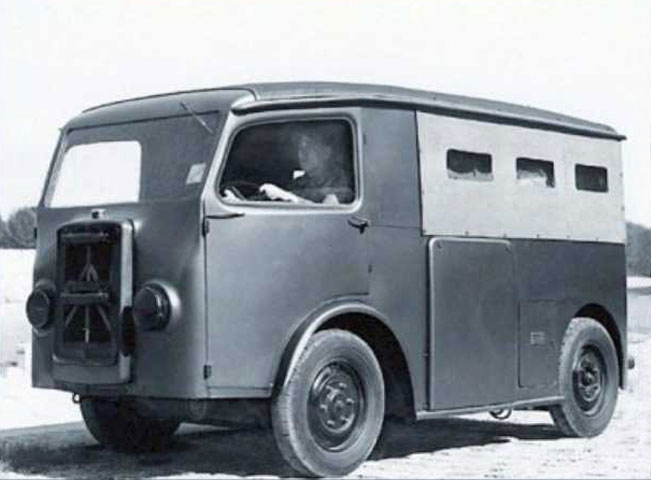
By autumn 1937, the design office completed the first rolling prototype of a new utility vehicle which was unlike anything seen before. Just as the Traction Avant had revolutionized the automobile, this new utility vehicle would represent a significant transformation in the French commercial vehicle market. With a boxy shape and a silhouette reminiscent of a sugar tin, it appeared unique and its technical specifications revealed a remarkable level of modernity that made its competitors look almost like dinosaurs.
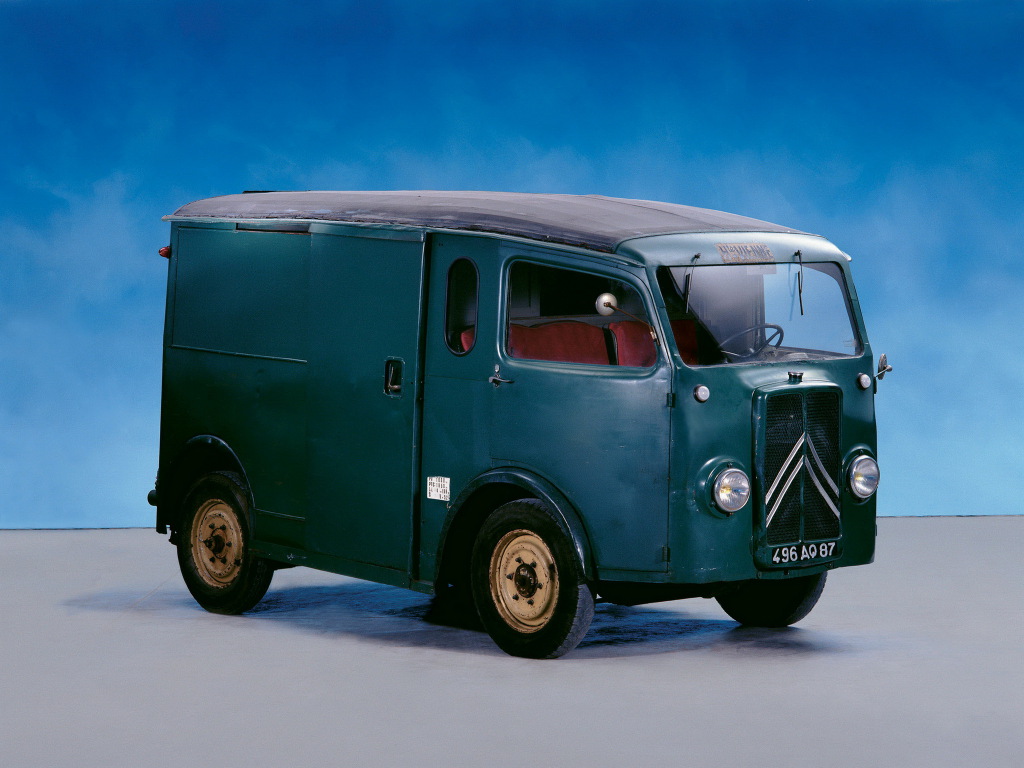
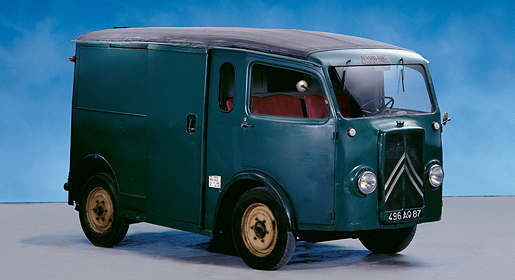
Named TUB—short for Traction Utilitaire Basse (Low-Profile Utility Traction)—this new utility vehicle drew significant inspiration from the Traction Avant. Like the Traction it featured front-wheel drive which eliminated the need for a driveshaft and rear axle. This design provided a completely flat cargo floor which was positioned much lower than that of conventional vans—only 42 cm from the ground—allowing individuals up to 175 cm tall to stand upright inside.
To maximize cargo space without increasing the vehicle’s exterior dimensions, the sizes of the wheel arches were carefully calculated. The driver’s cab was raised, positioning the driver’s feet ahead of the front wheels and beside the engine which intruded into the central portion of the cab. Notably, there was typically no second seat fitted on the right side of the driver’s cab.
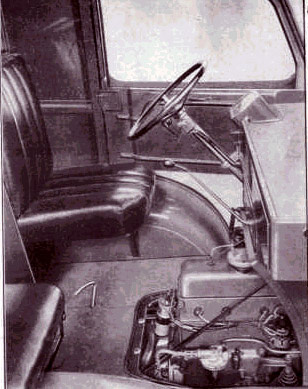
This design significantly increased the available volume, resulting in a payload capacity of 850 kg. In response to customer requests the new van featured a sliding door on the passenger side—an innovative addition.
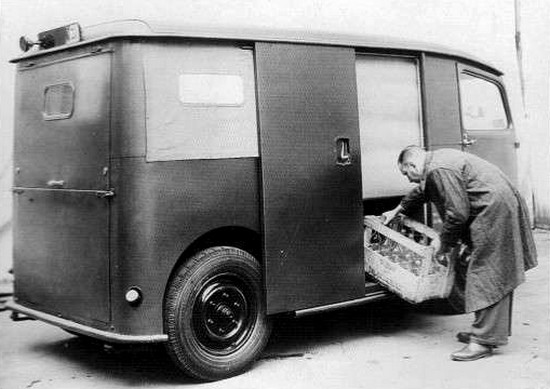
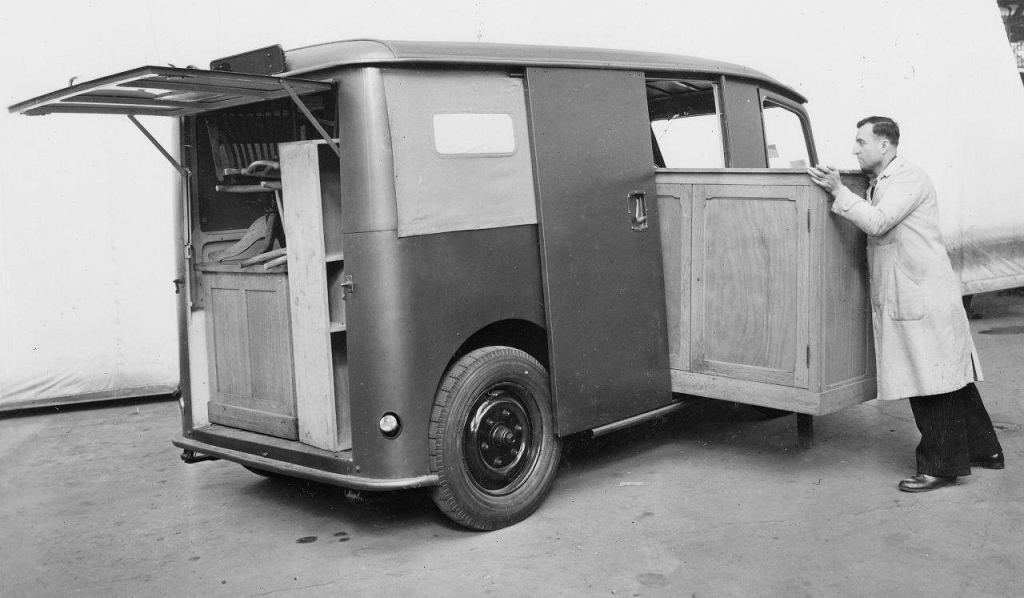
The upper sections of the van’s sides consisted of tarpaulin-material curtains, incorporating small windows made of flexible plastic. The right-hand curtain was permanently fixed, while the left-side curtain extended the full length of the cargo area and could be rolled up and secured to the roof’s edge revealing a load space of over 6 cubic meters.
At the rear, users had the option of “cabinet-style” vertical doors or a split upper tailgate with a lower door configuration, both of which greatly facilitated the loading and unloading of various goods, including heavier and bulkier items. To achieve the lowest possible loading sill at the rear and prevent the license plate from becoming obscured by dirt when traveling on rough or unpaved roads, the license plate was positioned on the roof above the tailgate.
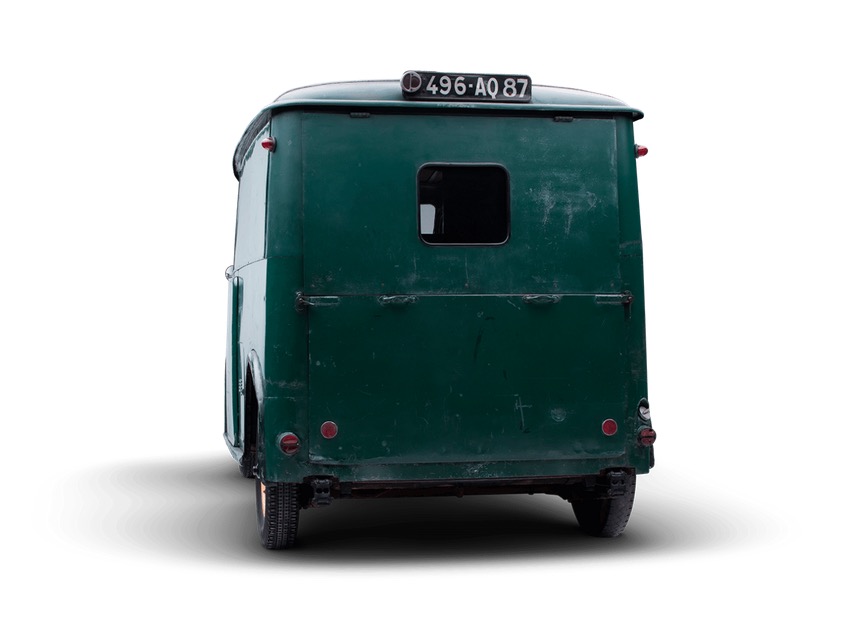
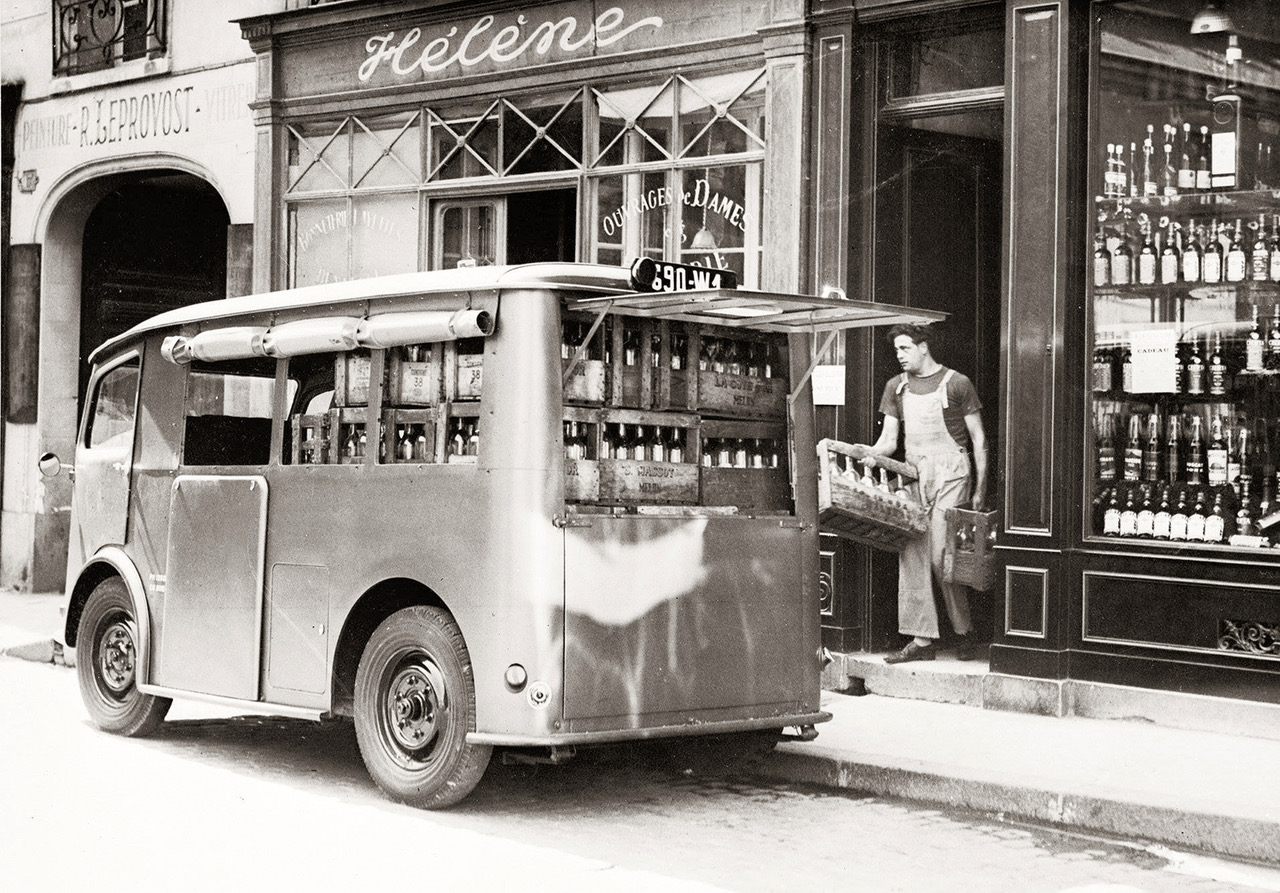
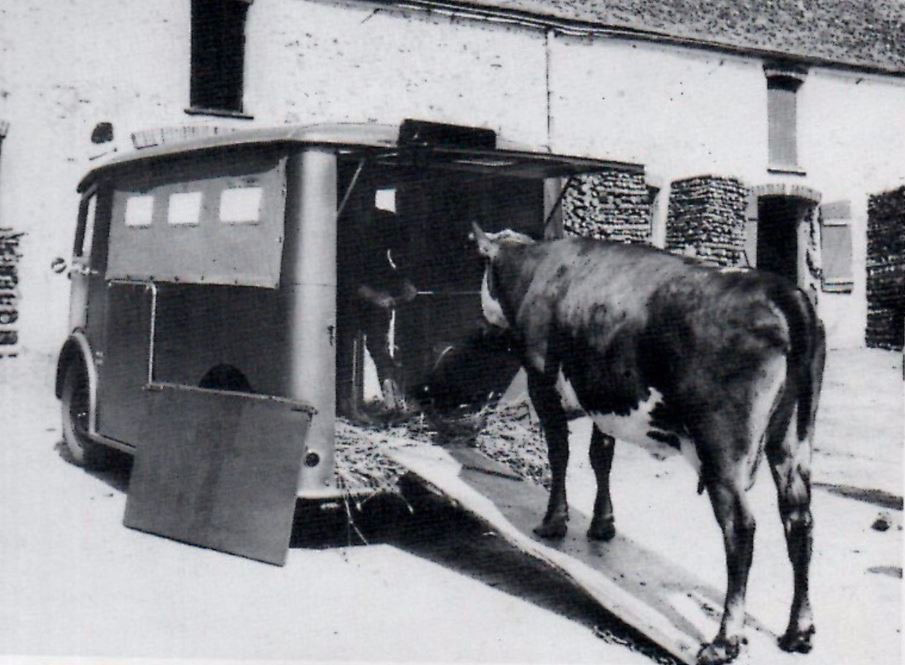
Citroën’s design team ingeniously created special compartments accessible from the outside. The spare wheel and battery were stored in a locker on the left side of the van that were accessible from outside and completely sealed off from the cargo area. Inside, metal reinforcements were installed, allowing TUB users to customize the rear compartment to meet their specific needs. Production of the van’s bodywork was entrusted to the coach-building firm Fernand Genève.
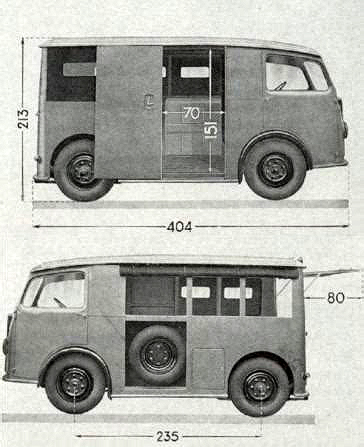
Mechanically, to simplify production and control costs, the TUB shared many components with the Traction Avant. It utilized the same 4-cylinder, 35 hp, 1,628 cc engine as the 7 CV, along with the gearbox, front torsion bar suspension, and hydraulic brakes from the Traction Avant. The chassis consisted of two angled longitudinal members while the rear suspension employed a more conventional design with standard semi-elliptical leaf springs.
The overall result was a low-weight, low-cost commercial van characterized by extreme simplicity.
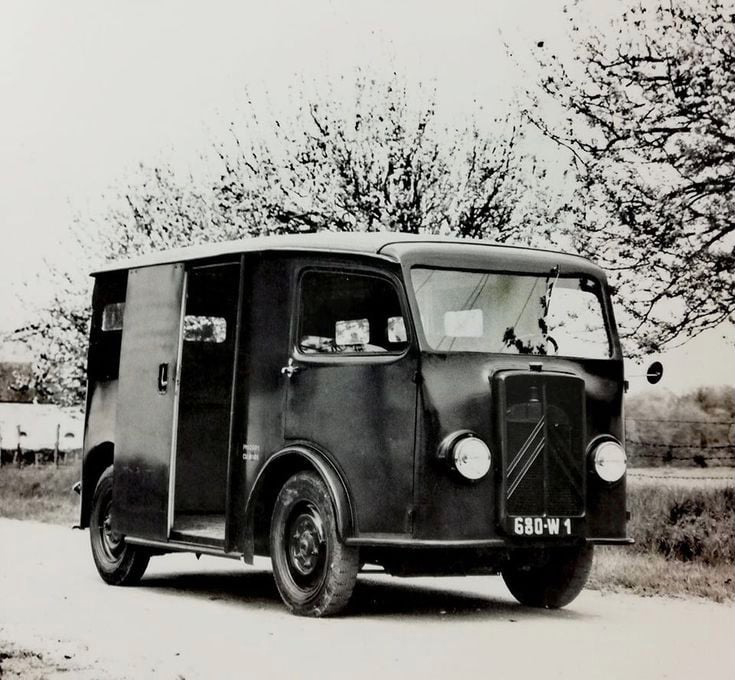
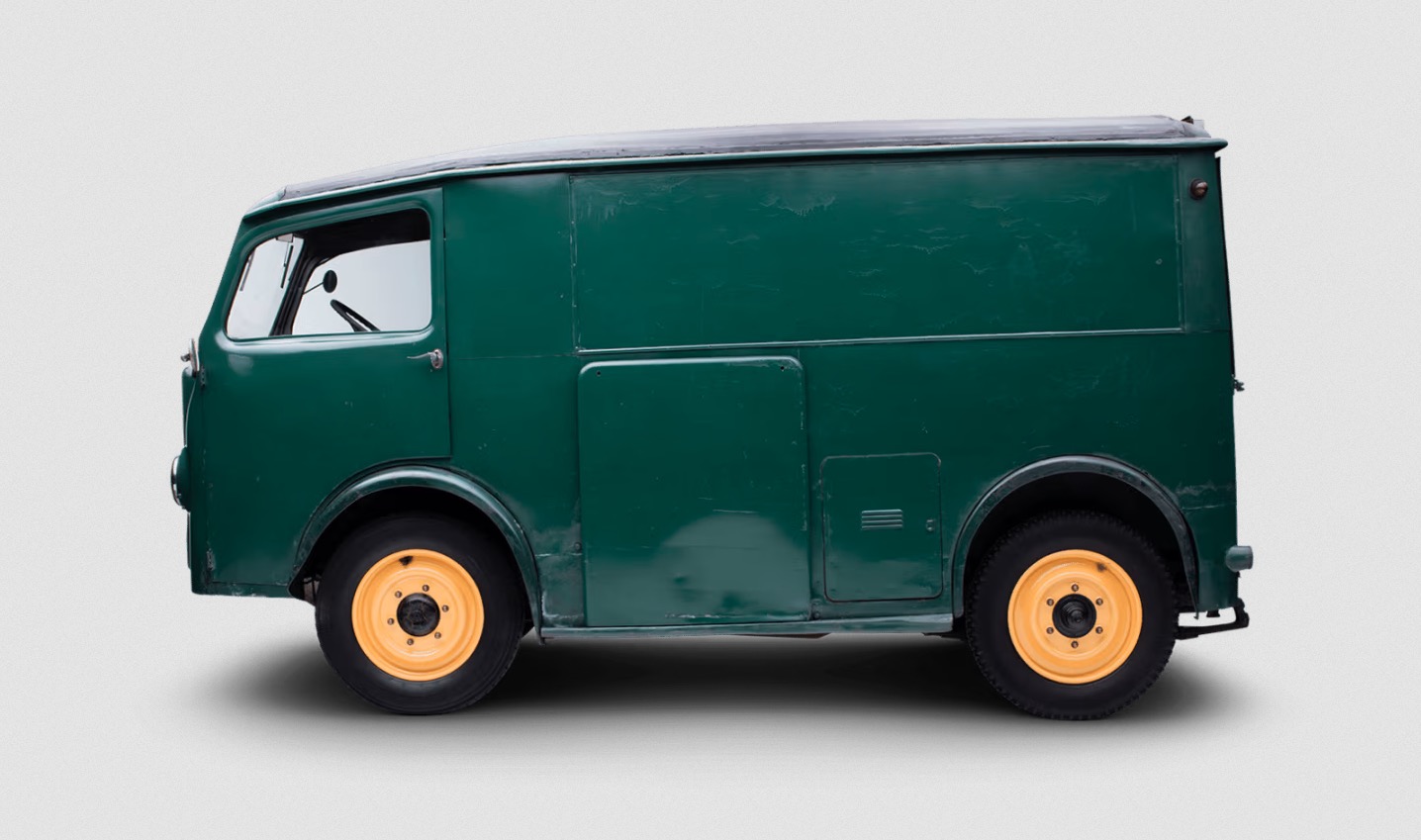
The TUB went on sale on June 5, 1939, priced at 36,000 francs, at a time when the base version of the Traction Avant was priced slightly above 26,000 francs. The first pre-production examples arrived at Citroën dealerships and were utilized as service vehicles. Michelin also deployed them for delivering tires and equipment to agents and branches throughout France. Actual sales of production TUBs to business customers and independent operators did not commence until June, with a total of 1,748 units built.
While vehicles used by various Citroën and Michelin departments featured a fully enclosed all-metal body, the version sold in the brand’s catalog had to make do with sides whose upper sections were covered by canvas curtains with plastic windows. In contrast, Michelin vehicles could be easily identified by their uniformly black paintwork with the silhouette of the famous Bibendum (the Michelin Man), and the Michelin name inscribed in yellow letters on the front doors.
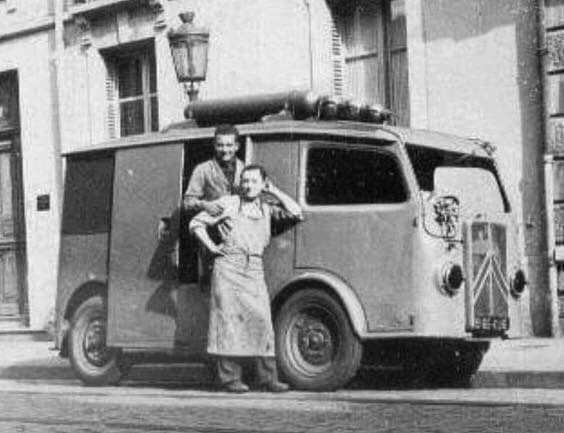
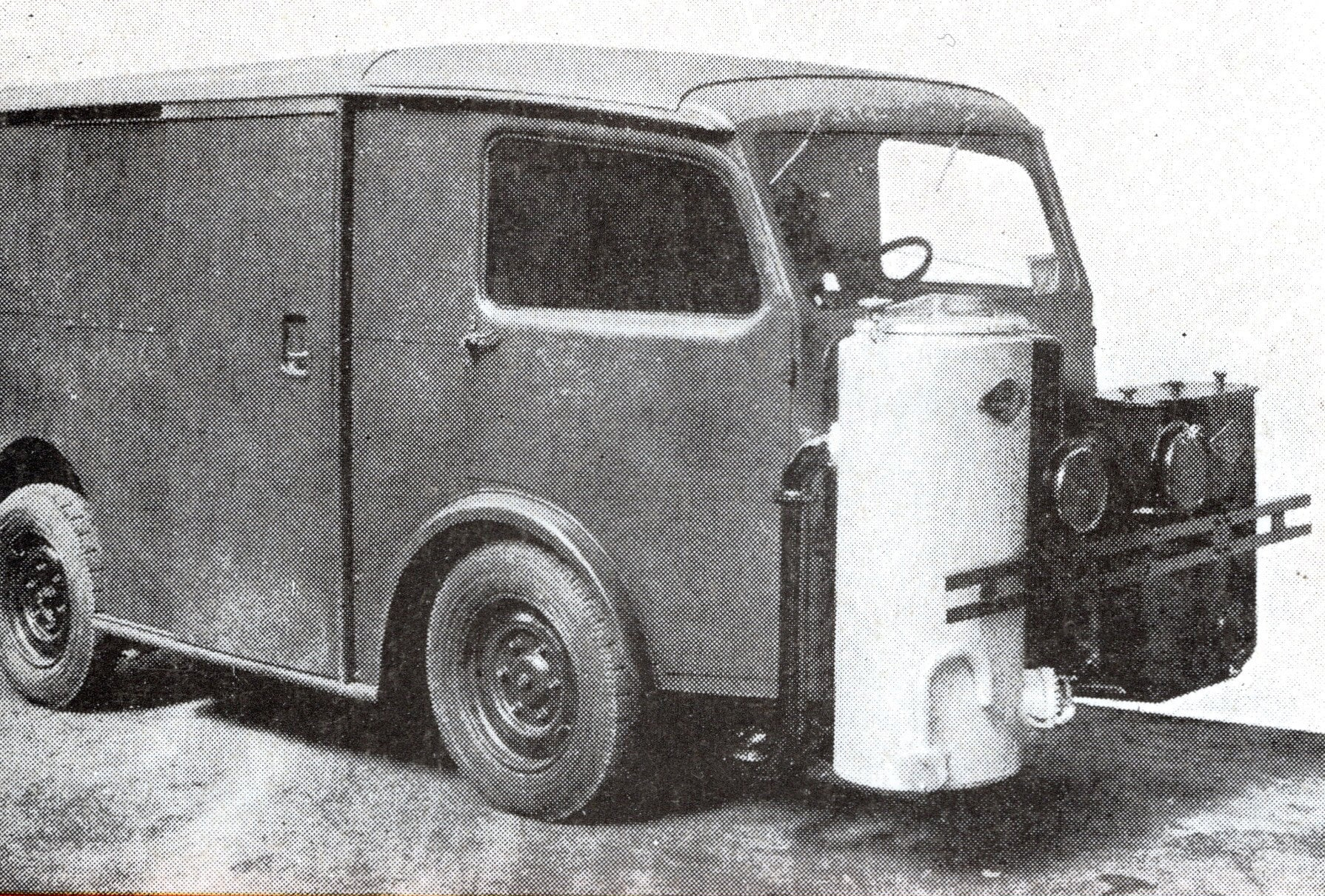
In September 1939, France declared war on Germany and by February 13, 1940, a replacement version of the van was introduced, designated the 11-T série U. The “11” in its name signified its promotion to the 11CV taxation class due to an increase in engine size to 1,911 cc. As the new vehicle was an evident improvement over the TUB, it quickly became known as the TUC. Payload capacity increased from 1,020 kg to 1,200 kg, along with enhancements such as the addition of a second windscreen wiper to match the one on the driver’s side. This may have coincided with a small protruding ridge beneath the front panel, seemingly a half-hearted acknowledgment that most vehicles of this size featured a front bumper.
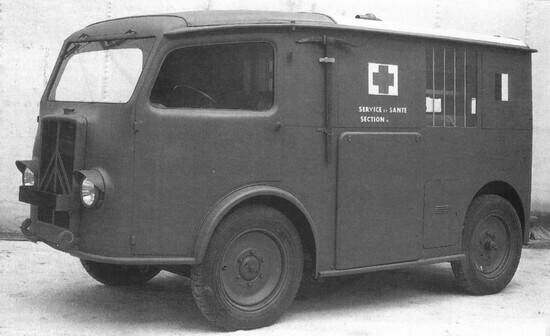
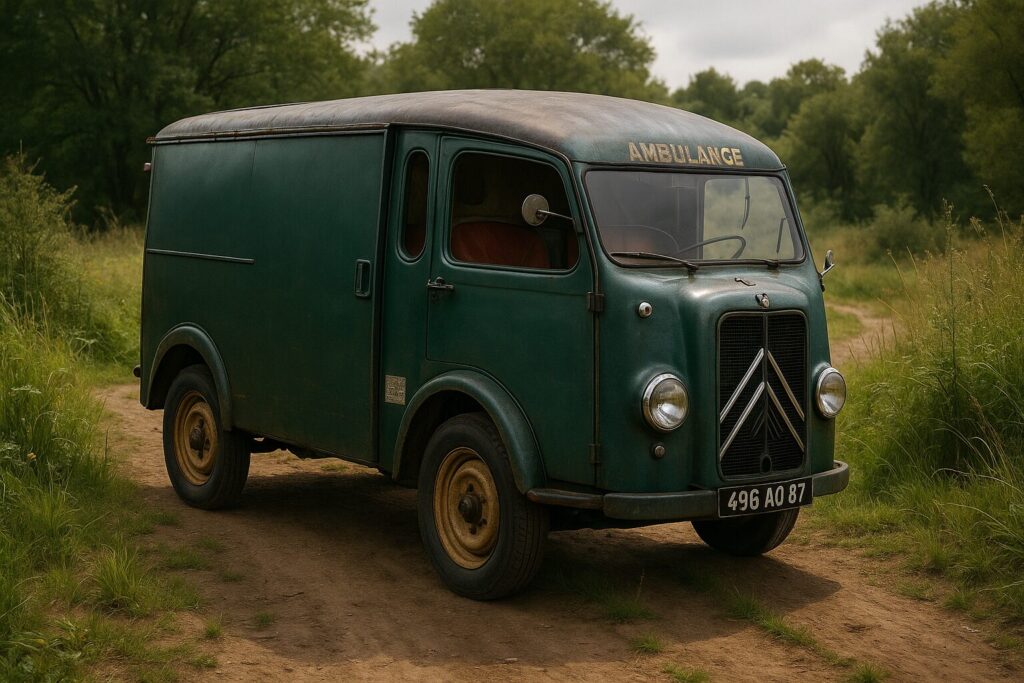
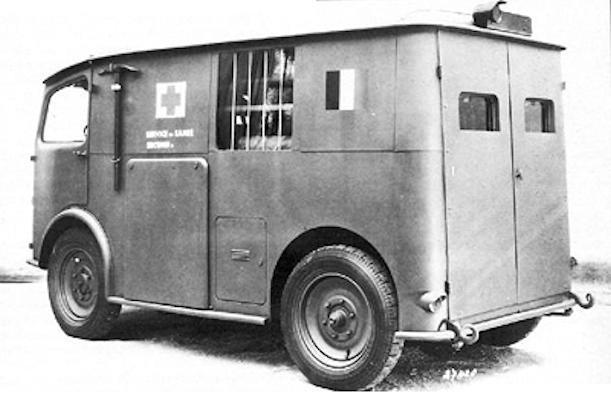
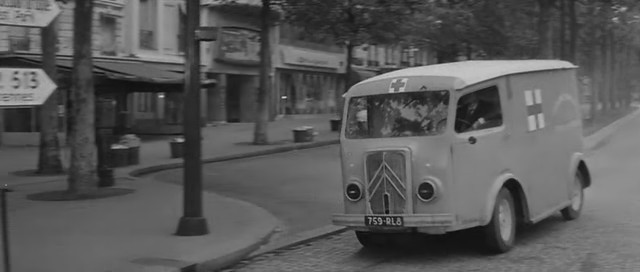
Citroën also offered a TUB ambulance version based on the Michelin van. Its compact size relative to its large cargo volume made it particularly well-suited for wartime use allowing it to transport up to six wounded individuals lying on stretchers or nine seated—almost double the capacity of traditional ambulances of the same size. Designated TAMH, nearly 500 units of this ambulance version were produced until June 1940.
Despite the German invasion of France between May and June of 1940, the TUB continued production until Spring 1941, with the TUC replacing it on the production lines in May 1941. By that time, raw materials for civilian products and fuel for civilian transport were rapidly dwindling. Consequently, only a few TUC vans were produced, and production ceased altogether in December 1941.
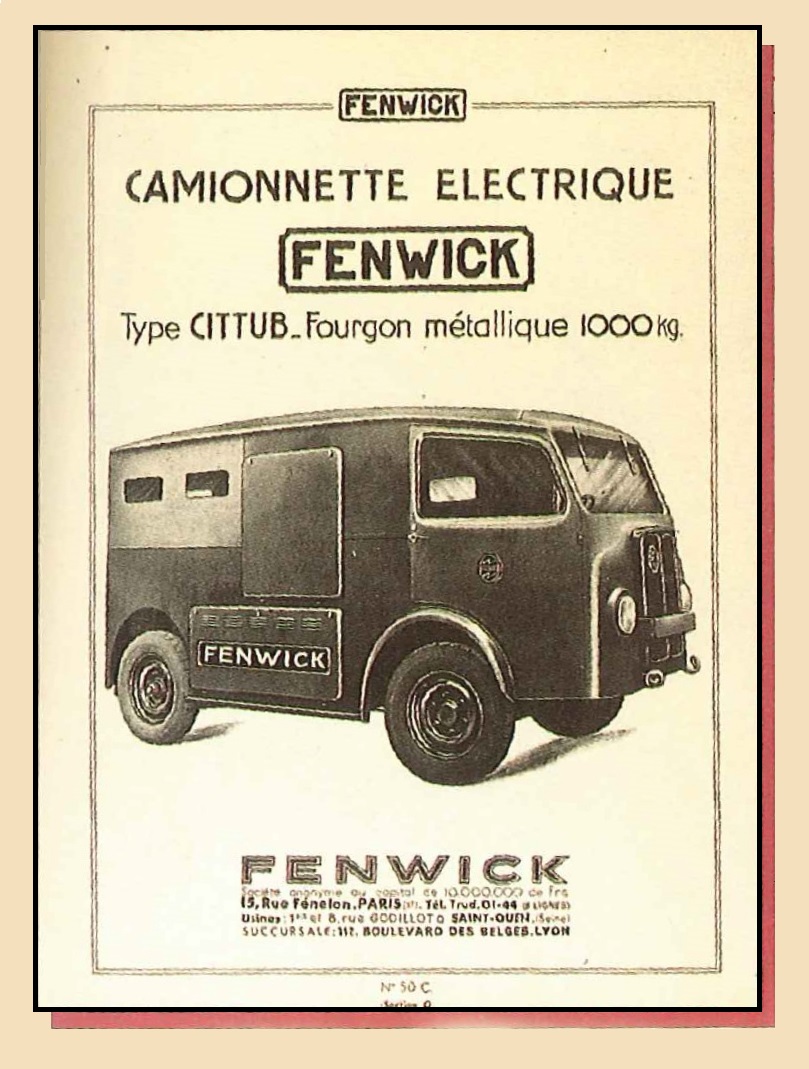
Approximately 100 TUB models were converted by Fenwick in 1941-1942 to integrate an electric motor.
Passenger car production also came to a halt during the war for other French manufacturers, leaving commercial vehicle production as the only segment that continued. Despite the challenges posed by the war and the German occupation—particularly the prohibition on developing any new models for civilian use following the signing of the armistice with Germany—the men in Citroën’s design office continued their work on the TUB clandestinely, striving to develop and improve the vehicle in preparation for the post-war period.
While no one could accurately predict the future, Pierre Boulanger understood that France would emerge from the war economically, socially, and industrially drained. This reality meant that commercial vehicles would be more essential than ever for the country’s reconstruction.
At the Paris Motor Show, which opened in October 1946—the first post-war motor show in France and indeed in Europe—a new version of the TUC was presented, boasting a payload capacity increased to 1,200 kg. This was showcased alongside the Traction Avant, of which only the sedan versions had for the time being resumed production. However, this new TUC variant never went into production.
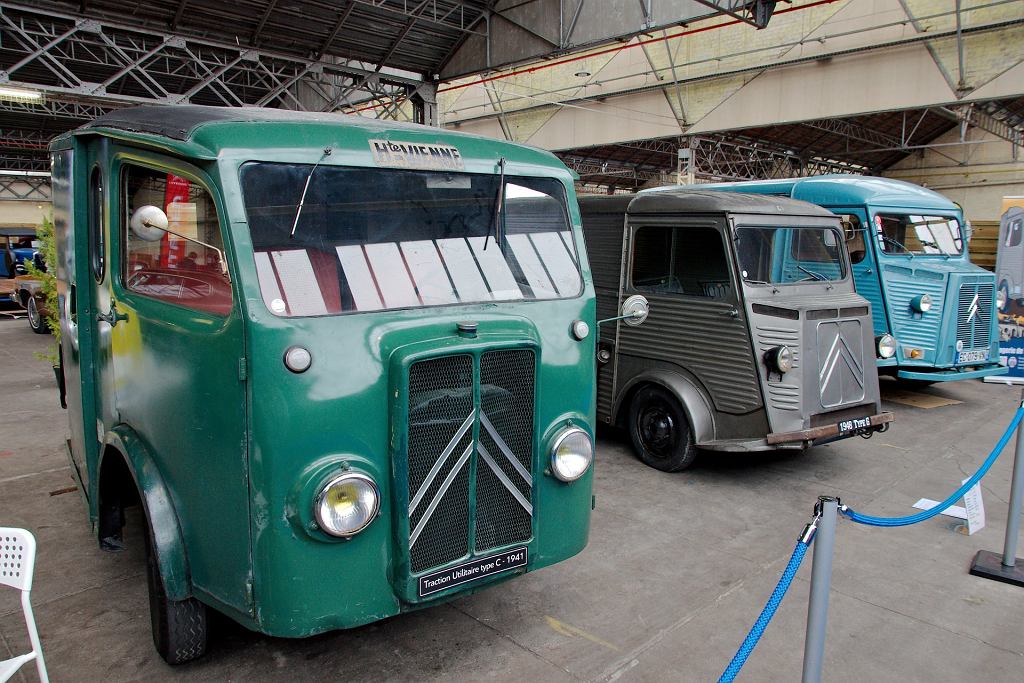
Citroën was already in the process of developing a new light commercial vehicle, the famous Type H which was considerably larger in size and featured body panels made of corrugated sheet metal. This new van retained many of the features and innovations of its predecessor. Launched in 1948, the Type H enjoyed a long and successful production run, with over 473,000 units sold across various sizes and configurations, until 1981.
Nice history about a model that is not talked about often enough.
I always thought a small, cab forward type van powered by the 2CV boxer engine would have been an interesting option instead of the 2CV body based AK250/350/400 model – a miniature H van…