
Gérard Larochelle: A Citroën Salesman Through and Through

By Steevie Lavoie….
One can’t underestimate importance this gentleman had for Citroën Canada, primarily in Quebec.
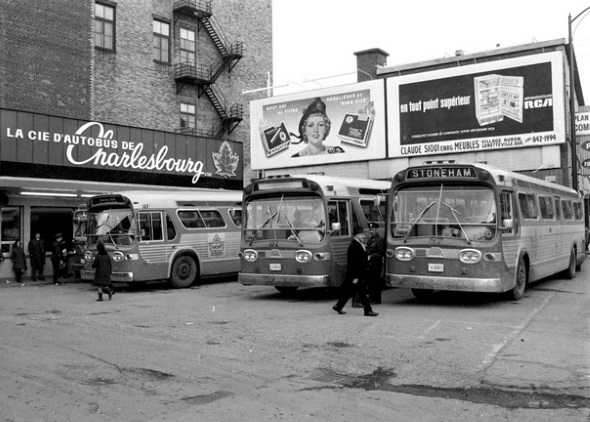
Gérard Larochelle was born in Quebec City in 1941. His father was the general manager and administrator of a private bus fleet, Autobus Charlesbourg Ltée. His mother,
a homemaker, raised her six children with the love and religious convictions prevalent at the time. Gérard was exposed to automobiles from a young age; his father had recognized his passion for cars and taught him early on how to move a vehicle, especially in reverse! This allowed Gérard to move buses around the company garage lot long before he had his driver’s license.

After completing his classical studies and spending two years at the Faculty of Commerce at Laval University in Quebec City, Gérard was more drawn to sales than to the accounting program offered at the Faculty. Sales, with its techniques, the interaction with people, and the satisfaction of making them happy—that’s what truly captivated this young man.


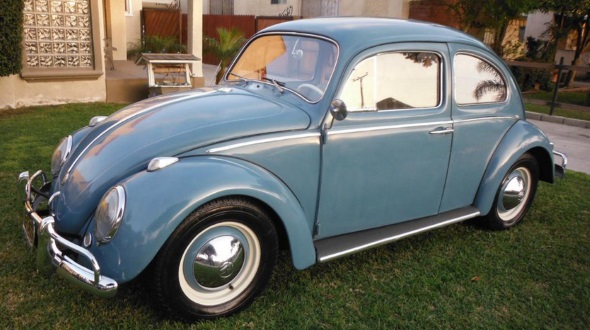
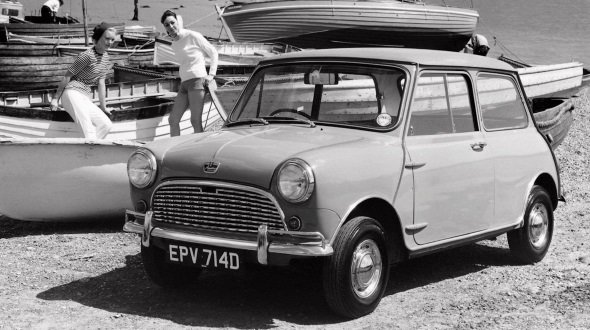
To get to university, he still needed to buy a car because public transportation in Quebec City at that time wasn’t very well coordinated for traveling between Charlesbourg and the Ste-Foy University Campus. In 1962, he had to choose between a Volkswagen Beetle for $1600, a Mini for $1350, and a Citroën 2CV for $1050. His choice was quickly made: it would be the Citroën. And that car would mark his life.
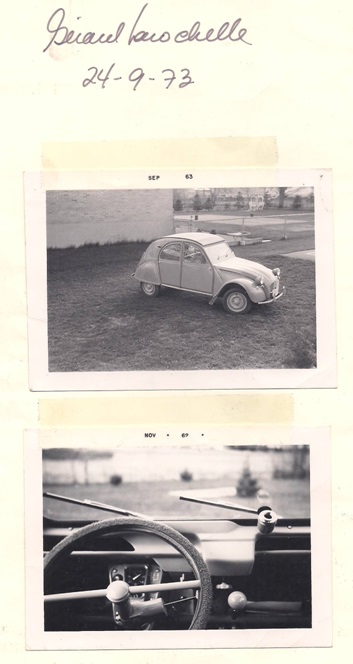
Shortly after acquiring the 2CV, the Quebec City dealership “Versailles Automobiles” was destroyed by a fire, resulting in a total loss. Some time later, the Citroën dealership was entrusted to a kind man in Val St-Michel, a small town on the outskirts of Quebec City, but one that had the feel of a small village.
Today, this suburb is called Val Bélair and no longer resembles the small town it once was. Nevertheless, Gérard went there one day to have the oil changed on his 2CV. While he waited, a customer entered the Citroën garage, which had a rather basic showroom and no dedicated salesperson. Mr. Larochelle watched the mechanic-owner do his best to provide information about the DS the person wanted to buy, but realized he didn’t understand a thing. So, Gérard took the floor, explained the advantages of the DS based on what he had read, and managed to sell the car! Against all odds, the garage owner gave him a $100 commission (my mother-in-law, a secretary in an insurance office, earned $25 a week in 1962) and offered Gérard a job on the spot, which he had to refuse because he was still attending university. It was his first sale.
After finishing his university studies, Gérard was offered a job at Coca-Cola, where he had worked as a sales assistant for five summers. One day, he was looking at the local newspaper and saw an advertisement from Citroën Canada seeking someone to open a factory branch in Quebec City, not in the suburbs. He responded tentatively to the ad and was chosen as the “missionary” to establish this branch in Quebec City. Citroën’s goal was to reopen a dealership in Quebec City, a preferred location for French brands. It was still a bit risky to leave a well-structured company like Coca-Cola for a French company whose structures seemed haphazard, not to say improvised. “I had made sure to consult my father, who wisely warned me but didn’t dampen my enthusiasm, which he clearly sensed.”
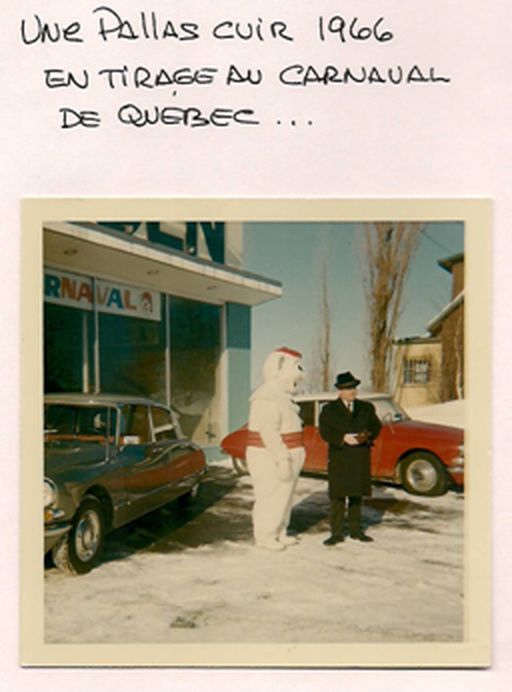
Citroën’s mandate was clear: find a location and establish a proper car dealership with a certain flair. With the help of Norbert Lecour, who was acting on behalf of headquarters, Mr. Larochelle found a space, somewhat neglected by a former boat salesman, but which showed potential. He spent over a week cleaning it, initially alone and then assisted by employees from Montreal. Then, with no time to rest, the cars were being shipped from Montreal: a DS, a station wagon, an Ami 6, and a 2CV. All 1964 models. Montreal had taken care to keep the 1965 models, which had just arrived from France.

Our Citroën salesman remembers his very first sale vividly: A middle-aged man walked into the showroom, which was barely furnished and still smelled of cleaner. He had just inherited a 1964 Cadillac convertible from his father. The car was a year old. It was November 1964. The son felt more of a Citroën than a GM kind of guy. So he test drove the 1964 DS BVH and found it very comfortable, responsive, and well-handled. To make the deal profitable, Mr. Larochelle still asked for $200 back (even though it was late 1964 and the 1965 models were already out) with the Cadillac in trade (after having pre-sold the Cadillac to a friend who sold used cars for $4,400). Let’s not forget that the DS was selling for $3,800.
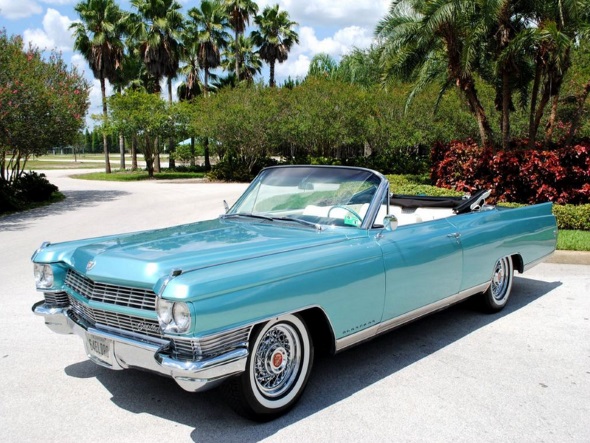
Let’s do the math: the customer pays $200. He sells the Cadillac for $4400, so around $1600 profit, considering that a DS would have cost the dealership around $3000, roughly equivalent to a factory worker’s annual salary! Quite a start!!
In his first year as a salesman, 1965, he sold 65 cars. Lacking experience, he took on the challenge. At the annual Citroën dealership meeting in Montreal, he had no idea what the number 65 represented. Imagine his surprise when he was awarded first prize for best salesman in Canada! What better motivation for the coming year?

In 1965, he sold an Ami 6 to a certain Daniel Naurais, a Frenchman who had recently arrived from his native country to work as a naval architect. Amazing internet: I typed in his name and got a phone number in St-Jean-Chrysostôme (not far from Quebec City, on the South Shore of the St. Lawrence River). I called and it was the right one, first try!
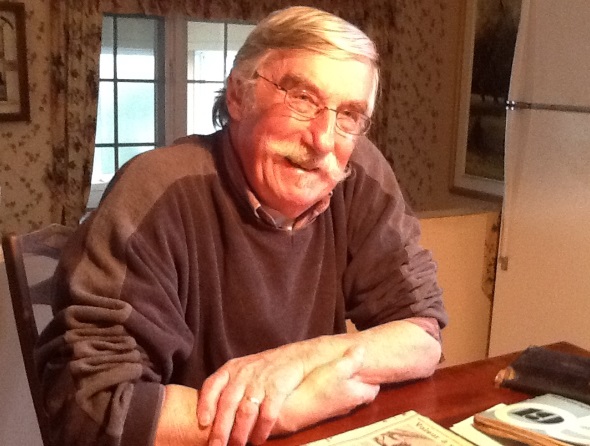
Here’s what he said about Mr. Larochelle and Citroën: “He was a very charming man and a good salesman. In fact, he sold me the Ami 6 as a ’65 when it was actually a ’64! (Remember, Montreal kept the new models for themselves.) It was all fair game.”
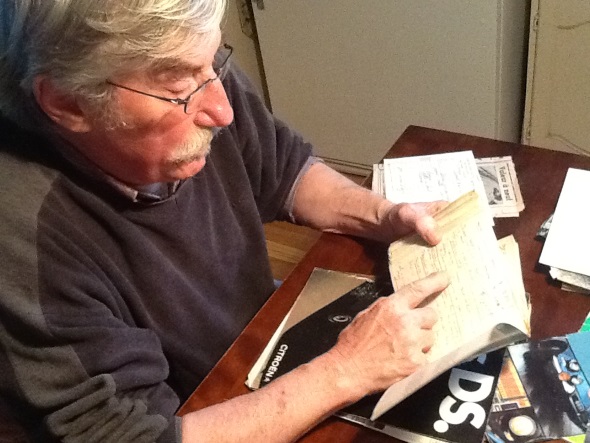
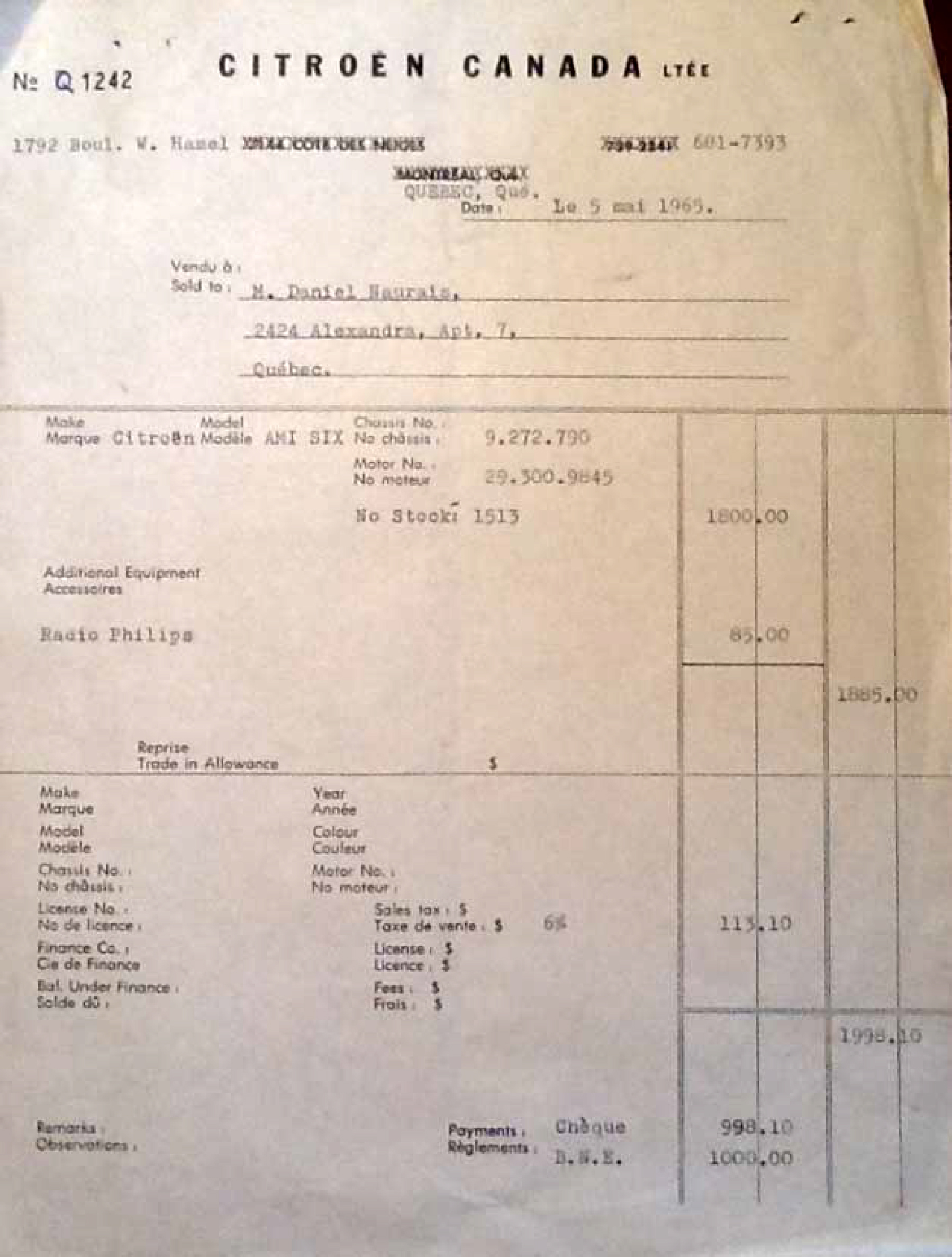
Having just arrived from Bordeaux, and not having driven for a few years, Mr. Naurais was given a short driving lesson by Gérard on the Île d’Orléans.
While I was at it, I asked, “Why a Citroën?” Mr. Naurais replied, “Well, mate, because I had one in France and it was the only car I trusted. What I didn’t know was that here, it really wasn’t made for the cold. The Ami 6 regularly only had 3 centimeters of defrost on the windshield; I even carried an ice scraper around in the car to scrape the inside of the front window! That’s how bad it was. Being a naval architect, I had access to stainless steel in abundance, so I improved the car a bit. For example, underneath, there was no original protection for the oil pan. If you drove a little too fast over a large piece of ice, it would literally crack the pan, and the oil wouldn’t hesitate to go and rest, all that lubrication, on the ground and freeze to death!” So, I had a stainless steel plate cut and installed under the car. Afterwards, with my DS, I improved the car using the same method but for other weaknesses. Despite everything, the cars rusted very quickly.
In 1967, he fell for the same trick again: he was sold a ’65 as a ’66. This time it was a DS… (the salesmen were certainly skilled!) He kept that white DS for a very long time. In 1983, he decided to write to Citroën France to confirm that he hadn’t made a mistake in providing them with the car’s serial number. Here is the reply:
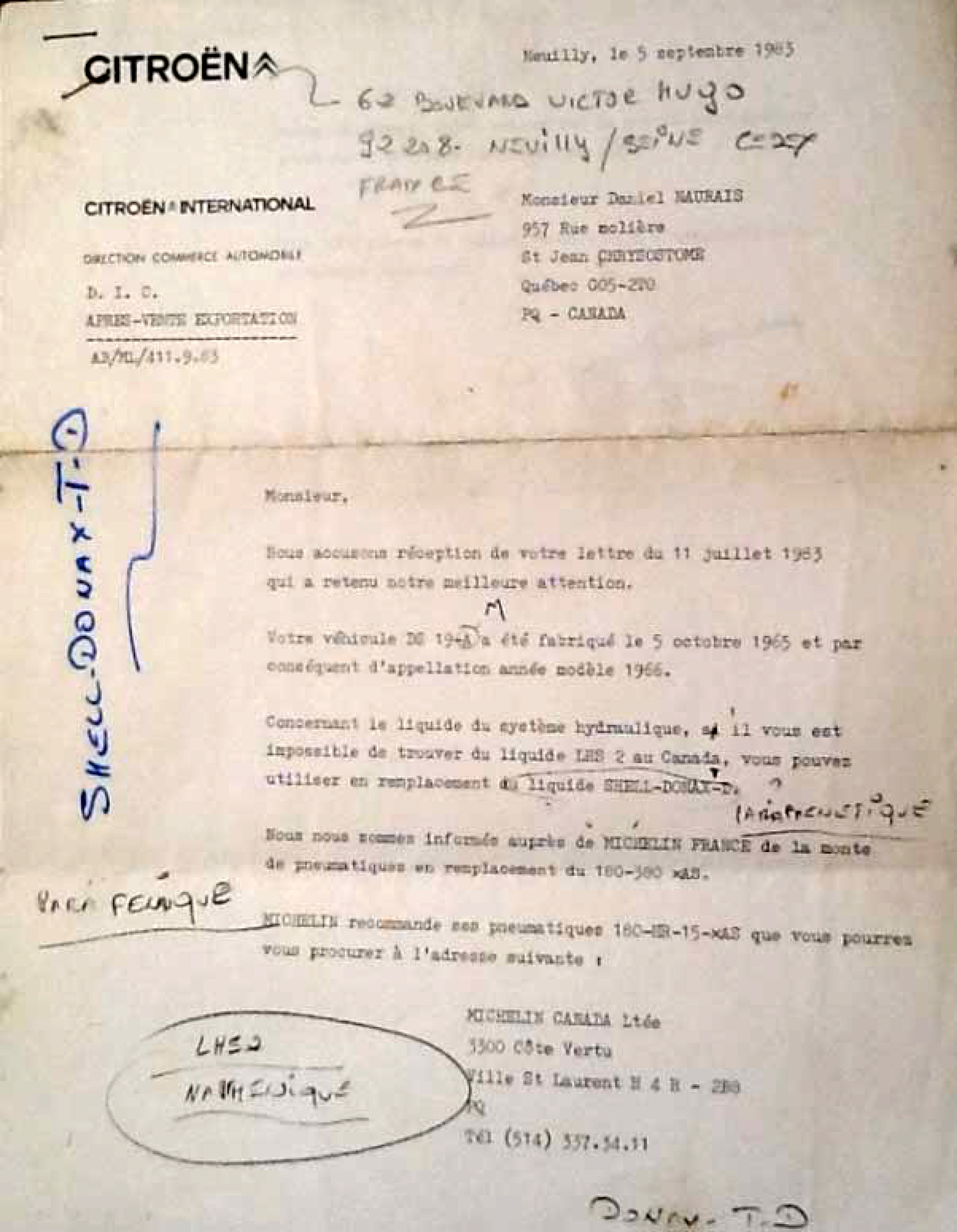
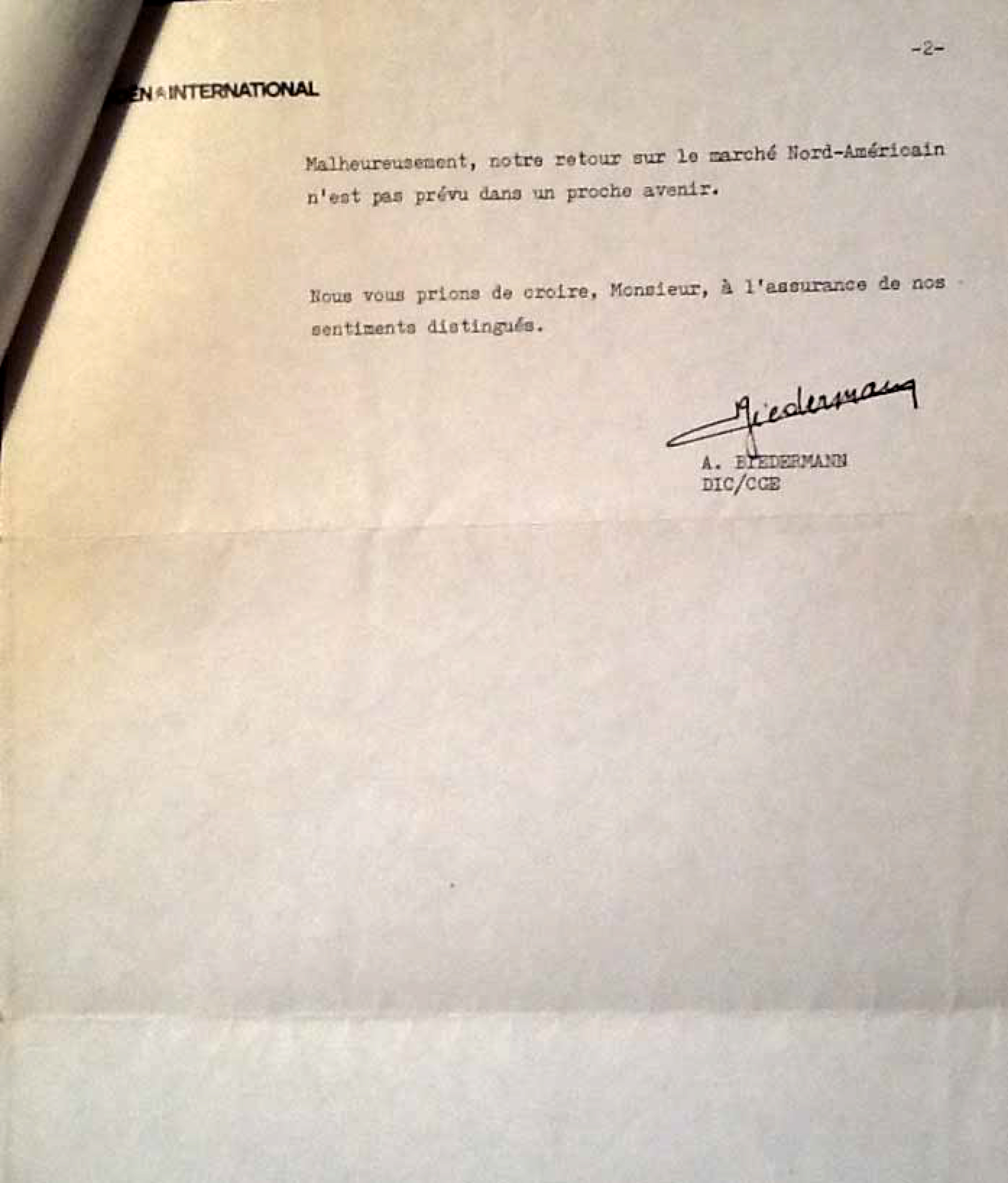
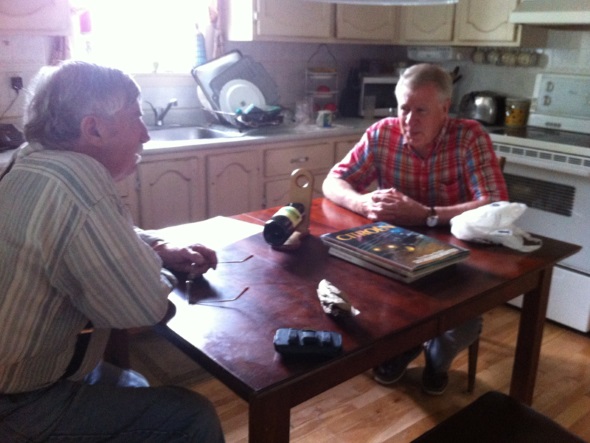
A few days after my visit, I went back to Mr. Larochelle’s and told him about it! Since I had to go back to Mr. Naurais’s, he said he would very much like to come with me. So, imagine Mr. Naurais’s surprise when he saw Gérard Larochelle in his doorway; it was magical. They talked for two hours, and I listened like a child listening to exciting stories at family gatherings.
Another close acquaintance of Mr. Larochelle was Pierre Roche. Having arrived in Quebec with Charles Aznavour after a stint in New York (and in jail! 3 days and 4 nights!), he met his future wife, the singer Aglaé, in Montreal and decided to stay in Quebec. Aznavour, for his part, a year and a half later, returned to France after eight years of a fruitful collaboration with Roche to continue his career with a somewhat well-known artist: Édith Piaf (who nicknamed him: “My little genius idiot!”). Aznavour described his musical relationship with Pierre as “communicating jazz.” An interesting little detail from his time in Quebec: he recorded a song where he croons! “Robe légère” (Light Robe). Pierre Roche was a loyal Citroën enthusiast. Being a relatively well-known artist in the 1960s, he could afford to change cars regularly.

Some facts from those years: Initially, the cars arrived at the port of Halifax and were then transported by train to Montreal for distribution to dealerships.

A problem with the wheel bearings quickly arose. Citroën engineers predicted that the repeated impacts, in the expansion gap at each rail length, would have contributed to bearing wear, as the car would be hitting the same spot for hundreds of kilometers. Subsequently, the company shipped its cars directly to Montreal by boat.
Side note: North American standards mandated sealed beam headlights instead of traditional bulb headlights. Citroën still exported its vehicles partially assembled; a finishing line in the USA completed them to US standards, installing its famous sealed beam headlights. Regarding Quebec, customers could receive their DS in “France” trim , with bulb headlights and directional lights from September 1967.
However, there was another problem — piston seizure. Citroën analyzed the issue again and discovered that the cars were being shipped with summer thermostats and that the dockworkers were revving the engines far too high during startup in order to move them. There was no choice but to replace the cylinder liners and pistons of the defective engines. Citroën estimated 16 hours to remove the engine, replace the parts, and reassemble everything. A mechanic from Quebec City found a way to perform the operation on-site by simply lifting the engine head, which saved about ten hours each time. Head office in France refused to allow it to be done this way… but 3,000 km away, the mechanics continued the workaround that saved time and money and never caused any problems.

Another problem the cars weren’t prepared for: the Quebec cold. A certain Dr. Parent had the idea of installing an electric heater in his car. He ran it every winter night. The second winter, crack… the car broke in two! The condensation created by the nighttime heating caused the frame rails and weak parts of the chassis to rust, and it finally gave way, too badly affected by the rust. Citroën Canada gave him a brand new DS free of charge!

Citroën dealership on Hamel Blvd. in Quebec City on the day of the delivery of a batch of DS cars. At -40°C, not a single engine would start. After several hours of trying all sorts of methods, Mr. Larochelle suggested to the truck driver (who was on the verge of a nervous breakdown, so eager was he to get out of there) that he direct the heat from the truck’s exhaust directly under the cars’ engines via a hose to warm them up. This was done successfully.

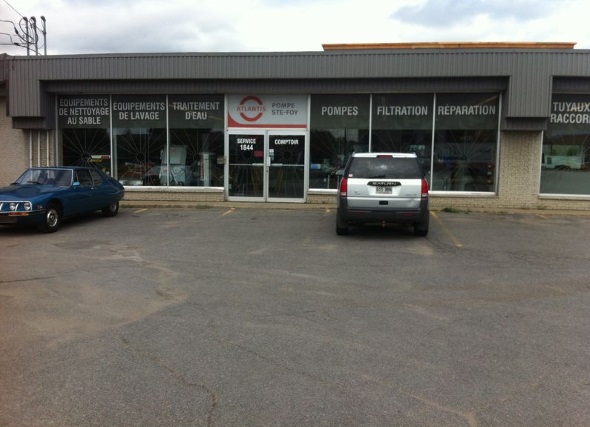
Mr. Larochelle was recruited in late 1967 by the “Industrielle Assurances” company. A sharp-eyed headhunter had rightly noticed that Gérard was an excellent salesman. He remained there until 1970, when a phone call from Citroën’s sales and marketing director in Montreal asked this salesman-insurance agent if he wanted to participate in developing the Citroën network in Quebec. He readily accepted the position and threw himself into the task, wholeheartedly committed to developing the network. The new management wanted to expand the network in Quebec, which is why they asked him to develop it from 1970 to 1974 throughout the province, in the eastern part of the St. Lawrence River, from Victoriaville on the south shore to New Brunswick, and from Trois-Rivières on the north shore to Sept-Îles. Here is a directory of Citroën dealerships in Canada at the time:


So he got back behind the wheel of a DS and drove down the St. Lawrence River to Rivière-du-Loup, where the Voyer dealership had a storefront, to see how things were going and, more importantly, to encourage him to continue with Citroën. The next day, he headed to Matane to visit the dealership there. Faced with a significant slowdown in sales (only 5 cars in the last year), he reluctantly had to, under pressure from his Citroën mandate, take the dealership away and look for another prospect in this sparsely populated part of Quebec.
By a stroke of luck, in Petite-Matane, a tiny village further east of Matane, there was a well-organized used car dealership, with Raoul Martel as its mainstay, selling no fewer than 500 cars a year! He had customers all over the Gaspé Peninsula. Gérard let him test drive the DS, and he was immediately charmed. After careful consideration, he offered to become a Citroën dealer. Mr. Larochelle’s keen salesmanship had struck again, and he became the new dealer for the Matane region. Proving his talent, he sold 96 DSs in his first year. Wow, what a salesman! It must be said that the DS was at its sales peak in 1970-71-72, with over a thousand being sold annually across Canada. These are small figures compared to those in France, but let’s not forget that Citroën Canada was practically nonexistent in the early 1960s. Salespeople also adapted to the changing clientele. In the 1960s, it was high-level professionals who bought the DS: doctors, lawyers, notaries, government ministers, and business executives. In the 1970s, given its growing popularity, the DS also appealed to engineers, professionals, teachers, union presidents, and so on. An upper-middle class that rubbed shoulders with high society without truly belonging to it.
Mr. Larochelle opened a dozen dealerships in Eastern Quebec. He often went to visit one and… left on foot… or almost! Let him explain: “How many times I left my demonstrator there to return to Montreal by bus, train, plane, or… used car. And there, I would beg Claude Guillot to have a Pallas prepared for me “urgently,” preferably white, so I could get back on the road to Quebec City. In just one year, I sold my demo about forty times after a visit or after opening a new dealership. What a flurry of activity for Citroën Canada and Claude Guillot, who, in addition to managing the repair shop, also oversaw the preparation of new cars. In Eastern Quebec in 1971, we sold more DSs than in the rest of Canada combined, including Montreal, our eternal rival.” Do you want to know how much?
IT’S CONFIDENTIAL!
Then came the cessation of DS exports by Citroën to America in 1974. Several reasons seem to have contributed to this decision:
- Low annual sales figures; Explainable by a combination of factors:
- Limited dealer network. Mr. Larochelle did his best, but it was a colossal task in the face of American giants.
- Reliability in very cold weather was practically nonexistent (American cars, despite being large and fuel-guzzling, started instantly and had decent heating).
- The LHM fluid and its tendency to crystallize in very cold weather.
- Rust. Here are Gérard Larochelle’s words on the subject: “In the late 1950s, a certain Dubrofsky, under the Auto-France banner, brought DS and ID 19 models here. Whether it was out of love or admiration for the DS, we don’t know, but he did have a yard in Montreal where he piled up newly arrived DS and ID models. At that time (1959), the freshness of a DS was comparable to the longevity of a rose. According to a friend from that era, who frequented the area, some DSs had a few ‘freckles’ even before finding a buyer! That gives you an idea of how problems could start very early in the break-in period.”
- Some “reckless” mechanics, who performed repairs in a very cursory manner, charged exorbitant prices.
- For others, it was the complexity of the mechanics, as they weren’t properly trained to maintain such a meticulous machine.
- New DOT (Department of Transportation) regulations that mandated:
- Fixed bumper height
- Welded, not bolted, roofs (fiberglass roofs cannot be welded to steel!)
- Prohibition of faired headlights (this had already been addressed with varying degrees of elegance, depending on taste)
- Installation of parking lights all around the car (also addressed)
- Citroën’s stubborn insistence on “receiving” lessons from the Americans who told them how to build cars.
- After-sales service was not adapted to American standards.
Here is a newspaper clipping from the mid-1970s announcing the end of the Citroën DS and ID in Canada (one can easily extrapolate this to the end of Citroën altogether!):
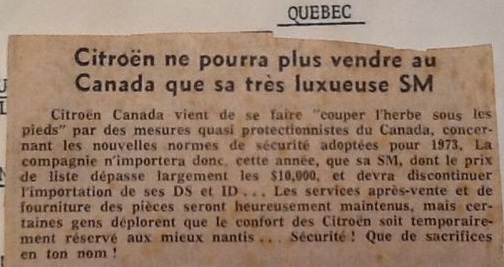
In short, for all these reasons and surely others we will never know (Citroën has always championed secrecy), the double-chevron brand was saying goodbye to transatlantic travel.
After 1972, there were only a few CX and GS models. The SM enjoyed some success, but the oil crisis dealt it a fatal blow. 1974 was the last year Citroën was exported to America.
Mr. Larochelle left Citroën in 1974 after several months of virtually no activity. Sales were slow, DS models were no longer being sold, SMs were very expensive, and GS models were trickling in. Citroën had likely decided to close the American market, and he was advised to take his customers golfing or to restaurants. But his customers were often businessmen with better things to do than enjoy themselves. Tired of this lack of activity, the young man, seeking a challenge, had to get moving. And move he did! He returned to Industrial Alliance to build a successful career in insurance.
He did assist in the planning of 12th International Citroën Car Club Rallye that took place from August 9-11, 2002, on the campus of the University of Massachusetts at Amherst.
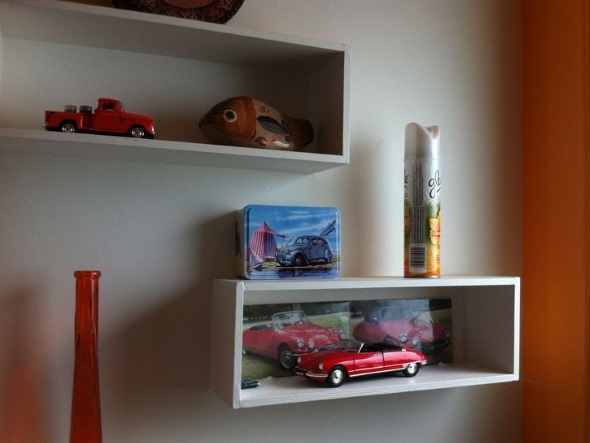
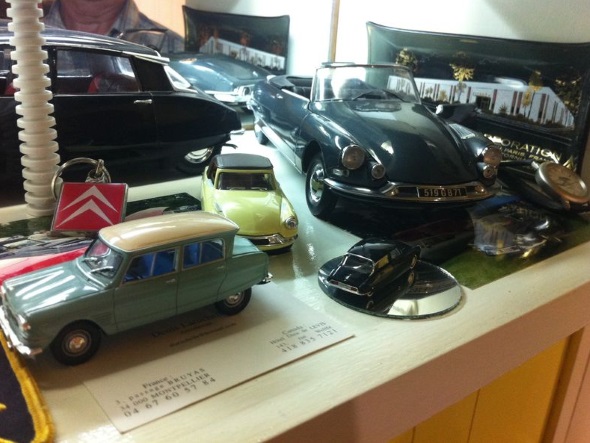
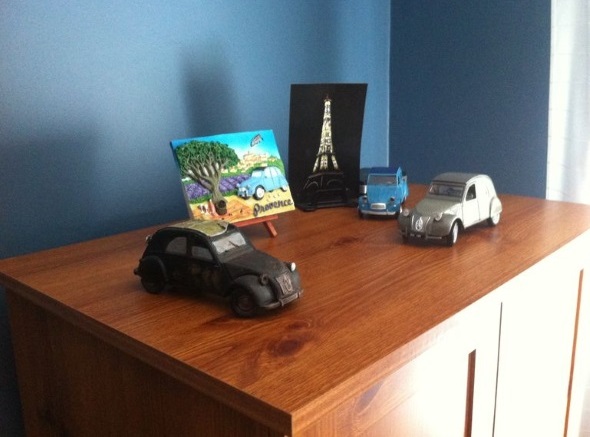
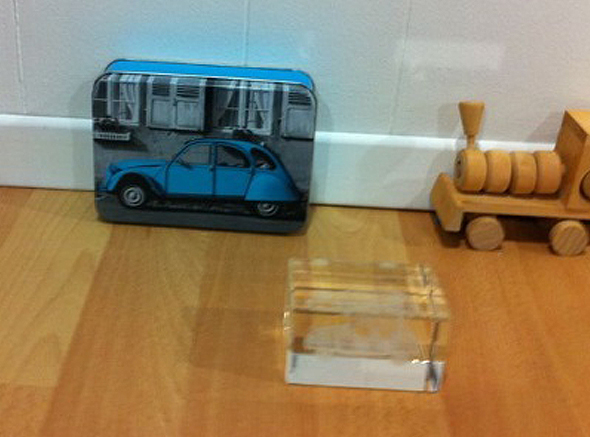
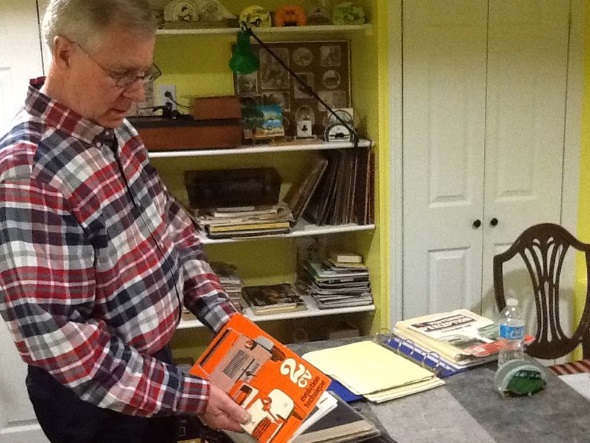
This car brand has truly left an indelible mark on this Citroën enthusiast’s soul. Today, still passionate about Citroën, if you visit with him, you breathe Citroën everywhere:
In his workshop, home office and playroom…
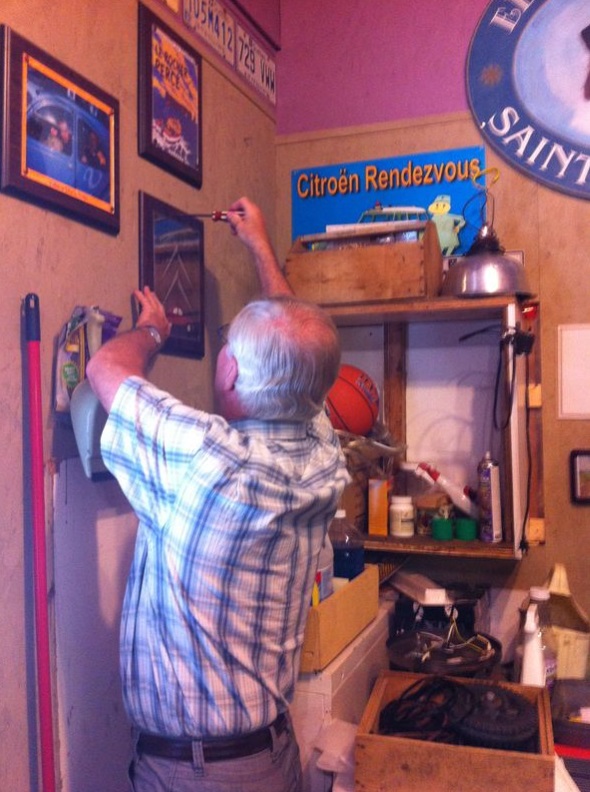
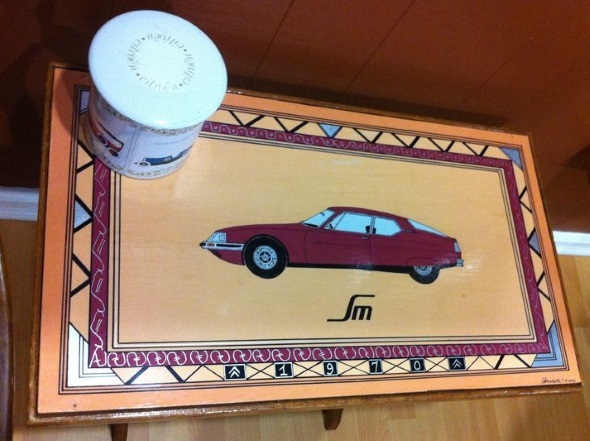
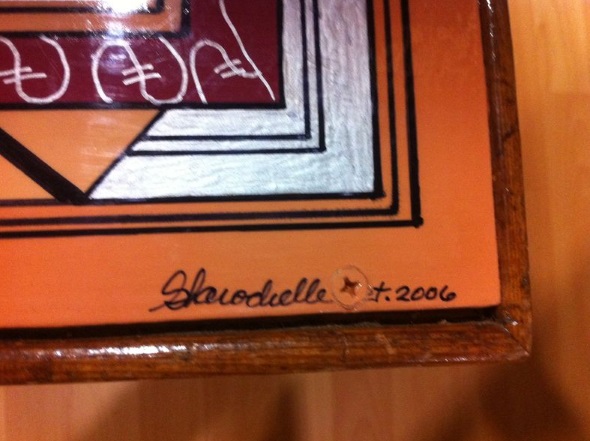
An artist at heart, he draws 2CVs, DSs, SMs, and other Citroëns on all sorts of surfaces.
Always ready to invite someone into his small room where he carefully keeps his archive documents and his homemade wine.

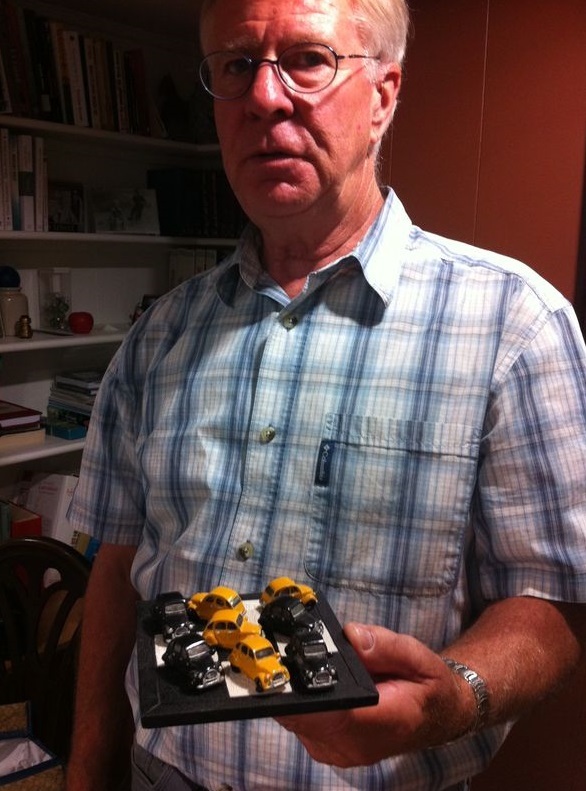
Like any true fan of the brand, he also has a small collection of miniatures…
He owns a superb 1990 2CV in practically mint condition.
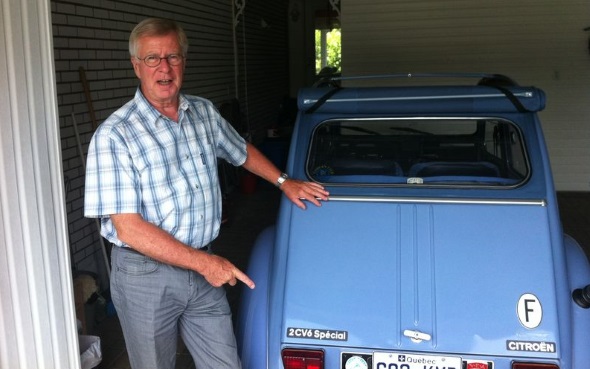
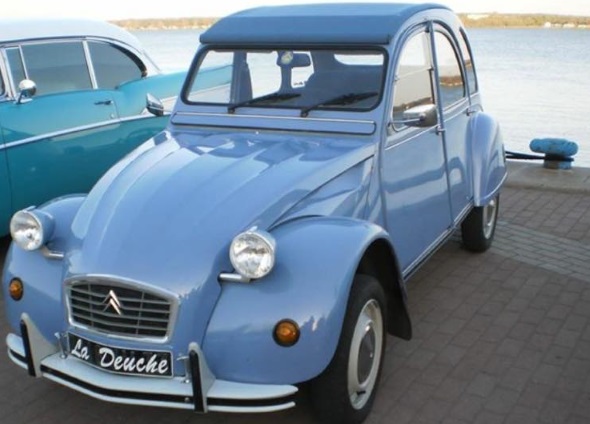

Here, Gérard Larochelle seems to be saying to us: “Do you see this beautiful 2CV? Everyone can have one, even you, Steevie… Check!
Thank you Mr. Larochelle for having sparked the Citroën passion in so many Quebecers, and long life!
Reading this article was a truly joyful moment for me. I’m quite sure my father bought his 1967 DS21″comfort” from him (and Norbert Lecour) at the Boulevard Hamel dealership.