
Original 1958 DS19 — Auction Snag
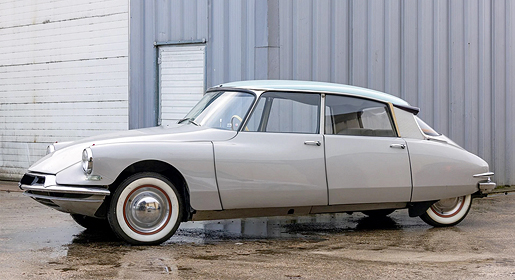
While physical auctions were staged by Artcurial, Bonhams and RM | Sotheby’s during Rétromobile this year, an online auction by Broad Arrow (a subsidiary of Hagerty) that they referred to as “Global Icons: Europe Online”, occurred concurrent with the show. Nestled in the auction’s European section was this 1958 Citroën DS19 with minimal description;
However, 55 photos provided a good indication that it was in preservation class condition — what a knowledgeable DS collector would consider to be an attribute for an early DS19.
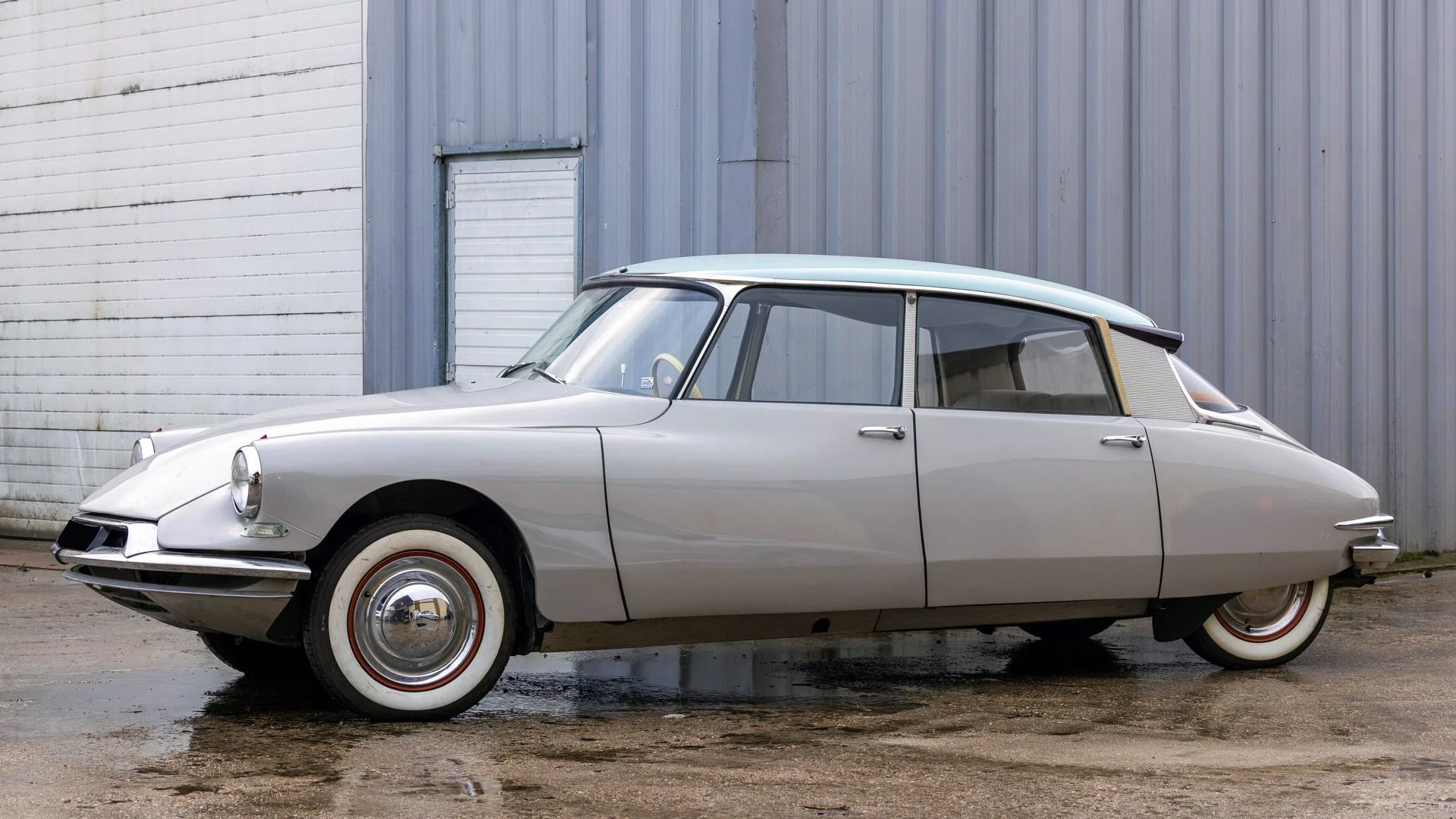
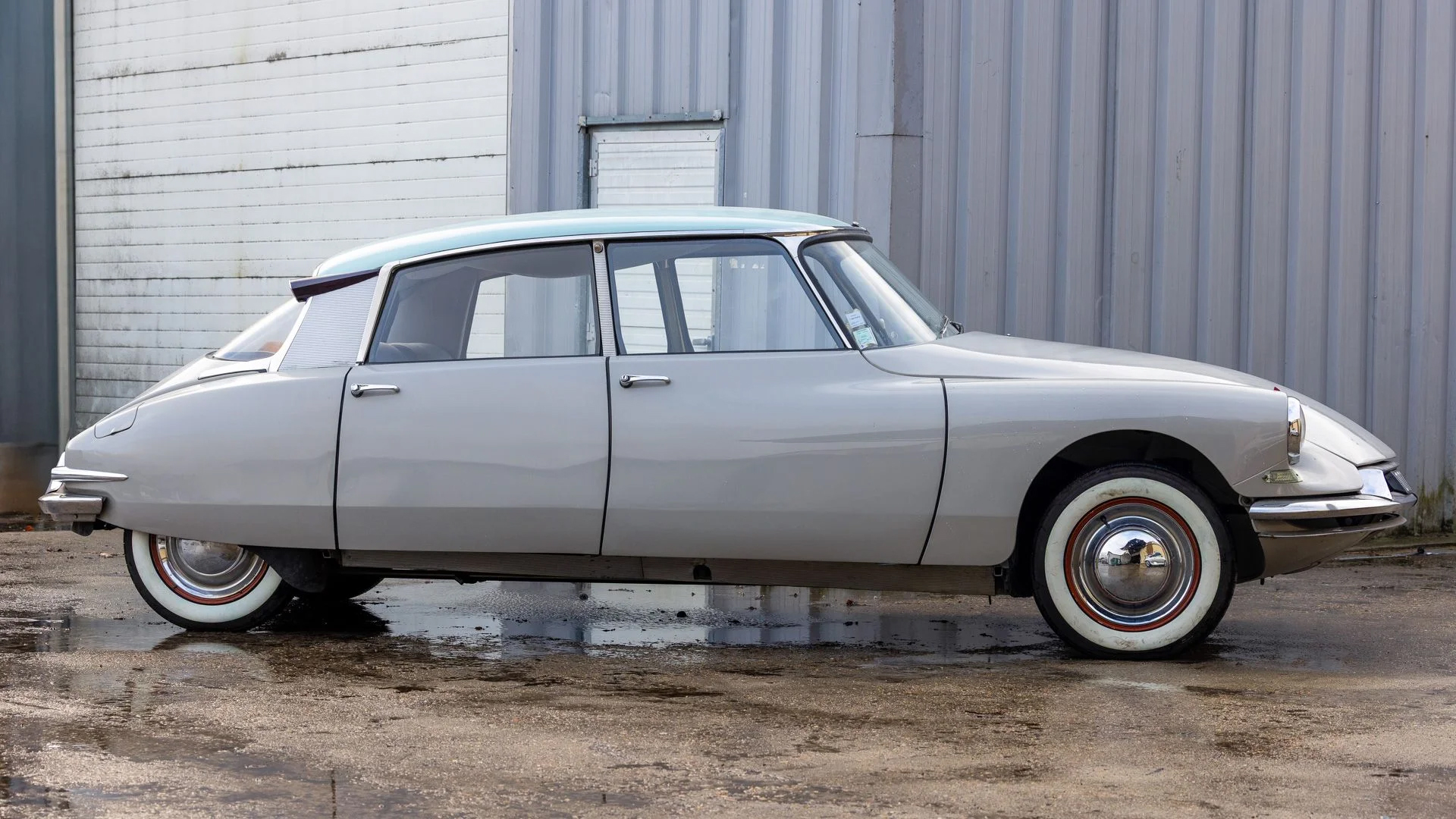
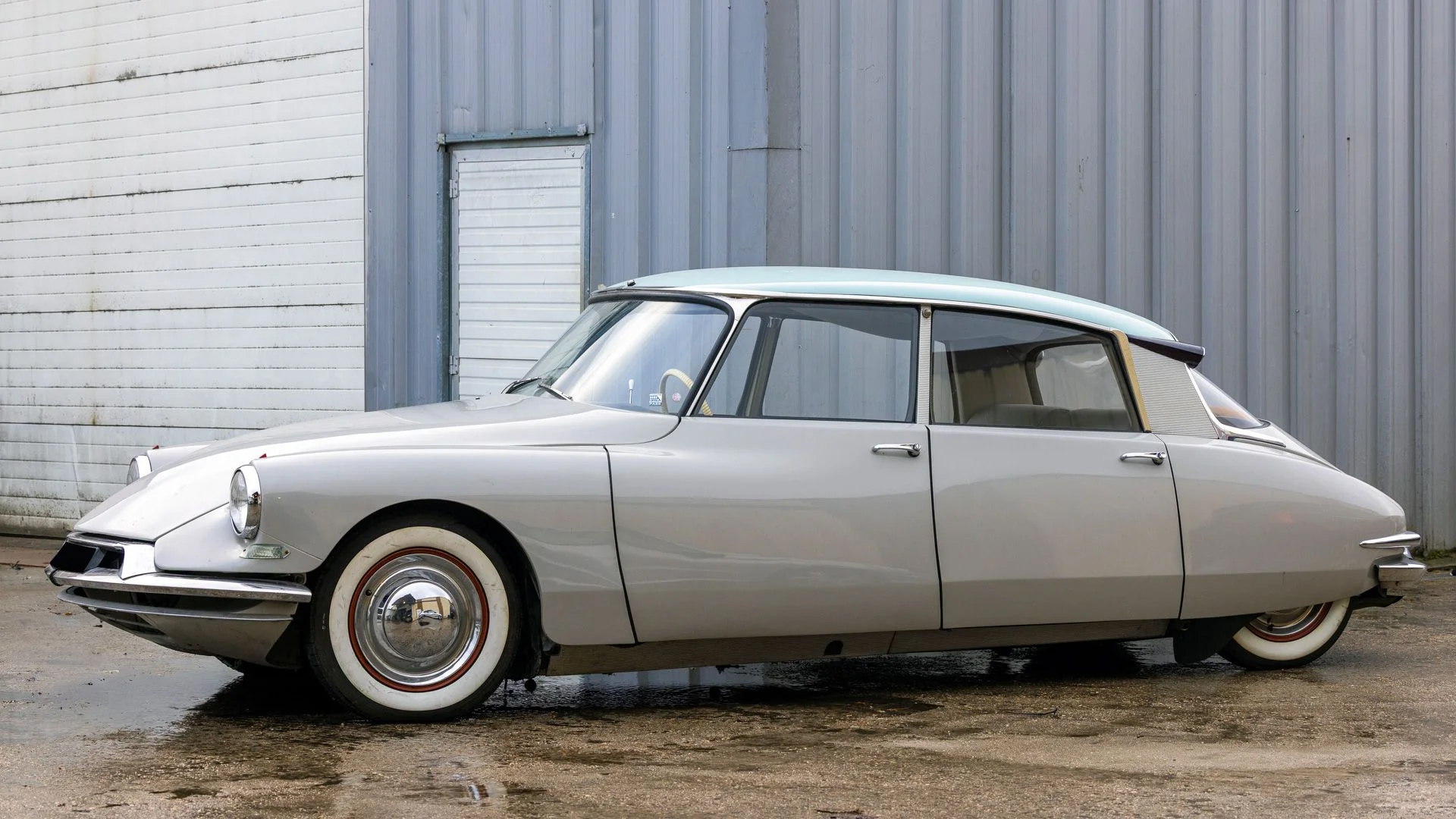
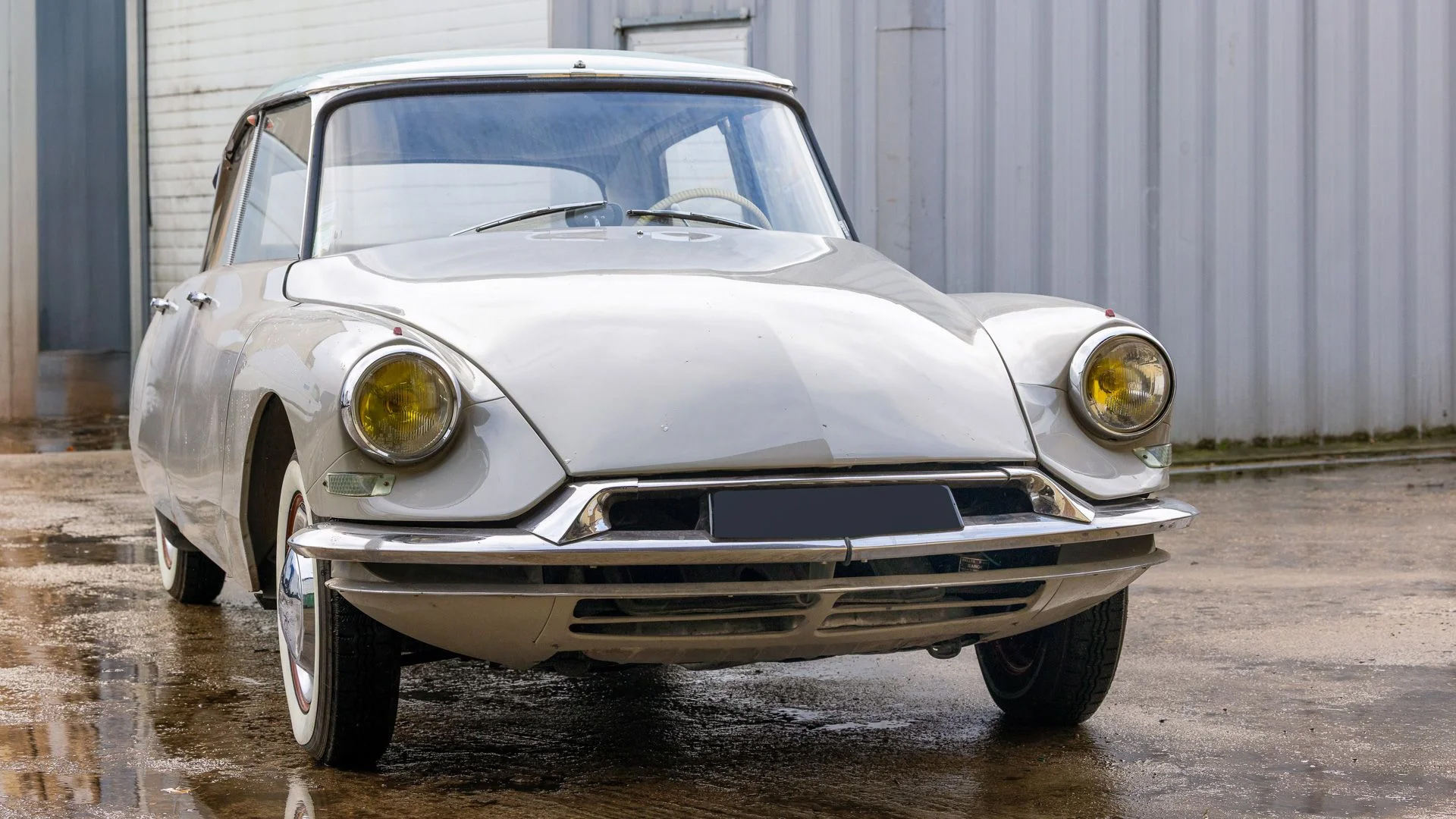
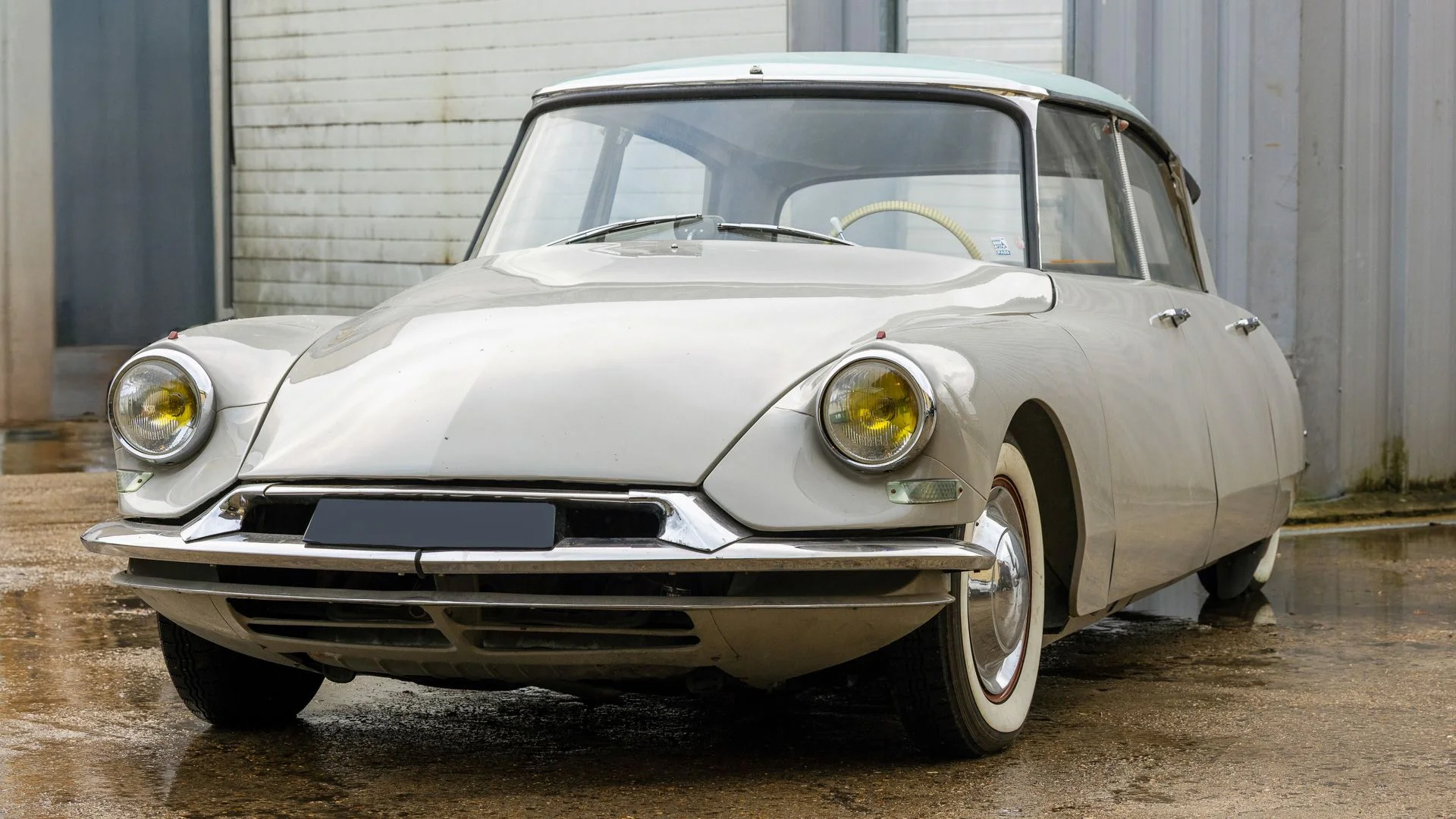
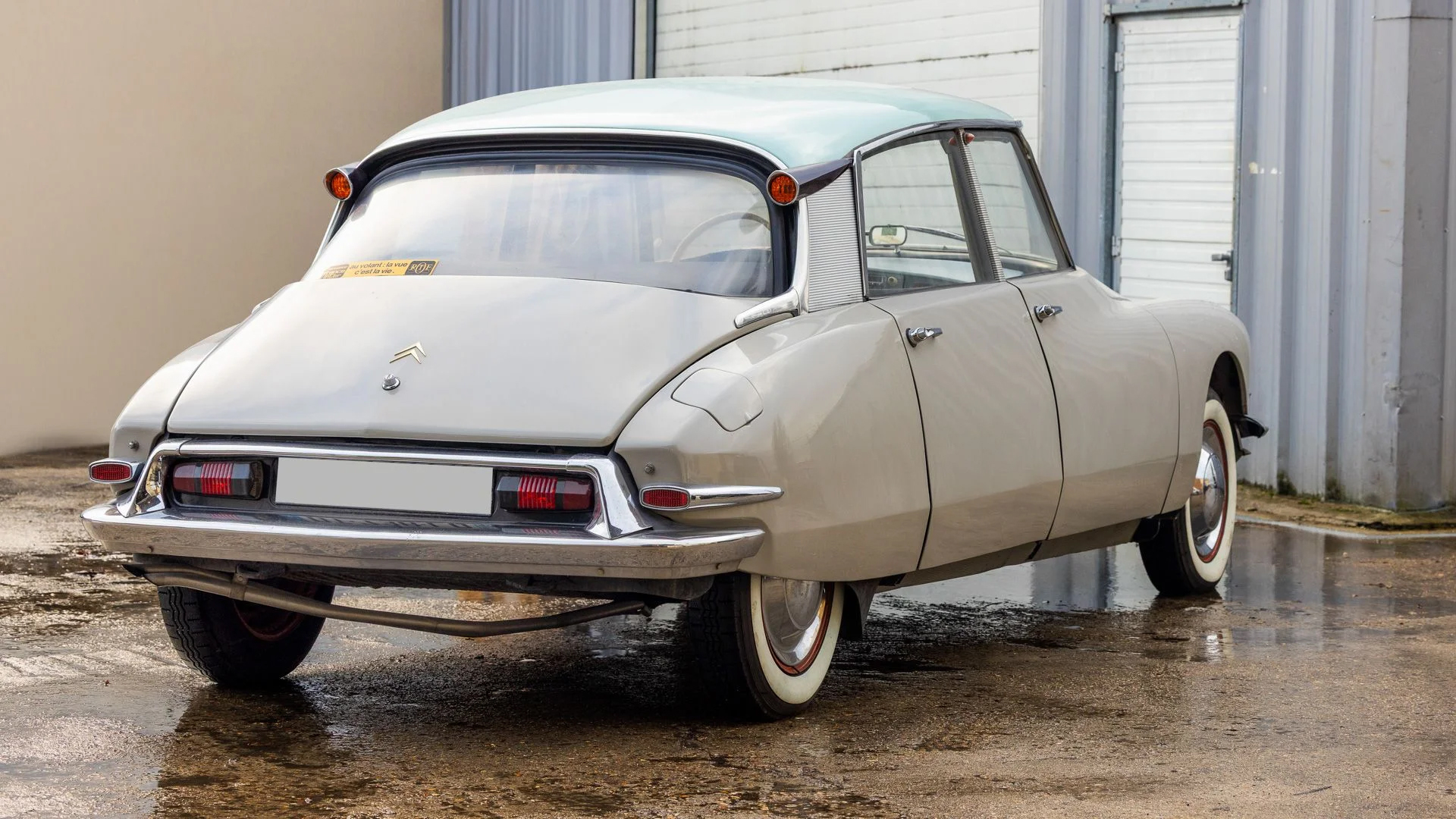
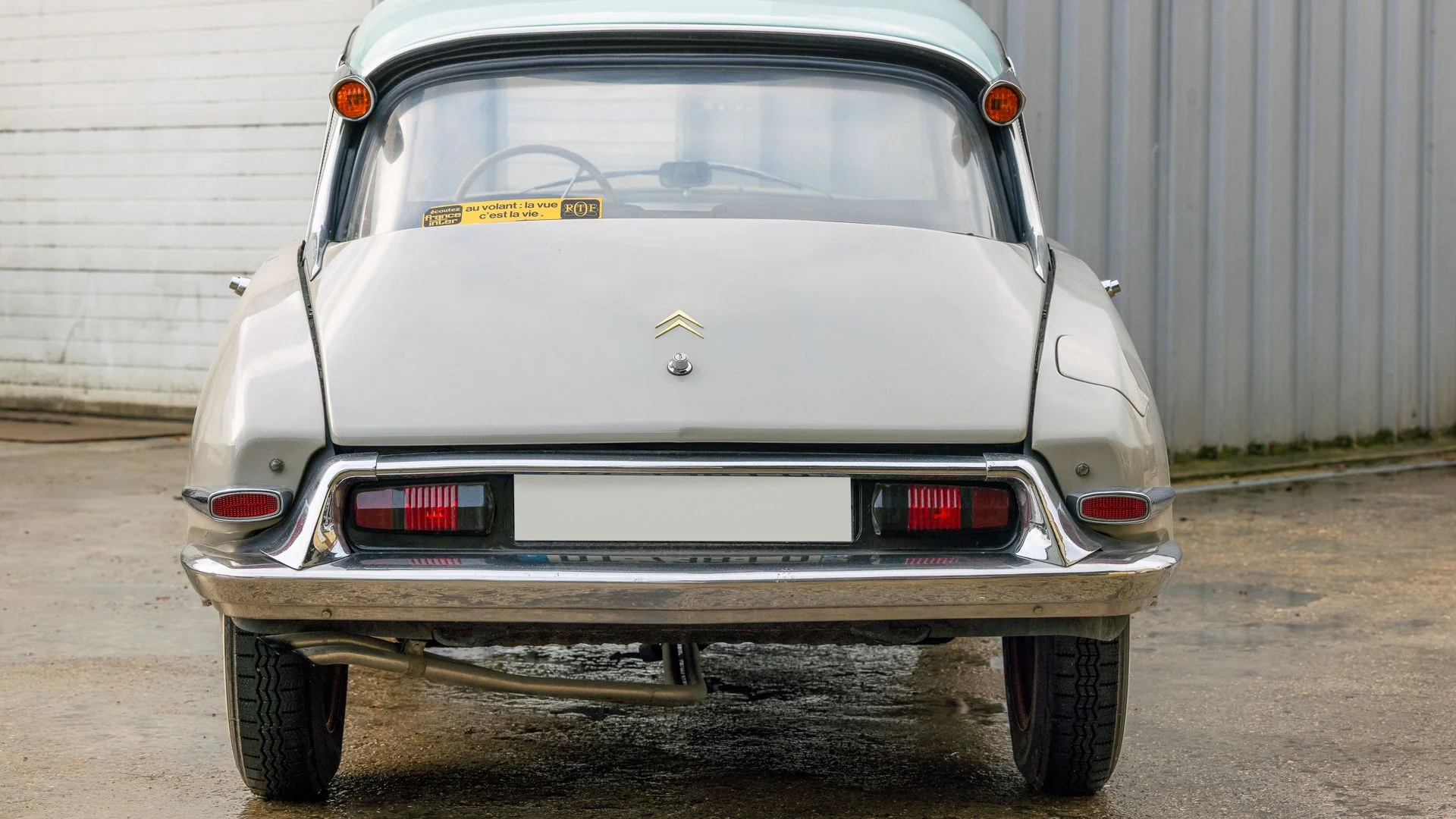
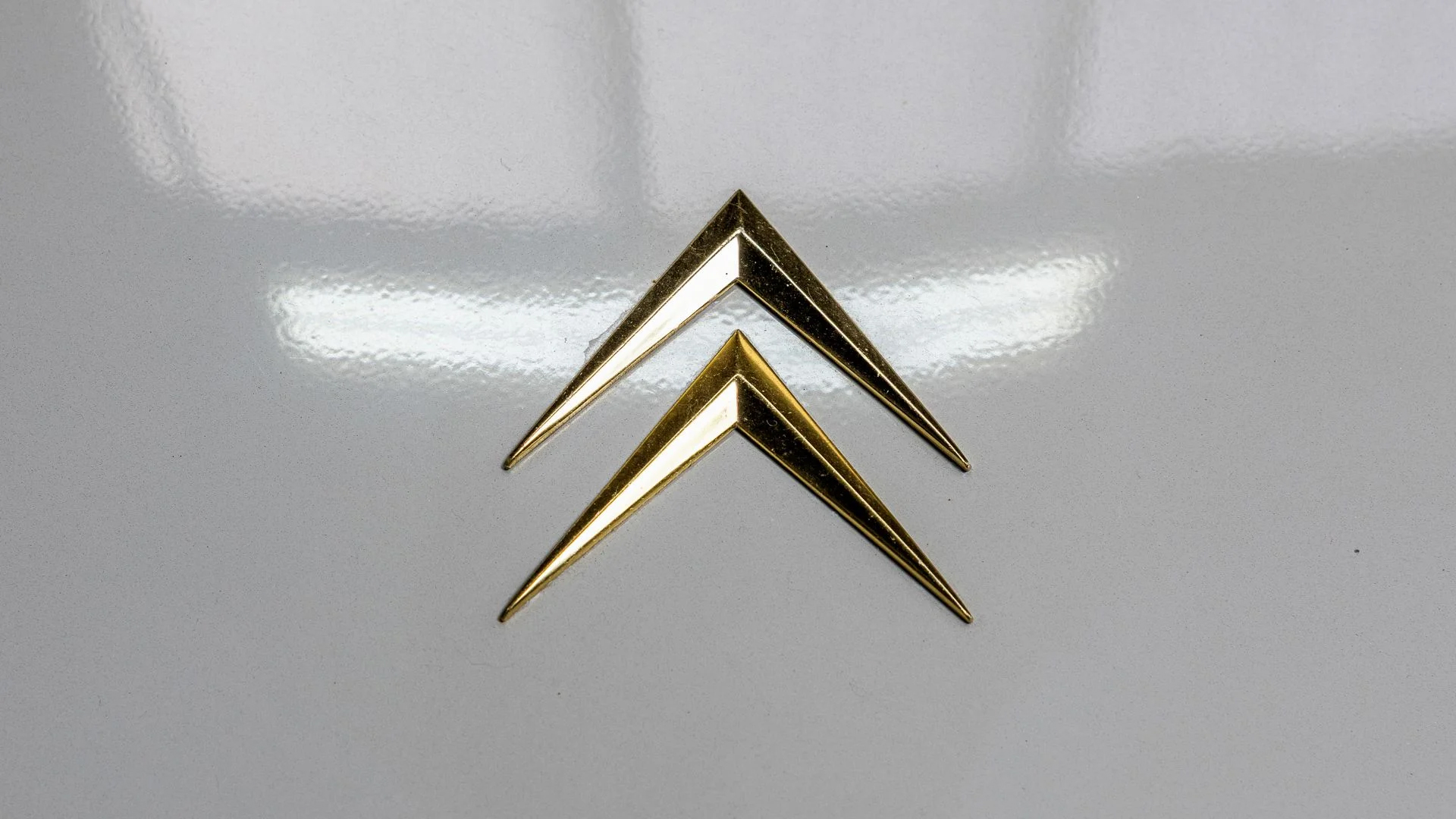
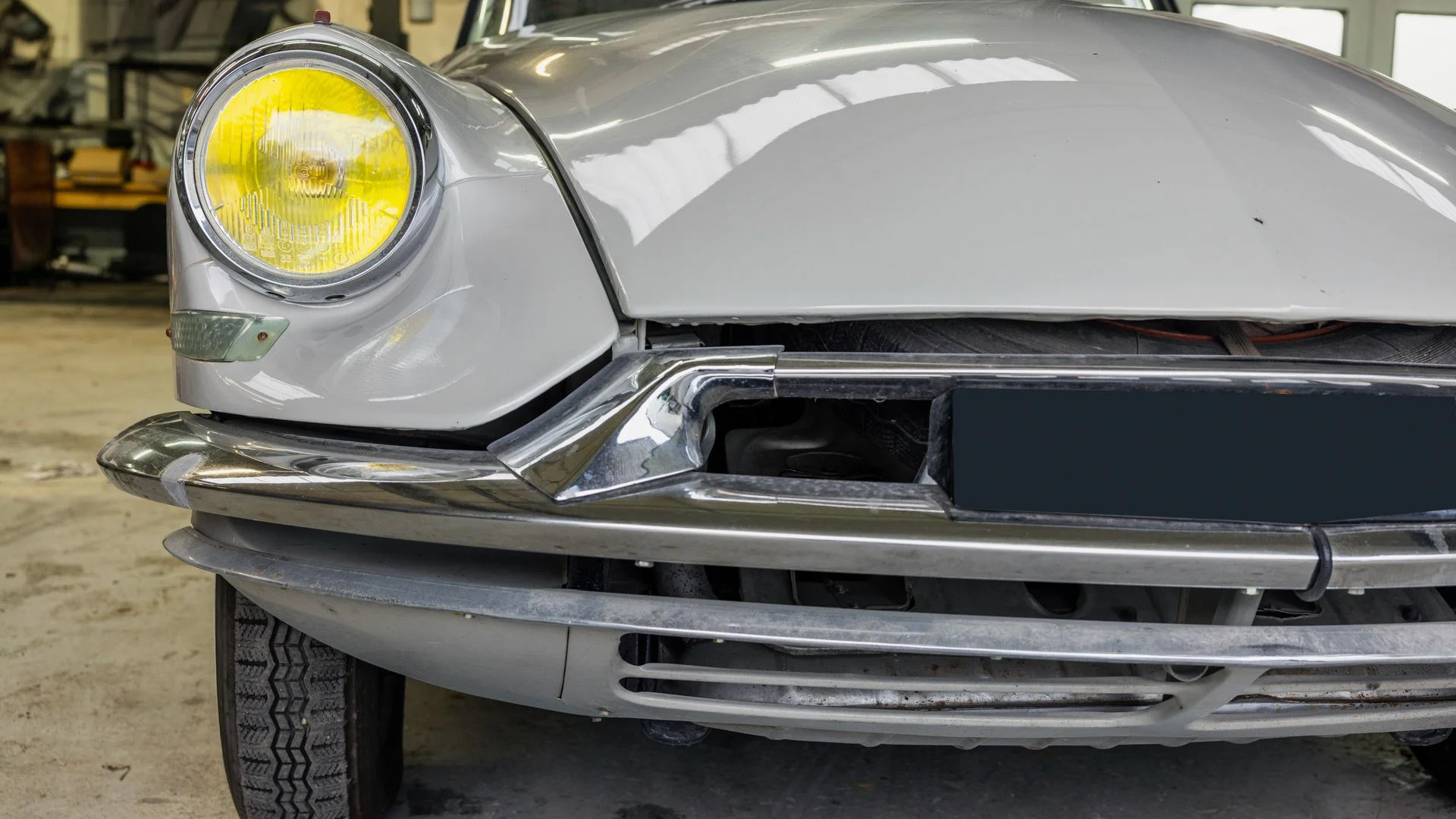
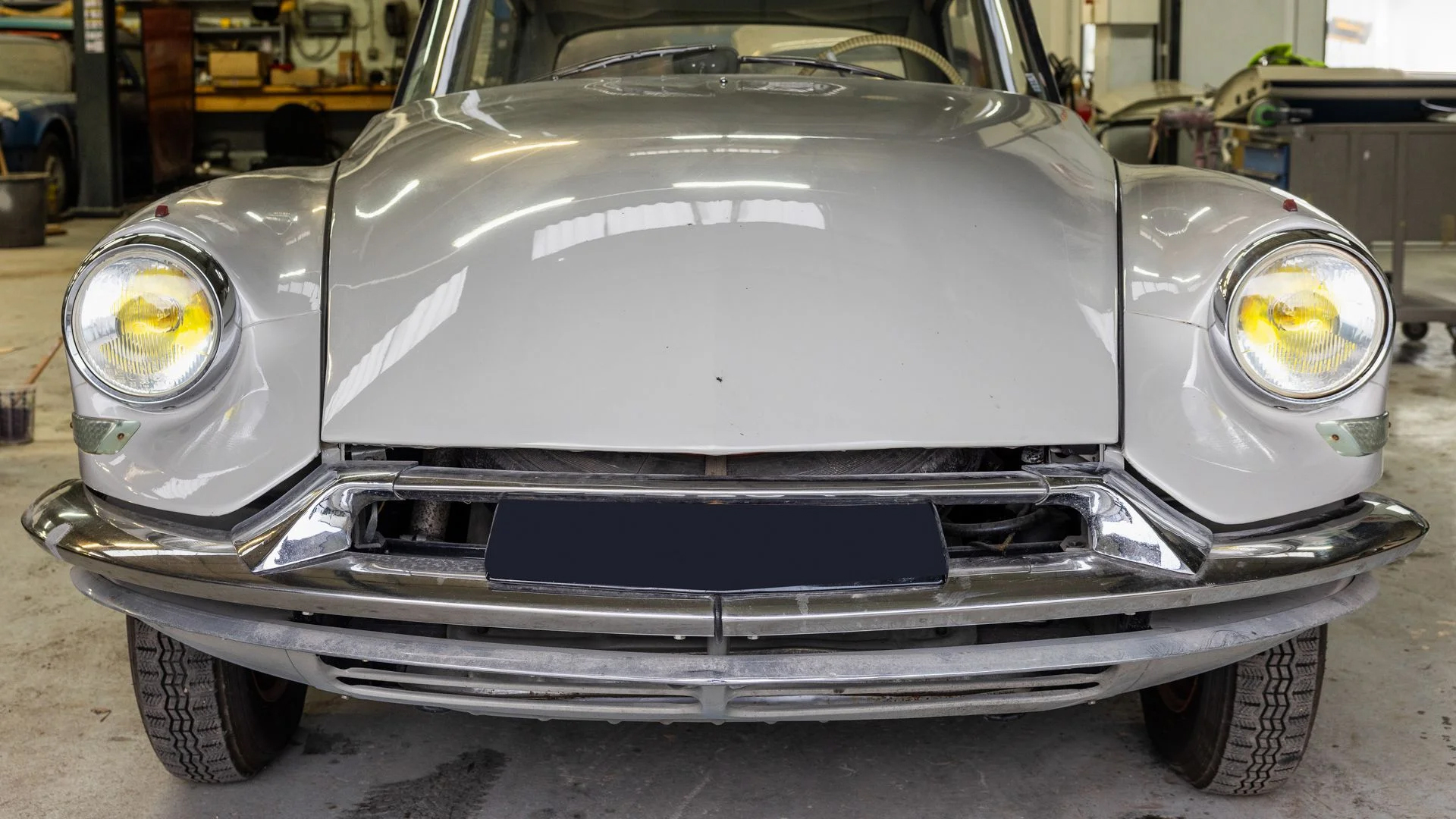
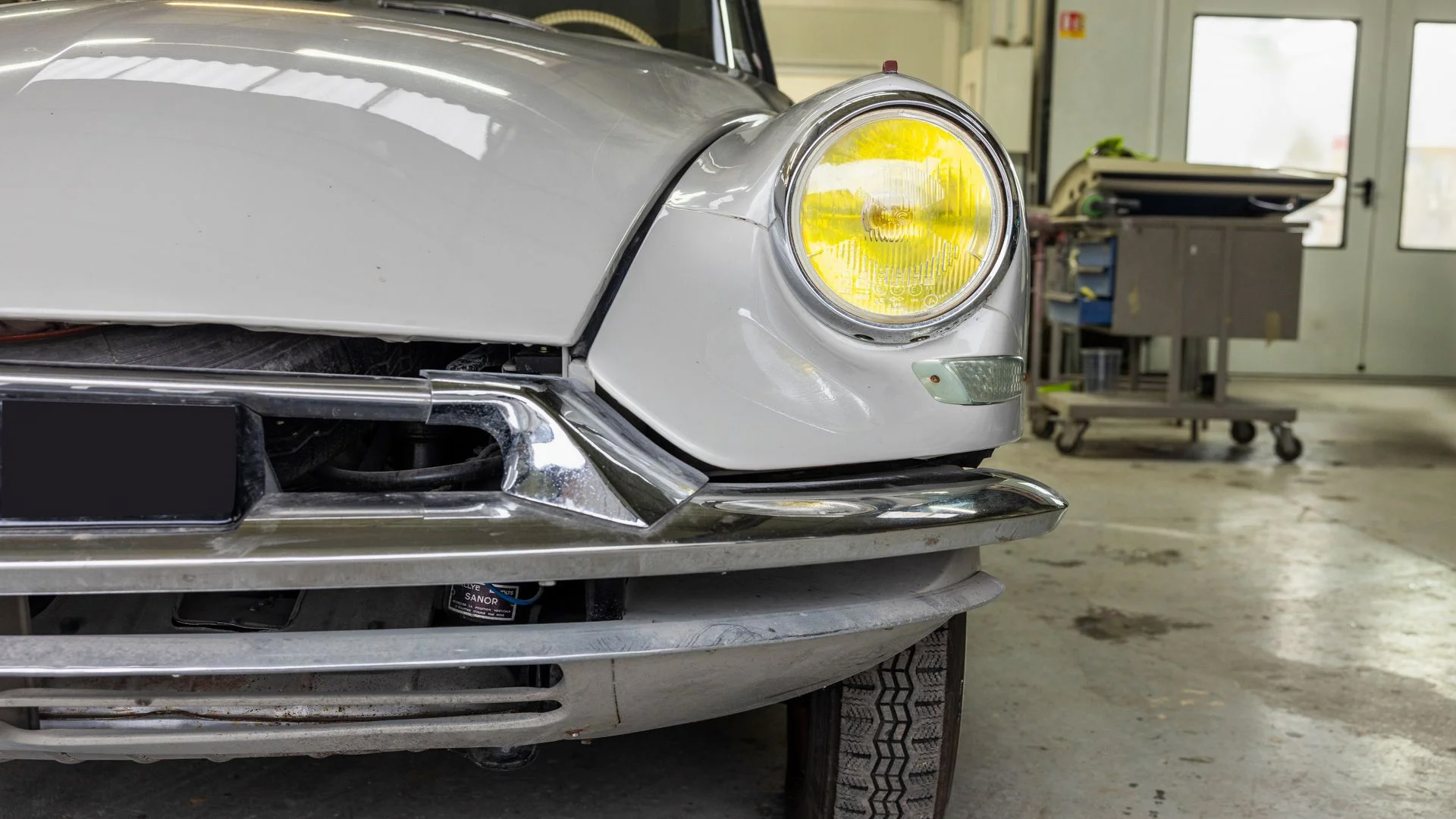
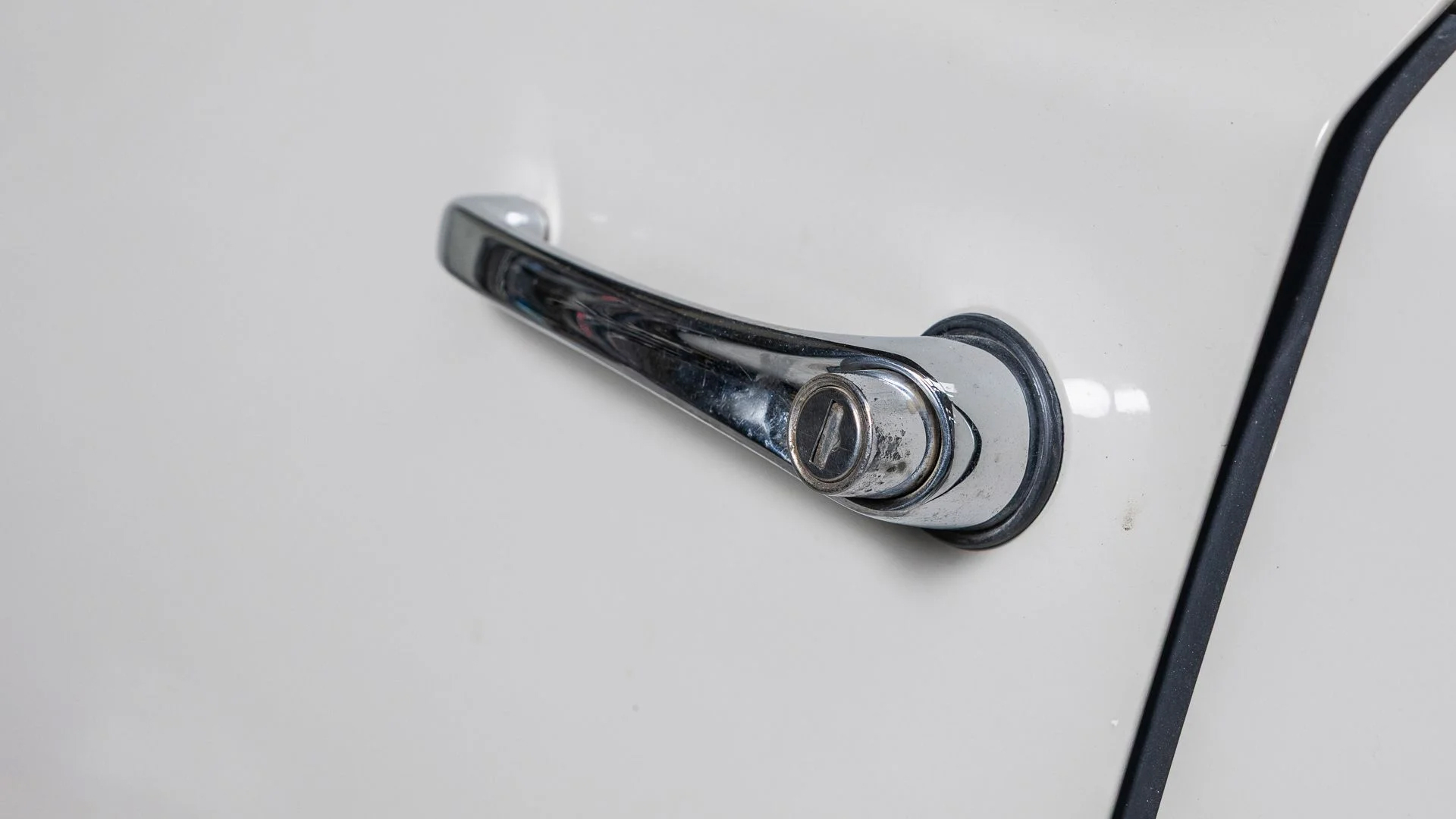
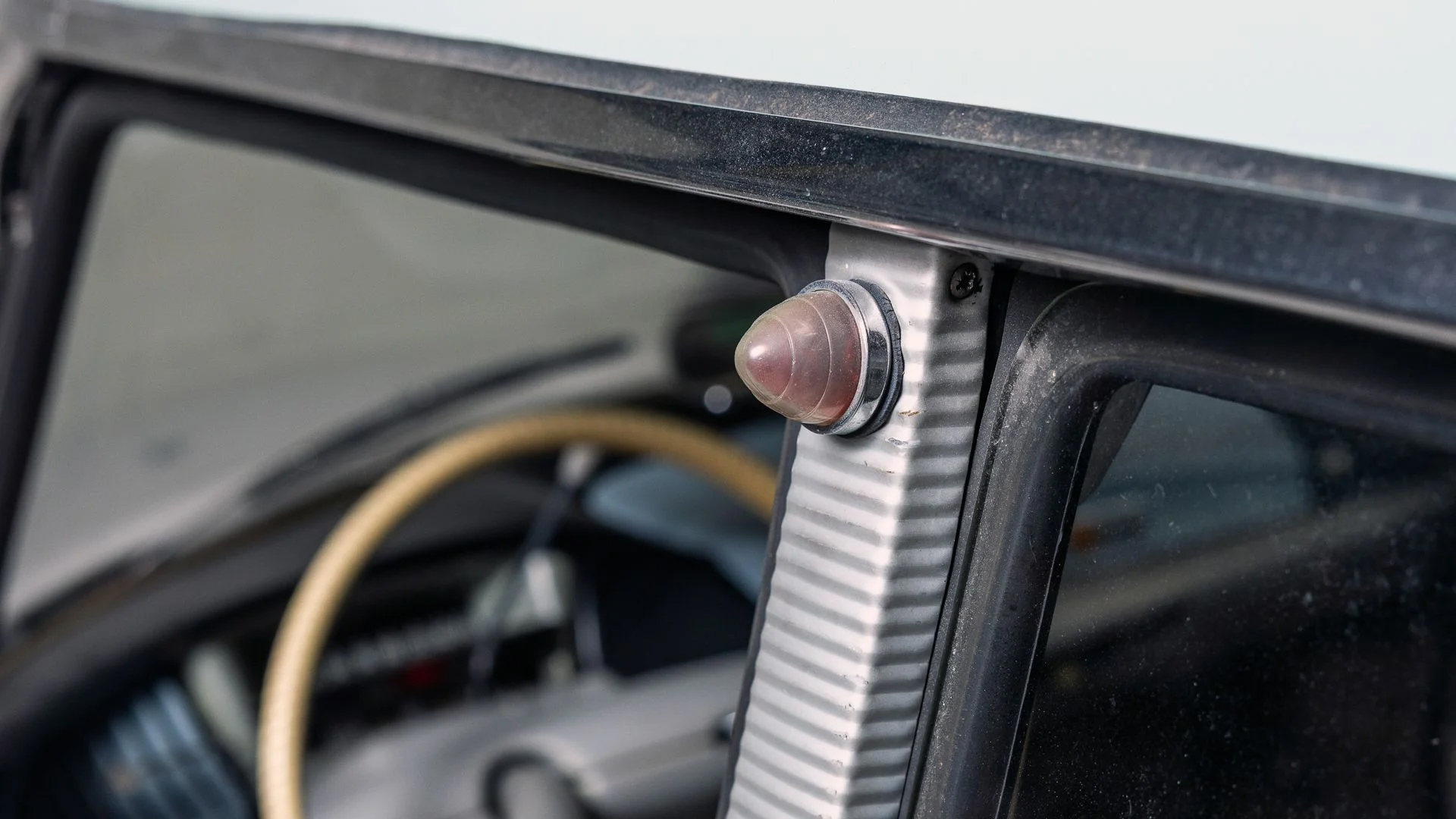
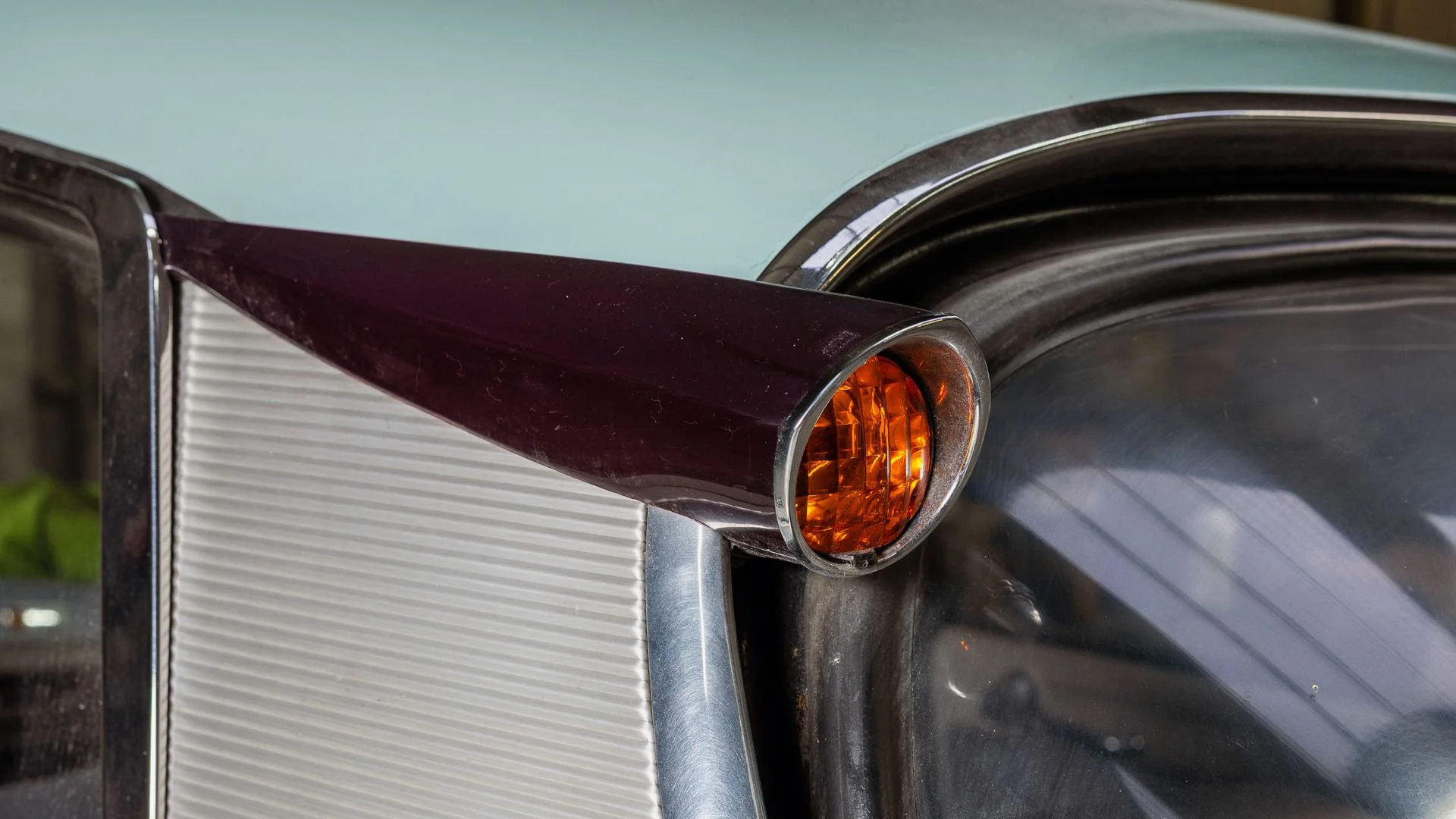
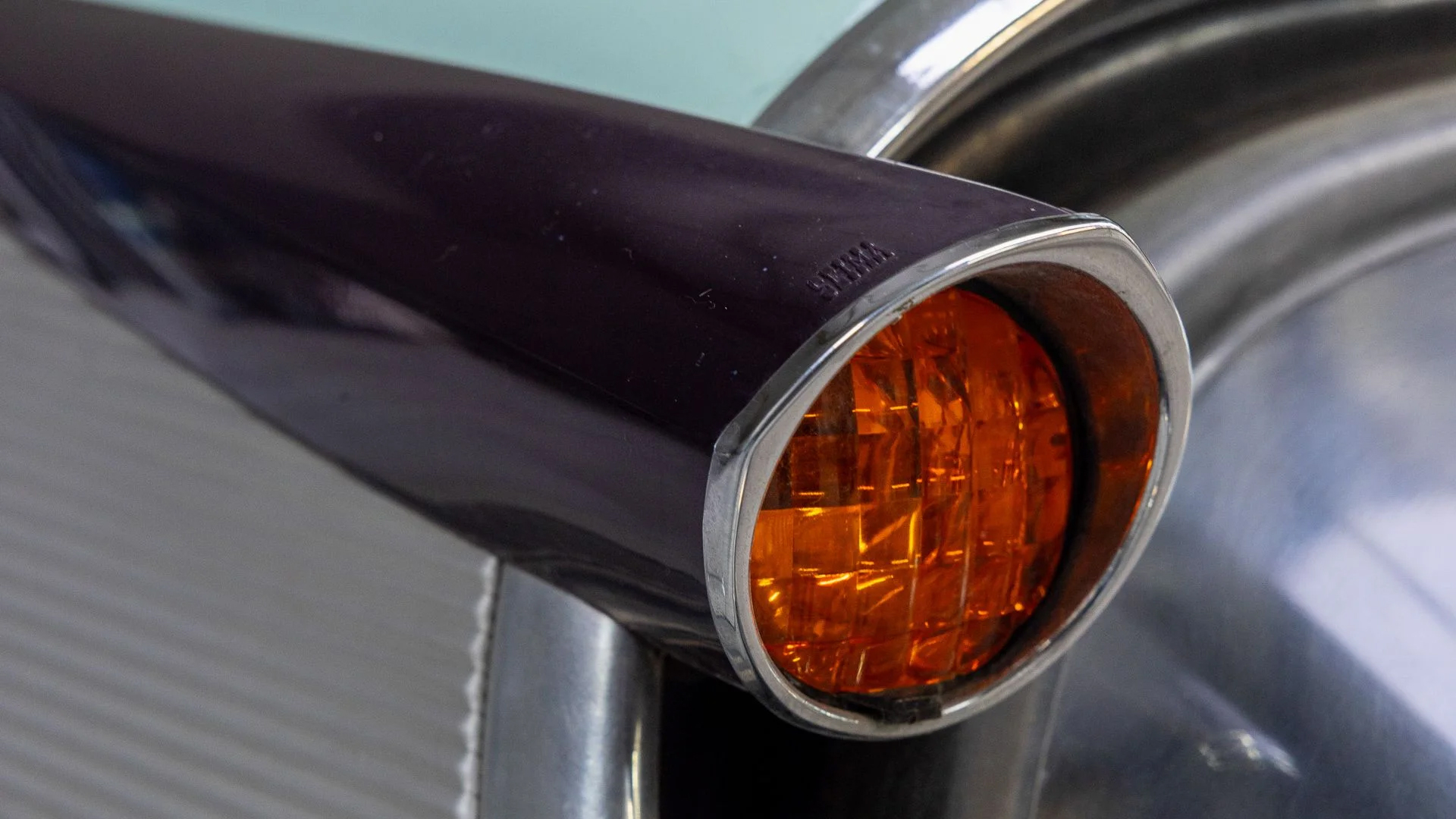
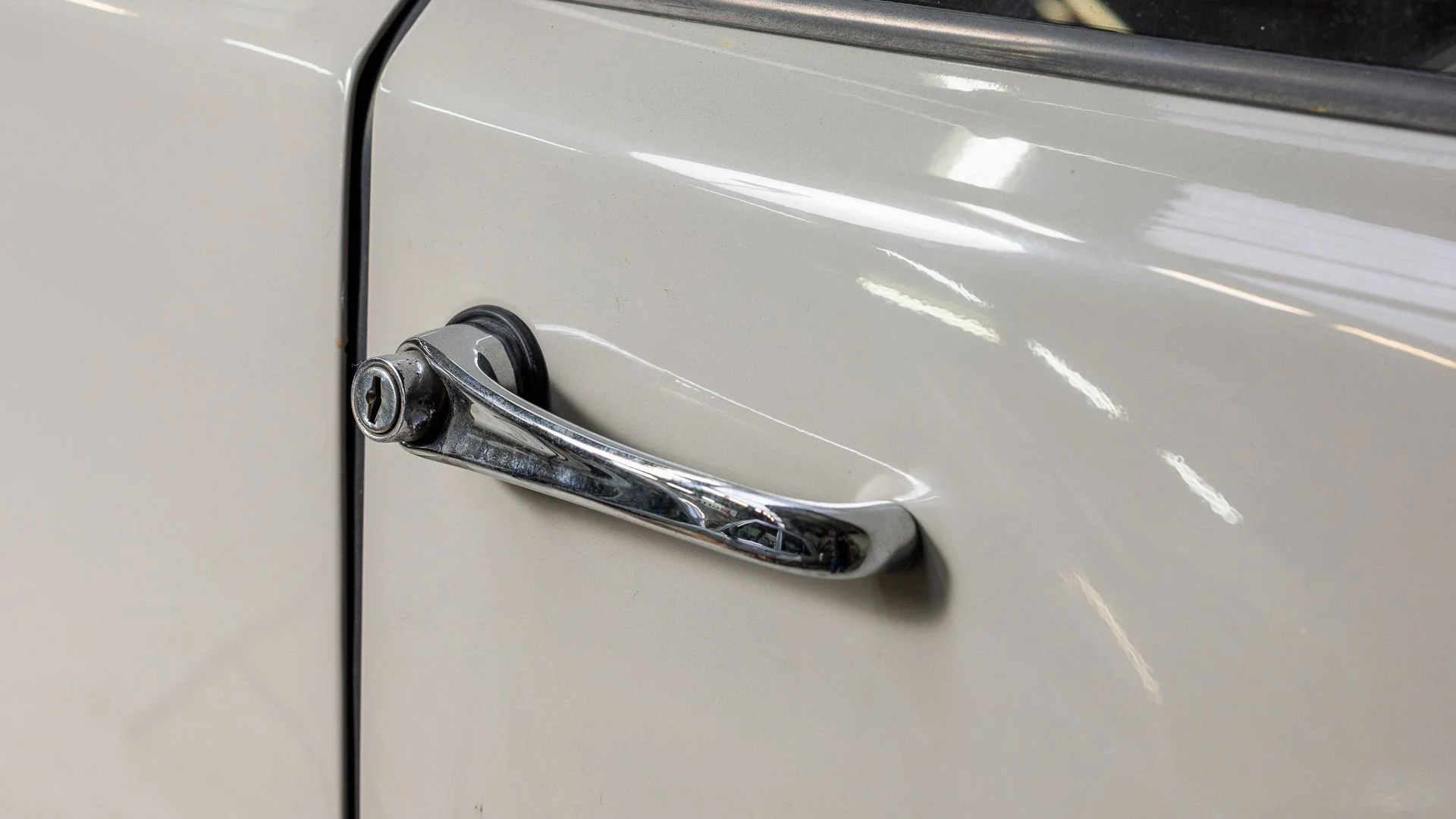
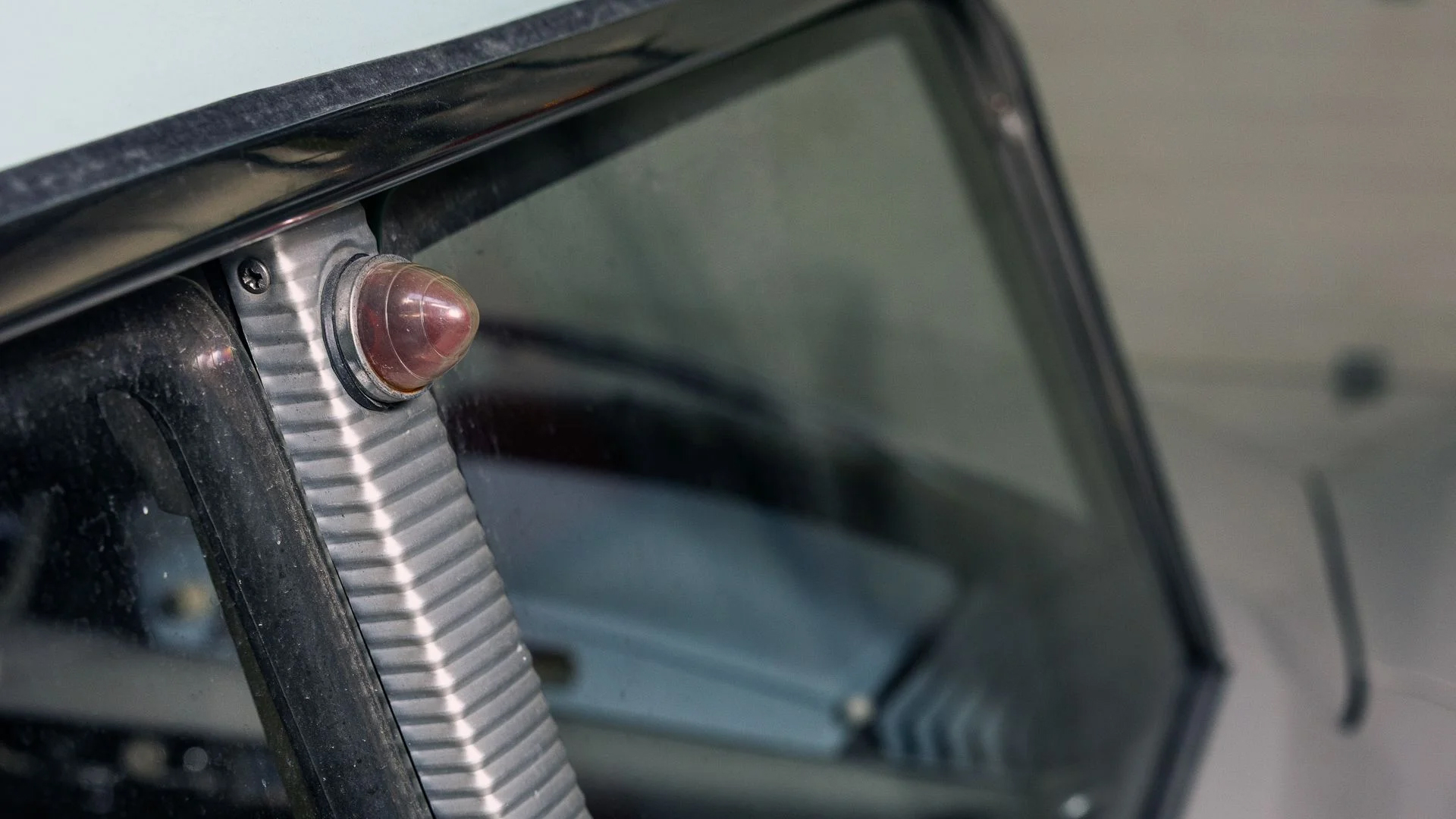
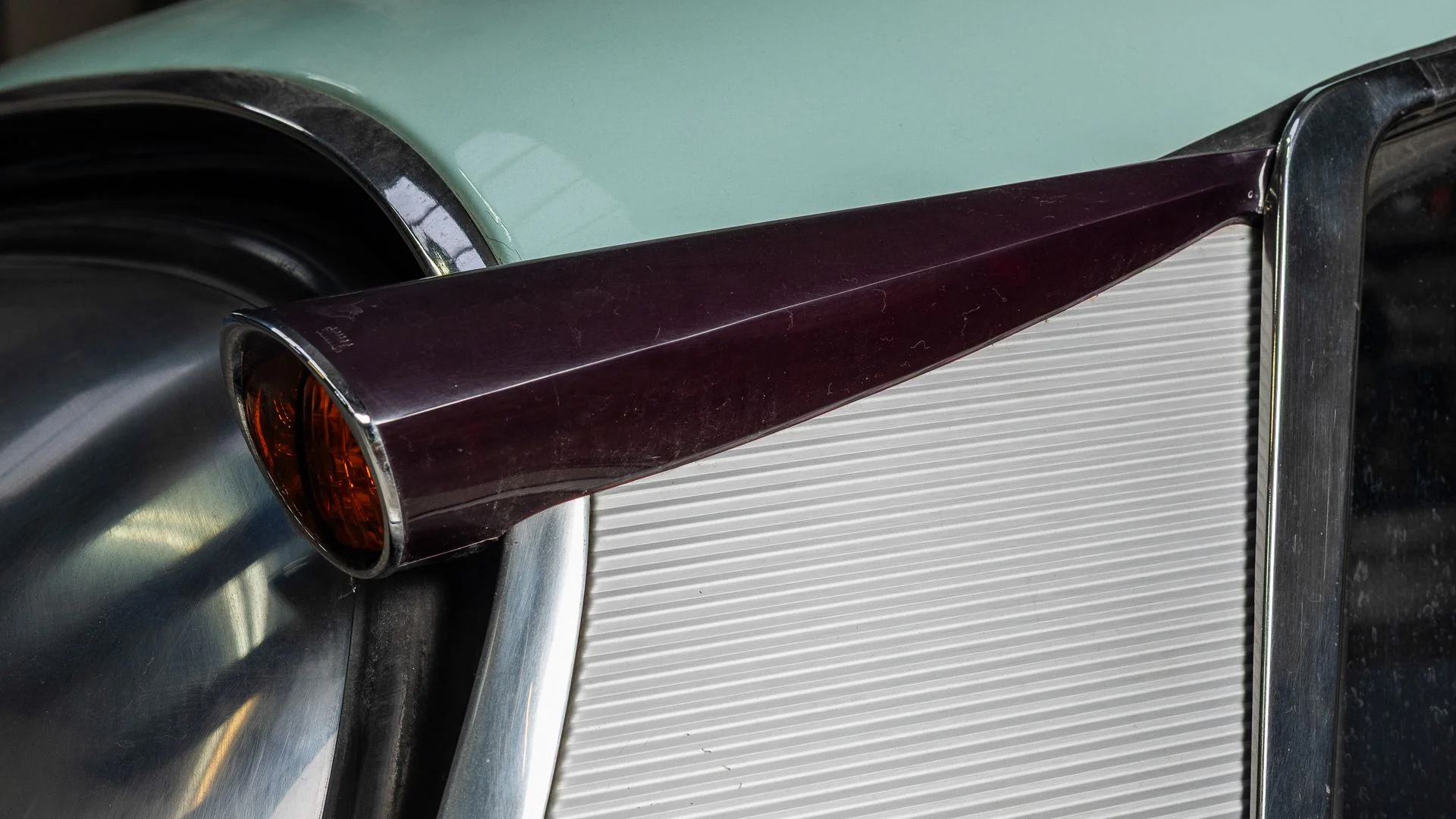
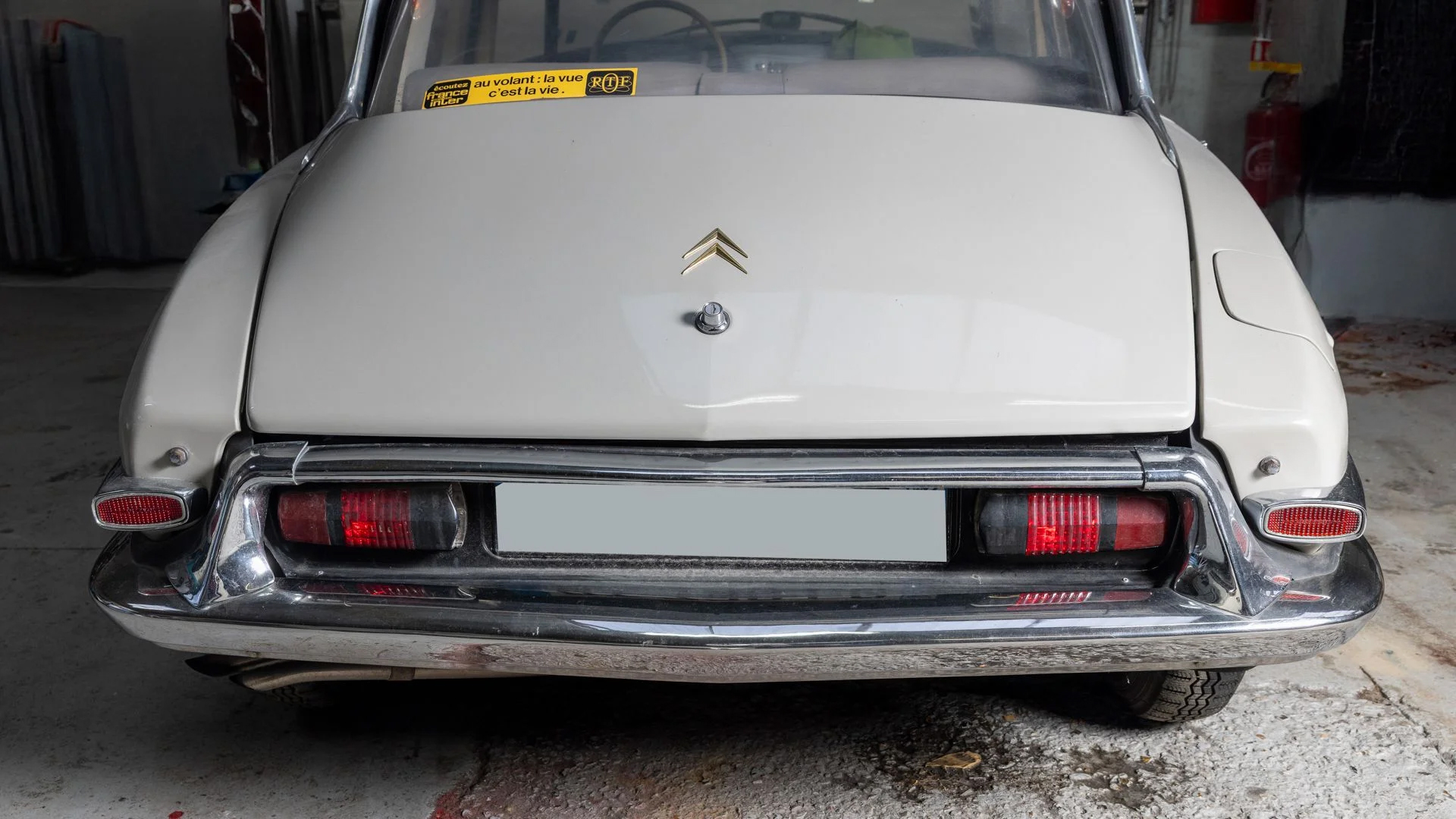
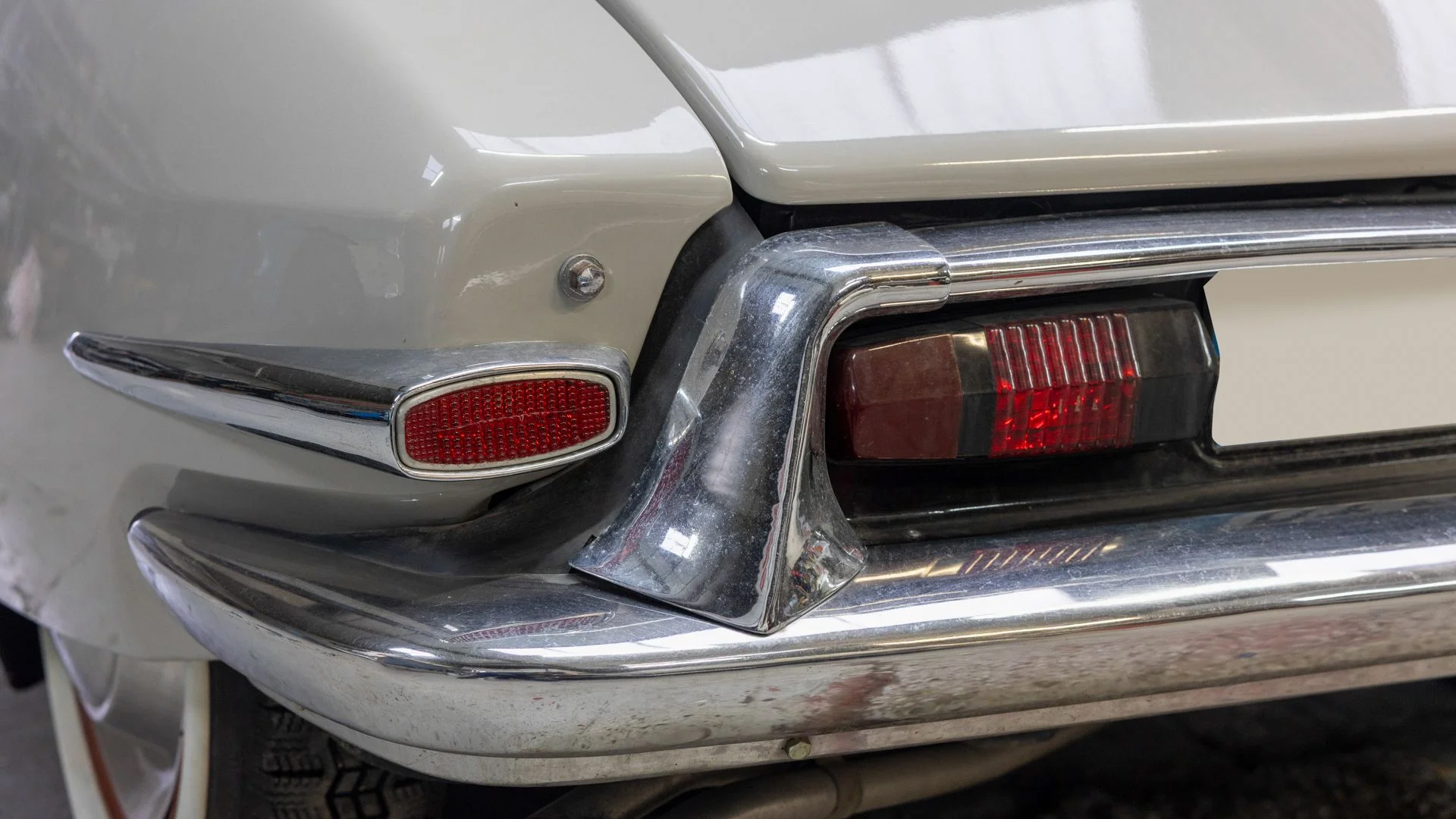
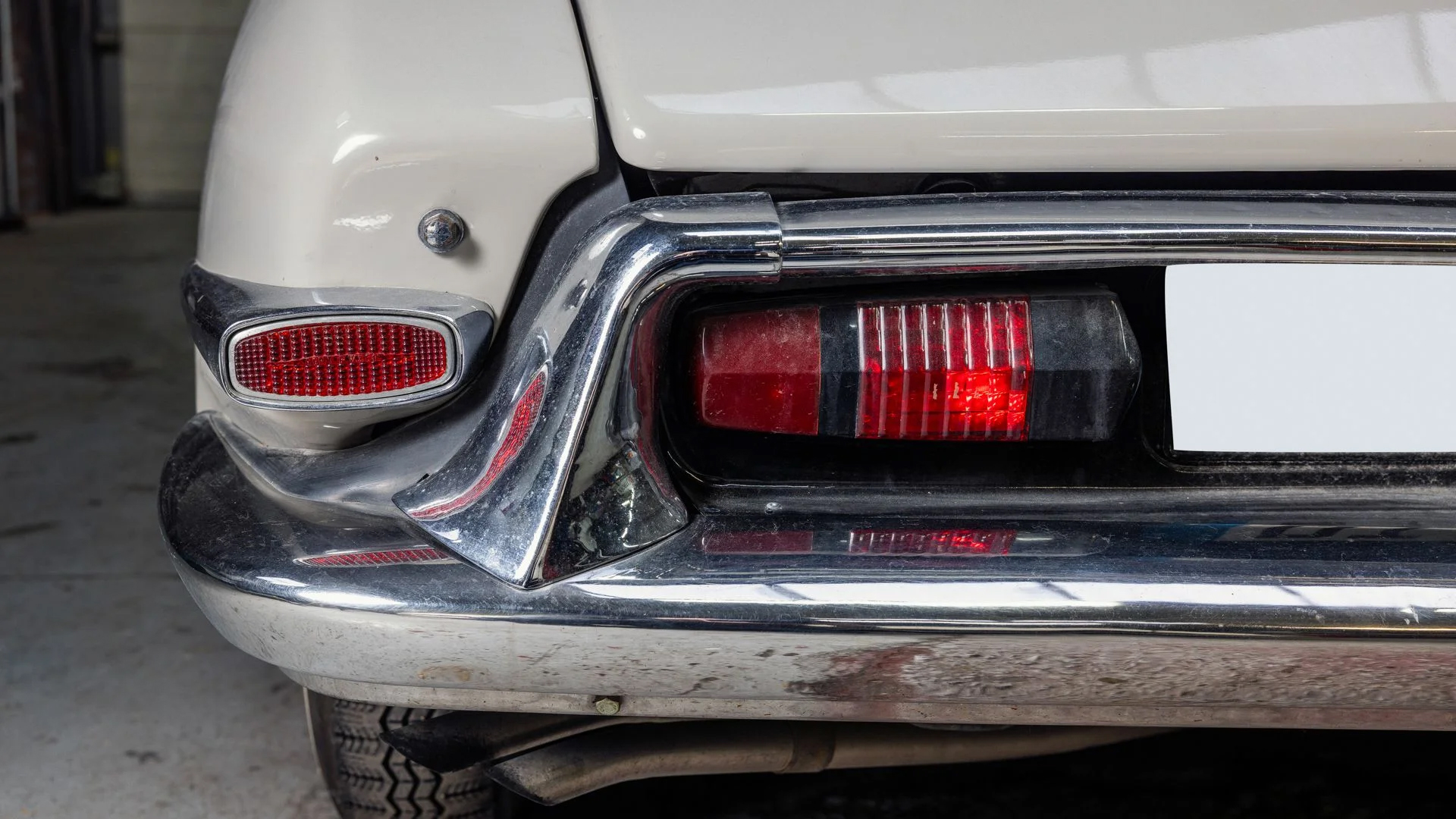
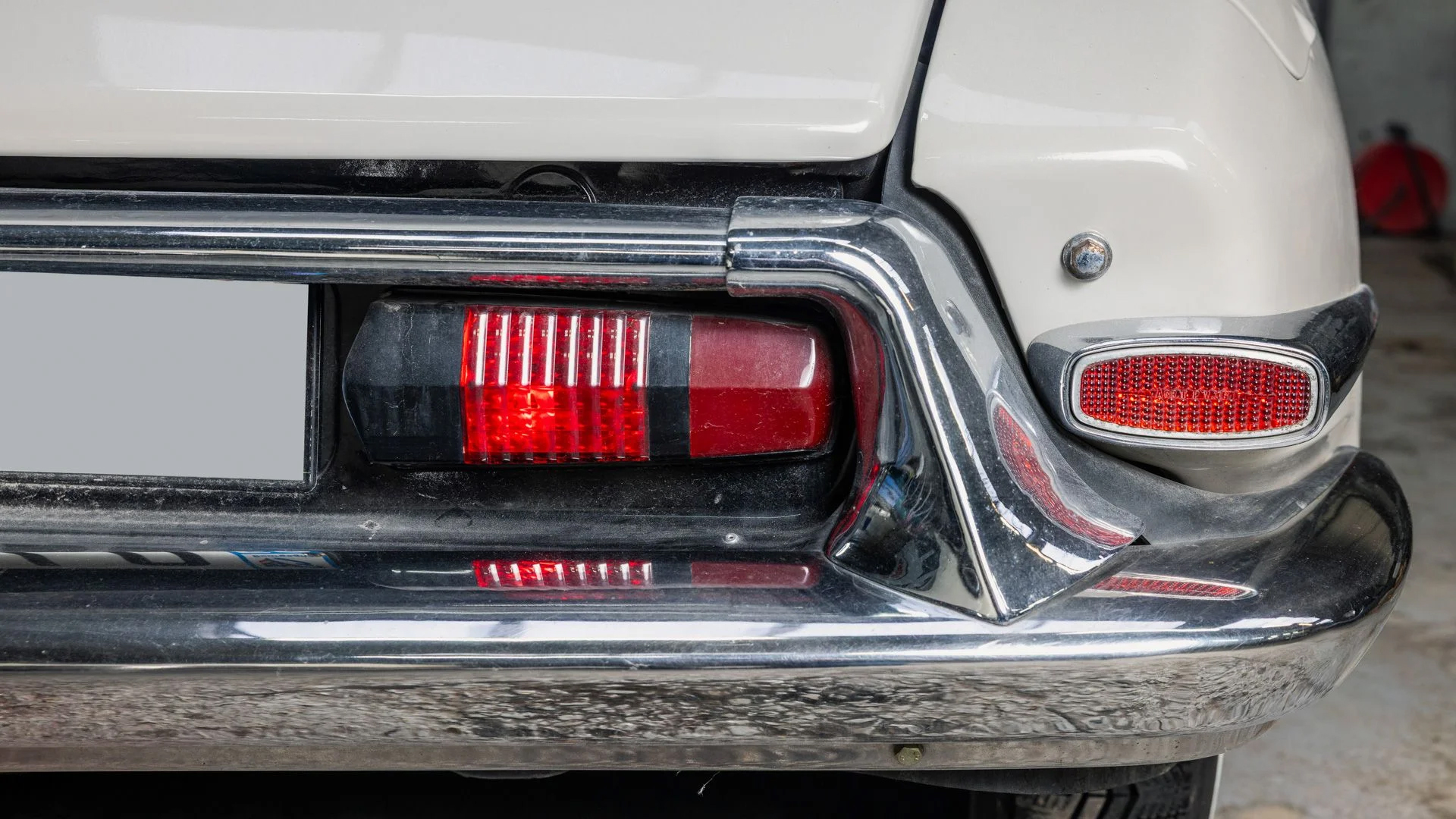
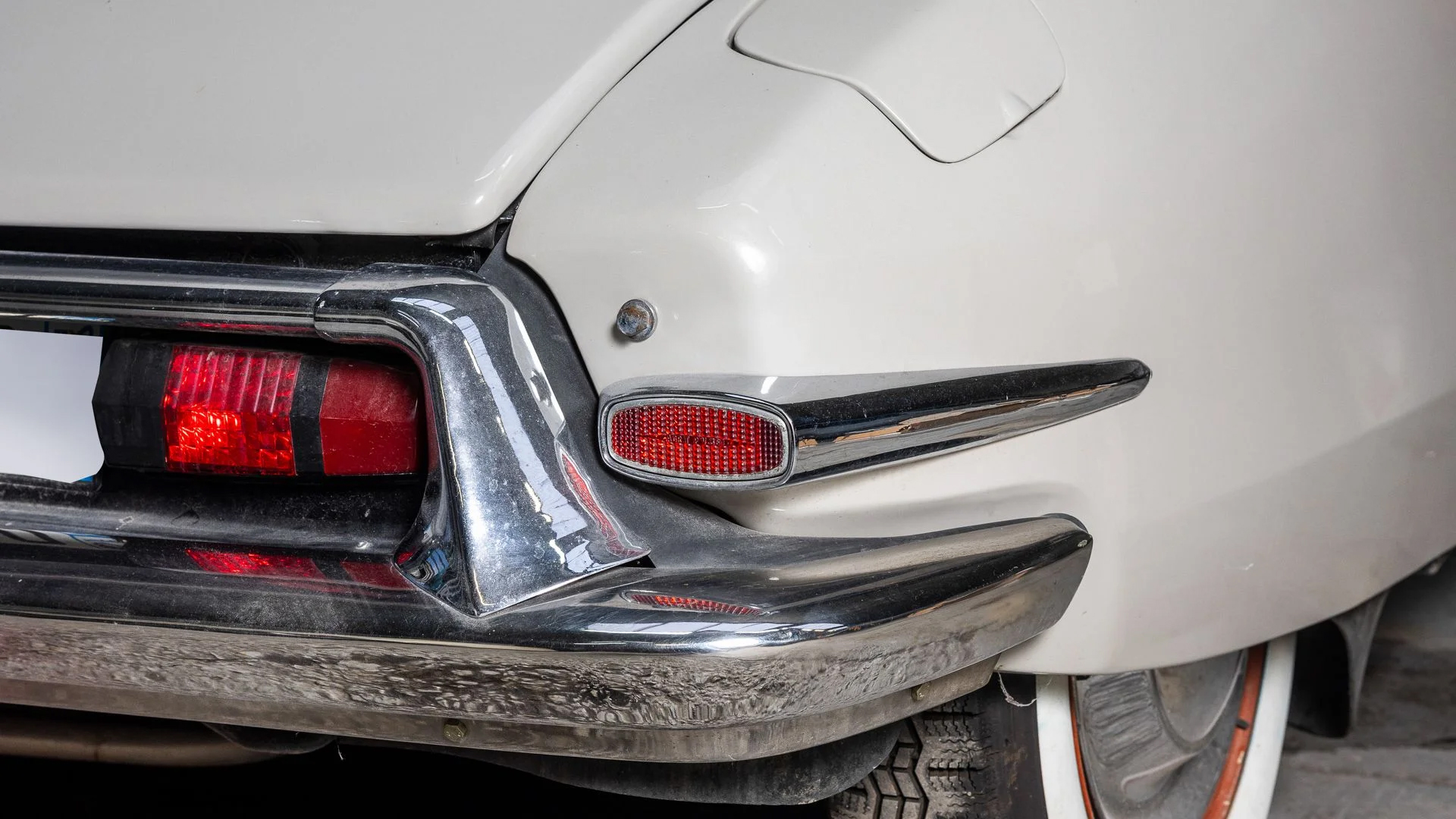
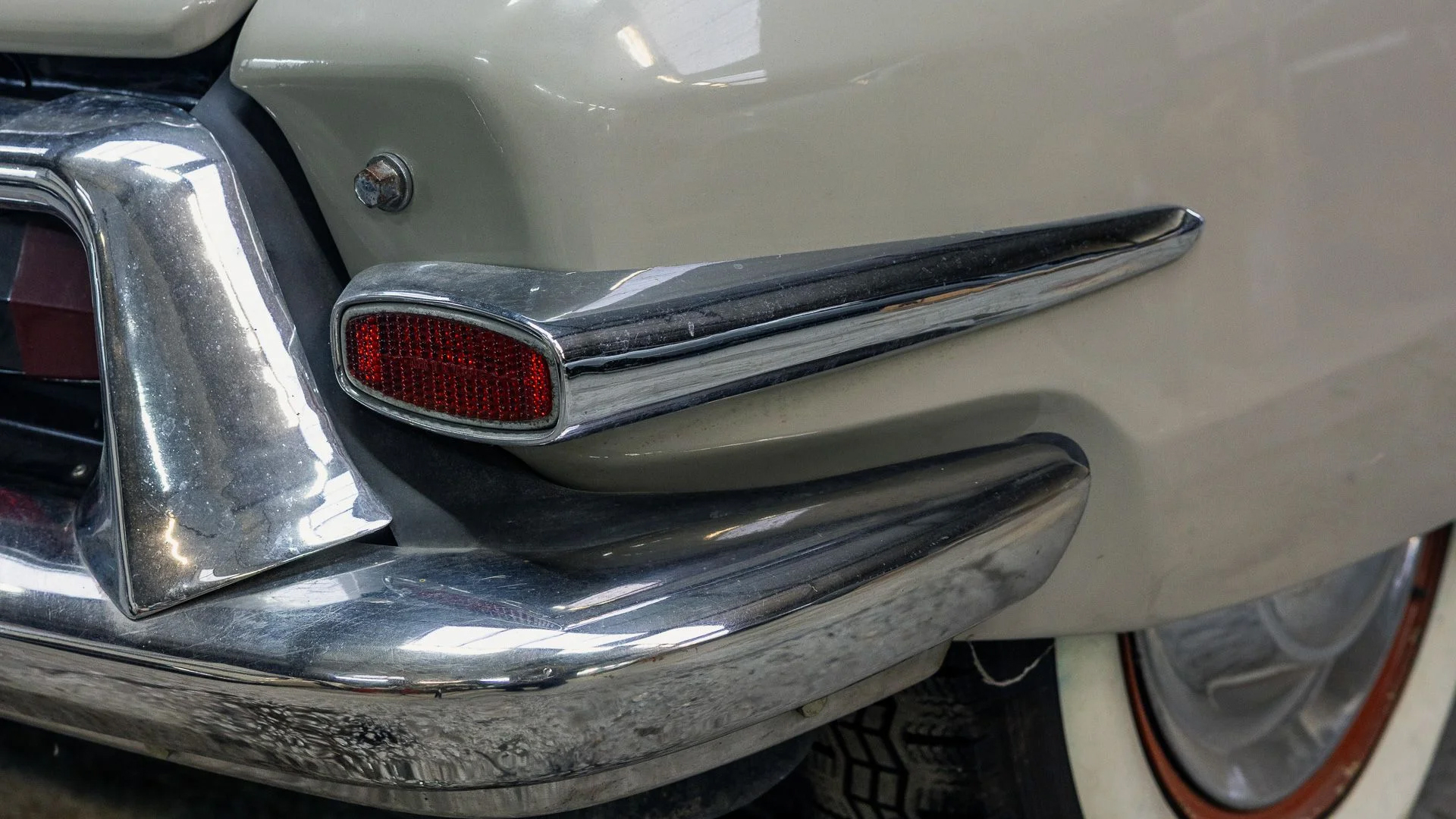
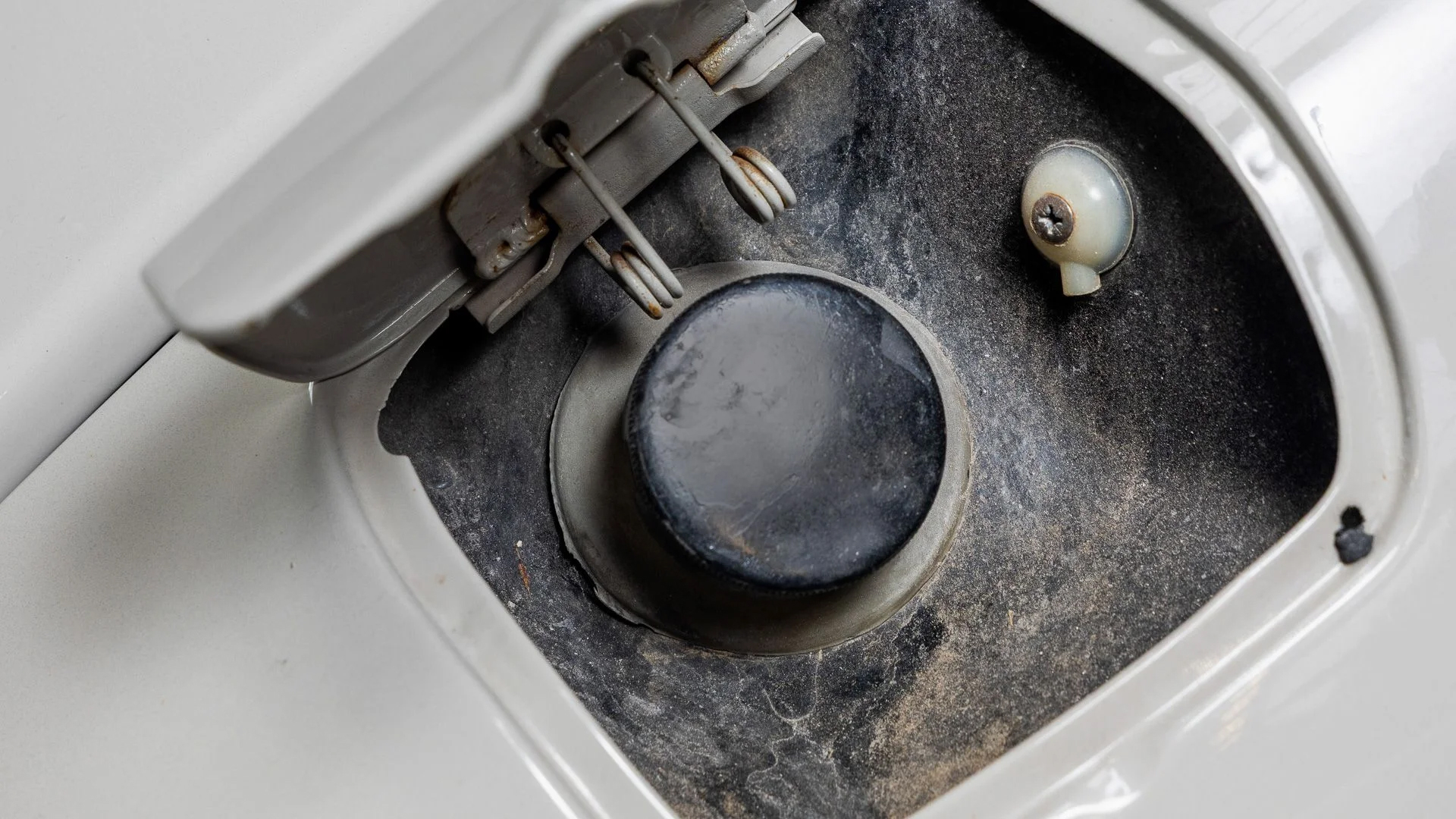
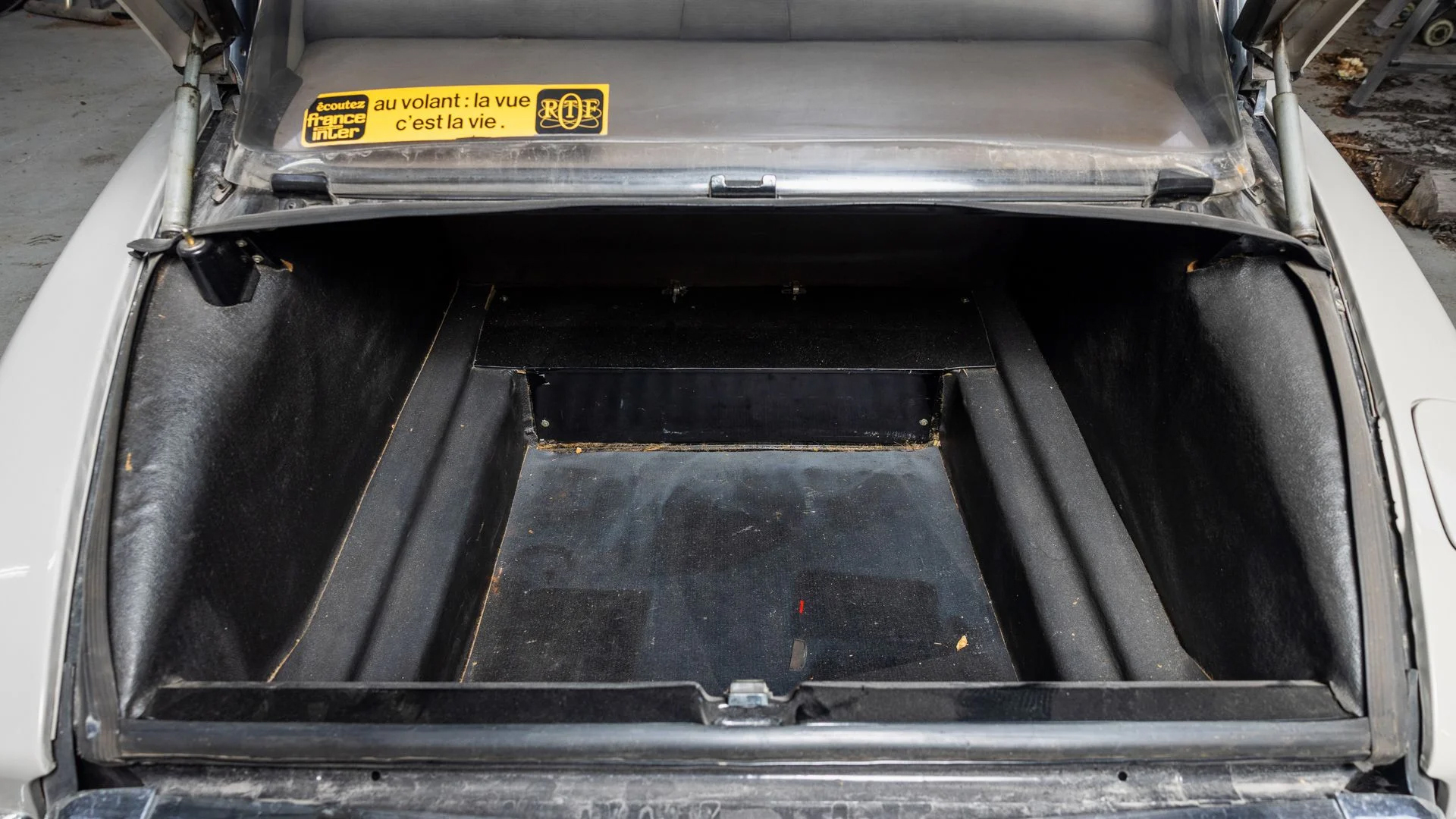
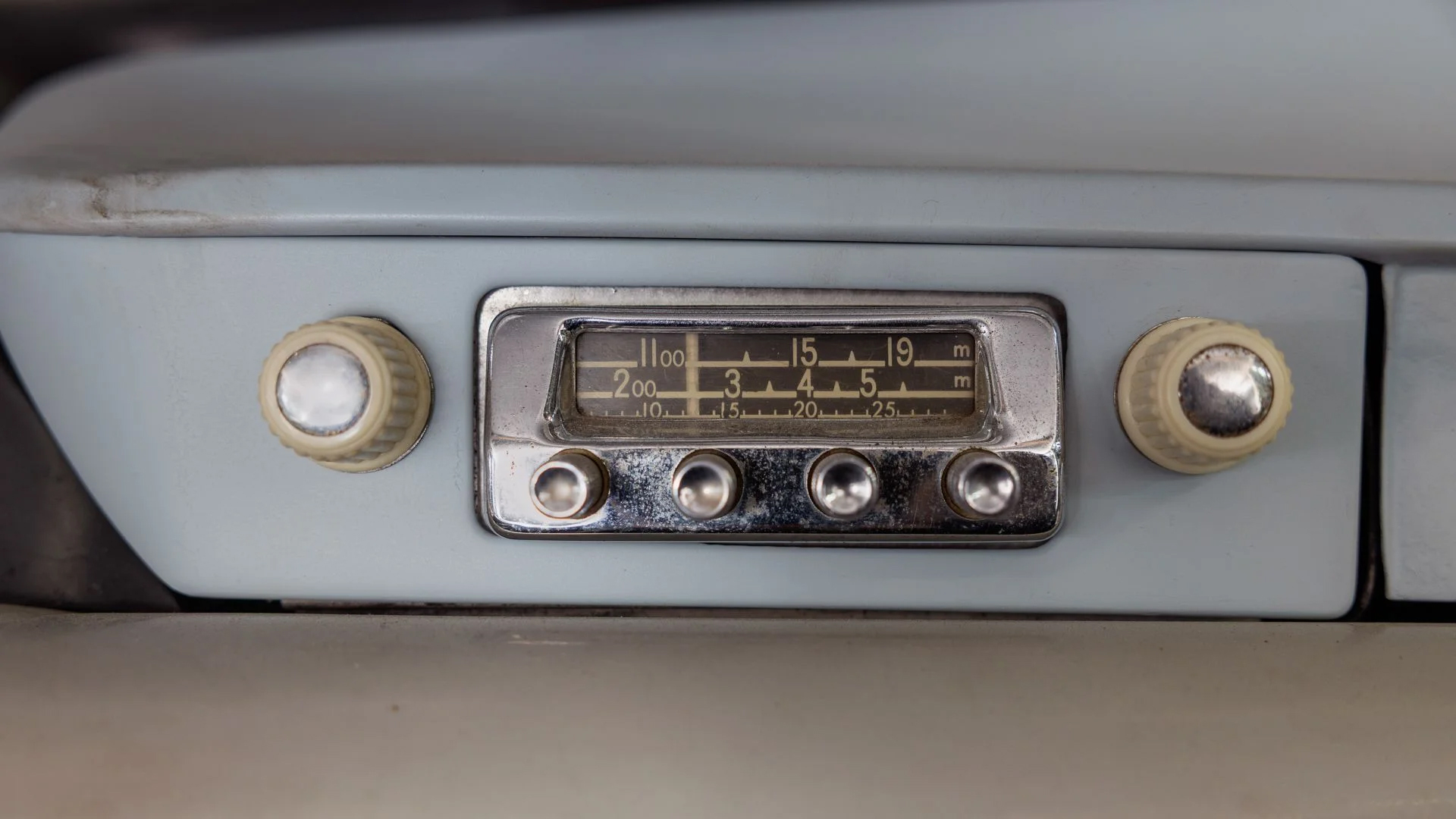
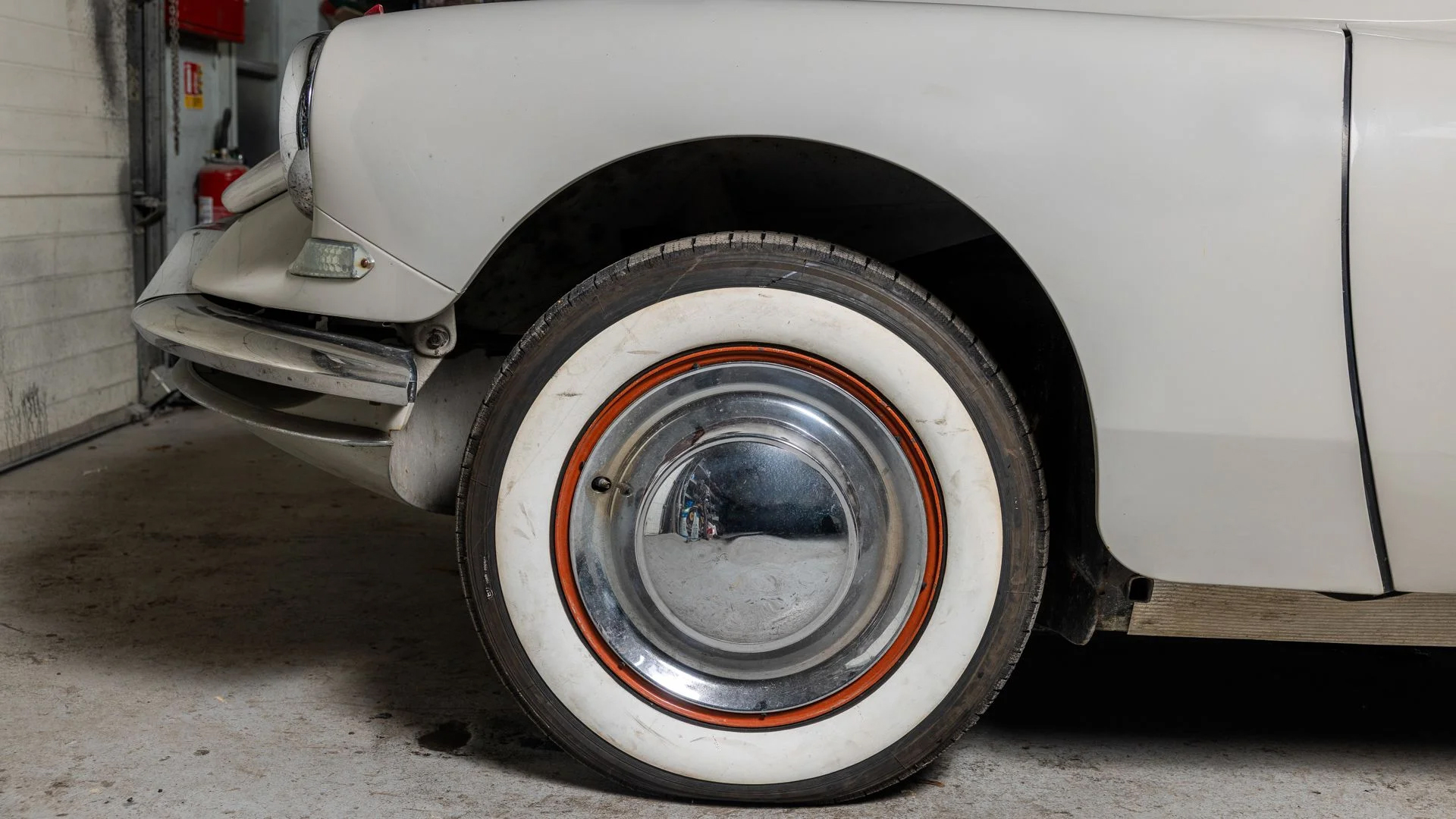
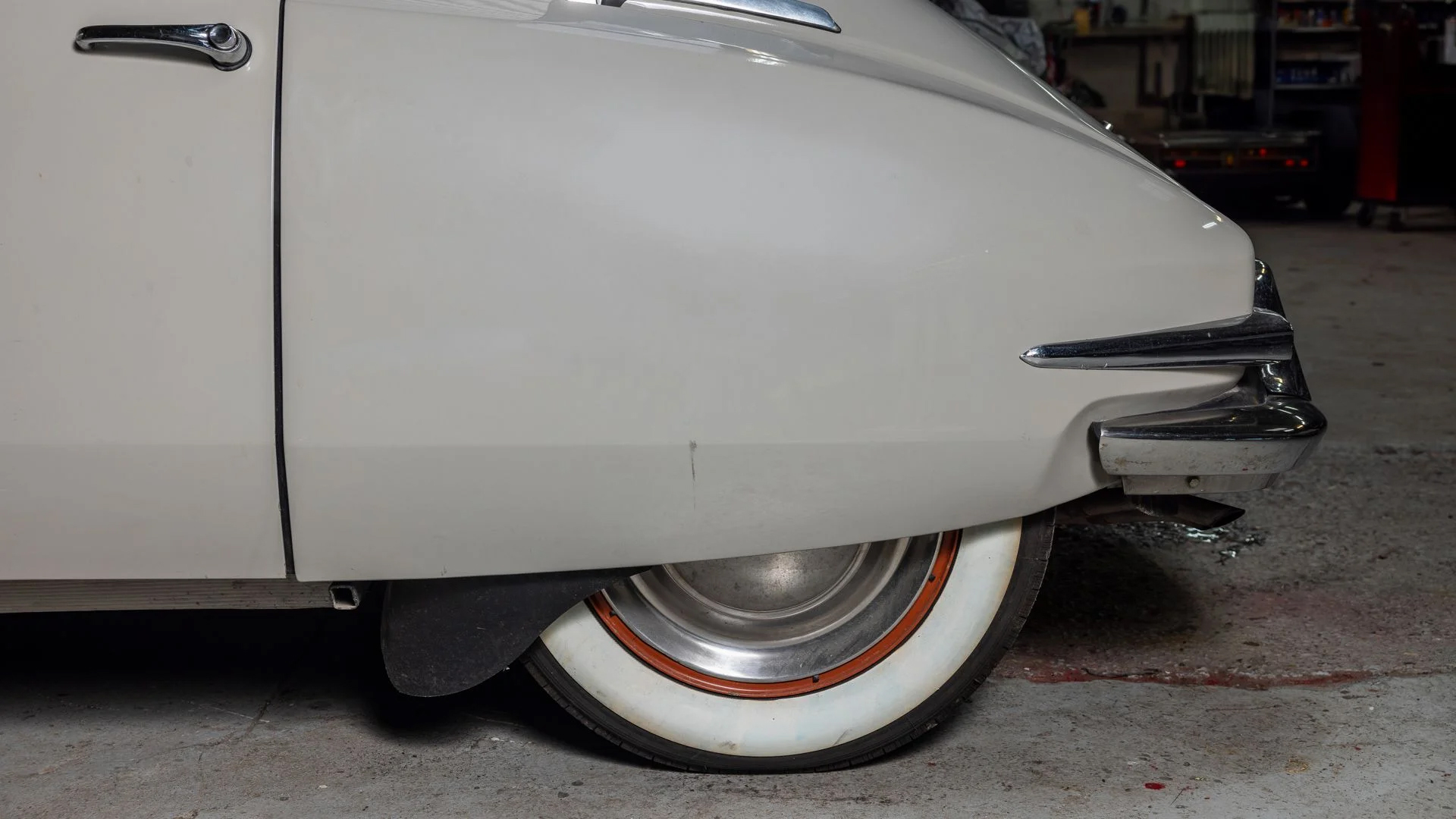
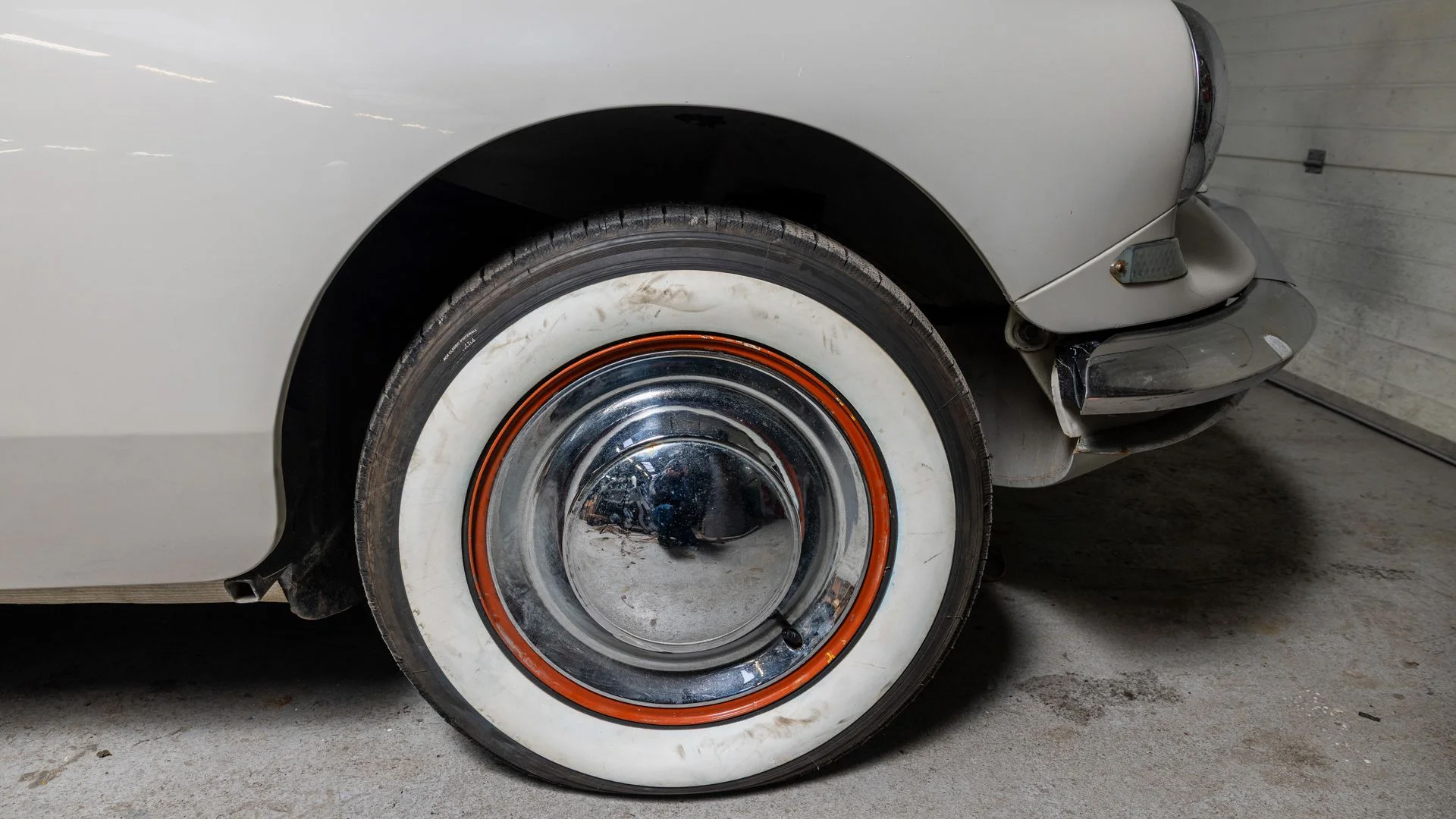
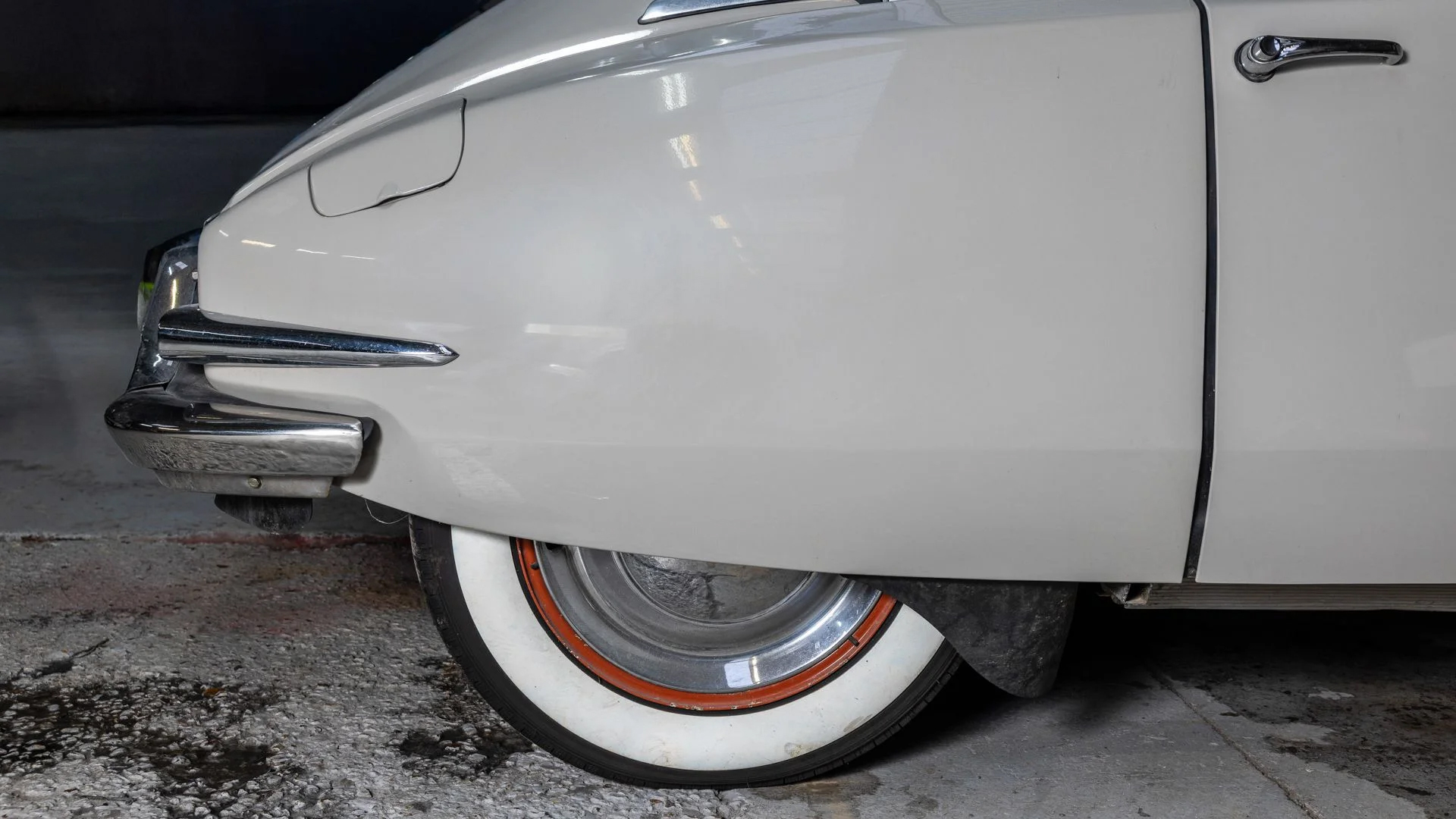
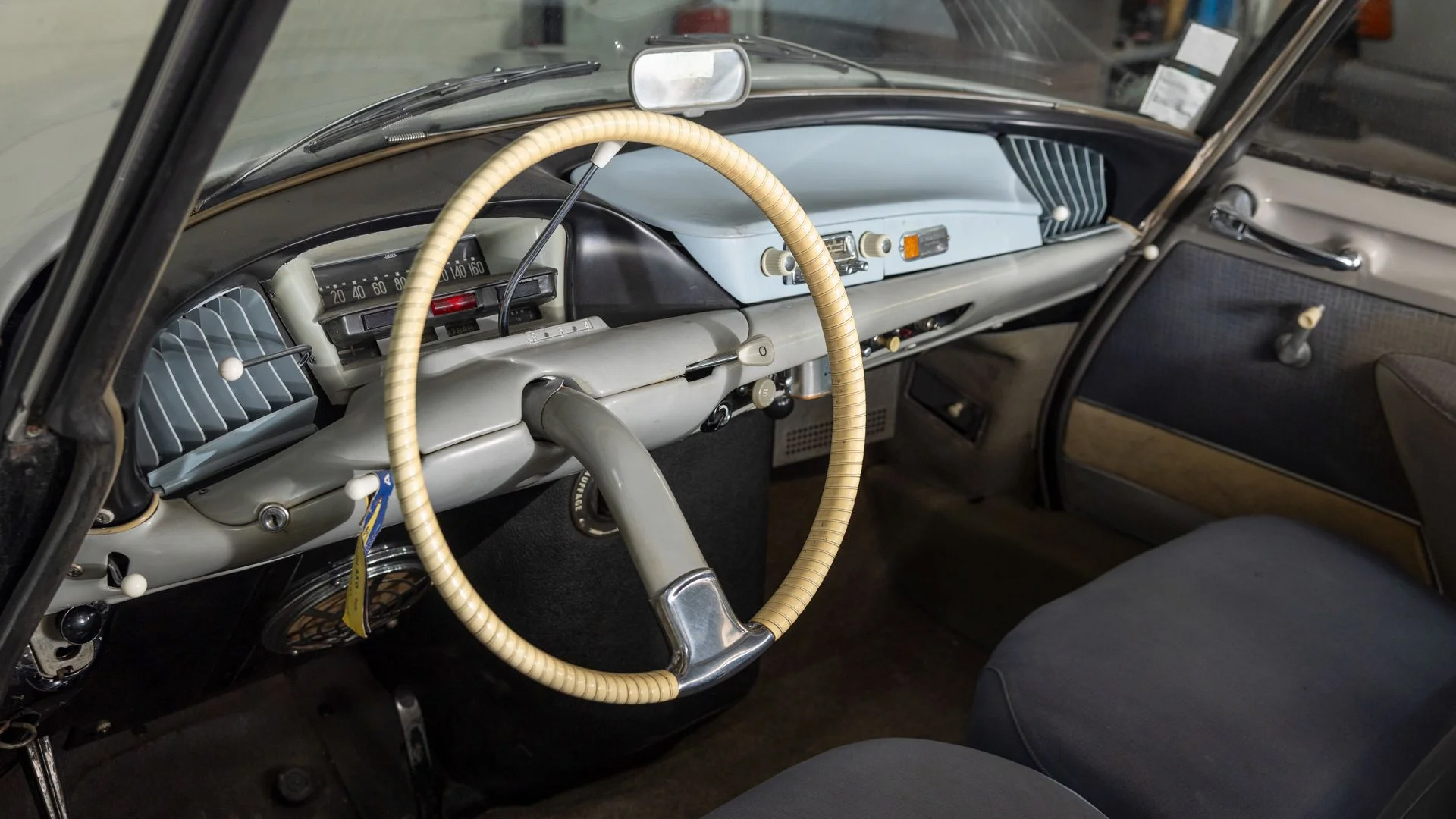
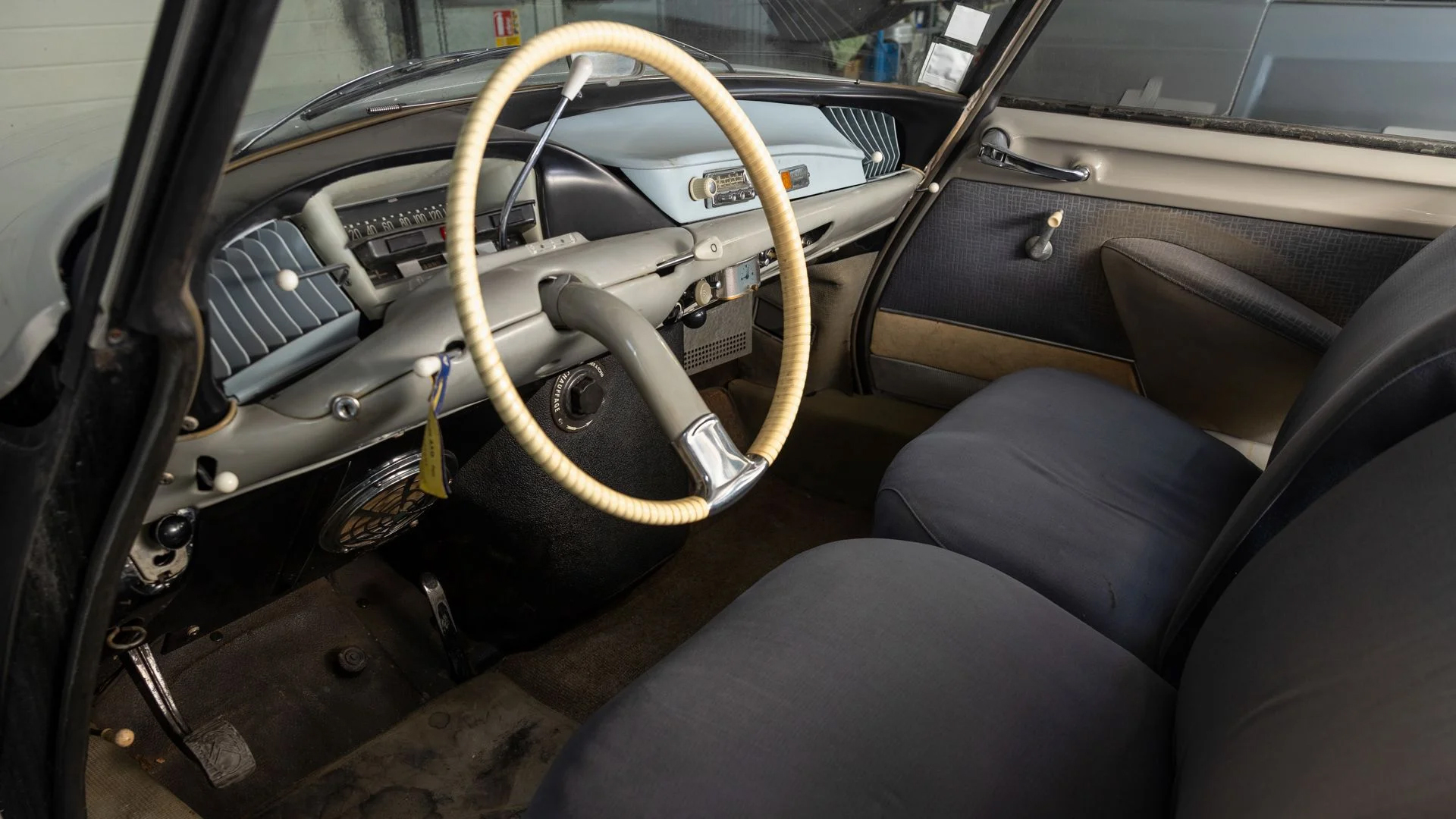
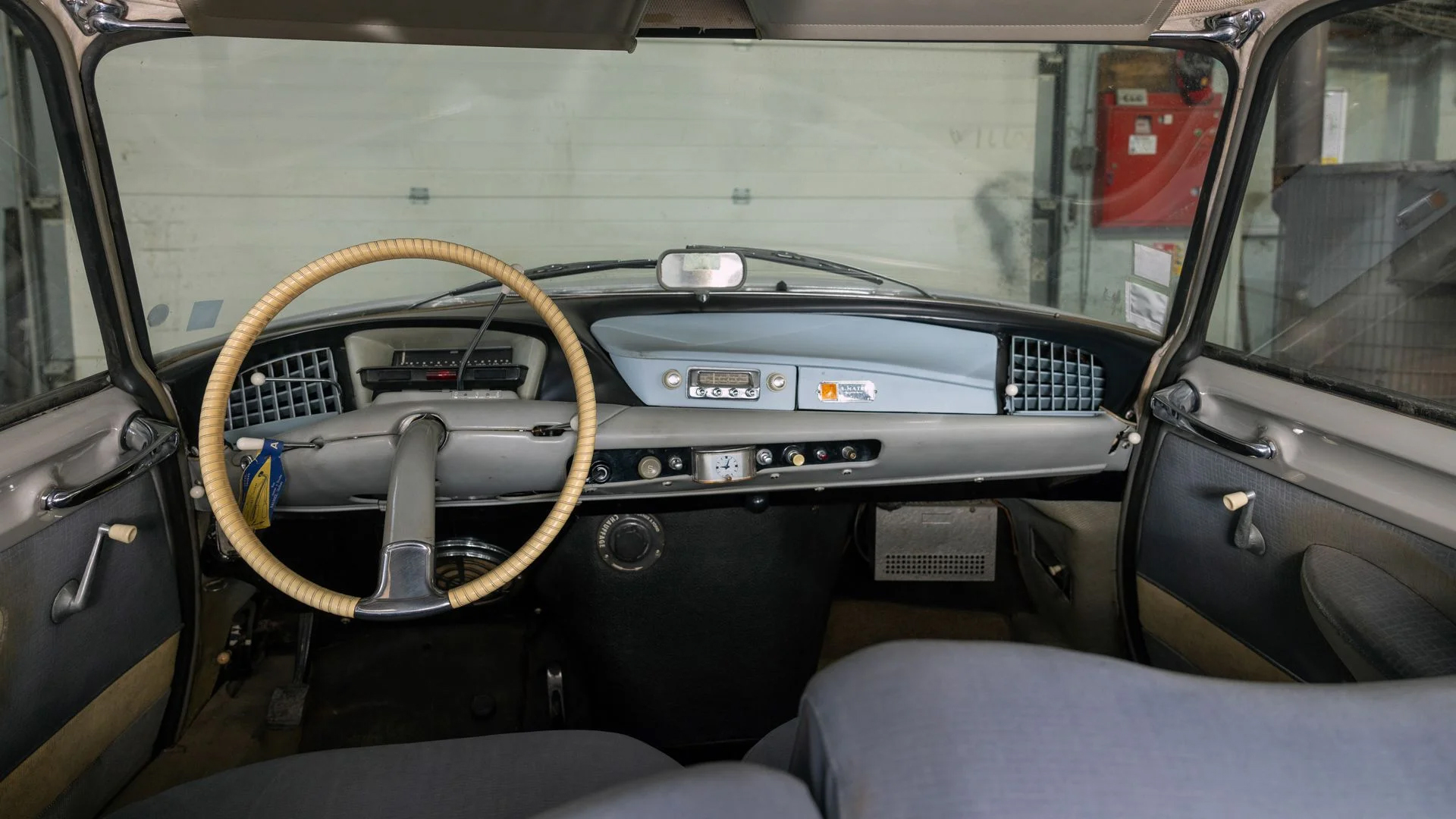
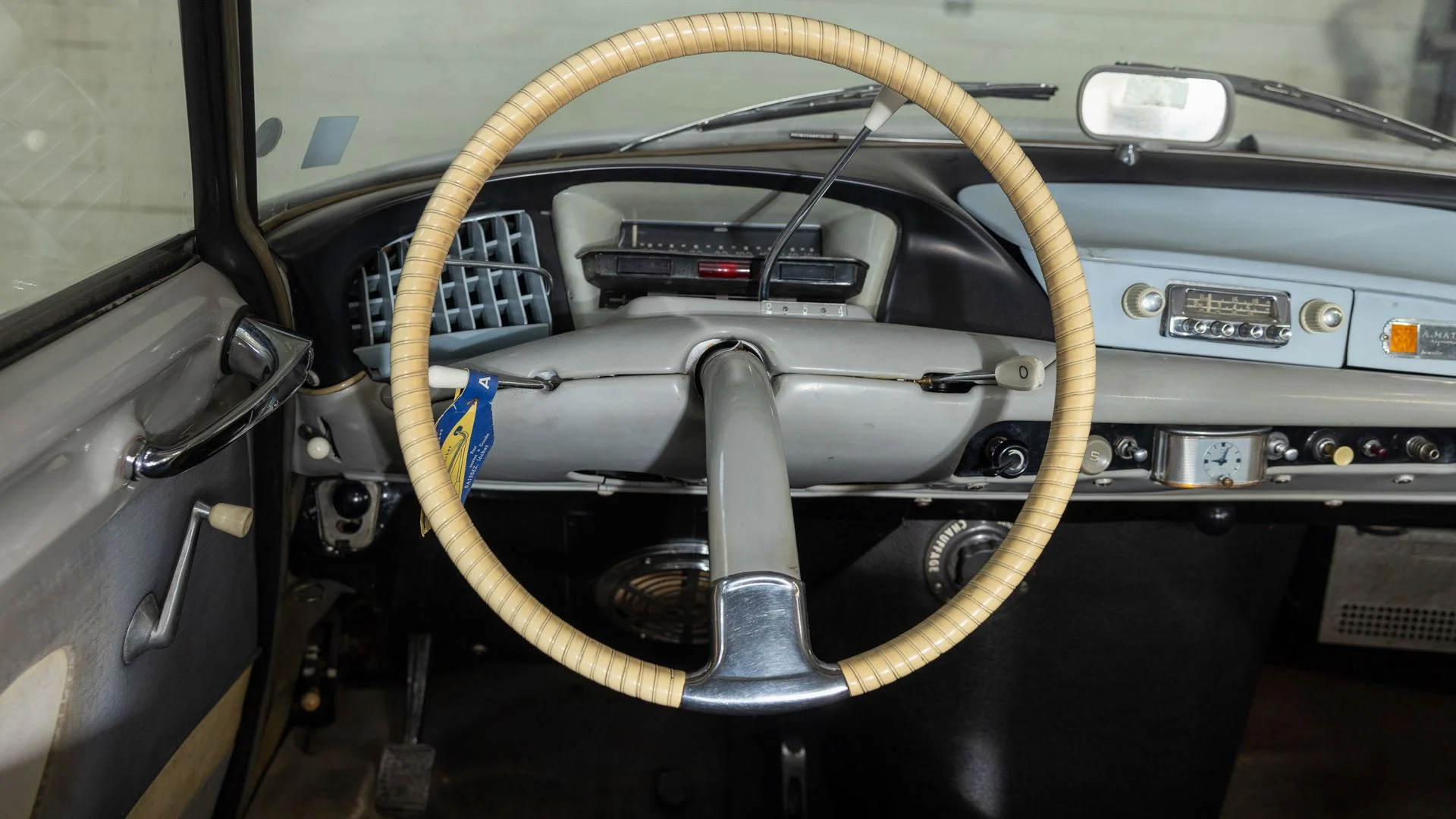
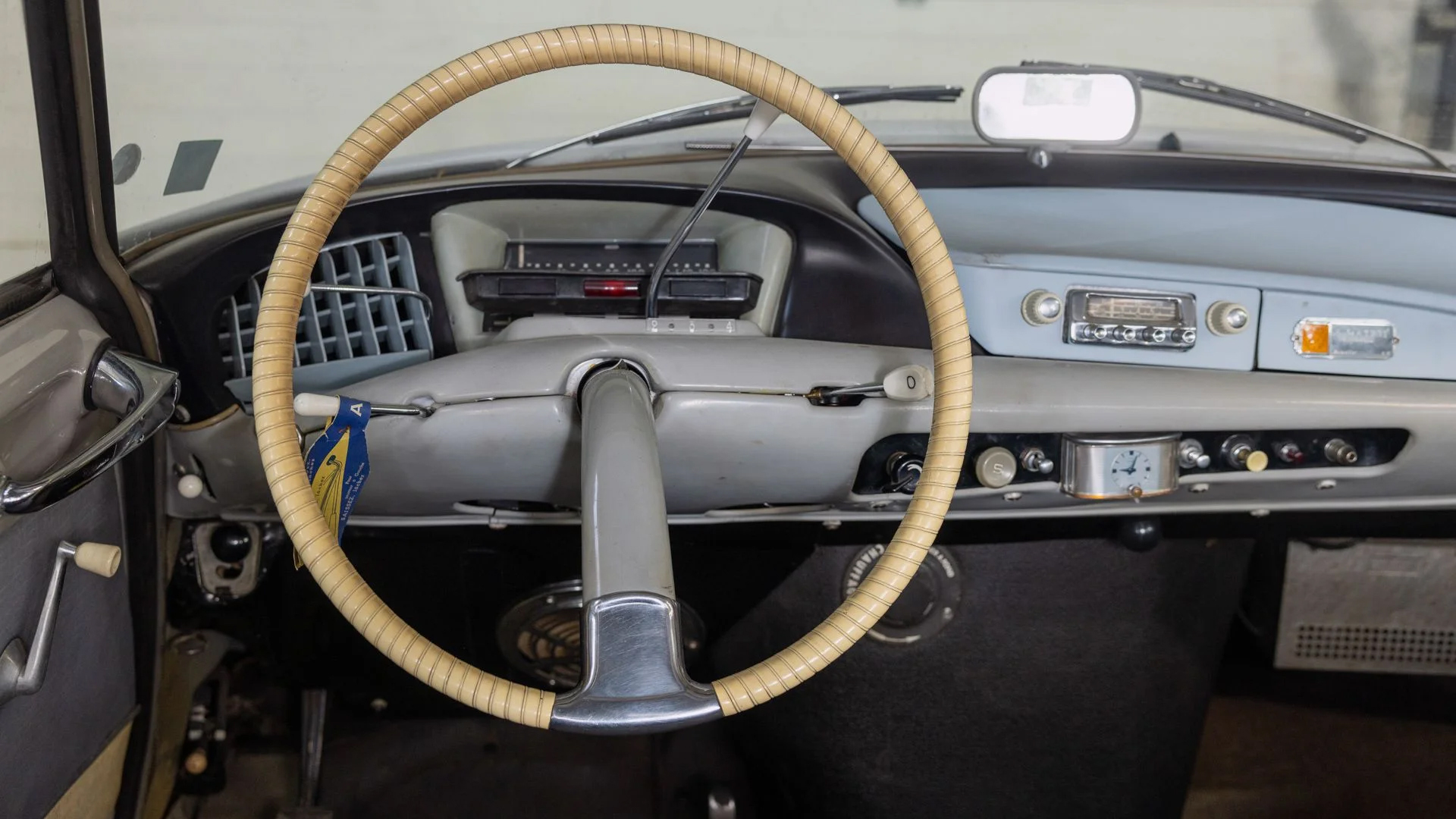
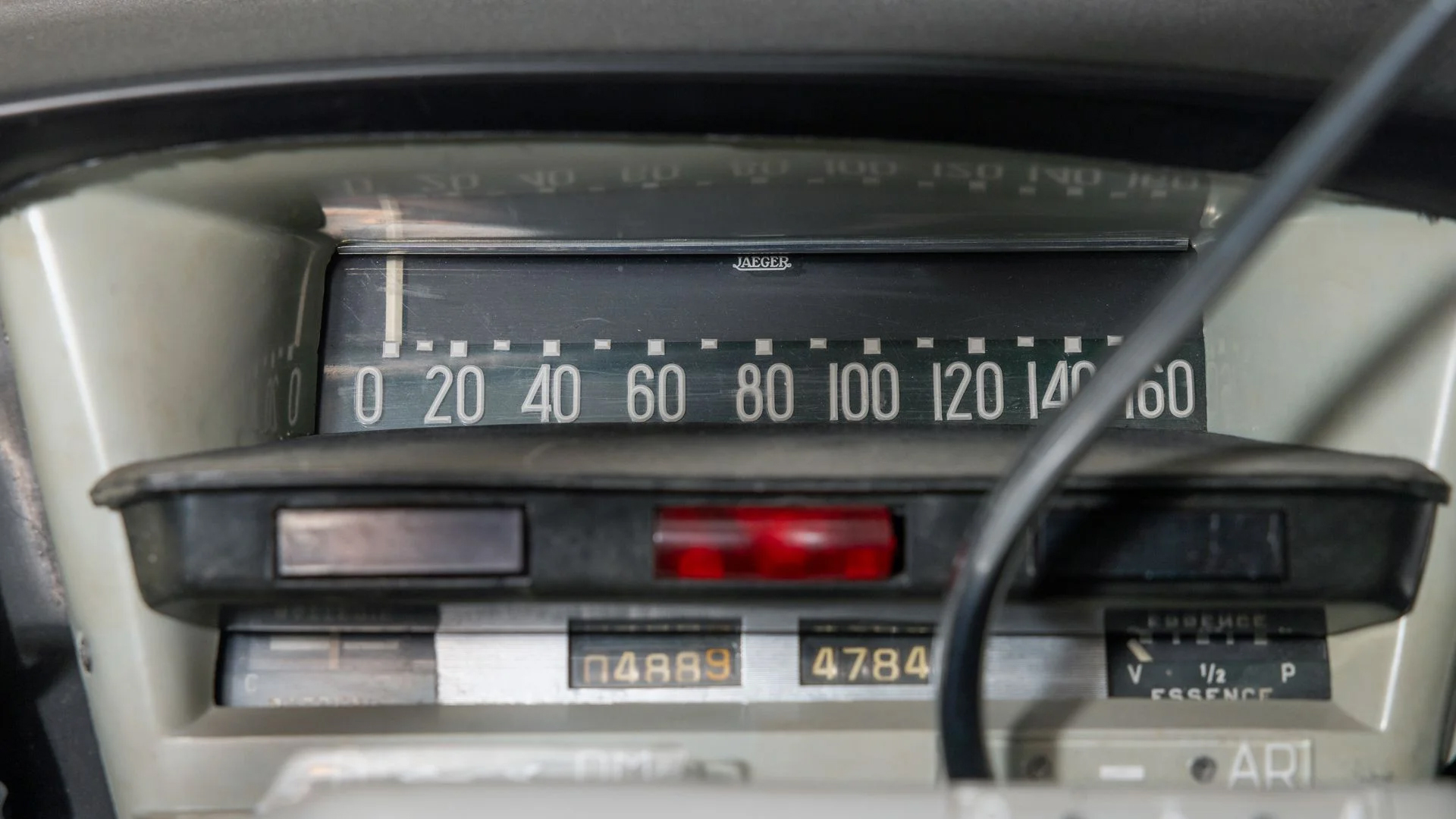
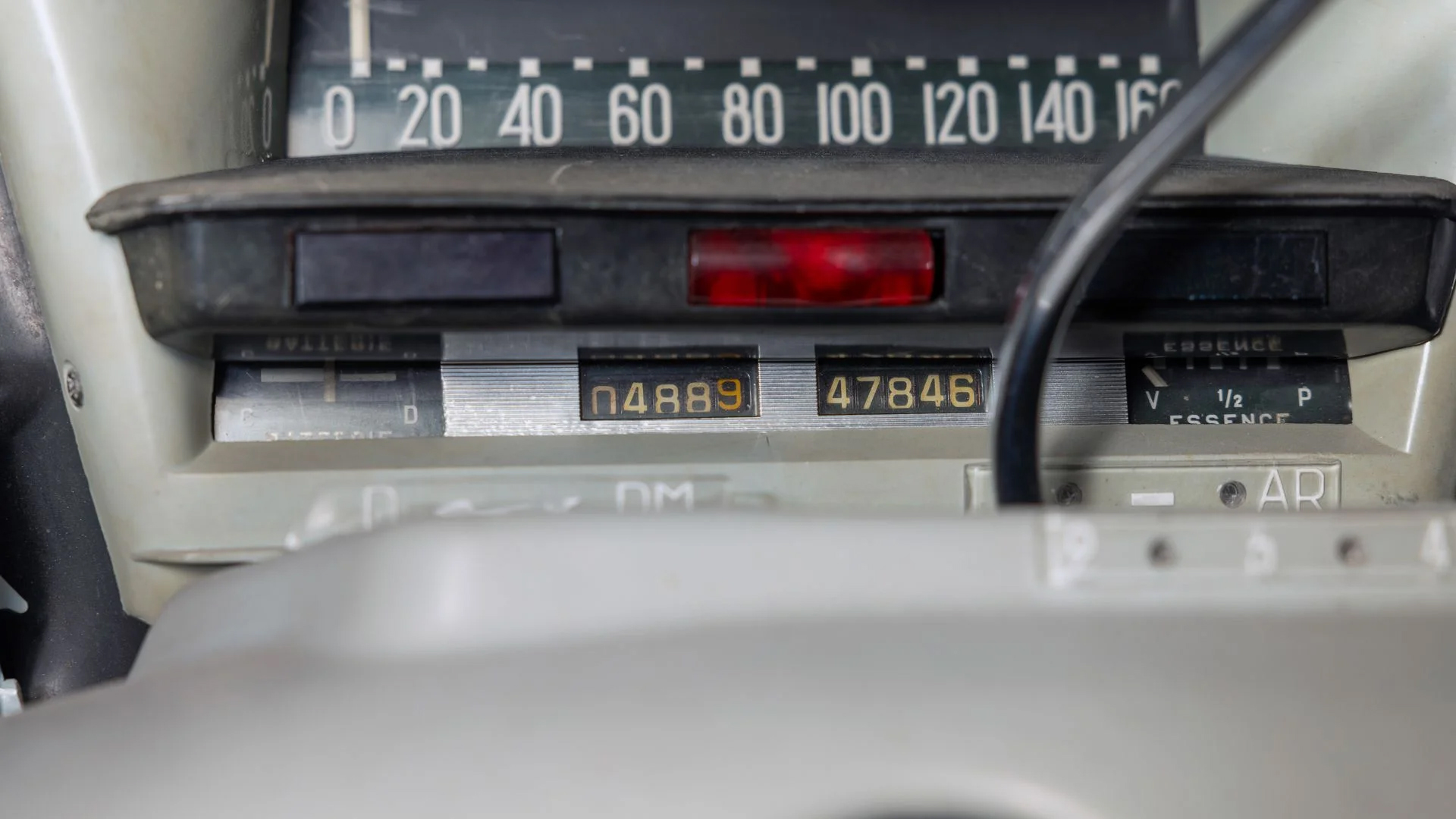
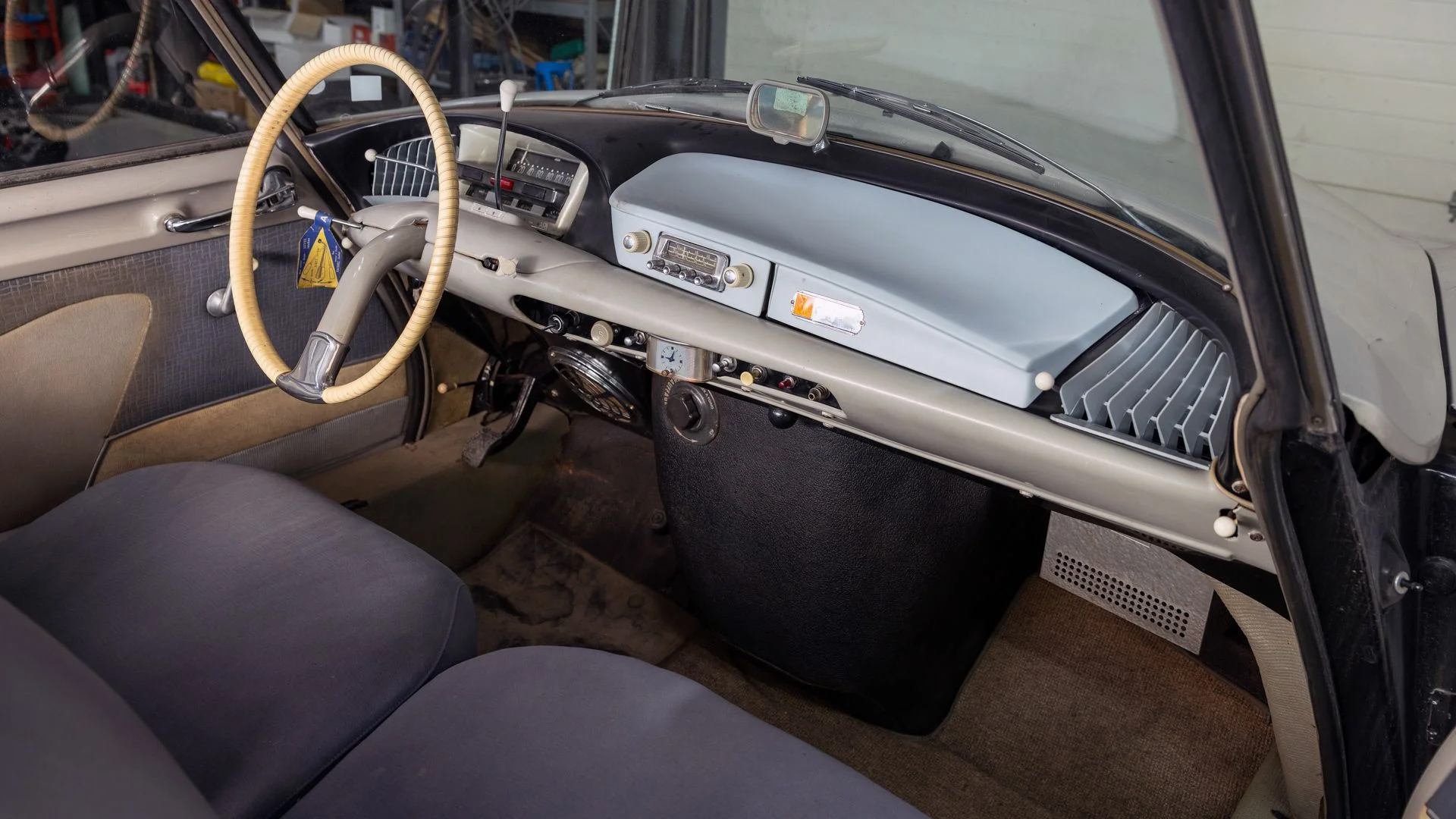
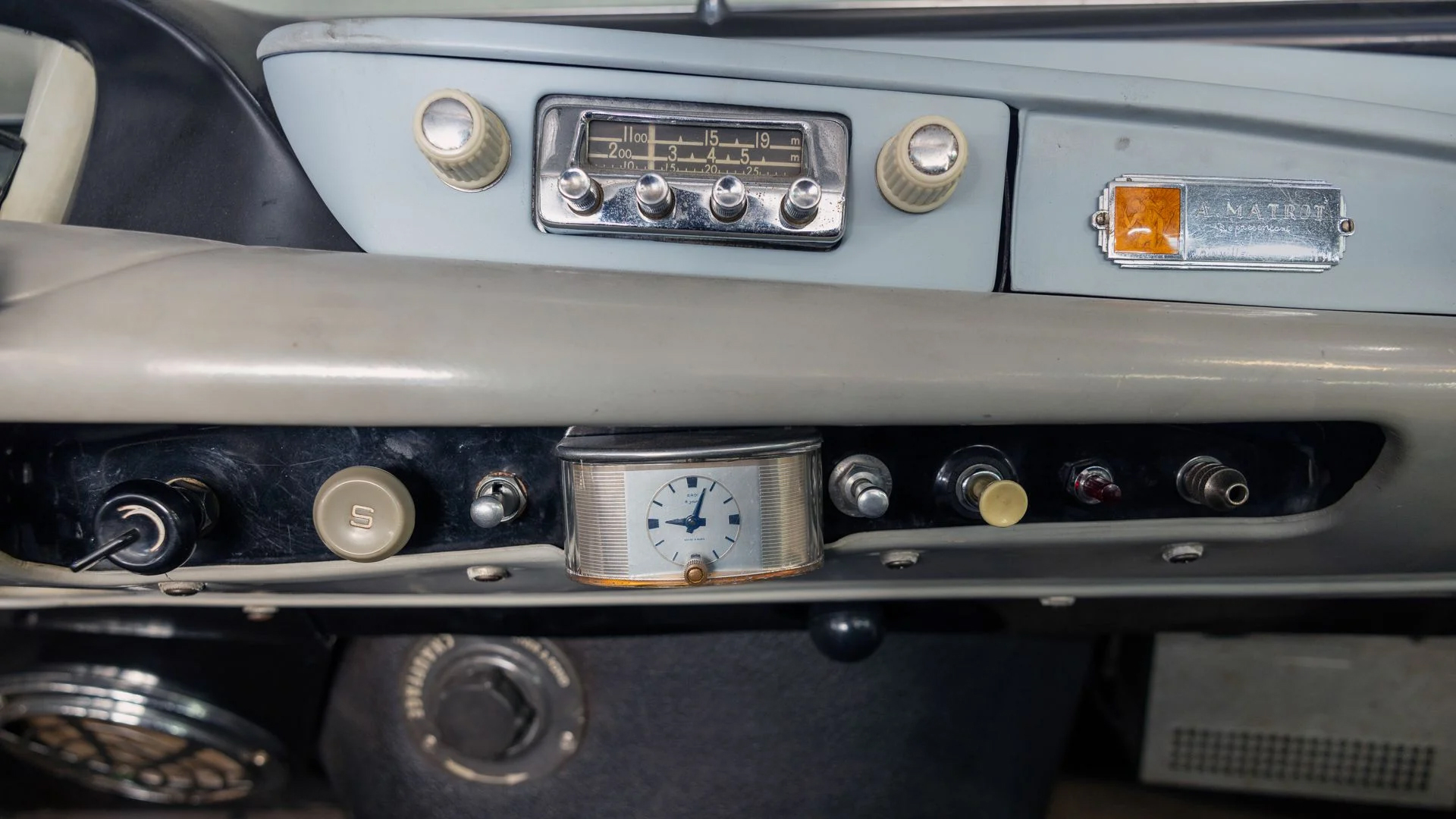
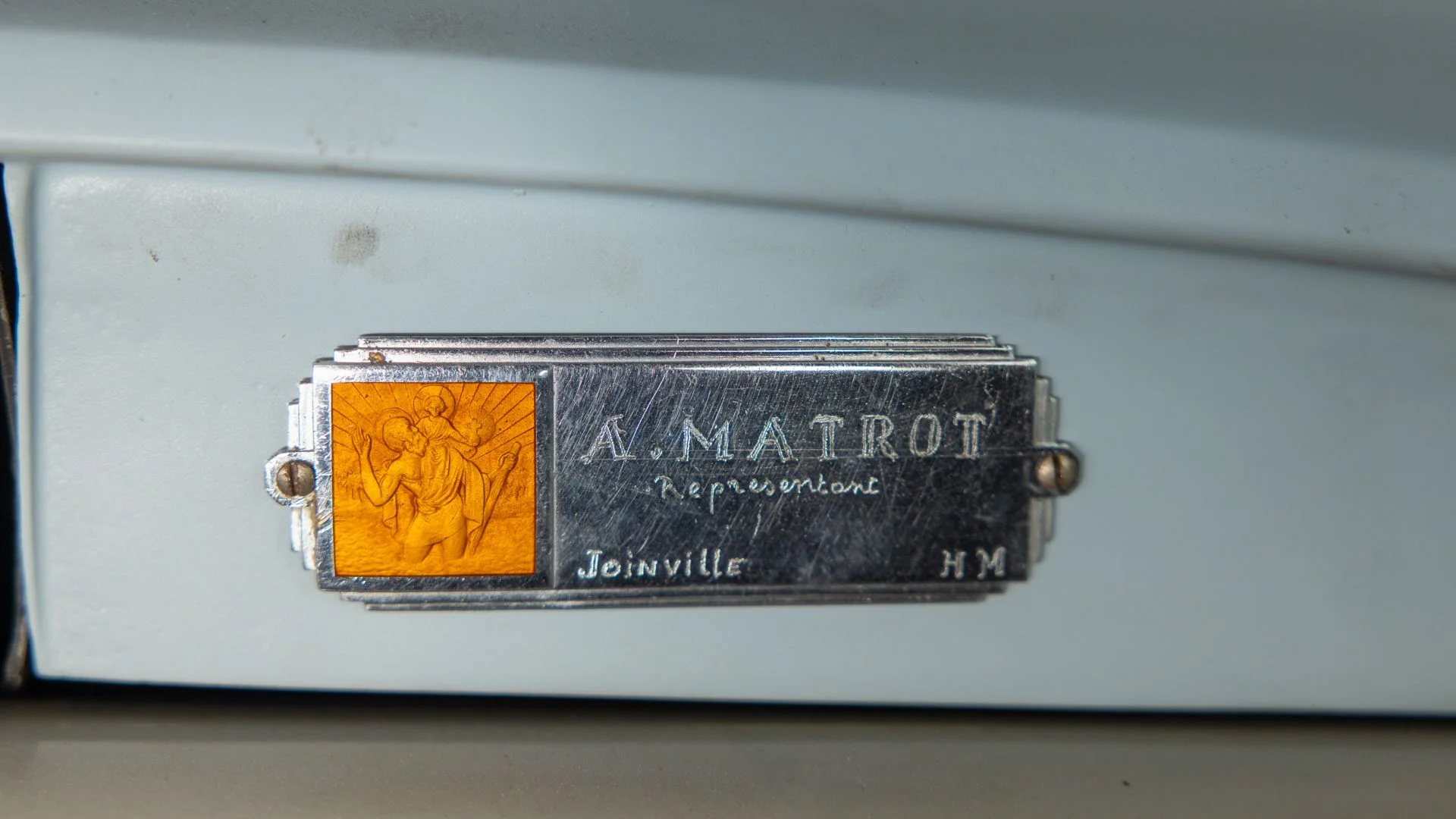
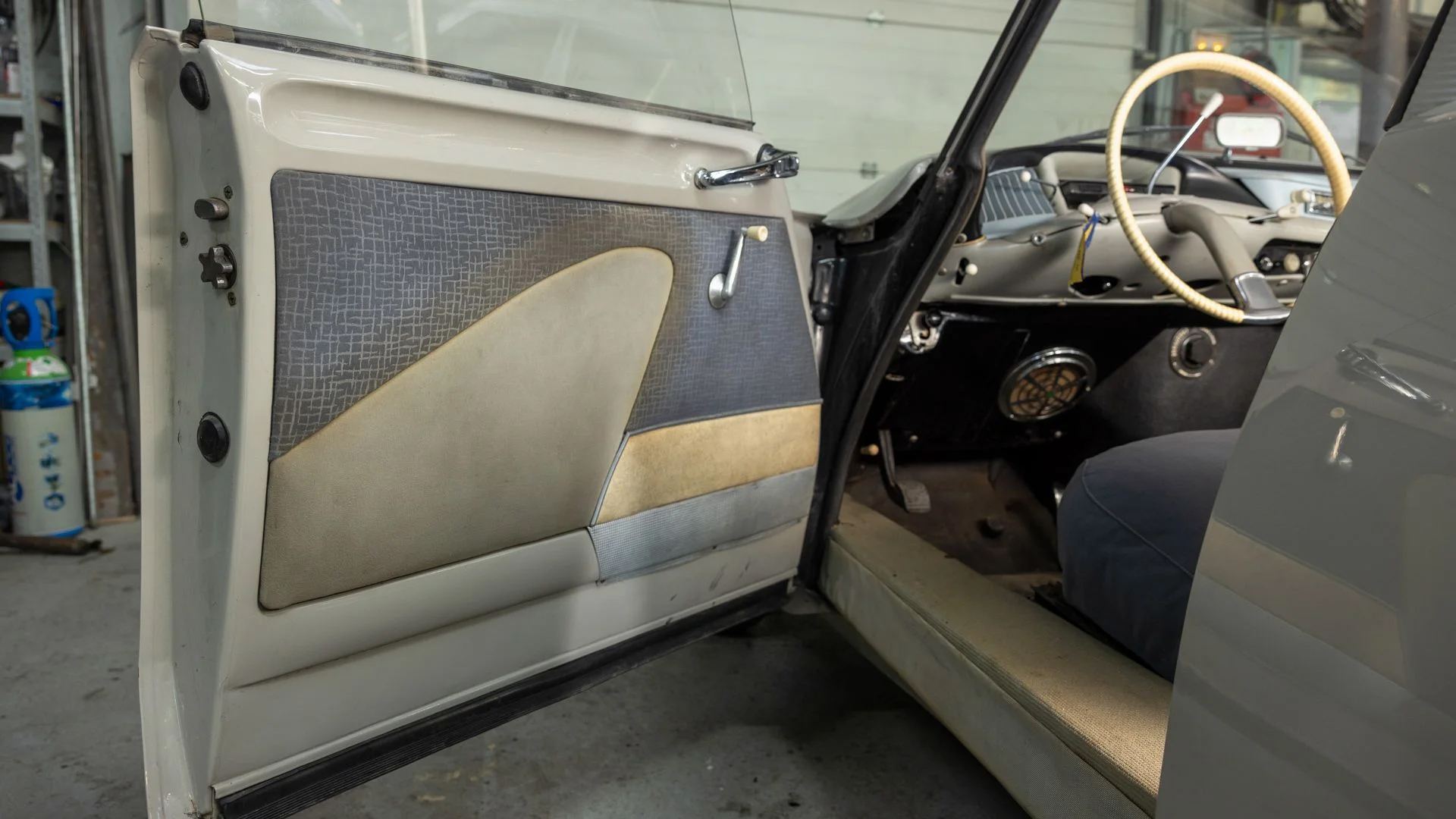
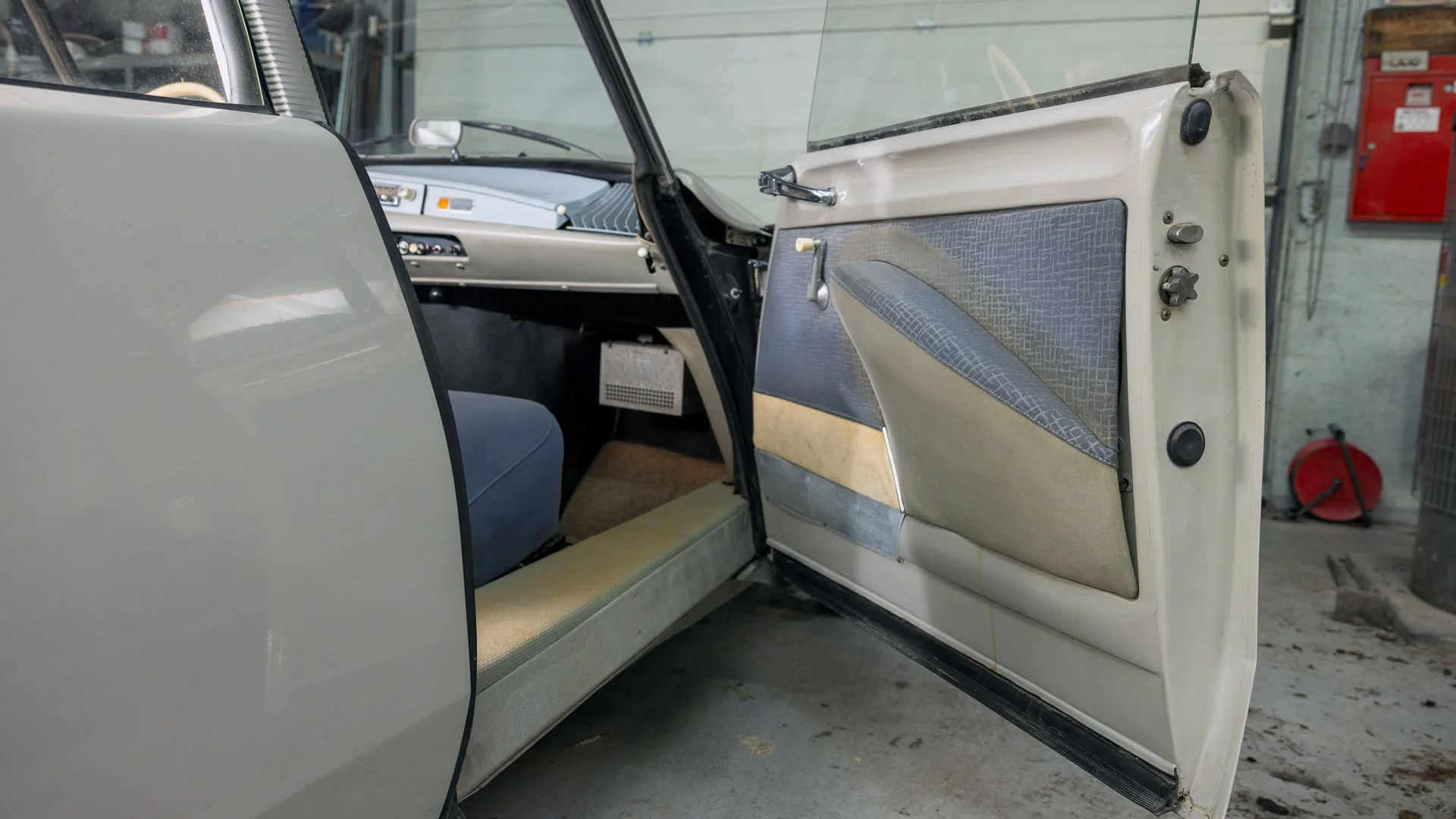
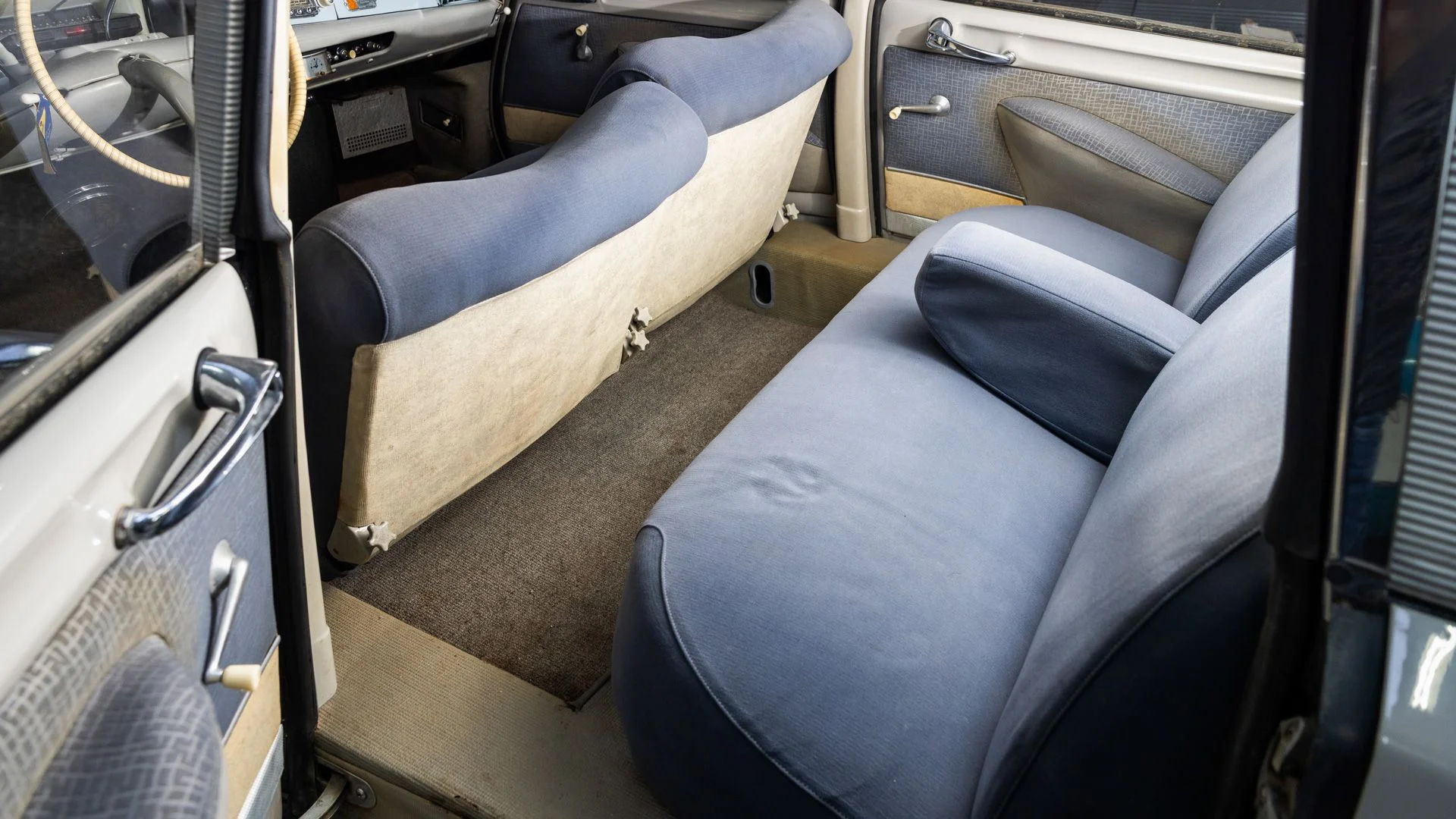
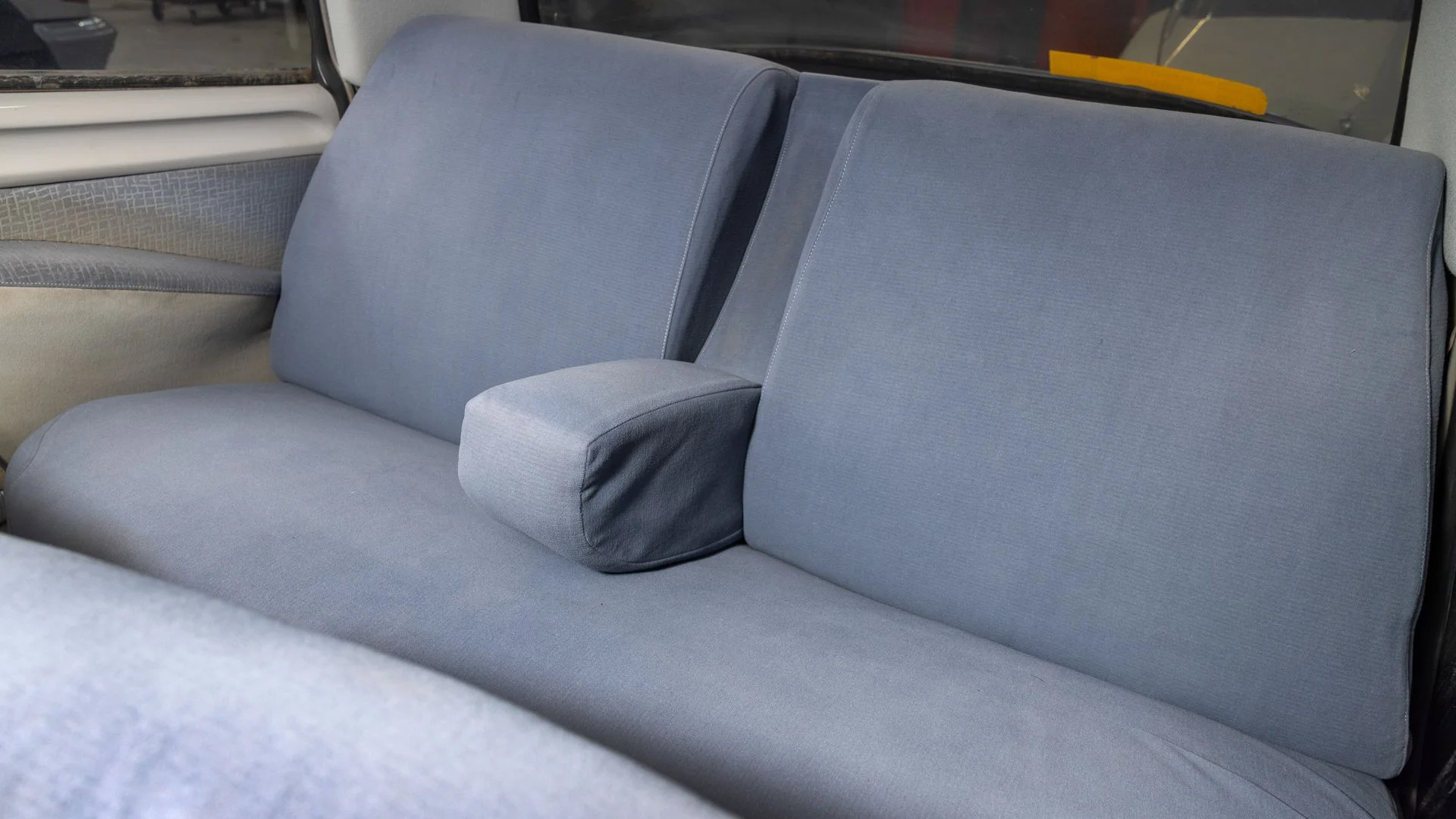
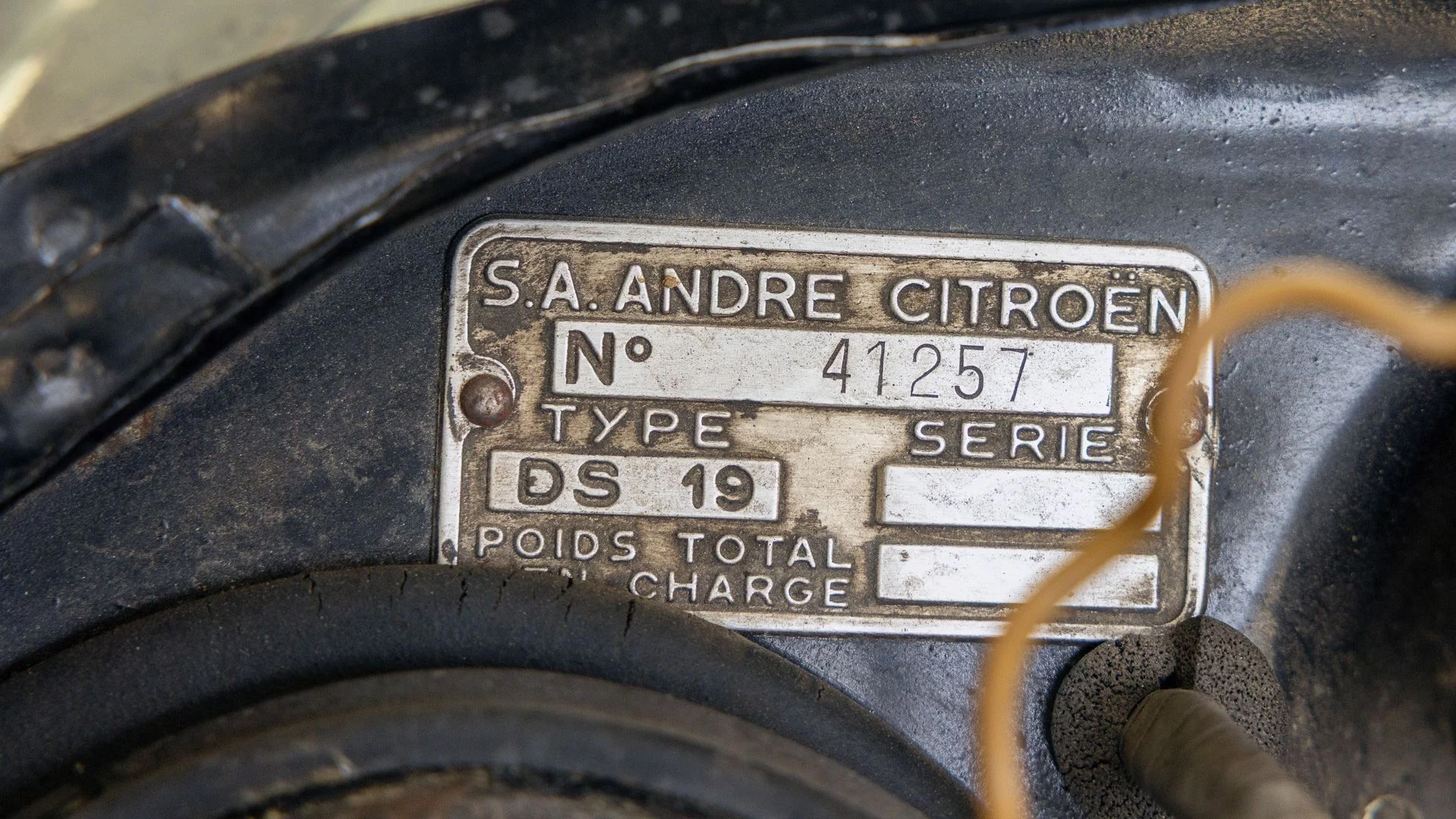
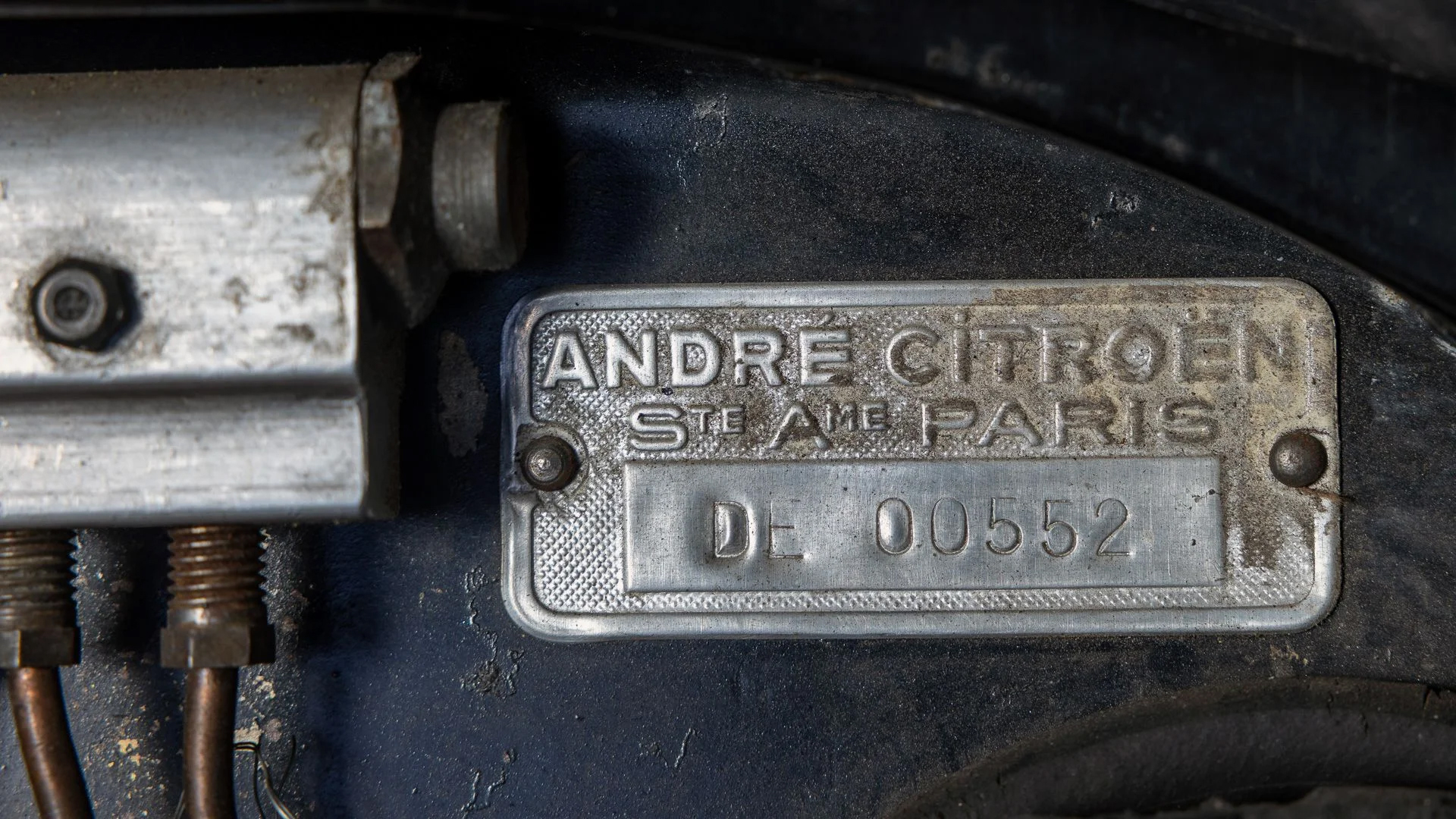
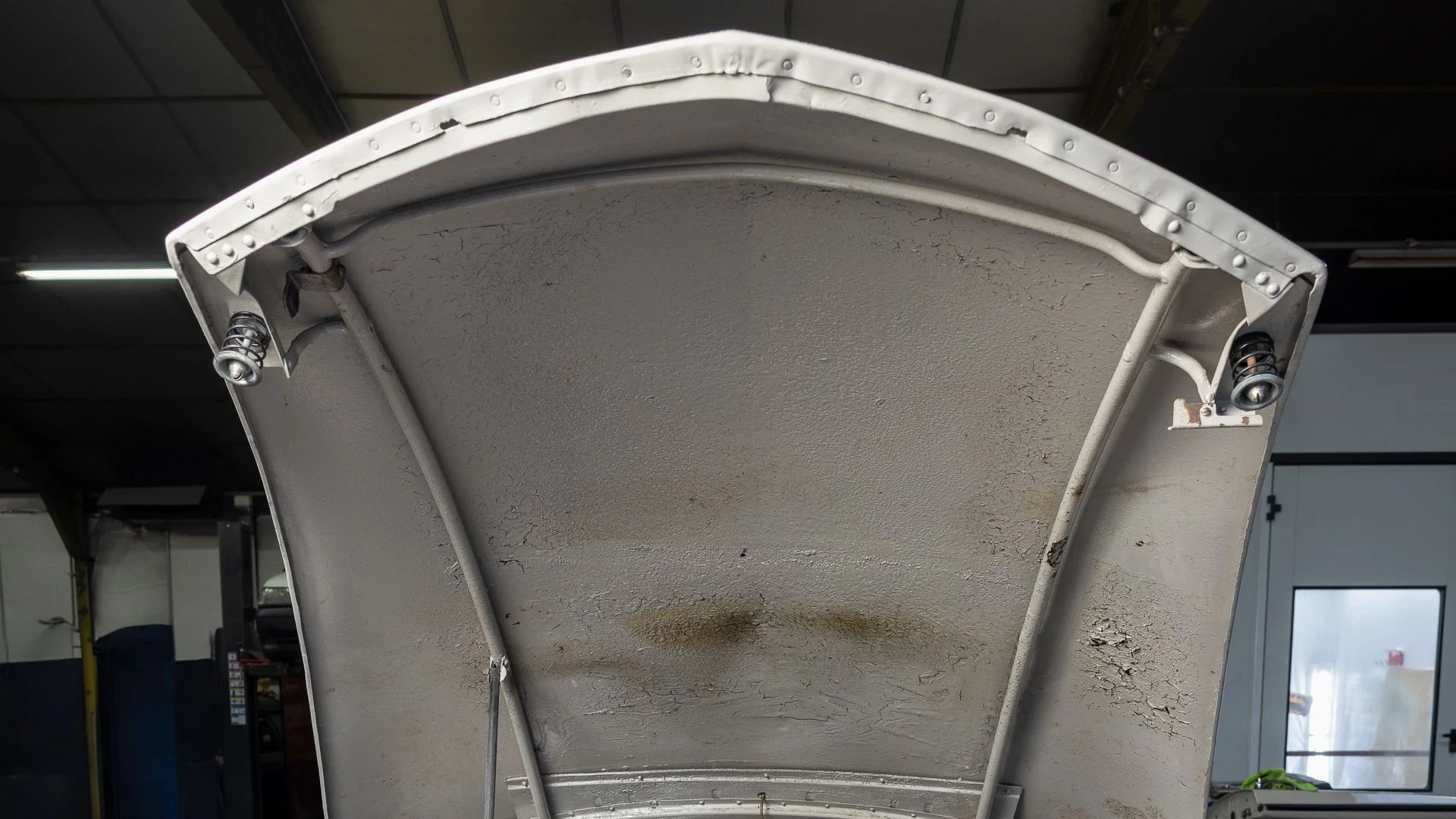
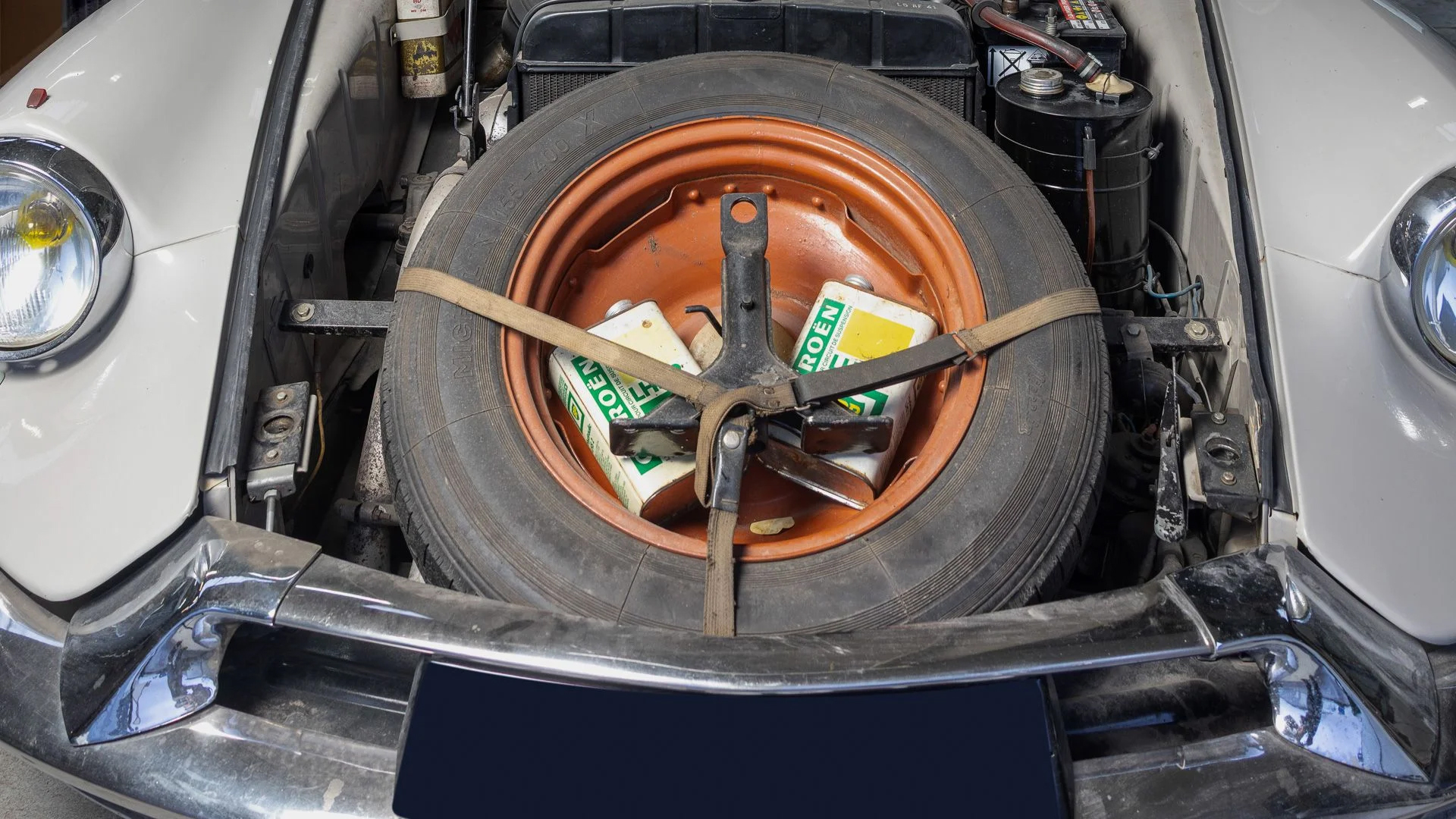
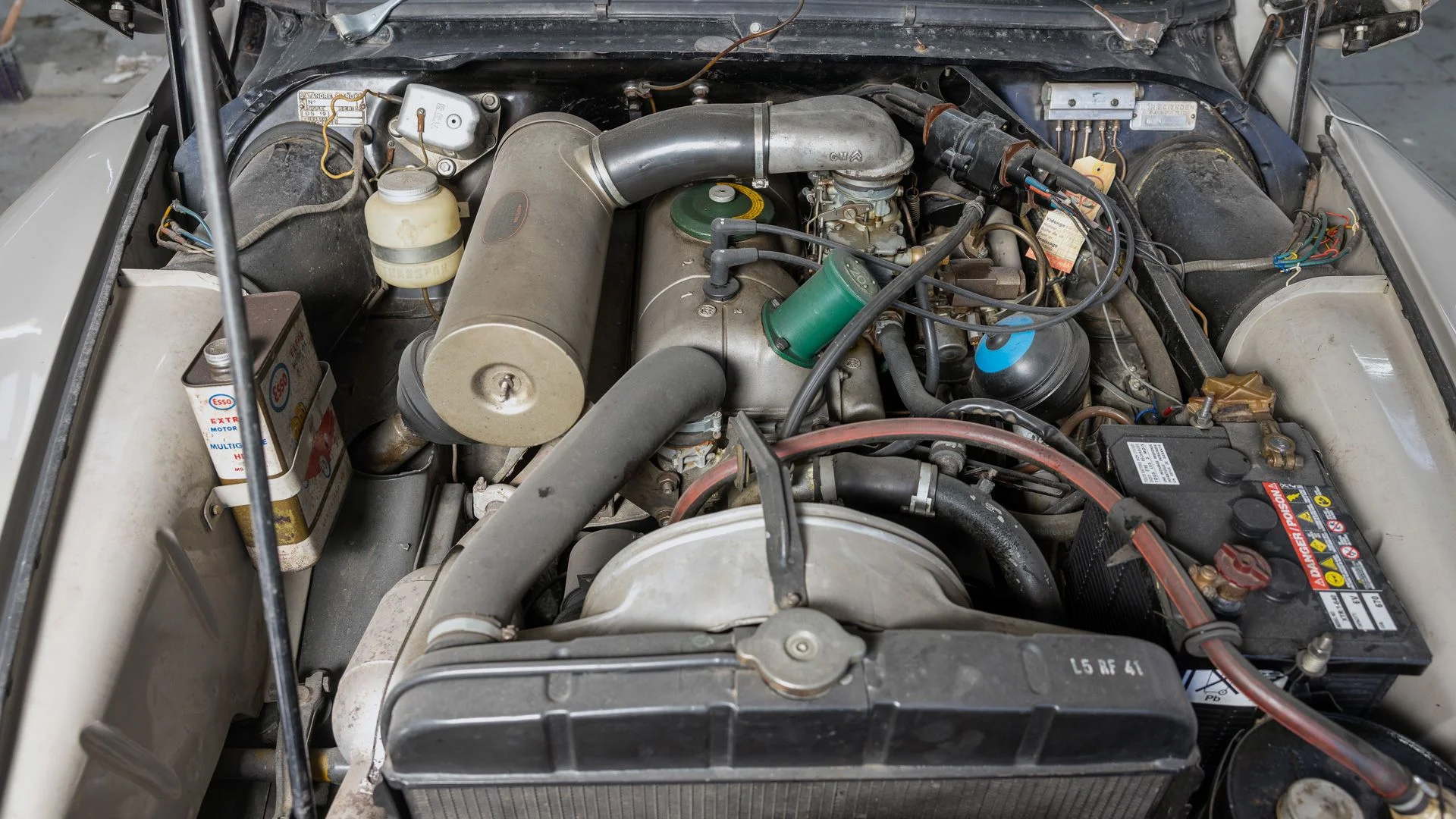
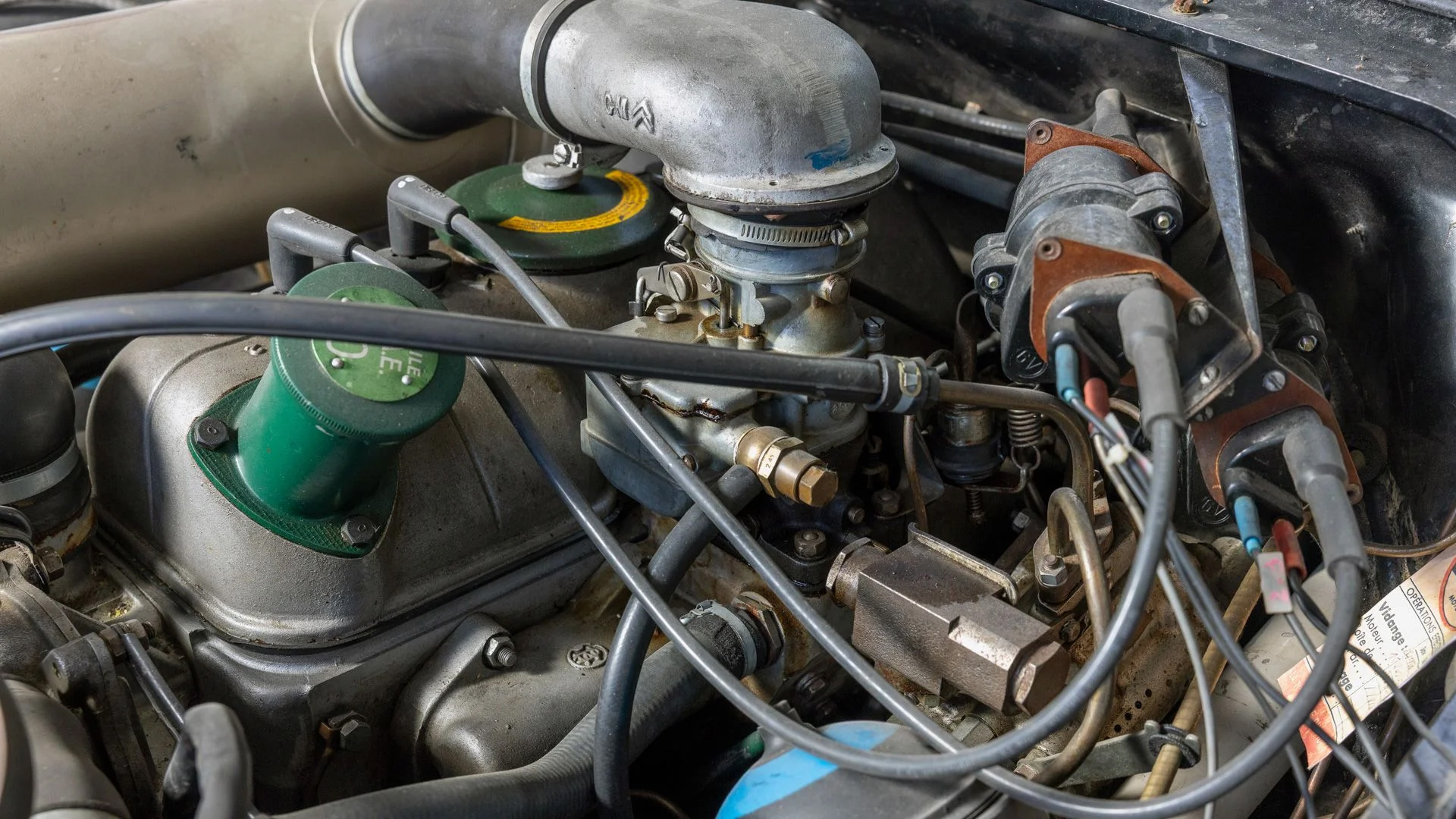
Obviously this DS did not get the physical attention that the other Citroëns at Rétromobile achieved. Consequently, even assuming the car needed some mechanical work, the selling price €22,500 was an absolute bargain.
Congratulations to the astute new owner!
I wonder if this 1958 DS19 hydraulic system can be converted to the new green (?) fluid which is not hygroscopic. Are there any other components of the car suspension system, brakes and steering system which could be changed to a better systems on late DS cars?
It certainly could be converted to LHM, but the car would have to be extensively disassembled!! The seal swapping would probably absorb several hundred hours of labor. Plust don’t forget ALL the spheres would have to be replaced with ones having LHM compatible diaphragms.
I have an even earlier DS19 – ser. no. 10650 – which means it was one of the 12,000 ordered during the first day of the Oct. ’55 Paris introduction. And it runs! 35K original miles on it, and when found by a budding mechanic in Havre, Montana in 2008, the original key was still in the ignition. I bought this car as it shows all the original engineering changes the factory made during the first yr of production, and there were several significant ones. Only one page in the original gorgeous factory scale drawiing manuals shows some of those changes, while others are only observable if you remove the front fenders and the doorcards to look at the window guides, which are of then and still conventional design on nearly all current cars worldwide – steel Uchannels lined with a cloth flocking, which wears out and holds dirt. To my knowledge, only the DS uses steel channels with an inward jog at the top to push the glass tight against the doorgasket for a better seal for a frameless glass. And the glass edges have nylon slide bearings in contact with the steel channels, and those bearings do not hold dirt as do flocked channels, nor do they deteriorate as do cloth linings.