

French actress Brigitte Bardot, who revolutionized 1950s French cinema and became a symbol of sexual liberation, died today at the age of 91.
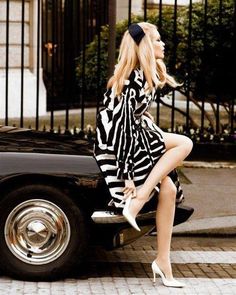
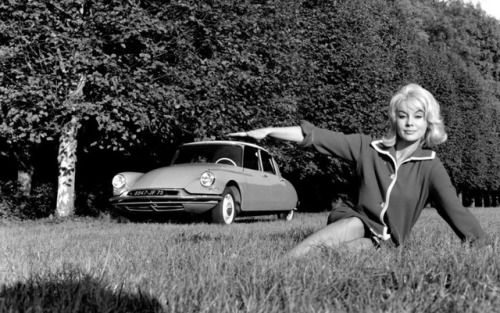
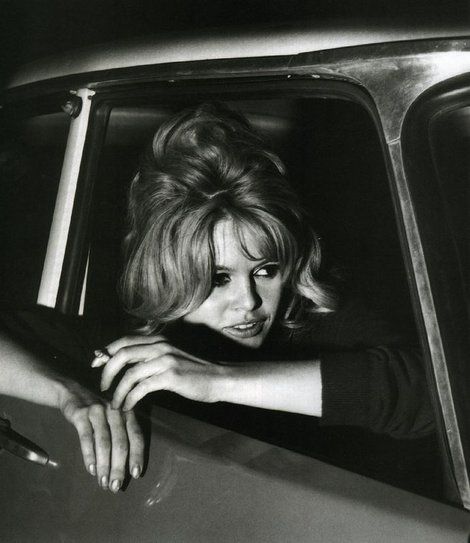
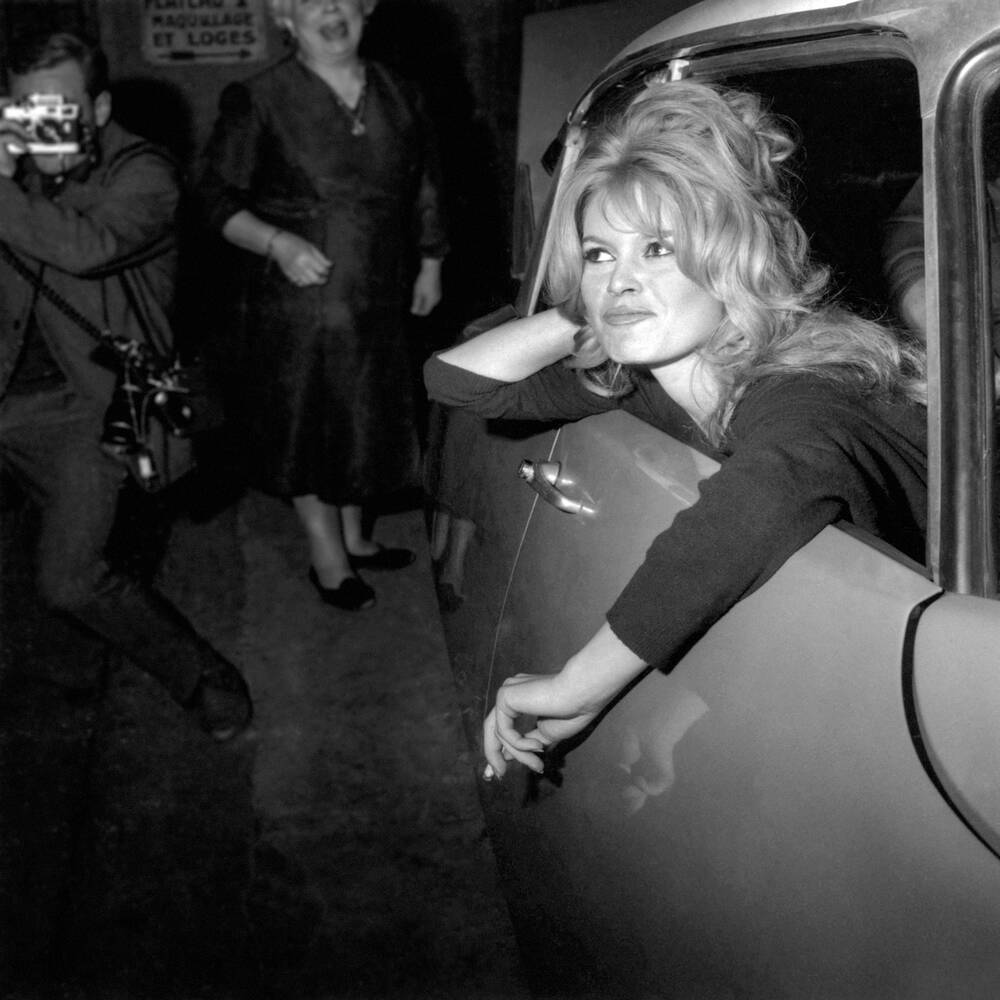
We take this moment to remember her — a France icon like the Citroën models she posed with:
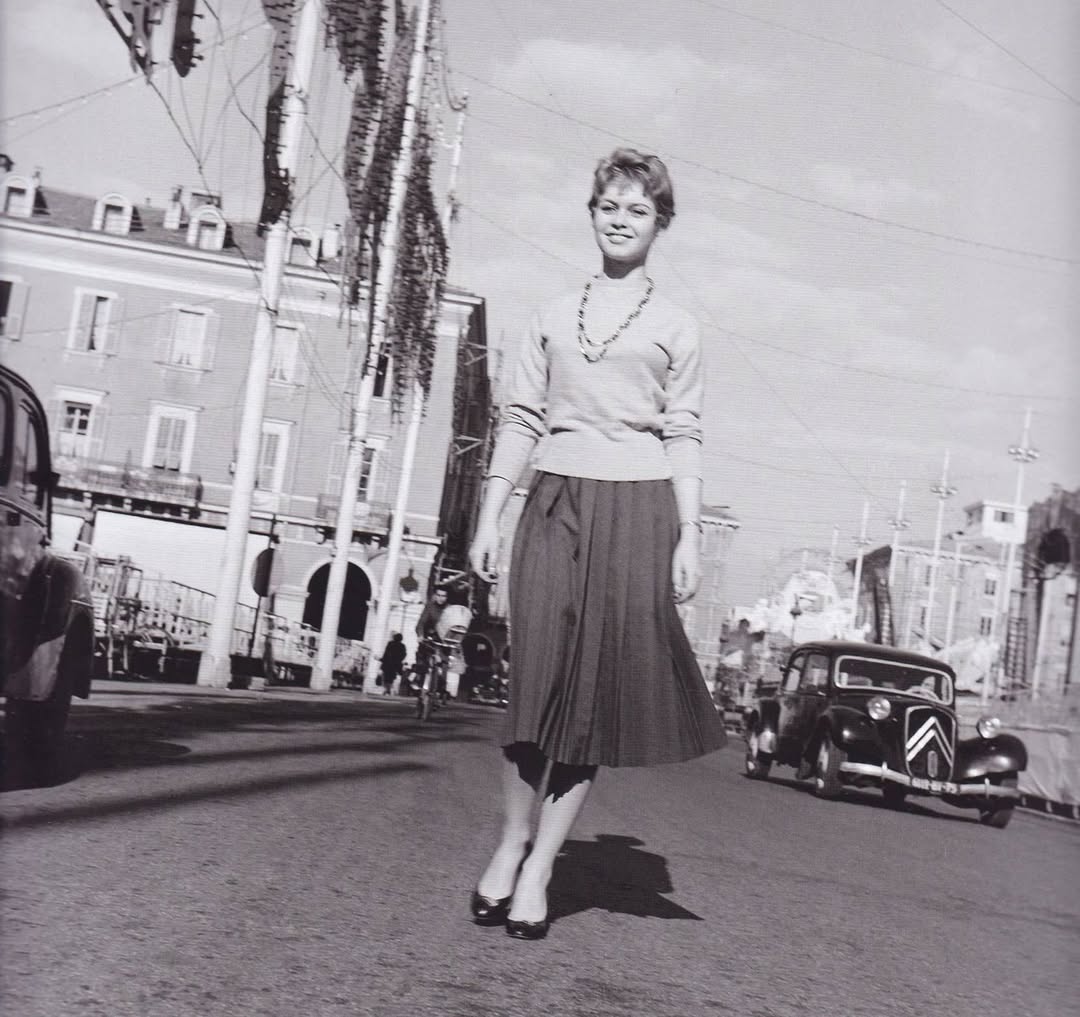
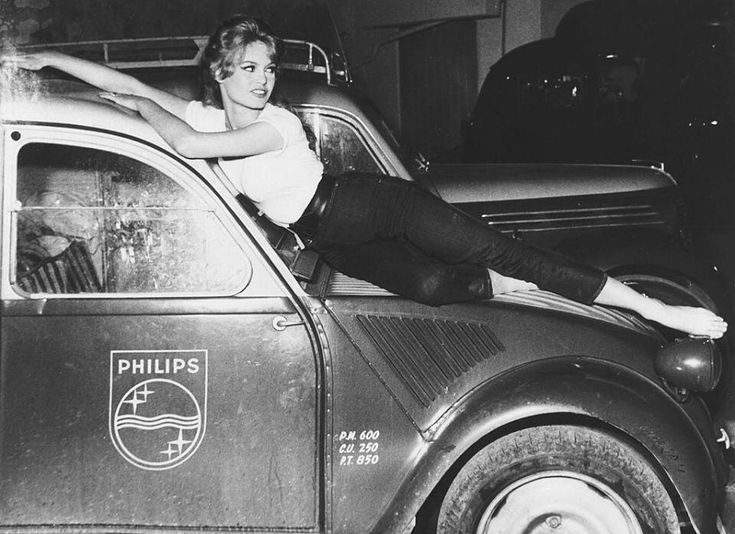
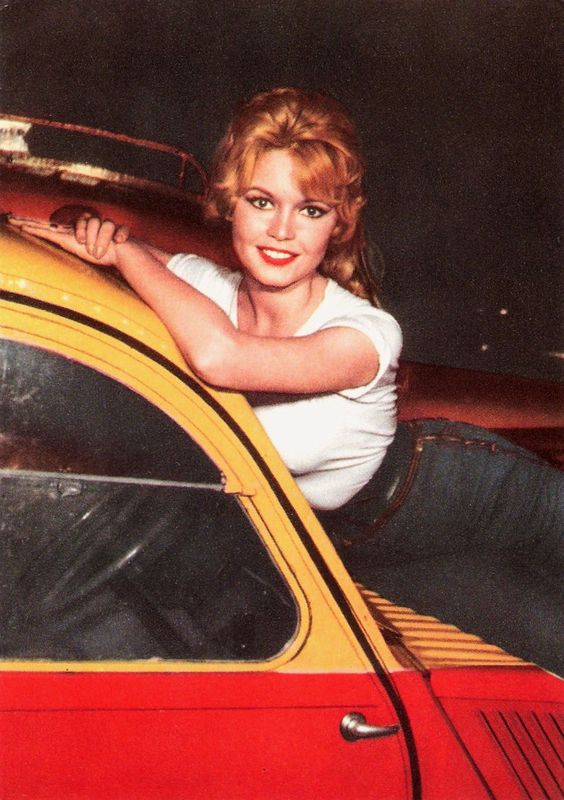
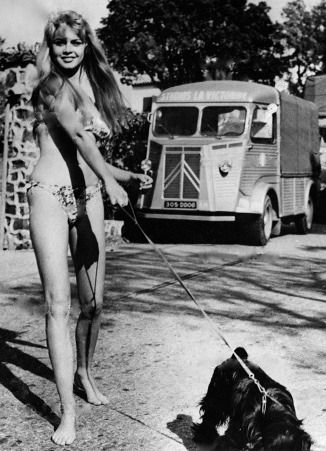
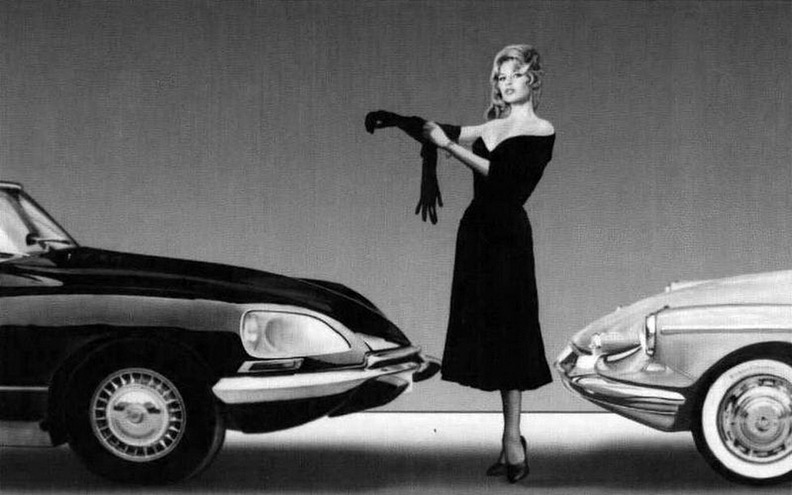
French President Emmanuel Macron said the nation was mourning “a legend of the century”, while the Brigitte Bardot Foundation remembered her as a “world-renowned actress”.
The Brigitte Bardot Foundation she established said in a statement that it was announcing her death with “immense sadness” She was “a world-renowned actress and singer, who chose to abandon her prestigious career to dedicate her life and energy to animal welfare and her foundation.”
It did not specify where or when Bardot died.
Brigitte Anne-Marie Bardot was born in Paris in 1934 to a wealthy family, who wanted her to become a ballerina.
Bardot was discovered in her teens after posing on the cover of Elle magazine, swiftly becoming a sensation in her home country, and was persuaded to enter the cinema world. “BB” as she was known in France – acted in almost 50 films, including And God Created Woman (1956), directed by her then-husband Roger Vadim, in which she played a sexually liberated woman. The film scandalized the American public and was banned in some US states, while the French existentialist philosopher Simone de Beauvoir hailed her as an icon of “absolute freedom”.
Through the late 1950s and 1960s, she became a global phenomenon with roles in The Truth, earning critical acclaim for her dramatic depth; Contempt, a Jean-Luc Godard masterpiece; and Viva Maria!, showcasing her comedic flair alongside Jeanne Moreau.
As well as her work in film, she will also be remembered as a fashion icon, with her blonde tousled hair and bold eyeliner setting beauty trends worldwide. After wearing an off-the-shoulder number in Cannes in 1953, similar styles became known as the Bardot neckline.
In 1973, at the height of her fame, Bardot announced she was retiring at the age of 39 to devote her life to animal welfare. “I gave my youth and beauty to men, I give my wisdom and experience to animals,” Bardot famously declared.
In 1986, she launched the Brigitte Bardot Foundation, which works to protect wild and domestic animals.
She was married four times and had one son, Nicolas, with French actor and film producer Jacques Charrier, who died in September 2025. Nicolas later sued his mother for emotional damage after she wrote in an autobiography that she would have preferred to “give birth to a little dog”.
But for all her cinema successes and animal welfare work, Bardot leaves behind a controversial legacy, with a string of remarks later in life about Islam, gay people and the #MeToo movement impacting her reputation. From the late 1990s, Bardot was fined multiple times for inciting racial hatred after comments she made online and in interviews about Muslims. She was fined €15,000 in 2008 after complaining on her website that Muslims were “destroying our country by imposing their ways”.
Bardot faced fierce criticism for her 2003 book, ‘A Cry in the Silence’, where she argued gay people, modern art, politicians and immigrants destroyed French culture.
In 2018, Bardot also dismissed actresses who commented on sexual harassment via the #MeToo movement as “hypocritical, ridiculous, uninteresting”. “There are many actresses who flirt with producers in order to get a role,” Bardot said in an interview with French magazine, Paris Match.
Here is young Brigitte Bardot in a 2CV in the film “Une Parisienne” (1957). This romantic comedy showcases Bardot’s iconic charm and the whimsical nature of the storyline, set against the backdrop of Paris.