Celebrating the 50th Anniversary of the 2CV Spot

Today marks the 50th anniversary of a turning point in the brand’s history: the very first limited edition ever launched by Citroën.
Officially launched on April 10, 1976, with only 1,800 units available, the 2CV Spot was a victim of its own success. Citroën organized a national presentation contest across its entire network. The public’s response was immediate with first orders pouring in for one at 13,600 francs. All were sold in just a few days. Dealers quickly found themselves unable to meet demand. Final deliveries took place in May 1976, with the exception of a handful of units sold in late June.
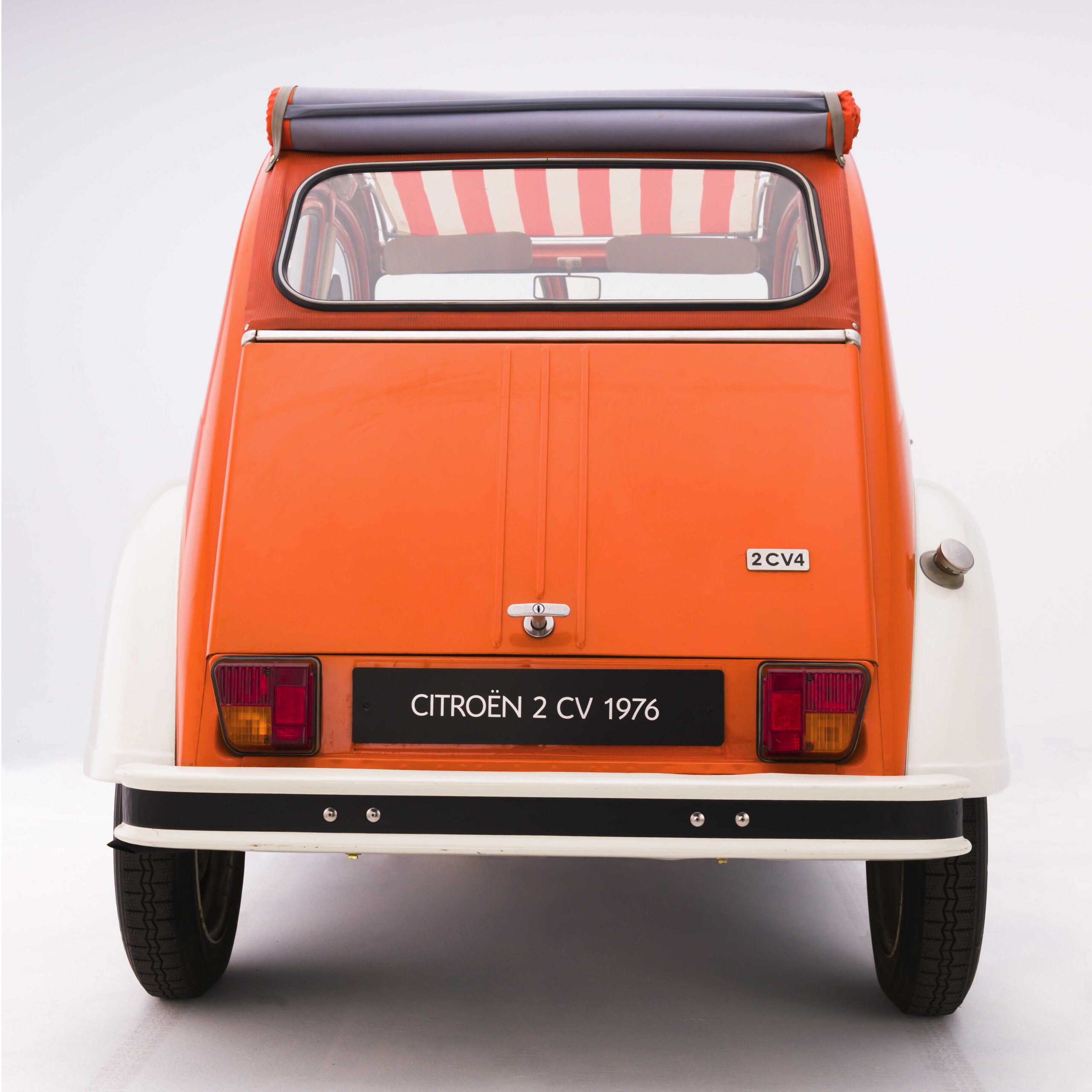
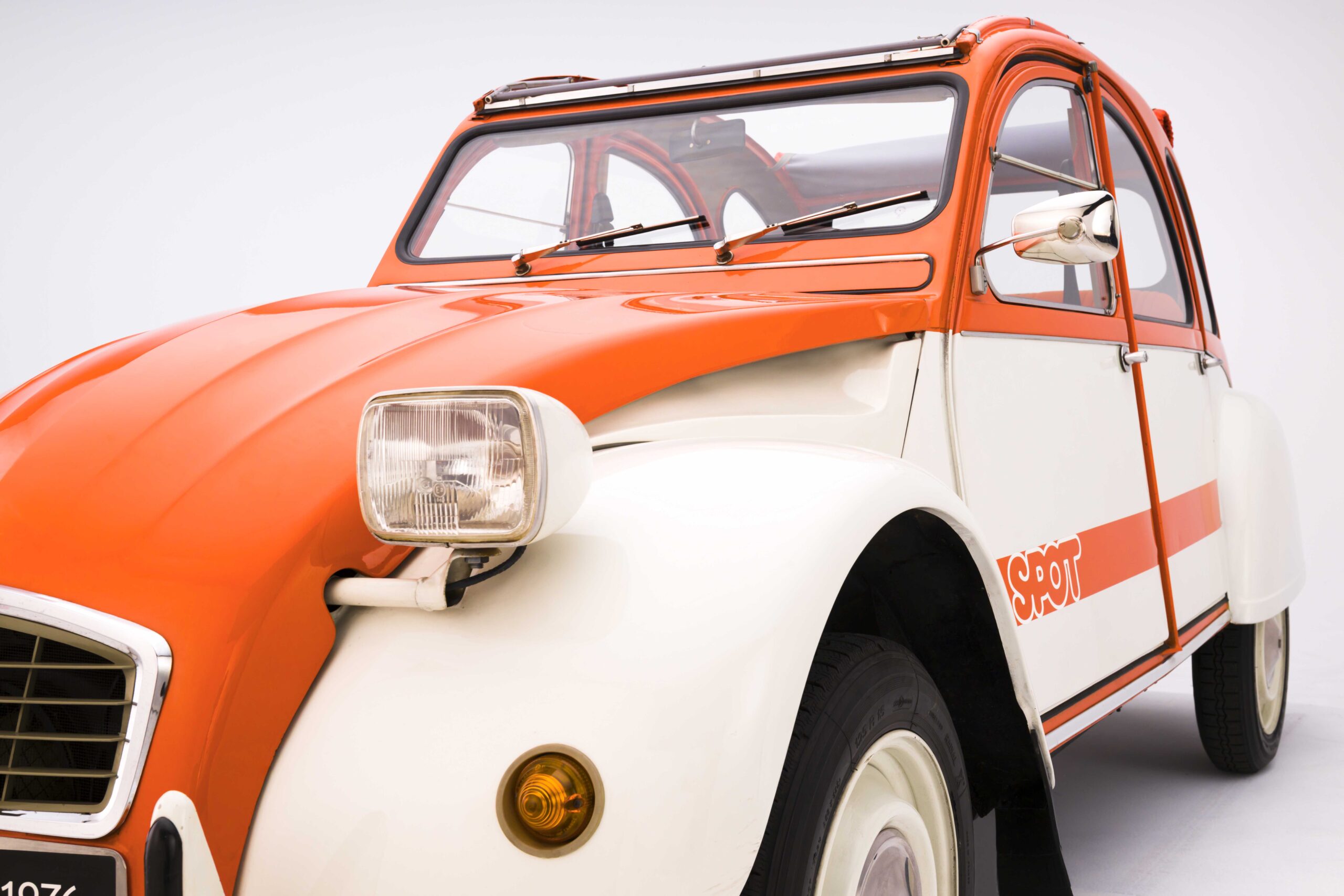
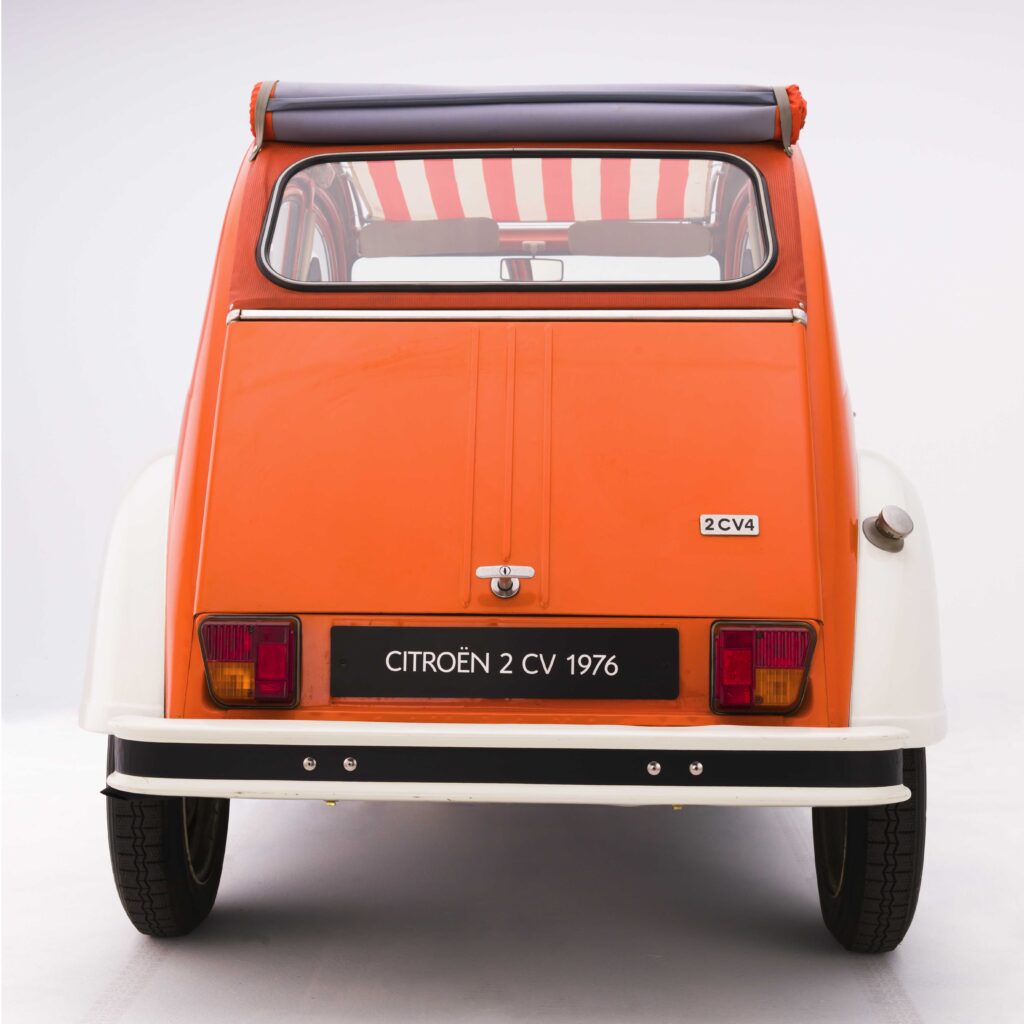
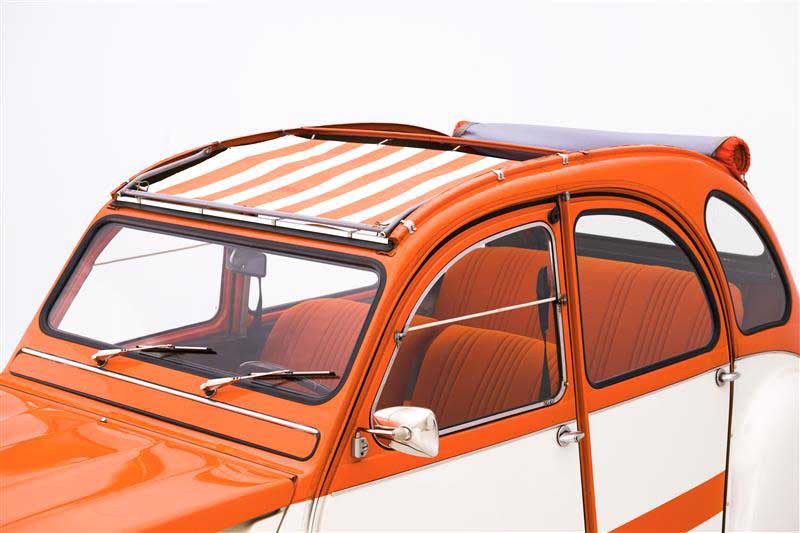
The story of the 2CV Spot began in 1974, in designer Serge Gevin’s studio. He submitted two designs to Citroën, each with a distinctly different color scheme. The first played on dark, sporty contrasts. The second, the one that was ultimately chosen, offered a completely different vibe: an orange 2CV with white fenders, whose soft top and door panels featured orange and white stripes reminiscent of a beach chair canopy, Orange Vénitien jersey fabric upholstery, an orange-and-white striped sunshade mounted above separate front seats, and on each front door — a “Spot” decal orange band that extended over the rear doors.
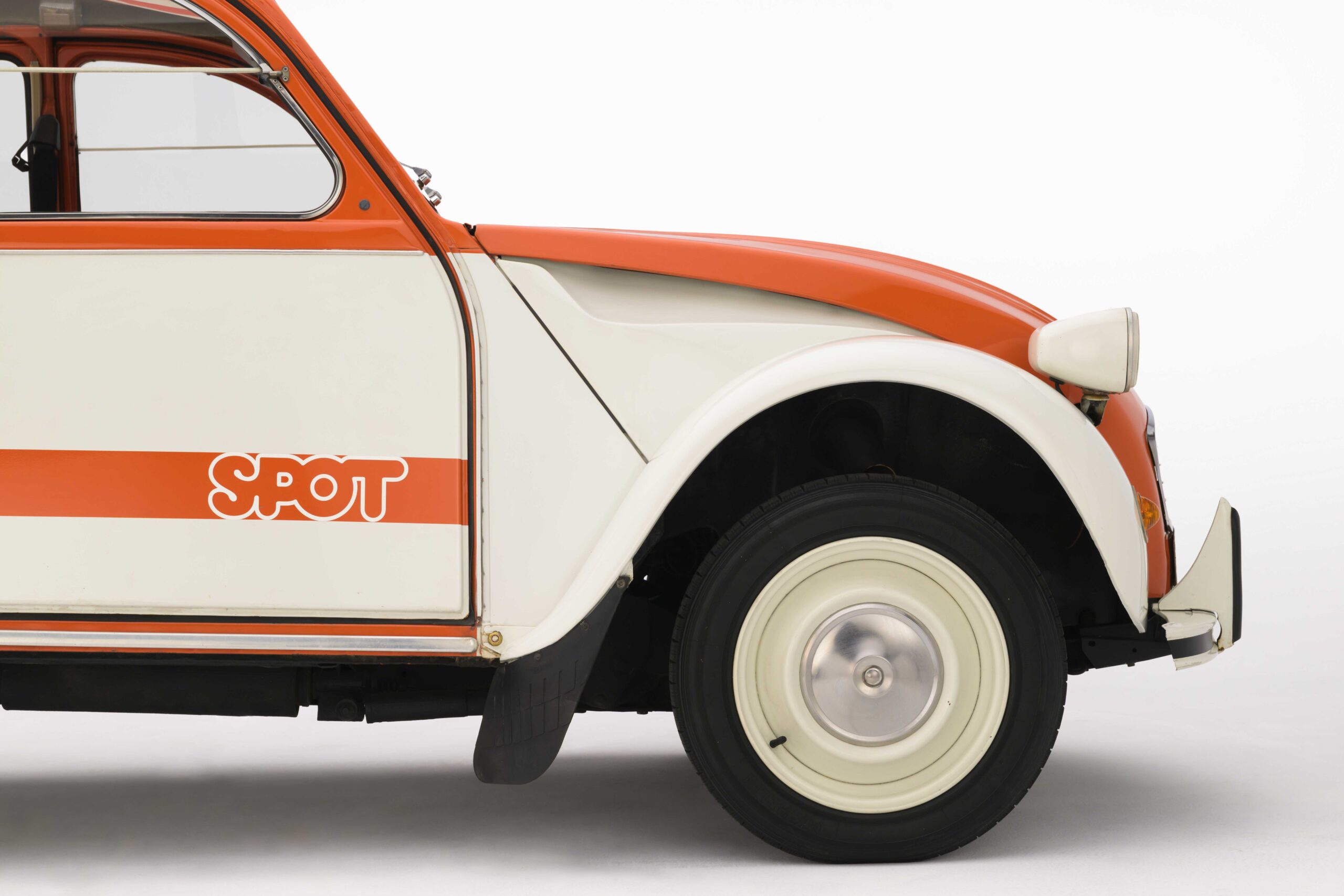
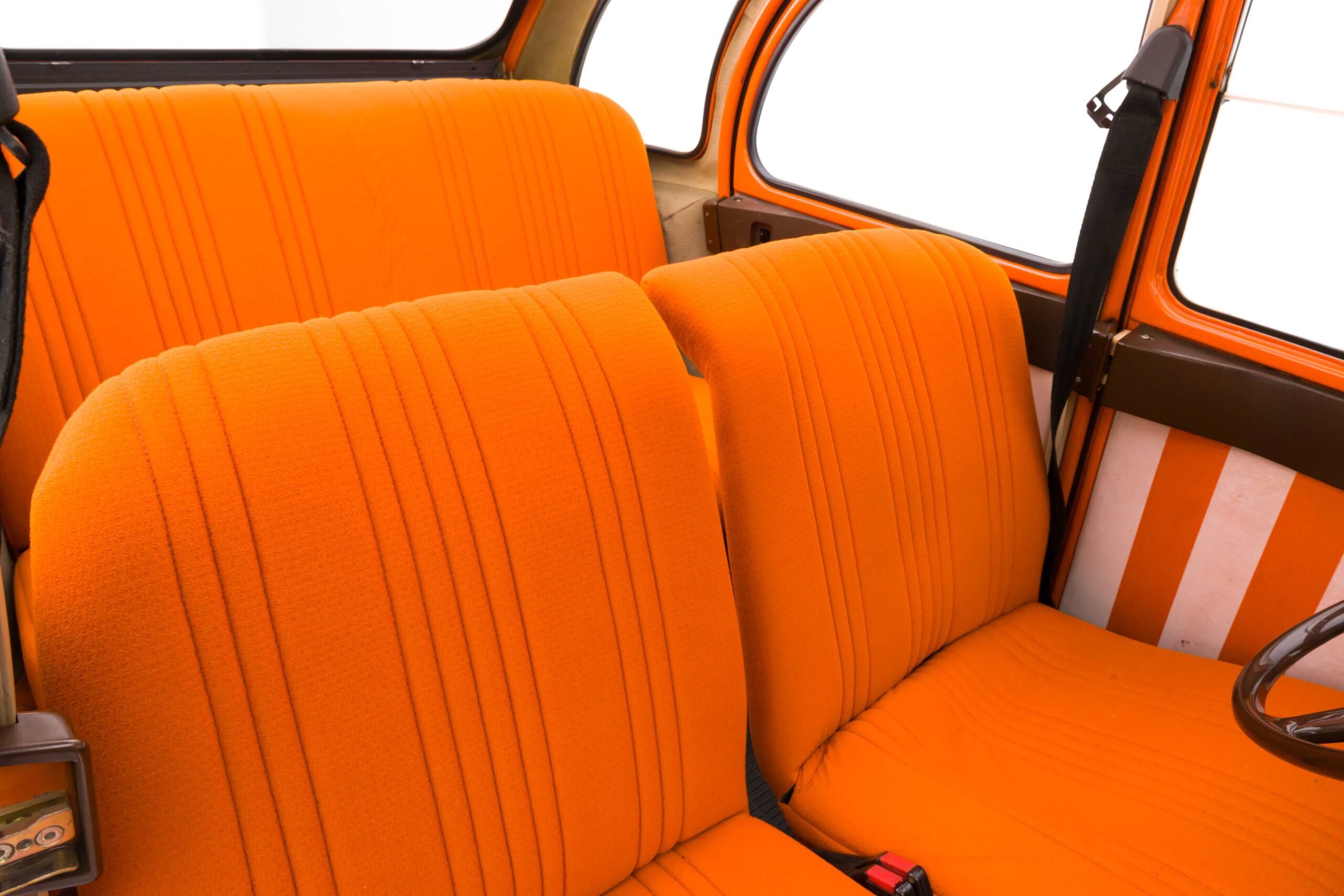
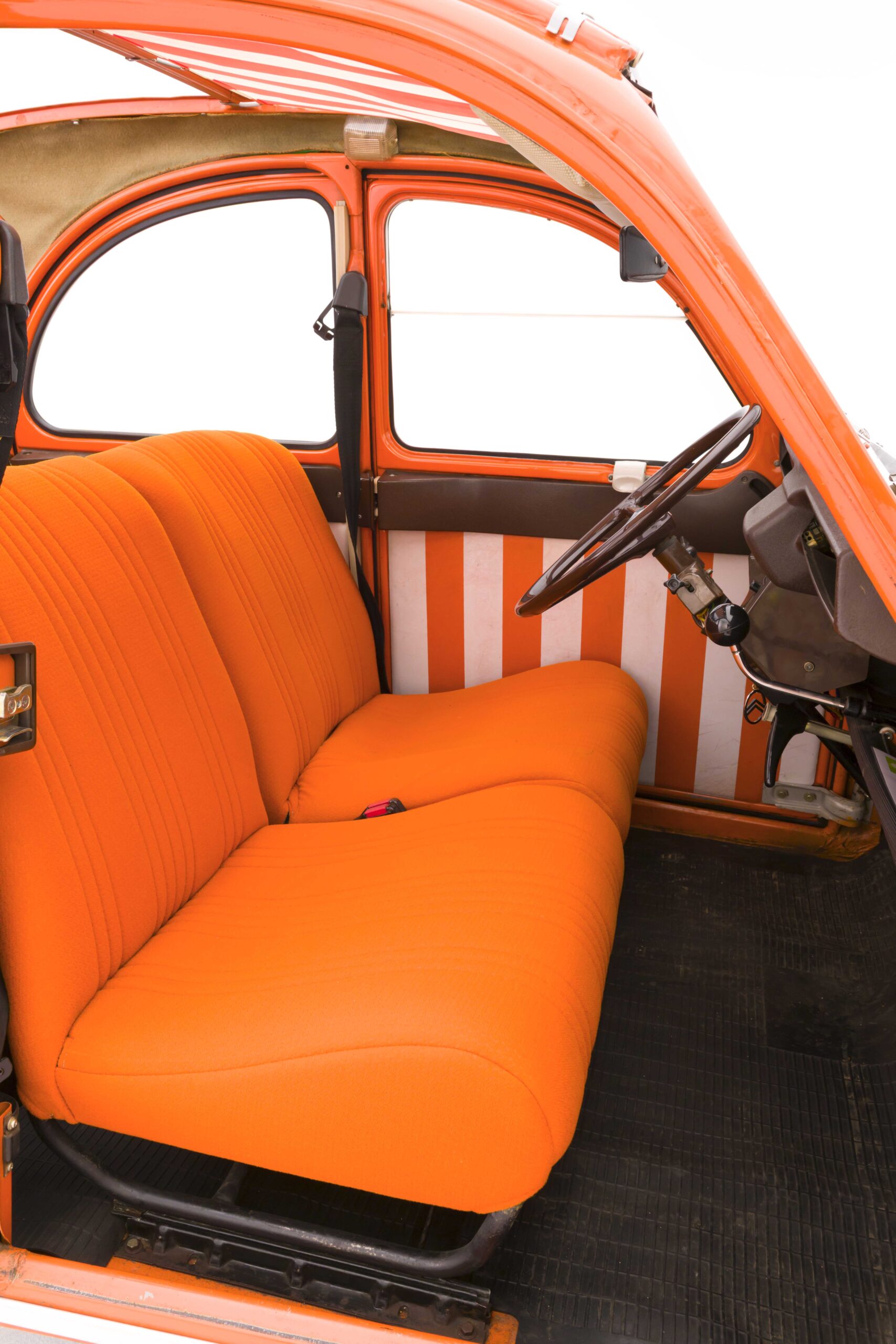
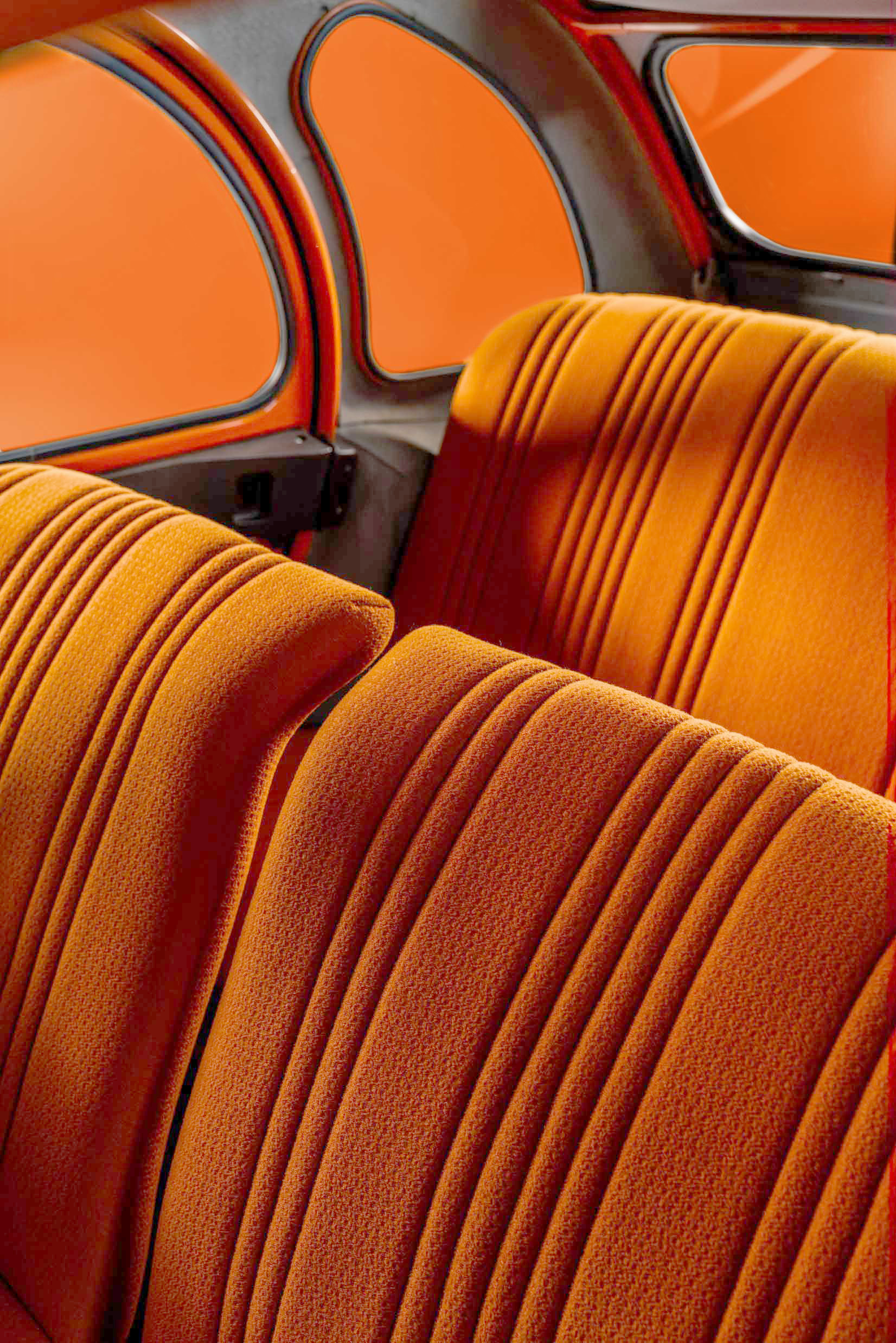
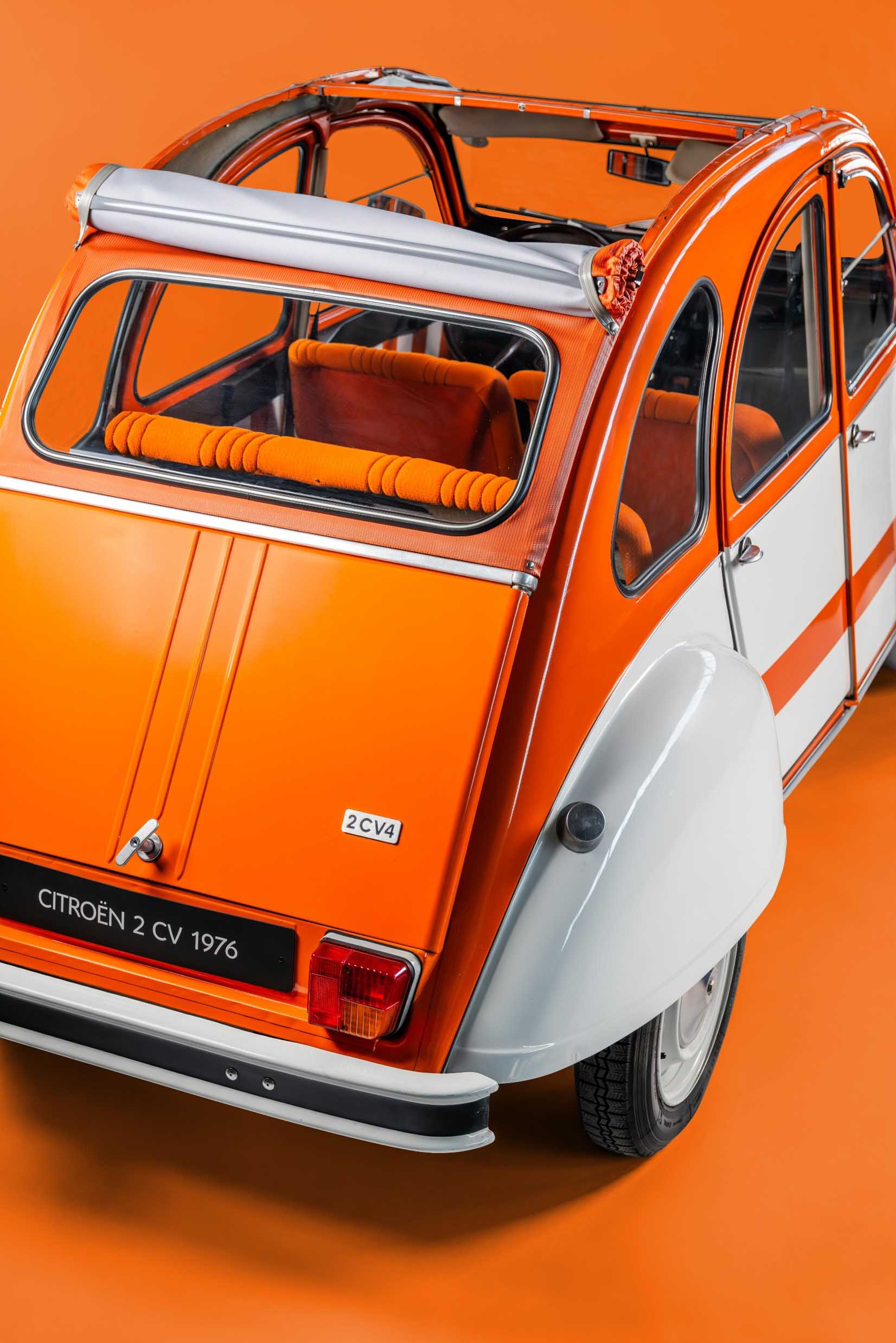
It would take nearly two years for the idea to take shape. In January 1976, the final prototype was photographed on the Normandy coast, at the port of Honfleur, in the middle of winter. This choice of setting ensured discretion, as few tourists were present during that season to notice the small orange and white car parked in front of the Lieutenance. The specific parts were approved and production scheduled at the Citroën factory in Levallois, where manufacturing began in late February 1976.
As for its name, the car was nearly called “Transat,” a term coined by Micheline Gevin that perfectly captured the project’s seaside spirit. Since that name was already trademarked in France, Citroën substituted “Spot” instead.
Based on the 2CV 4 (with a 435cc engine allowing it to exceed 100 km/h) it achieved fuel consumption of 5.4 L/100 kms.
The success of the 2CV Spot even extended beyond France’s borders. Starting in October 1976, it went on sale in several European countries, manufactured for the occasion at the Belgian factory in Forest. While Italy and the Benelux countries received 2CV Spot models with a 435cc engine engine, units for Great Britain and Switzerland were equipped with the more powerful 602 cc engine from the 2CV 6. In addition, a few dozen units were also sold in the Nordic countries.
The 2CV Spot will be one of the stars of the 2026 Nationale 2CV in Villiers-sur-Loir (May 13–17), a major gathering with nearly 3,000 2CV models expected to attend. It will also be featured on the poster for the Epoqu’auto show in Lyon (November 6 –8, 2026).