
Stellantis Reconsiders Canada as a Market for Citroën

On January 31, 2026, Citroën CEO Xavier Chardon reiterated to Citroënvie the brand’s position: it would not be returning to Canada.

Fast forward less than three months, and Stellantis—Citroën’s parent company—has become the latest European automaker to express interest in bringing its overseas models, quite possibly Citroën, to the Canadian market.
Several factors are now in play that contrast with Chardon’s emphatic statement, all of which are heavily politically motivated.
The Setup
- On January 13, 2026, Canadian Prime Minister Mark Carney went on a trade mission to China. He finalized an agreement to permit certain Chinese EVs to be sold in Canada, provided they meet safety, emissions, and certification requirements. Market entry timing now depends on individual manufacturers’ certification, supply chains, and dealer or direct-sales setups.
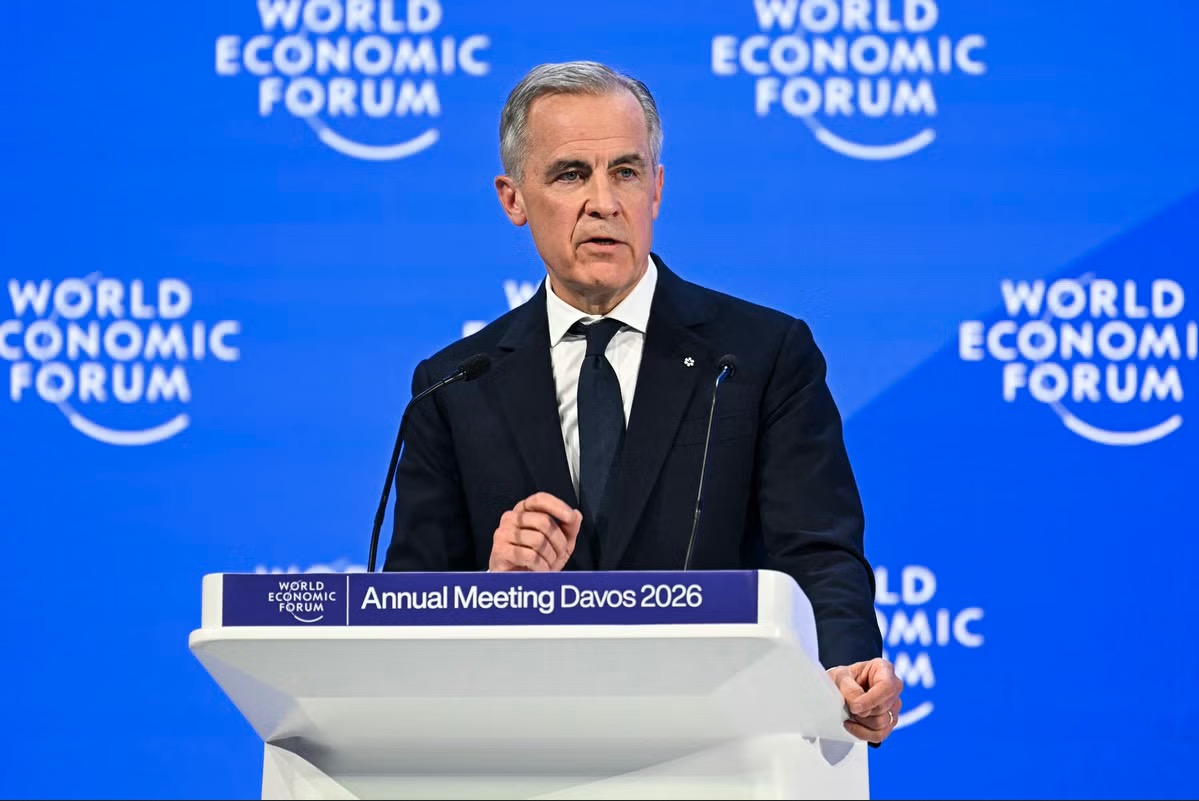
- On January 17, 2026, Carney delivered a speech at the World Economic Forum highlighting a “rupture” in the world order. He emphasized that old systems of global integration are failing and that great powers are increasingly using economic tools as weapons. While he did not explicitly name U.S. President Donald Trump, the subtext was clear. Carney addressed Trump’s increasing tariffs on Canadian goods, his explicit statements that Canadian-built cars should not be sold in the U.S., and rhetoric suggesting Canada become the “51st state.” Carney called for “middle powers” to unite, warning that if they are not at the negotiating table, they risk being marginalized.
Stellantis in a Pickle
Stellantis currently finds itself in a difficult position in Canada. The Canadian government previously committed over $529 million in public funds to the automaker to support capital upgrades at its Brampton and Windsor assembly plants—an investment tied to job guarantees aimed at securing the future of the Canadian auto industry.
However, the relationship has soured following a series of strategic pivots:
- February 20, 2025: Stellantis paused work at the Brampton Assembly Plant to re-tool for the next-generation Jeep Compass, though many saw this as a reaction to looming tariff threats.
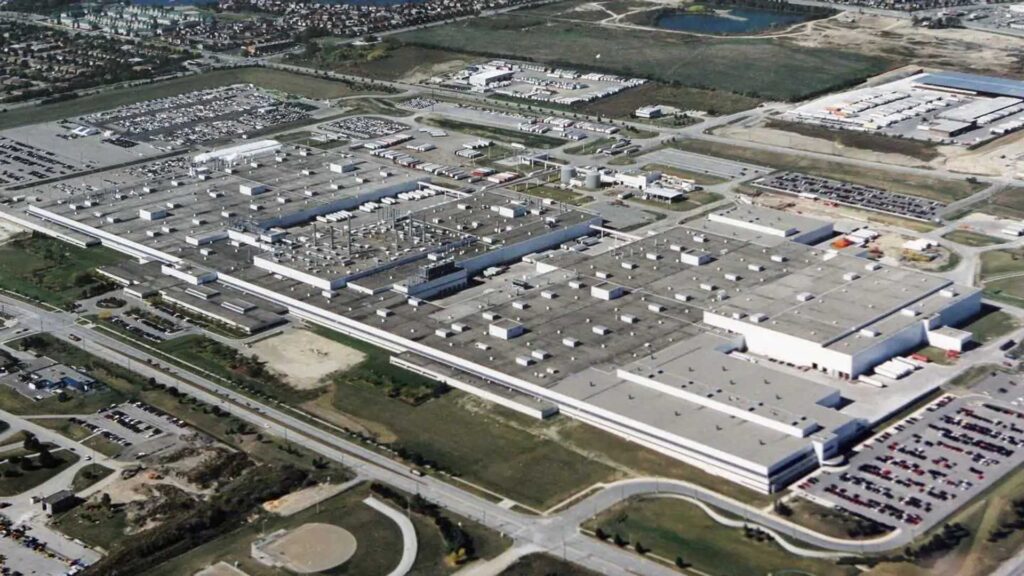
- October 14, 2025: Stellantis announced a $13 billion (USD) investment over the next four years to expand U.S. manufacturing. This move shifted production of the next-generation Jeep Compass from Brampton to the Belvidere Assembly Plant in Illinois. Stellantis stated this would increase its U.S. production by 50% and add over 5,000 American jobs.
In response, the Canadian government formally notified Stellantis that it is in default on contracts involving the $529 million in retooling funds. This also jeopardizes approximately $15 billion in incentives for the automaker’s new NextStar Energy battery plant in Windsor, Ontario, which was contingent upon specified levels of vehicle production.
The Leapmotor Controversy
Stellantis viewed Canada’s Chinese import deal as a way to appease the federal government and utilize the idled Brampton plant. As an investor in the Chinese manufacturer Leapmotor (holding a roughly 21% stake), Stellantis leads Leapmotor International, a 51/49 joint venture for overseas sales.
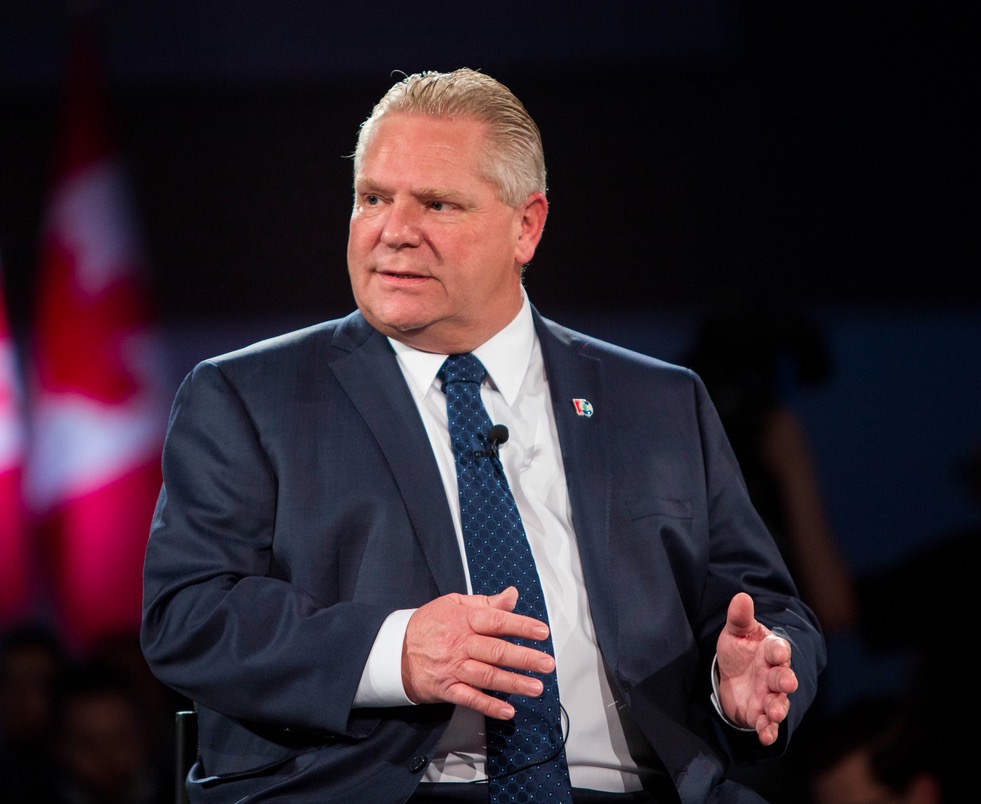
In early April 2026, reports surfaced that Stellantis was in preliminary talks to have Leapmotor build EVs from Chinese supplied knockdown kits at the Brampton facility. While Stellantis described these discussions as “exploratory,” the reaction from local and provincial leaders was swift and negative. Ontario Premier Doug Ford stated:
“It’s unacceptable. It’s everything against what the federal government told the auto workers here in Ontario. We can’t have cheap Chinese parts and kits coming over to be assembled. We’re dead against this.”
Where Citroën Fits In
To mitigate the backlash regarding Leapmotor, Stellantis Canada has pivoted toward a new strategy.
In response to rising prices and a desire to diversify away from U.S. dependency, many Canadians are calling for the smaller, more affordable vehicles sold in Europe and Asia to be allowed into the country. Currently, this is blocked by the Canadian Motor Vehicle Safety Standards (CMVSS), which have mirrored U.S. standards for decades.
Other automakers, including Volkswagen and Nissan, have indicated they would import models from other markets if Transport Canada accepted European, Japanese, or South Korean certifications.
Stellantis Canada CEO Trevor Longley joined this movement this week, stating that the automaker’s overseas lineup includes several models—particularly electric vehicles—that would appeal to Canadian drivers.

While Longley did not name specific models, industry analysts point to the Peugeot 3008, Opel Mokka, and notably, the Citroën C4. Positioned in Europe as an affordable and innovative brand, Citroën can arguably be seen as the best-suited candidate to compete with entry-level Chinese competitors in Canada. The expected overhaul of Stellantis’ Euopean brands to be formally announced on May 21, 2026, will most likely include models manufactured in China. If it is decided to offer a product in Canada produced in Europe, the French flair of a Citroën made in France would be a marketing advantage, particularly for the Quebec market where small and mid-size affordable cars are in demand.
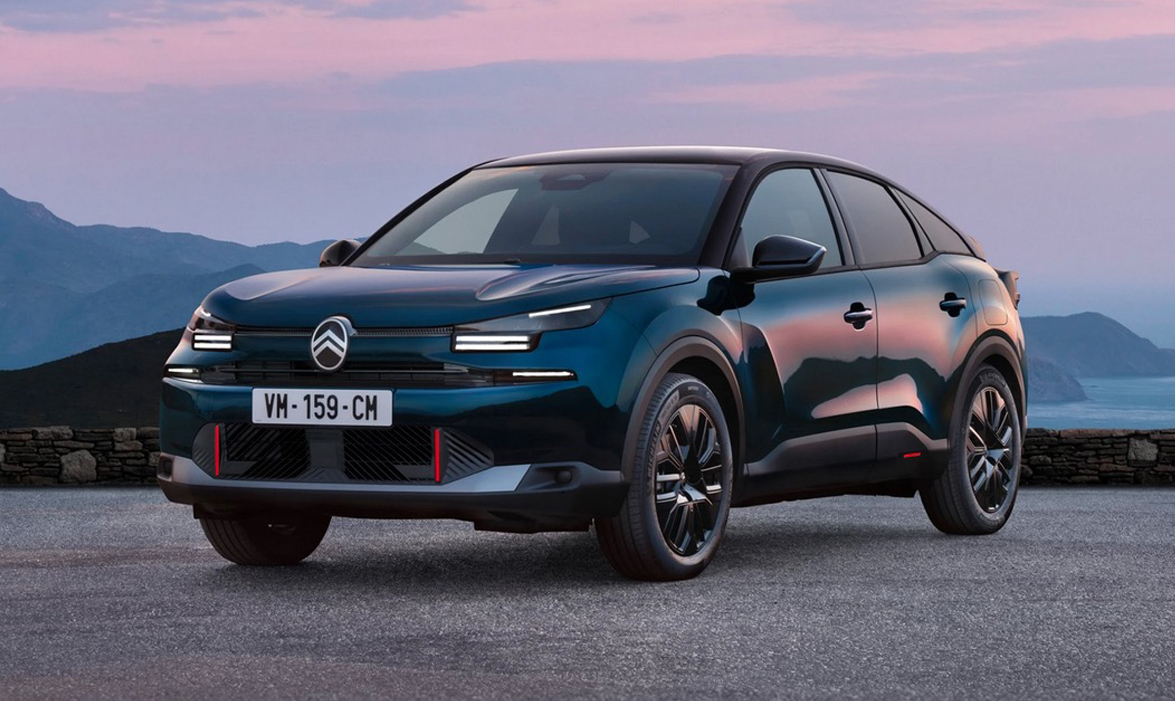
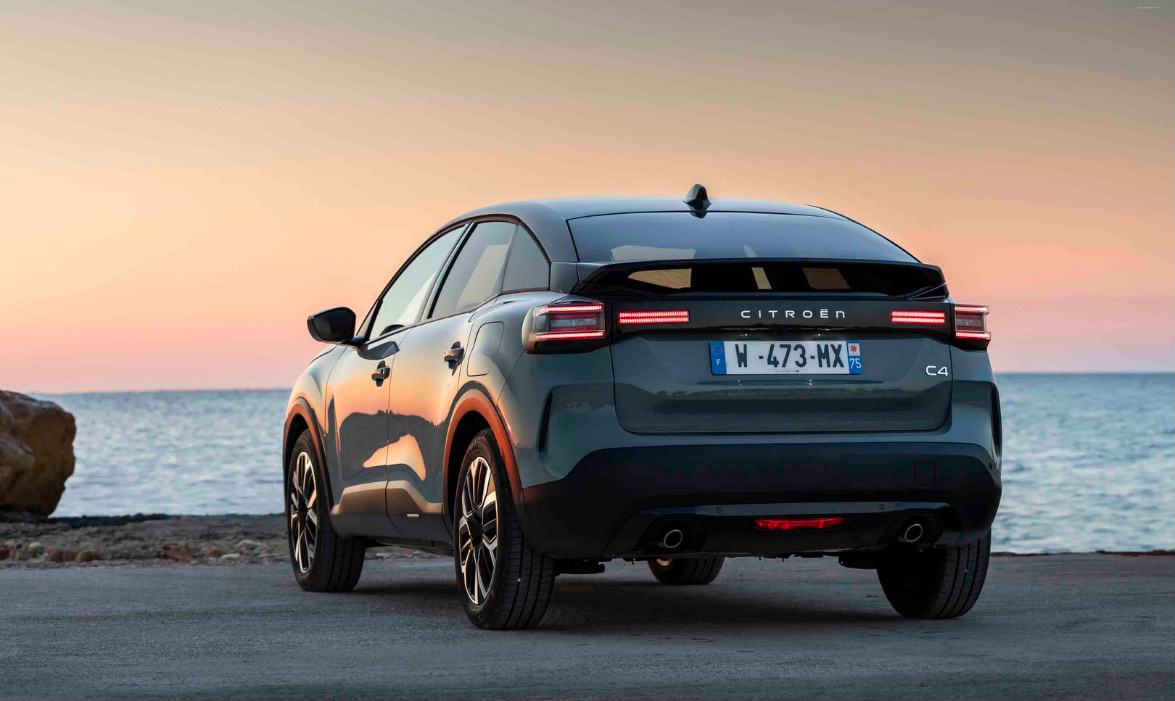
This remains “wishful thinking” for now, as Transport Canada has not officially changed its regulatory framework for vehicle certification. However, the agency has confirmed it is investigating the matter, offering a glimmer of hope for those wishing to see modern Citroëns on Canadian roads.
if I was Citroën, I’d also look heavily at the C3 and C3 Aircross for Canada, think they would be a hit in the cities
We would happily buy a Citroen Type H camper if available. It would nicely fill a niche unmet by VW.
I’d love to have a new Citroen c3