
Citroën BX – The Other Saviour of PSA
By Thomas Urban….
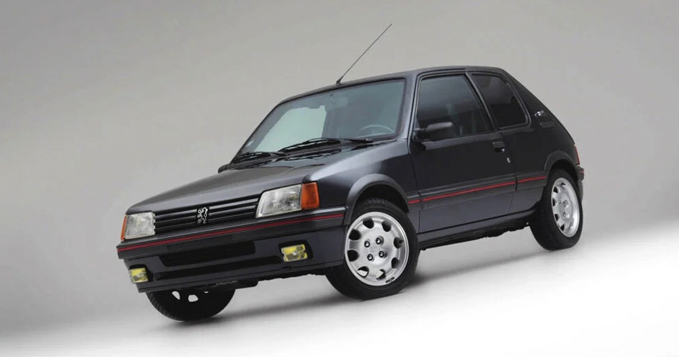
While almost all French car enthusiasts remember that the Peugeot 205, launched in 1983, saved the PSA Group (formed after Peugeot’s acquisition of Citroën in 1974) from bankruptcy, this story is only partly true. In reality, there were two models to which the manufacturer owes its salvation: one from Peugeot (the 205) and the other from Citroën—the BX!
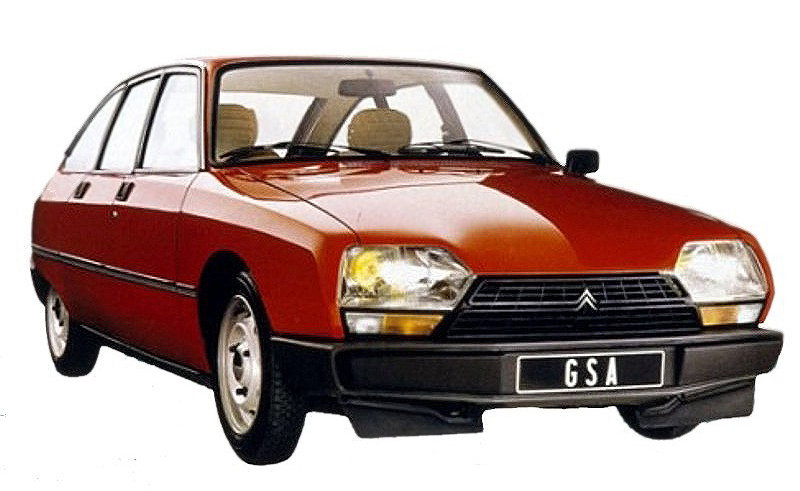
In the early 1980s, less than ten years after the sale of Citroën to Peugeot (a move that some company executives still hadn’t quite gotten over), Citroën was suffering from a somewhat outdated lineup in the family sedan segment. The GSA, launched in July 1979, was essentially just a slightly restyled version of the GS (with stainless steel bumpers replaced by black plastic).
With the double-chevron brand now owned by Peugeot (or rather, PSA), management dictated that, in the interest of synergy and streamlining production costs, new Citroën models would have to share a number of components, particularly regarding engines and platforms. This meant that the distinction for the BX in the eyes and minds of potential buyers would have to originate from body and interior design, though the hydropneumatic suspension—a signature feature of Citroën vehicles, providing superior ride comfort and handling—would be retained.
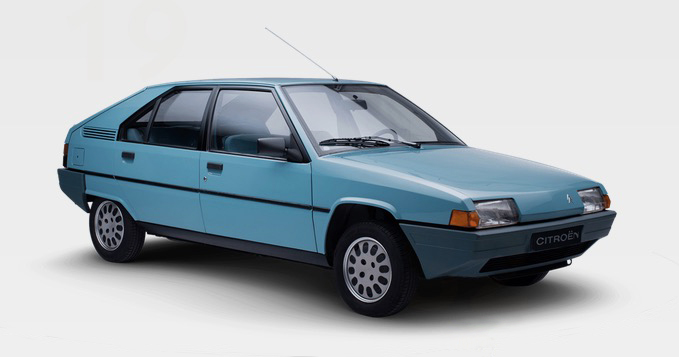
The BX marked a profound and radical break from its predecessor, the GSA, with wedge-shaped lines dominated by sharp angles, the work of renowned Italian stylist Marcello Gandini of Bertone (best known to car enthusiasts for creating some of Lamborghini’s most iconic models, including the Miura and the Countach). Gandini drew inspiration for the BX from two of his recent creations: the Jaguar Rainbow and the Volvo Tundra, to achieve refined aerodynamics with a drag coefficient (Cd) of only 0.33 to 0.34 (depending on the version).
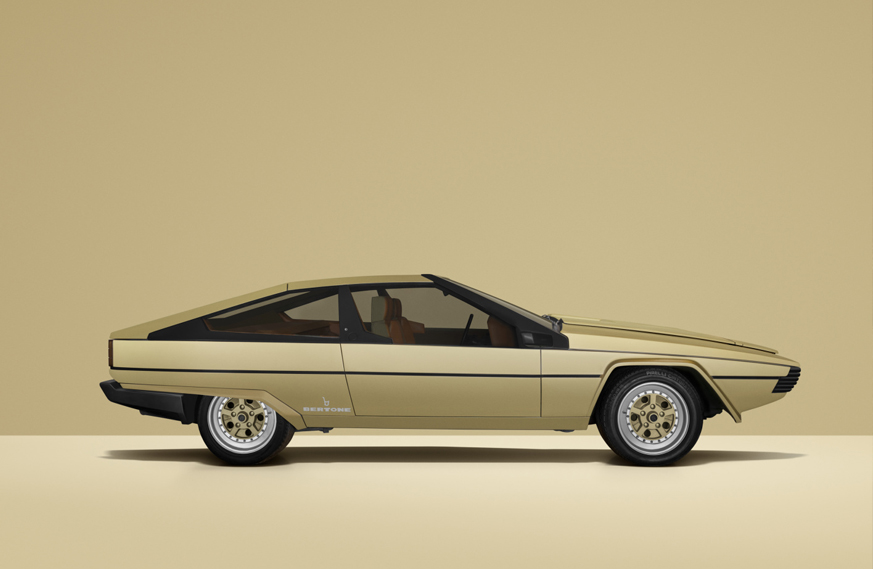
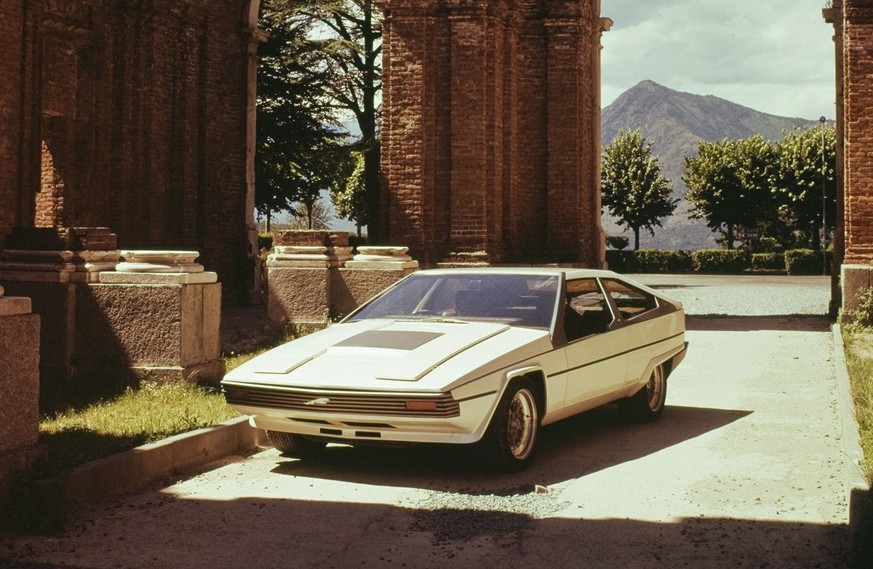
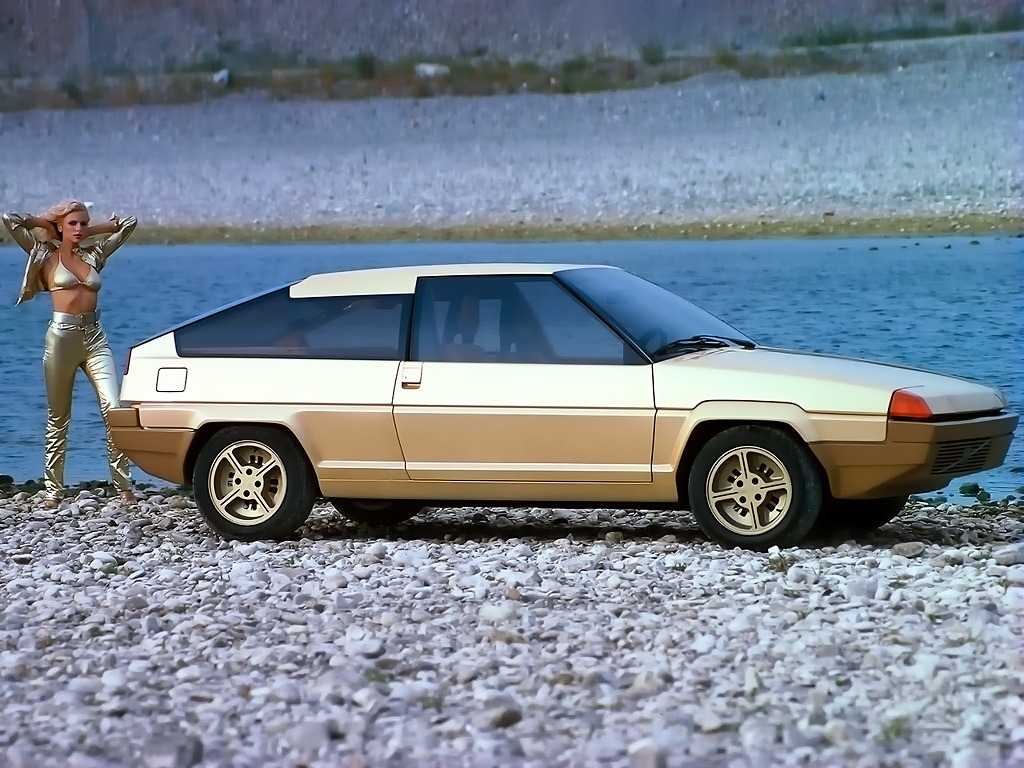
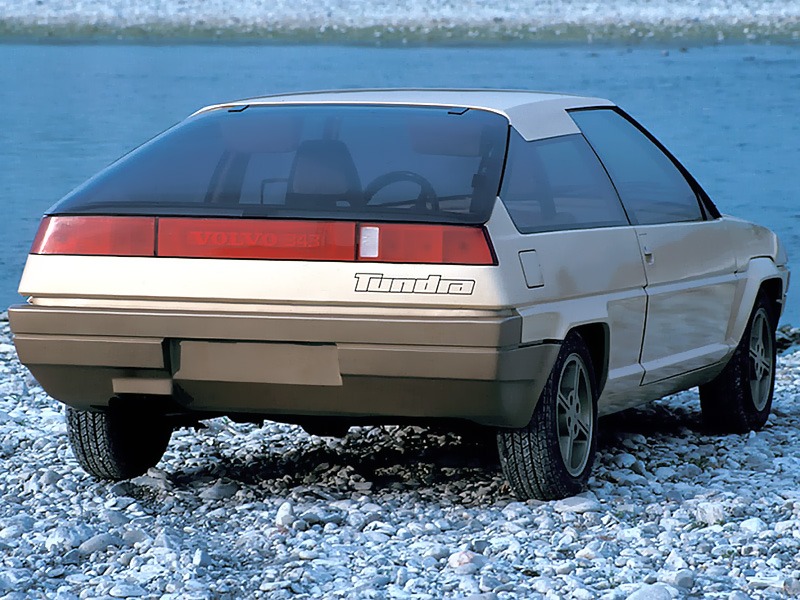
One of the key design specifications for the new Citroën sedan was to eliminate every last kilogram, as evidenced by the choice of polyester for the hood and tailgate. The base model BX weighed a mere 900 kg.
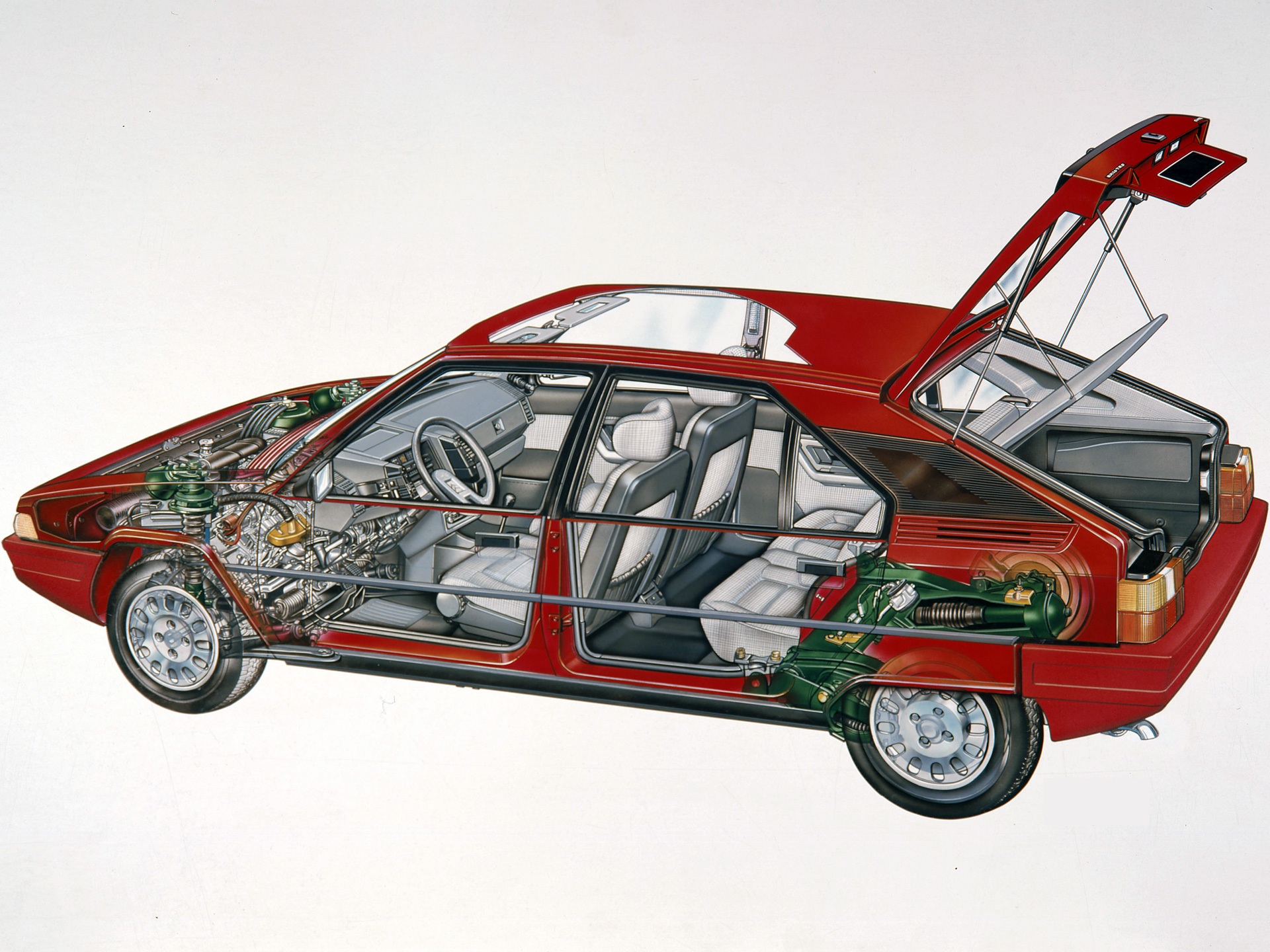
As for the platform, the underpinnings of the new BX would later be used for the future 405 (which joined the Peugeot range in 1987).
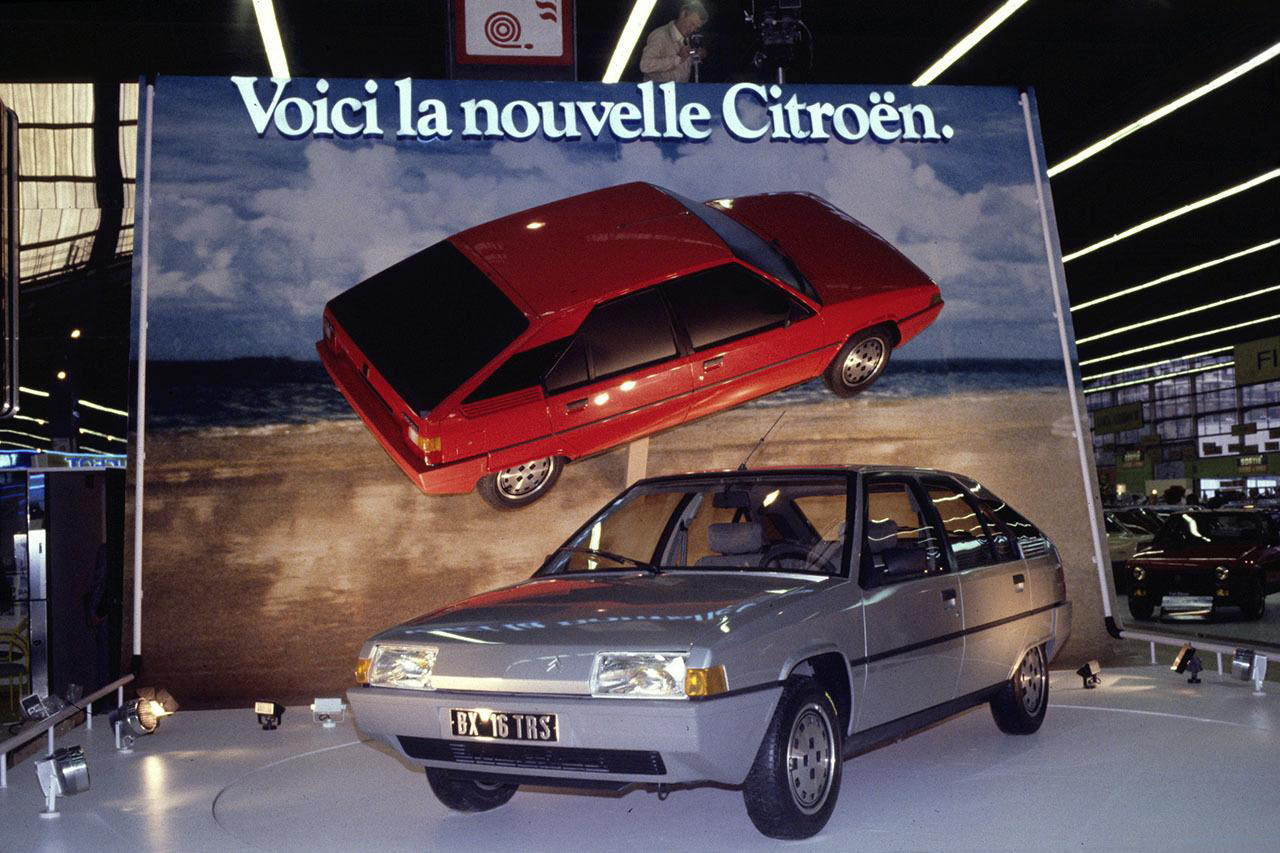
At its launch, despite a design considered quite avant-garde—even “futuristic”—by a significant portion of the press and public, the new Citroën BX made its debut at the Paris Auto Salon in 1982 with no sporting pretensions whatsoever.
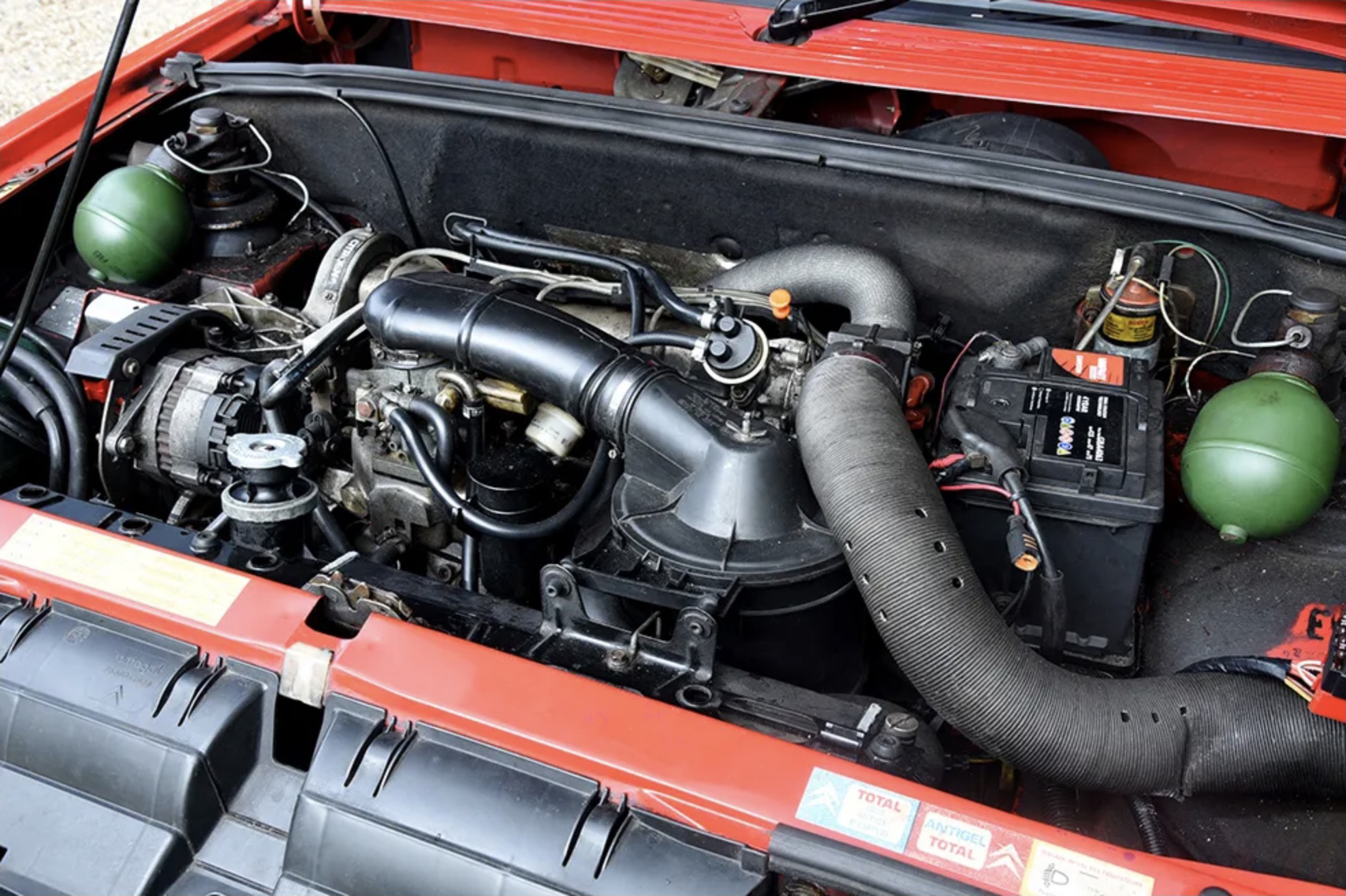
Under the hood, the BX dispensed with the air-cooled flat-four engine that powered the GS. Several engines were borrowed not only from the second series of the Peugeot 305 (the new and modern 1,580 cc “XU” four-cylinder engine producing 90 horsepower) but also from the 104 city car (producing 62 hp with a 4-speed gearbox in the base version and 72 hp with a 5-speed gearbox).
Even at that time—consequent to the two oil crises of the 1970s—diesel engines had become essential for most European manufacturers, with French manufacturers even making them their specialty. With the BX, it wasn’t until September 1983 (almost a year after its launch) that the first diesel version appeared in the catalog. Specifically, it featured another engine from the new “XU” family, proven in the Simca-Talbot Horizon and the Peugeot 305, delivering 65 hp, which would also be found in naturally aspirated and turbocharged versions, in the BX 19 D and TRD. This model was the first BX to offer power steering as an option (a feature that was only available on the top-of-the-range BX 16 from February 1984). The BX 16 also had a significant power increase, from 90 to 92.5 hp in early autumn 1983, and then to 94 hp in 1984.
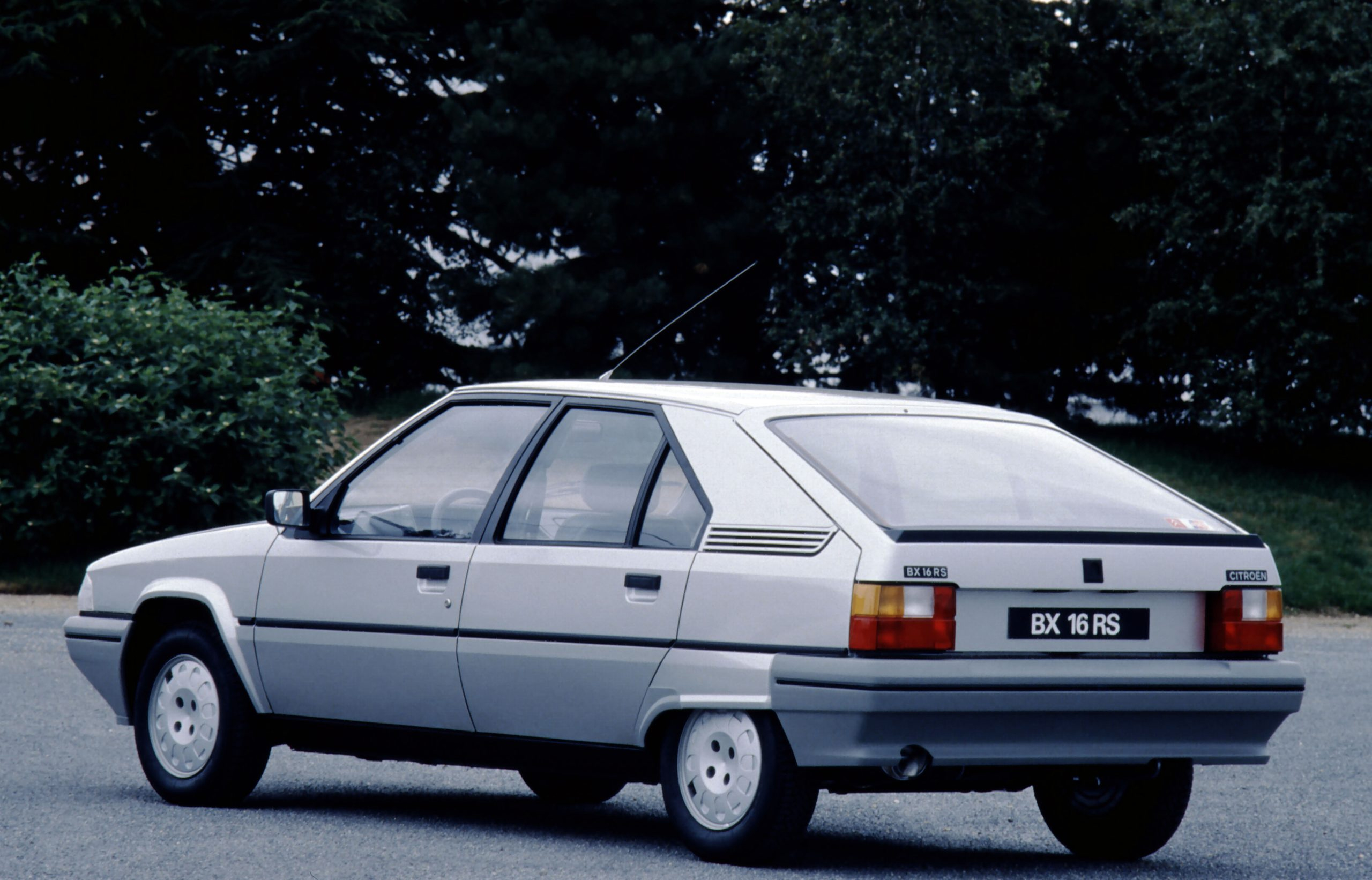
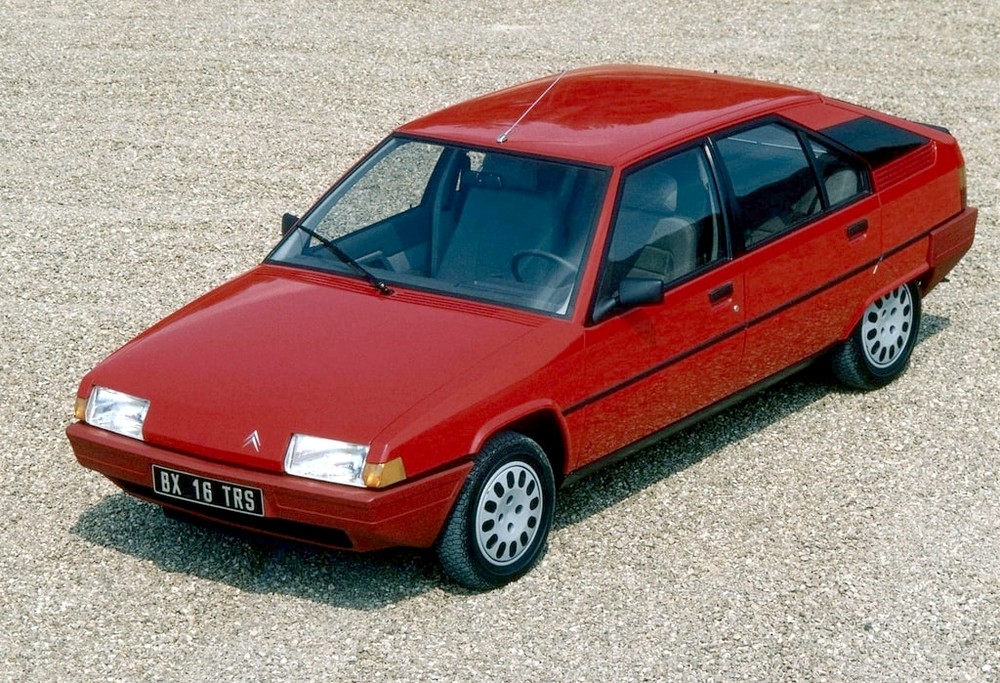
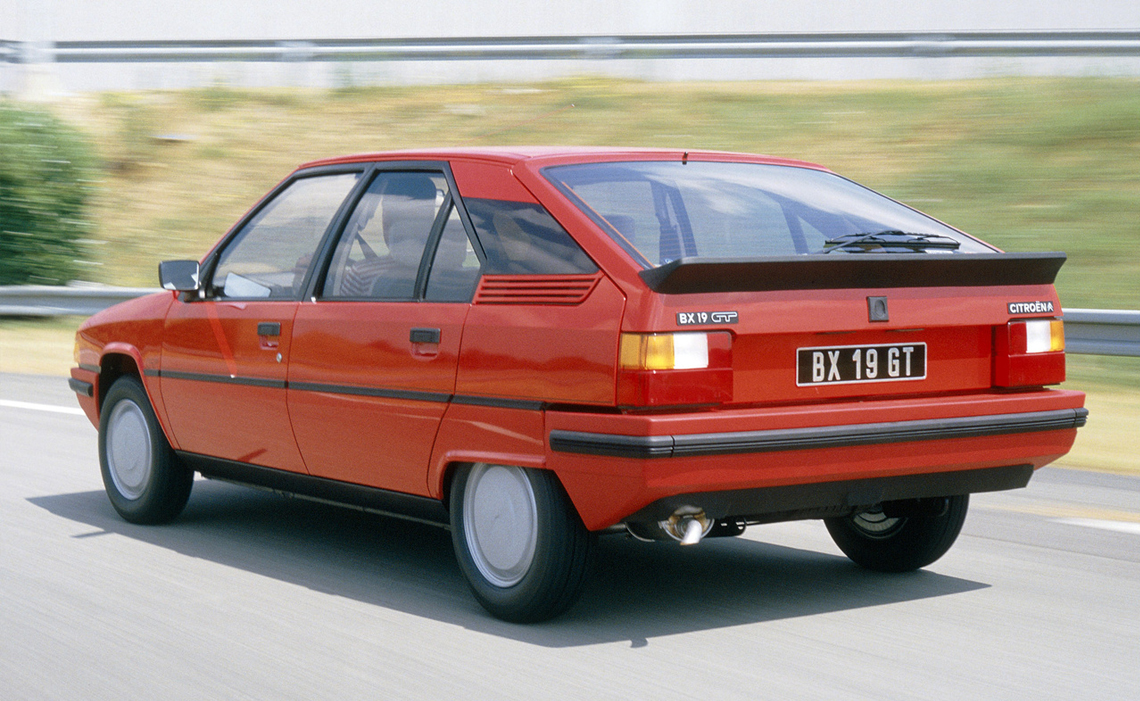
The 19 GT version was only available with a 1.9-liter four-cylinder engine producing 105 horsepower. Externally, it differed from the “standard” BX only by its fog lights, bumper strips, and the spoiler at the bottom of the rear window.
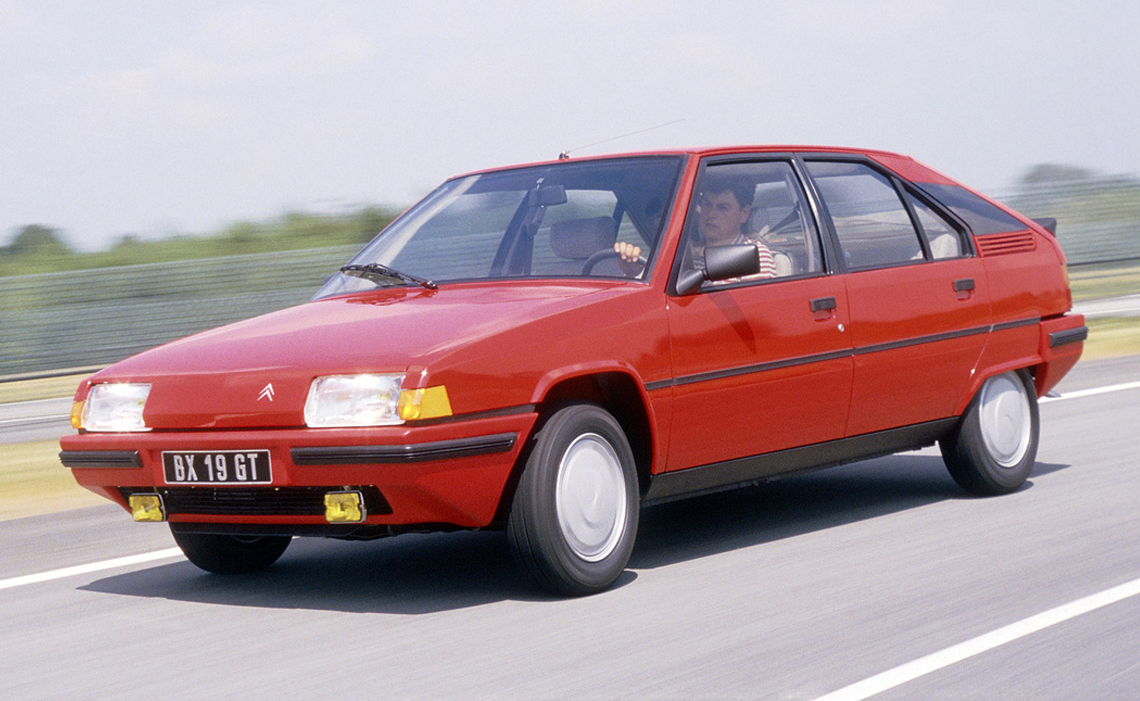
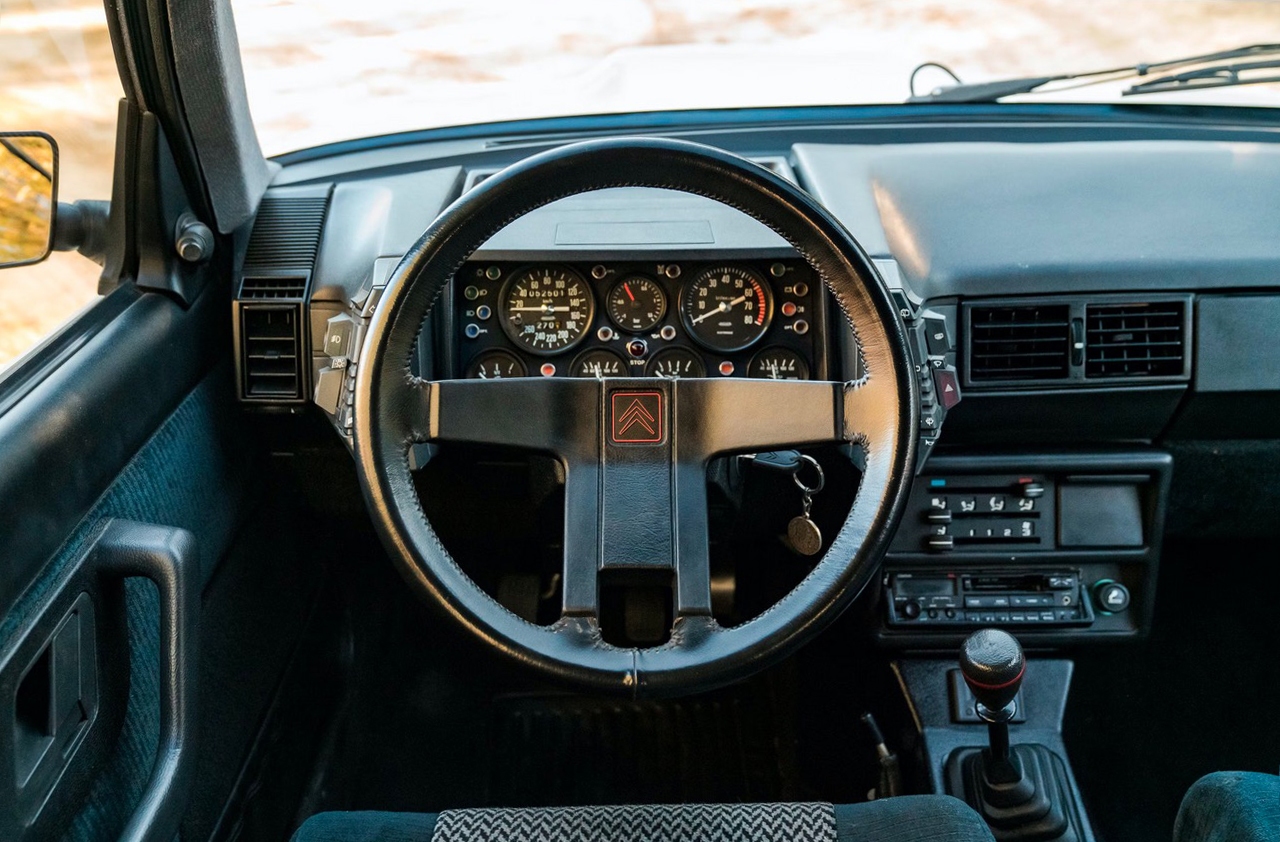
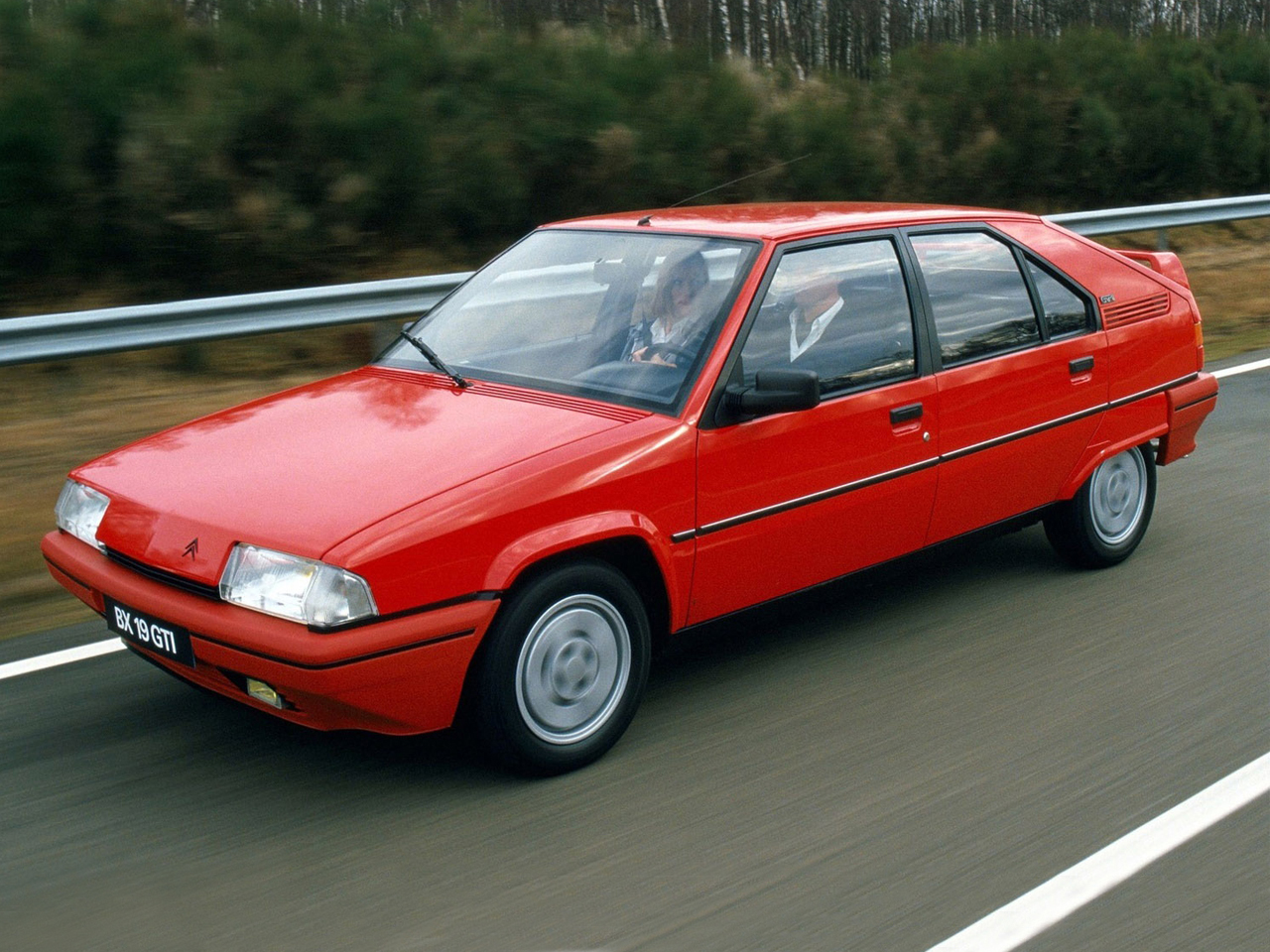
Inside, the real differences compared to other versions can also be counted on one hand: the “typically Citroën” dashboard instruments (including the linear tachometer and the “bathroom scale” speedometer) were replaced by more sport-oriented analog gauges.
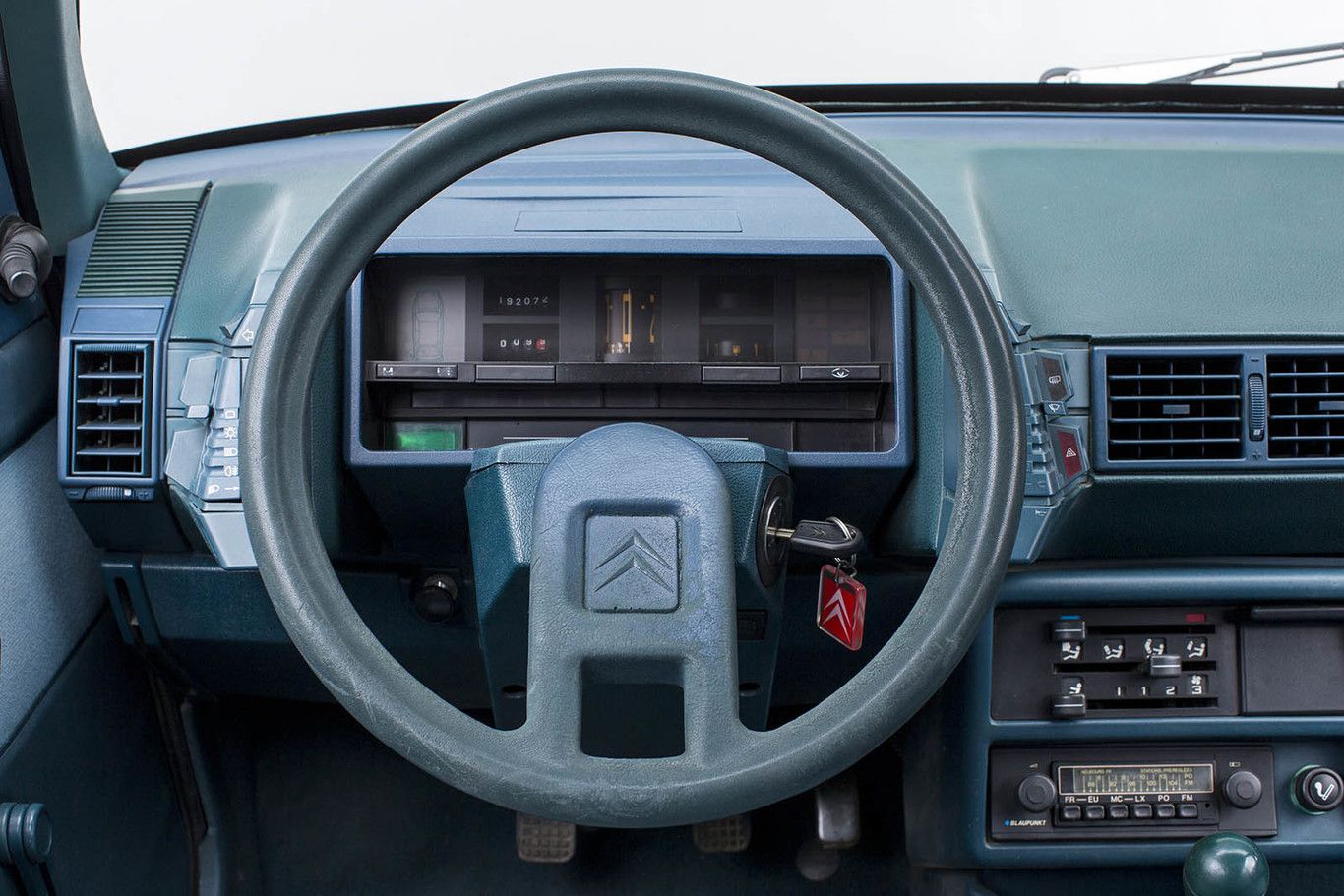
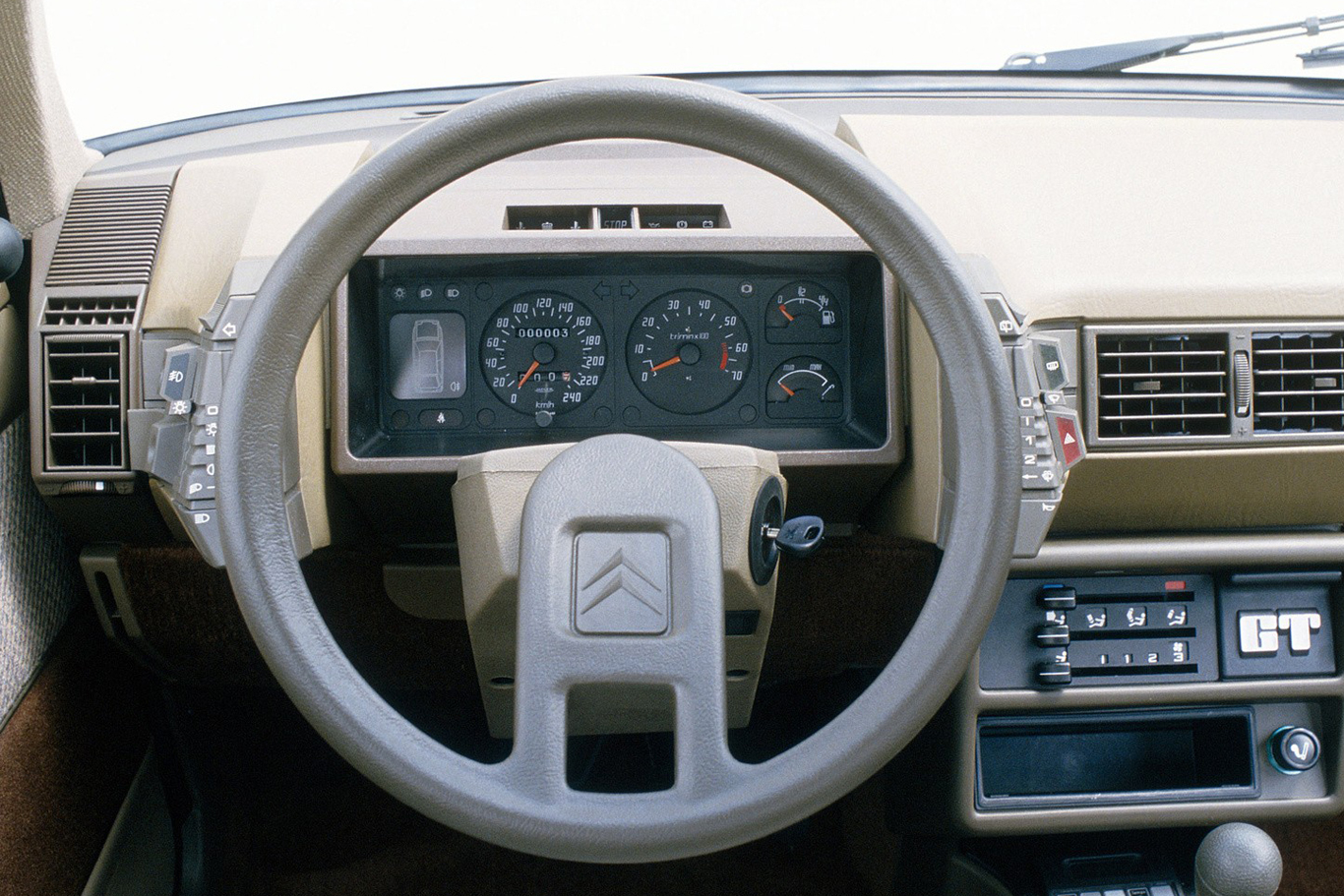
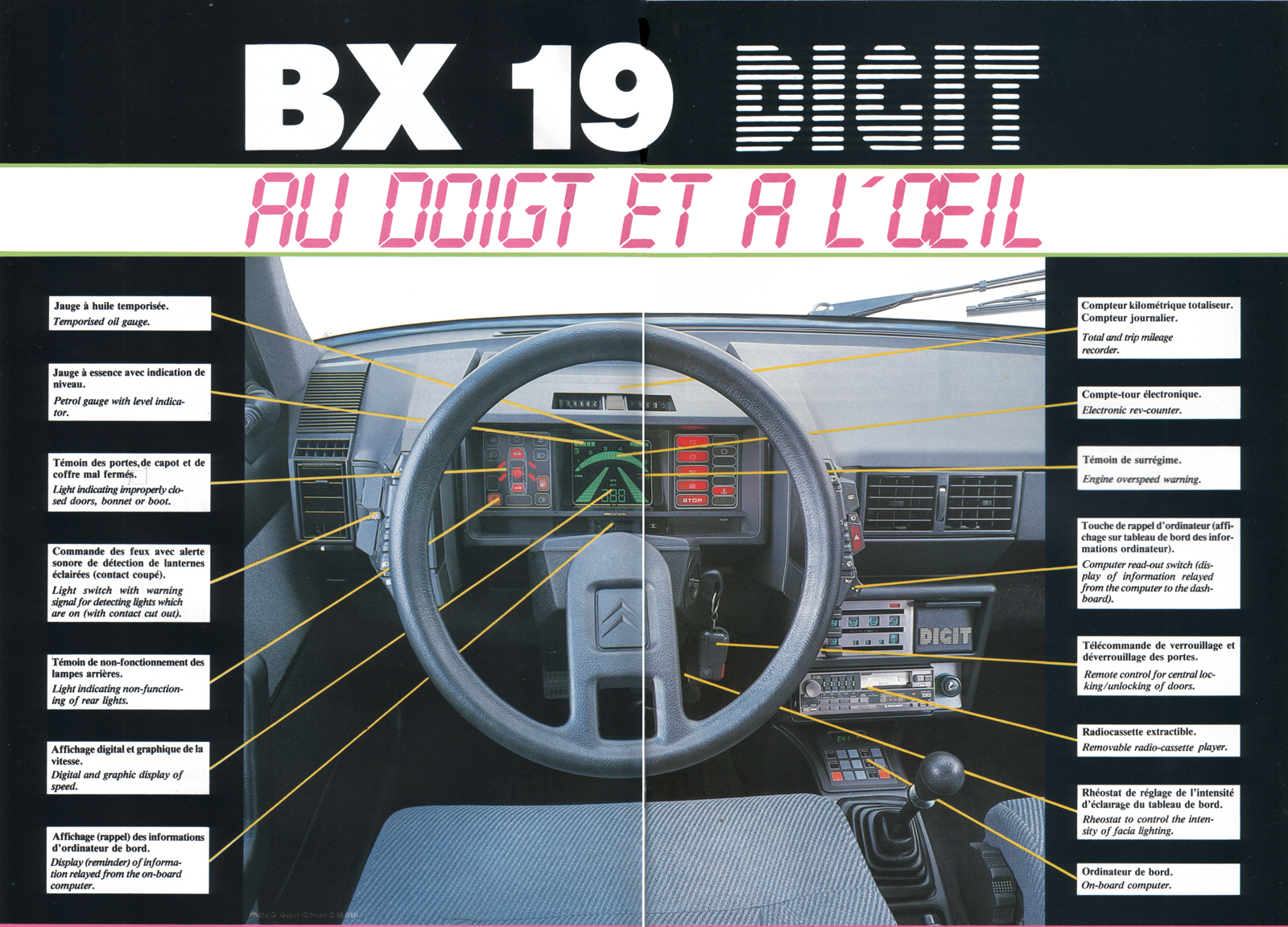
This first “sporty” BX (the quotation marks are intentional) was released a year later, in early autumn 1985, in a “Digit” version, a limited edition of 4,000 units, characterized by its electronic instrumentation—a fully digital instrument panel behind the steering wheel that transformed the humble Citroën sedan into a kind of “French KITT” (the fictional robotic Pontiac Trans Am in the 1980s television series Knight Rider).
Both the French automotive press and family sedan customers with a racing spirit were quick to point out how the BX 19 GT retained an appearance and character that were far too tame. Such criticism did not go unheard at Citroën, as the 19 GT was intended from its launch to be the “starting point” of a line of sporty BX models destined to increase in power (both literally and figuratively) with each new version.
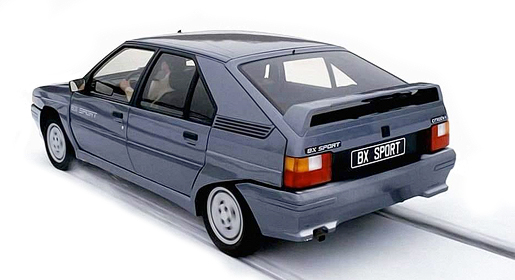
Just one year after the 19 GT’s introduction, Citroën unveiled its “secret weapon,” designed to take on Renault’s R18 Turbo. Its name clearly announced its purpose: the Sport. Reflecting the sportswear fashion of the 80s, the BX donned a tracksuit theme aimed at a look commensurate with its performance—so much so that it wouldn’t have looked out of place in a Japanese manga comic of the same era. It gave the impression of having been worked on by a German tuning specialist.
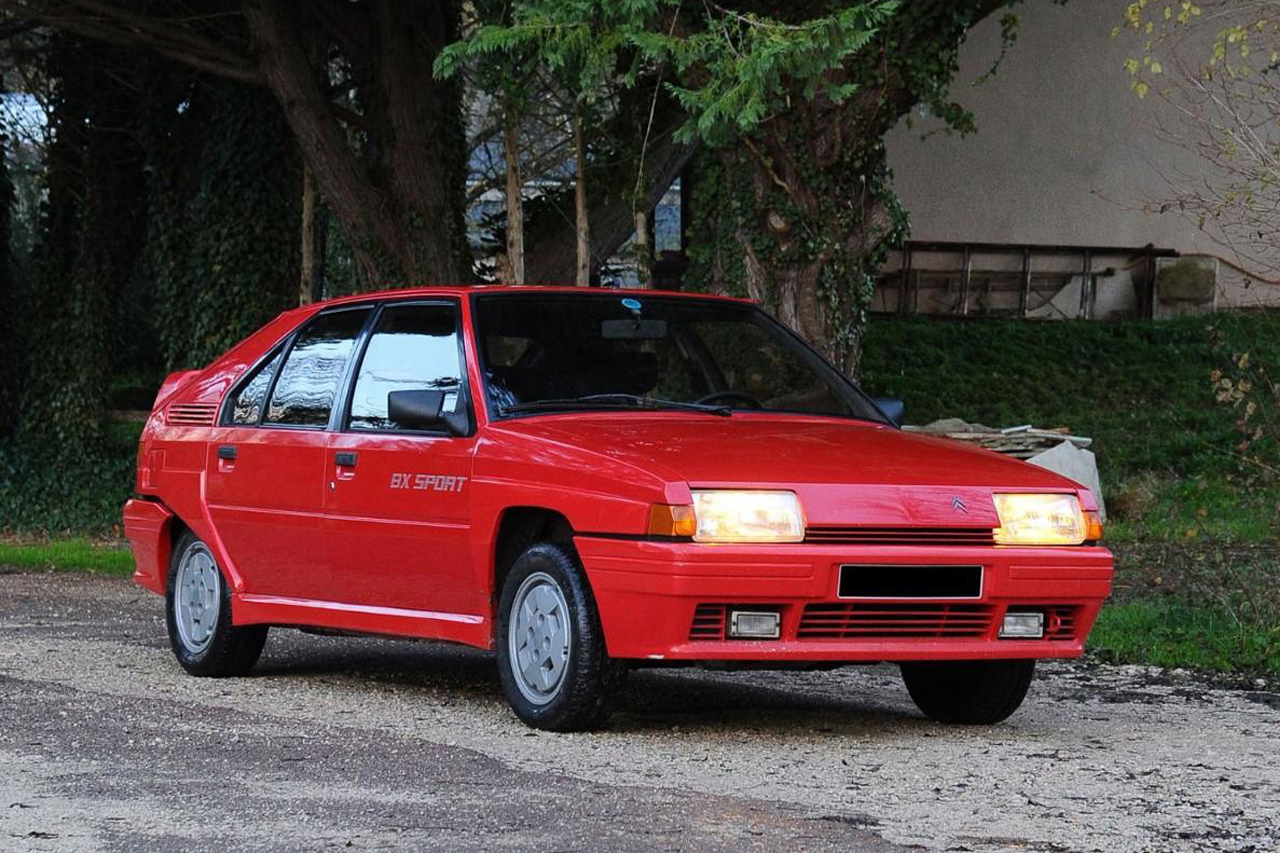
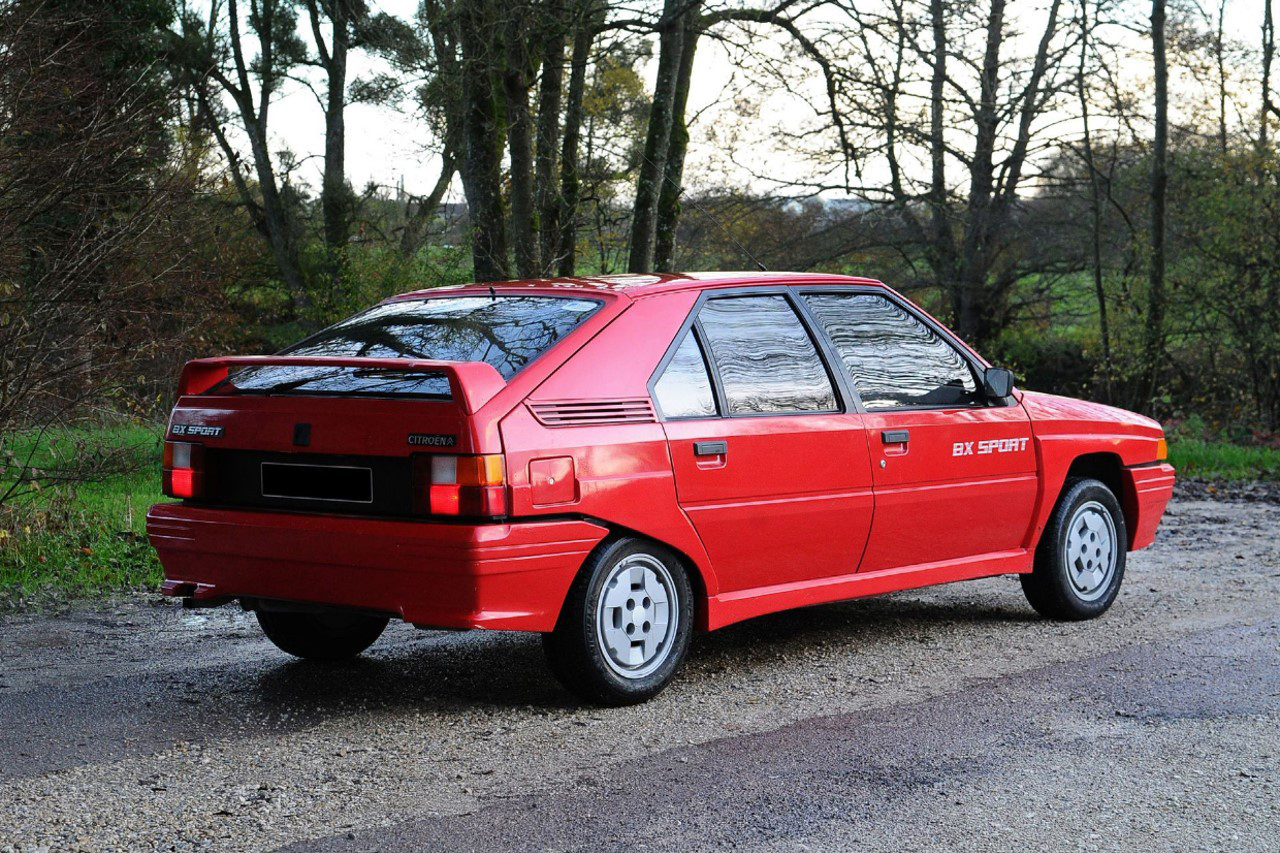
Presented in March 1985, the Sport was unlikely to be mistaken for a “standard” BX, with its widened front and rear fenders, side skirts, spoiler, and so on. Inside, the atmosphere was also decidedly sportier, featuring analog gauges (like those on the 19 GT) and a three-spoke steering wheel.
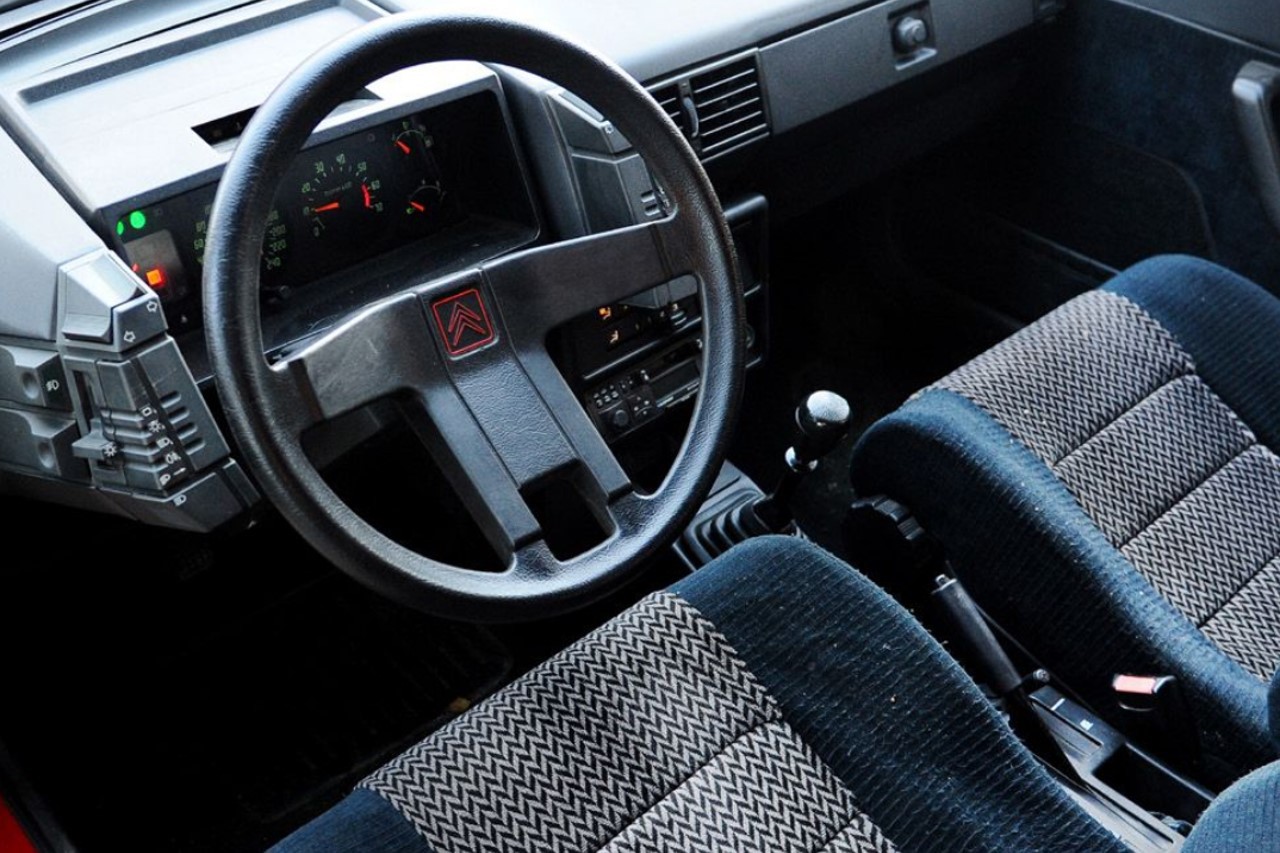
Specific wheels fitted with wide tires and a revised suspension confirmed the spirited temperament of this “BX in a tracksuit.” Thanks to the care and talent of tuner Danielson, who equipped the XU four-cylinder engine (the same as the one in the 19 GT) with two twin-choke carburetors, power was boosted to 126 horsepower. Although initially launched as a limited edition, the Sport was integrated into the regular lineup in July of the same year.
A sign of intense internal competition (not to mention, in some respects, outright warfare) between the two main brands of the PSA Group at the time—and a competition that management often never truly sought to quell and sometimes even deliberately encouraged—Citroën was determined not to let Peugeot take the lion’s share of the market. The double-chevron brand intended to defend its own colors in every category where the Sochaux-based firm was present, particularly within what was then the premier category of the World Rally Championship: Group B. After the success of the Citroen Visa in Group B rallying, Guy Verrier, (a rally driver turned director of Citroën’s Competition Department), felt there was an opportunity with the BX in Group B competition. Like the Visa, it was a rather curious choice to enter a sedan, given that the vast majority of models racing in this category were two- or three-door cars like the Audi Quattro, Ford RS 200, Lancia Delta S4, and Peugeot 205 Turbo 16 (to name just a few benchmarks of the category).
Group B regulations stipulated that models in this category had to be produced in a minimum of 200 road-going versions to receive homologation for competition. Citroën turned to Heuliez, which produced all the specific bodywork components. Unveiled in November 1985, just eight months after the BX Sport, the BX 4 TC boasted an even more muscular look, further accentuated by a slightly lengthened wheelbase (2,575 mm as opposed to 2,460 mm) and very—arguably excessively—pronounced front overhang, complemented by four additional headlights installed in place of the grille.
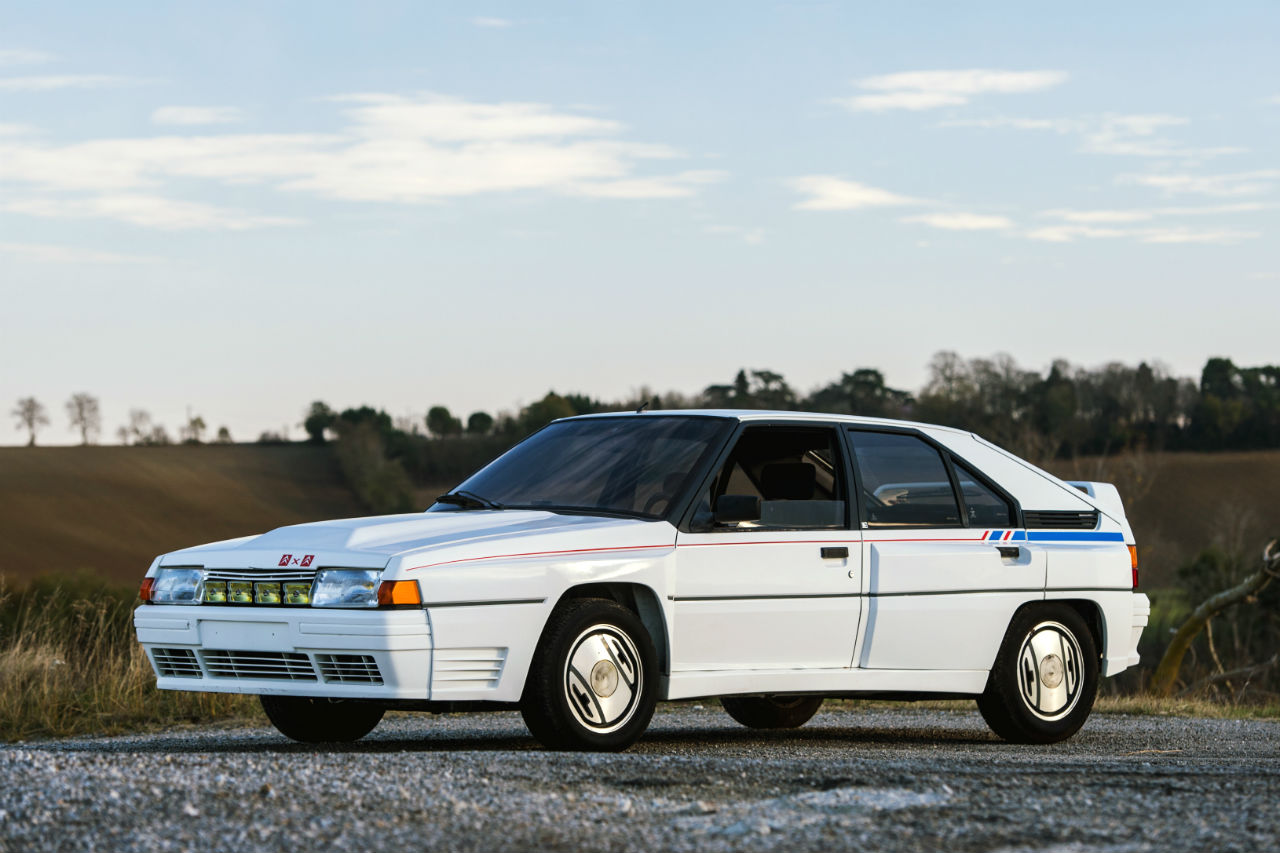
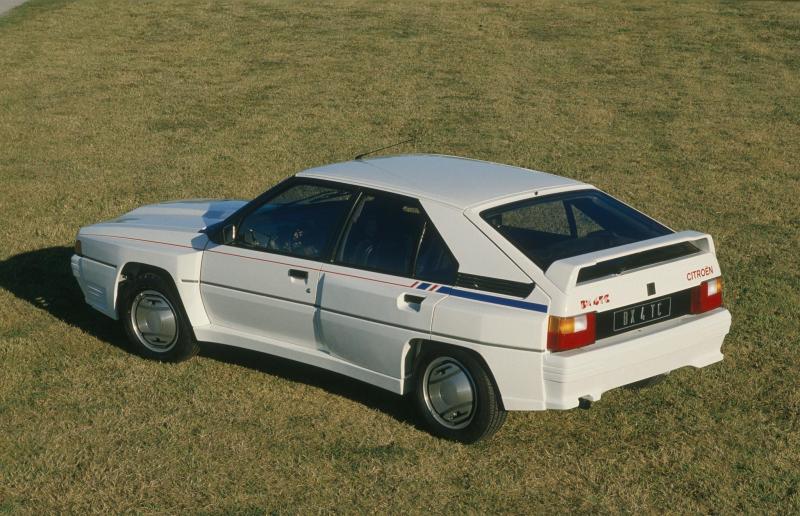
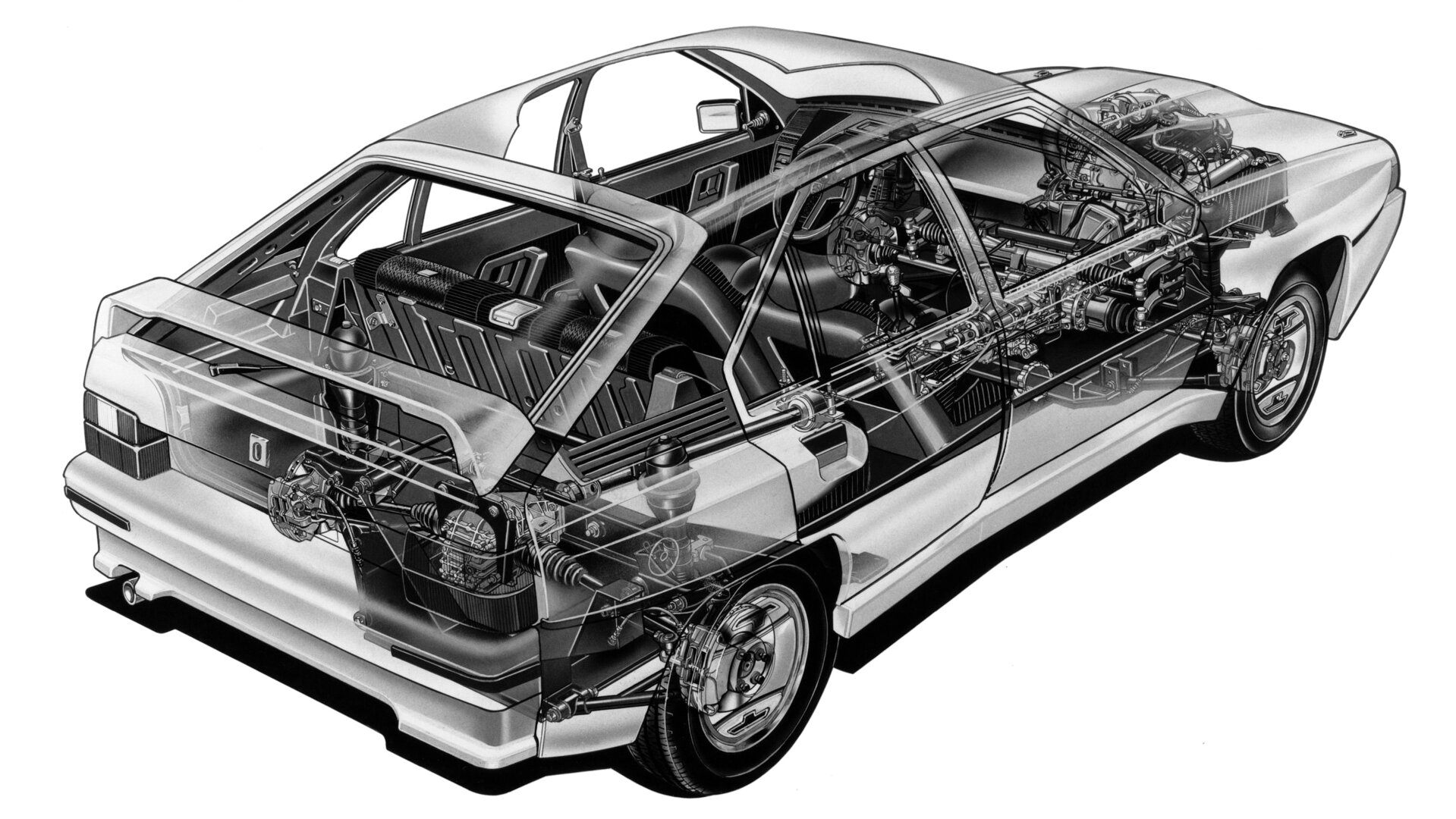
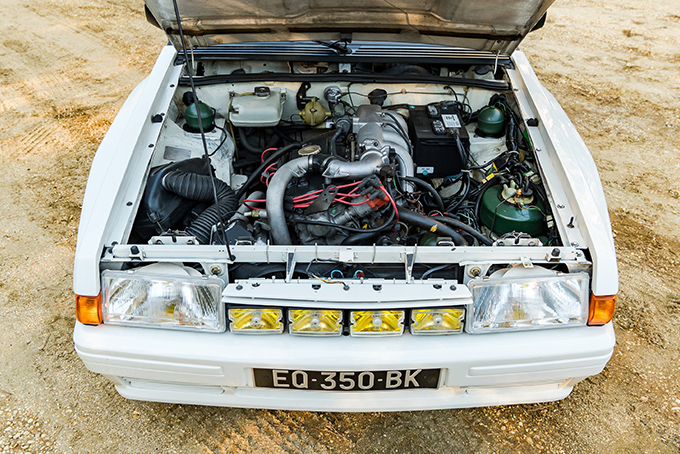
Only 20 units of the competition version of the BX, named “Evolution”, were produced. Unfortunately, each would reveal to be a “patchwork” project suffering from sloppy design (a consequence of Citroën management’s dithering before truly committing to Group B, with a budget as meager as the GDP of a sub-Saharan African country). The number of races in which it participated could be counted on one hand before it was condemned due to too many teething problems; ultimately, Group B was abruptly canceled by FISA at the end of the 1986 season due to too many serious accidents, some of which were fatal for drivers.
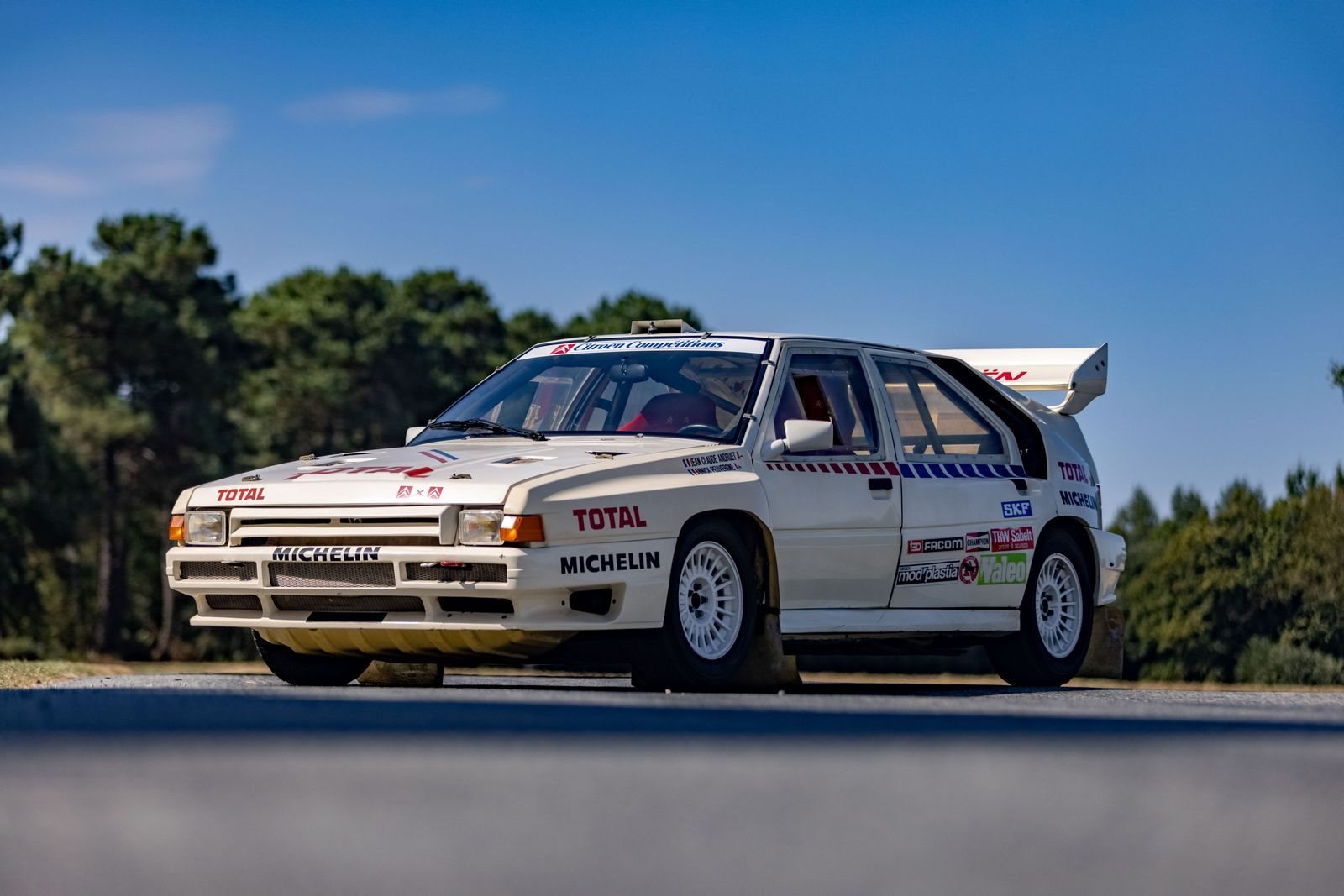
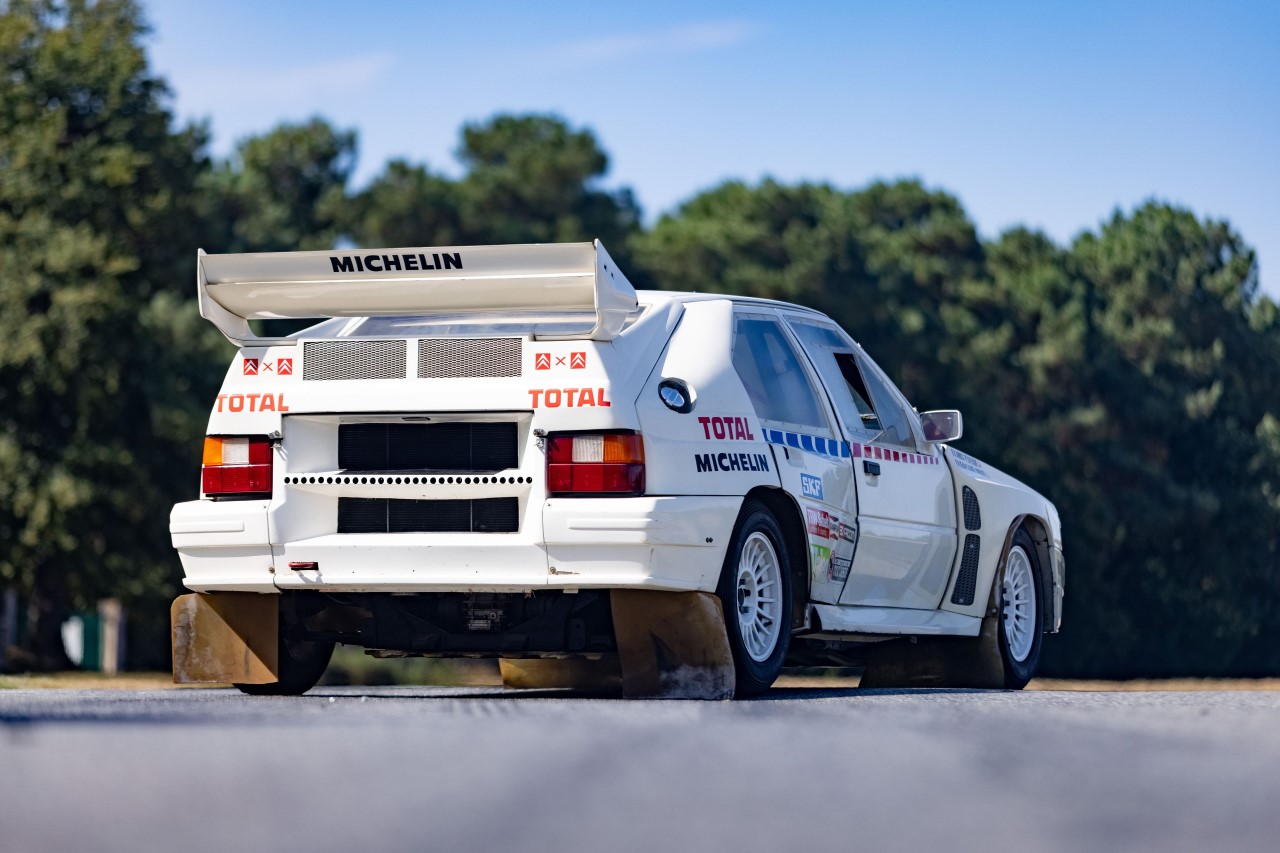
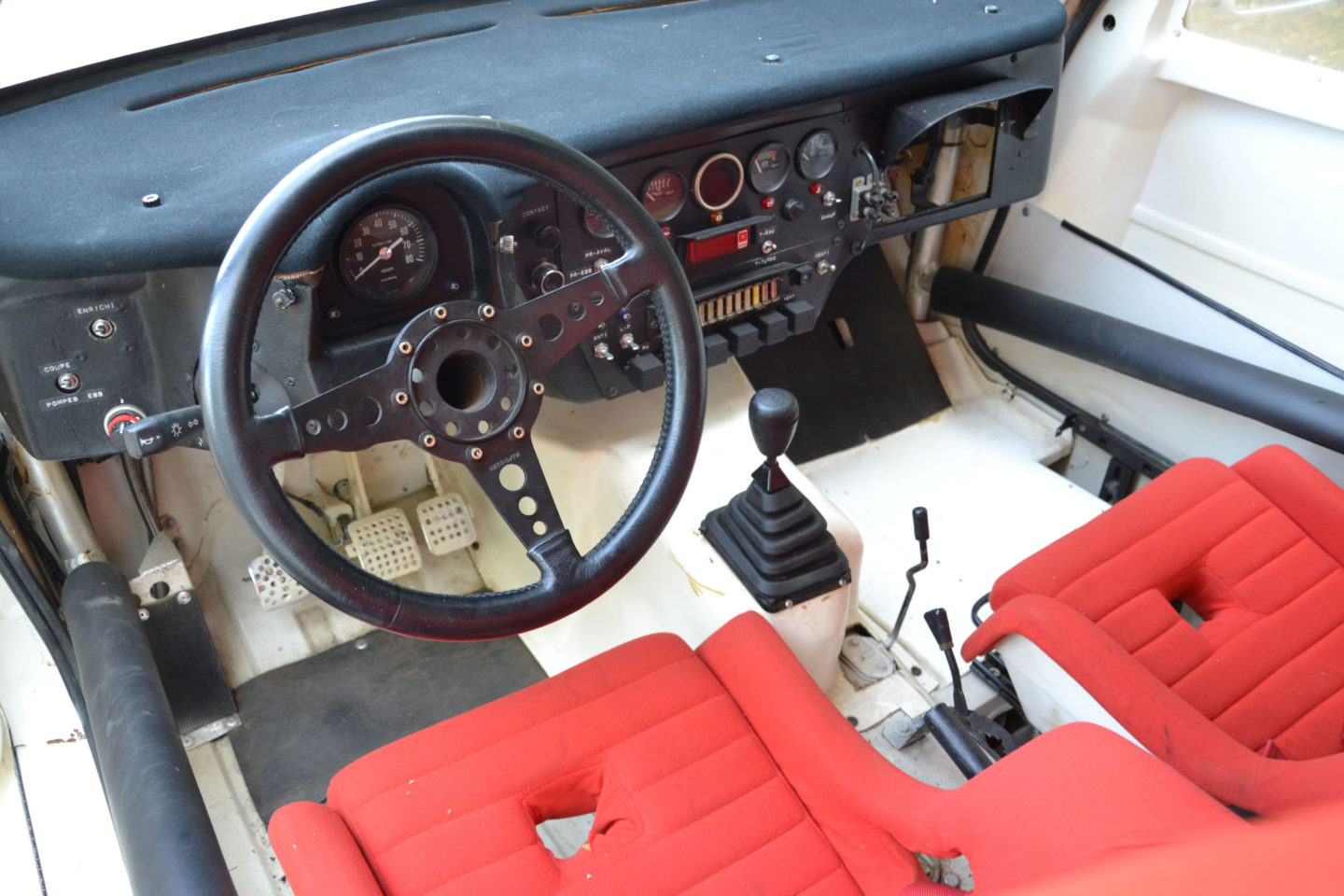
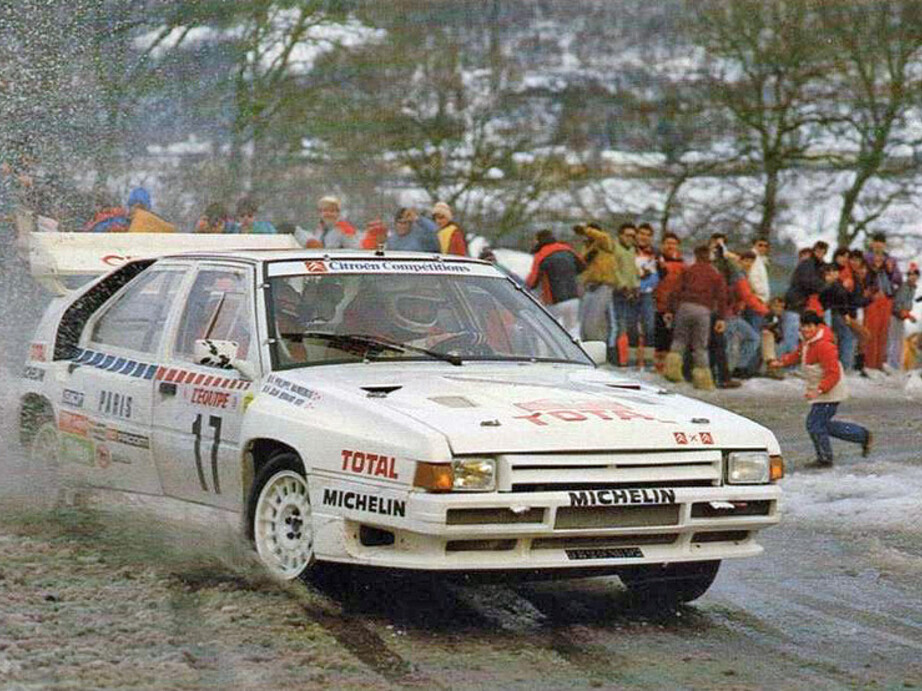
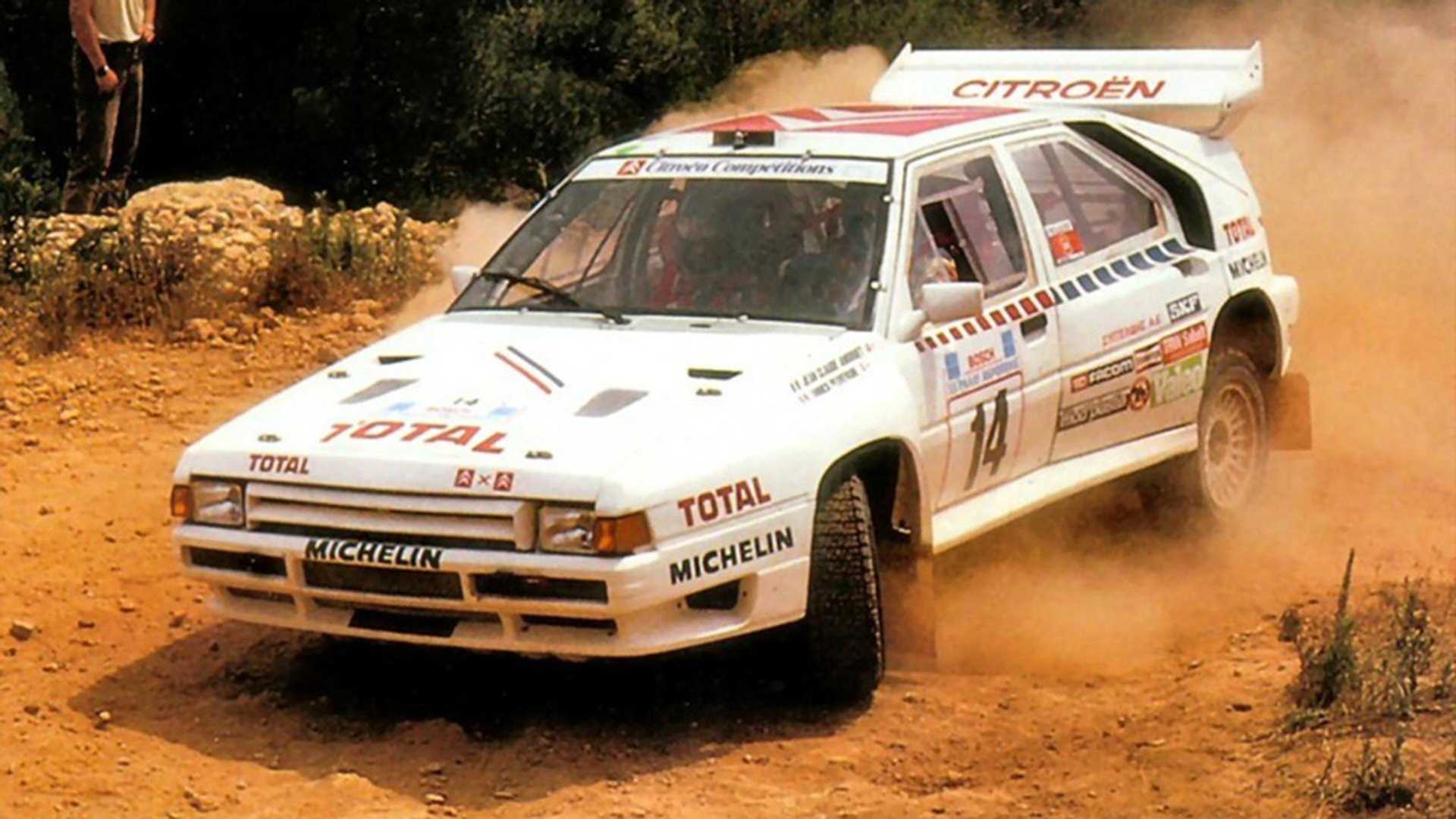
Of the 200 BX 4 TC examples built, only 86 managed to be sold (and not without difficulty). As for the remaining 114, Citroën eventually resigned itself to having them destroyed under the supervision of a bailiff.
Despite this short-lived and inglorious experience in the World Rally Championship: Group B, it didn’t prevent the BX from winning several significant trophies in competition, thanks in part to Jean-Luc Pailler, who was crowned French Rallycross Champion in 1991, 1992, and 1993, as well as European Champion in 1993.
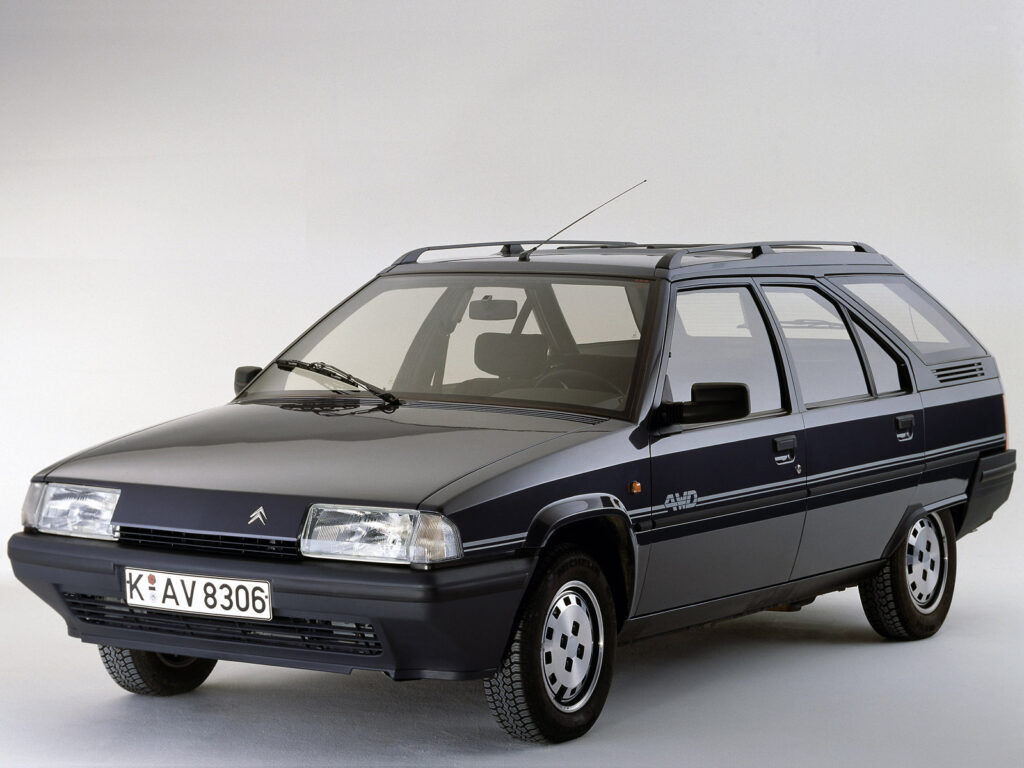
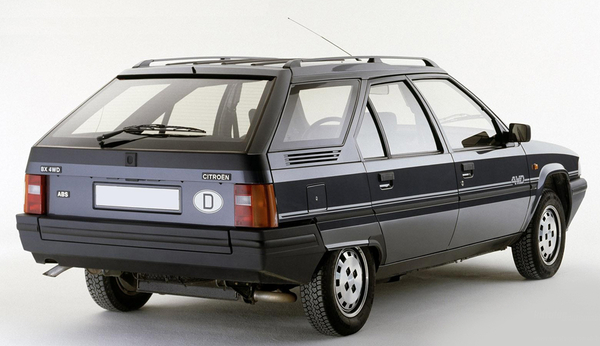
While the previous GSA model would not ultimately leave the scene until 1986, Citroën didn’t wait for its retirement to present its replacement. Production of the BX station wagon was entrusted to industrial coachbuilder Heuliez, already a long-standing partner of the double-chevron brand. It became the first mass-produced passenger car to be entirely assembled at Heuliez’s Cerizay factory. To minimize production costs, Citroën’s design office had to reuse as many components as possible from the original sedan, including the rear doors. While the aesthetic result wasn’t universally admired—some found the rear overhang too long (16 cm longer than the sedan) and the tailgate slightly too high—its practicality triumphed over inelegance to make it a commercial success.
Although the design of the BX sedan was not universally popular, it did find an audience right from the start. In fact, by 1985, it had become the third best-selling model on the French market (across all categories, with the Peugeot 205 and Renault Supercinq being the top two). Although the new Renault 21 would steal its crown the following year (the “newness effect” undoubtedly played a significant role), the BX’s success remained undiminished, with sales figures continuing to climb, averaging 290,000 units produced annually! This was an especially impressive figure, as Citroën had never before achieved such high sales in this segment.
The 1985 model year was primarily marked by the arrival of the first true sporty versions, which naturally monopolized media and public attention, explaining why the rest of the range was somewhat neglected. For the standard versions, the only truly significant innovation was the introduction of a ZF automatic transmission (available not only on the gasoline versions but also, from December 1985, with the diesel engine). The 1986 model year also remained fairly conservative in terms of new features, with the only change being the station wagon version, which became available with entry-level engines and trim levels in February of that year.
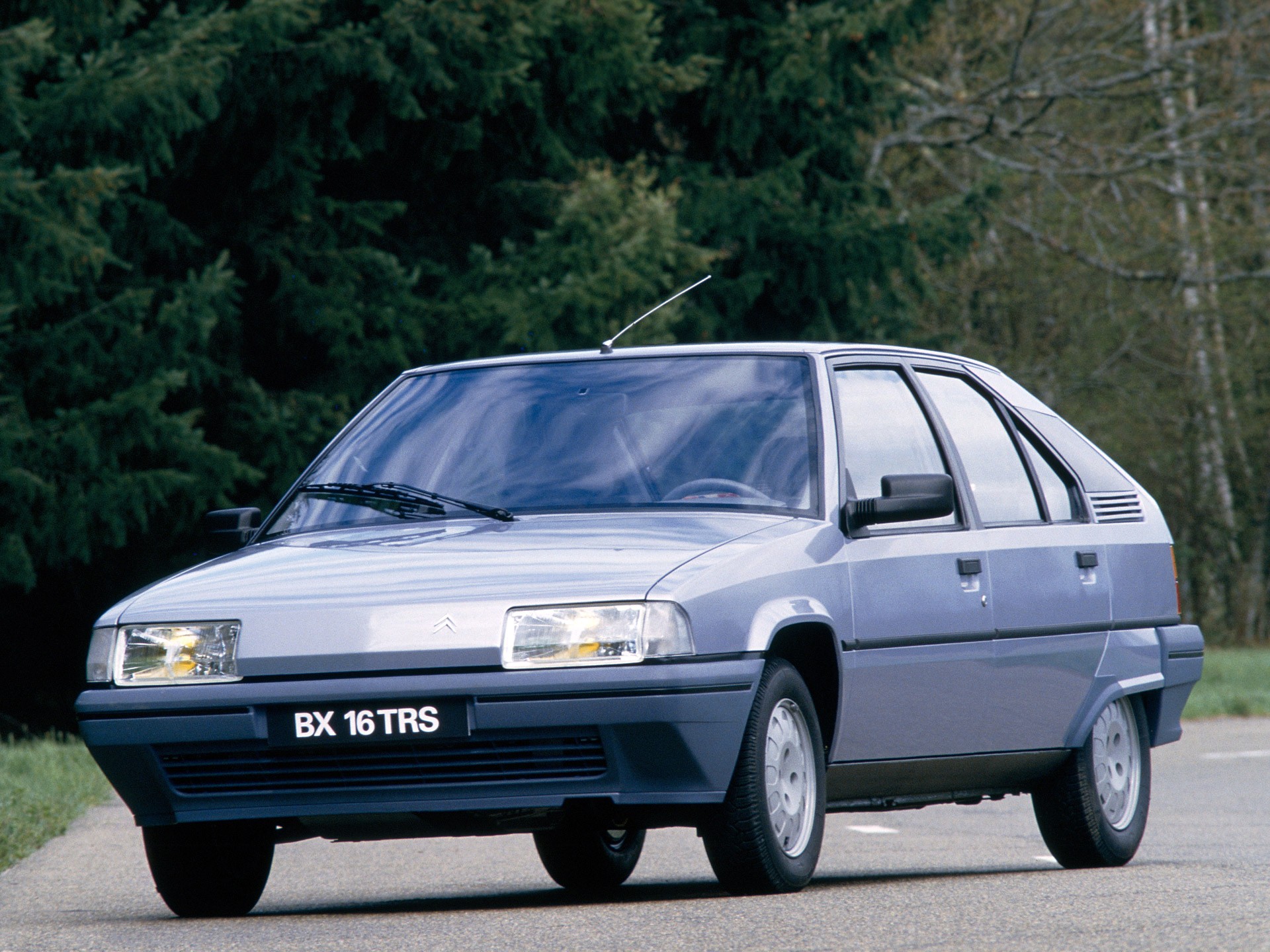
In July 1986, the BX underwent the most significant aesthetic changes of its production run. New models produced from that date onward (presented as 1987 models) were distinguished by their now-transparent (rather than orange) larger turn signals (reaching the height of the headlights), redesigned and more imposing bumpers (which some felt slightly weighed down the car’s silhouette), and new wheel covers.
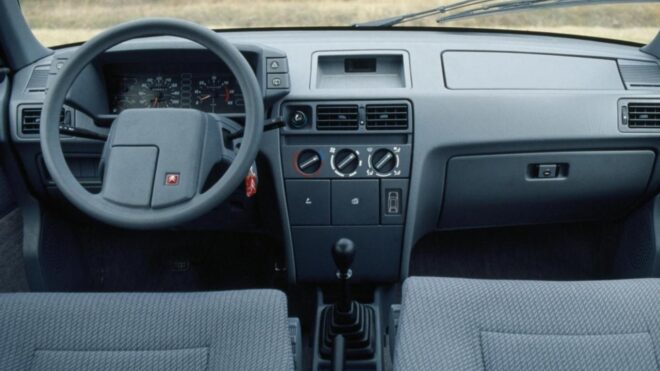
The interior also received several modifications to update it. The most significant change was the installation, across all versions, of a new dashboard, largely redesigned and adopting conventional controls and gauges.
Only the Sport version (whose production had already ceased but remained in the catalog for a few more months) retained the lines of the original version.
As for the other sporty BX models, the GT was renamed the 19 TRS and became somewhat more refined (at least aesthetically), while the successor to the BX Sport, the 19 GTI, appeared (which, as its name suggests, now adopted fuel injection, even though its power remained virtually identical to that of its predecessor).
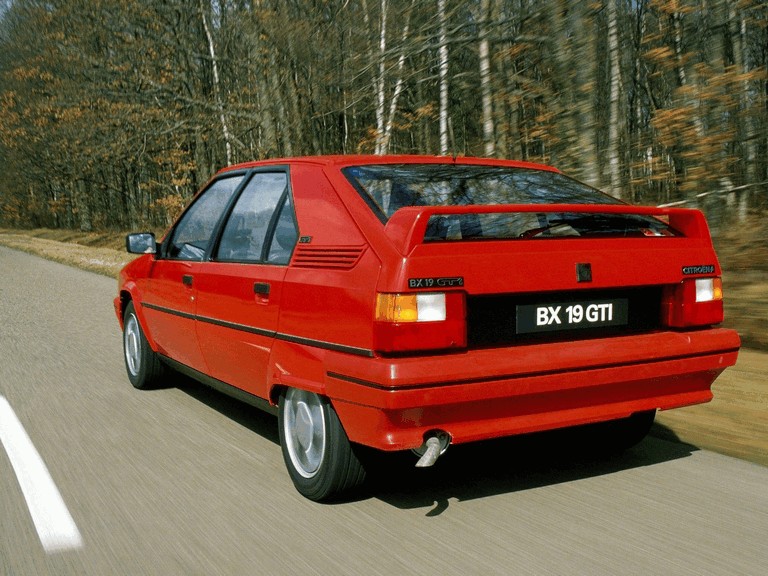
The range in this area expanded with the introduction of a new 16S version (not to be confused with the one that would follow), characterized by a rather basic presentation and equipment. At the other end of the spectrum, budget-conscious buyers mindful of every penny spent on fuel were offered the BX D. However, its engine power was as low as its fuel consumption, producing a paltry 60 horsepower.
Regarding safety equipment, while the BX caught up (at least initially, in its more powerful versions) with the option of ABS braking, Citroën took some time to fully master this technology. The first BX models equipped with ABS often suffered from initial development issues.
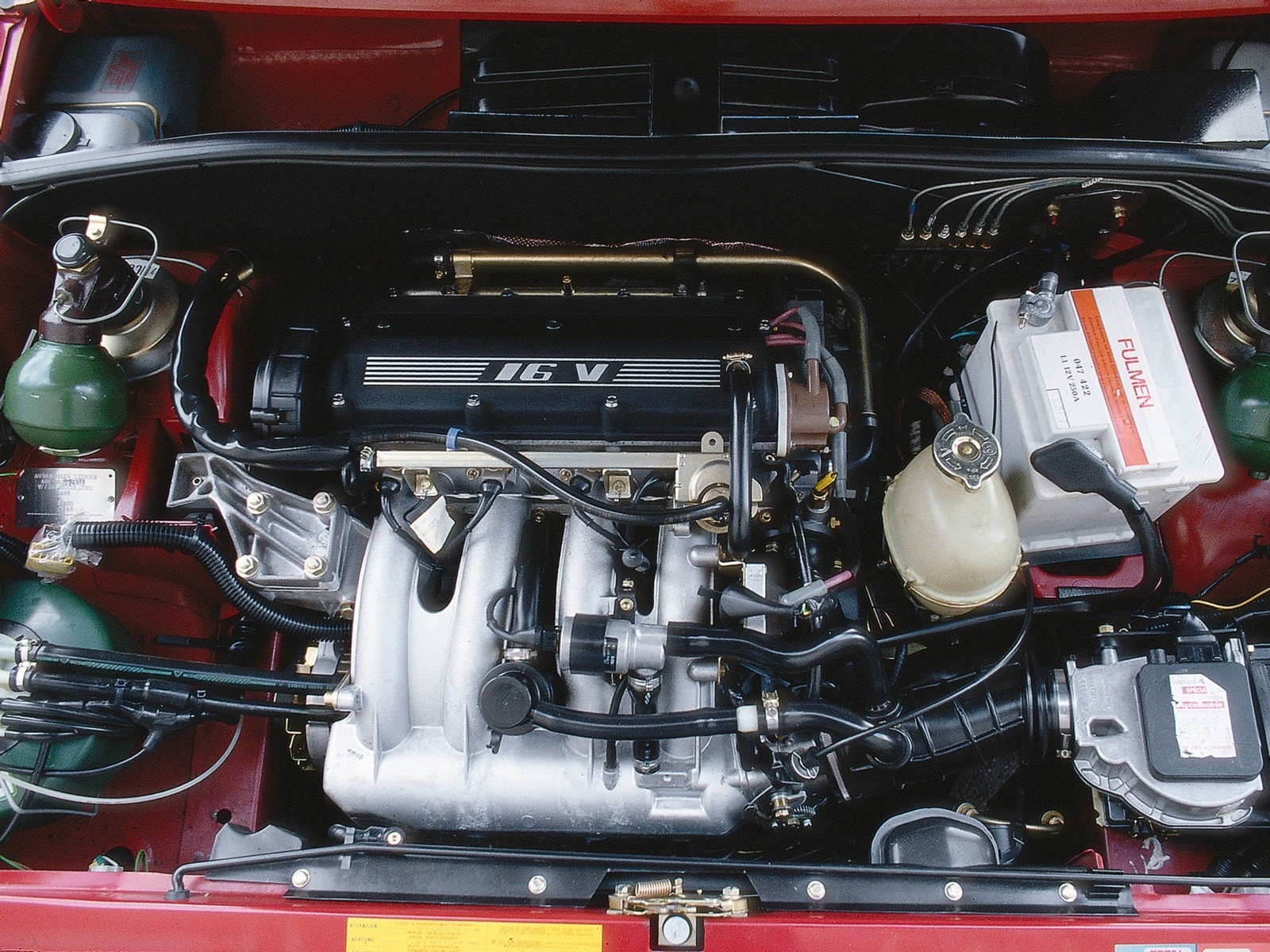
In the second half of the 1980s, the turbocharger remained the simplest and most effective solution for boosting engine performance (especially when the engine wasn’t originally designed for sports cars, as was the case with Renault’s cast-iron Cléon engine, to take a rather illustrative example). Another technique, multi-valve engines, emerged and quickly gained popularity, eventually supplanting the turbocharger (at least in certain categories, particularly GTIs and family sedans). Within French production, the Citroën BX was the first model (along with its Peugeot cousin, the 405) to benefit from this technology, with the 16-valve version introduced in 1988. Its engine featured a cylinder head derived from that of the Peugeot 205 Turbo 16, which had distinguished itself in rallying within the (now defunct) Group B and subsequently in “exotic” competitions such as the Paris-Dakar Rally and Pikes Peak.
Although the BX 19 GTI 16V remained the most powerful BX, delivering 160 horsepower, it never truly achieved universal acclaim among automotive journalists nor its target market. Many found its suspension too stiff or harsh, and its brakes had an “on/off” function that required utmost finesse. Not to mention the soundproofing, which (like the overall finish) remained rather “lightweight.” This, however, allowed it to maintain a “featherweight” status for a car in its class, guaranteeing excellent acceleration performance of 0-100 km/h in under 7.5 seconds and a top speed approaching 220 km/h.
Regarding the diesel-powered BX, the entry-level naturally aspirated version benefited from a significant power increase, rising to 71 hp in the summer of 1987. The range was further expanded in March 1988 with the new RD and TRD Turbo versions, which, with a 90 hp engine, boasted much more responsive handling and a very good performance-to-fuel-consumption ratio.
Initially reserved for the top-of-the-range 16-valve version, the in-house ABS system (which Citroën engineers finally managed to perfect) was now available as an option on the TRS and TRD versions. The station wagon also gained horsepower, offered in the TRI version (which benefited from the GTI engine), while at the other end of the range, the base and 14 versions (with the 1.4-liter engine) received the modern XU four-cylinder engine (identical to the one already fitted to the Citroën AX), an improved version of which would also equip the 1.6-liter version. The “true” 16-valve model benefited in March 1989 from further aesthetic updates, giving it a more aggressive look and revised suspension to improve comfort for its occupants.
One of the trends among European manufacturers at the end of the 80s was to offer four-wheel-drive versions of most compact and family sedan models—not to make them true off-roaders, but to optimize their road holding on difficult terrain (snow, rain, ice, or dirt). Citroën also capitalized on this trend, presenting the BX 4×4 at the Paris Motor Show in October 1988 (though its actual market launch didn’t occur until February of the following year). Equipped with the engine from the 19 TRS (increased to 107 horsepower), it was hardly distinguishable from the outside, except for the stickers applied to the upper sides (above the side moldings), where “4×4” appeared below the mirrors. Technically, in addition to all-wheel drive, it also benefited (as an option) from an ABS/Torsen system on the rear wheels. The performance of this first all-wheel-drive BX was considered a little too “limited” by some testers and customers. To broaden the appeal of four-wheel drive, Citroën introduced a new GTI 4×4 version in July 1989.
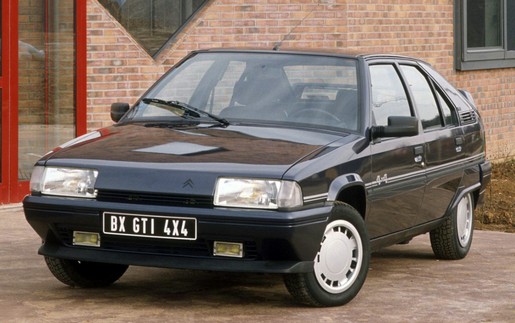
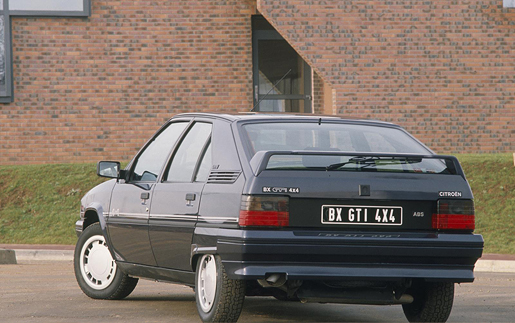
An all-wheel-drive version was offered from October 1990 with a diesel engine (which, with only 71 hp, would quickly reveal its limitations off-road).
In November of that same year, the BX underwent what would be the third (but also the last) facelift of its production run. The “smoked” taillights (black at the top and red at the bottom), already fitted to the sporty 16-valve model, became standard across the entire range (although this change applied only to the sedan; the station wagons retained the vertical orange and red taillights they had since their launch). The front and rear bumpers received larger protrusions, along with new side moldings and wheel trims. The catalog was expanded with a new 19 TGS version, and the various existing BX models benefited from improved soundproofing.
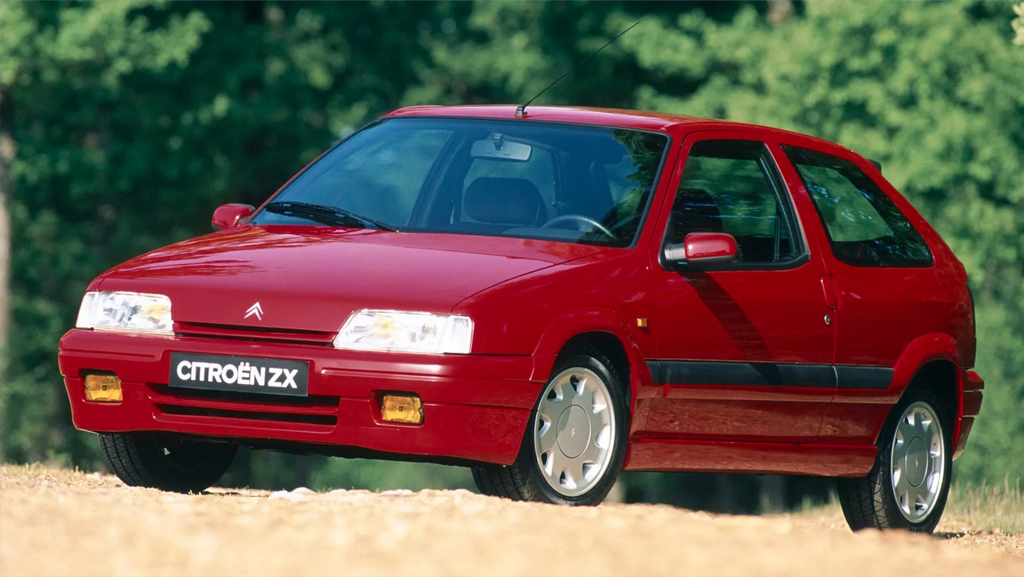
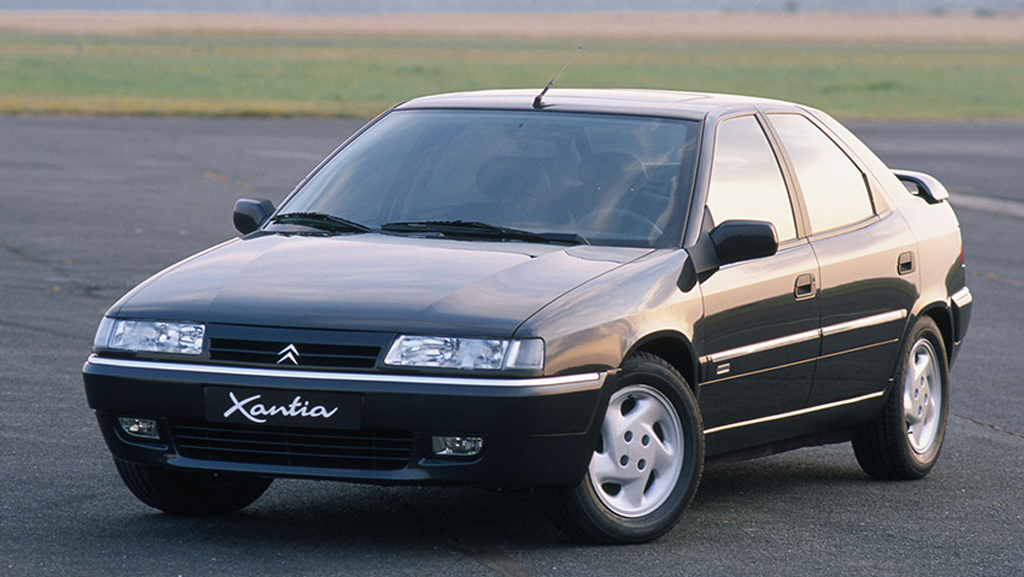
As the 1990s dawned, the angular silhouette of the BX began to show its age, at a time when many designers and manufacturers were increasingly rounding off the corners (literally) on their new models. With the emergence of what some would later call “bio-design,” and the BX forced to extend its lifespan, the design of its future replacements was underway. PSA decided that the BX would be replaced within the Citroën range not by one, but by two distinct models: the future ZX and Xantia.
To remain competitive against a revitalized market (from its “cousin” Peugeot, rival Renault, and foreign manufacturers), Citroën decided to give the BX a facelift that unfortunately resulted in a somewhat “casual” finish (particularly concerning the dashboard, where all sorts of rattles and squeaks were common in cars fresh off the assembly line). The automotive press and owners were quick to point out many issues. Many competitors (especially those from Germany) boasted significantly superior finishes (in terms of both the materials used and the assembly of the bodywork, exterior trim, and interior). The BX was unable to reach the build-quality level of a BMW 3 Series or a Mercedes 190.
The arrival of the new ZX in March 1991, (intended to replace the BX in its entry-level versions and to compete directly with more compact models, such as the Volkswagen Golf), marked the beginning of the end for the BX’s career. Even though its direct successor, the Xantia, wouldn’t appear for another two years, the BX range gradually shrank. The first to be discontinued was the 14 version (1.4L) in July (excluding the base model, which had already been removed from the catalog two years earlier). To comply with new European emission standards, the last BX models produced from July 1992 onward were fitted with a catalytic converter.
Citroën needed all available space on its assembly lines to set up production for the new Xantia (which would be unveiled in March 1993), so in January of that year, it was decided to transfer production of the last BX sedans to Heuliez. Several new special editions emerged during its final years of production (including the Ourane and the Cottage, which was only offered on the station wagon).
After eleven years of faithful service and just over 2,337,000 units produced (all versions combined), the Citroën BX finally left the scene in November 1993 as a success in Citroën’s PSA era history.
This is an excellent article. Many thanks to the author for the insightful work.