
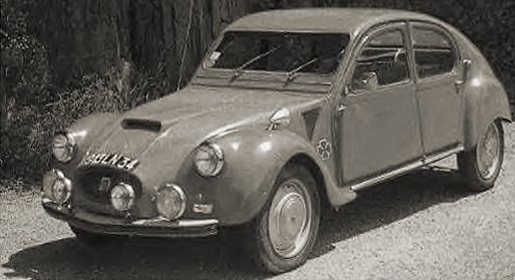
The 2CV Dagonet was not an official Citroën model or factory special edition. Rather it was a highly modified 2CV created in France by Jean Dagonet, a former miller from Faverolles-et-Coëmy.
Dagonet began developing the car in 1952, when he was reportedly 63. His aim was to overcome the standard 2CV’s modest performance and turn it into a lighter, faster sporting car.
The original 2CV used a 375 cc flat-twin engine. Dagonet enlarged it first to approximately 425 cc, and later to 435 cc, before Citroën adopted engines of similar capacity in its own production cars.
Their low weight, improved engine, and revised suspension made them surprisingly capable against larger and more powerful cars. His modifications included:
- Special aluminum cylinders
- Modified intake and exhaust systems
- Larger or twin-barrel carburetion
- Twin 6-volt batteries
- An electric fuel pump
- Glaenzer constant-velocity joints
- Koni shock absorbers
- Removal of the standard centrifugal clutch
- Larger wheels and tires
The resulting cars were substantially quicker than ordinary 2CVs. Later versions were reported to reach roughly 110 km/h, compared with around 65 km/h for an early standard 2CV.
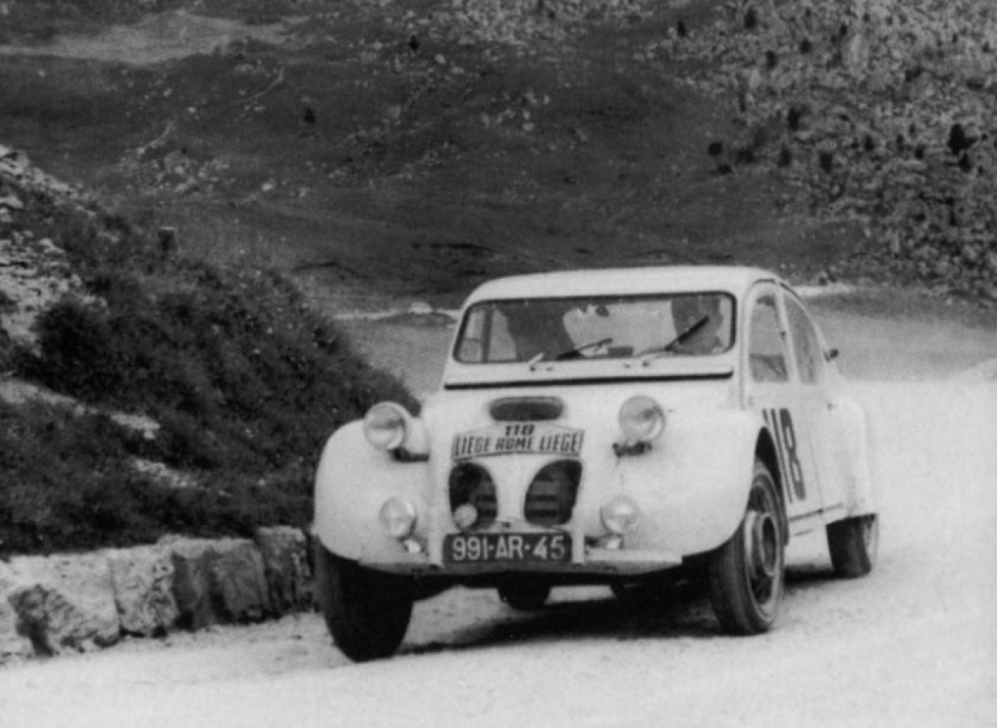
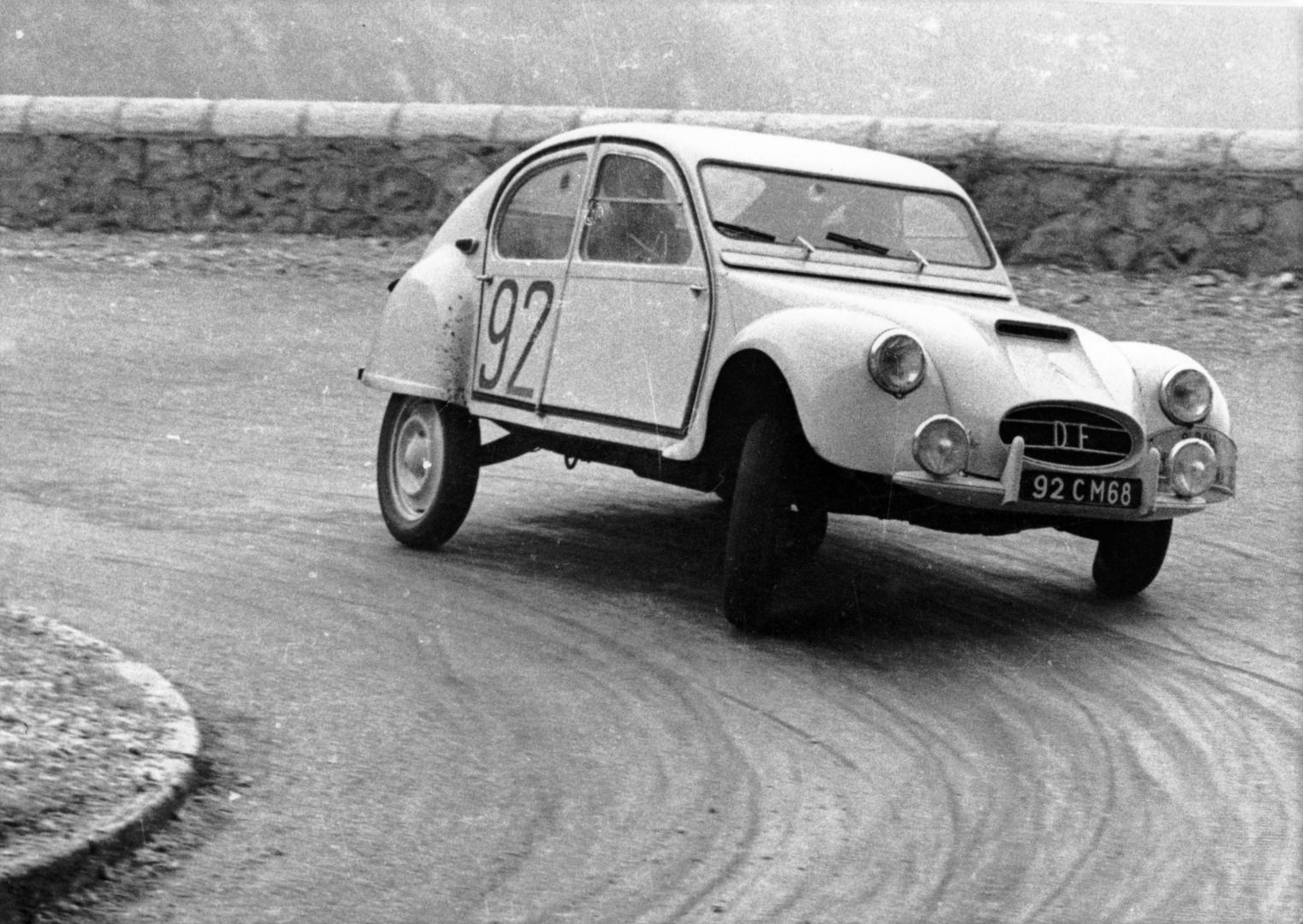
The conversion was extremely expensive. In 1955, a Dagonet transformation reportedly cost about 366,000 French francs, compared with approximately 120,000 francs for a new standard 2CV. This limited demand considerably.
Only a small number were built. Estimates commonly put total Dagonet production at approximately 50 cars, although the exact figure is uncertain.
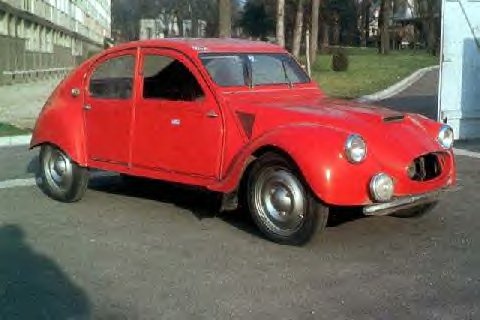
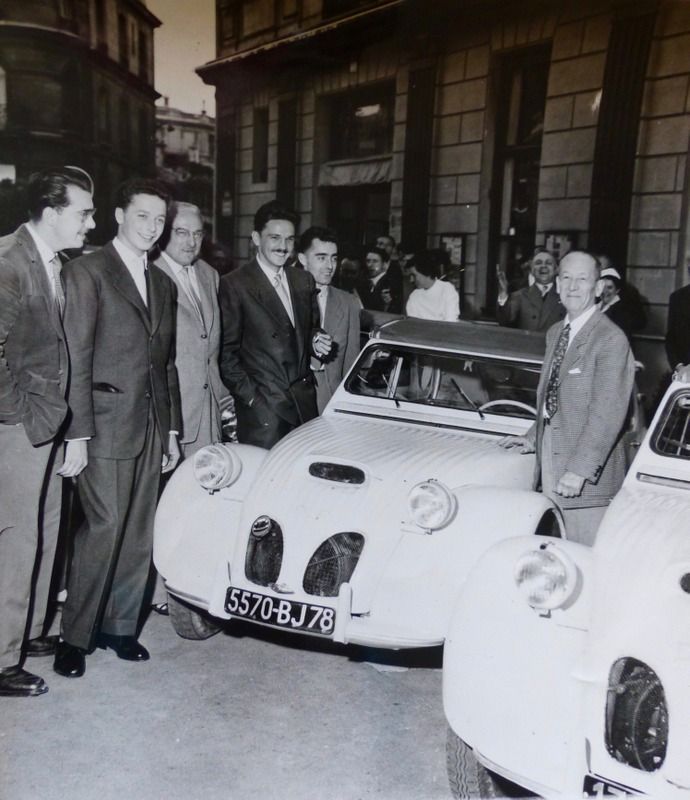
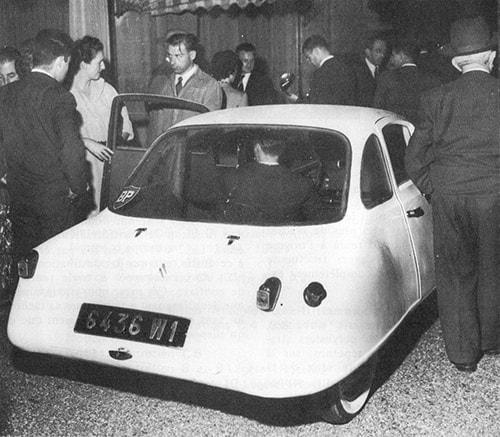
From 1953 to 1958, Dagonet progressively redesigned the 2CV’s body. Early cars used modified original panels: the roof was lowered, the windscreen angle altered, and the bonnet, wings, and grille reshaped.
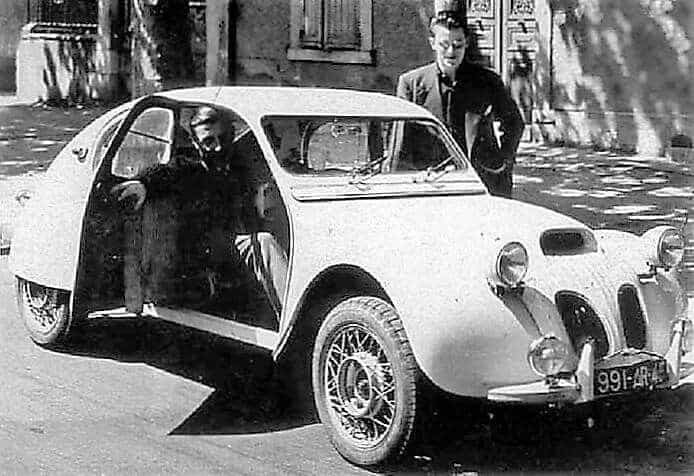
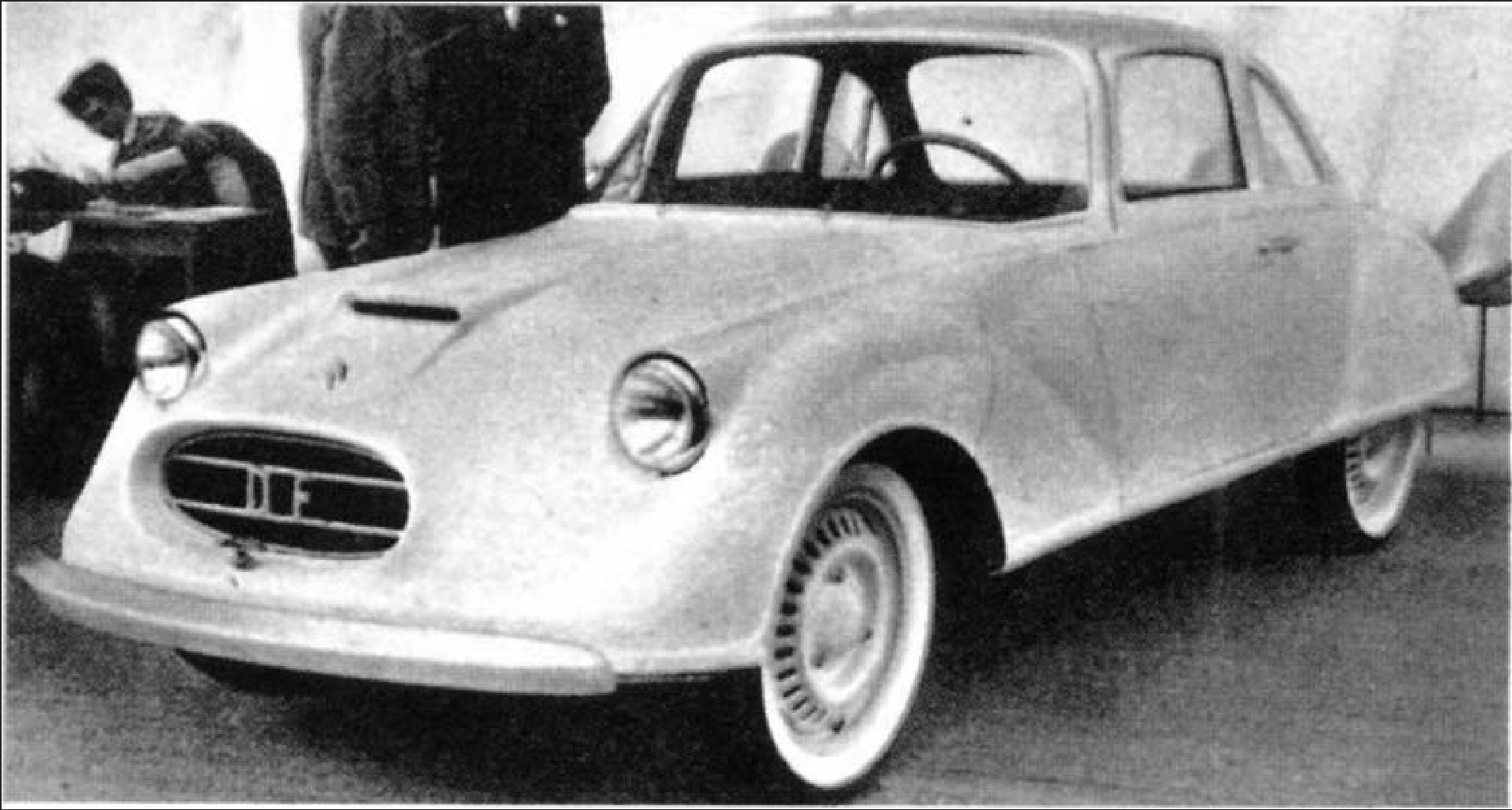
Later versions used extensive fiberglass bodywork, reducing weight and creating a much sportier appearance. Different cars received different treatments, including:
- Headlamps integrated into the front wings
- Raised or twin-intake bonnets
- Oval grilles
- Panhard-influenced front-end styling
- Lowered roofs and altered rear bodywork
The most extensively redesigned version was sold as the Dagonet “Marie-France.” The name was one of several given to successive developments, reportedly using the first names of Dagonet’s daughters.
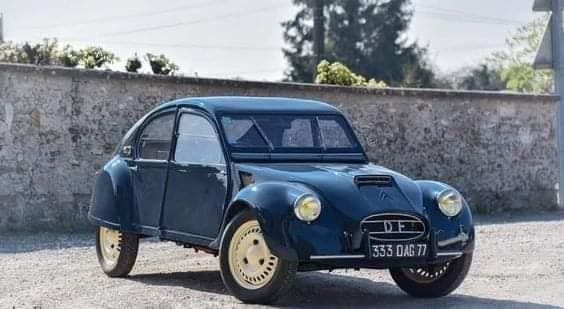
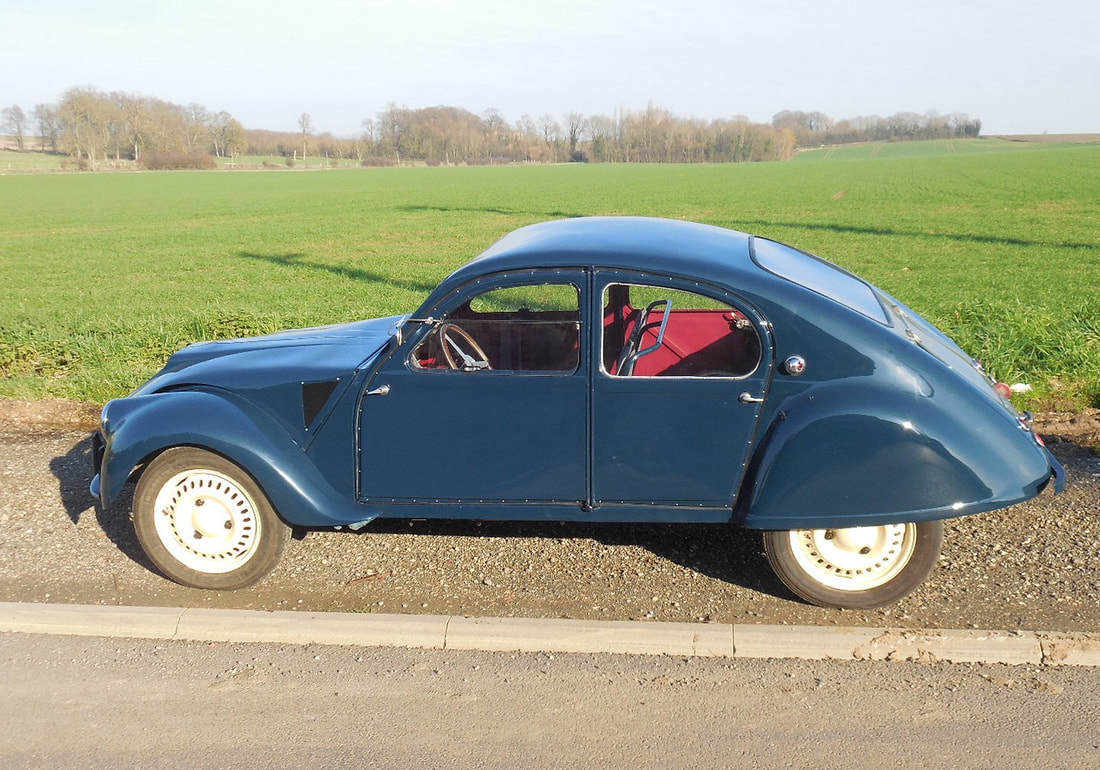
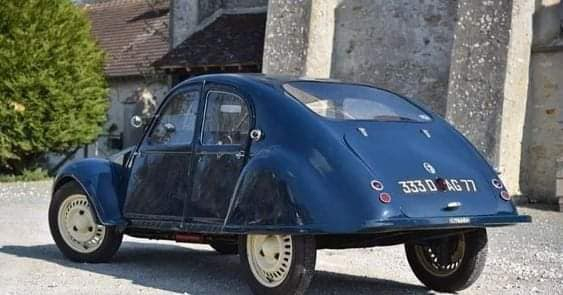
Dagonet’s cars were intended for competition as well as road use. They became known as the “Sorcerer of Faverolles”—the Sorcier de Faverolles—for transforming the basic rural 2CV into a small sports and racing car. Dagonet’s cars appeared in events including:
- The Bol d’Or
- The Mille Miglia
- The Liège–Rome–Liège
- The Rallye des Tulipes
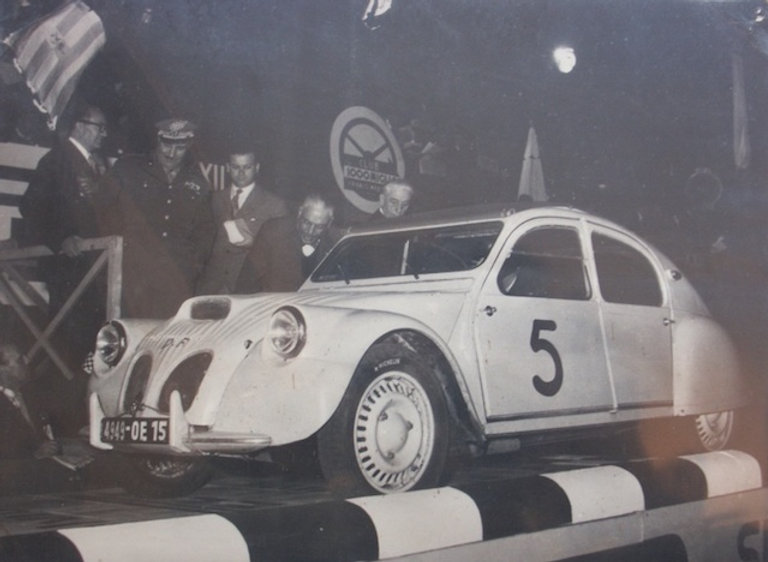
Today, the Dagonet is regarded as one of the rarest and most unusual 2CV derivatives: part coach-built special, part tuning project, and part racing car. Its importance lies in showing how enthusiast engineers could extract sporting potential from one of the most utilitarian cars ever made.
Excellent article (as always!). How many Dagonets are still known to exist?