
Citroën M35 — The Beginnings of the Rotor within the Chevrons
by Thomas Urban….
Despite the patriotic fervour of most French automotive press toward advantages the DS offered, they did not hesitate to point out a flaw in Citroën’s flagship model since its introduction in 1955. The one drawback was that, unlike the rest of its technical specifications, its engine was neither revolutionary nor even particularly modern for its time, as it simply recycled the good old inline four-cylinder designed in 1934 by engineer Maurice Sainturat for the Traction Avant. Thanks to the work undertaken by André Lefèbvre and his team, Citroën engineers gave it welcome upgrades, helping somewhat for it to remain competitive with most of its rivals. However, it was clear to both engineering and management that the career of this venerable engine could not continue indefinitely. The DS, as well as future new models in the Citroën catalog, would need to benefit from a new, more modern engine design.
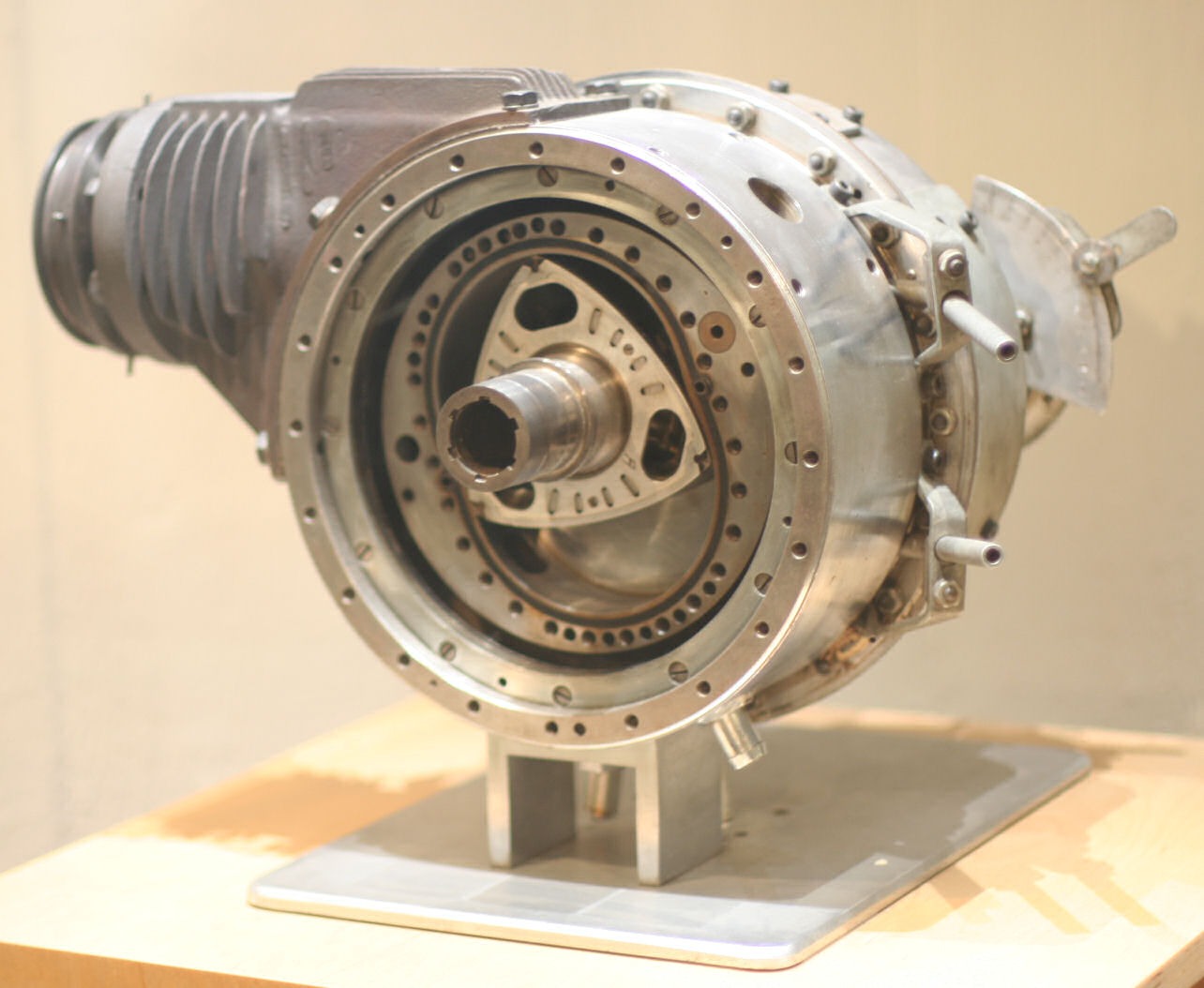
For an engine as advanced as the rest of DS, Citroën became intrigued with a rotary design. While NSU was indeed the first manufacturer to mass-produce the rotary engine, initially for its motorcycles before extending its application to its cars, Citroën, for its part, did not wait for its collaboration with the German manufacturer to engineer this type of engine. The first work carried out in this area by Citroën engineers focused on a two-stroke engine, but introduced several important differences compared to the principle developed by Felix Wankel. This was to not only prove that Citroën engineers possessed sufficient skills to avoid simply “copying” others, but also, and perhaps primarily, to circumvent the patent filed by engineer Wankel, which had been purchased by NSU, thus allowing Citroën to avoid paying royalties to the Neckarsulm-based company.
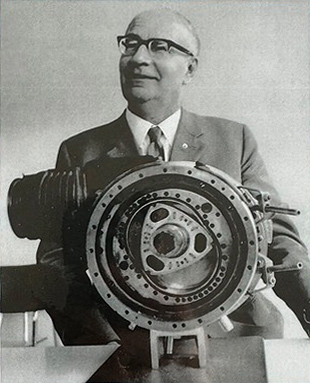
While both manufacturers felt there was great potential for the rotary engine, both in terms of technical performance and commercial viability, to mitigate technical development, especially with a view to large-scale production, Citroën took a pragmatic approach to this future market ultimately becoming convinced that, rather than a direct confrontation with NSU, it was more logical to share development costs by forming an alliance with them.
The first step in this association took place in 1964 with the founding of the Comobil company, followed three years later, in 1967, by the creation of another joint venture, named Comotor (European Company for the Construction of Automotive Engines). While its headquarters were located in the Grand Duchy of Luxembourg (perhaps due to the very favorable tax regime of this small state, nestled between France, Germany, and Belgium), the site chosen in 1969 for the construction of the future factory was in Altforweiler, Saarland, Germany, near the French border. However, it wasn’t until 1972 that the factory was built, and in June of the following year, no less than six years after the creation of this new company, the site was officially inaugurated.
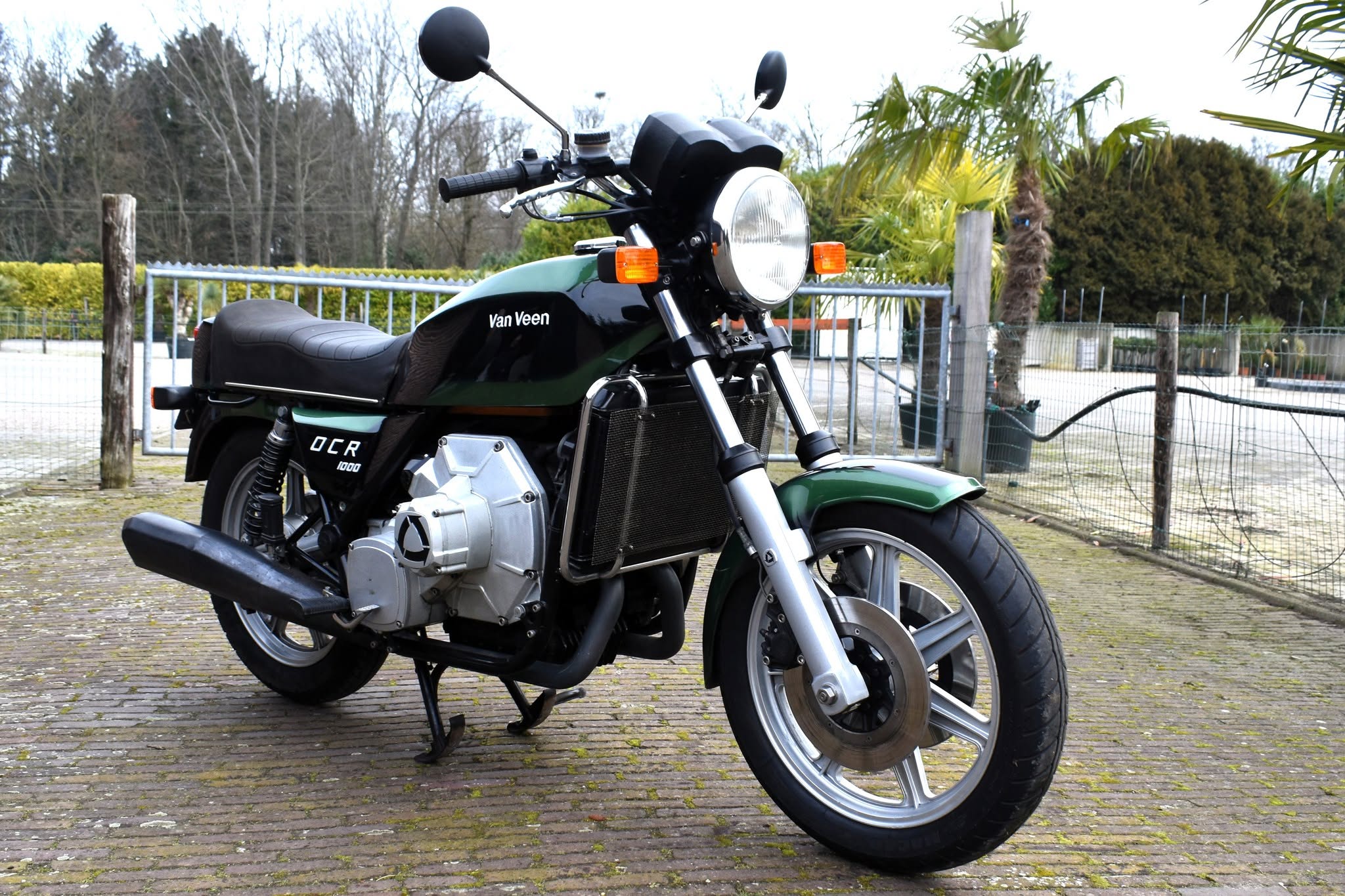
At its inception, both Citroën and NSU planned to produce around one hundred engines per day once the factory was completed and operational. Driven by their ambitions and their belief that the prosperity of the Trente Glorieuses (Thirty Glorious Years) would continue for a long time, expansion projects with new buildings were even considered, aiming to eventually reach a daily production capacity of several thousand engines of all types to power the models of both manufacturers. Even in its best days, however, the Saarland factory fell far short of such a pace, never managing to produce more than 18 engines per day! Ultimately, and contrary to the initial plans, the only engines it produced were, for cars, the Birotor type 624, intended for the Citroën GS and for motorcycles — the engine for the Van Veen motorcycle.
The latter was created by Hendrik “Henk” Van Veen, who imported Kreidler motorcycles from Germany into the Netherlands. In 1973, he announced his intention to produce a motorcycle equipped with a Wankel engine. Although his first creation, a Guzzi GT fitted with a Mazda rotary engine, proved far from convincing, at least aesthetically, (some observers didn’t hesitate to call it, quite bluntly, hideous), these criticisms did not deter the Dutch importer from persevering and presenting the prototype of the future Van Veen 1000 OCR the following year. It would be another three years, until 1978, before the first examples rolled off the assembly line at the factory established in Duderstadt, Germany. The gamble was all the more audacious given that, at that time, the Wankel engine was no longer truly “in vogue,” whether for cars or motorcycles. Sachs-Hercules and Suzuki had already abandoned the rotary engine. Unfortunately, despite its performance, which placed it among the best motorcycles of its era, it was sold at a far too high price: 90,000 francs (no less than three times the price of the most expensive BMW motorcycle), which made it at its launch the most expensive motorcycle in the world! Only 38 units in total were built before the company established by Van Veen disappeared in 1981. This made the Van Veen motorcycle the last vehicle equipped with an engine created by the Comotor company.
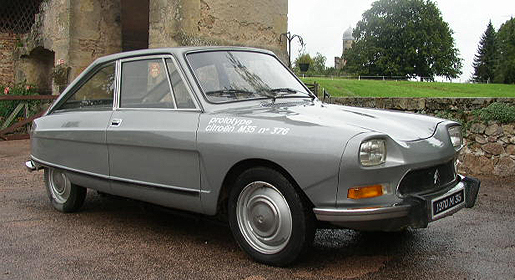
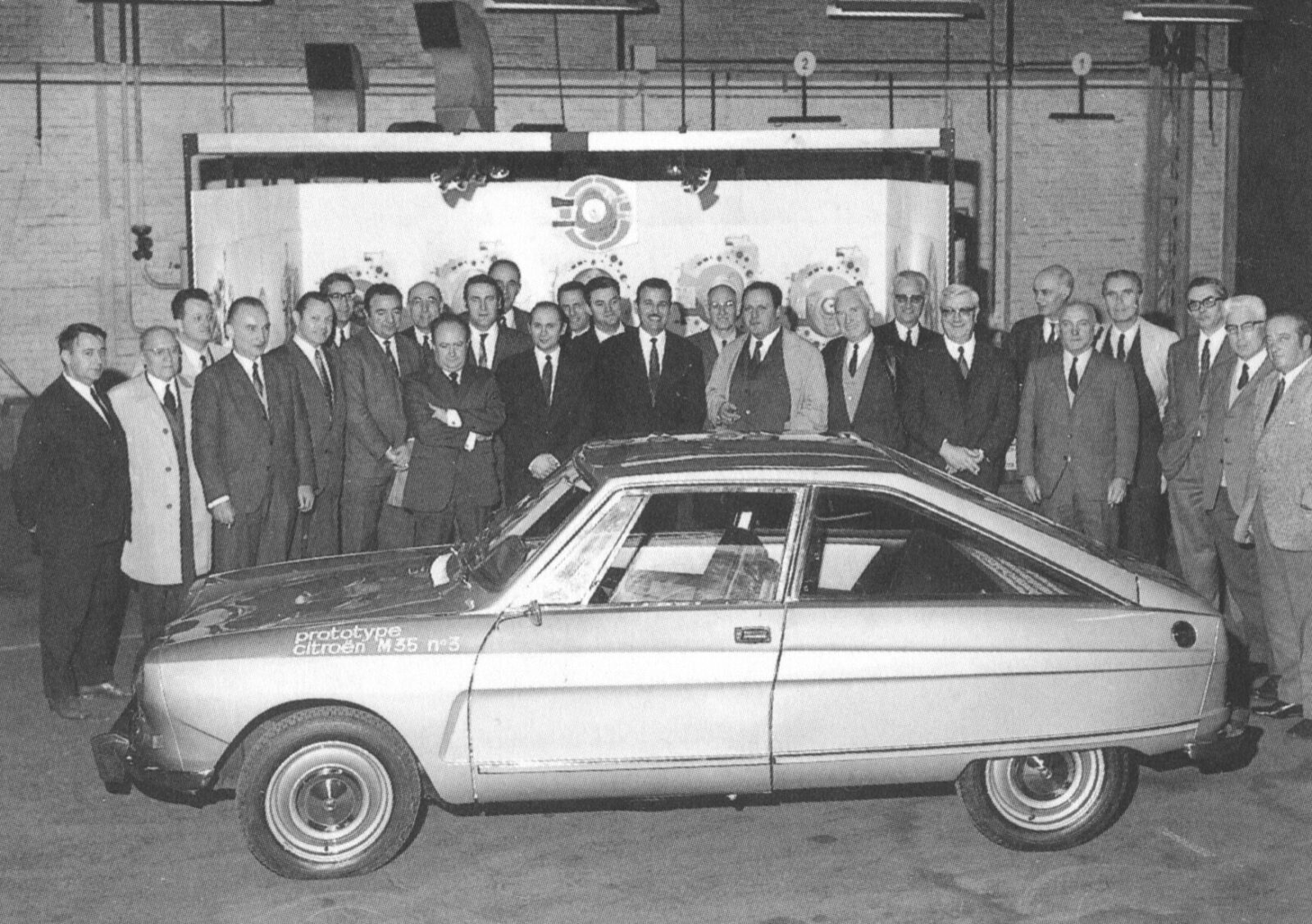
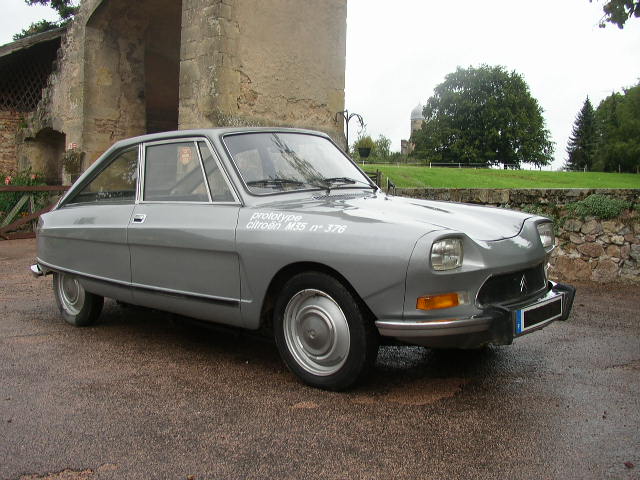
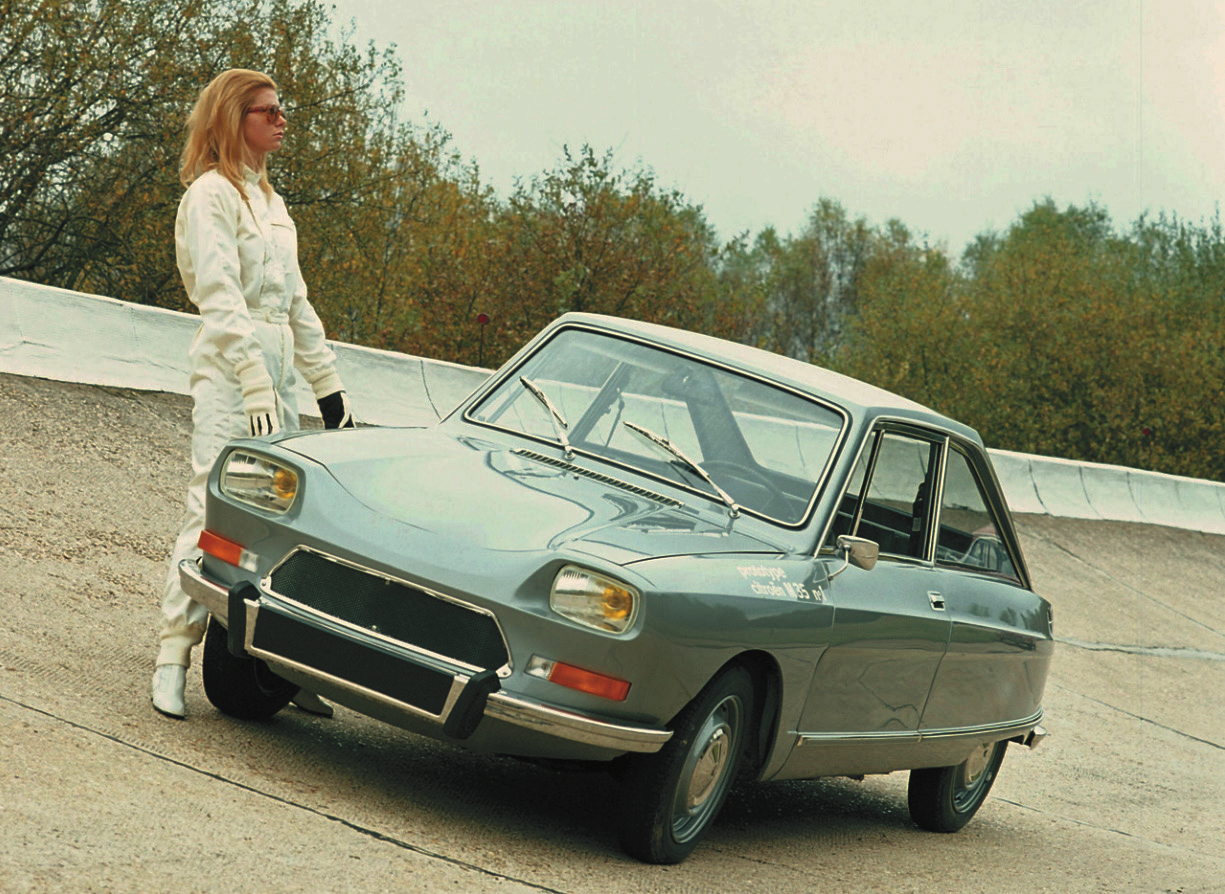
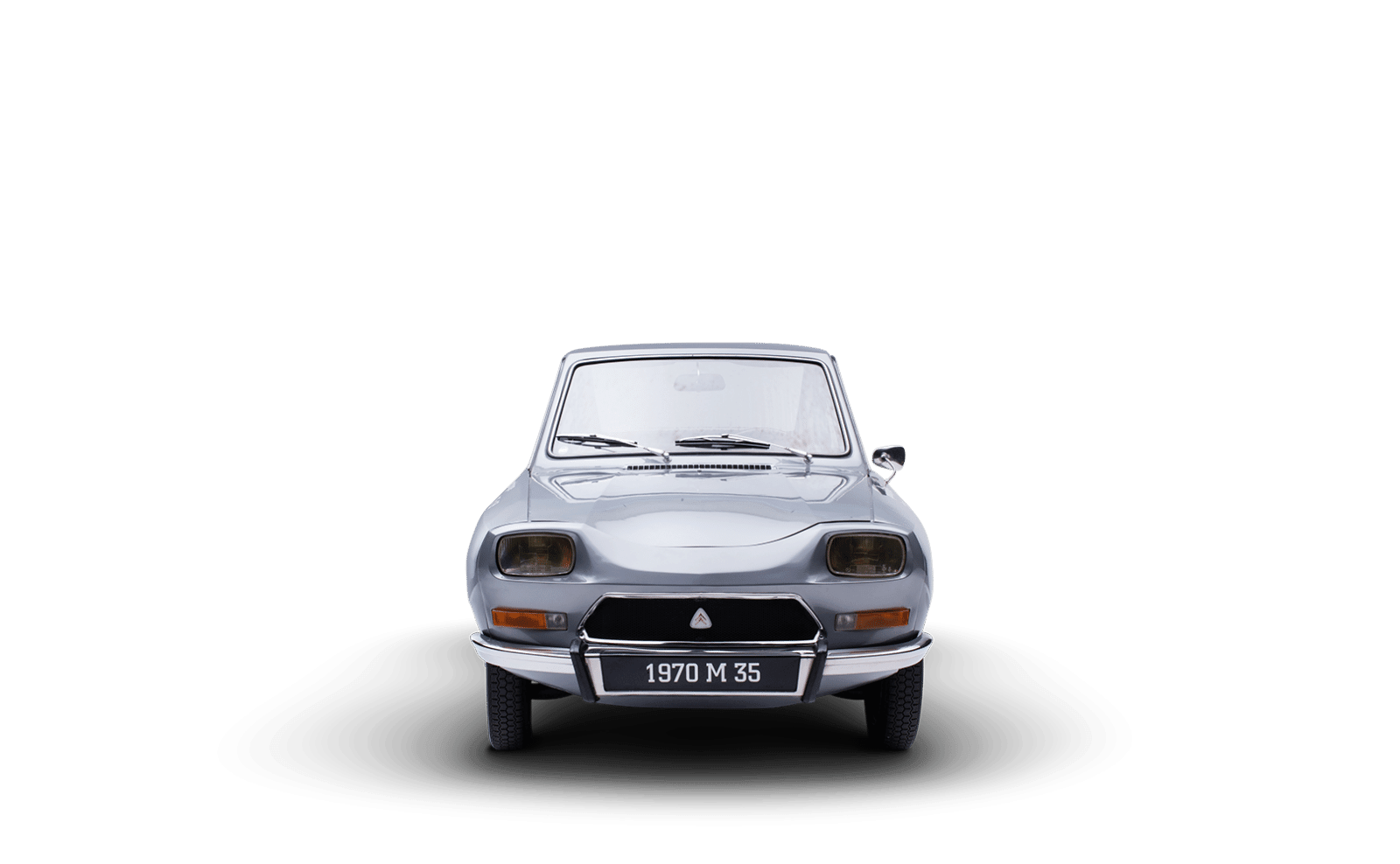
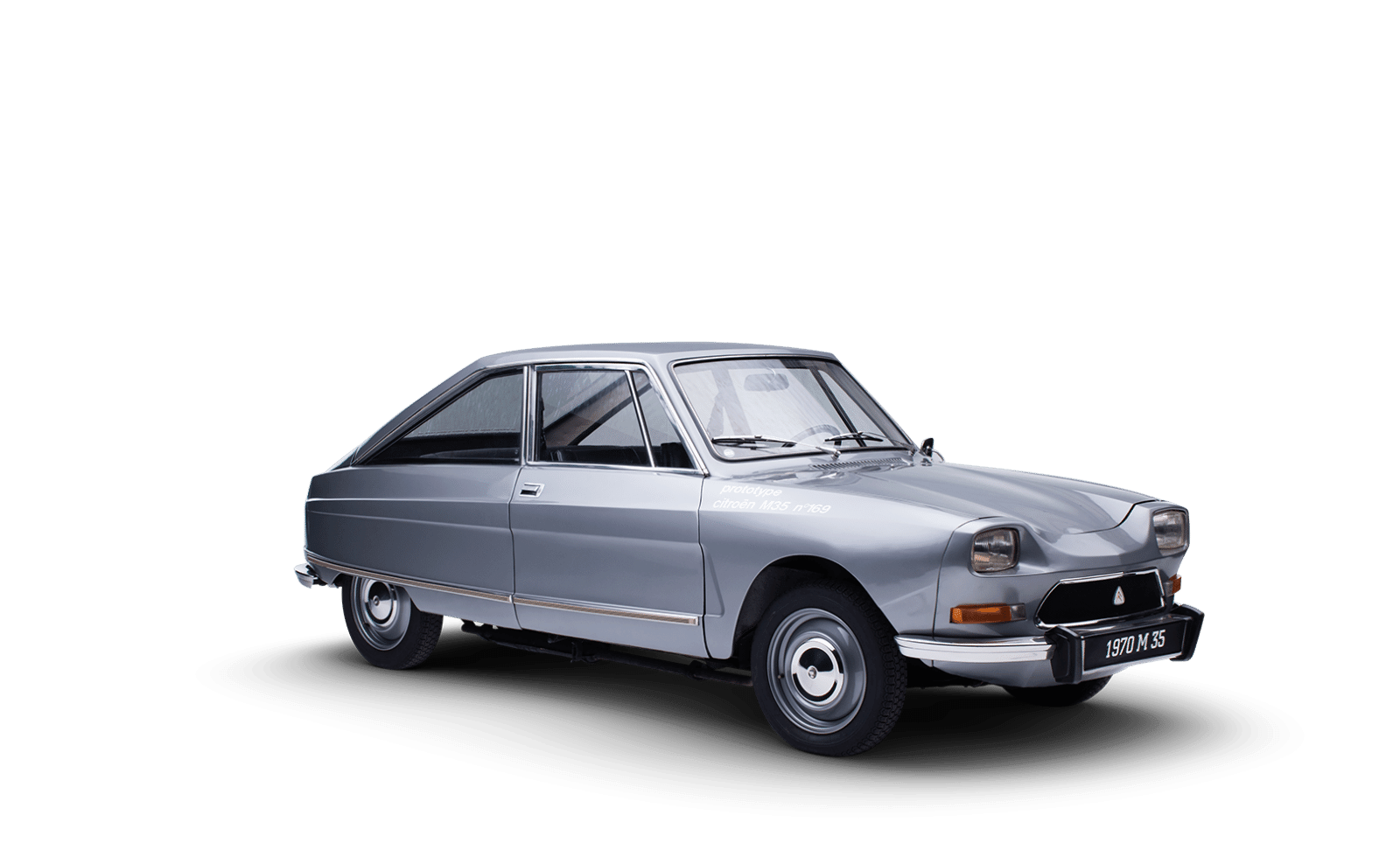
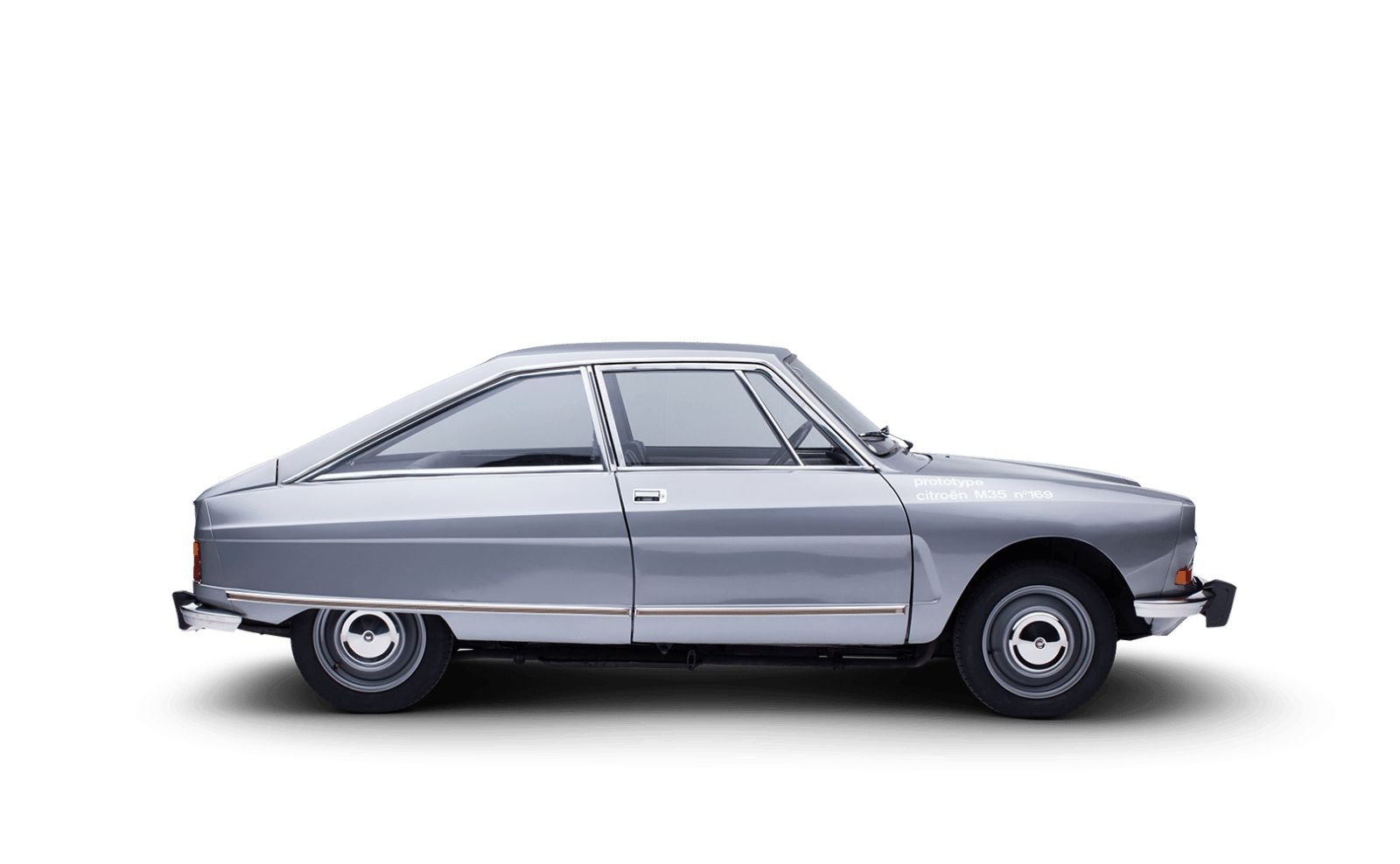
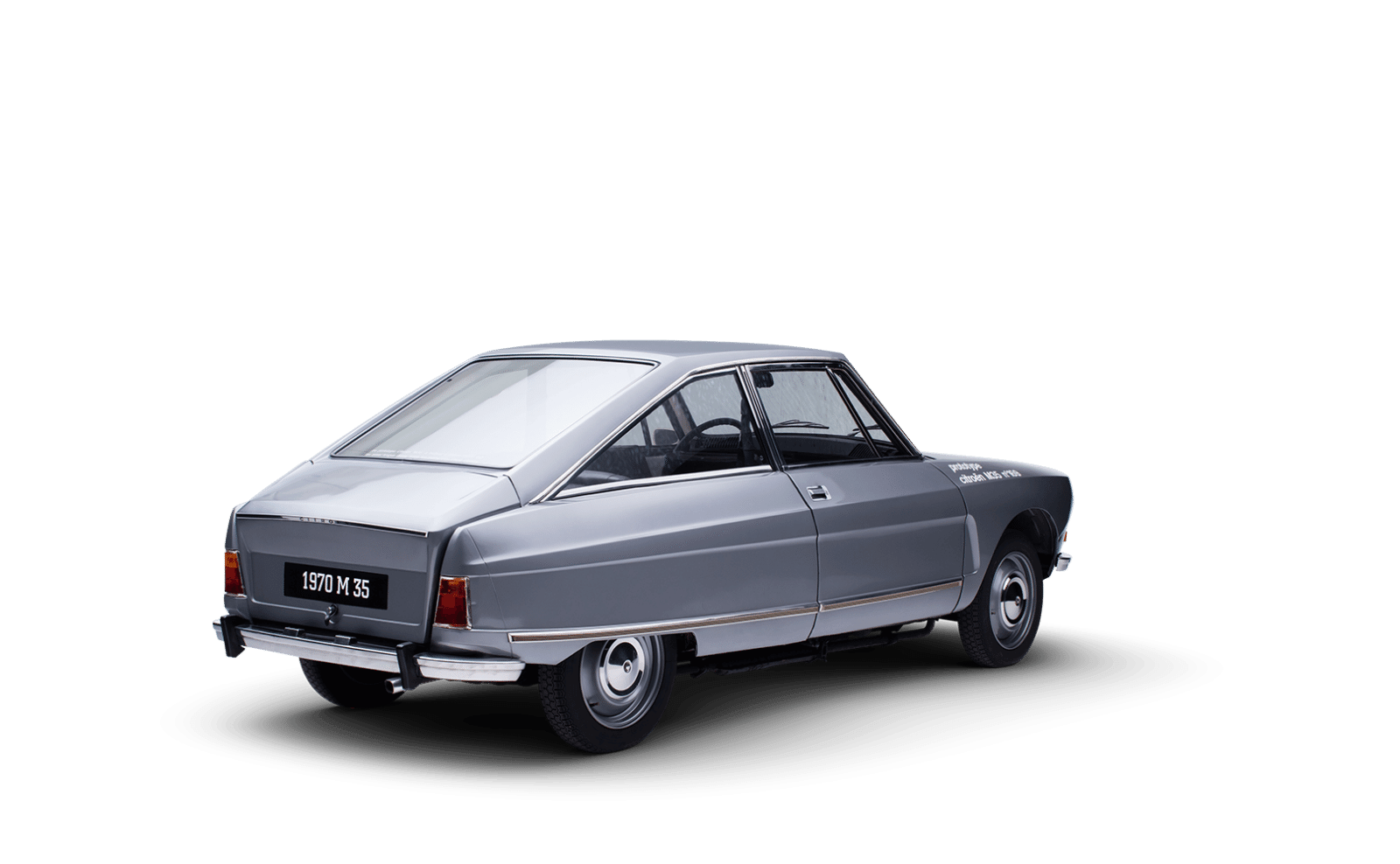
Returning to Citroën, it was at the end of November 1969 that the company officially unveiled the results of its work on the Wankel rotary engine, conducted jointly with NSU, in the form of the M35 prototype. This prototype was a three-door fastback coupé, its styling strongly reminiscent of the contemporary Ami 8.
This aesthetic resemblance was, of course, intentional, so that even without the Citroën name on the front wings, anyone seeing an M35 on the street or road could clearly identify it as a Citroën.
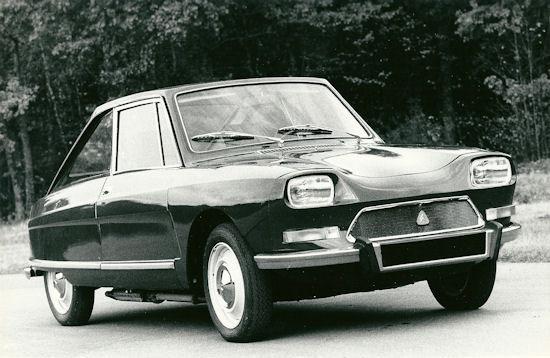
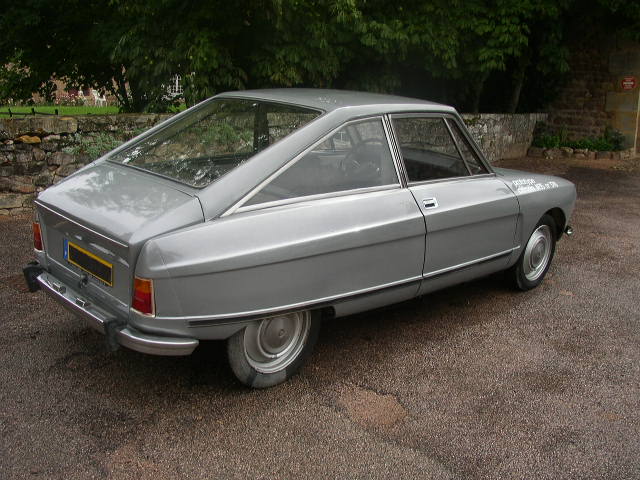
Another unmistakable feature that distinguished the M35 from a unique vehicle and highlighted its singular purpose was the inscription at the bottom of the rear window: “This Citroën M35 prototype with a rotary engine is undergoing long-term testing by a Citroën customer.” However, a number of elements, particularly the front “mask” (the panel encompassing the headlights, grille, and turn signals, thus forming the “face” of the car), the longer doors (to facilitate access to the rear seats), and the trunk lid, were specific to the M35.
While there was an aesthetic resemblance to the Ami 8, Citroën deemed it necessary to mention in the press release issued at the presentation of the M35 that — “This is a very limited series, presented in the one-off body of a coupé manufactured for this specific purpose and whose sole aim is to house the engine, the subject of this experiment. The body of the M35 in no way foreshadows that of a new model or the evolution of an existing one. It is a simple receptacle designed to facilitate the use of the rotary engine by customers.”
The assembly of the car’s body was entrusted to the industrial coachbuilder Heuliez at Cerizay, a long-standing partner of Citroën responsible for producing the bodies of commercial vehicles, family wagons and sport versions of the brand’s passenger models. Despite appearance to the Ami 8, the bodies shared few components apart from the front wings.
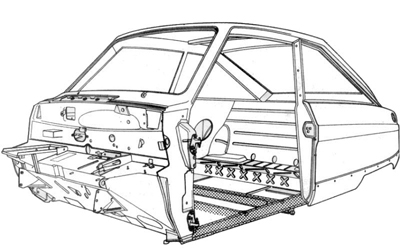
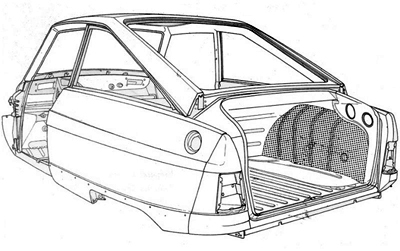
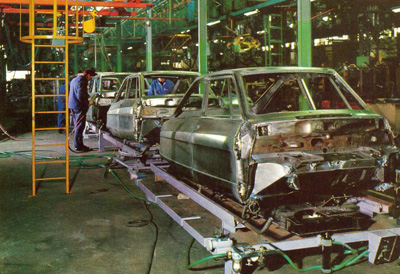
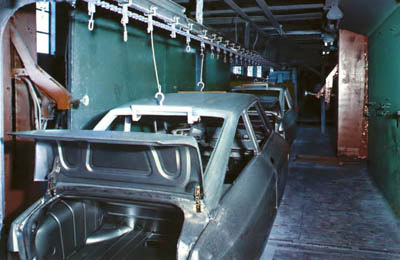
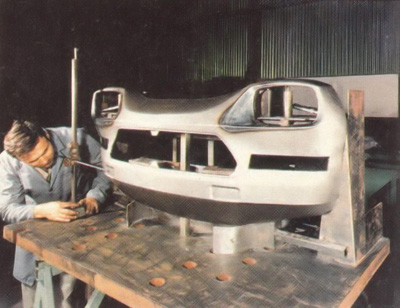
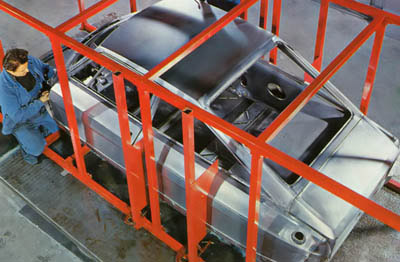
Once assembled, the bodies were delivered by truck to the Rennes-la-Janais factory in Brittany, where final assembly took place, including the engine and other mechanical components.
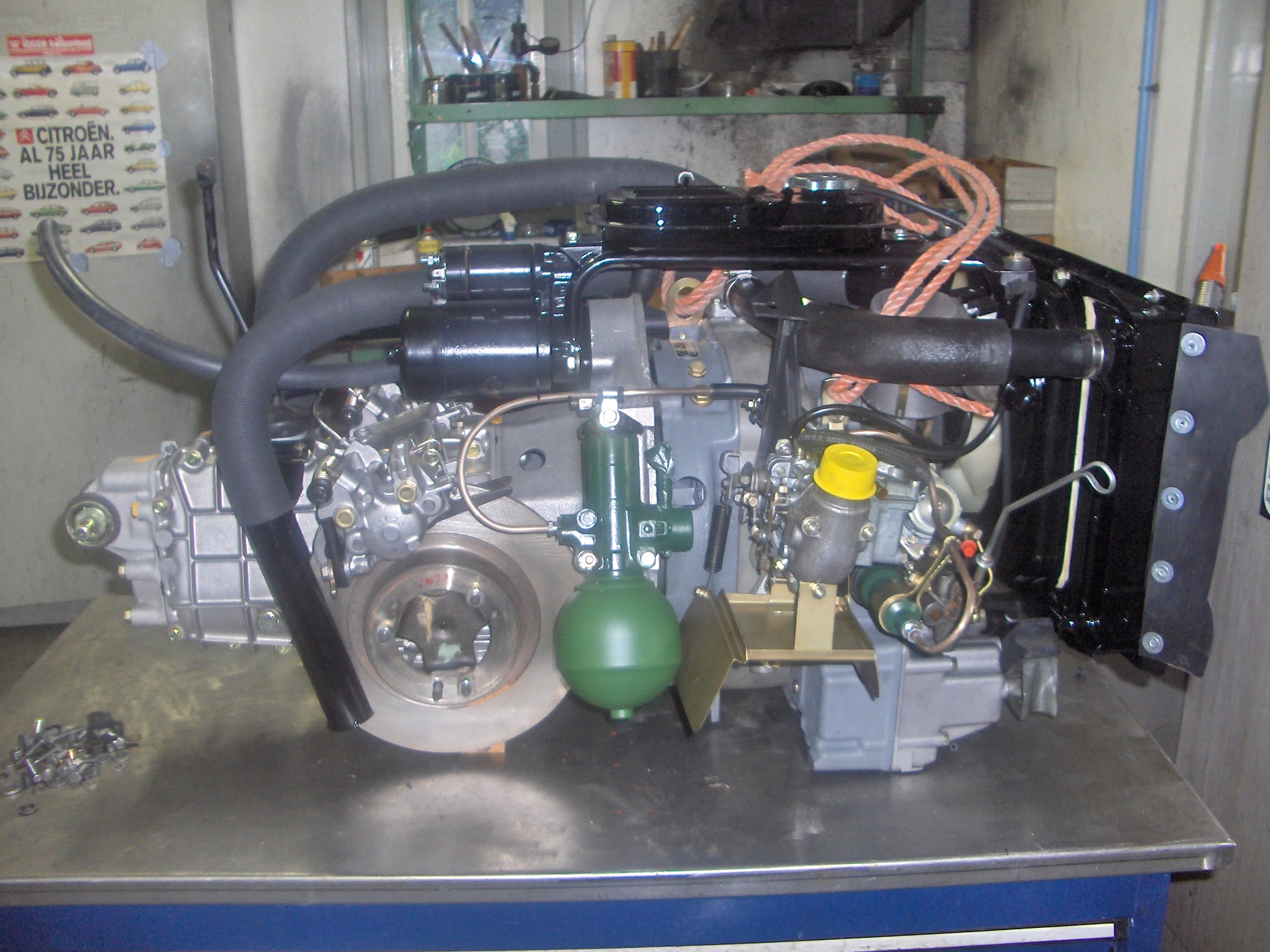
The engine of the M35 was a 407.5 cc single-rotor unit producing 49 horsepower, which clearly didn’t make it a speed demon. Even though the car’s total weight was only 815 kg unladen, this was still about 100 kg more than an Ami 8.
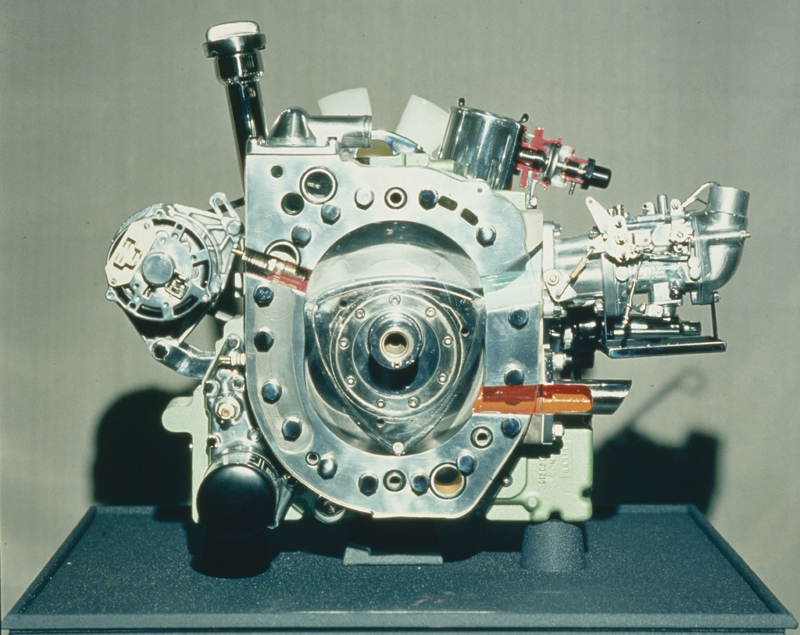
Given the avant-garde nature of this engine, heavily emphasized in the manufacturer’s advertising campaign, and even though its lines and size made it obvious that the M35 had no real sporting aspirations, a number of customers were disappointed when they discovered the performance figures listed on the prototype’s specifications sheet. Acceleration time from 0 to 100 km/h was 19 seconds, the standing-start quarter mile took 20.7 seconds.
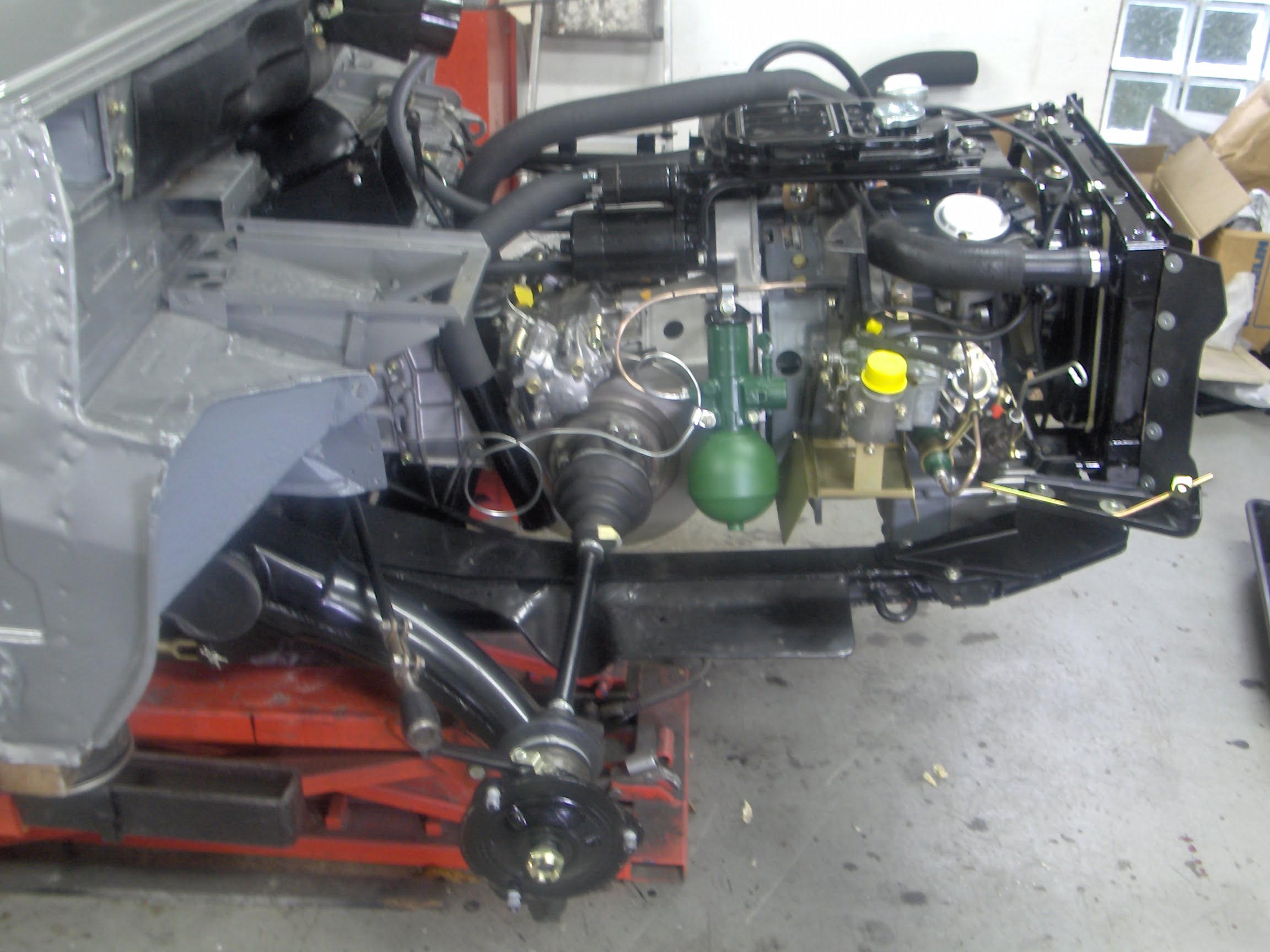
One of the features it shared with the Ami 8 was the engine cooling system, which, like the Ami 8 (as well as the 2CV and Dyane), was air-cooled.
A unique version of Citroen’s hydraulic suspension was developed for the M35. It had the push‑rod/arm suspension of the Ami 8 (2CV, Dyane, etc.) with an integrated but highly modified horizontal coil-sprung suspension where the spring motion was controlled by the damping action of a horizontally placed sphere on each of the four wheel’s suspension arms.
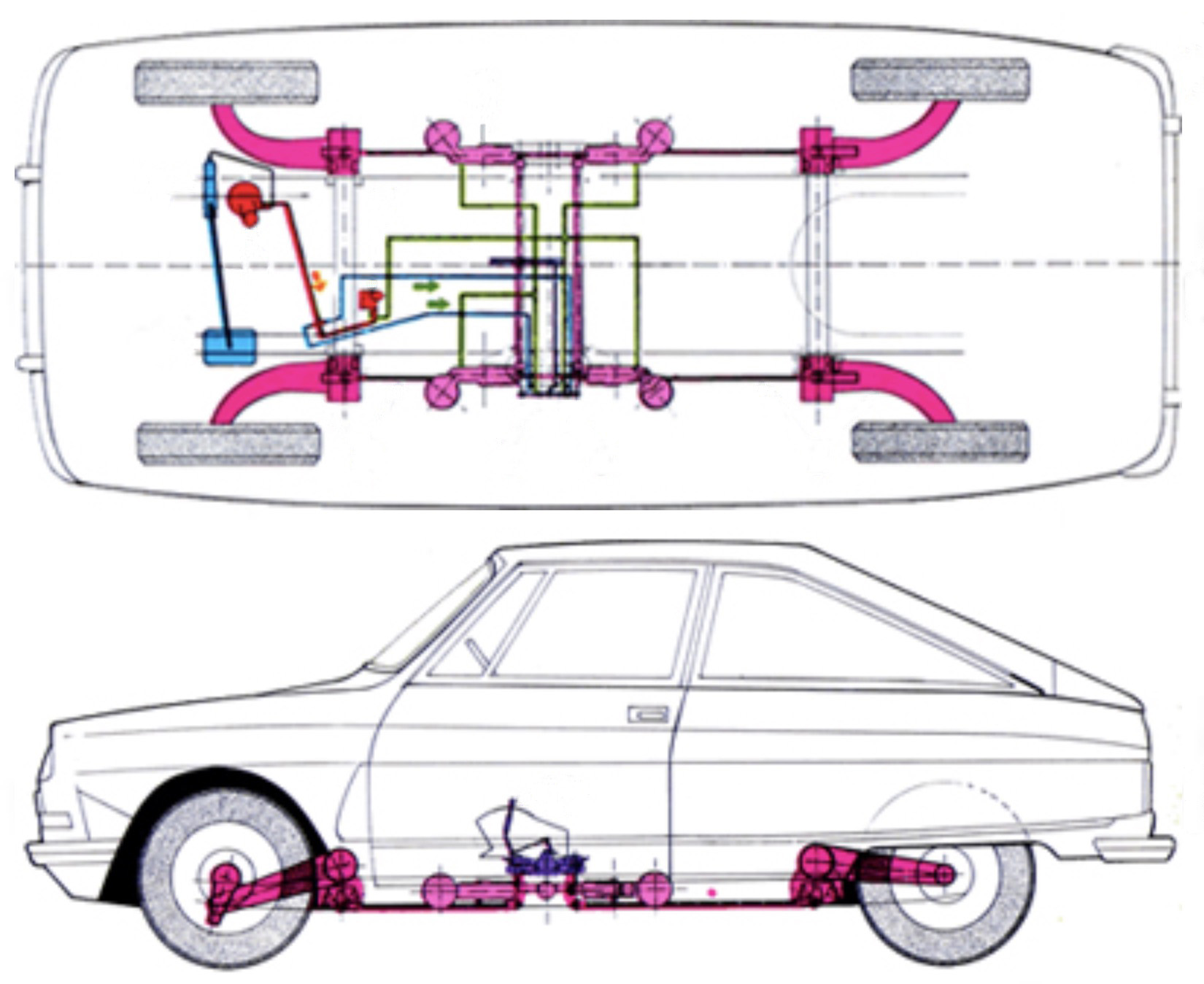
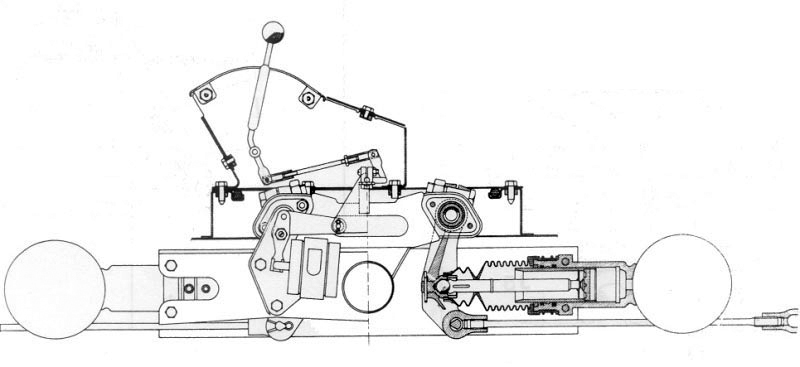
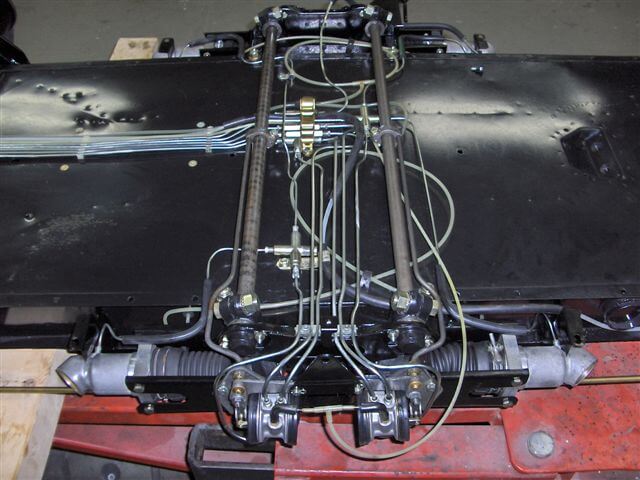
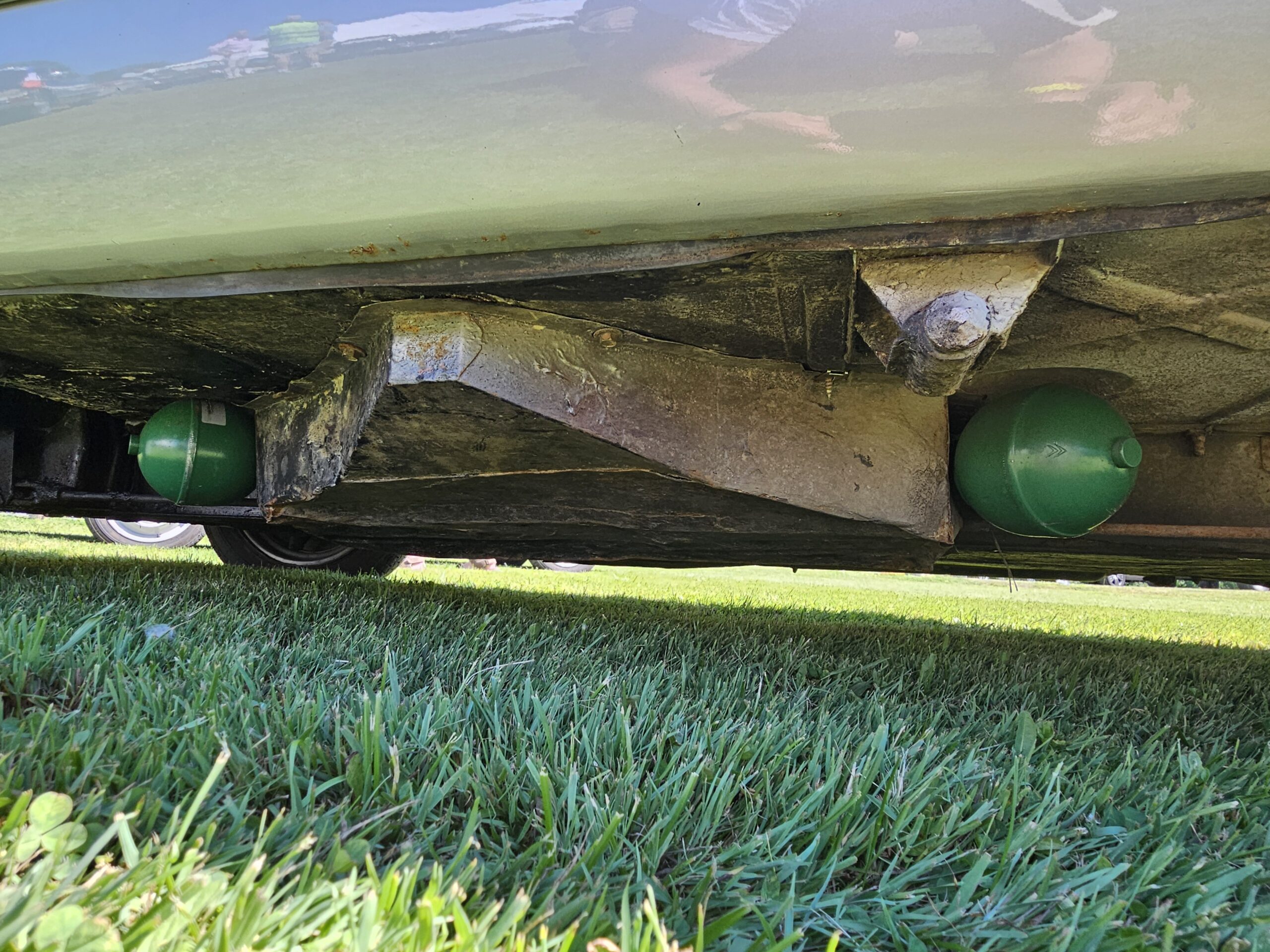
The gearbox was the same unit later used in the GS Citroën intended in the M35 as a real‑world testbed for its reliability—but, unlike the GS, the gear lever stayed under the dash as in the Ami 8 rather than on a central floor console.
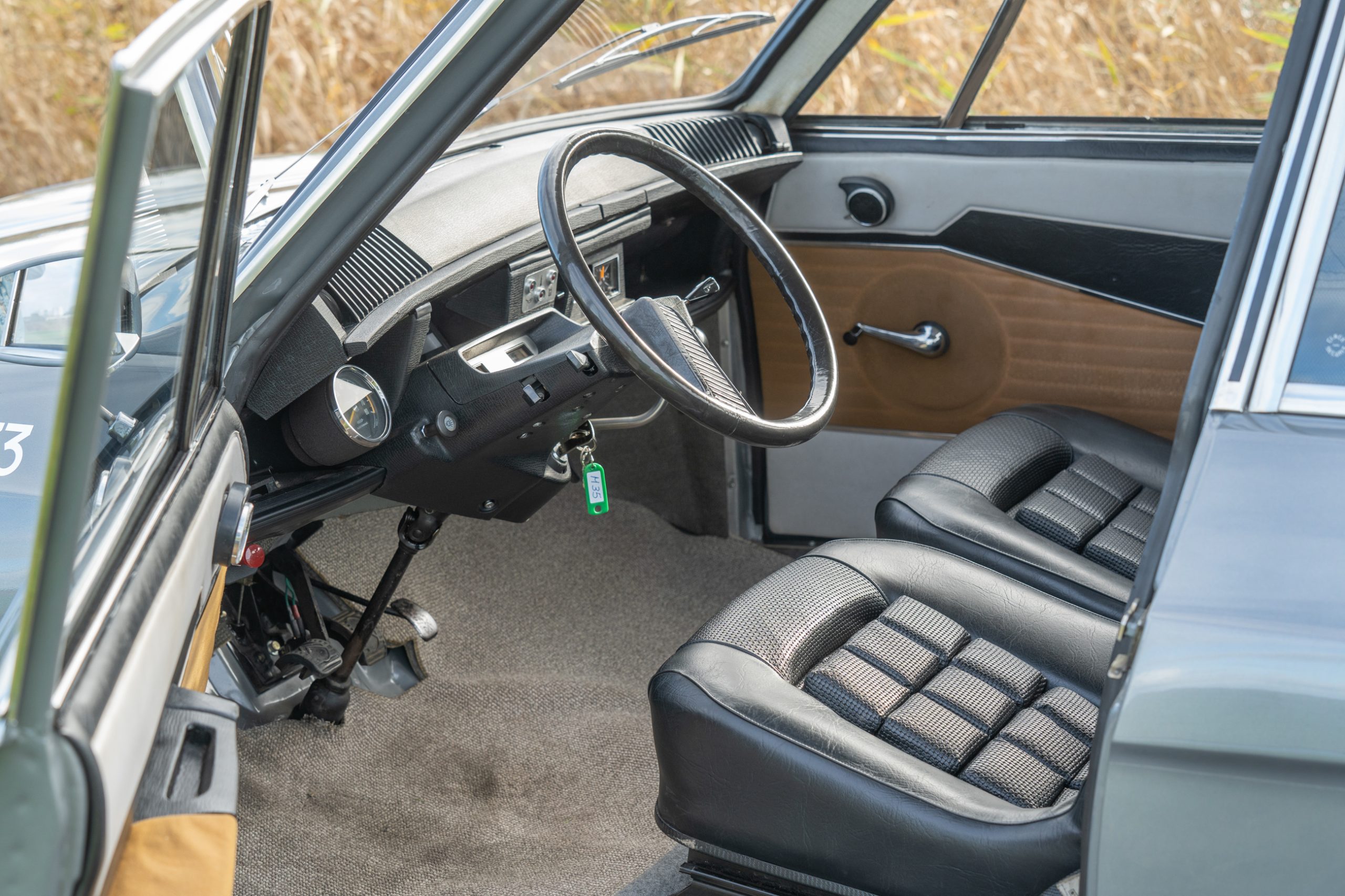
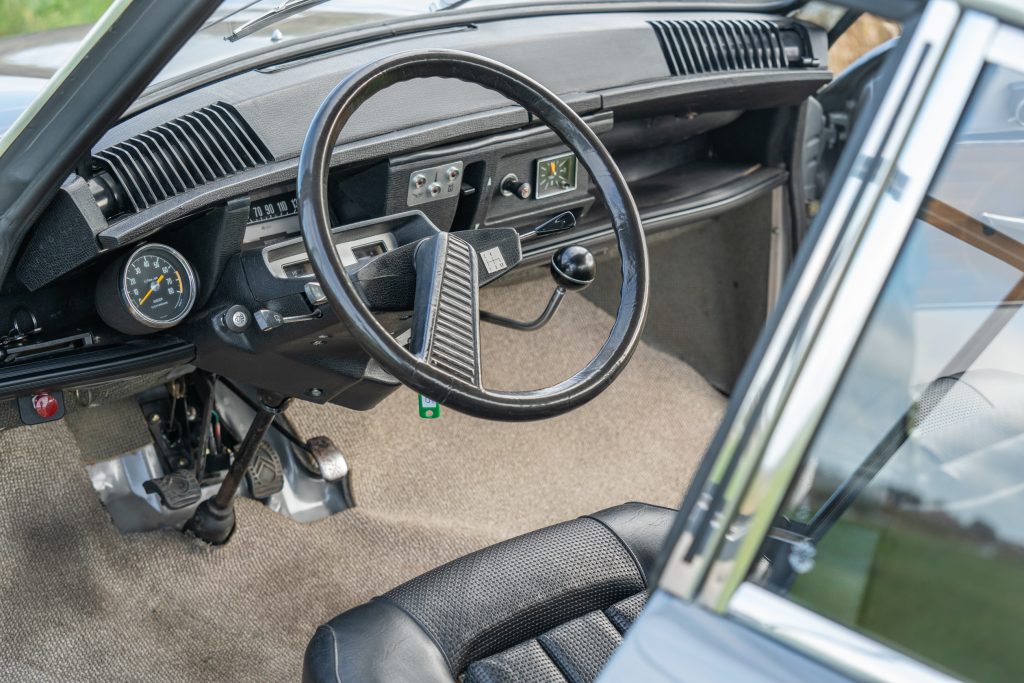
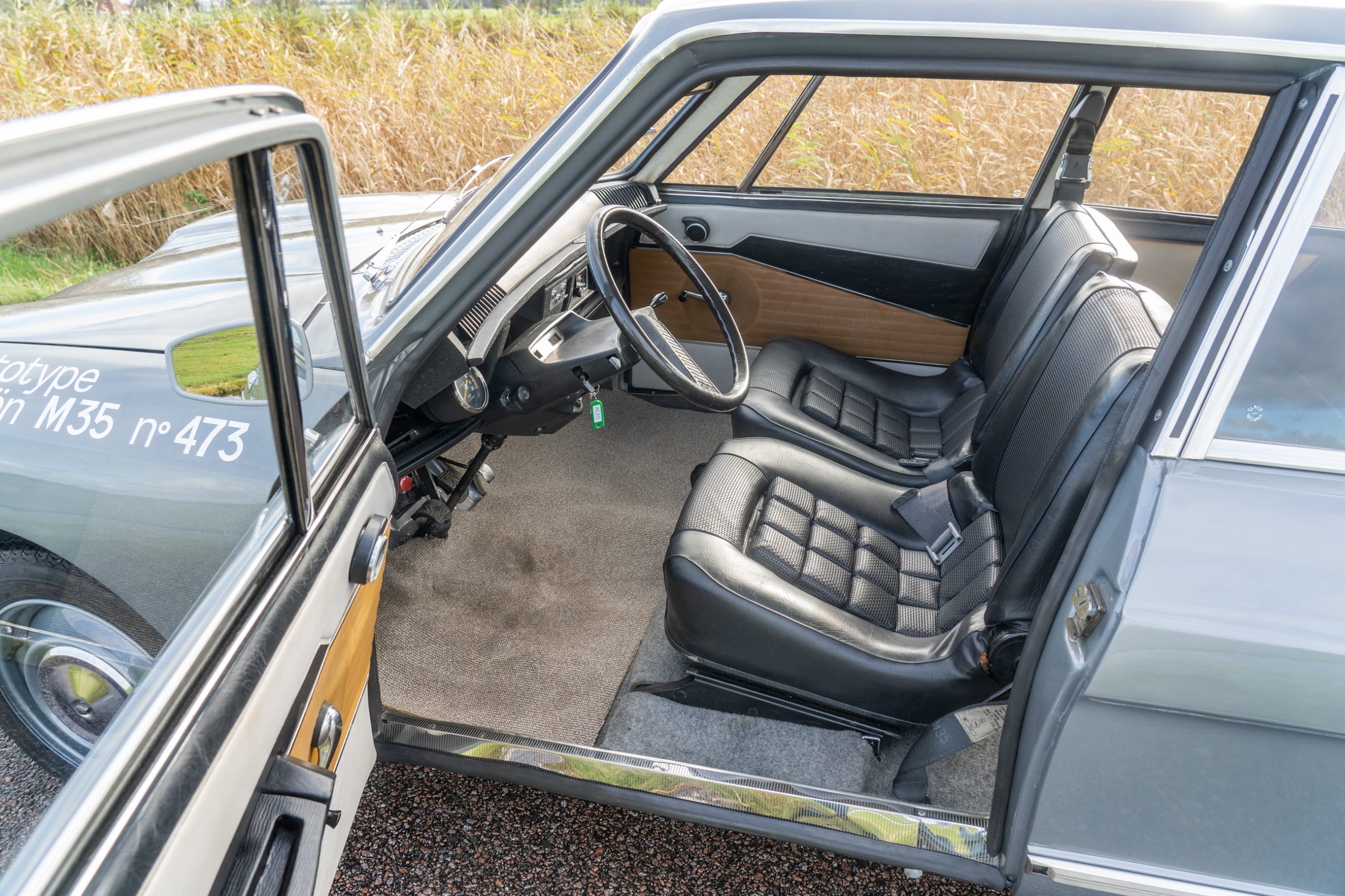
Given the M35’s high price, Citroën tried to distinguish the interior from that of a standard Ami 8. The first visual cue on entering is the pair of front seats: sporty in appearance, black vinyl (not leather), and inspired by the SM’s design. The balance of the interior though clearly reflected its Ami 8 kinship: the dashboard was identical with a few modifications; a specific single‑spoke steering wheel, the addition of a tachometer, and three warning lights to monitor hydraulic suspension pressure, cooling‑system temperature, and alternator function.
Citroën aggressively promoted the M35 in the French automotive press, inviting many journalists to test-drive the car. Specialist magazines published detailed coverage; one of the most comprehensive was a six‑page feature in L’Auto‑Journal in early December 1969 that examined both the styling and technical specifications. The article concluded: “In any case, the experiment undertaken by Citroën appears interesting, and we believe that customers for the first French car with a rotary engine will not be lacking.” Citroën’s press release expressed similar confidence: “Citroën, which has often been characterized by its technical audacity, is now combining this with an offer of dialogue to some of its customers. This is a new form of boldness that is sure to excite all those interested in automobiles and their progress.”
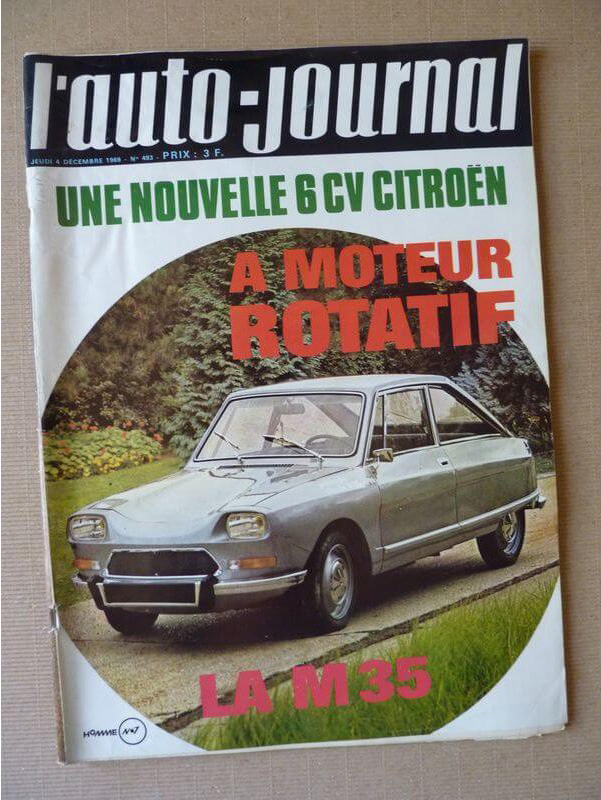
Accustomed to Citroën’s long history of technological boldness, most of the French automotive press were not surprised by a rotary‑equipped model or by the brand’s decision to use loyal customers as large‑scale test drivers. Nevertheless, many reviews offered a mixed verdict after road tests. Critics universally praised the comfort and excellent road holding provided by the hydraulic suspension. Opinions on styling were less flattering: proportions were called awkward and the lines “strange,” even “ugly.”
The rotary engine’s drawbacks drew the strongest criticism. Reviewers acknowledged its smoothness but complained about excessive fuel consumption and poor suitability for urban driving. Early public reaction and customer feedback initially seemed to confirm these impressions; later events would unfortunately reinforce them for Citroën.
Although clearly marked as a prototype (a label fixed to the front wings) and therefore not listed in the regular catalogue, the M35 program was unusually large for a Citroën prototype. Rather than producing only a handful of examples, the company planned to build 500 units at Heuliez and Rennes. Citroën capitalized on its tradition of using early customers as volunteer testers—albeit more transparently this time—by plainly stating the car’s experimental nature and the obligations that came with ownership. Customer‑testers were required to submit detailed, regular reports to the engineering department on any problems (major or minor), whether engine‑related or not, and on everyday driving impressions in city, highway, and country conditions.
Many customers and journalists regarded the M35 as a 2+2: the two rear seats were only suitable for short journeys. The steeply raked rear window cut headroom and legroom between the rear cushion and the front seatbacks was limited. Although the rear styling suggested a hatchback, access to luggage was through a small conventional trunk lid—a restriction shared with the Ami 8 sedan. Citroën management (notably Pierre Bercot, CEO from 1958 to 1970) believed hatchback convenience belonged to estate versions rather than the brand’s passenger cars. The trunk’s 190‑litre capacity, reduced further by a rear‑mounted spare wheel, discouraged long trips.
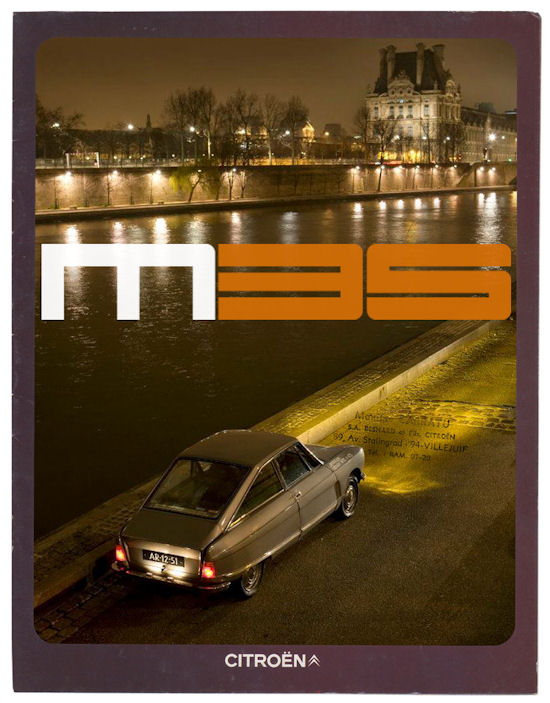
More than 5,000 prospective customers initially contacted Citroën, but only a few hand‑picked applicants were selected to buy an M35. Despite the modest planned run relative to a standard production model, Citroën imposed strict conditions: owners had to drive a minimum of 30,000 km per year to test the Wankel’s long‑distance reliability (some sources say an even higher figure was considered). At the time, only a subset of motorists—so‑called high‑mileage drivers—reached such annual distances.
M35 owners received special treatment. They took delivery at the Rennes factory and were given priority in the dealer network for non‑engine repairs and routine maintenance. Most Citroën dealers lacked the tools and training to service the rotary engine itself. The program guaranteed that for any serious problem the manufacturer would provide a replacement M35 at no cost, and Citroën covered all rotary‑engine maintenance for two years regardless of mileage; owners paid only for fuel, oil, and tires. These generous provisions made the program costly for Citroën and helped precipitate the M35’s premature end. To ensure a representative test sample, owners came from diverse professions—architects, doctors, cattle farmers, veterinarians, and foresters among them.
The M35’s price—14,120 francs—dampened interest among many potential buyers. That sum equaled a D-Special (the DS entry model) and was about twice the price of a Dyane while an Ami 8 sold for roughly 9,000 francs. Though Citroën appears to have sold the M35 at less than its production cost, effectively subsidizing each example, for many customers such a price for what looked like a coupé derivative of the Ami 8—albeit with a touted “revolutionary” engine, was hard to justify.
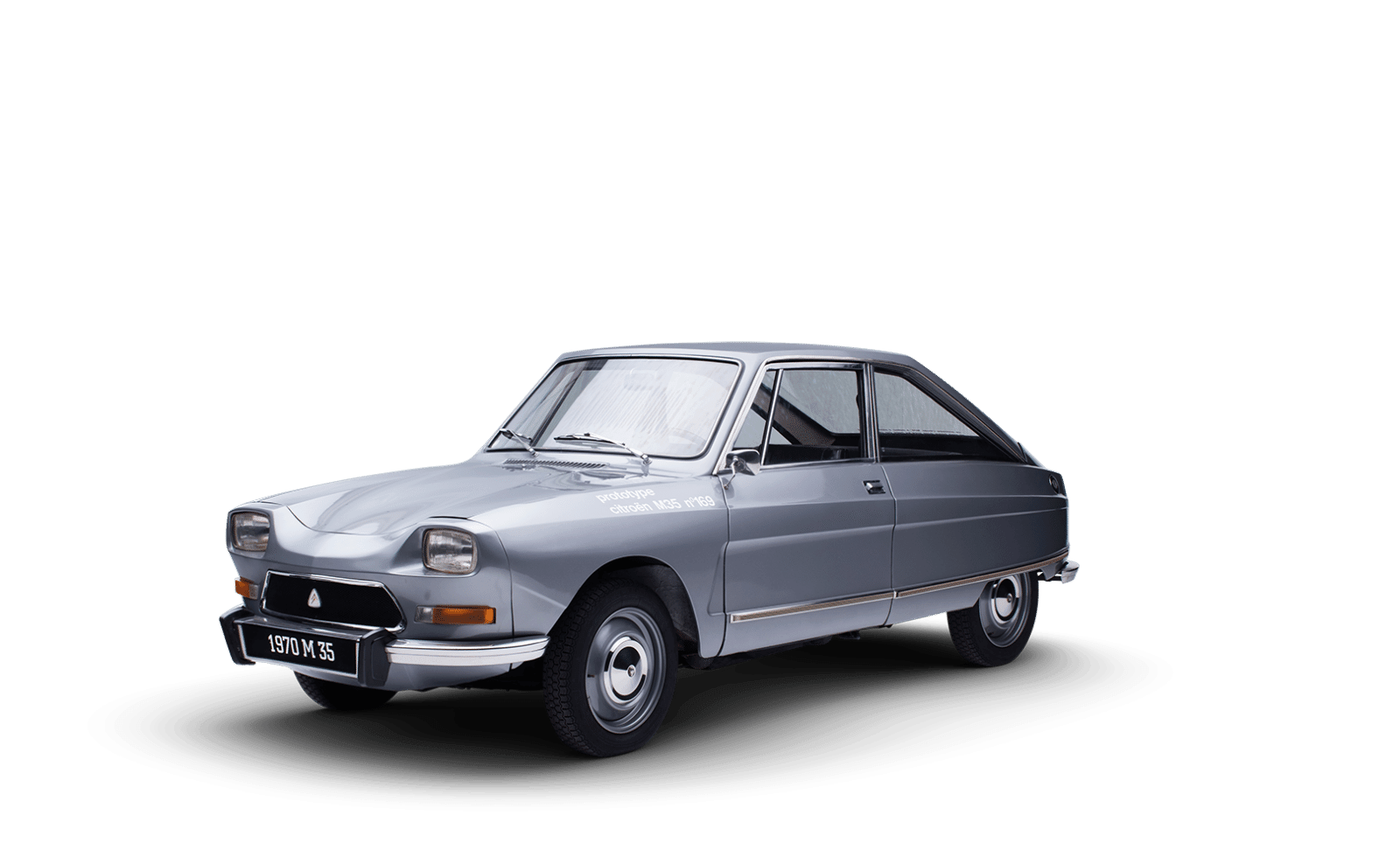
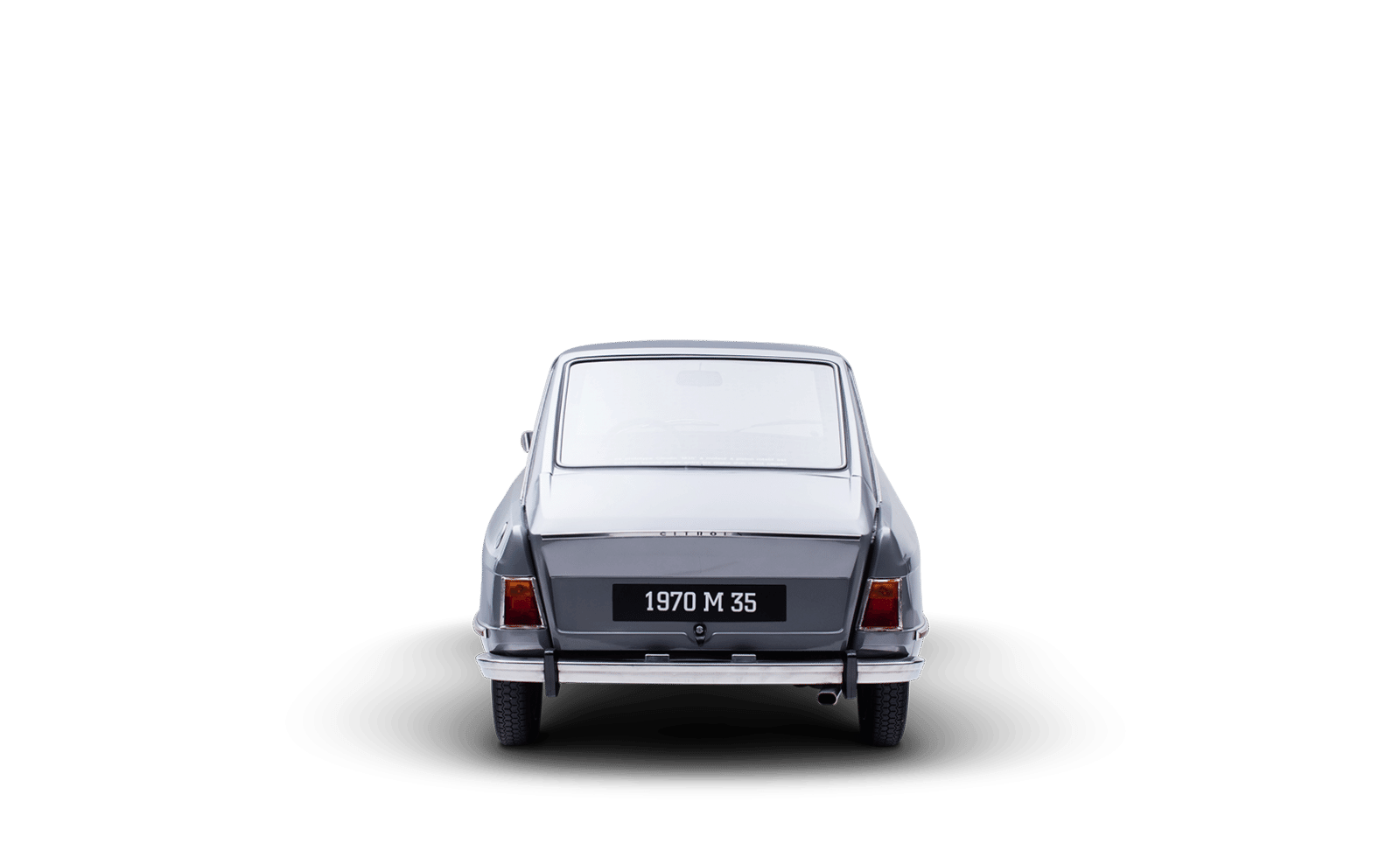
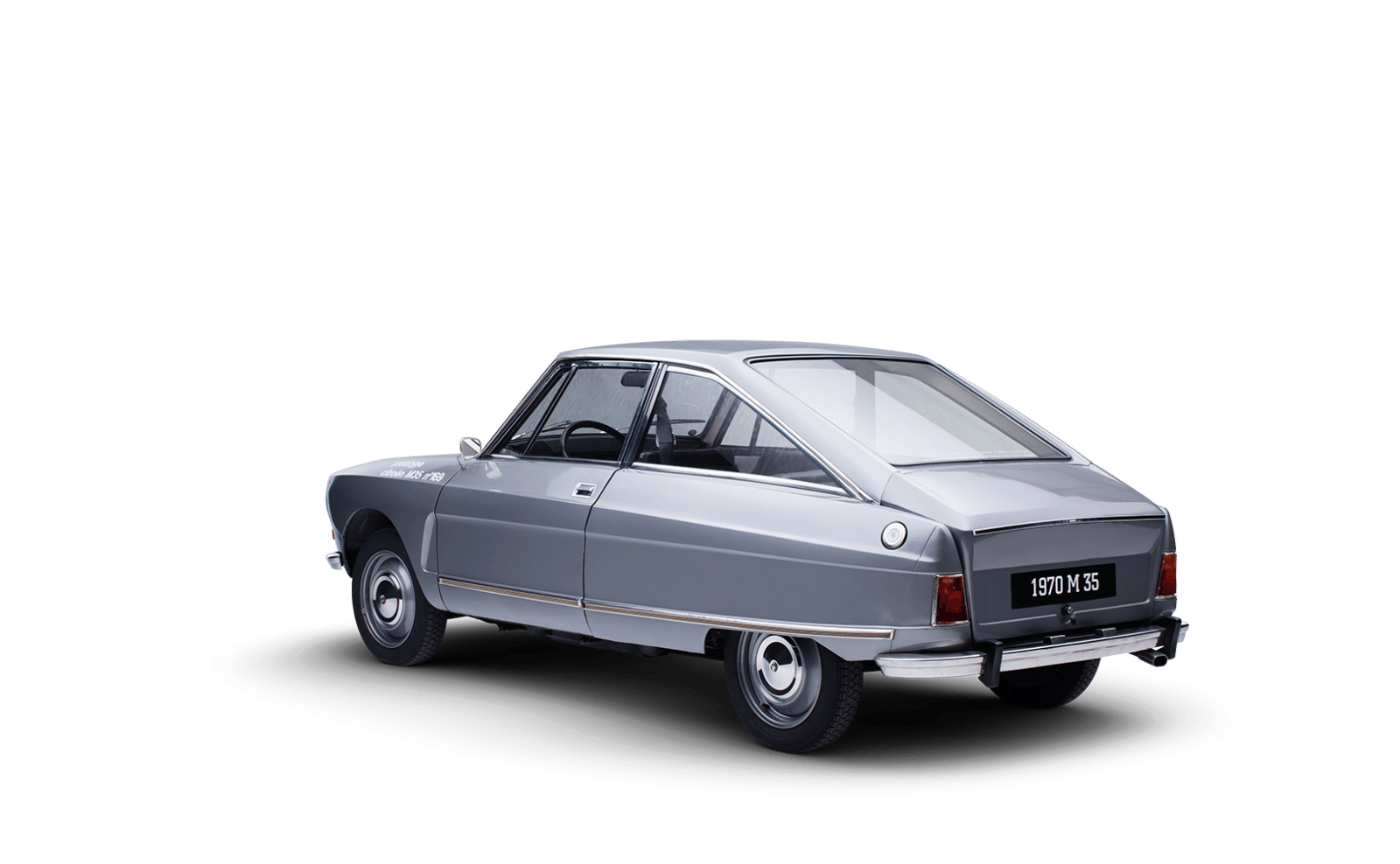
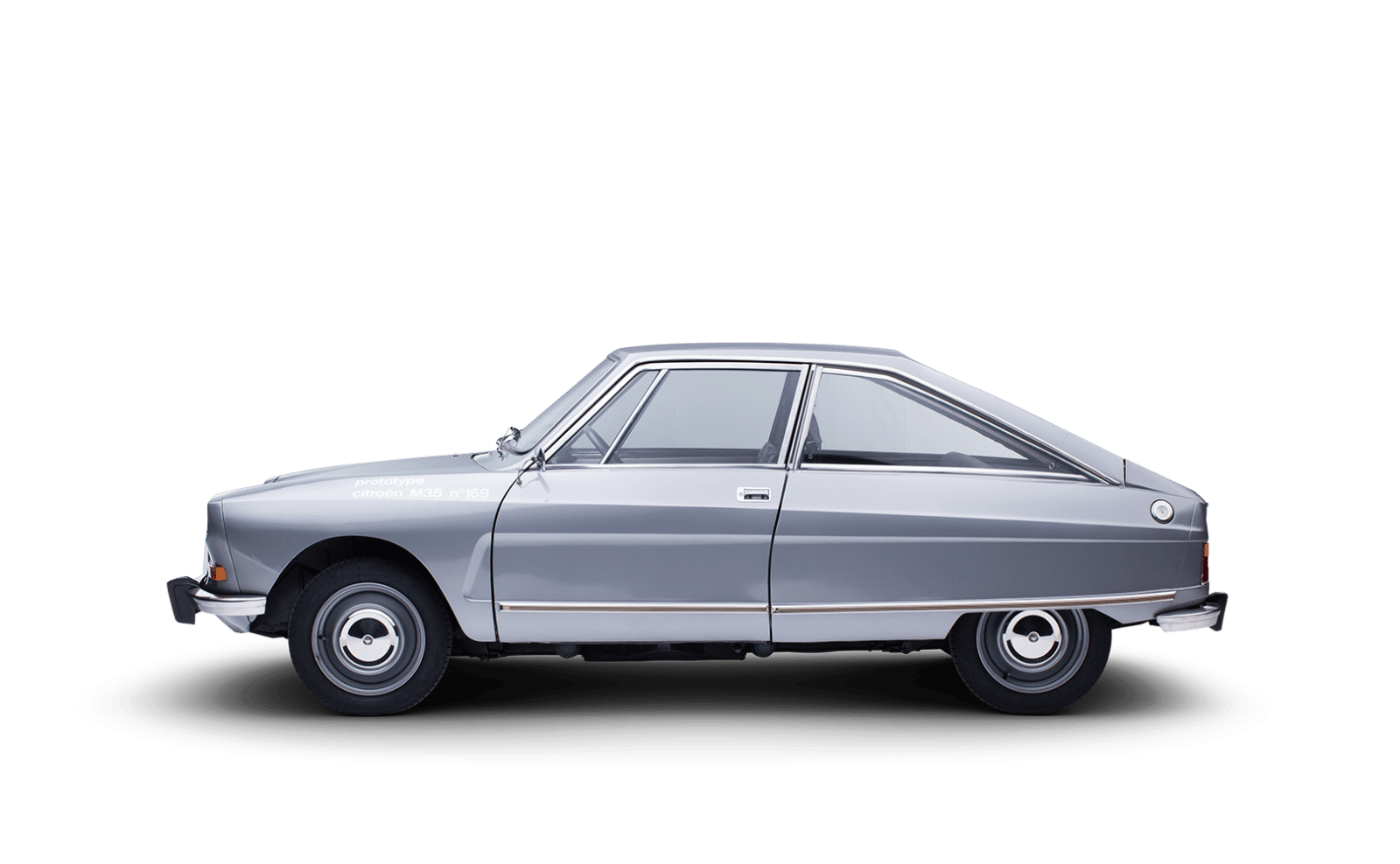
Citroën initially planned to build 500 M35 prototypes. The final total was far lower for several important reasons. The rotary engines suffered from serious reliability problems: most barely exceeded 60,000 km, and examples that reached that mileage without major repairs were rare. Multiple engine replacements during the first two years were common (the warranty covered mechanical components for two years regardless of mileage). The engines also consumed large amounts of oil and petrol. Whereas Citroën’s press figures claimed average consumption of about 9.7–9.8 L/100 km, actual consumption was often much higher—some sources cite figures as extreme as 20 L/100 km. With a 43‑liter tank, range was limited, and owners faced frequent, costly fill‑ups. (Citroën did, incidentally, provide demonstration cars to several major oil companies.)
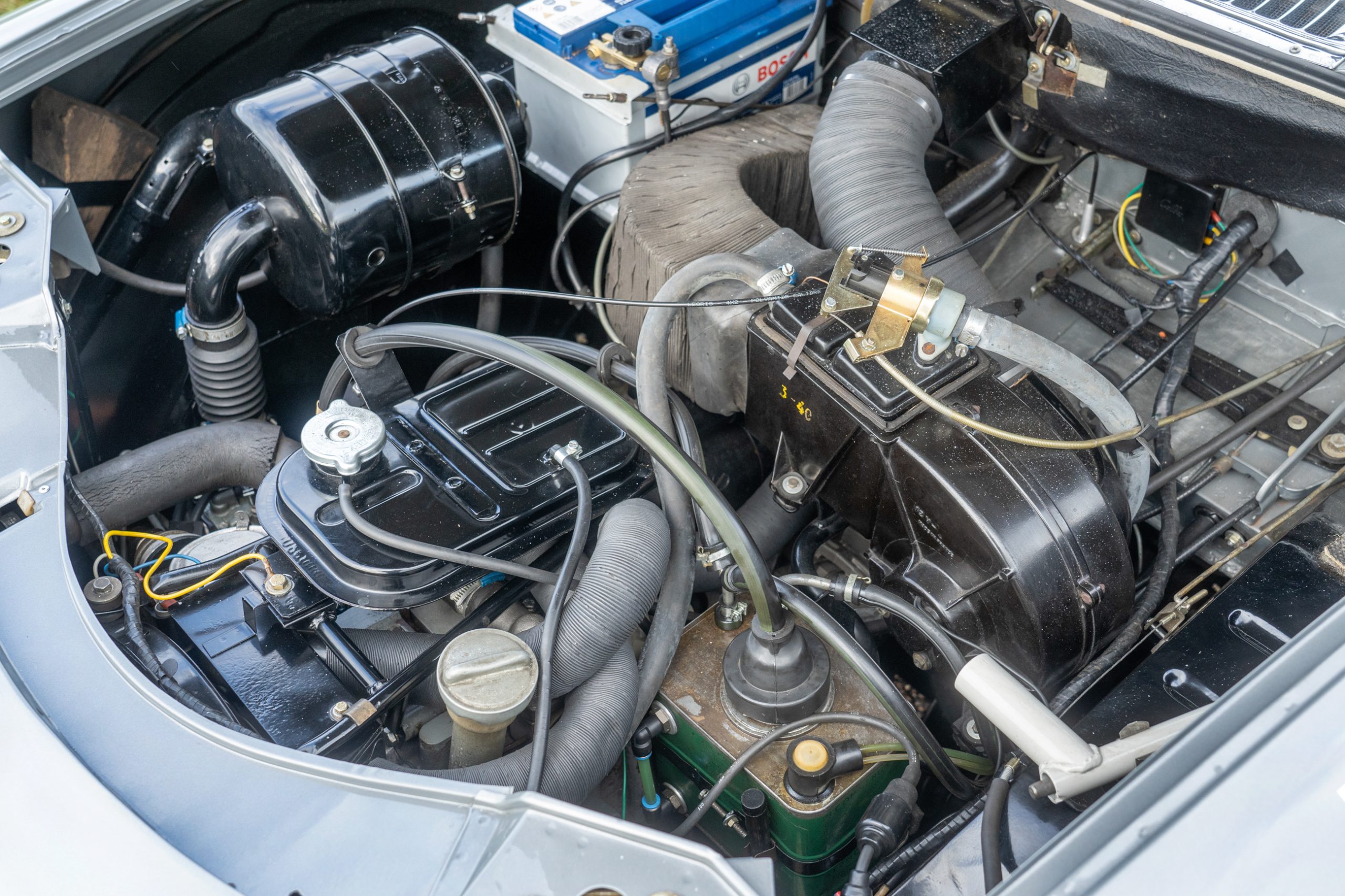
By the end of 1970 the company had to admit that sales fell far short of expectations. Instead of 500 units, only 267 M35 coupés left the Rennes line (56 in 1969, 212 in 1970, and the final 49 in 1971). A few dozen additional customers expressed interest in 1971 before production stopped. Most cars were painted the same “ash” gray, although a handful of pre‑production cars received unique colors (for example, no. 000 in pale yellow, no. 001 in black with Meije‑white wheels, and no. 039 in navy blue for Henri Heuliez).
Commercially the program was a failure. To disguise this, Citroën inflated the apparent production sequence on the fleet numbers of later cars—the last car built (assembled 12 March 1971 and delivered to a doctor in Metz) carried the number 473 rather than 500. With media attention waning, the company quietly wound down the experiment.
Faced with mounting costs and an impractical support program for a low‑volume model, Citroën offered to buy back the 267 cars; most owners accepted and many returned vehicles were scrapped. A minority who tended to be enthusiasts (often mechanically adept, since dealer support for the rotary was limited), kept their M35s.
Estimates of surviving M35s vary, but most sources put the number between about 60 and 90; only 10–30 are believed to be fully restored or roadworthy. Given the small production run, that represents a relatively high survival rate.
Citroën later offered a similar buyback to owners of the GS Birotor, and new management instructed the dealer network to cease responsibility for both rotary models, including routine maintenance.
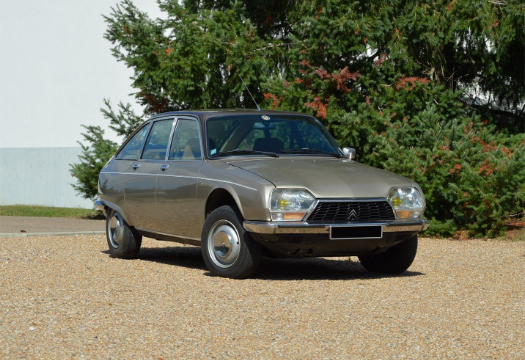
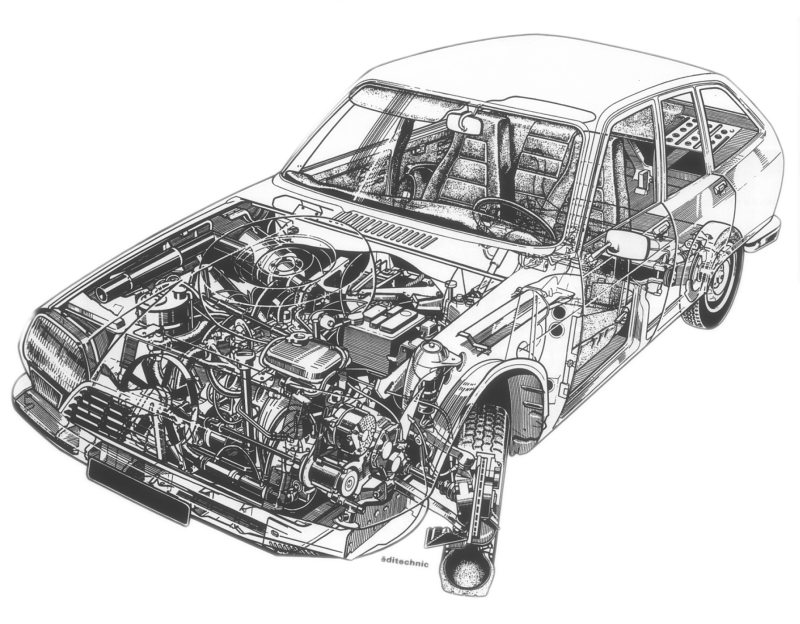
Although the M35 program provided useful data for the GS Birotor, Citroën and NSU engineers never fully solved the rotary’s intrinsic shortcomings—high oil and fuel consumption and shorter service life than conventional engines. The GS Birotor debuted in autumn 1973, a month before the first oil crisis, which severely damaged its market prospects.
Comotor’s Altforweiler factory closed in June 1975 after producing roughly 1,500 engines. It was not included in the assets transferred when Citroën was acquired by Peugeot as the PSA Group wished to abandon the rotary venture and liquidate Comotor. The factory was sold, its equipment removed, the briefly repurposed to make windsurfing boards before being demolished in 1977.
Even after the GS Birotor left the catalogue and Citroën joined PSA, some design‑office engineers continued rotary research (including a study for a rotary‑powered helicopter) until the program was finally abandoned in spring 1979. The second oil crisis and the urgent need to reduce Citroën’s debt under PSA made further investment in the rotary untenable.
By the late 1970s nearly every manufacturer that had explored the Wankel engine had abandoned it. Only Mazda continued, with notable success in models such as the Cosmo, RX-3, RX-4 and later the RX‑7 and RX‑8.
For more information on the Wankel engine and other manufacturers that used it, go to: https://citroenvie.com/wankel-wannabees-good-intentions-unintended-consequences/