
The One That Got Away: A Panhard PL-17 Tale
By Tim Clark….
It all started two weeks ago at the 50th Annual Citroën Rendezvous in Malta, New York. I was mingling when I met a guy who was trying hard to sell a 1960 Panhard PL-17.
Now, I already knew a bit about Panhards, mostly thanks to my good friend John in Reno, the president of the Panhard Club of America (Les Amis de Panhard et DB USA). Naturally, my curiosity was piqued. I started digging into the history of these cars and this particular specimen. As luck would have it, the car’s previous owner—a North Carolina-based Citroën enthusiast named Paul who had lovingly cared for it for twenty years—was also at the Rendezvous. Paul walked me through every single detail of his tenure with the car, arming me with photos and invaluable advice.
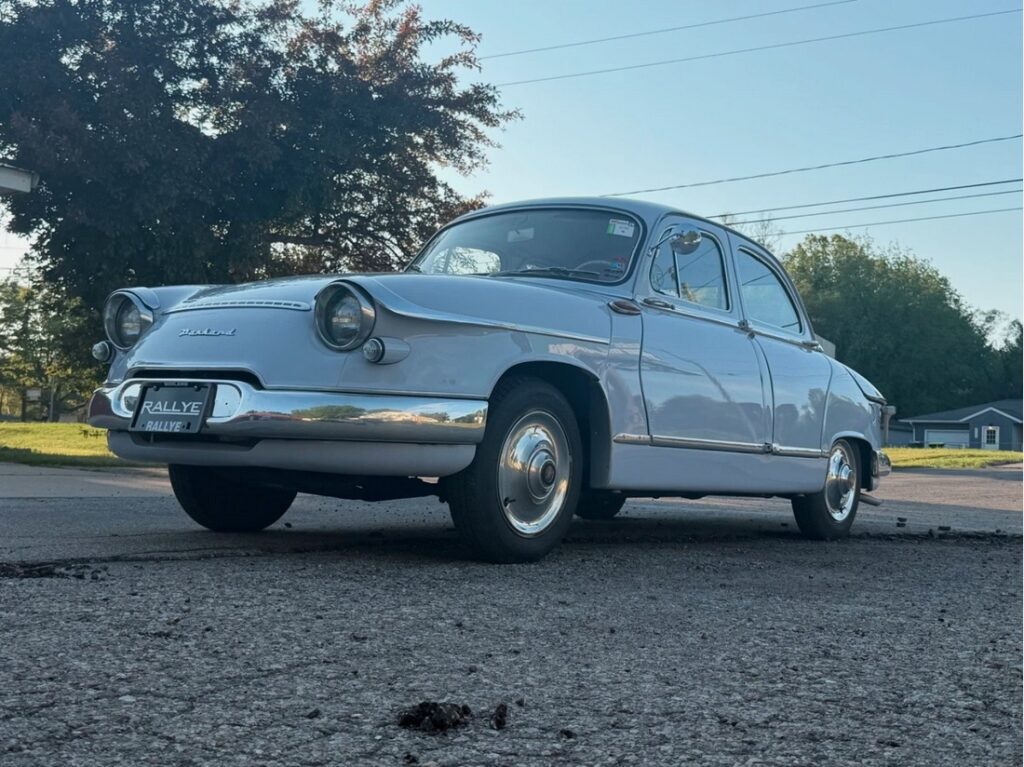
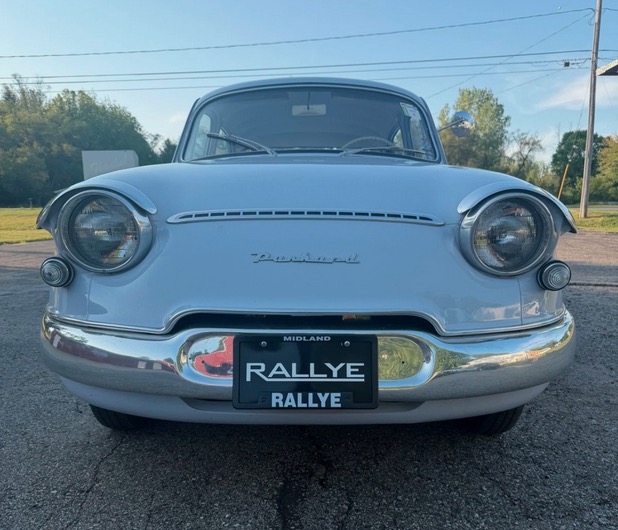
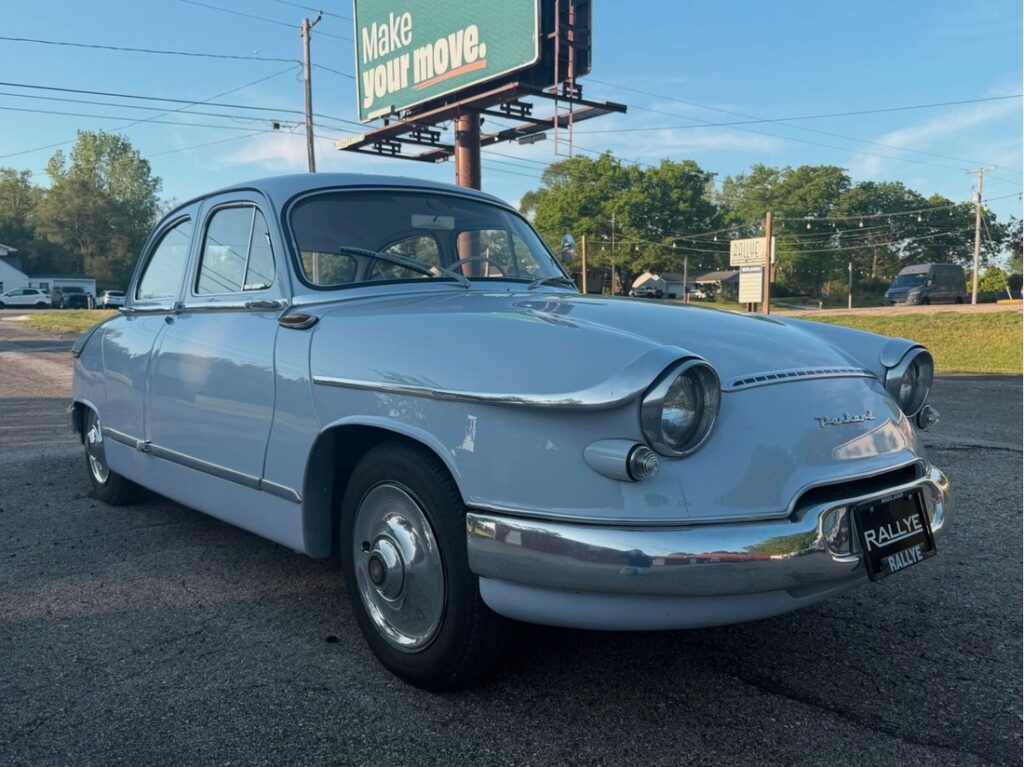
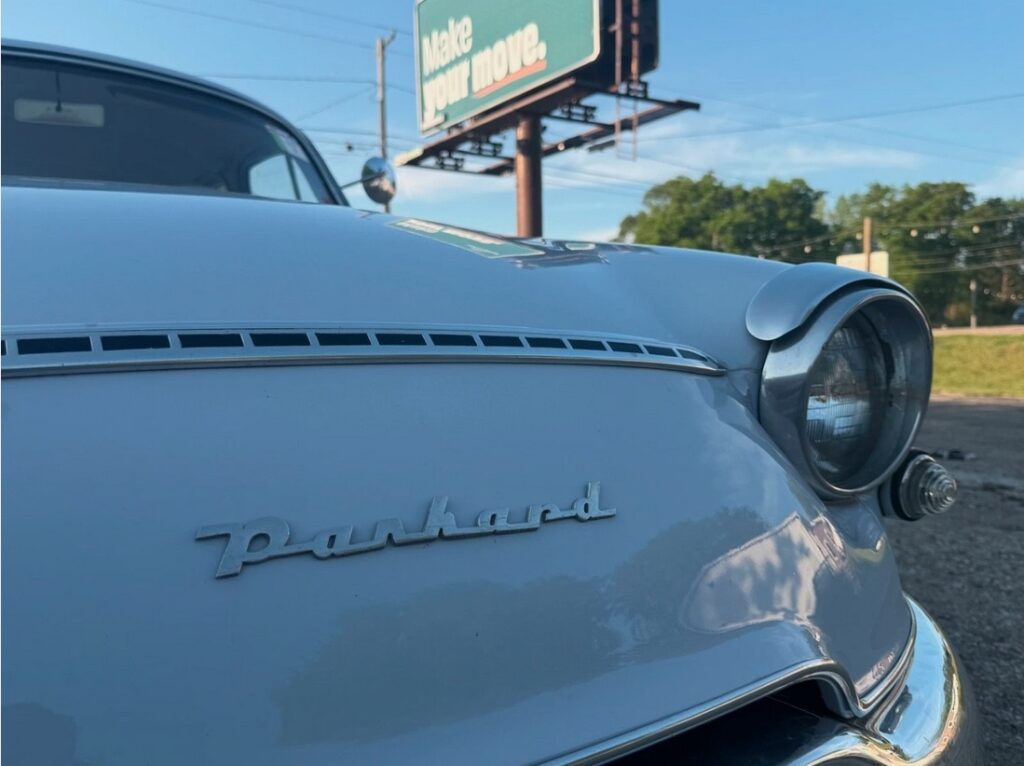
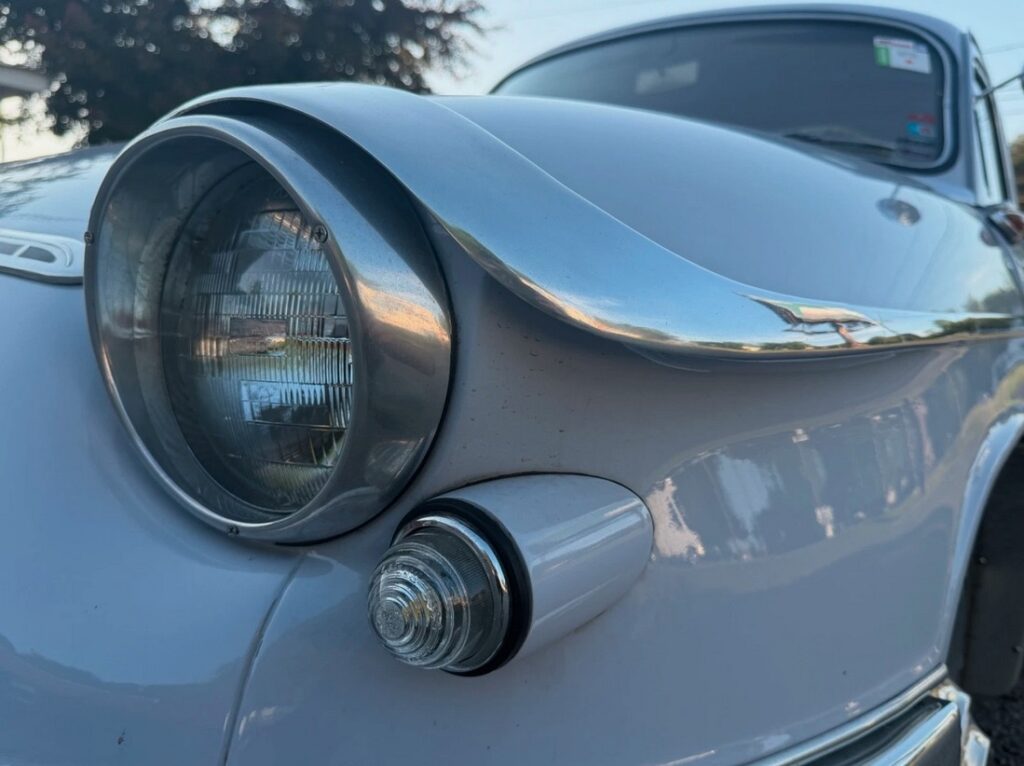
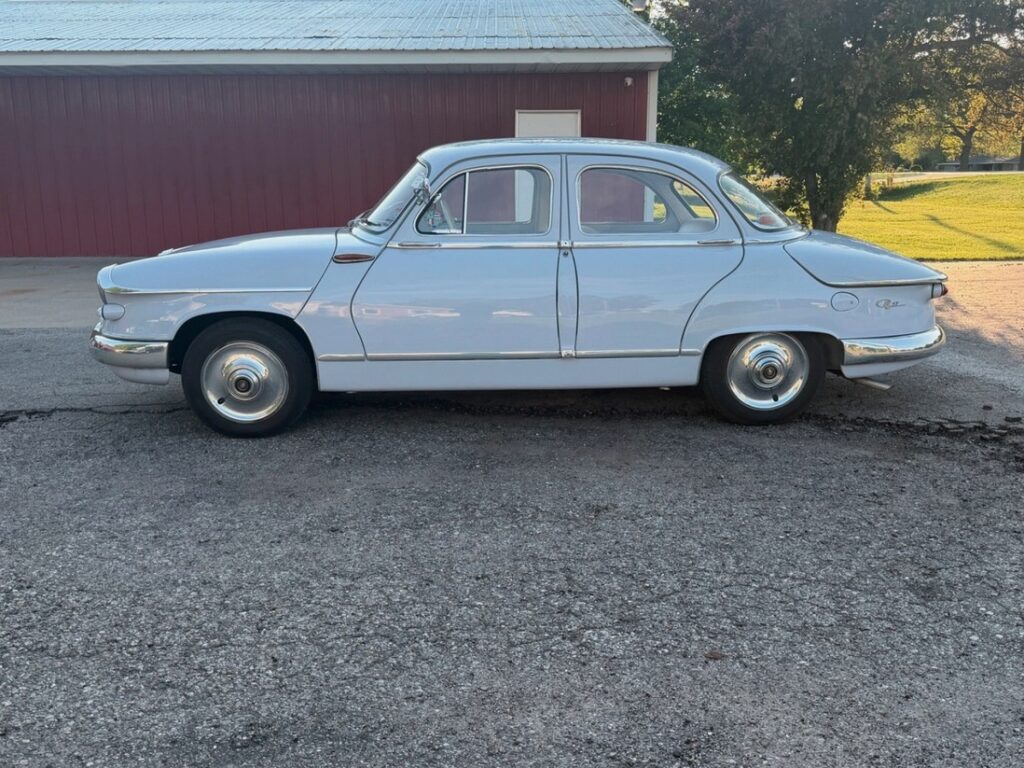
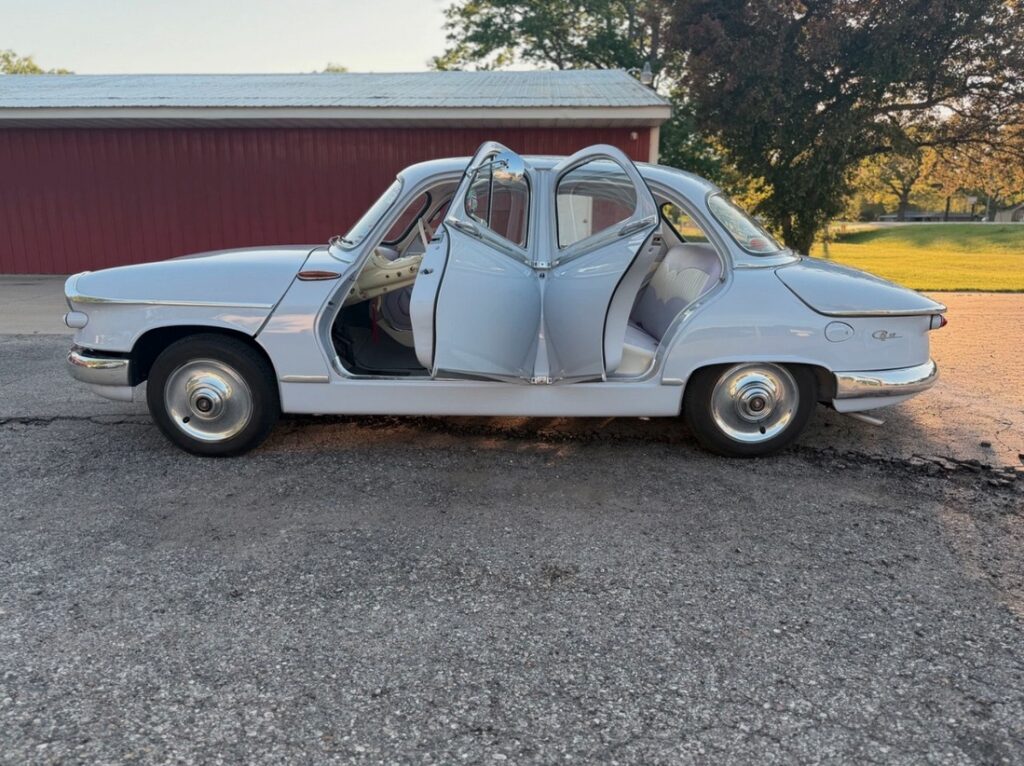
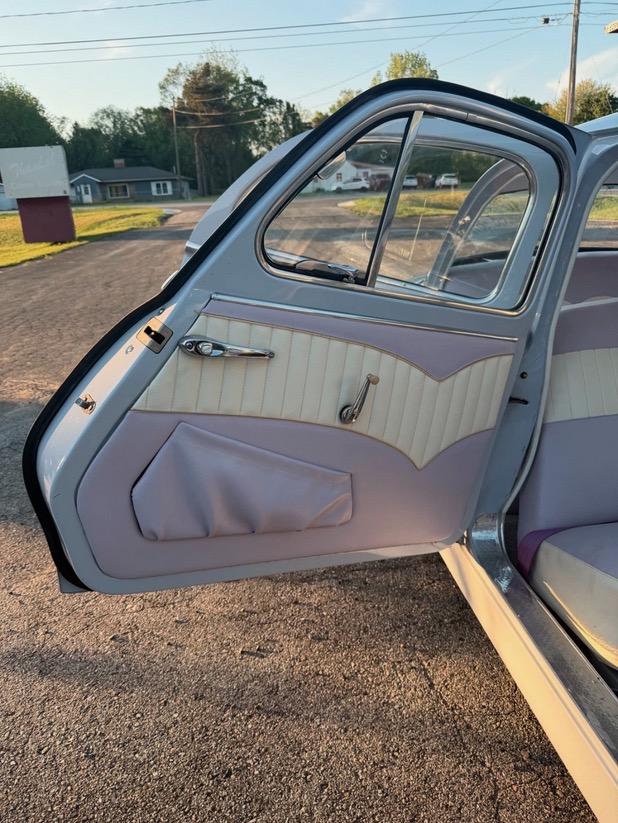
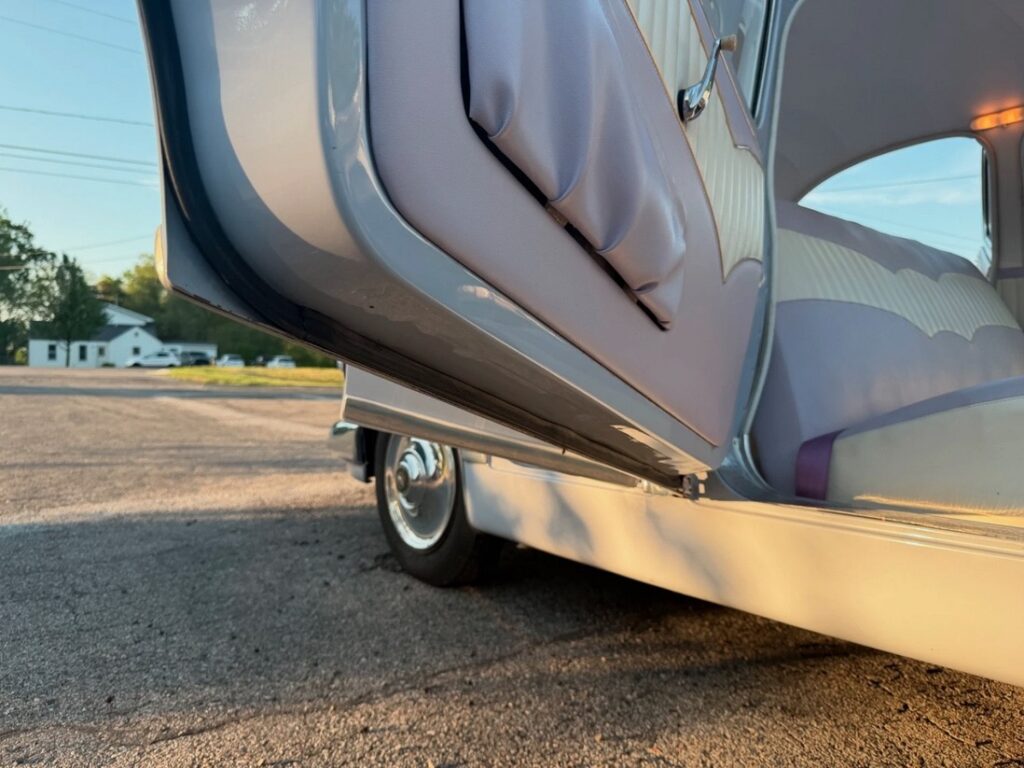
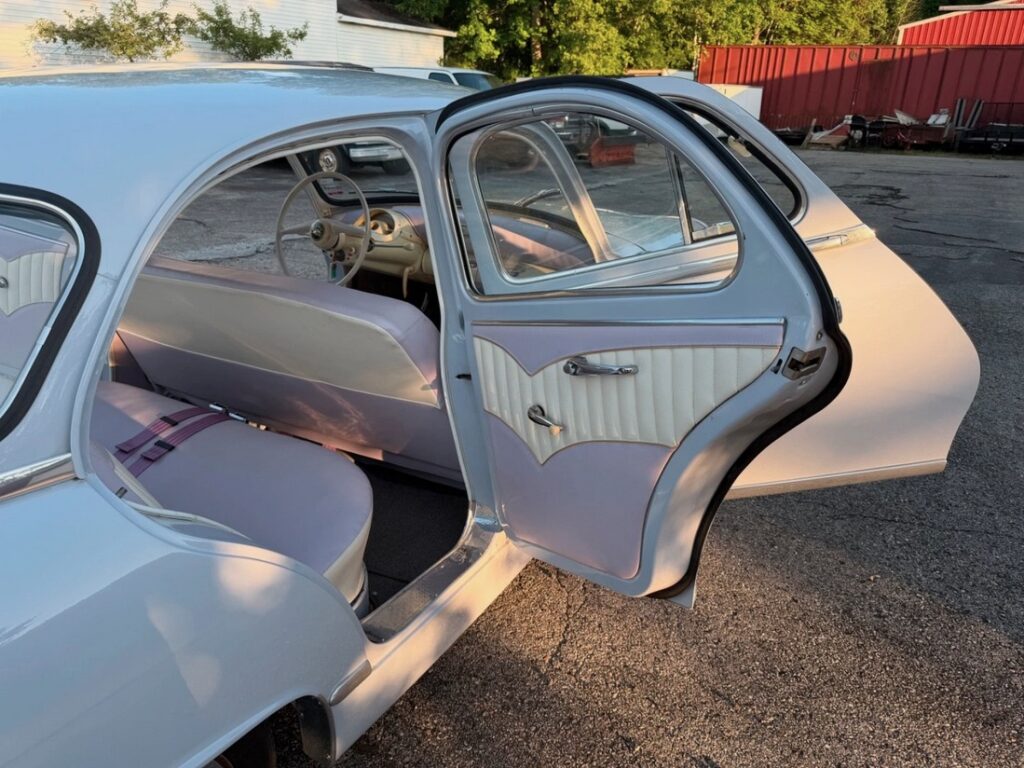
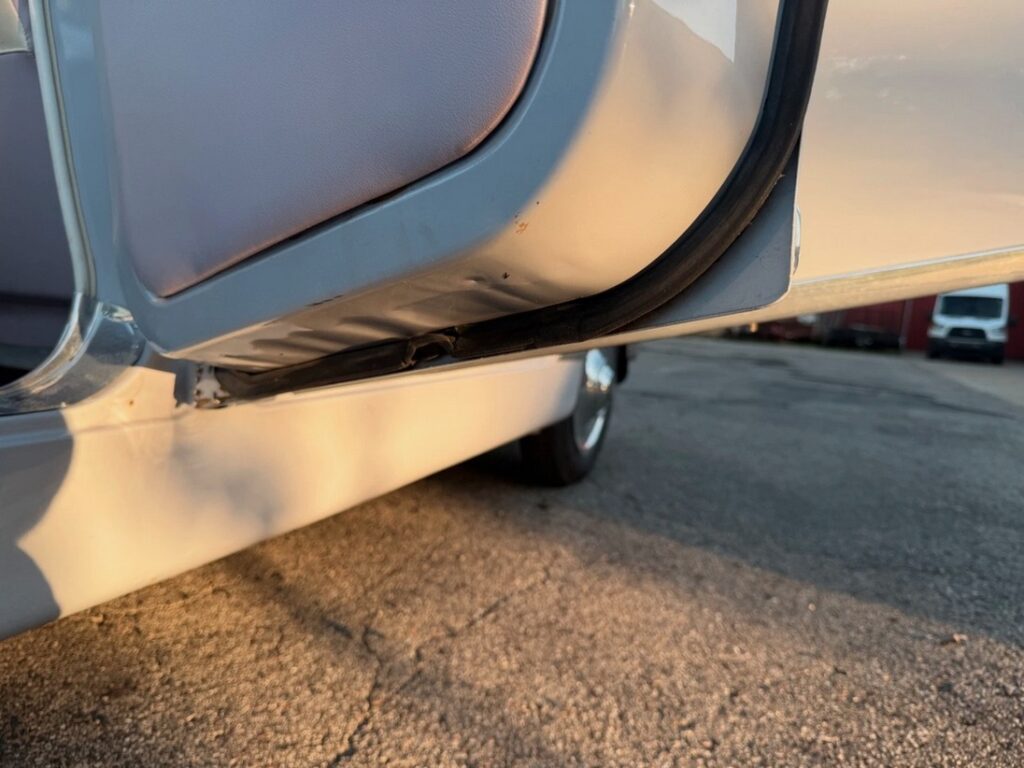
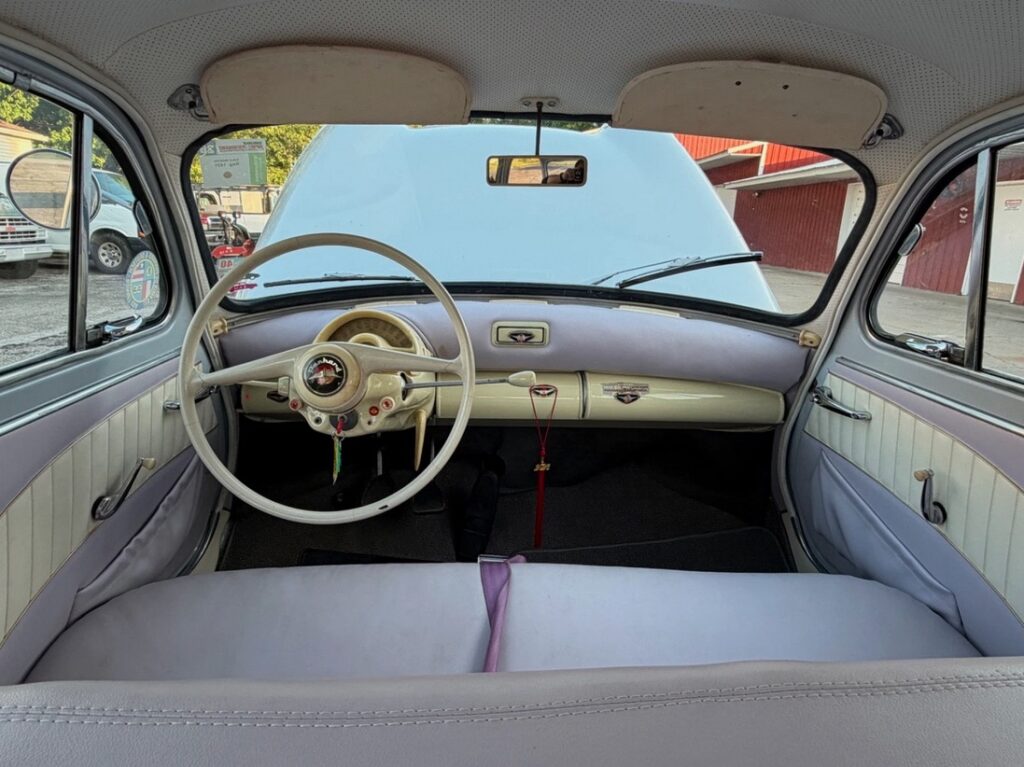
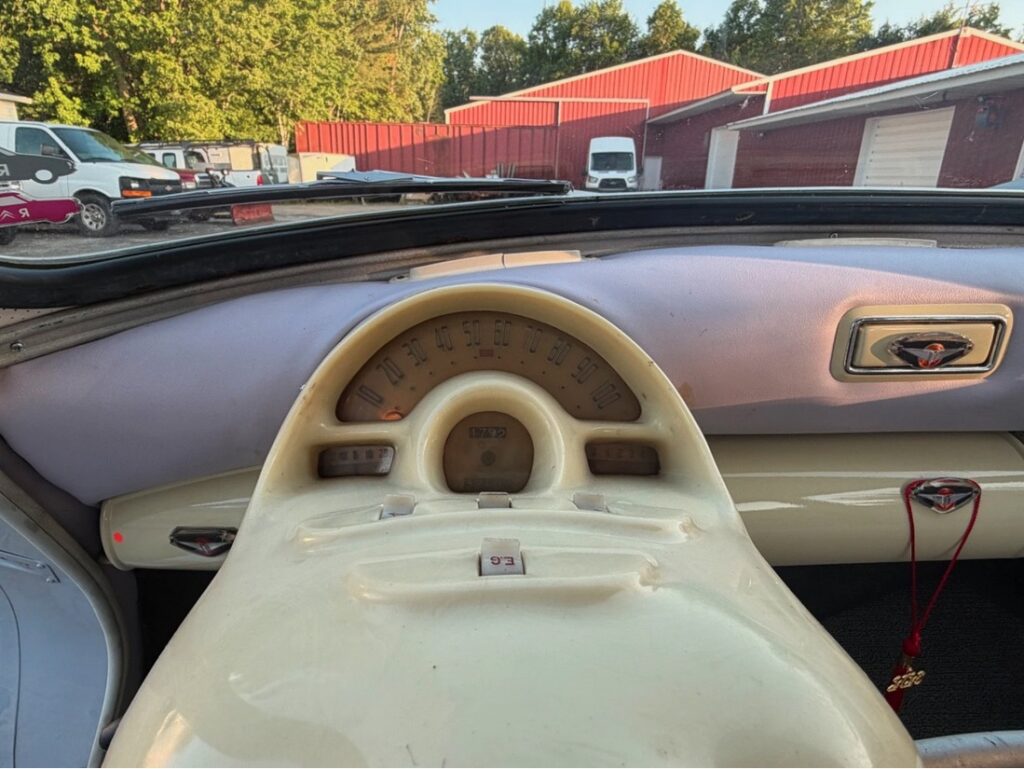
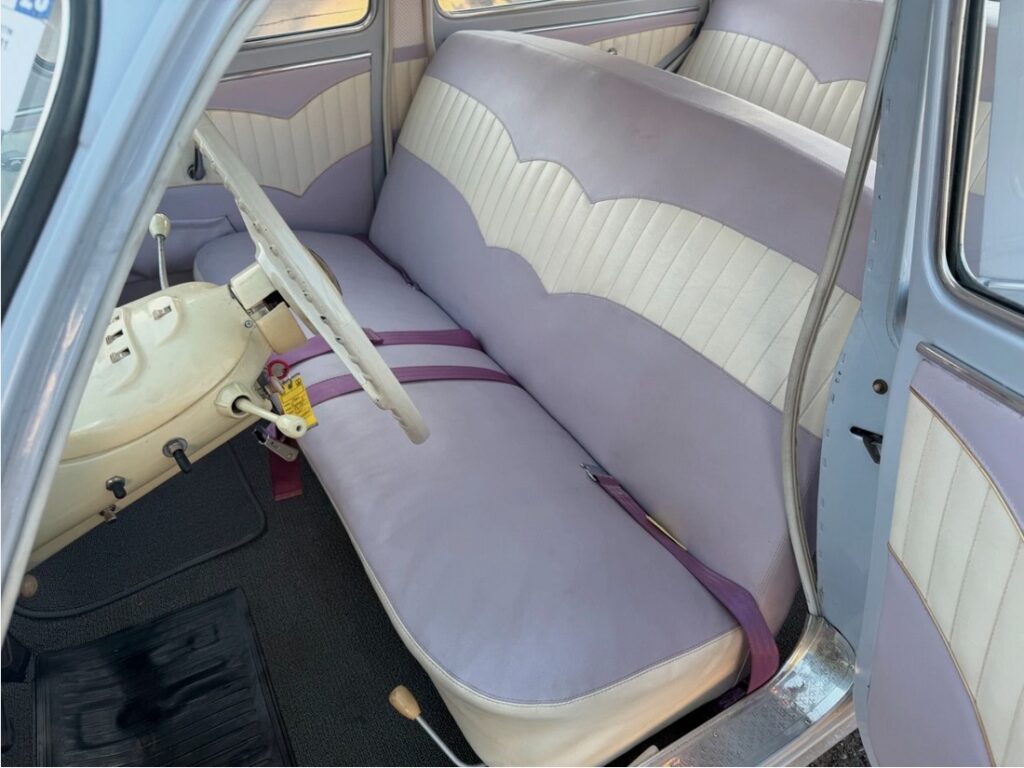
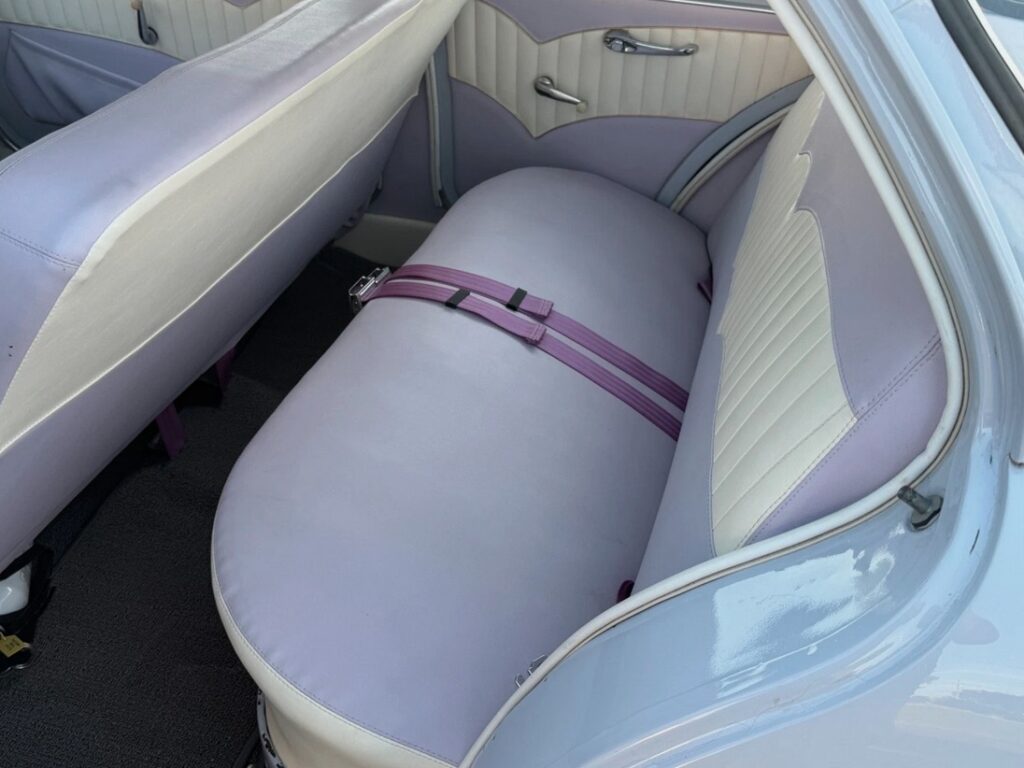
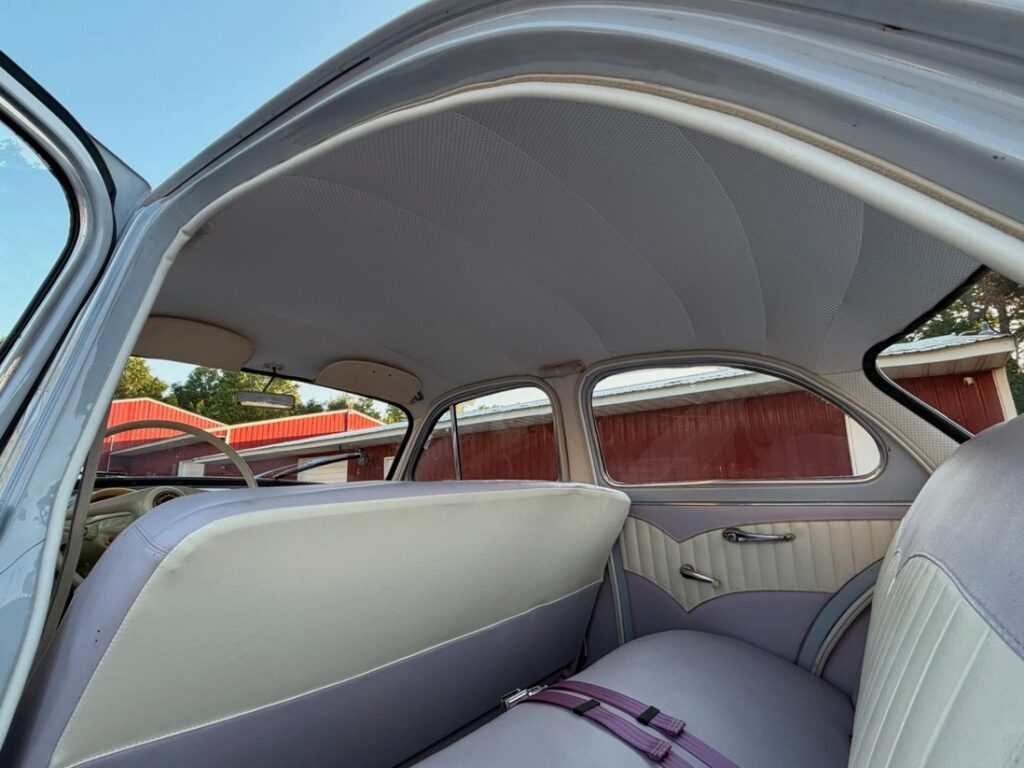
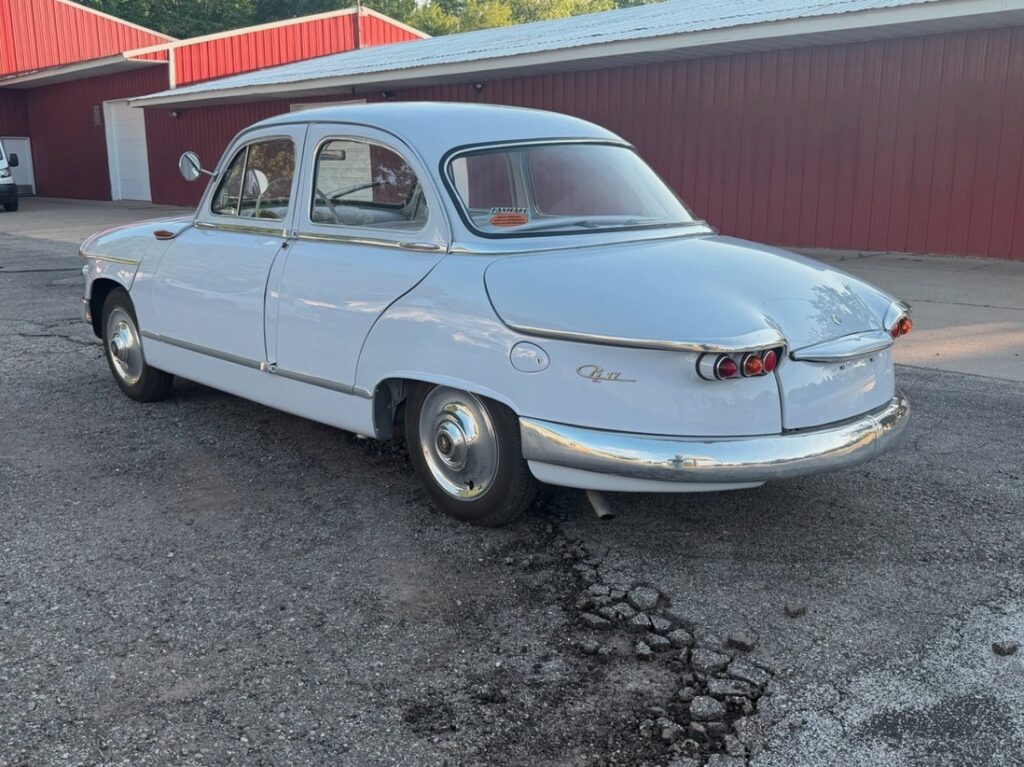
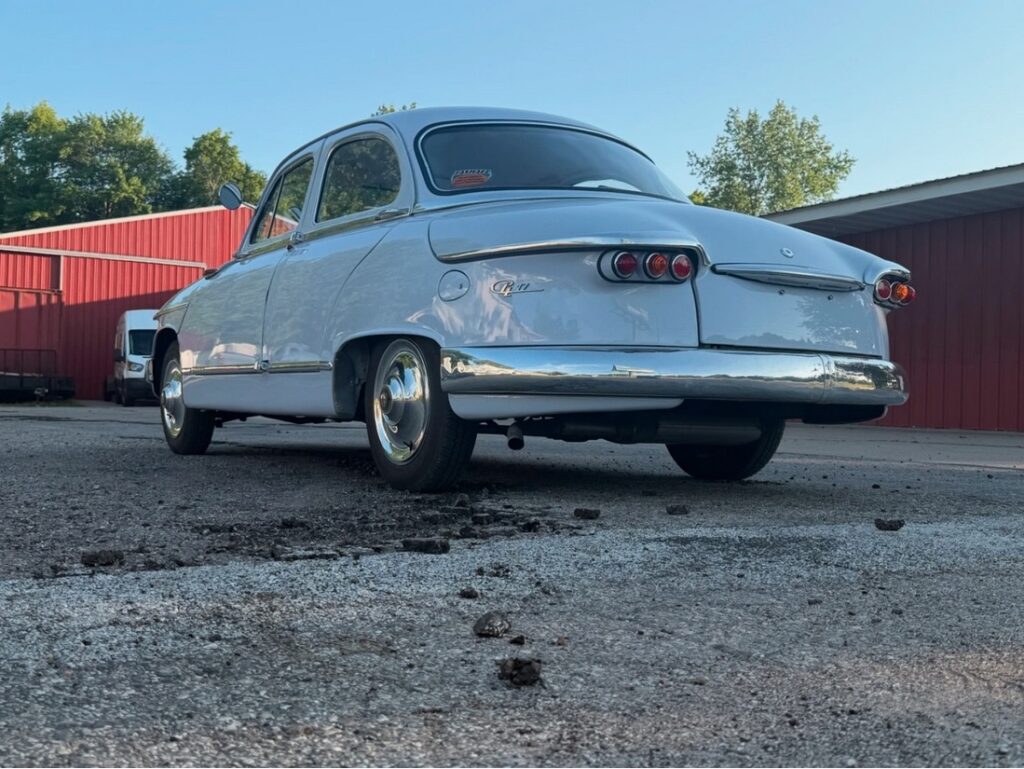
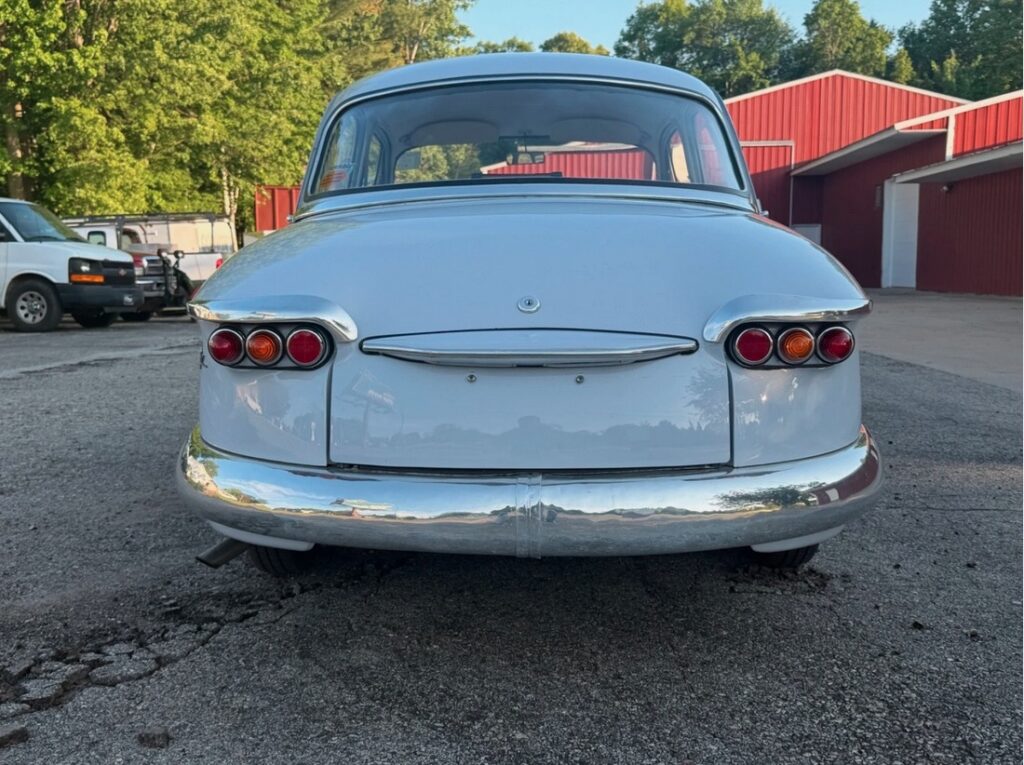
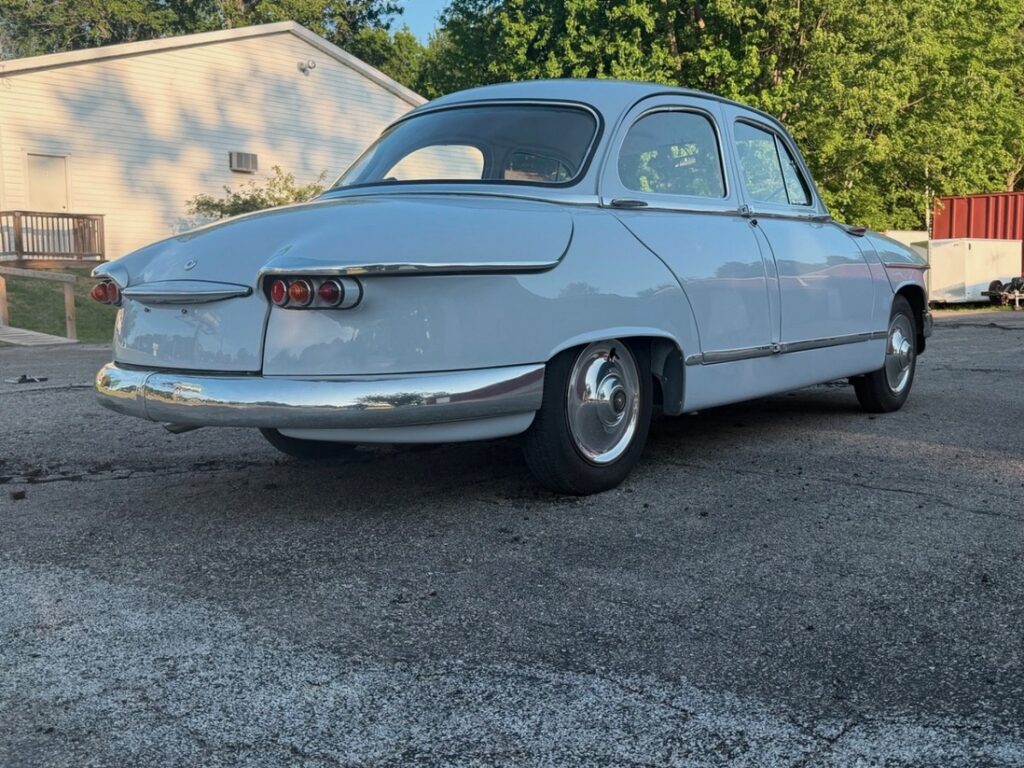
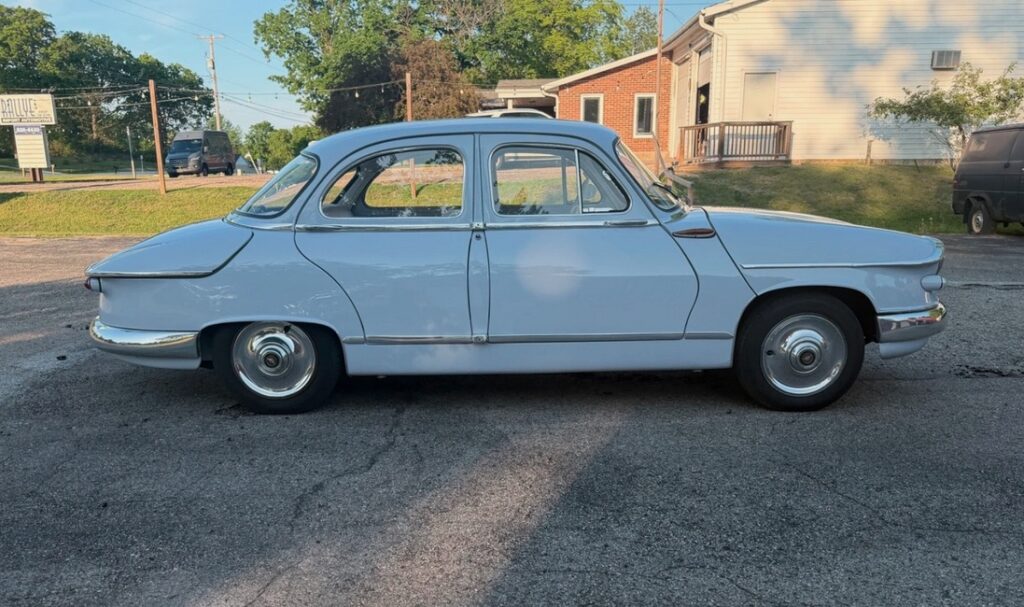
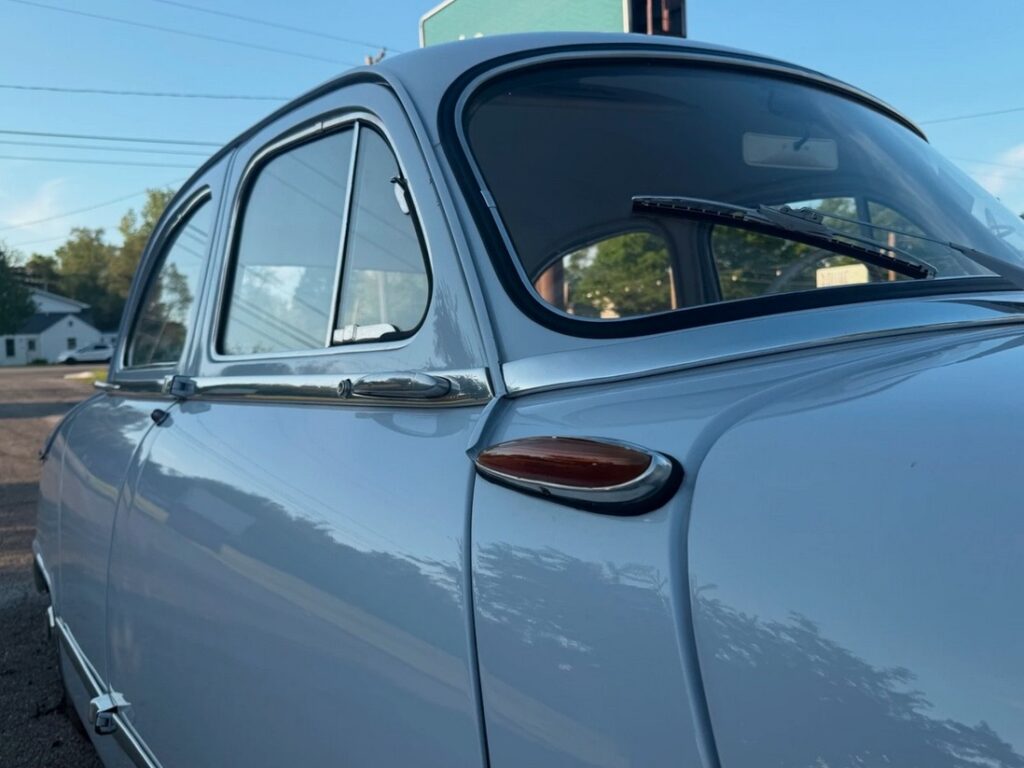
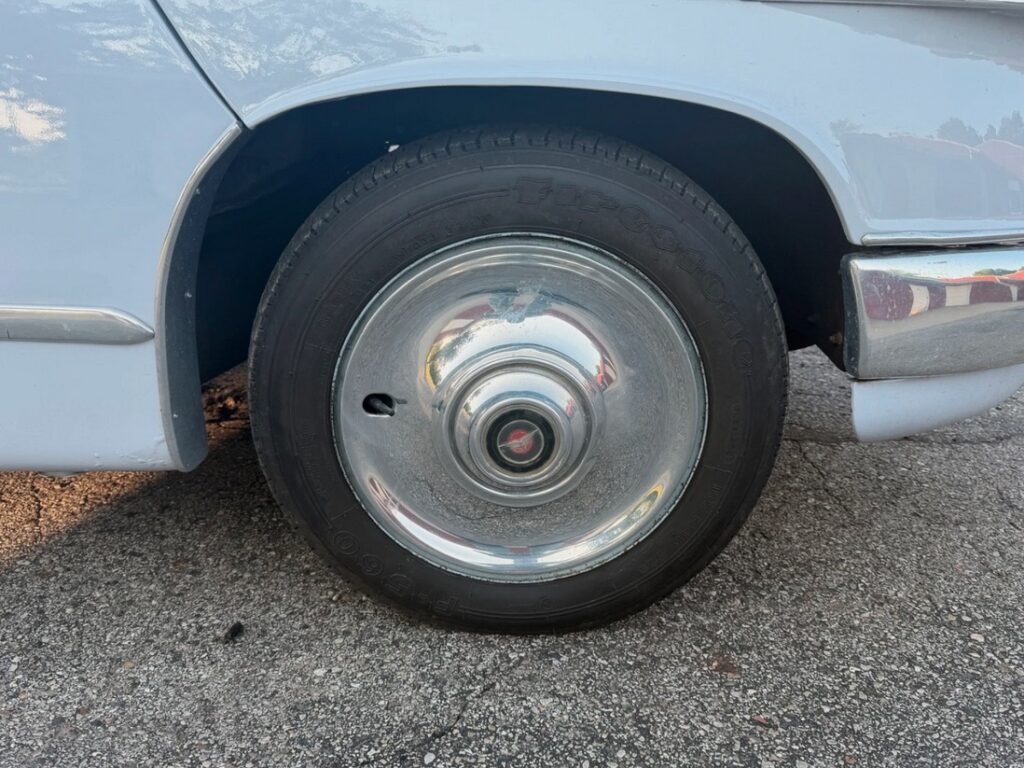
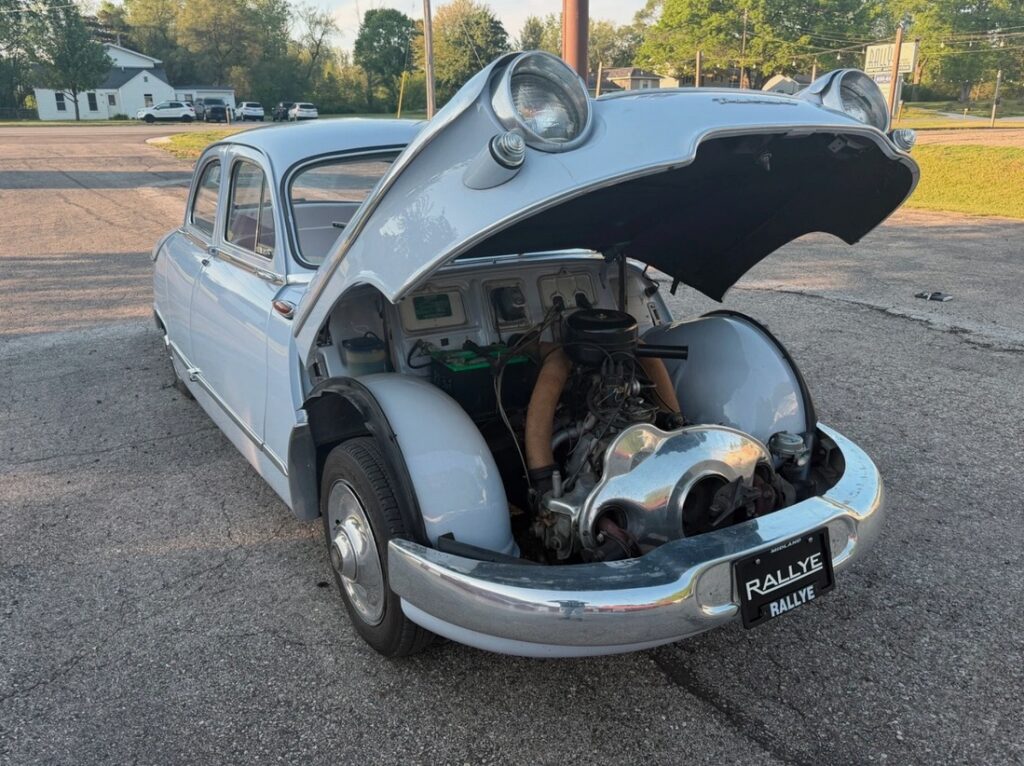
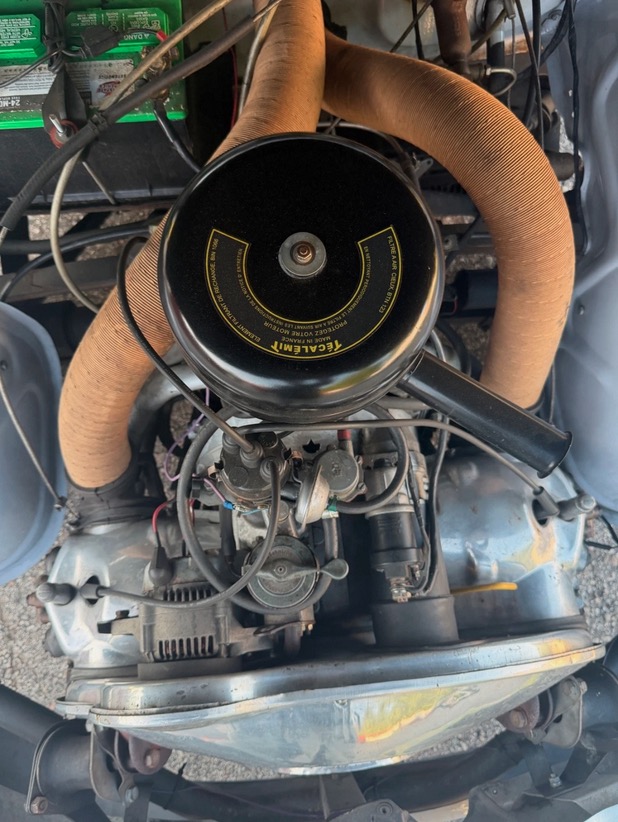
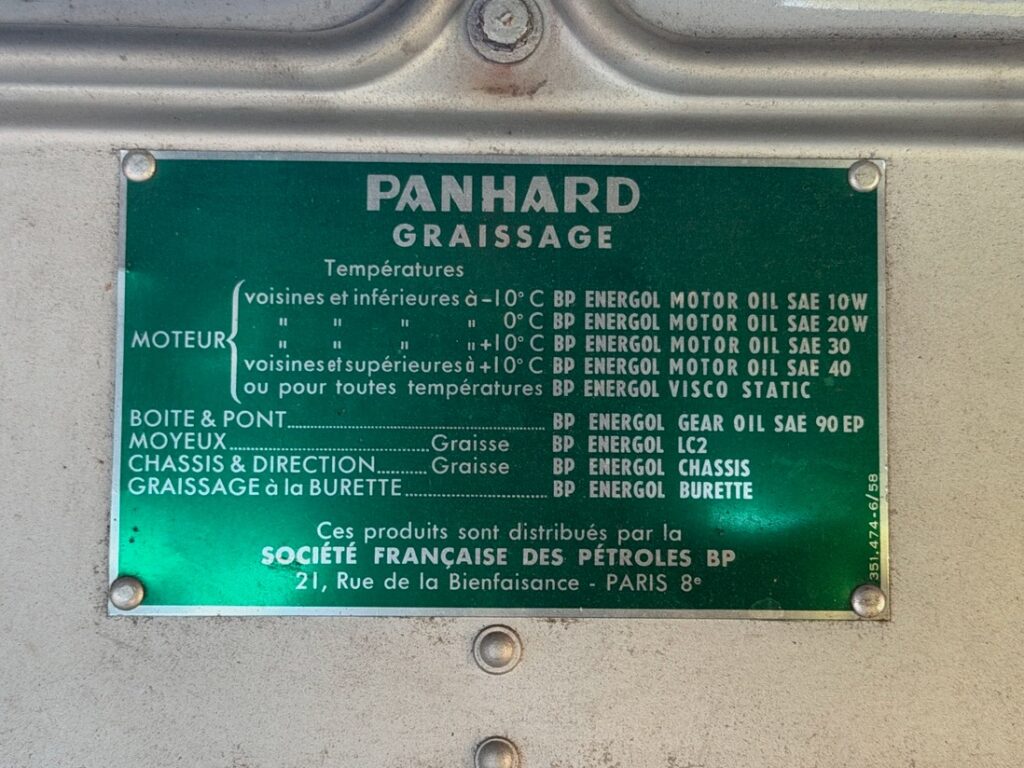
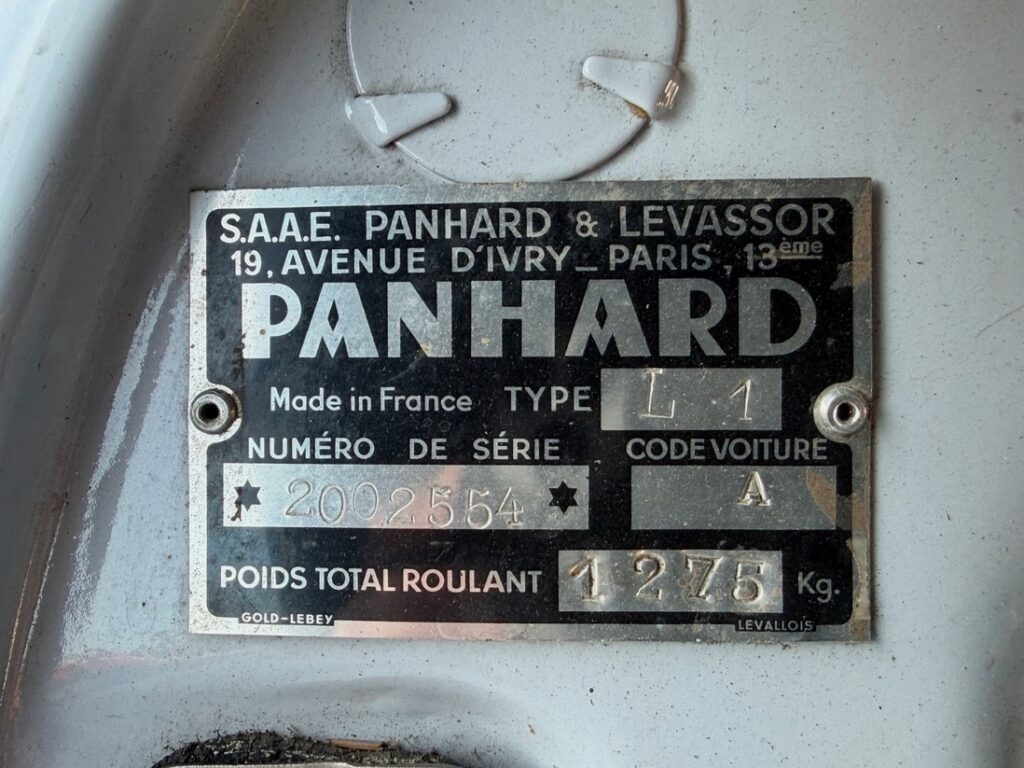
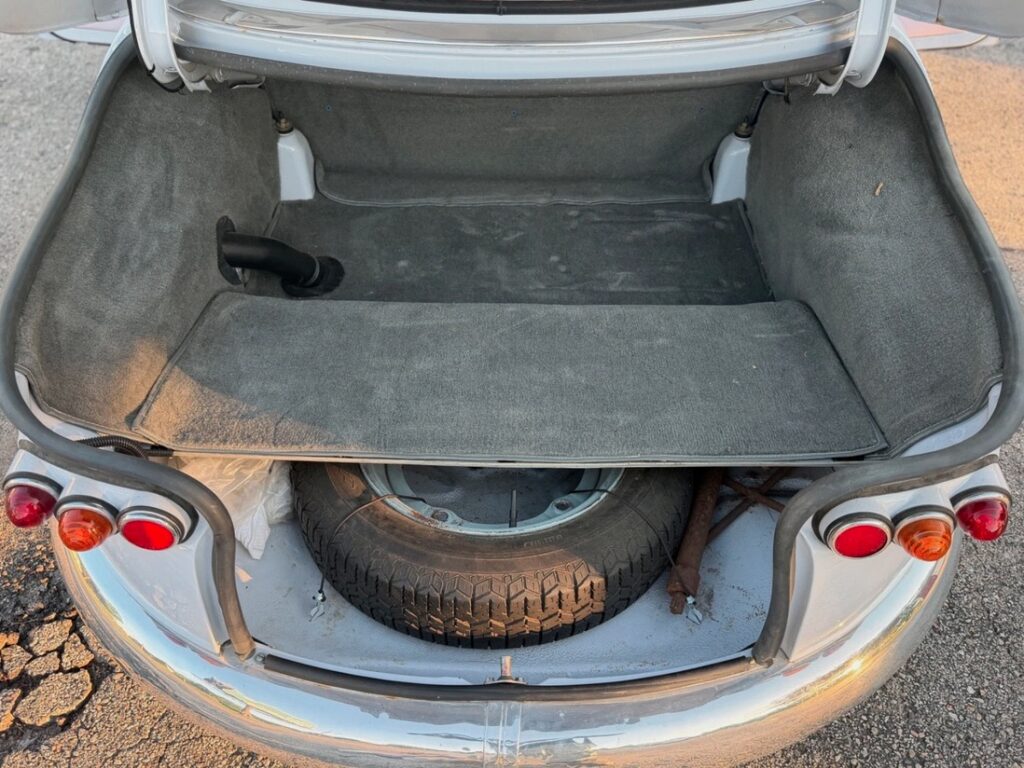
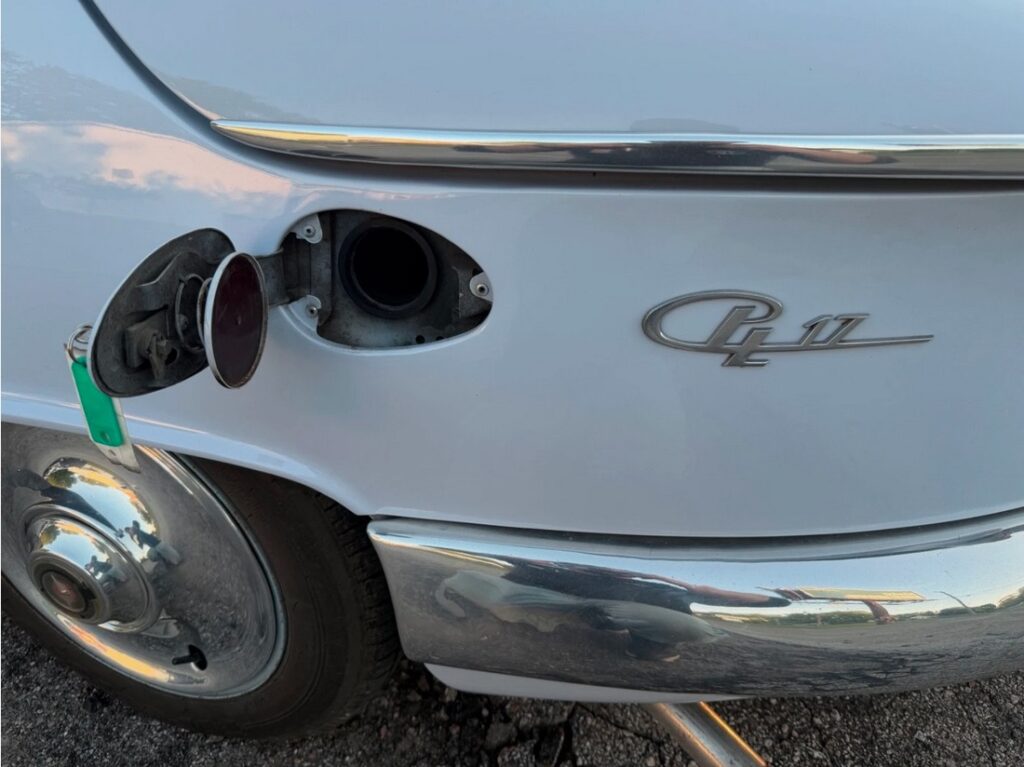
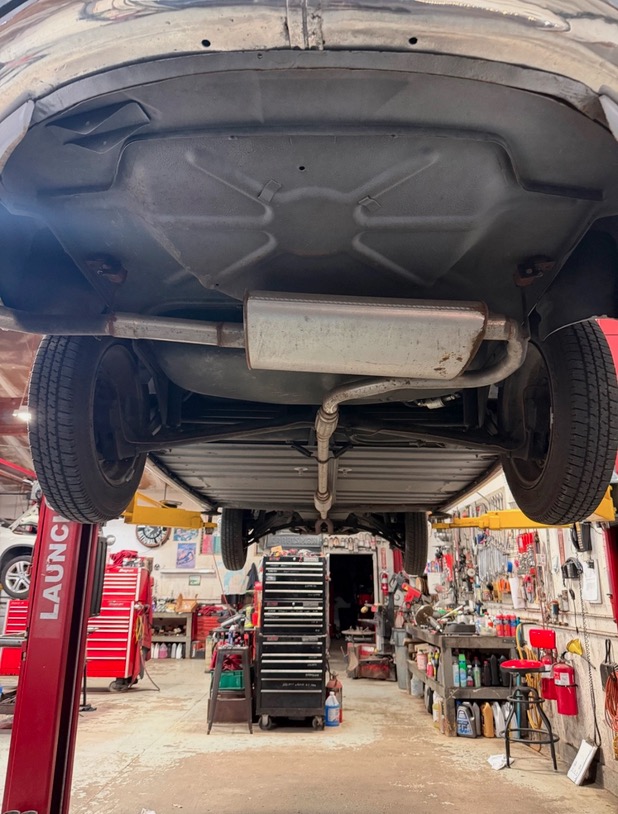
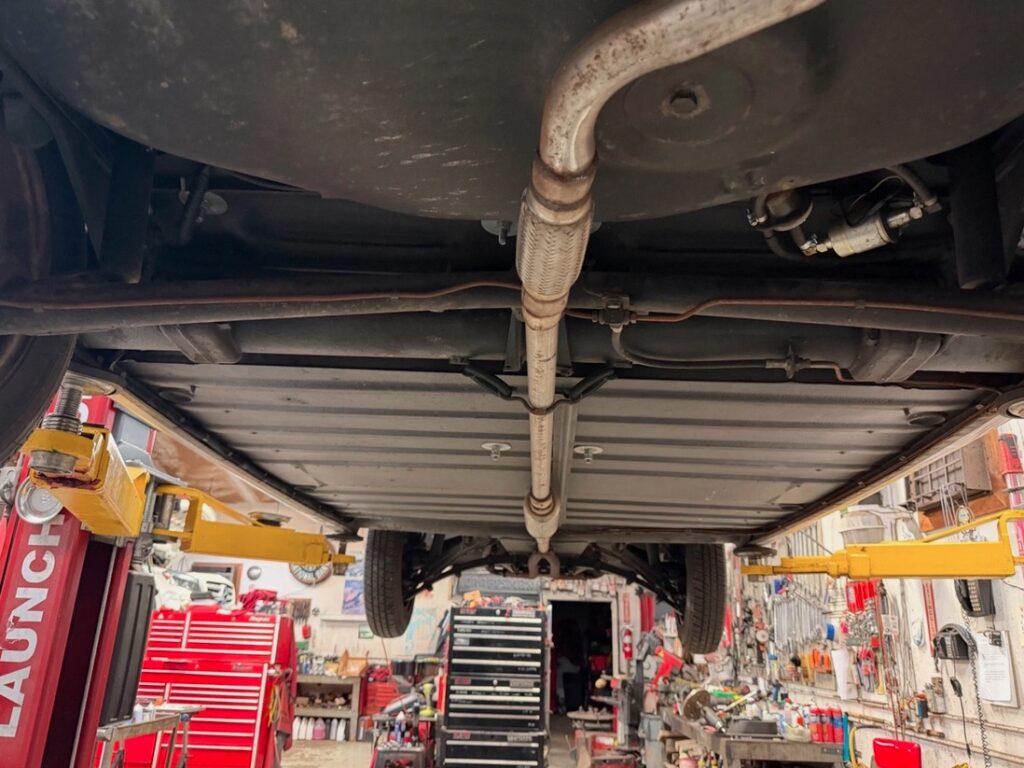
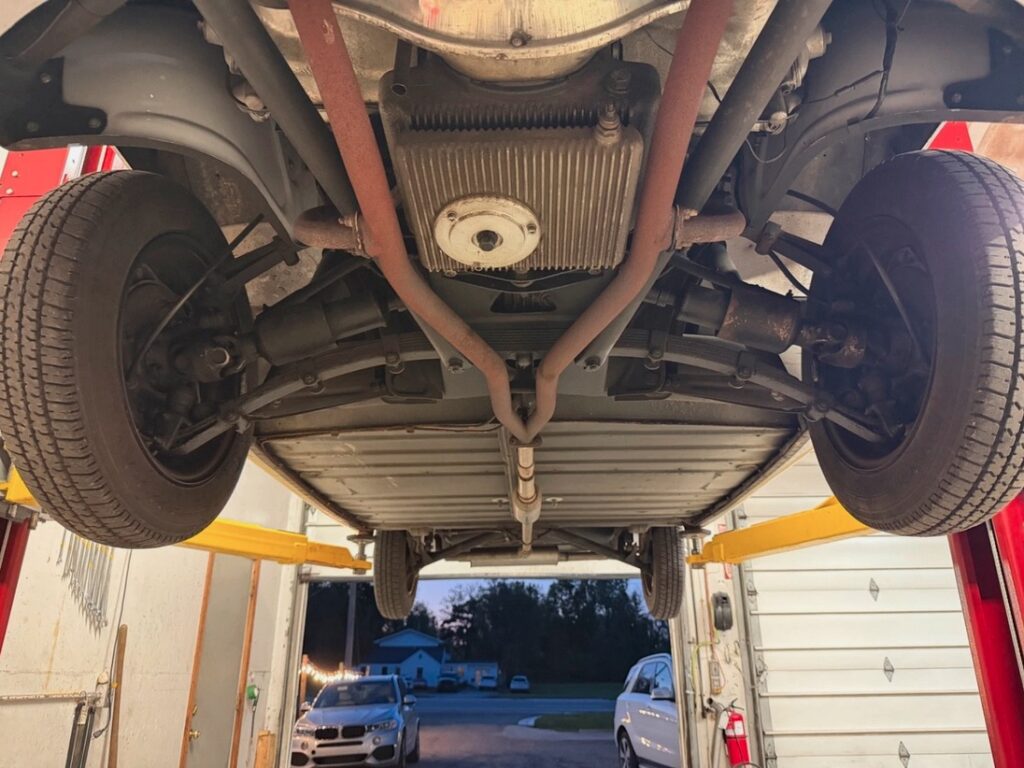
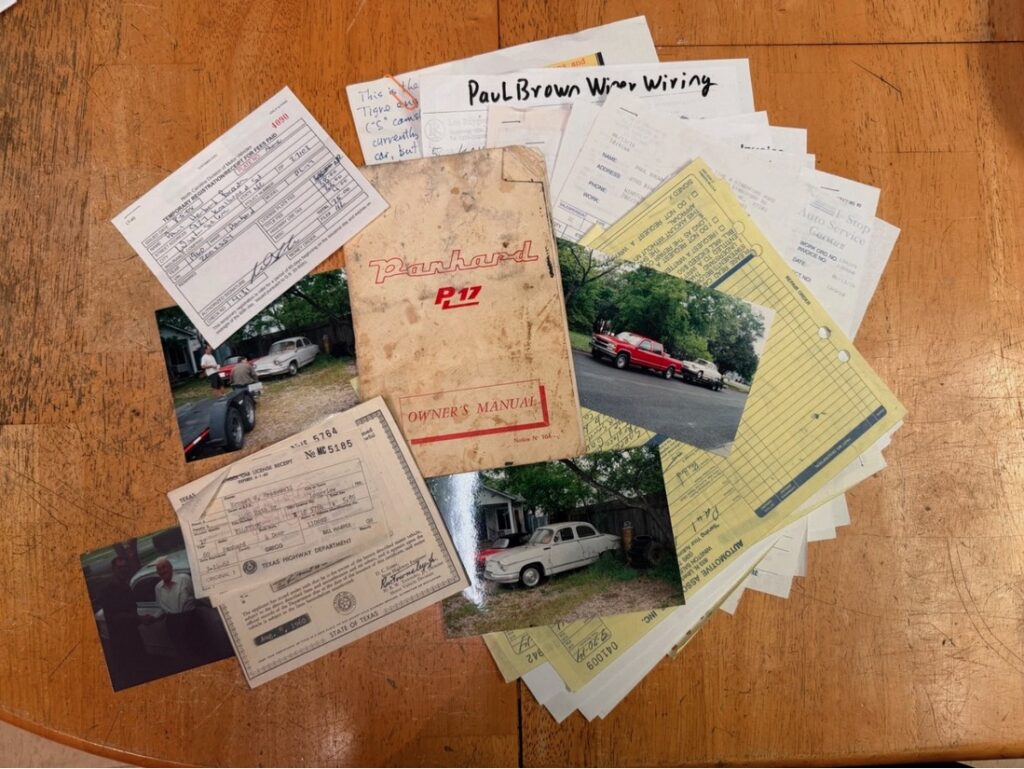
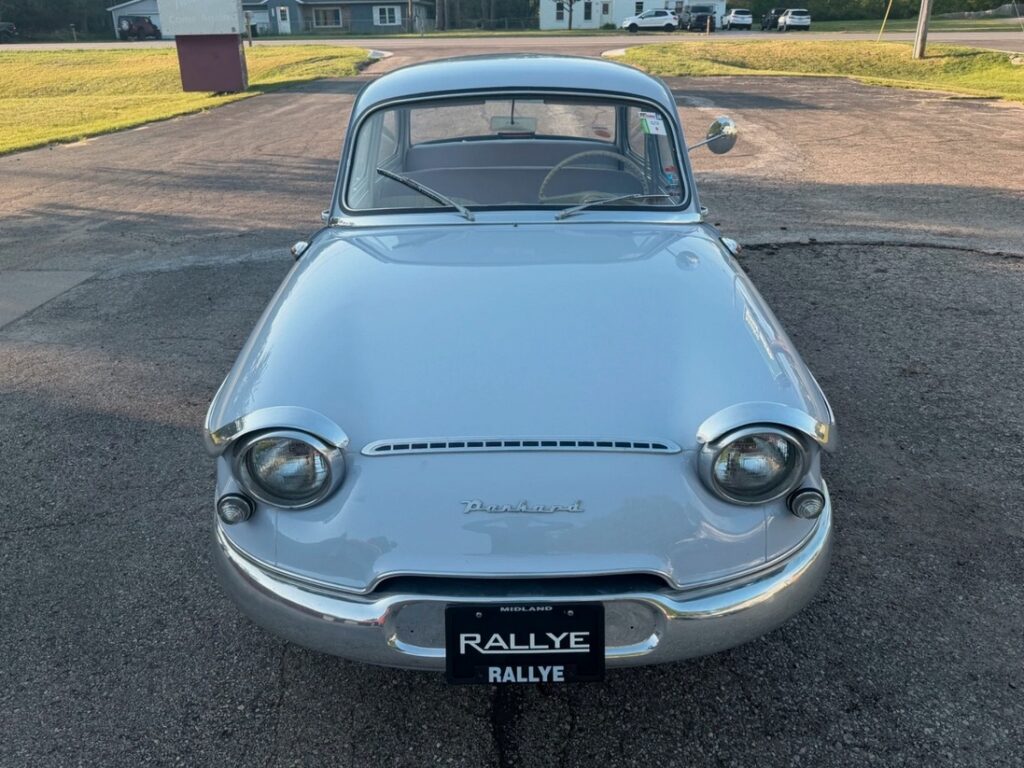
The more I learned about the PL-17, the more I absolutely had to have it.
The Hurdles & The Golden Rule
Every great classic car purchase comes with a few speed bumps, and this one had a whole obstacle course. First, the car was sitting in Michigan, which meant swallowing a $2,500+ transport bill just to get it to California. Add to that California’s unforgiving 9.5% “use” tax for out-of-state purchases, and the math was getting complicated.
But the biggest roadblock wasn’t financial; it was philosophical. I had never actually seen a PL-17 in person, let alone sat in one or driven one. For years, my golden rule to friends has been: “Never buy a car you haven’t sat in.” Yet, here I was, dangerously close to ignoring my own gospel.
Once again, John came to the rescue. On Thursday, he hooked me up with a PL-17 owner in San Anselmo, just a two-and-a-half-hour drive away.
The Epiphany in San Anselmo
Gwen and I hopped in the car Friday morning and headed out to meet Alvin and Susan. We ended up spending a wonderful two hours marveling at Alvin’s mechanical creations. I couldn’t possibly do justice to all his work here, but if you want a taste of his genius, check out Alvin‘s Zazzatron and his Tractor and Panhard project.
Most importantly, the test sit confirmed everything. Slipping behind the wheel of that quirky French masterpiece sealed the deal. I was absolutely certain: the PL-17 was a buy. I planned to call the seller and close the deal that night.
The Heartbreak
Then came the text.
Right before I was about to call him, the seller messaged me. He had just sold the car. I missed it by a single hour.
I guess the 1960 Panhard PL-17 just wasn’t meant to be mine. (Though, I can always admire John’s Panhard from afar).
Appendix: Why the Panhard PL-17 is Worth the Heartache
For a classic car enthusiast—especially one with an appreciation for the idiosyncratic brilliance of vintage French engineering—the Panhard PL-17 is a masterpiece of doing more with less. If you already appreciate the forward-thinking aerodynamics of a Citroën DS or the flat-twin charm of a 2CV, the PL-17 feels like a natural, yet highly distinct, counterpart.
The Marvels:
· Aerodynamic Brilliance: Designed by Louis Bionier, the PL-17 boasts a drag coefficient of just 0.26. Its slippery, streamlined shape was decades ahead of its time.
· Punchy Efficiency: Powered by a tiny 851cc air-cooled flat-twin “boxer” engine (with the sporty Tigre versions putting out 50 hp), the 1,800-pound car can happily cruise at 80 mph while delivering upwards of 40 mpg.
· Deceptive Spaciousness: The front-wheel-drive layout allows for a completely flat floor and wide bench seats, making it a remarkably roomy six-seater.
· Motorsport Pedigree: It has genuine rallying credentials, famously taking the overall win at the 1961 Monte Carlo Rally.
The Quirks:
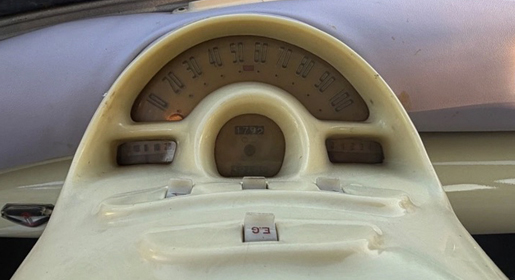
· Wild Ergonomics: The dashboard is deeply unconventional. Depending on the year, you might find yourself reaching through the steering wheel to operate the lights or wipers, and the column shifter requires a learning curve.
· A Nest of Hornets: While it cruises beautifully at highway speeds, the flat-twin engine is famously noisy and buzzy at low speeds.
· The Gearbox: The transmission can be awkward, particularly because early models lacked synchromesh on first gear.
Because these cars are exceptionally rare in the US, finding a well-sorted example usually requires a budget of around $20,000 and a willingness to cast a wide net across the country. It isn’t for someone who wants a conventional classic, but it remains a highly rewarding conversation piece with phenomenal driving character.
Maybe next time, I’ll be an hour earlier.
Great story, Tim. There’s another one out there for you.
Love it. Come to Europe and get one.
A word of caution regarding the gearbox. While most transmissions locate the differential in the sump, the Panhard design uses a drip method of lubrication. The result is that many transmissions fail to adequately lubricate the ring and pinion gear, thus causing a wear problem that can lead to early failure. I was told about this problem when I met the late Citroen mechanic, Carter Willy, in Eugene, Oregon while attending University of Oregon in 1975.
Also, the aluminum body was replaced with a steel body, thus adding more weight and reducing performance. I admire the handsome D-B Coupes that were driven in competition. I note that the suspension uses a transverse leaf spring, similar to the design used in the Chevy Corvette.
Many cars today also use the panhard rod to reduce body roll. Jay Leno’s Garage has an episode on YouTube about driving this unique French car.
The Dyna and PL17 Panhards are some of my very favourite cars of all time. They are extremely rare here in Queensland, Australia! But I do have a collection of Norev and French Dinky models with which to console myself in the absence of the real thing! Both makers were fastidious in making tiny changes to their models to copy those made by Panhard.