
Kégresse History — The 1922–1923 Trans-Sahara Expedition
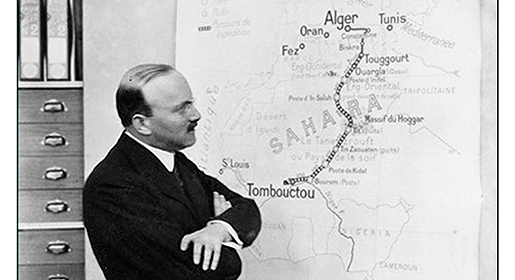
When Adolphe Kégresse presented André Citroën with the concept of half-track vehicles in 1920, he was immediately captivated and secured exclusive rights to the invention. Demonstrations quickly multiplied for both military and civilian uses.
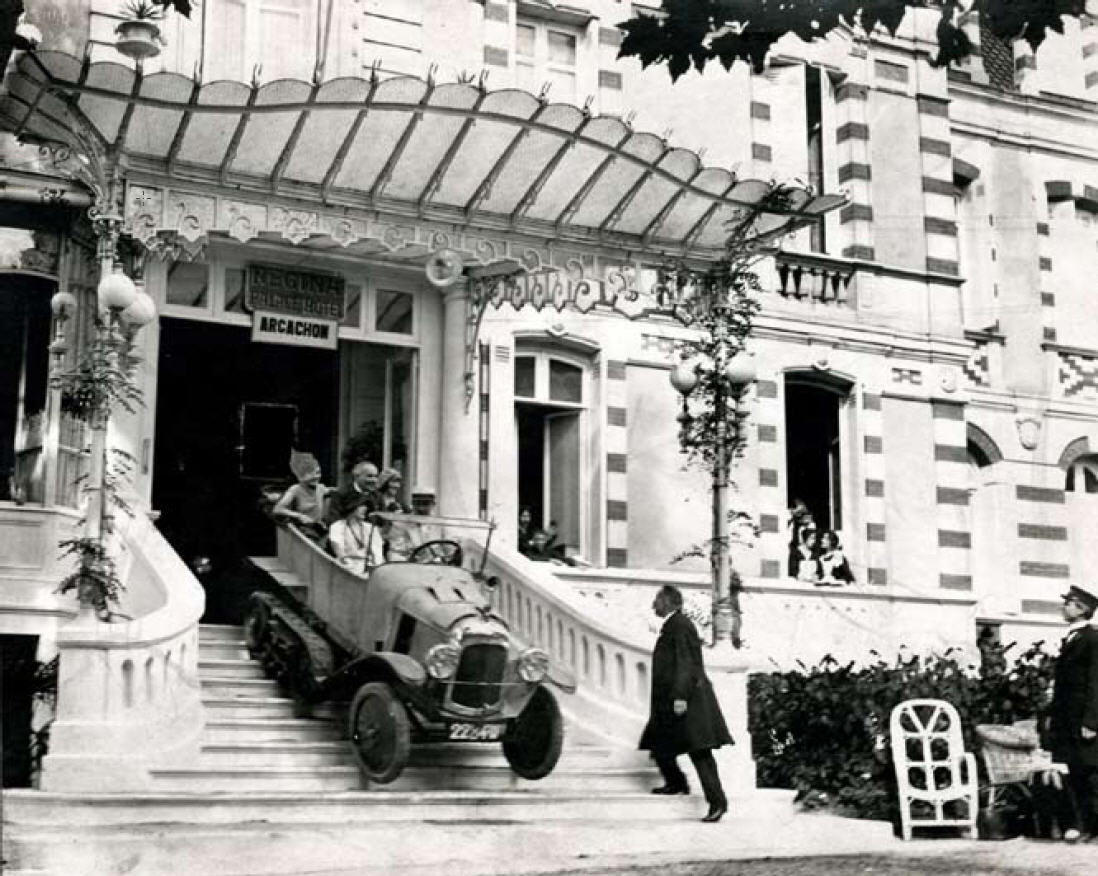
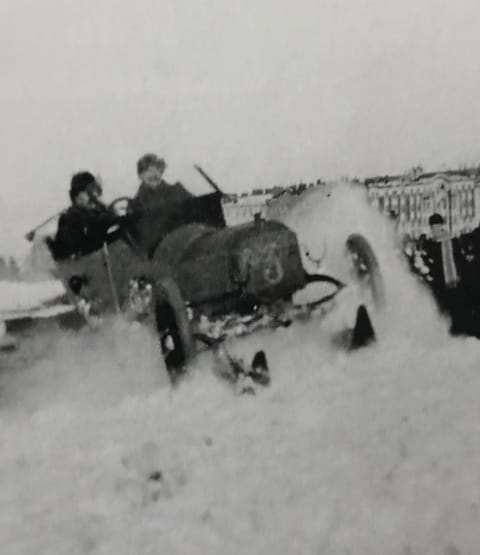
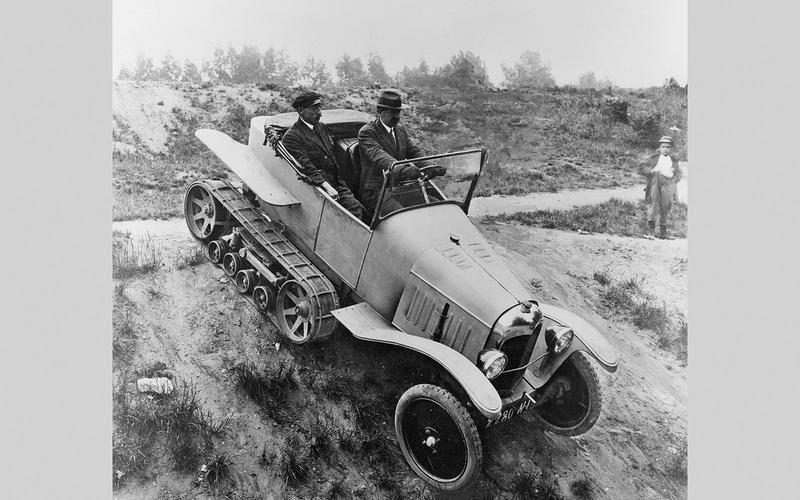
After several thousand kilometers of reconnaissance and development, the first major expedition was launched: Citroën would cross the Sahara from Tougourt to Timbuktu.
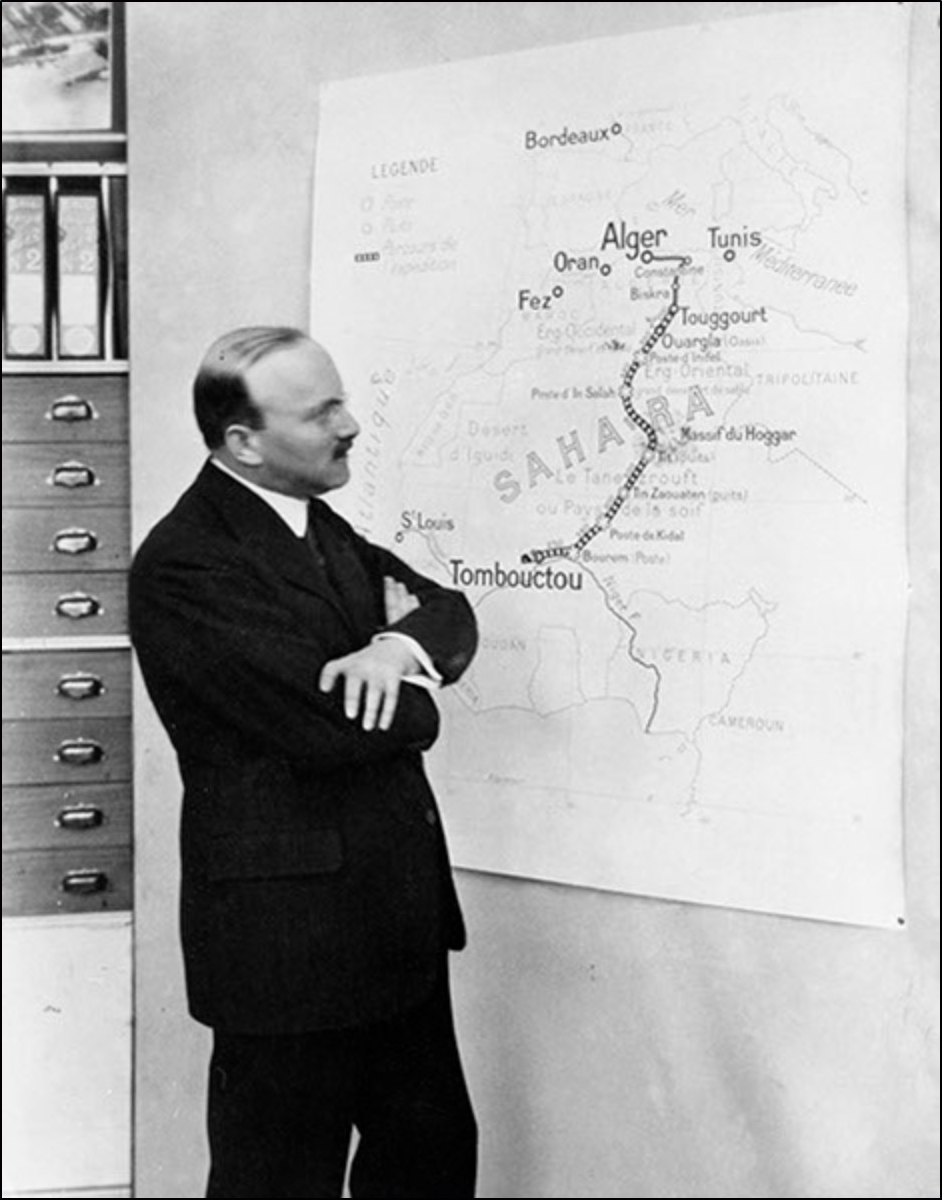
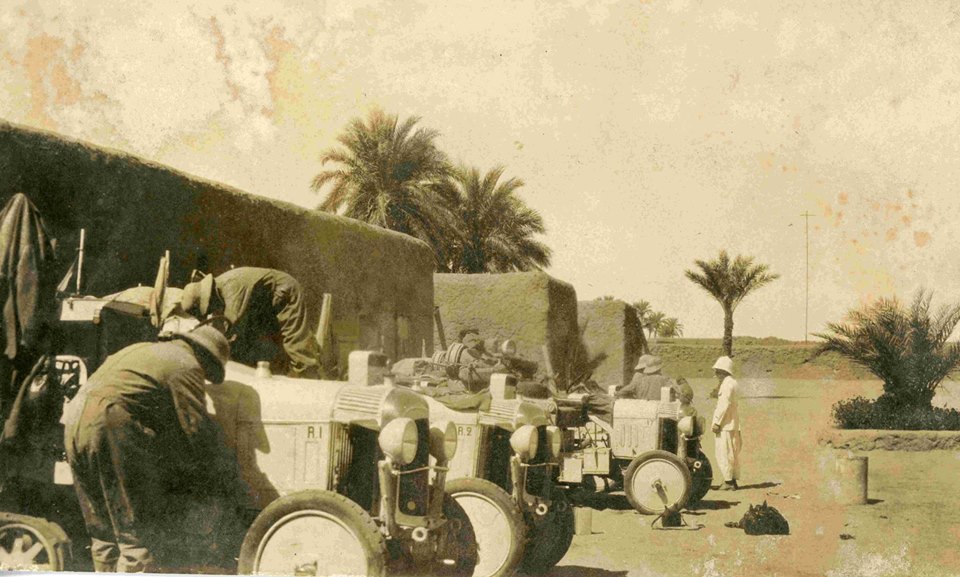
What we refer to today as the 1922–1923 Trans-Sahara Expedition, five 10-horsepower B2 type trucks were specially prepared to accommodate tools, spare parts, weapons, bivouac equipment, and even toilet paper.
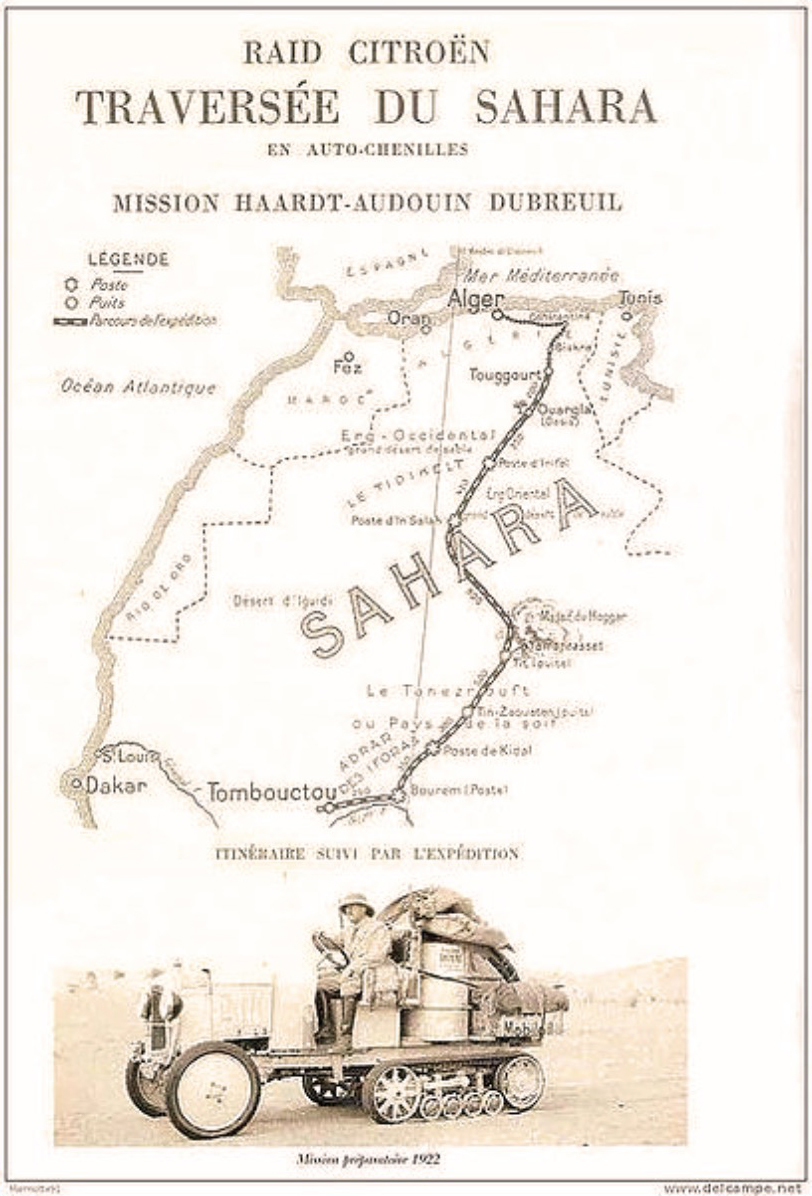
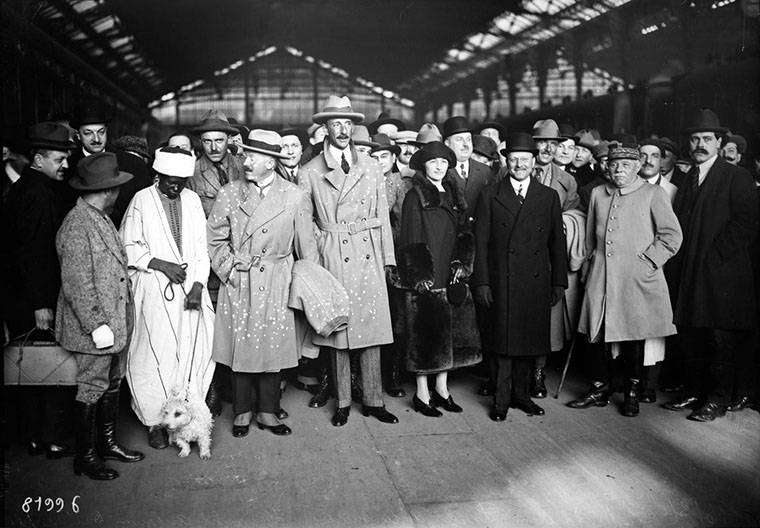
Citroën’s closest advisor Georges-Marie Haardt led the expedition, assisted by Louis Audouin-Dubreuil, a Sahara specialist. They were supported by seasoned mechanics, geographer Paul Castelnau, lieutenant pilot Georges Estienne, and warrant officer/interpreter Chapuis—not forgetting Flossie, the little dog acting as the mascot. The five cars were christened: Golden Scarab, Silver Crescent, Flying Tortoise, Creeping Caterpillar, and Ox.
On 17th December 1922, the departure was solemn and military. In the presence of the Governor-General of Algeria, the group set off on the high-risk journey.
The desert was largely unexplored and had never been crossed by car.
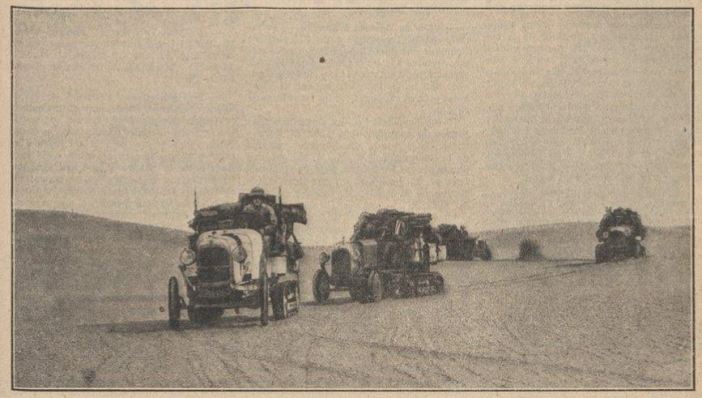
It would be 3,200 km of trials for both men and machines. They navigated high dunes with shifting sand, valleys, and plains battered by wind where any navigational error could mean certain death.
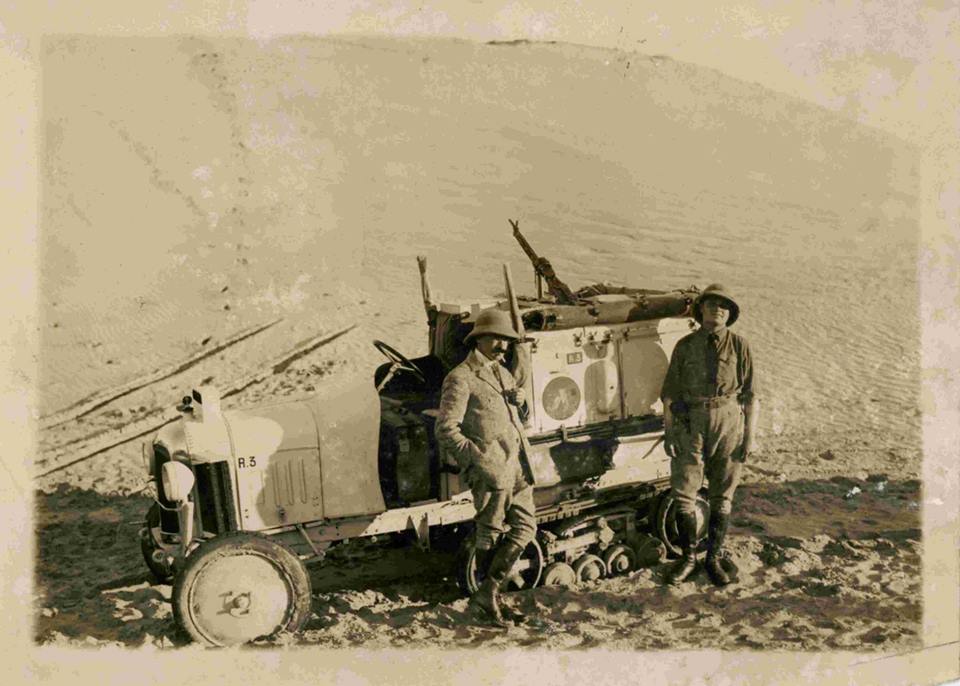
Despite the hardships, the route offered moments of wonder. Welcoming oases provided opportunities to stroll through markets and witness local festivals and dances. Yet apart from these moments of respite, the expedition was not fun. Most of the time was spent bivouacking in unknown places, staying vigilant, and driving at night to avoid the heat. The crew had to maintain the cars and manage vital fuel reserves. New Year’s Eve was spent in Tinzawaten, meeting a supply group and celebrating the milestone with a glass of champagne.
As they neared the Niger River, the landscape changed to grassy steppes and forests. After 20 days and 3,200 km, the expedition reached Timbuktu on January 7. They were welcomed by a curious crowd and the regional commander. In a symbolic gesture, Georges-Marie Haardt—always elegant—handed over the first Saharan automobile mail to the authorities.
Mission accomplished. To drive the point home, the expedition retraced the route in reverse. André Citroën himself, accompanied by his wife and the engineer Kégresse, personally met the team to celebrate. While they played up the reunion for the cameras with hugs and cheers, the pride was real. This triumph was more than a stunt, it was a turning point in mobility, exploration, and the reputation of the Citroën brand.
André Citroën was not going to stop there. He promoted two other major Kégresse half-track expeditions: the 1924–1925 Black Cruise (La Croisière Noire) across Africa, and the 1931–1932 Yellow Cruise (La Croisière Jaune) across Asia.
The Black Cruise: Across Africa (1924 – 1925)
The Black Cruise (Croisière Noire) launched in 1924, sent half-tracks from North Africa down to Madagascar. This 20,000-kilometer trek crossed jungles, rivers, and Savannah. It was more than an endurance test, it was also a scientific and cultural expedition. Anthropologists, geographers, and filmmakers joined the journey, documenting landscapes and societies along the way. The half-tracks proved themselves in mud, rivers, and tropical extremes, becoming symbols of French ingenuity.
The Central Asia Expedition: In Marco Polo’s Footsteps (1931 – 1932)
The most ambitious expedition of all came next: The Central Asia Expedition (also referred to as “La Croisière Jaune”). Beginning in 1931, two groups set out: one from Beirut (the Pamir group), and one from Beijing (the China group). Their goal: to meet in Xinjiang and link the Mediterranean to the Pacific by automobile, retracing the ancient Silk Road of Marco Polo.
The expedition faced every kind of obstacle, searing deserts, flooded rivers, crumbling mountain trails, snow-choked passes, and even attacks from bandits. At times, the half-tracks had to be dismantled and carried in pieces by ponies before being reassembled to continue. Yet, against all odds, 40 men and 14 Citroën half-tracks covered 12,000 kilometers, finally reaching Beijing in February 1932.
It was not just an automotive achievement but a global spectacle, reported in newspapers worldwide. Sadly, Georges-Marie Haardt, the expedition’s leader, fell ill with pneumonia during the return journey and died in Hong Kong—a tragic end to one of Citroën’s greatest adventures.
The Canadian Subarctic Expedition (1934)
There was a 4th expedition in Canada that utilized Citroën Kégresse half-track vehicles organized by Charles Eugène Bedaux, a French-American millionaire. The Canadian Subarctic Expedition also referred to as “La Croissiere Blanc” and “The Champagne Safari”, it ultimately failed not because of the half-tracks, but lack of proper preparation and incompetence. Read more about it here: https://citroenvie.com/more-on-the-failed-la-croisere-blanche-canadian-expedition-of-1934/
Additional information on the Citroën-Kégresse:
• Adolphe Kégresse – The Man Who Put Citroën “On Track”
• All Citroën-Kégresse models – platypusgame.com
• All Citroën-Kégresse models – kegresse.dk
• One Vehicle, One Story: The Citroën-Kégresse K1 “Croissant d’Argent” of Louis Audouin-Dubreuil
• Citroën Has Recreated The Amazing Golden Scarab Half-Track That Conquered The Sahara Almost 100 Years Ago
• La Traversée du Sahara
• Kégresse in France
• Kégresse in Great Britain (features the Citroën-Kégresse from the Falklands Archives that belonged to George Bonner who lived in San Carlos)
• Citroën-Kegresse-Hinstin Autochenille (Half-track vehicle) – citroenet.org.uk
View this 1992 documentary film about the Sahara Crossings. Led by Georges-Marie Haardt and Louis Audouin-Dubreuil, these expeditions crossed the Sahara Desert and traversed the African continent traveling 20,000km from Algeria to Madagascar to promote technological progress and boost the Citroën brand’s image: https://www.youtube.com/watch?v=k6SG37ZHqY8&t=2s
Film about La Croisière Jaune (The Yellow Cruise) – Citroën Central Asia Expedition from April 4, 1931 to February 12, 1932
https://www.youtube.com/watch?v=DNaDrzIIczI
All the Kégresse half-track vehicle expeditions were pioneering automotive journeys designed to demonstrate the reliability of the Citroën Kégresse half-track vehicles.