By George Dyke….
I get asked this question frequently. For those who have never had the opportunity, here’s what I feel is an accurate description;
Driving a Citroën 2CV is less like driving an ordinary car and more like piloting a charming mechanical four wheels contraption. It’s an experience that is simultaneously agricultural, surprisingly rugged, entertaining and totally lovable.
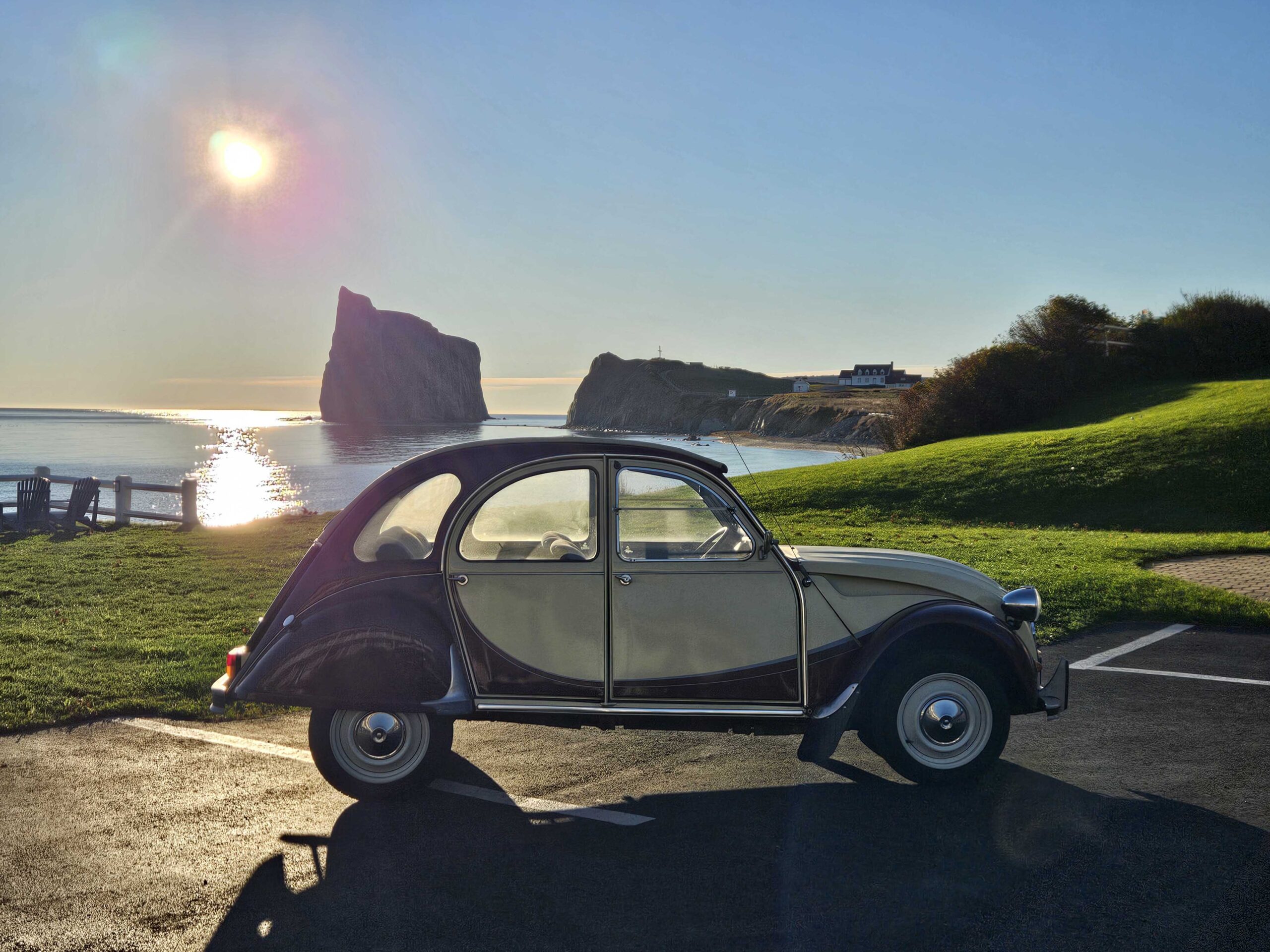
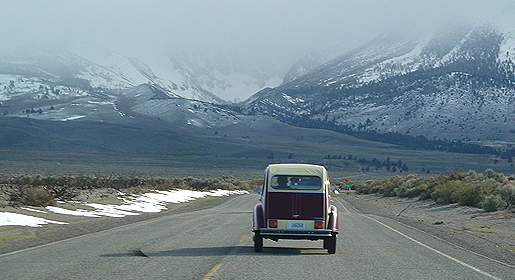
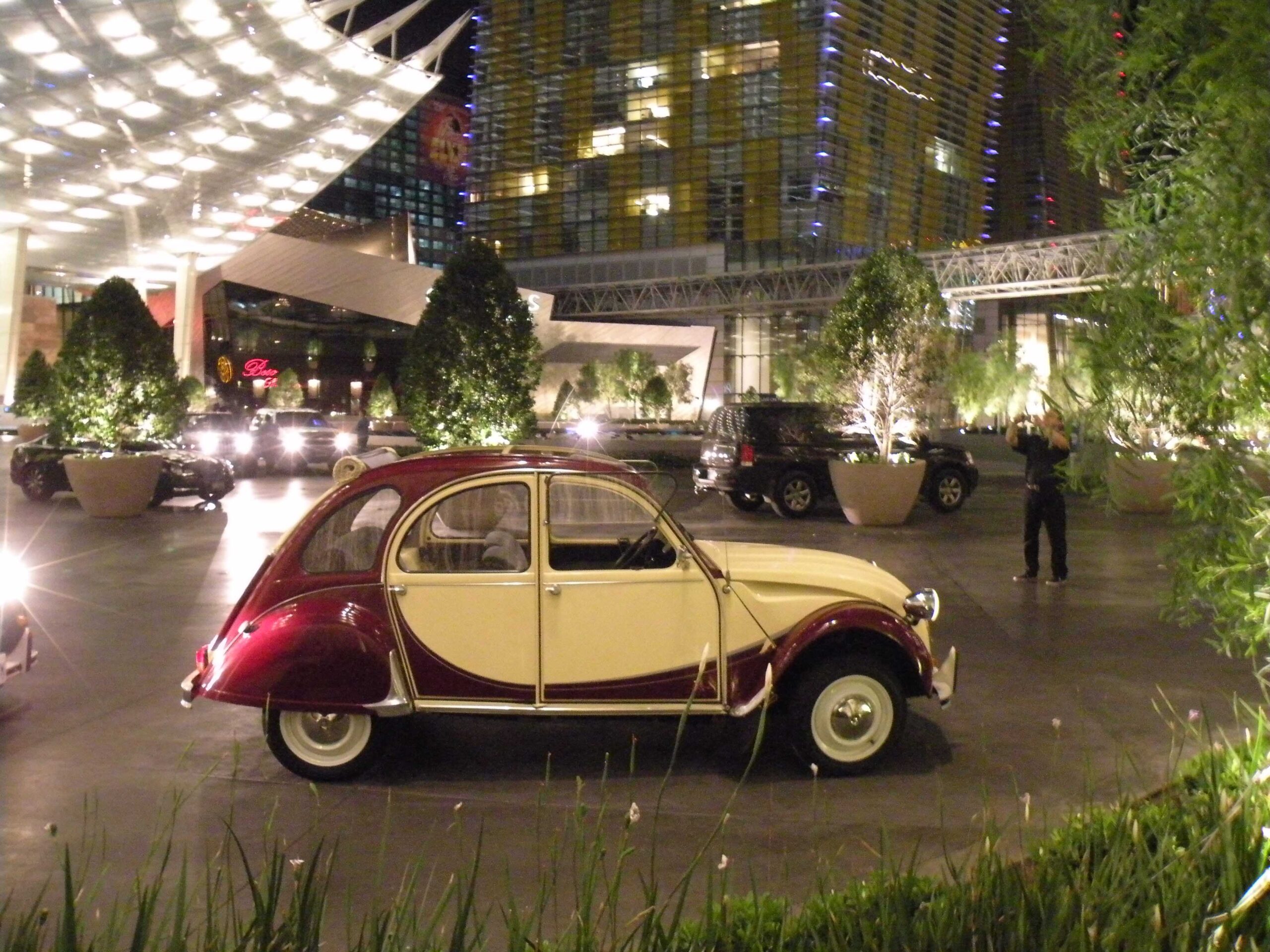
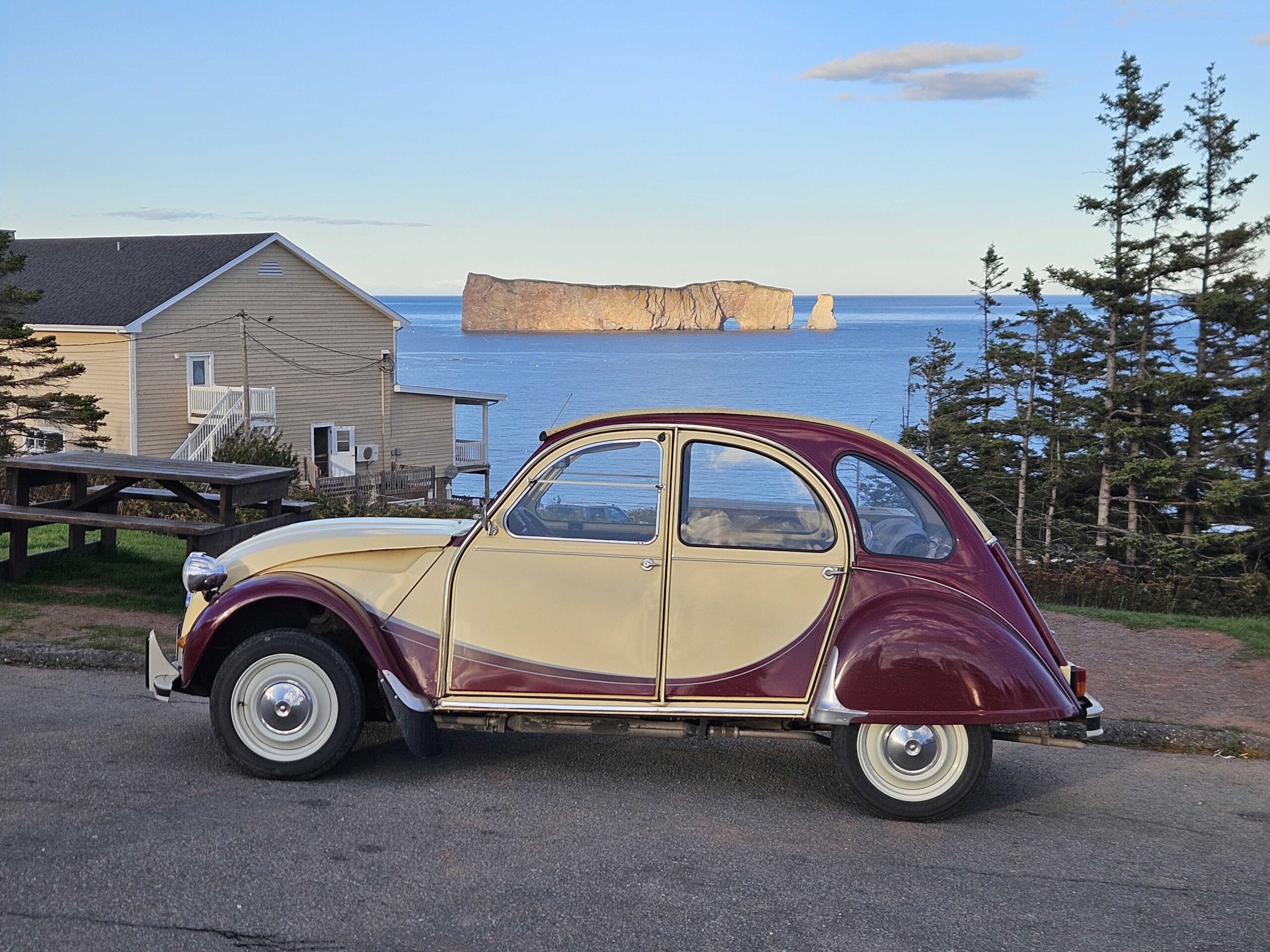
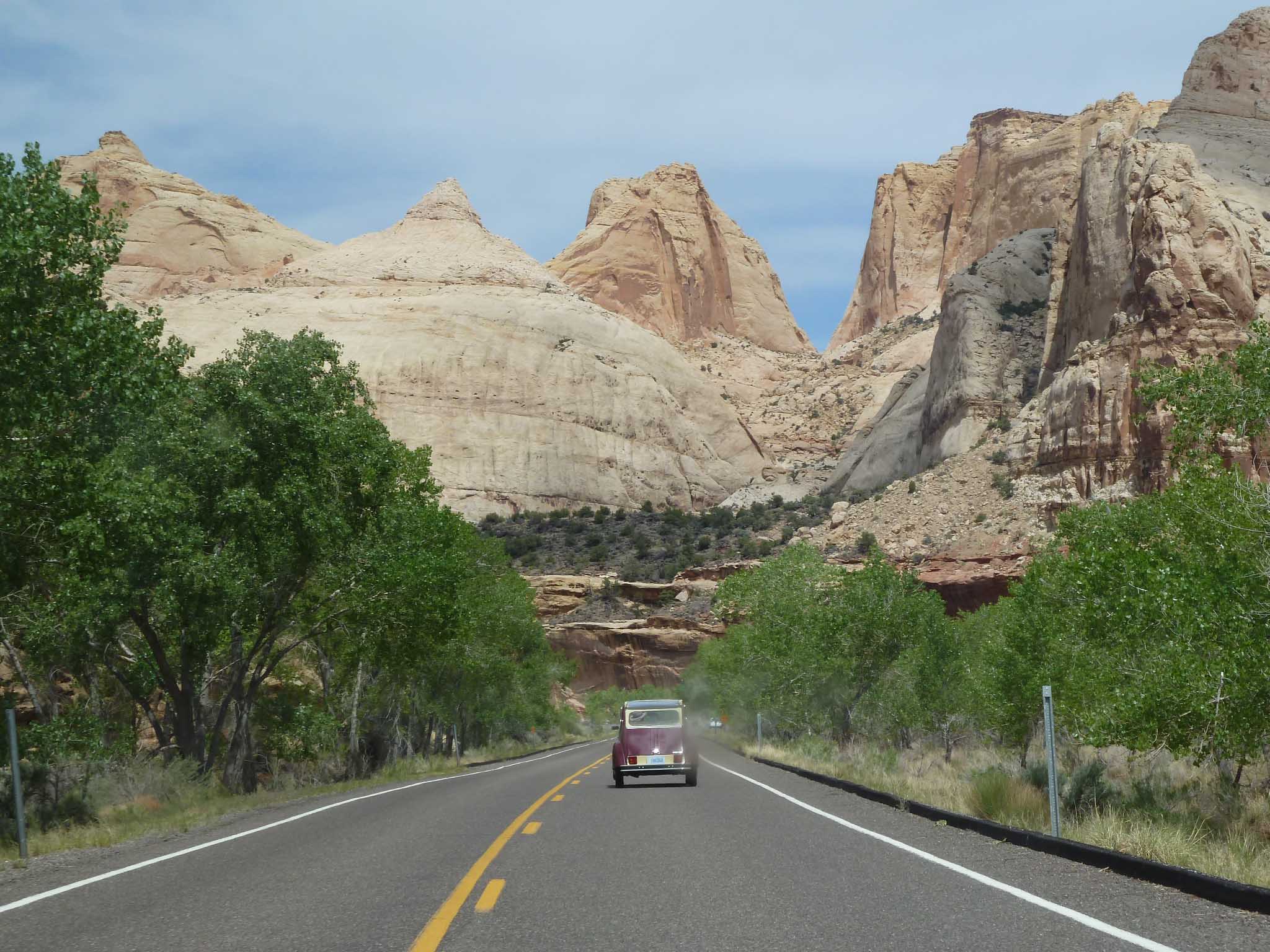
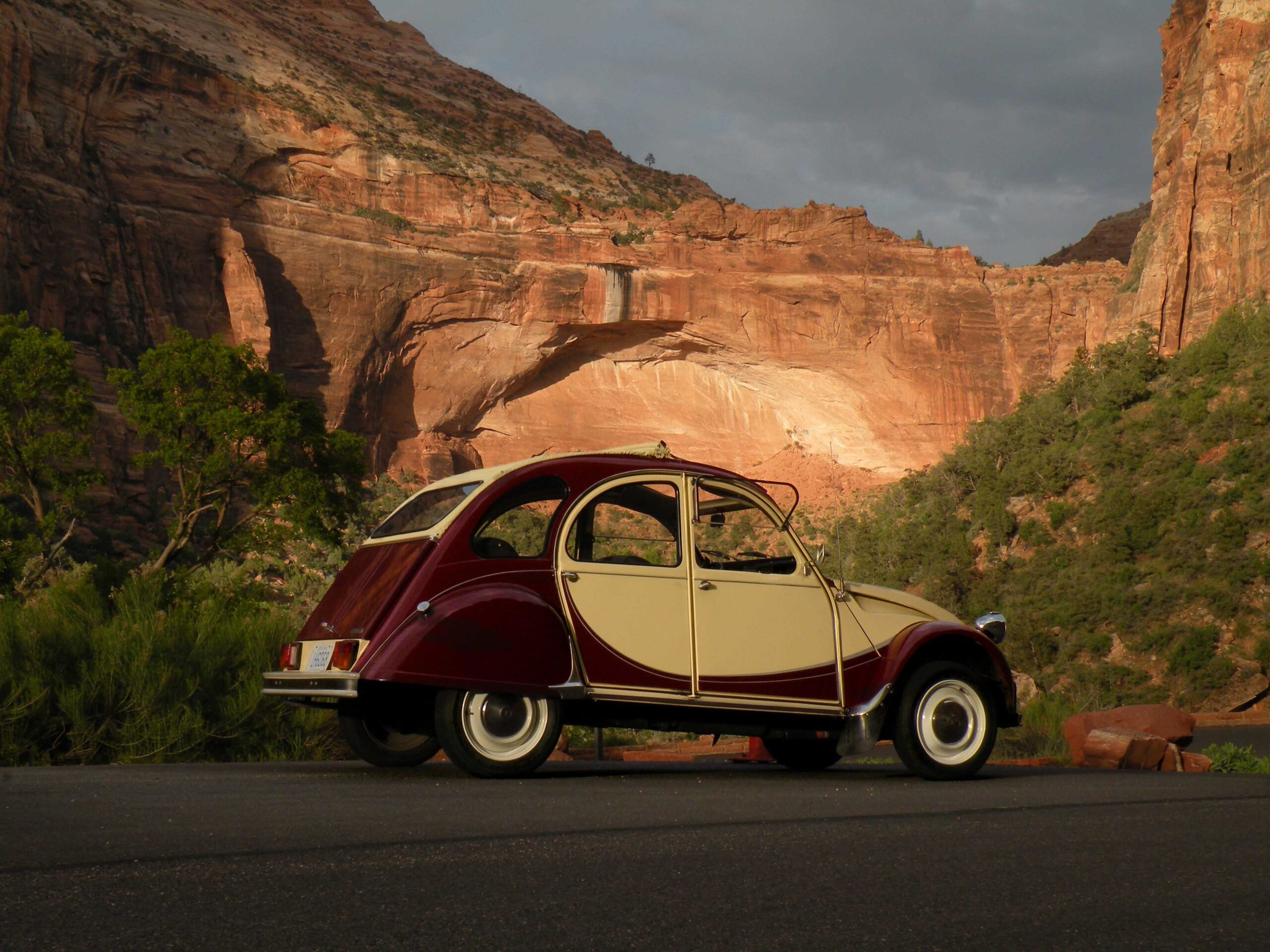
I have owned this 2CV for over 20 years and driven it throughout Canada and the USA.
Starting off
Pull the choke if the engine is cold, and once the starter engages (use the crank handle if it doesn’t) the little air-cooled flat-twin engine coughs, rattles and settles into a slightly uneven idle.
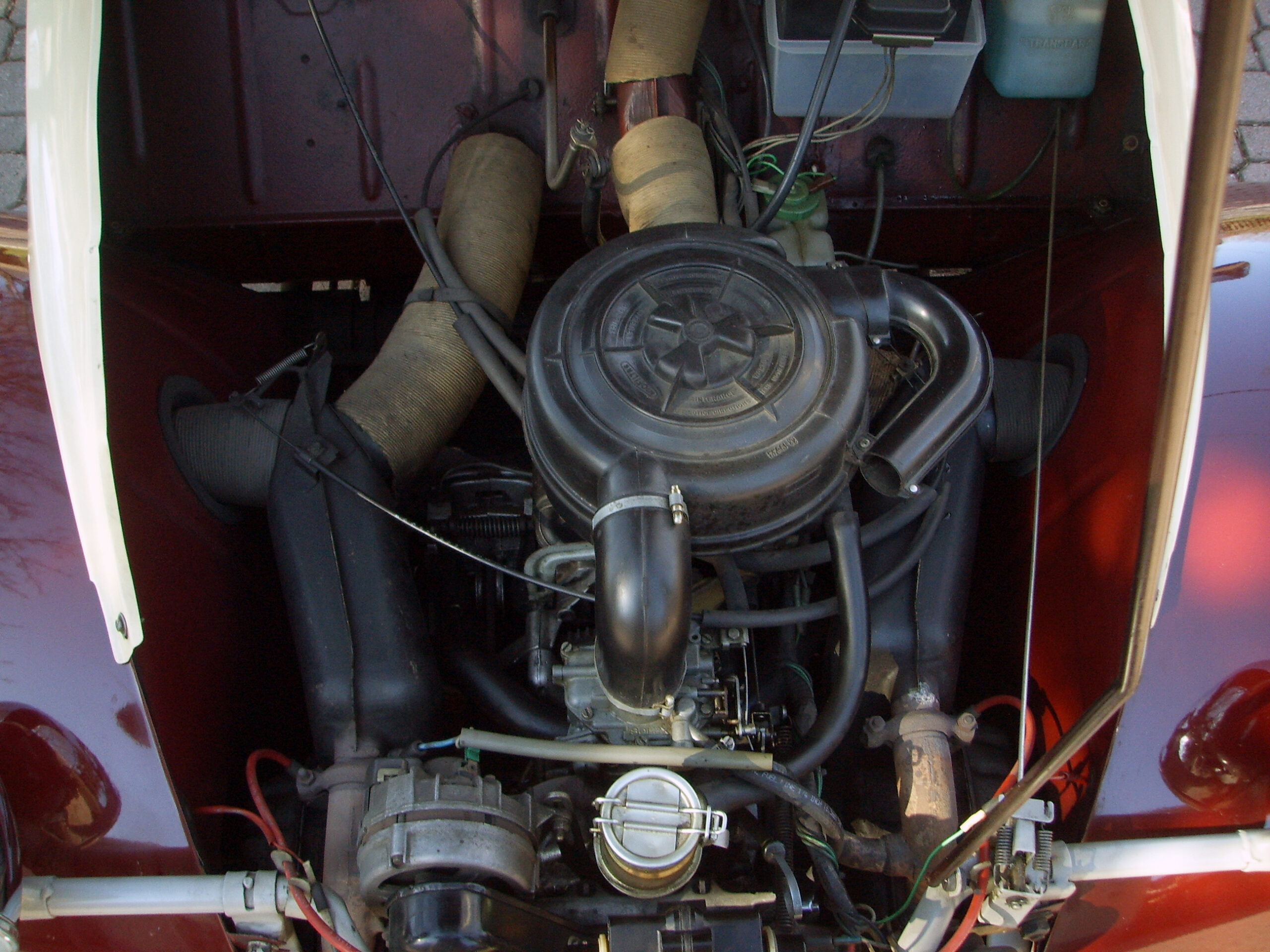
There is no sense of pent-up power. The engine sounds busy even when doing very little.
The gear lever sprouts horizontally from the dashboard, like a metal walking stick. First gear is selected by twisting it left and pulling it toward you, then slide into 2nd gear by pushing it forward, 3rd is a pull back straight toward you and 4th (if you’ve made it to highway speed) is a twist to the right and a push forward. Reverse is a twist to the left but rather than pulling (to 1st) push all the way forward.
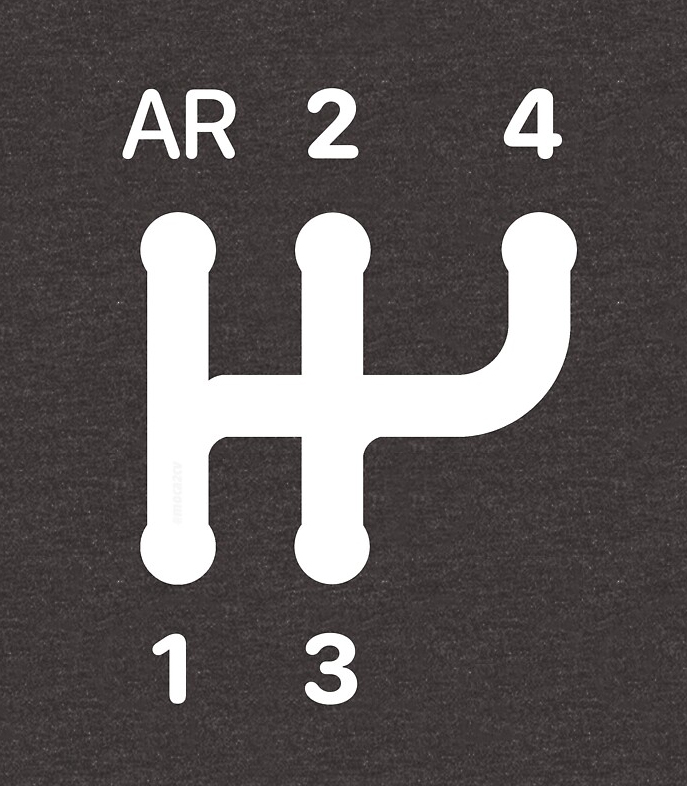
What at first seems like an unconventional combination of pushing, pulling and twisting, after a few minutes of driving you wonder why all cars with a manual gearbox don’t have gear shifts that operate in that manner.
The clutch is light, the gas pedal has naturally balanced travel, and everything feels mechanical rather than electronically mediated.
Acceleration
As you press the gas pedal, the engine produces a modest amount of power, somewhere around 9 to 29 horsepower depending on the model and year. Later 602cc versions typically produced about 29 hp.
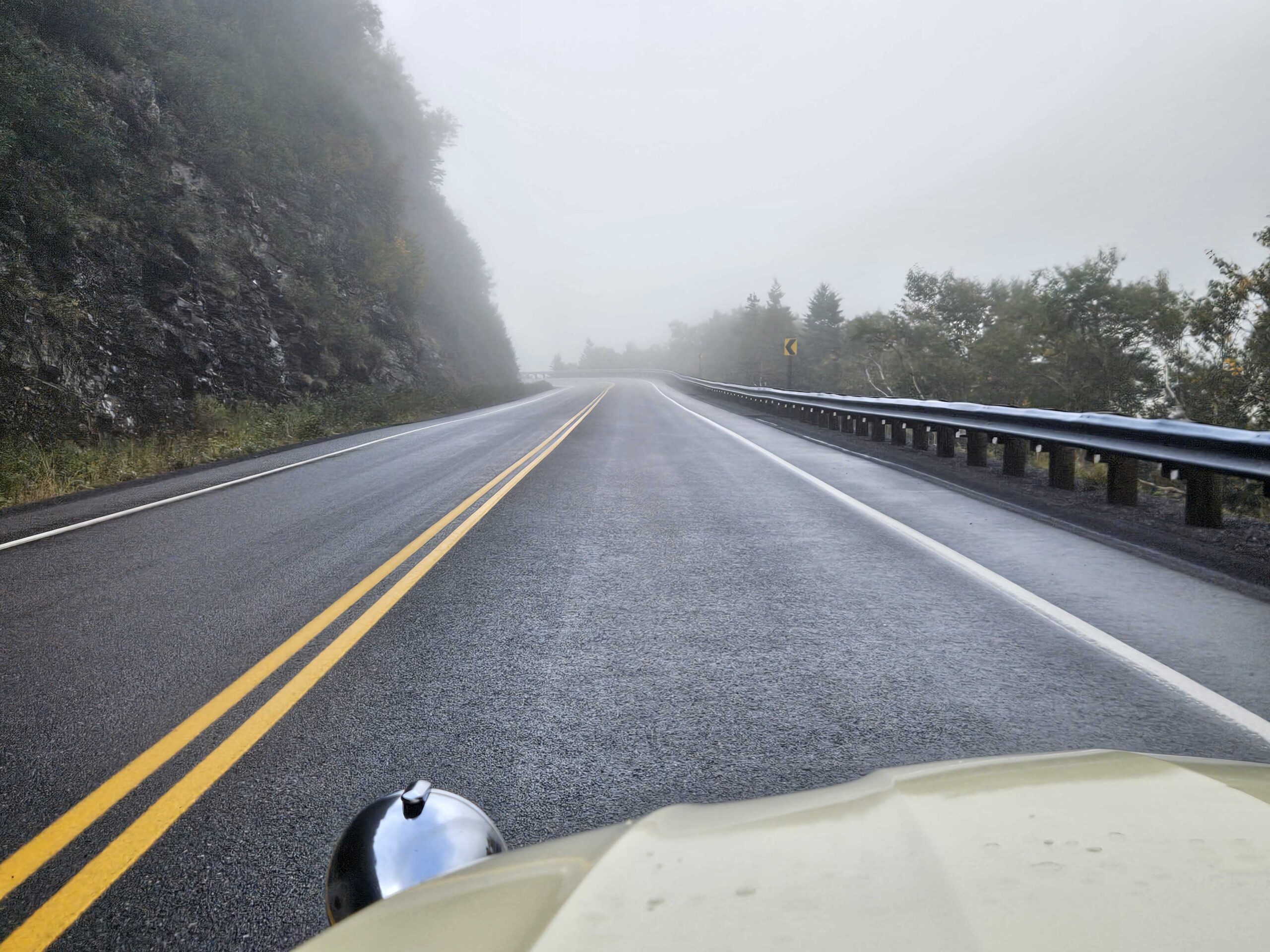
Acceleration is said to be leisurely, but it is actually surprisingly quick going from a stoplight considering the horsepower on tap. Once rolling along, you don’t so much accelerate as gradually negotiate an agreement with the road to go faster.
Other motorists may become impatient. You learn not to care.
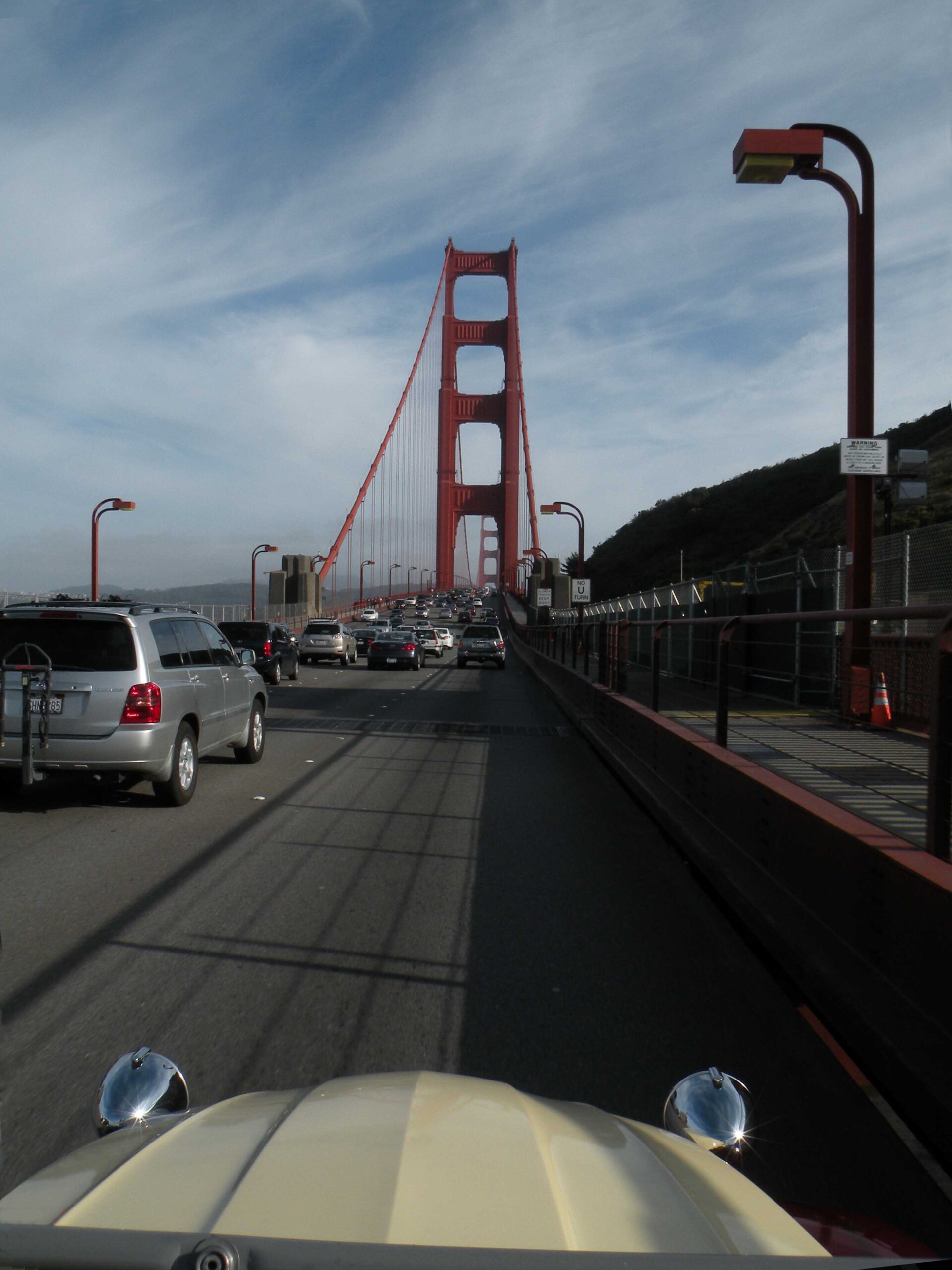
The engine has a distinctive busy, thrumming sound, accompanied by wind noise, mechanical chatter and the occasional vibration. An engaging driving experience compered to the mind-numbing isolation that many car manufacturers today strive to deliver.
The suspension: an extraordinary experience
This is where the 2CV becomes magical.

Its interconnected suspension is extraordinarily soft, with long wheel travel and an ability to absorb terrible roads.
You glide over potholes, ruts and cobblestones that would make a modern sports car cringe.
The body rolls dramatically in corners. You can feel the car leaning over, sometimes alarmingly far, yet the suspension is designed to keep the wheels in contact with the road.
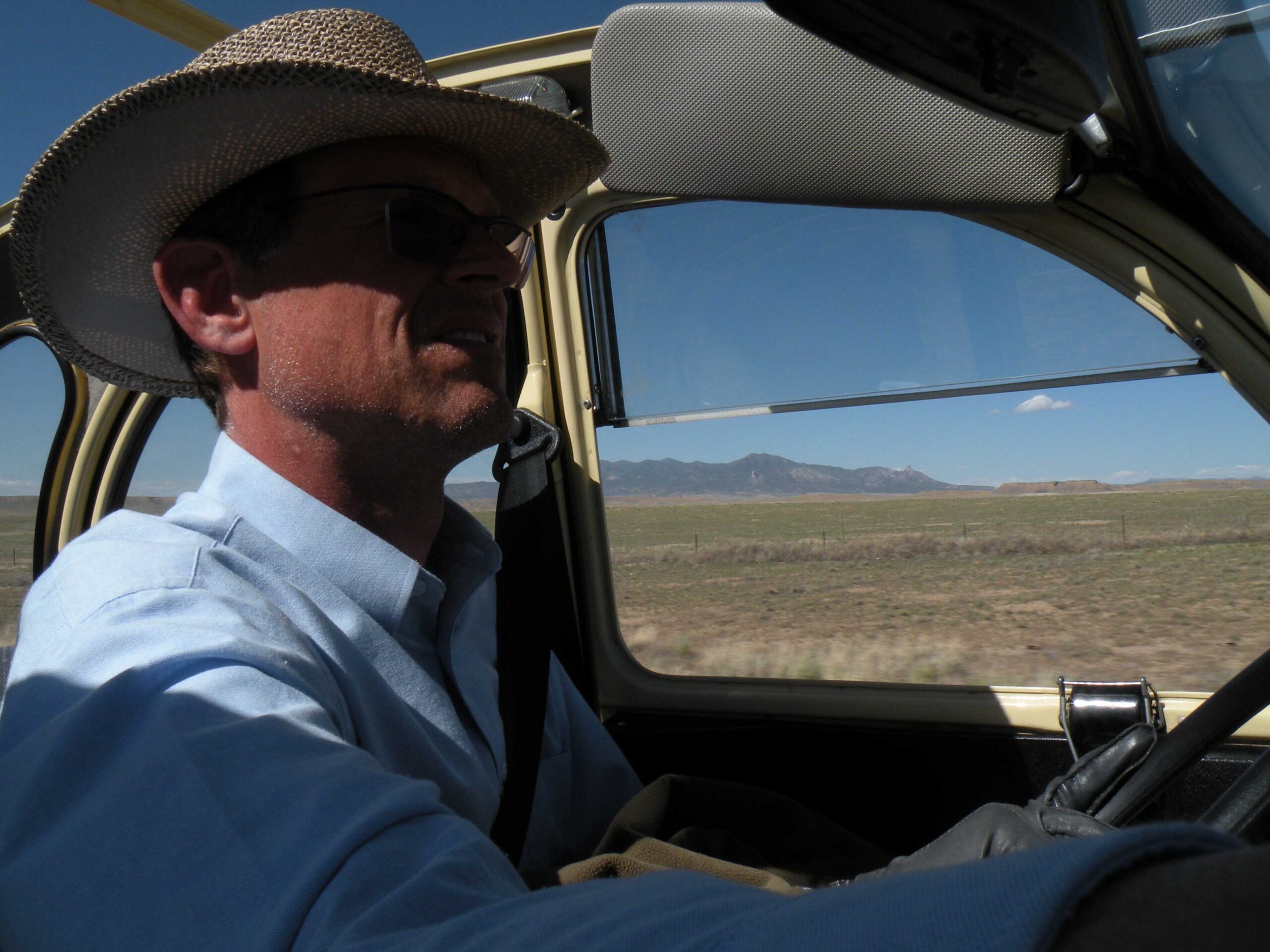
It feels rather like riding in a small boat through rolling countryside.
You quickly discover that the 2CV can corner at speeds that make passengers laugh nervously, even though the actual speed is quite modest and as the driver you are in amazing control.
Steering and handling
The steering is light but relatively slow. There is a certain vagueness around the straight-ahead position, and the car responds with a gentle delay, especially if it is fitted with the proper Michelin radial tires who’s sidewalls roll to grip the road surface sharp turns at speed.
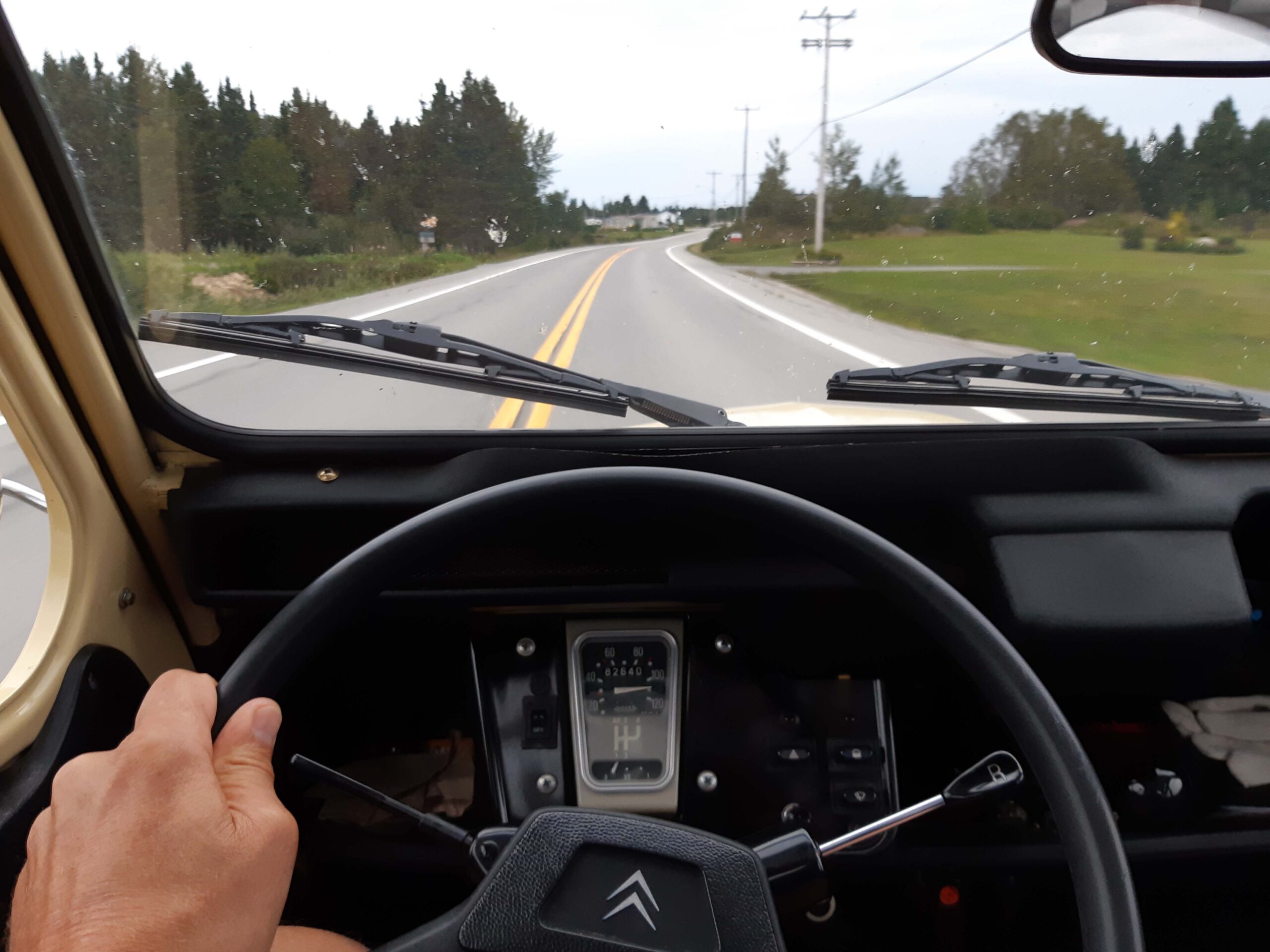
You don’t attack corners. You guide the car through them.
There is very little insulation between you and the mechanical experience. You hear the engine, feel the road, sense the suspension working and become acutely aware of the wind if trying to keep the 2CV in your lane on windy days or the passing by of a large truck.
Driving a 29 hp 2CV, you can cruise at over 110 km/hr and at that speed, if you dare duck behind a truck or bus and you can feel the buffeting from the wind vortex. Get real close and you will experience literately being sucked along in it.
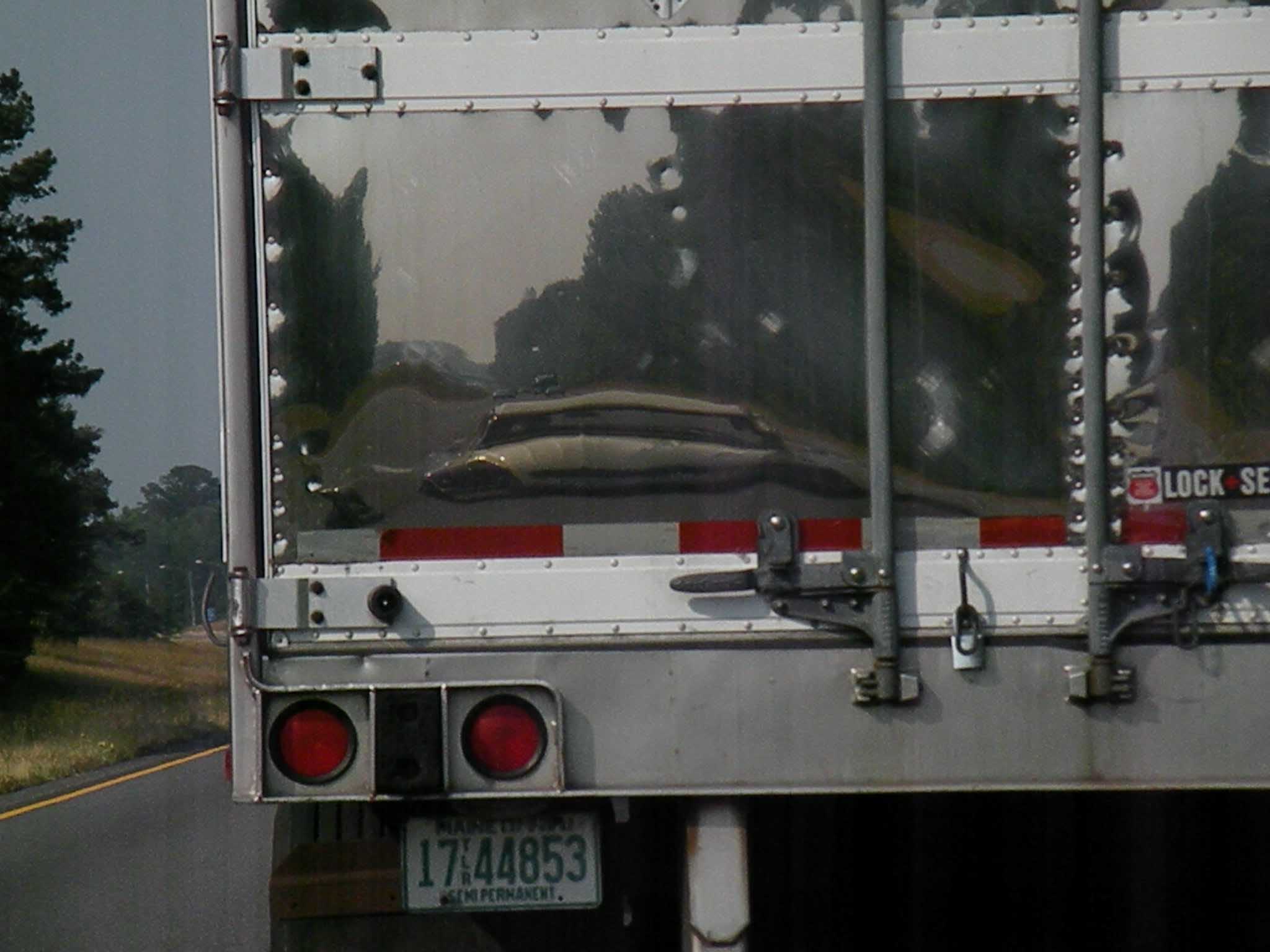
No natter how you drive a 2CV it is an unusually intimate driving experience.
Braking
The brakes are perfectly adequate for the car’s performance, but they require a different mindset from modern vehicles.
Depending on the version, you may have drum brakes or front disc brakes. Either way, you need to anticipate stops rather than rely on modern-car levels of braking performance.
The atmosphere
Perhaps the greatest pleasure is simply being in it.
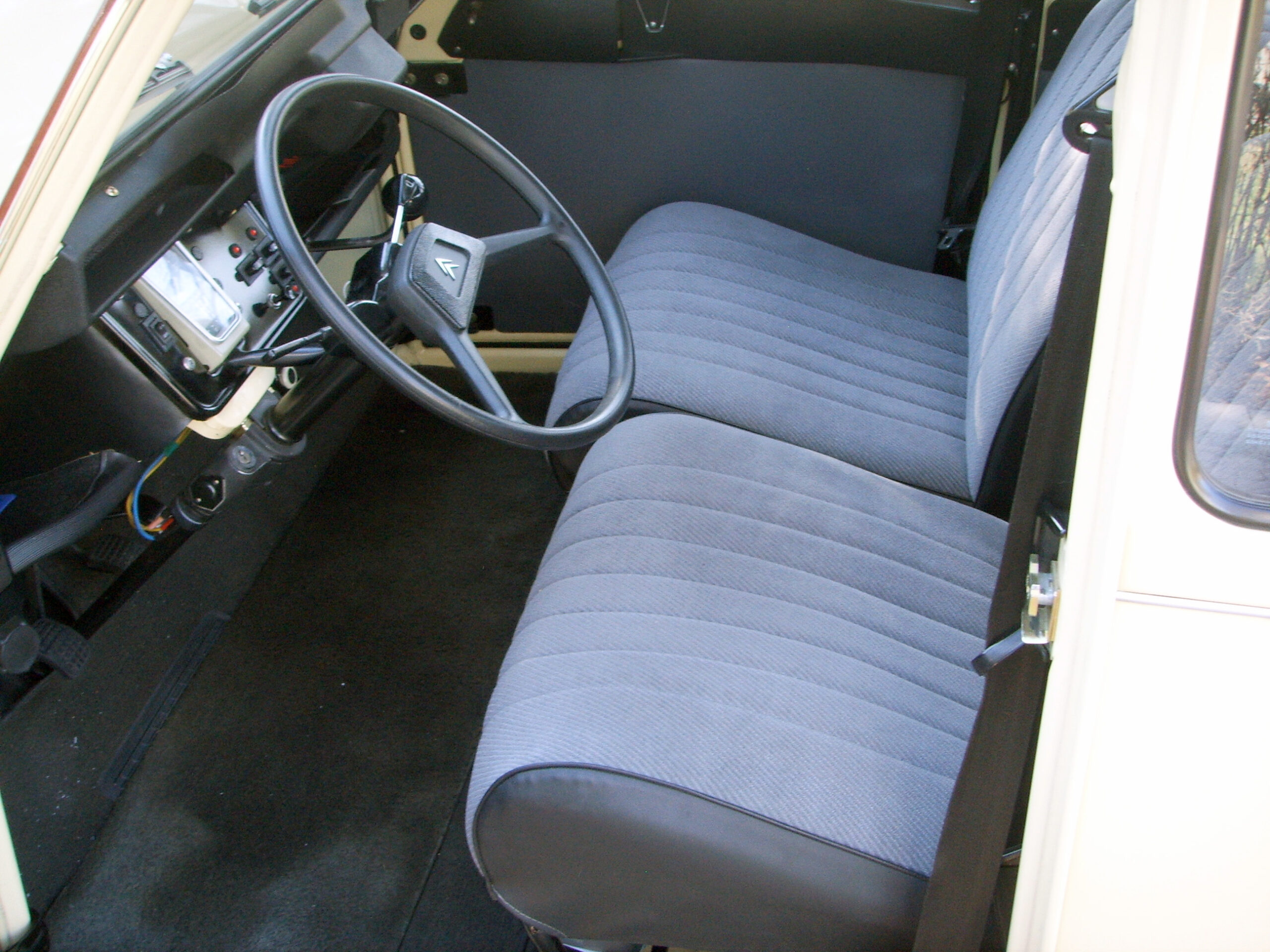
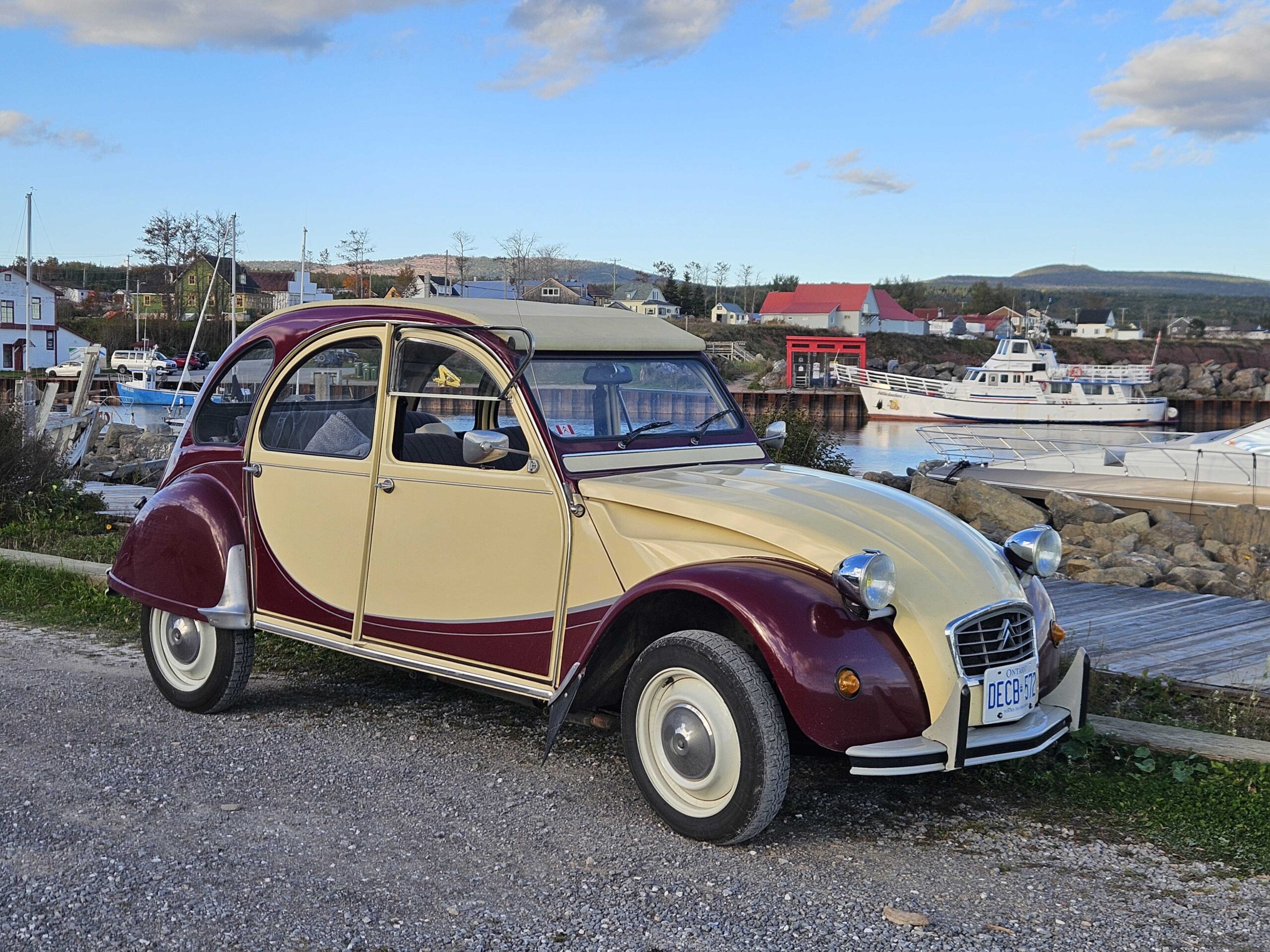
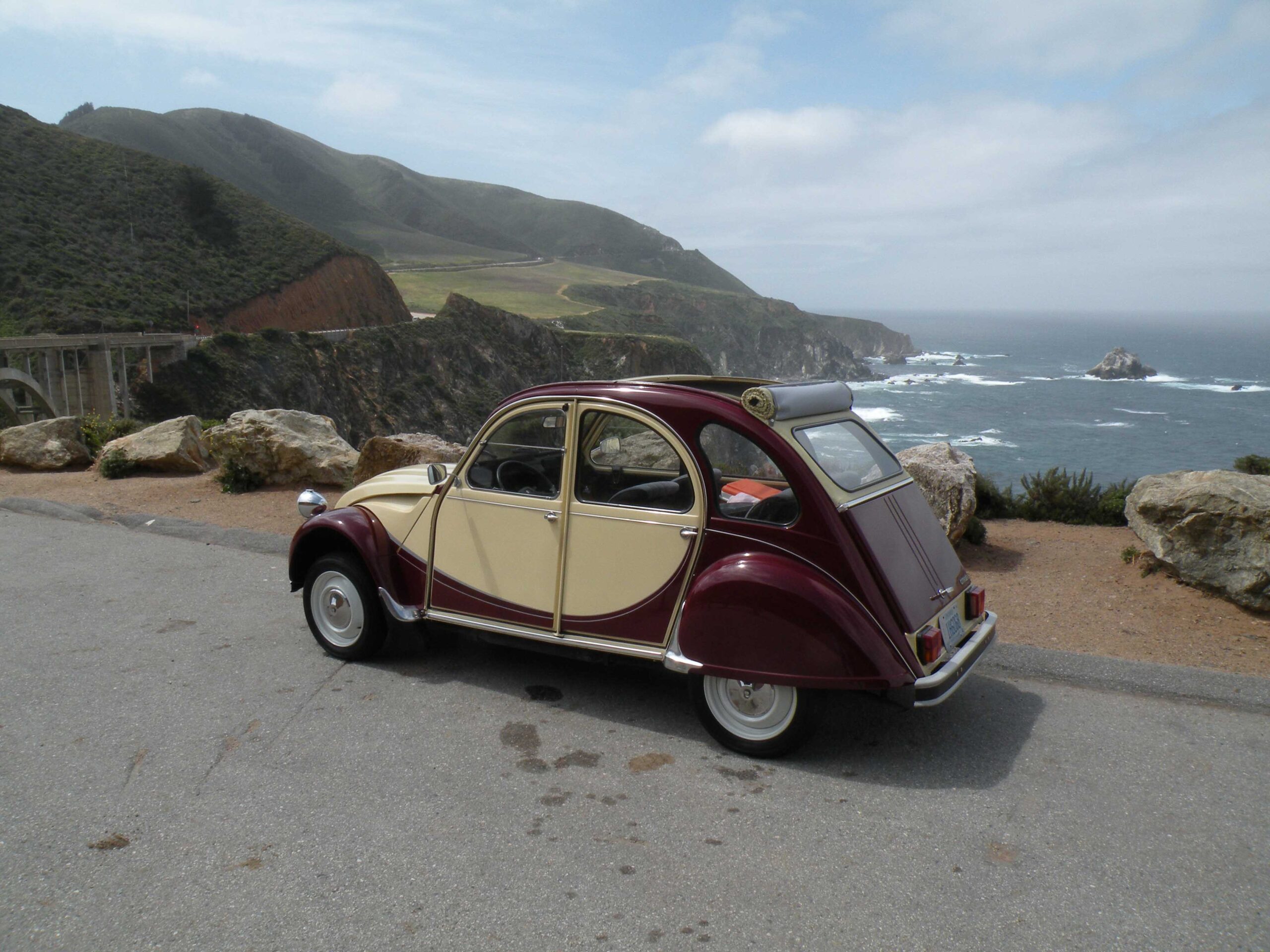
The seats are more like comfortable deckchairs than conventional automobile seats. The windows are simple (they simply flip up, or at least the lower half does for driver and front passenger), the dashboard is sparse, and the canvas roof can roll back to let in sunshine and fresh air. There is a fresh air vent below the entire front windshield that you can manually open to the degree you want.
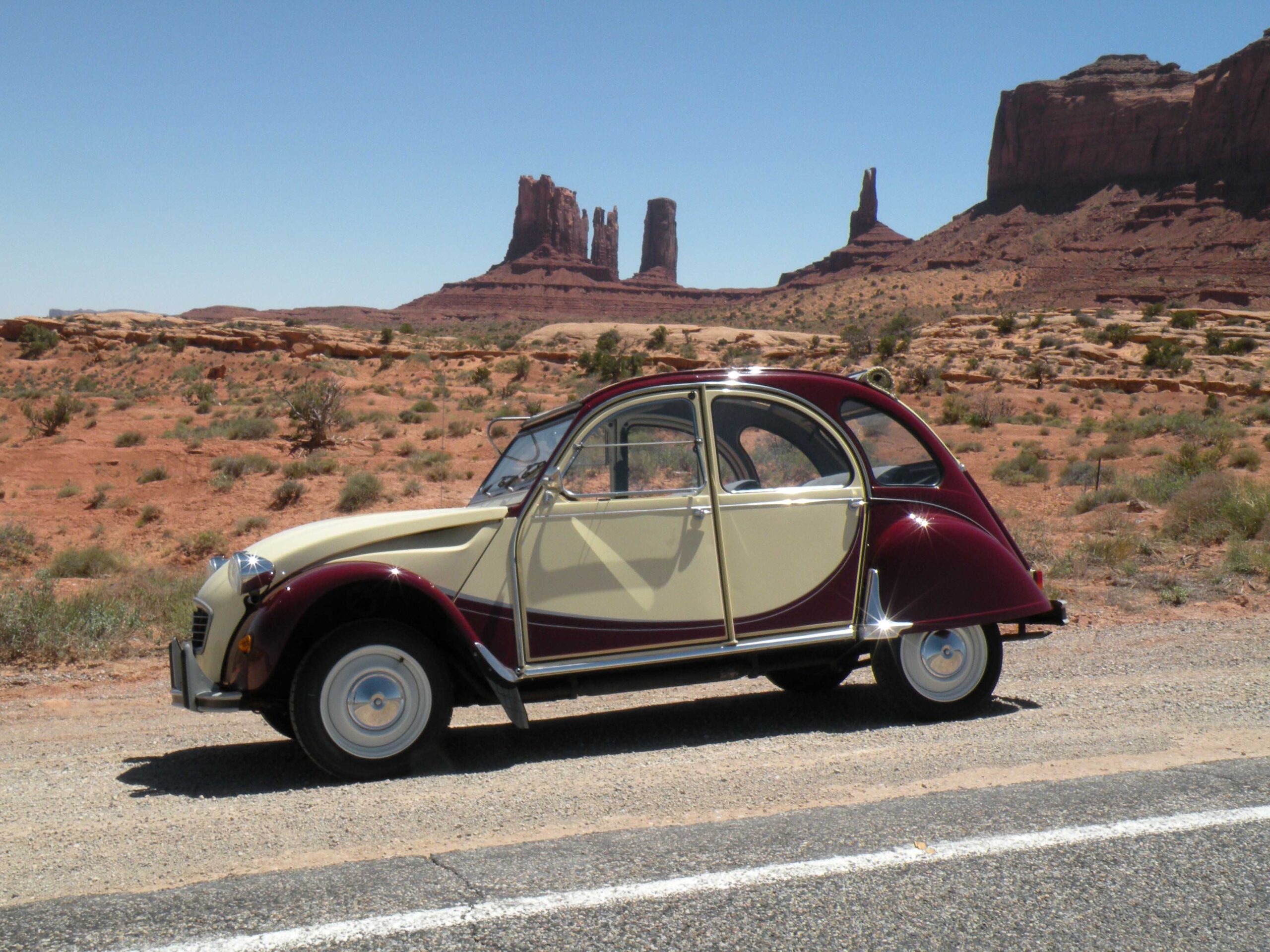
For heat — air warmed and channeled from around the engine can waft over you on cooler days.
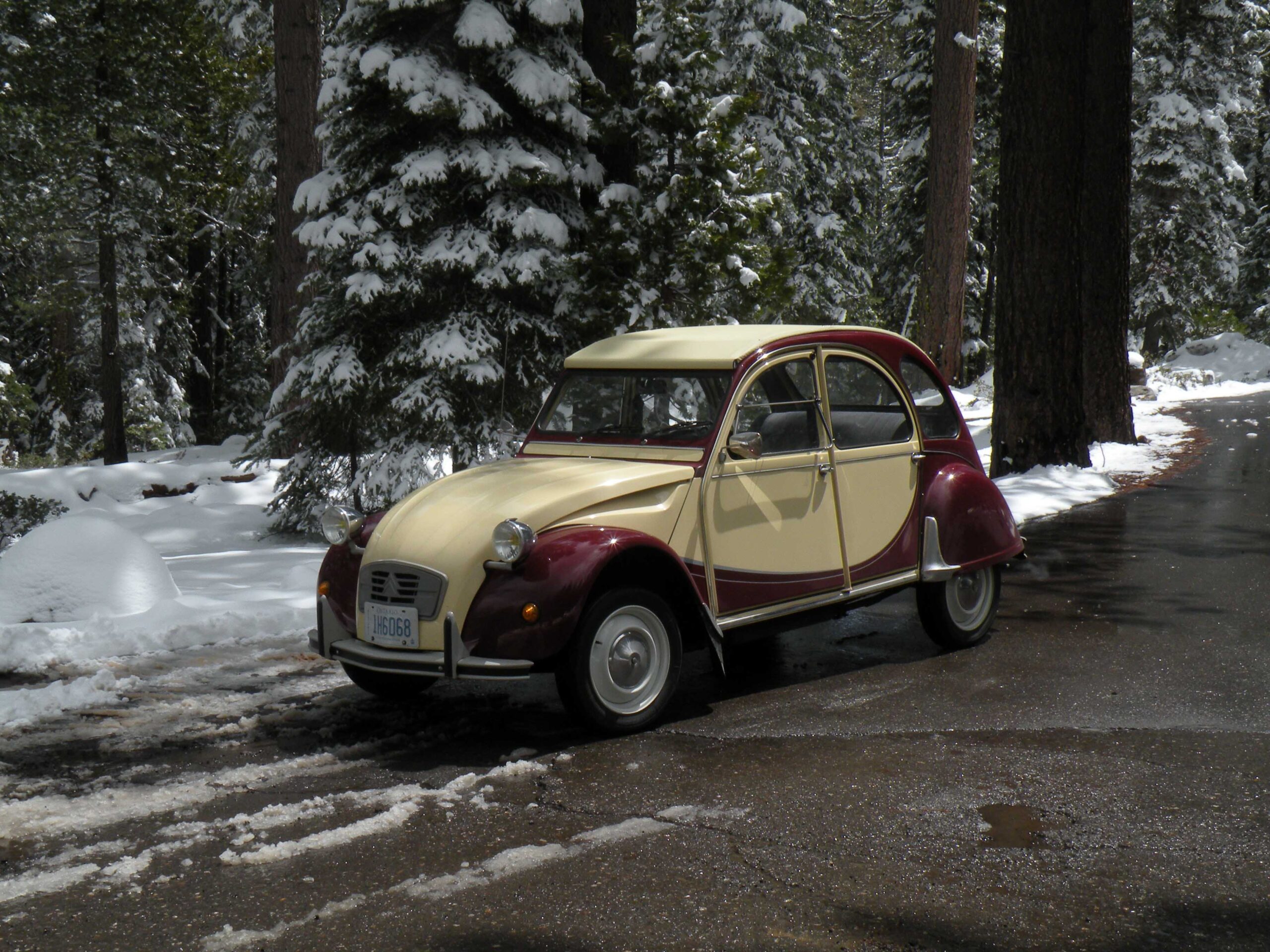
You see more of the countryside. You engage with people. You feel taken back to era of vintage motoring that seems increasingly elusive given all the technology that we have to deal with in modern cars and virtually every aspect of our lives. Its low-tech rather than high-tech, achieved by brilliantly simple engineering.
At 70 km/h, the world seems perfectly paced. You feel at one with the little engine working away in front of you.
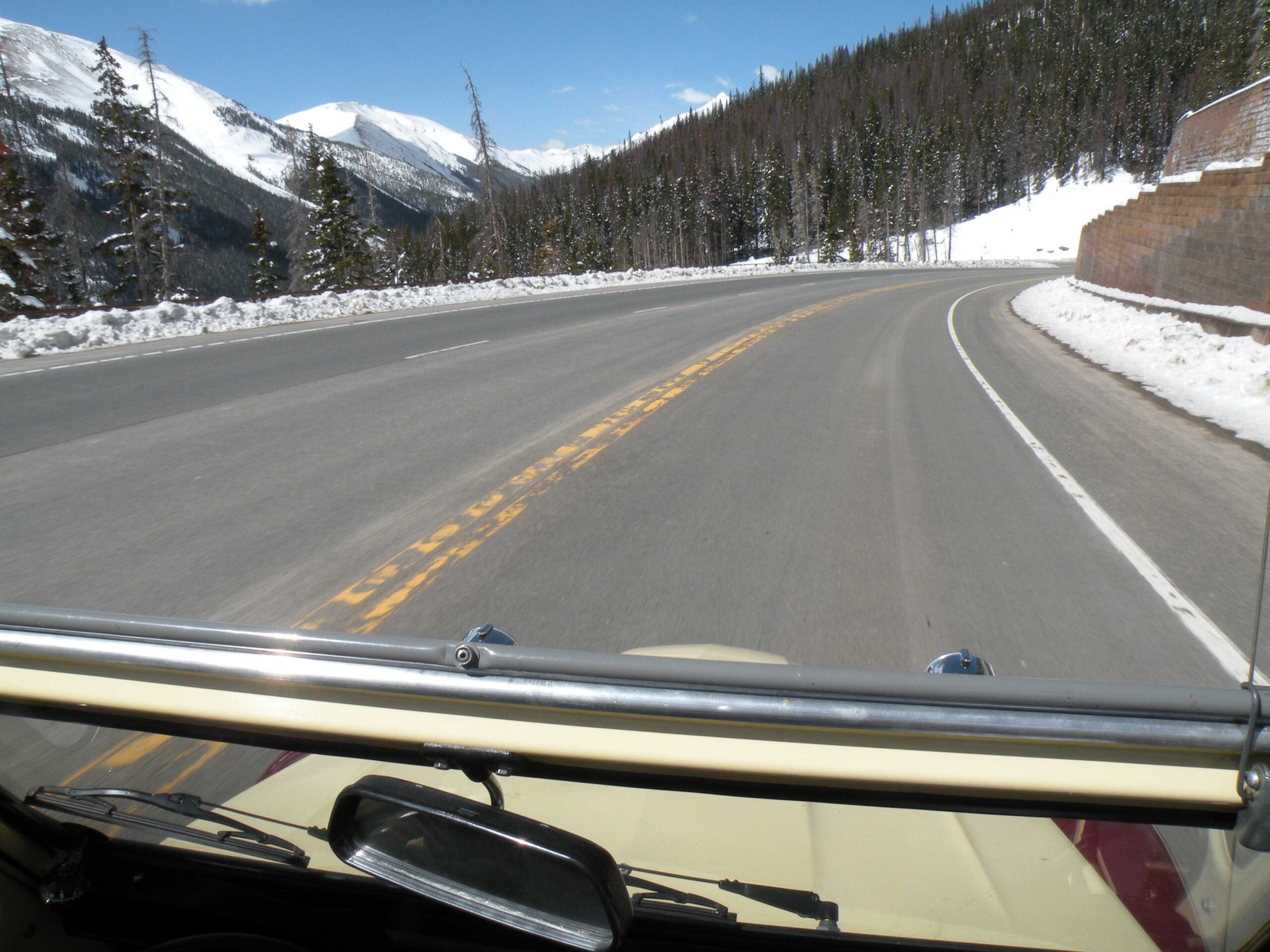
At over 100 km/h, you feel that you are attempting something rather ambitious. Indeed you are — and remarkably succeeding! You realize that you can cruise running flat out all day.
What it feels like compared with modern cars
| Modern car | Citroën 2CV |
|---|---|
| Fast acceleration | Patient acceleration |
| Firm, controlled suspension | Extraordinary softness |
| Minimal body roll | Enormous body roll |
| Quiet cabin | Mechanical conversation |
| Electronic assistance | Mechanical simplicity |
| Isolated from the road | Connected to everything |
| Getting somewhere | Enjoying getting somewhere |
The real magic
The 2CV was conceived as inexpensive, practical transportation for rural France. Its original design brief famously called for a car capable of carrying a basket of eggs across a ploughed field without breaking them.
That philosophy permeates everything about it.
It doesn’t try to impress you with speed, luxury or sophistication. Instead, it makes ordinary motoring feel like an adventure.
The best description of driving a 2CV is that it makes you slow down, not merely because it cannot go particularly fast, but because you suddenly realize there is absolutely no reason to hurry.
And that’s something rather special.