
Stellantis’ ex CEO nets more than current CEO in 2025
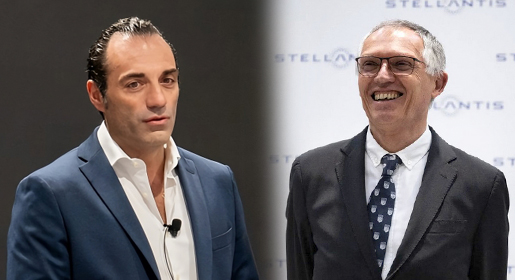
Stellantis reported a net loss of 22.3 billion euros ($26.3 billion USD) for 2025. A significant factor contributing to this financial downturn is the executive compensation being disbursed to both the current CEO, Antonio Filosa, and his predecessor, Carlos Tavares.
On February 28, 2026, Stellantis announced Filosa’s total compensation for 2025 amounted to $6.4 million (5.4 million euros), which is 82 times greater than the average employee salary of $78,000. Filosa’s package included a 1.4 million euro base salary, along with benefits and long-term incentives. Notably, he did not qualify for an annual incentive plan payout due to the company’s failure to reach positive cash flow.

In contrast, Carlos Tavares, who resigned in December 2024, received a pay package of 11.4 million euros ($14 million) in 2025. This includes a severance payment and a significant 10 million-euro performance incentive after his departure, showcasing a stark difference in earnings between the two executives.

Over his four years as CEO, Tavares garnered a total of approximately $113.6 million, with a peak income of $39.9 million US in 2023. This amount underscores the differing financial consequences of leadership at Stellantis, particularly in light of the company’s current losses.
In conclusion, Carlos Tavares’ substantial exit compensation surpasses that of the current CEO, Antonio Filosa, amid the financial challenges faced by Stellantis. This disparity highlights the complex dynamics of executive pay, especially during periods of significant company losses. While Tavares’ departure brought him a lucrative package, Filosa’s pay illustrates a more cautious approach to compensation tied closely to company performance.
I find it rather interesting that the “captain” of a sinking ship shows no remorse for it’s predicament, and bails out in a multimillion $$ yacht, leaving the “passengers” to see what they can do to save the ship. It would seem to me that the exit of the CEO and the exit package should be commensurate with the financial health of the company being exited. From my perch on the main mast, having him “walk the plank” might be a much better choice. Sickening!