
Traction Avant 15-6H — The best of the Citroën Tractions?

By Thomas Urban….
When the final evolution of Citroën’s Traction Avant 15 CV—officially known as the 15 Six—appeared in April 1954, the model had already made its first turns of the wheel sixteen years earlier. That year, the Citroën Traction family also celebrated its twentieth anniversary. An important point to remember is that the original version of the 15 Six owes its creation largely to an aborted launch.
At the 1934 Motor Show, visitors discovered what was destined to become the new top-of-the-range model of the chevron brand: the imposing 22 CV, benefiting from nothing less than a V8. Unfortunately for the manufacturer, barely two months later, faced with accumulated and unpaid debts, it was ordered into liquidation. Citroën was then taken over by its main creditor, the tire manufacturer Michelin.
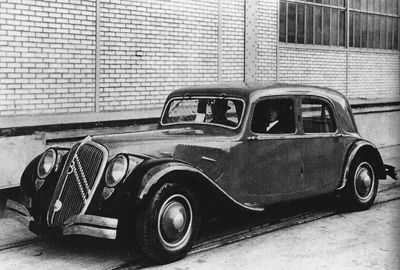
One of the first decisions made by Citroën’s new owner to stabilize the manufacturer’s finances was to abandon the 22 CV. In addition to being deemed too expensive both to purchase and to produce, it also suffered from numerous reliability problems. However, Michelin had a lot to do to clear the slate of the company and to make the other models in the Traction range more reliable, which were considered much more viable and profitable from a commercial perspective.
The brand’s new directors, Pierre Michelin and Pierre Boulanger, were well aware that abandoning the 22 CV would create a void at the top of the Citroën range.

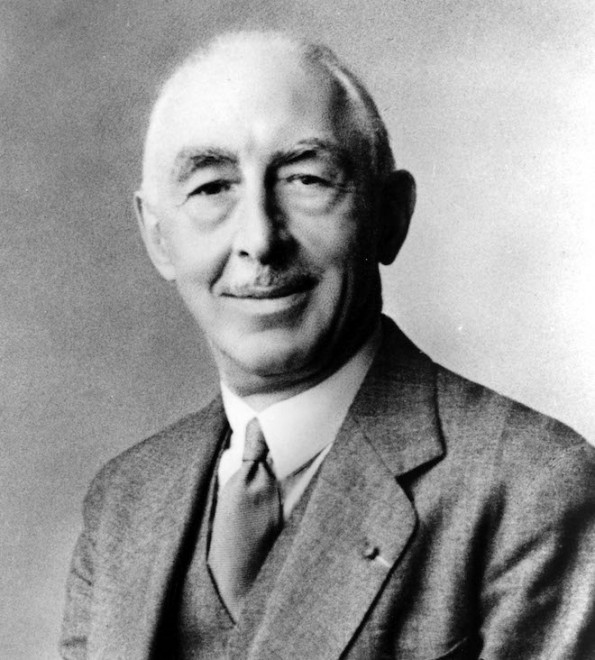
Even though the manufacturer’s previous high-end models, the AC6 and the Rosalie 15 CV, had achieved only mixed success, they considered it essential for the brand to make a comeback in this market.


However, it was decided to wait until the 7 and 11 CV Tractions were fully reliable and their commercial success assured before starting the study of a new high-end Traction. This was to avoid repeating the mistakes of the past, often stemming from André Citroën’s haste to launch his new Tractions on the market as quickly as possible. In addition to its teething problems, another major issue with the 22 CV was that the firm had never before been present at this level of the market, so it was uncertain whether its commercial success would have been assured.
It was not until the end of June 1938 that the first pre-production models of the new Citroën 15 Six rolled off the assembly lines at the Quai de Javel factory in the suburbs of Paris. The target customers still had to wait until the opening of the Motor Show in October of the same year to discover the new flagship of the chevron brand.

From a fiscal power perspective, it actually falls into the 16 HP model category, but the brand chose to retain the 15 HP designation to maintain the affiliation with the previous AC6 and the eponymous version of the Rosalie. With a power output of 76 horsepower and a displacement of 2,867 cm³, this engine is not the most powerful in its category. However, here too, the manufacturer prioritized reliability over performance.
At its debut, the 15 CV was available as a saloon, with the Familiale and Conduite Intérieure versions—built on a platform with an extended wheelbase—only appearing in the catalogue in the spring of the following year.

Unfortunately, customers would have barely any time to place orders due to the outbreak of the Second World War just a few months later, in September 1939.
Although production of the Citroën Tractions continued despite the hostilities, it was logically limited, for both four- and six-cylinder Tractions, to sedans and long versions only. Although a convertible was planned to be included in the brand’s catalog, it was never marketed (although 4 or 5 were made and sold by Citroën).
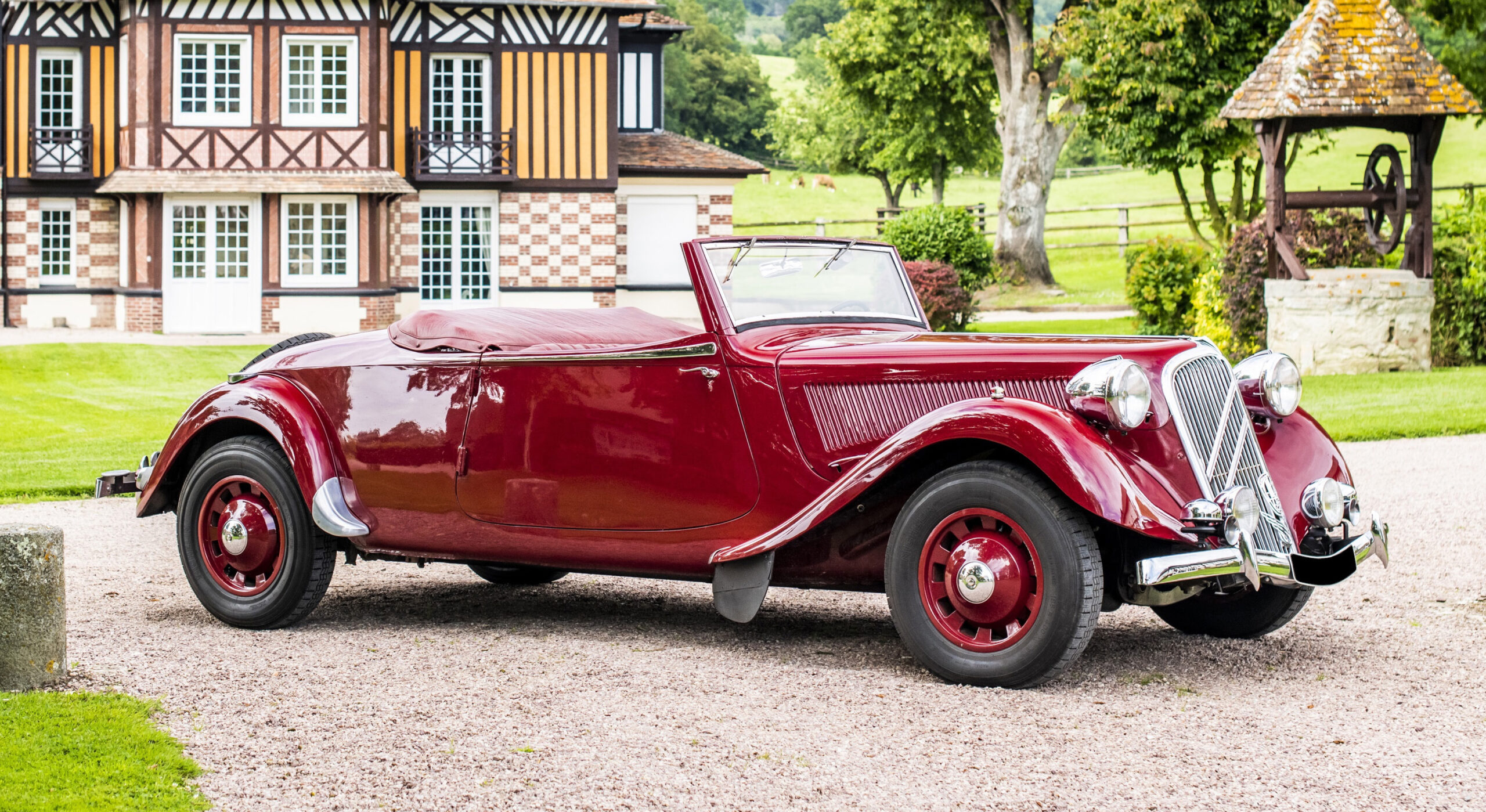

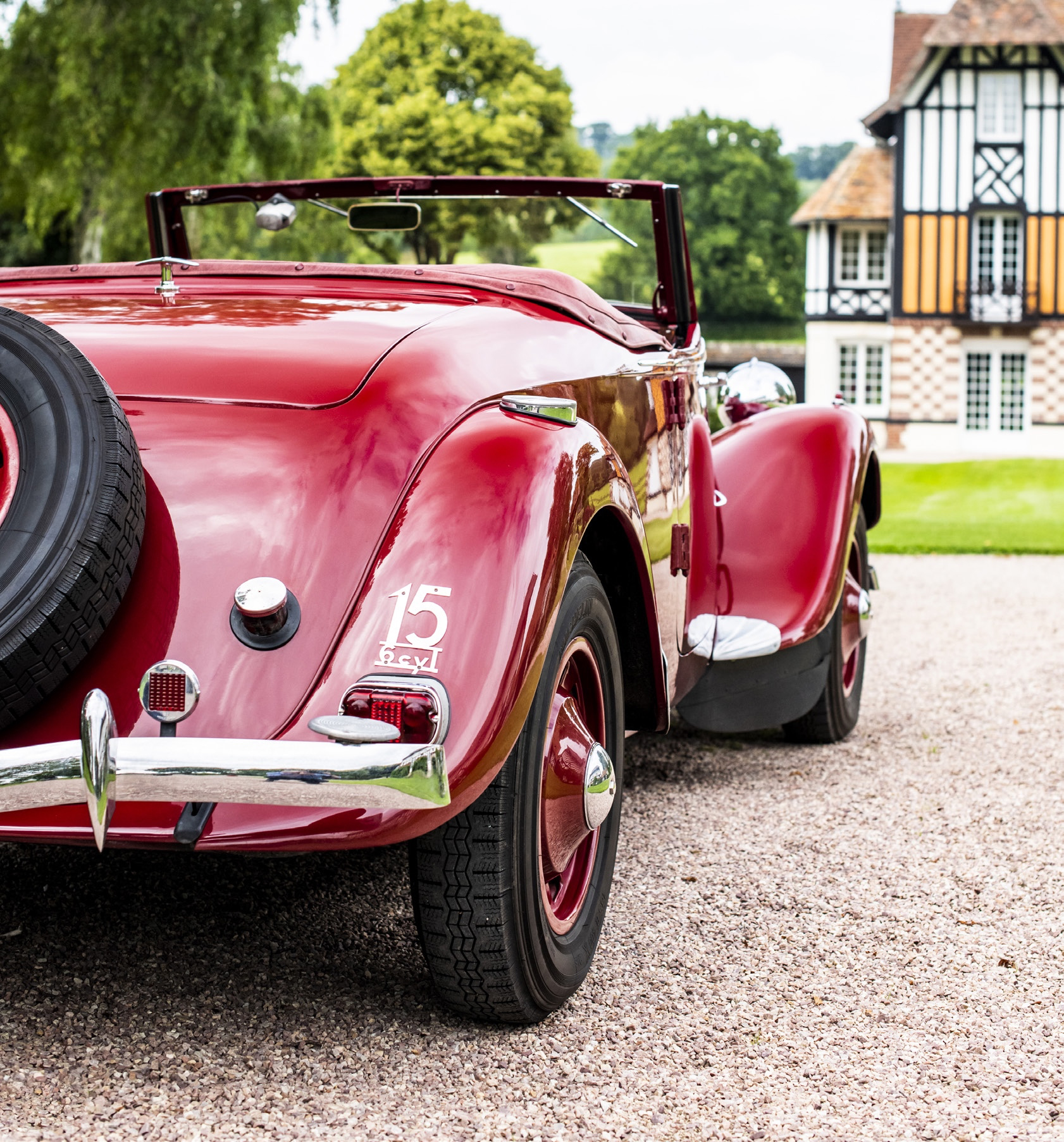
By the end of that year, only a little over 2,300 examples of the Traction 15 CV—combining sedans and family cars—had been produced. Around twenty-five final Tractions 15 CV left the factory at the very beginning of 1940 before production completely ceased.
The capitulation of France to the German armies in the early summer of 1940, along with the harsh conditions of the occupation, were obviously not conducive to automobile production, even though production of the Traction 7 and 11 CV sedans continued, albeit at a reduced rate, until 1942.
While the Javel factory slowly resumed production of Tractions, starting with the 11 Légère in the early summer of 1945, production of the 15 Six would not occur until February 1946. Only the saloon version was now included in the program, with a limited range of body colors restricted to black or dark gray. Although present on the brand’s stand at the first post-war European Motor Show in Paris in the autumn of 1946, production of the long versions of the Traction would not resume until seven years later.

Although the first post-war years were difficult both socially and politically, as well as economically, at the Citroën factory on the Quai de Javel, production of the Traction 15 CV—now beginning its true commercial career—finally resumed. The restart of production was initially slow: only 257 units were assembled in 1946 and barely 108 the following year. Production figures for these early post-war years vary considerably depending on the source. Eventually, the difficulties in sourcing raw materials diminished, allowing production to skyrocket. Thus, more than 2,700 copies were produced in 1948, over 6,000 the following year, and even no less than 9,400 in 1950, followed by more than 11,700 in 1951, which marked the commercial peak of the 15 Six’s career.

Production then began a downward curve. However, the addition of a new walk-around trunk in the fall of 1952 significantly improved the volume of the luggage compartment.

Citroën Traction cars, whether the 15 CV or the four-cylinder models, could no longer effectively hide their age. The men in the Citroën design office—engineers and stylists alike—then worked diligently on designing their successor, the future and equally legendary DS.
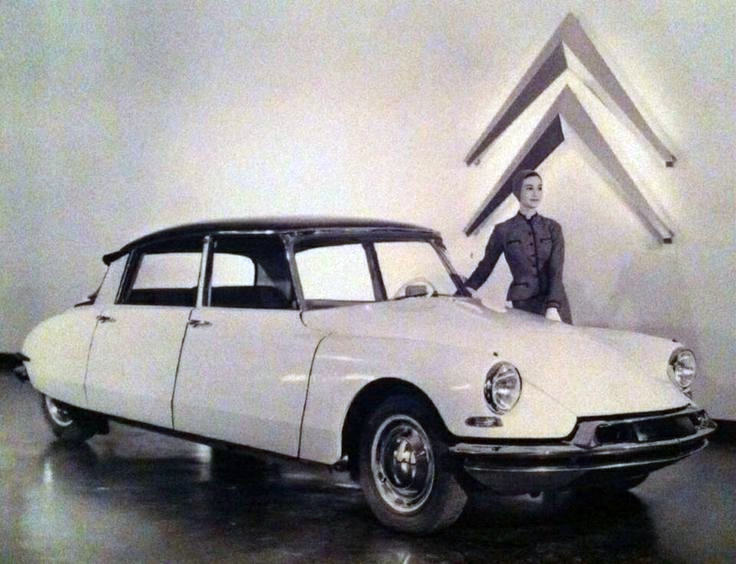
As it approached retirement, the most powerful of the Citroën Tractions served as a rolling laboratory for developing what would become one of the essential characteristics and major assets of the DS: its hydraulic suspension, also called oleopneumatic, which, however, would only be fitted to the rear wheels.

The 15 Six-H would only be produced as a saloon, while the long-wheelbase Family version—making its return to the Citroën catalog at the October 1953 Motor Show—was thus deprived of it. This situation was with the exception of two examples of the Conduite Intérieure version, one of which would serve as the personal car of the French president at the time, René Coty. However, the second career of the long version of the 15 Six would barely last longer than the first, which it had experienced just before the war. In fact, it lasted only two vintages, during which just under 500 copies were produced.

In this new version of the Traction 15 CV, the cruciform rear axle, supplemented by torsion bars and telescopic shock absorbers—mounted on the “classic” version of the saloon still in production—was replaced on the 15 Six H by a system consisting of hydropneumatic spheres and a hydraulic pump driven by the engine. This was complemented by a level corrector allowing the ride height to be adjusted to three positions: “road,” which is the normal position; “low,” when the car is at rest, allowing the rear suspension to be lowered as much as possible; and “high,” which raises the rear part of the car in relation to the front. The latter is, however, the least used and is most often engaged only to change one of the wheels.


Inside, the cabin benefited from newly redesigned seats that offered softer comfort in both the seat and backrest, even though the upholstery covering them was still made of gray mohair velvet similar to that of the previous versions of the 15 Six. The floors, both at the front and rear, were covered with carpet and an underpad made of Dunlopillo, a well-known French brand of mattresses and bed bases that would later be featured in the DS. Externally, the only distinguishing feature of the oleopneumatic version from one with “classic” suspension was the extrusion of longer torsion bars, visible under the front bumper. The engine retained the same displacement as the original version, with power now reaching 80 horsepower.
From its launch, the version with the new hydraulic suspension commercially supplanted the original version: 1,680 examples were produced until the end of 1954, compared to fewer than 850 for the “normal” version. While 1,350 15 Six-H sedans left the factory in 1955, the official presentation of the revolutionary DS at the Paris Motor Show in October 1955 marked the end of the Traction 15 CV’s career.
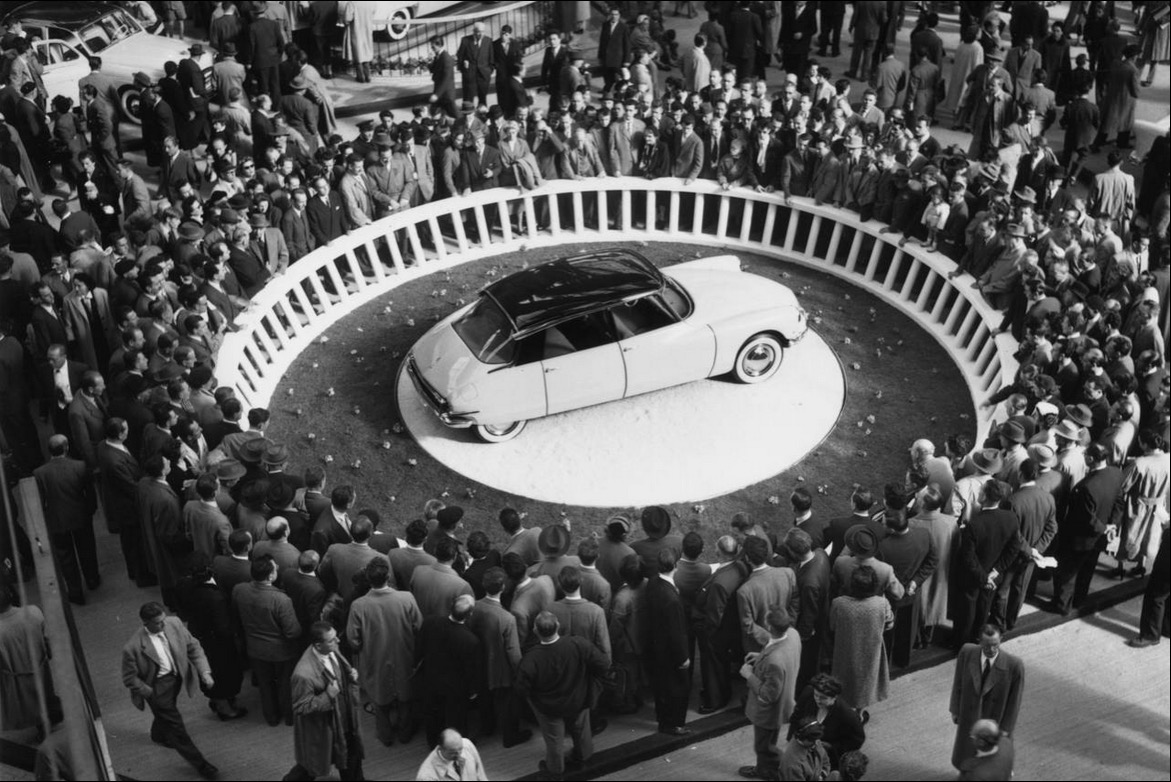
Production of the “classic” version had already ceased in February, and that of the Familiale followed in August. A total of 47 final examples of the sedan in hydraulic version were assembled until July 1956, primarily to liquidate existing stocks of parts, leading to an overall production of 3,077 examples. The sale price at launch was 940,000 francs, while, in comparison, the saloon with “classic” suspensions was sold for a little over 869,900 F, and the Familiale with long wheelbase around 934,900 francs.

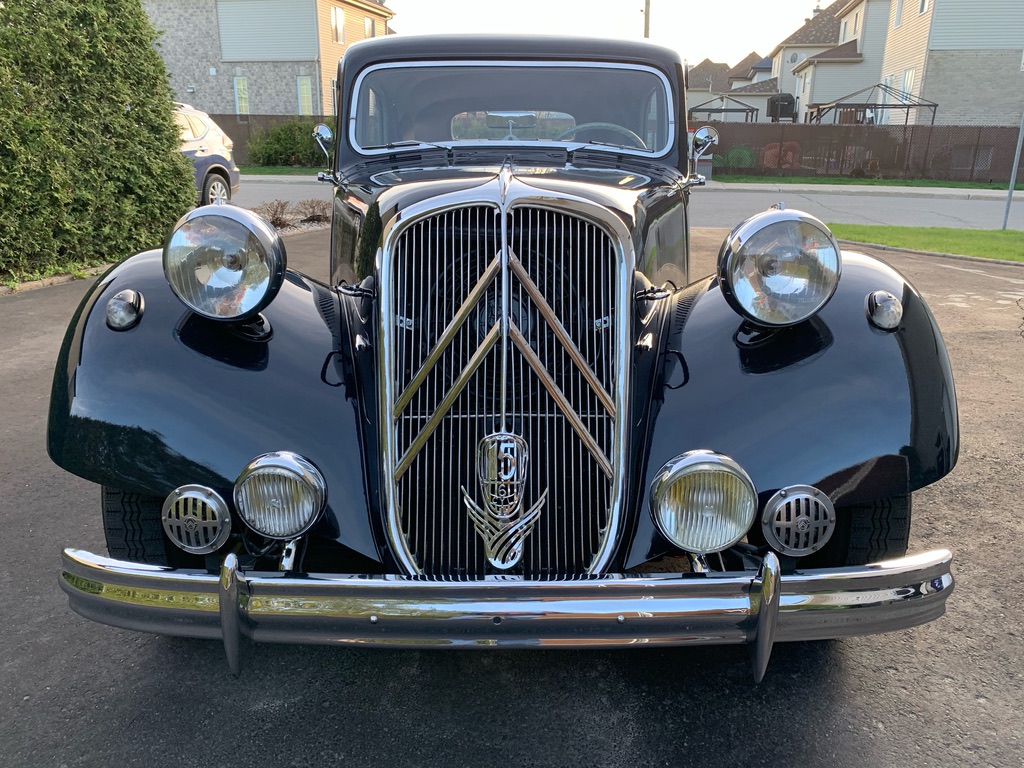
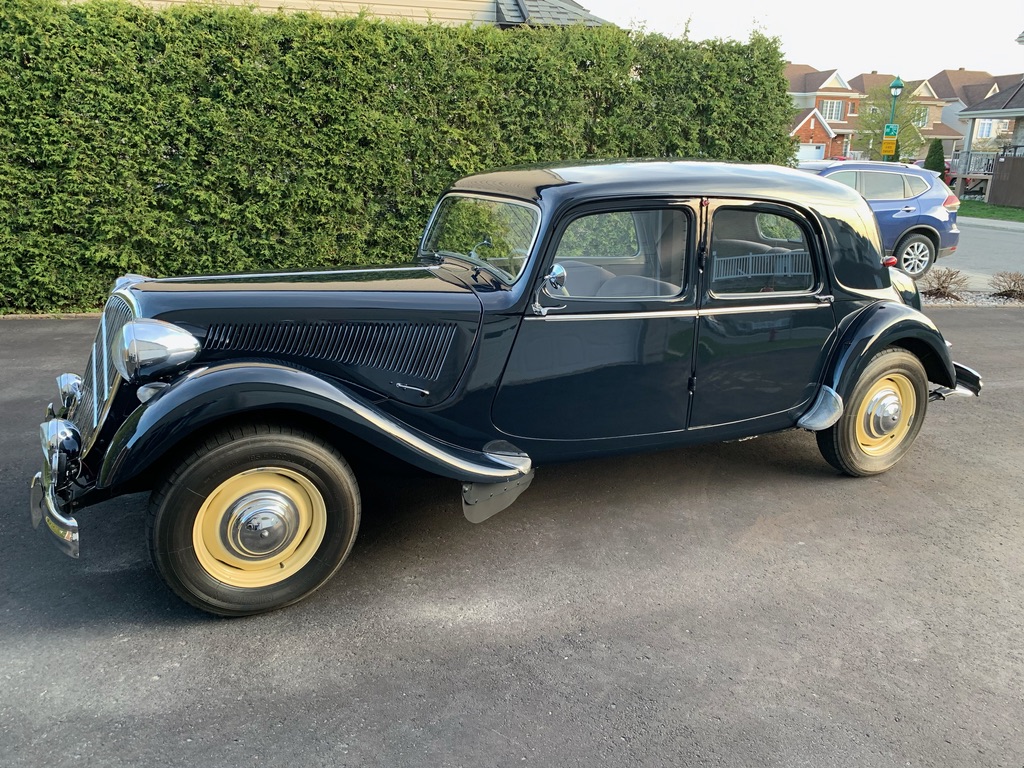
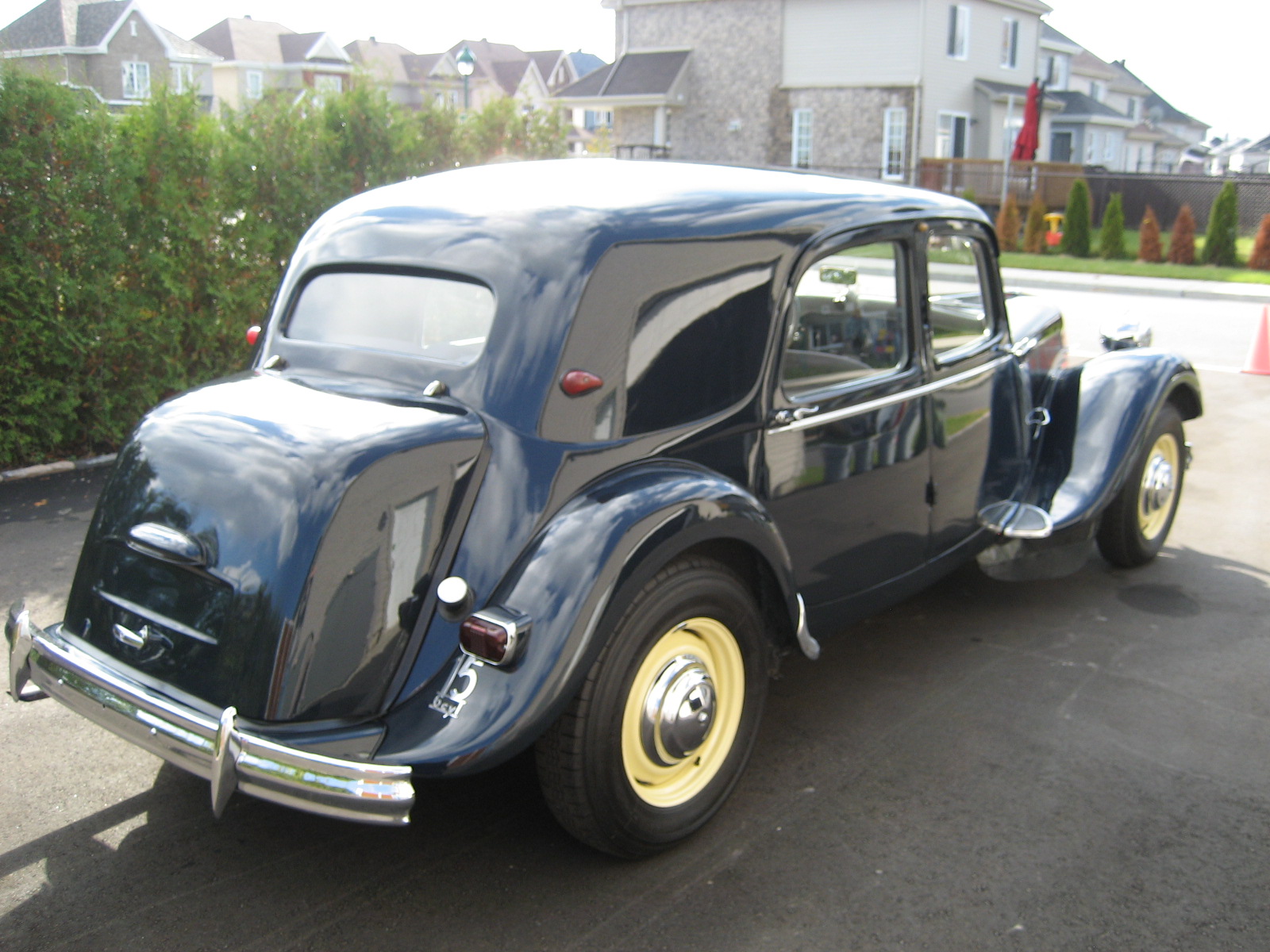
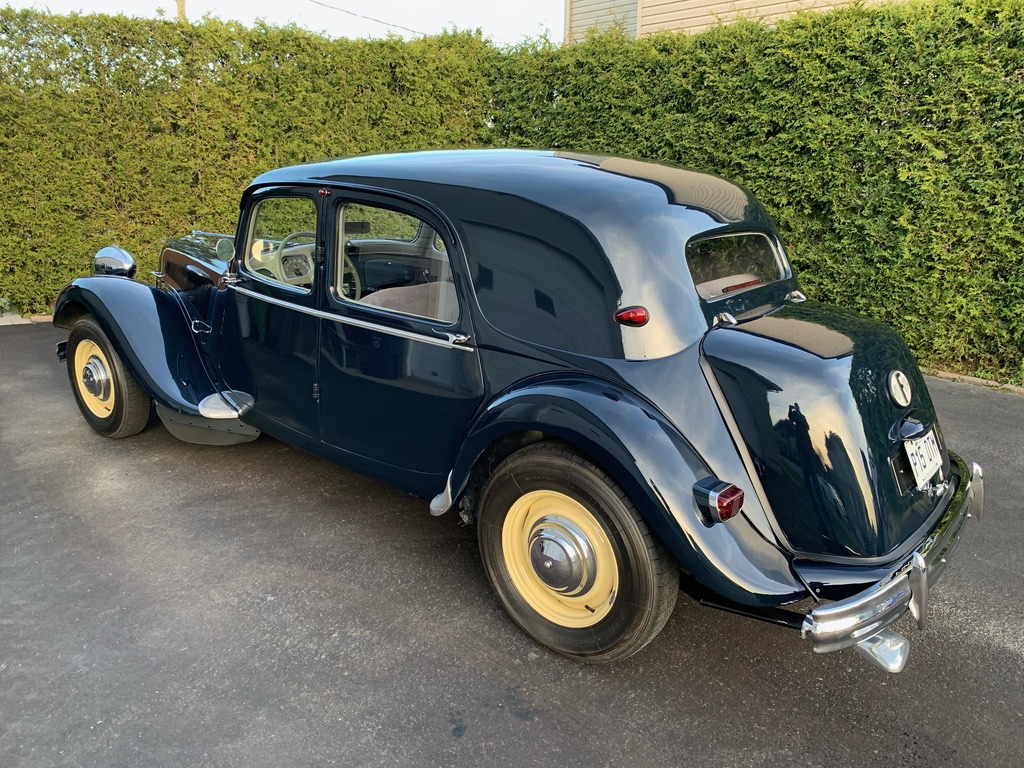
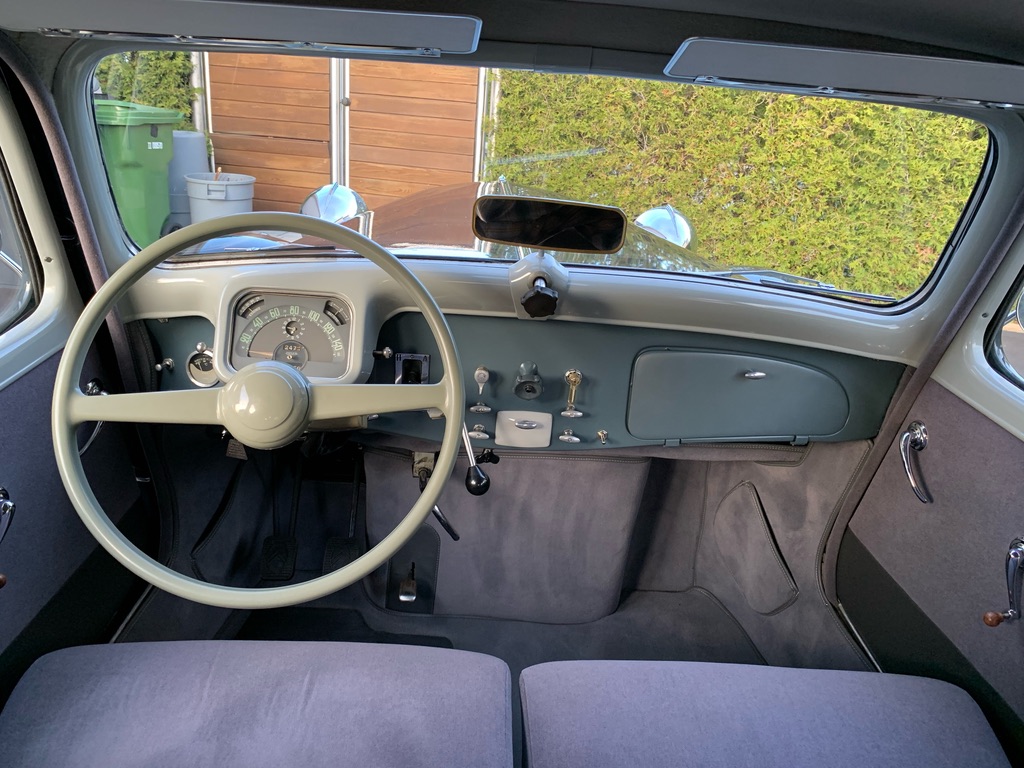
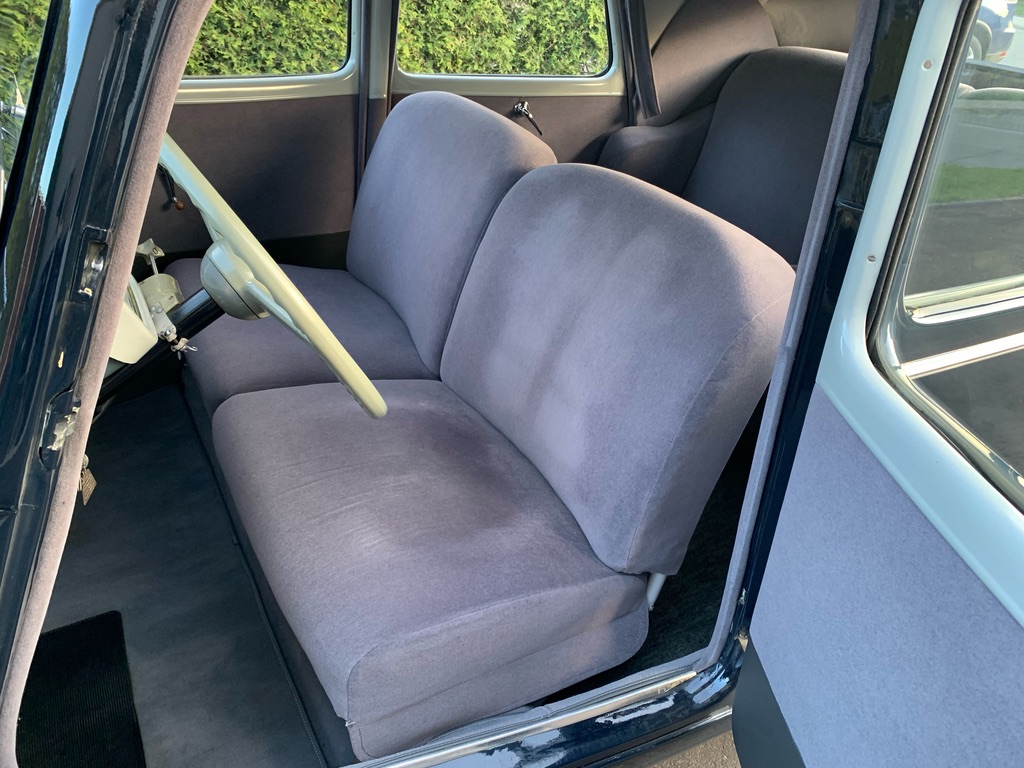
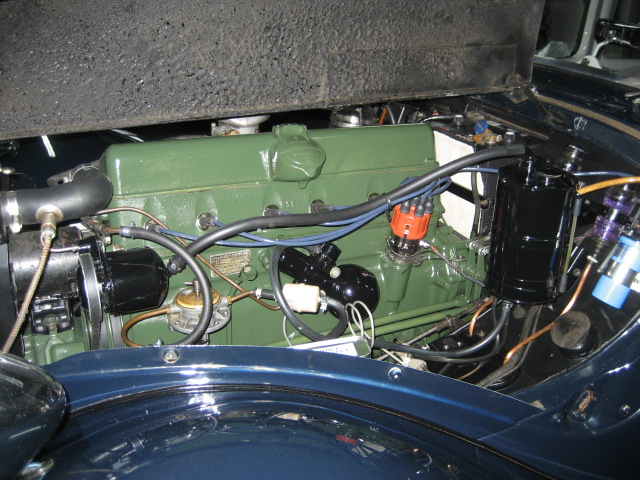
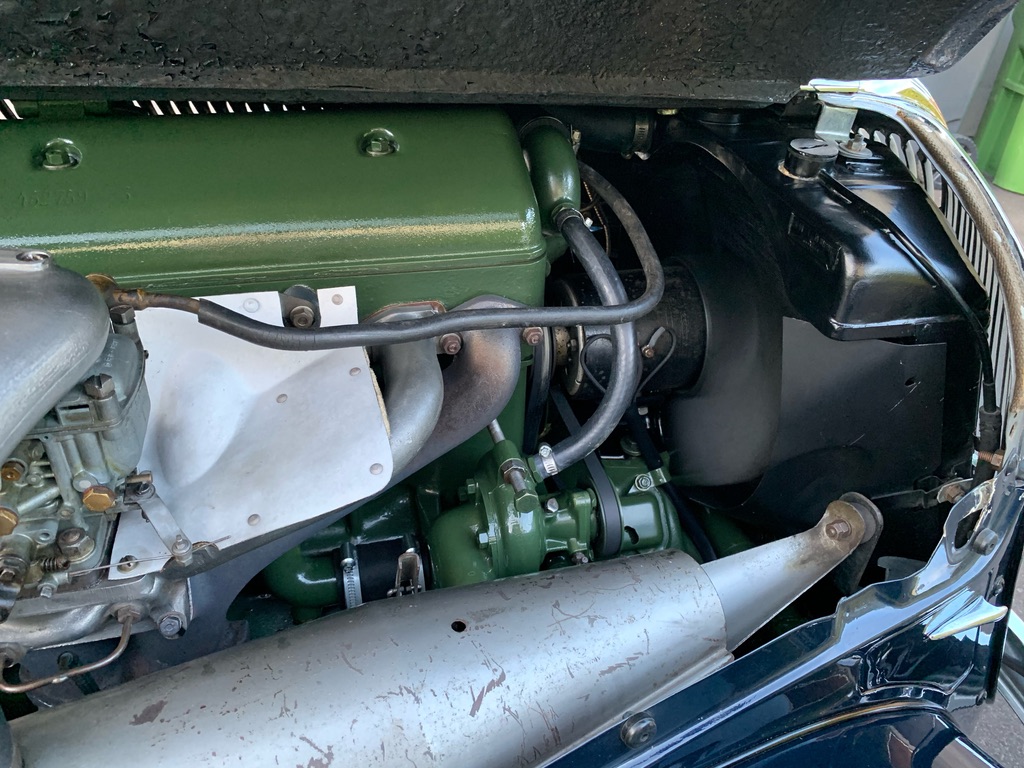
Given this relatively short career, which lasted just over two years, the 15 Six H saw almost no changes, whether technical or aesthetic, during that time. The only notable changes occurred in July 1954, with the disappearance of the carpet under the front seats and the installation of a new anti-roll bar intended to further improve road holding by the end of that same year.
It was not until 1989, thirty-three years later, with the presentation of the XM, that we would again see a Citroën with a Citroën designed six-cylinder engine under the hood. The SM, introduced in 1970, had a V6 engine (though it was developed by Maserati in Italy which Citroën purchased in 1968).

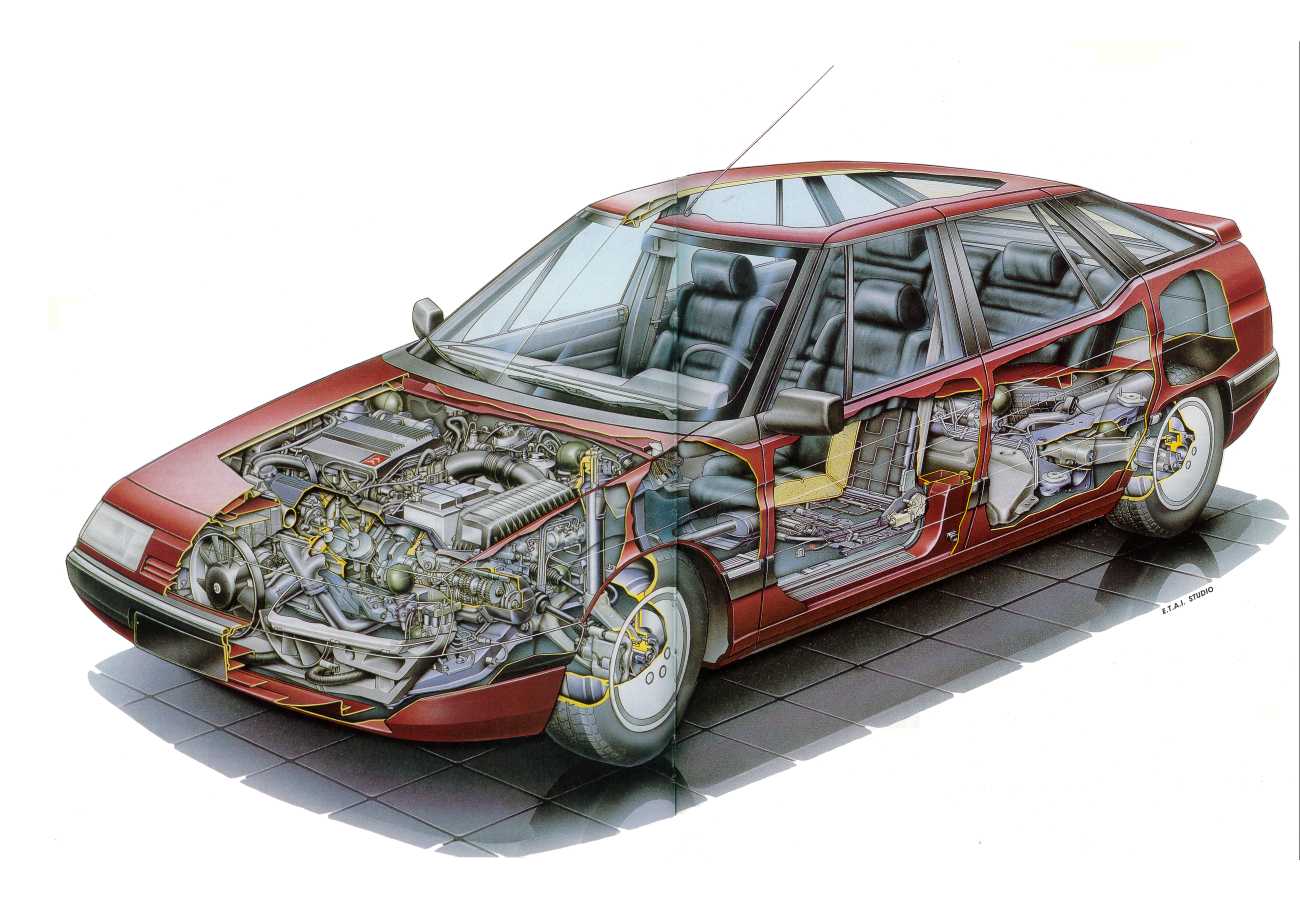
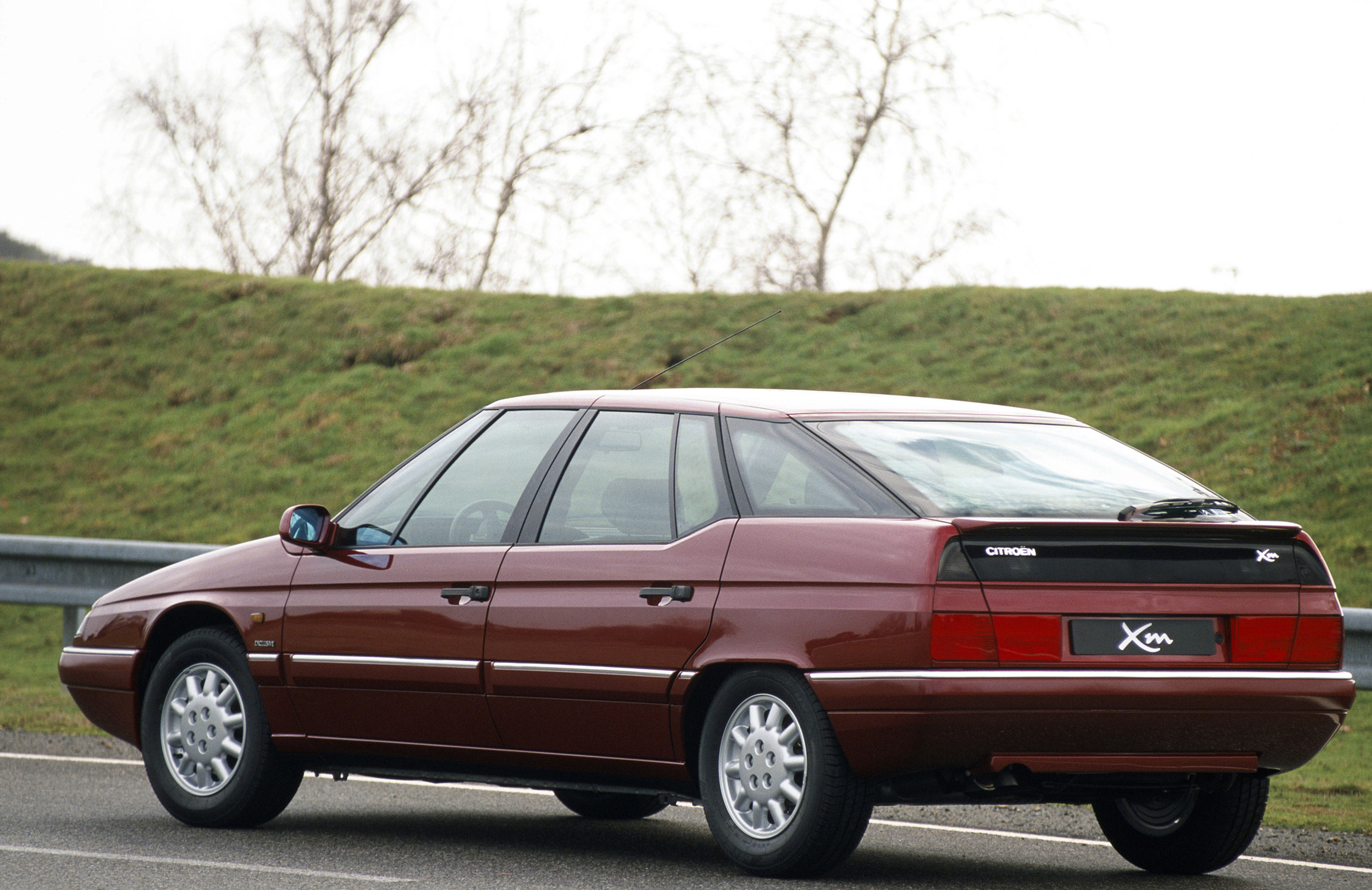
To be more precise, the XM inherited the V6 PRV engine, (referring to the three manufacturers that participated in its development: Peugeot, Renault, and Volvo). As Citroën was part of Groupe PSA at the time, though Peugeot had majority control. I mention it here as the next Citroën designed six-cylinder engine even though by all accounts it was originally designed only by Peugeot and Renault. Volvo only joined the two French manufacturers “halfway through,” and its contribution was primarily financial, not technical. Given that the V6 PRV was produced by La Française de Mécanique, a company founded and jointly owned by Renault and Peugeot, and manufactured in Douvrin, in northern France, I include it here as a (largely) French and Citroën inclusive engine.
This article is like watching the Traction 15 Six H try to navigate the bumpy roads of history – briefly enjoying its hydraulic suspension glory before the DS stole the spotlight. Who knew a level corrector was needed so much? And 940,000 francs for the H model? Citroëns engineers were truly pioneering with that hydraulic setup, even if it was only on the rear. Almost makes you want to see a modern Traction with a six-cylinder, doesnt it? Just to prove they cant mess up a good thing… or maybe they can.