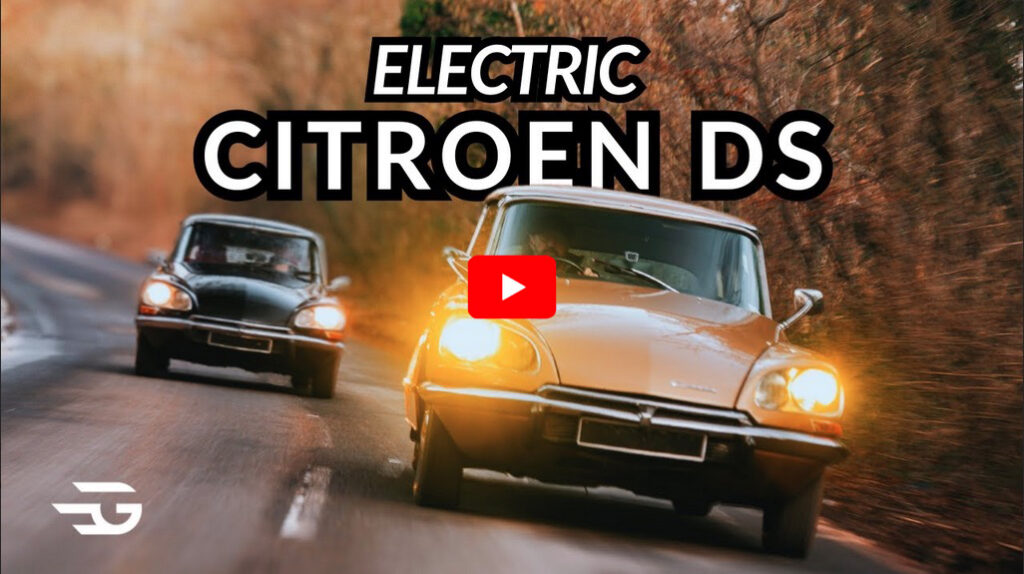
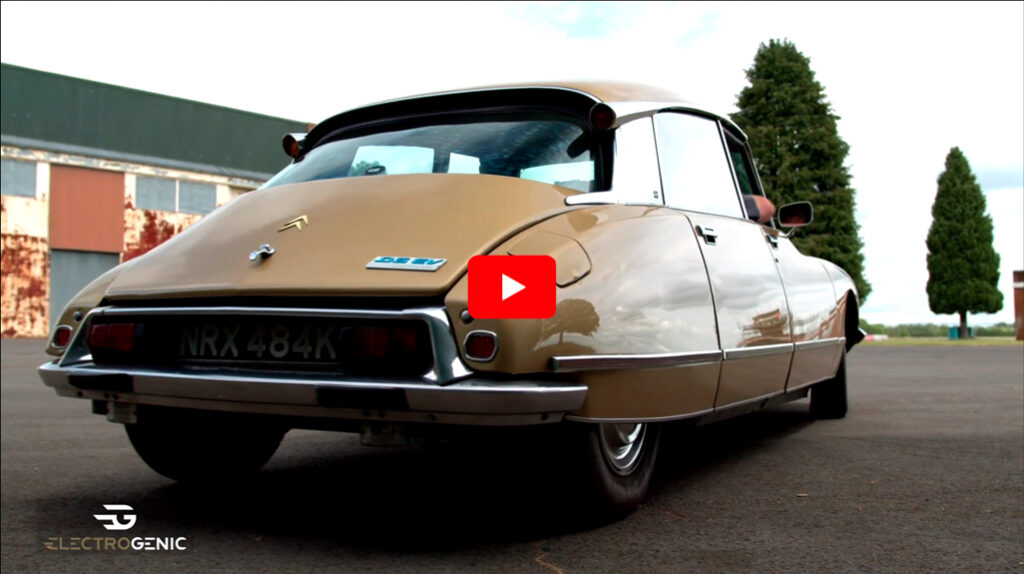
Electrogenic — Taking the DS from Sublime to Serene

By George Dyke….
When the DS was launched in 1955, it set a new benchmark for automotive design and comfort — attributes that many believe remain unsurpassed to this day! However, the one thing that press reviews seized upon at the time was that the engine was essentially a holdover from the model’s predecessor, the Traction Avant, and even then its roots went back to Citroëns of the 1920s.
The DS was supposed to have a flat 6-cylinder air-cooled engine, but development costs and cooling issues resulted in it giving way to the 4-cylinder carry-over from the Traction Avant. Even though Citroën made it more robust and increased size over the years (from 1900 cc to 2100 cc and eventually 2300 cc), the DS’s engine remained an enigma in comparison to competitive offerings.
Well before electric vehicles came to market en masse with Tesla and other auto manufacturers joining the e-movement, some enterprising Citroën DS owners saw the potential in swapping out its internal combustion engine for an electric motor. Early efforts (in the 1980s and 90s) involved taking a forklift battery, mating it to the gearbox and powering it from a bank of lead acid batteries. The DS hydraulic suspension could accommodate the weight, and though there was limited range, by and large their efforts were successful given the technology available at the time.
With electric automobiles becoming mainstream, the opportunity presented itself to apply state-of-the-art electrification to the DS to achieve charging time and range that is practical, while delivering an overall driving experience that is arguably better than contemporary EVs.
One company that specializes in electrification and is capitalizing on the virtues of the DS is Electrogenic, based in the UK, in Kidlington near Oxford. Since 2018, they have been designing and manufacturing powertrains for military and agricultural vehicles as well as for new cars produced by automobile manufacturers.
When the covid lockdown happened, they, like many businesses, saw a decline in their traditional business but experienced an uptick in classic vehicle owners expressing an interest in electrification. Naturally, being in the UK, Land Rover, Jaguar, and British Leyland sports cars were the first e-projects they tackled. However, they also received numerous inquiries from Citroën owners. Steve Drummond, CEO at Electrogenic, being familiar with Citroën hydraulics (he once owned a BX), converted a DS early on and has since acquiesced to customer demand, converting a few late model DS to EV.
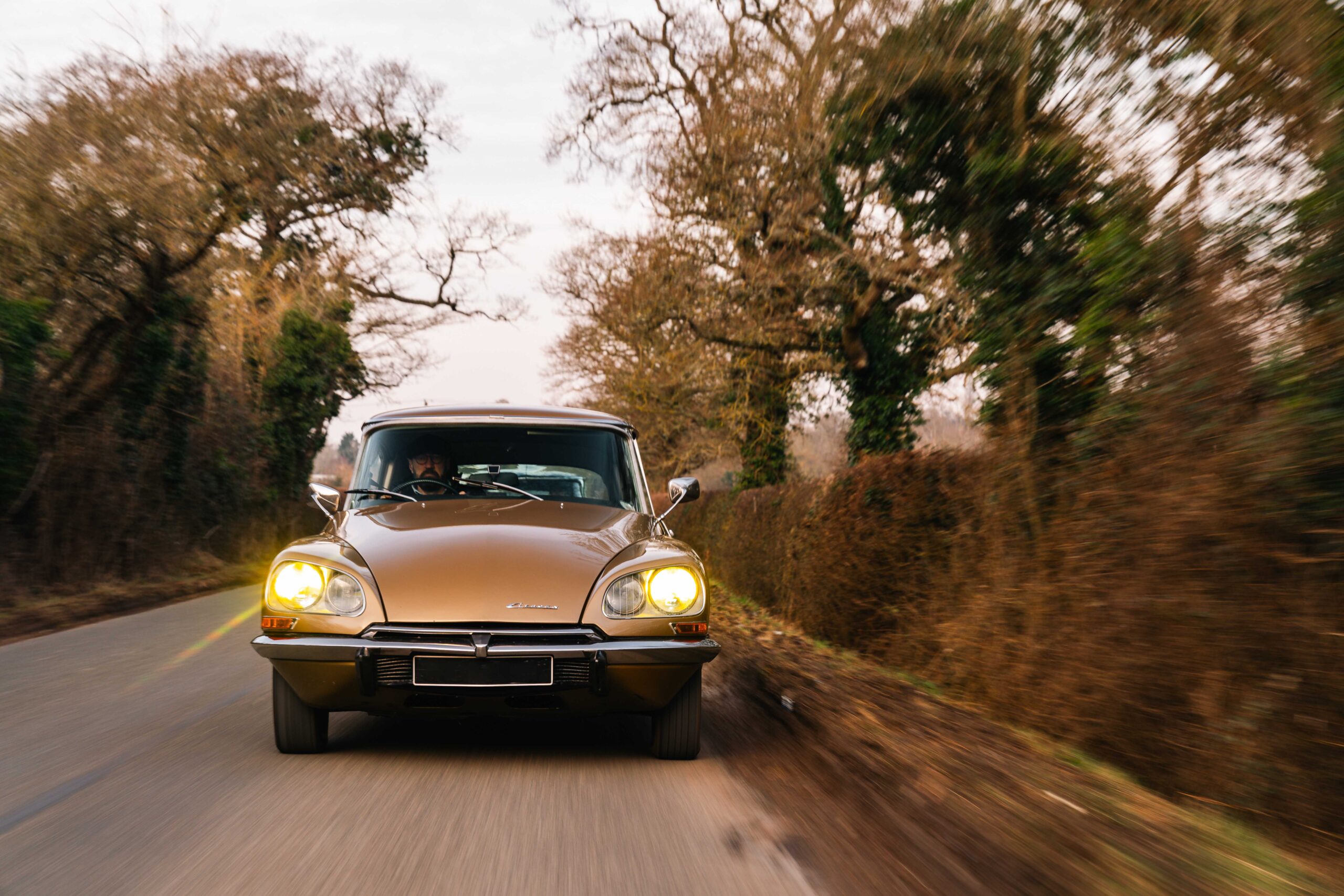
We discussed how their conversion is done with Steve providing the following insight;
Custom Electric Powertrain Solutions
Electrogenic integrates electric drivetrains into any vehicle, using their own software, electronics and components.
“The aim of our conversions is to enhance the character of the individual car, as well as the driver experience: it’s all about the drive. The common thread, the core of it, is our proprietary software and electronics. If you’re Ford or General Motors, or whoever, and you want to build an electric car you go to a motor manufacturer, you buy a motor, you go to an inverter manufacturer you buy an inverter, you go buy battery modules. You engineer that all into the vehicle, but then crucially, you design the electronics, and you write the software that makes it all work that turns it into a car rather than a collection of components. That’s what we do too, and it frees us to select the perfect components for the car and create a curated, tailored driving experience. Our approach has captured the imagination of people all over the world, and that’s been a very happy thing.”
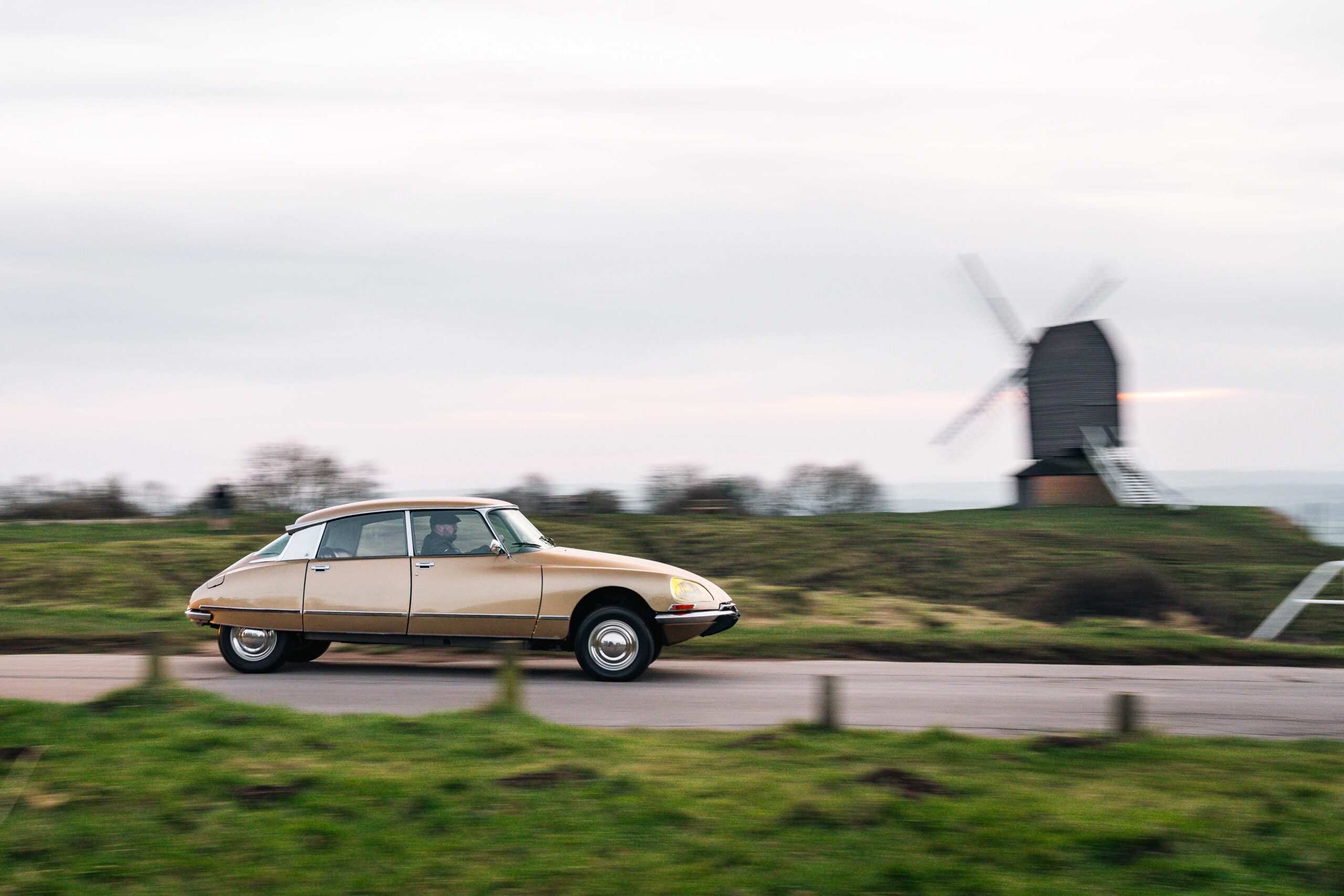
Vic Crofts (Electrogenic CMO) clarified that while they focus on electric conversions, they do not handle full restorations of vehicles, instead working with customers to ensure the cars are in a condition suitable for electrification. So far, their DS conversions have only been done on late (quad headlight) DS models.
“We not only carry out conversions here in the UK physically, but also by manufacturing the tech and sending it to partners across the world for installation in their customers’ cars.”
These efforts have resulted in Electrogenic planning to announce a Citroën DS “special request” conversion kit that will be offered through its worldwide installation partners who can transform your DS to EV.
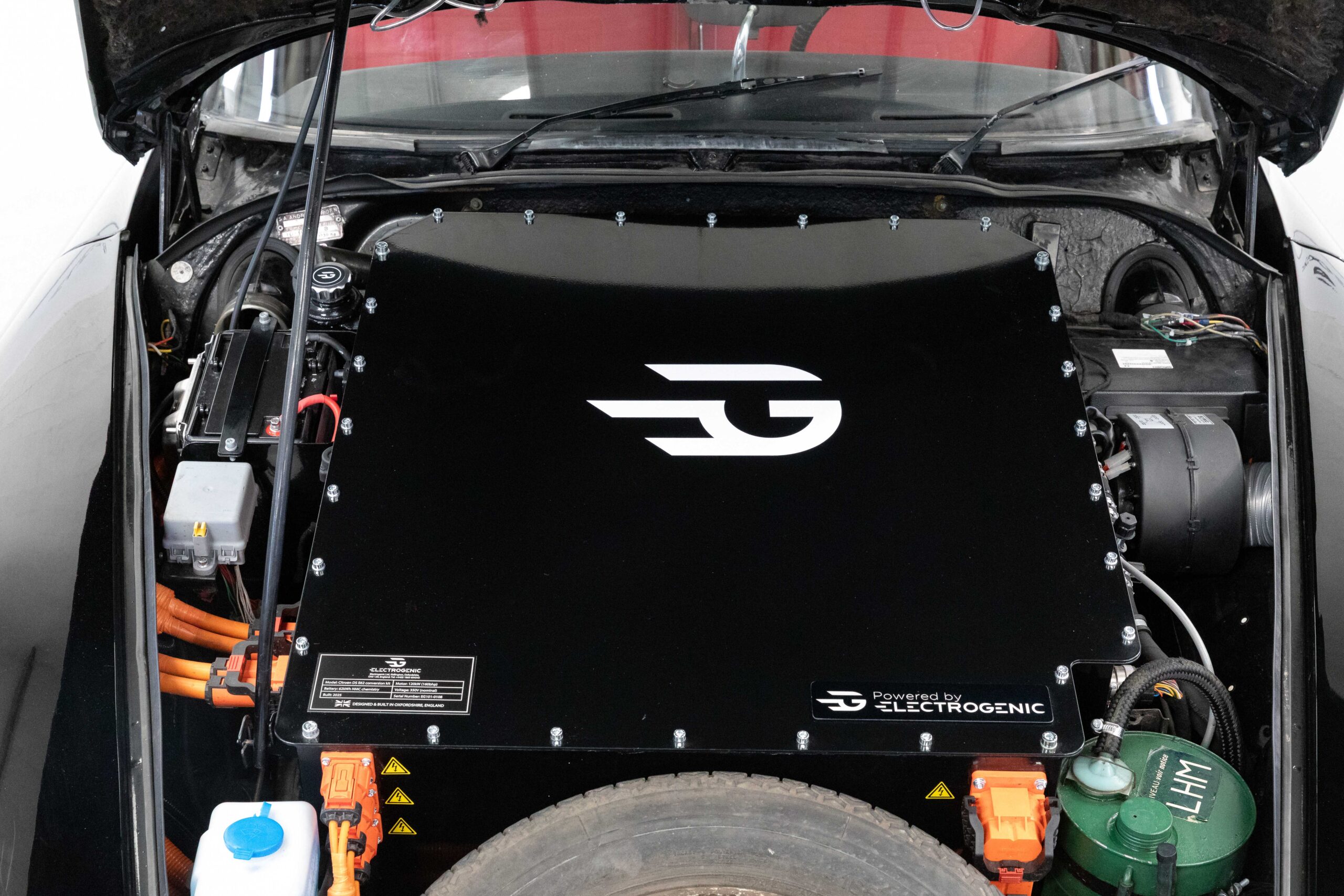
With the kit the DS gearbox is retained as a mounting point for the inboard disk brakes, and a 350-volt electric motor is mounted to it sans clutch.
“We’ve taken a few different approaches. It’s a lovely conversion, but also it’s a complex car. With the very first one that we converted, we retained the full manual shifting of the gearbox. That was sort of nice, and it was actually a lovely thing to drive through the gears, but we’re trying to engineer so we can distribute our kits to our installers worldwide, so it’s easy for them to fit.
While tuning the car and it’s drivetrain so that the manual shift works smoothly is something we can do here very successfully, it’s fairly complex and not so straightforward for some of our Partners and so we took the decision strategically to move to a single fixed gear. That also had the advantage of then bringing up the voltage of the operating system so that you have CCS charging as well.
With the current version of the kit, which is nice and it’s lovely to drive, we lock the gearbox in 3rd. We’ve toyed with the idea of removing the gearbox entirely, but decided to retain the gearbox because it has the disk brakes attached to it. We don’t really want to get involved with mounting brakes on something else.
Some customers have the gearbox rebuilt with a specified ratio, but it is just as well if you just lock the standard gearbox in third and leave it there. It’s much nicer and actually in keeping with the character of the car. It’s smooth, it’s effortless, you don’t have to think about it. Few people actively drive a DS. What you’re doing, is sitting back on your comfy sofa, and you’re gliding along, and so you don’t need gear changing to add to that experience.”
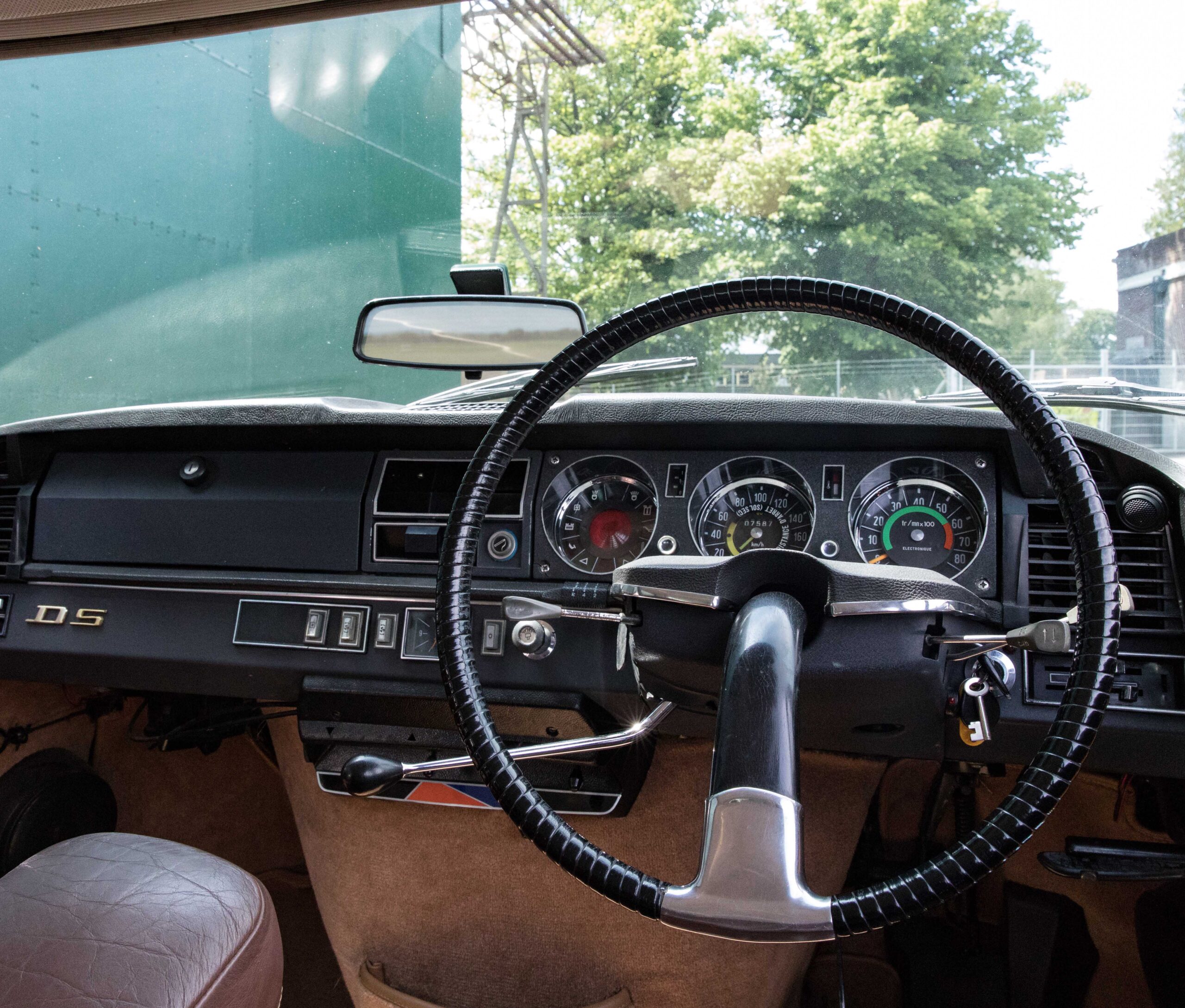
With the gearbox physically fixed in 3rd, the gearshift is used to select forward/ neutral/ reverse. What they can offer is different drive profiles and have a few selectable by a re-worked switch on the dashboard.
“When you’re controlling a motor, you’re sending it positive and negative torque commands for every single rpm value. You send it a
set of those from 0 to 12,000 or 15000 rpm, it depends on the motor. That’s a set of information, we call it a profile. It’s the relationship between what you’re physically doing with your foot and what instructions you give to the motor. We can create an infinity of drive profiles. You can play all sorts of scenarios with that. You can, within the laws of physics and the physical capabilities of the motor and the battery, do anything you like. So theoretically in the DS, you could have the shifter on top of the steering column select profiles that mimic the changing of gears. This is not something that has been requested by a customer so far however”
Electrogenic uses the original dash to give you the necessary information about the new powertrain, and can add screens and different input and output devices to make the EV of your dreams.
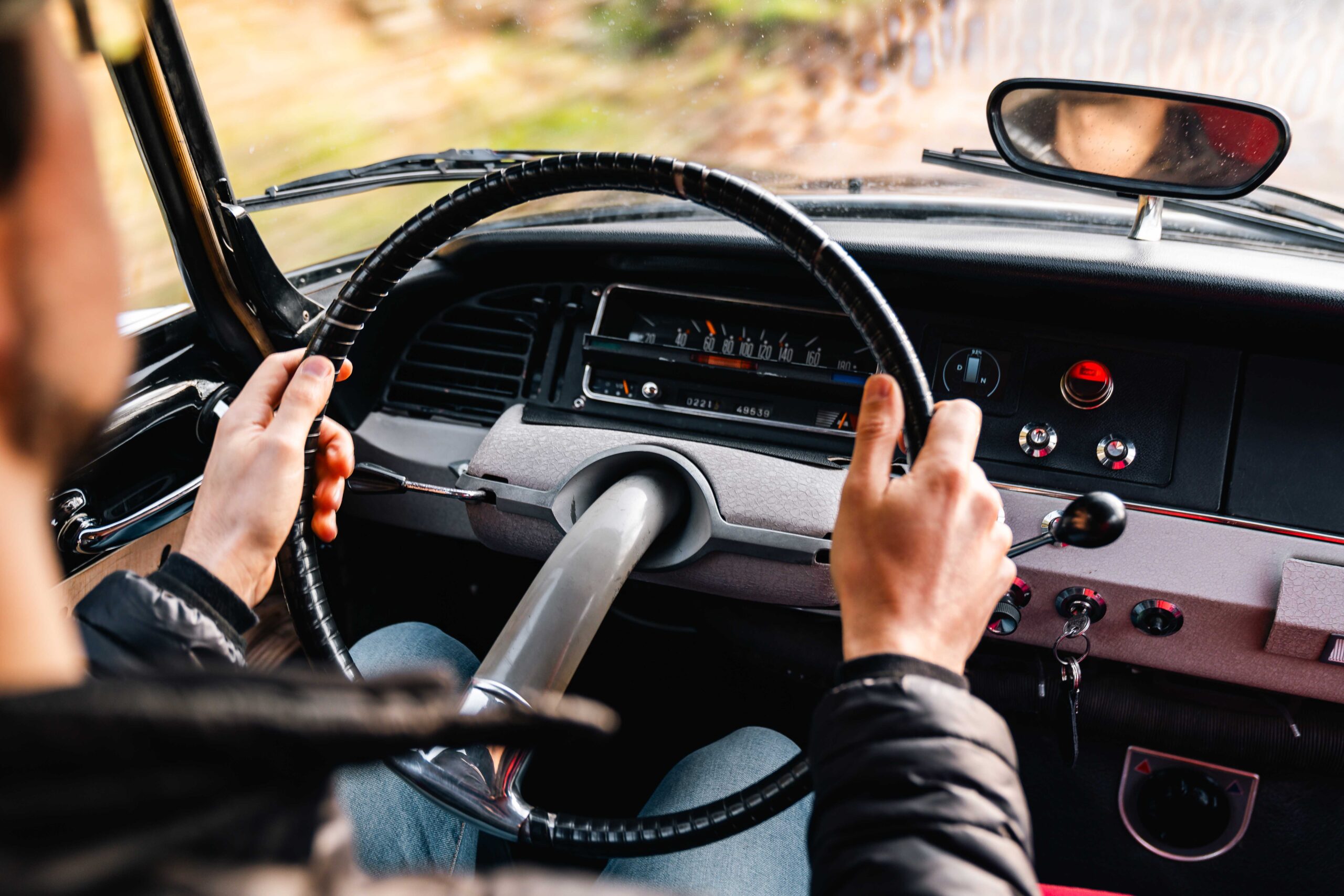
Electric Hydraulic Suspension
The original hydraulic pump is replaced with a 12 volt electric unit that is also controlled by software, keeping the original main accumulator sphere pressurized but at a level just below where the pressure relief valves would kick in to deal with the excess pressure fed from the original pump driven by the internal combustion engine. This was done to give better control over pressure, take advantage of it’s reduced size and to dramatically reduce noise.
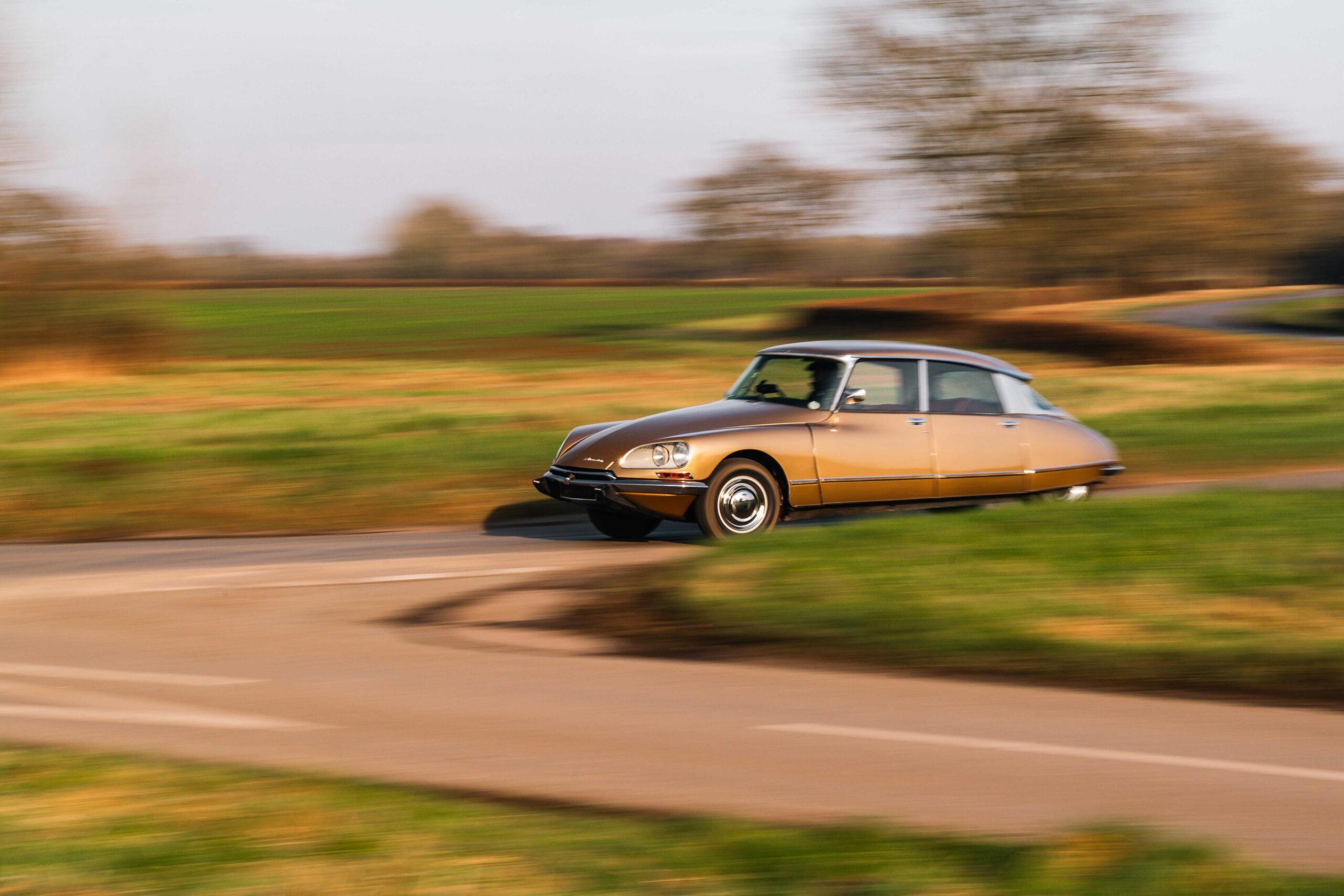
“It’s amazing how noisy the original is when there is no engine driving it.”
Modern AC
Air conditioning (if so equipped) is also electric with the compressor and condenser mounted in the front fenders. And they make provision for servicing up front by having sufficient hose length that the fenders can be removed leaving the AC system intact.
Practical Weight Ratio Batteries
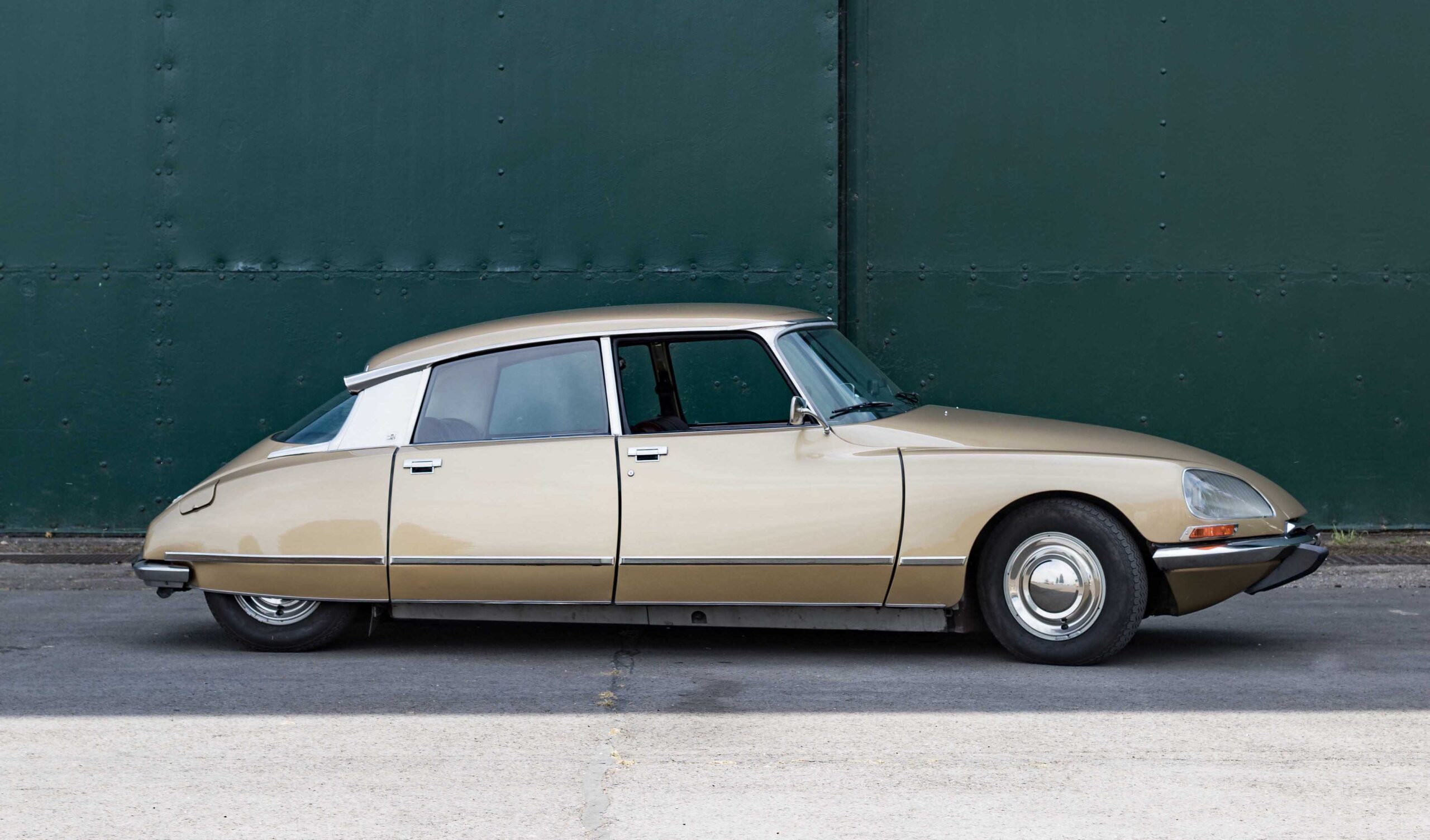
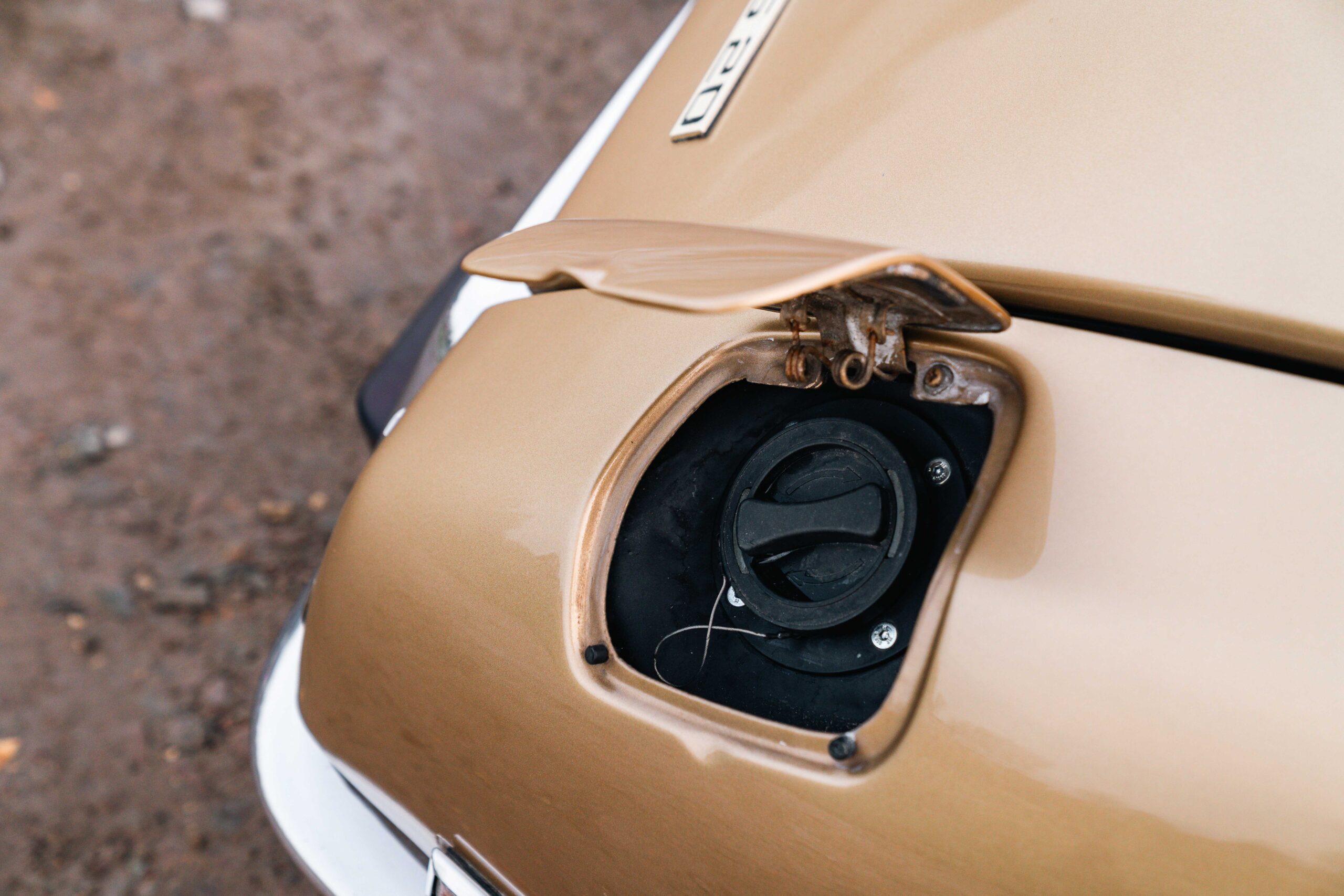
Two-thirds of the 62 kWh batteries are nestled up front in the engine bay, with the balance placed where the fuel tank once resided. No batteries are placed in the trunk area, and this contributes to better handling (there are only 60 kilos difference in weight from the original car, not affecting trunk space, while still achieving 200 miles (~320 kms) on a single charge and the ability to rapid charge like a modern EV.
“There is a balance between battery size and performance that dictates this optimal configuration. First, the DS is a relatively light vehicle and very aerodynamic two important considerations in battery range. There’s a general comment that I say to everybody about range. There’s nothing cute or clever about range. As long as you have your motor geared correctly, so that in your normal driving, it is using its full rpm range, you will be using the available energy efficiently. Most internal combustion engine cars operate at an rpm that tops out at 6000 and cruises at half that. And now you’re putting a motor in that’s got 12,000 rpm, or more. In order to make that motor work efficiently, you need to put a step down reduction of 2 or 3 to 1 in that driveline so that the motor’s used over its full range, and that’s difficult as nobody makes them because there’s no obvious commercial reason to do it. So for the majority of our powertrains we design our own.
Any electric motor is pretty inefficient under about 2,000 rpm. If you don’t put that gear set in, then that 0 to 2000 rpm is going to equate to something like 0 to 30 miles an hour, which is where you’re doing most of your driving and then most of your driving is inefficient. If we put a 2 or 3 to 1 reduction in there, then your inefficient driving is 0 to 10 miles an hour and you don’t care that much, because you’re not doing it that often, and also you’re doing it at a slow speed, so aerodynamics are not so much of a factor. Ignoring that bit, which you just have to make sure you get right. Then range is just basic physics: How heavy is the car? What is it’s drag ratio? How fast are you driving? How many kWh batteries? All the rest of it is pretty much the same from any car. Most motors have pretty much the same efficiency. Most drivetrains designed by most car manufacturers are pretty much the same. And so your only variables are the size, shape and weight of the car, and how heavy your foot is.
When you hear people, quote ranges, if you want to compare the actual performance of a Citroën conversion from this vendor, or that vendor, the only rational thing you can do is compare kilowatt hour figures for the batteries, and that will tell you who has more range.
We have a personal relationship with our customers and quote ‘real world miles’— miles that we have actually driven in this make and model of car, having one of our conversions. They need the vehicle to be able to do so many miles, and if they can’t actually do that, then it’s a major annoyance, and it really spoils the whole experience. Granted, there is still variability as to how heavy your foot is, whether it’s the middle of winter. That sort of thing also makes a difference but we quote real world miles for our DS conversions, saying they will drive 200 miles at 50 – 60 miles an hour, driving around in northern European summery weather, not too hot, not too cold.
The batteries should last for 300,000 miles, or at least 10 years of normal driving, and the motor should be good for about 50 years.”
Improved Ride
Steve exudes;
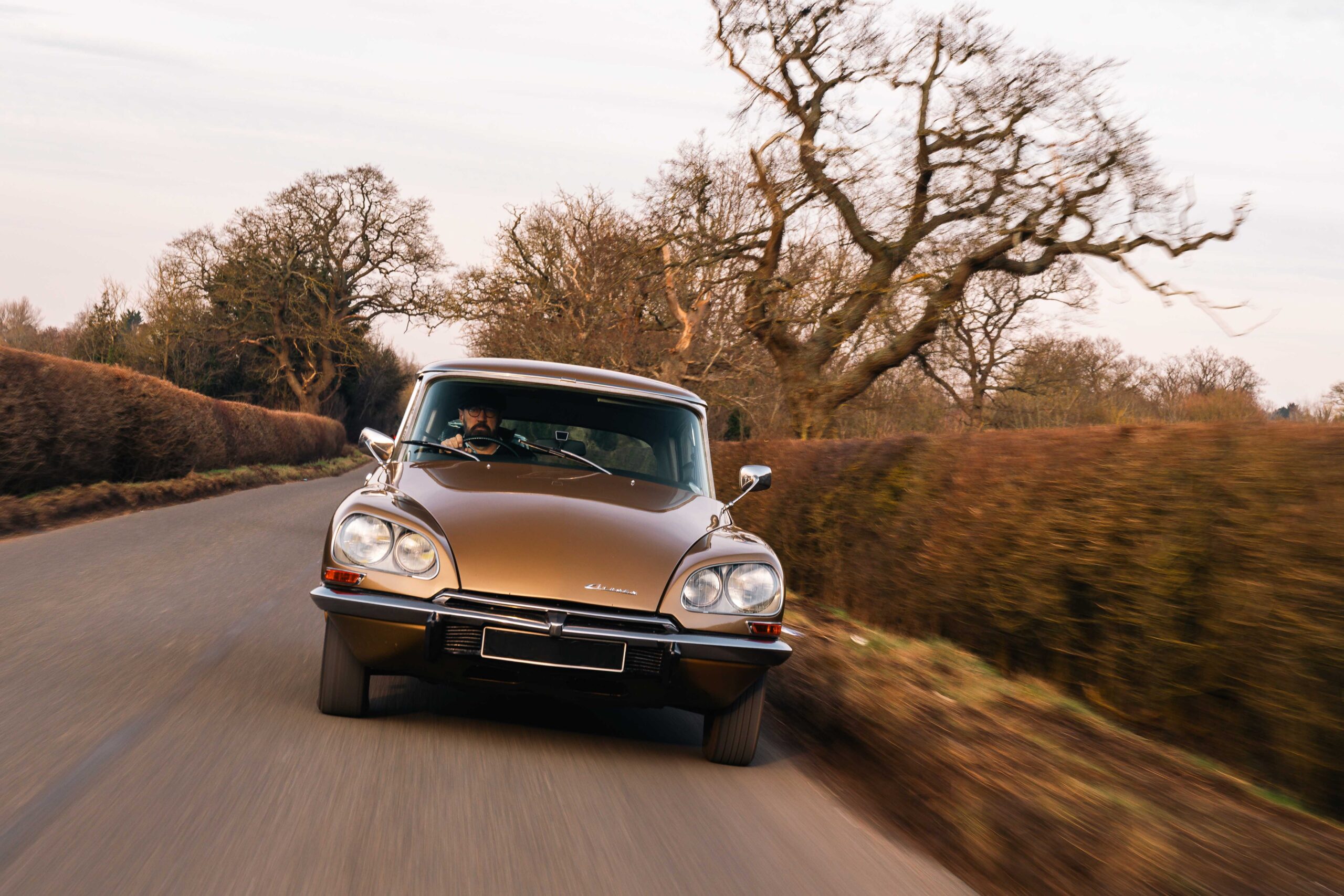
“The DS is such an iconic car and they are so much nicer when they are electric. They really are. They’re just lovely to drive.”
Conversion Value
No doubt you are wondering what the cost is of doing an EV conversion to a DS? Ballpark $100k USD excluding the car. Not cheap by any means, but weighing the cost vs EV drivability, it’s a value consideration that has merit for DS owners who wish to be free of fossil fuel dependence today and in the future, as well as requiring less overall maintenance. Of course, making such an electrification investment means you most likely want to commence with a Citroën in exceptional condition, save for the engine!
CX Possibilities
Steve also feels that the CX would also be a suitable candidate for EV conversion.
“It’s styling has also held up well over time, particularly the series 1 CXs with the smaller
stainless steel bumpers. They are ‘Concorde-esque’ and would feel even more so gliding along the motorway under solely electric power.”
If you would like to enquire about converting your Citroën, reach out to Vic Crofts at Electrogenic:
email: vic@electrogenic.co.uk
HQ : +44 1865 604 343
Mobile : +44 7762 526 929