
When one thinks of steam cars in the USA, the Locomobile, Stanley Steamer and Doble from the turn of the 20th century to 1930 are what come to mind.
The first experimental steam-powered cars were built in the 18th and 19th centuries, but it was not until after Richard Trevithick developed the use of high-pressure steam around 1800 that mobile steam engines became a practical proposition.
By the 1850s there was a flurry of new steam car manufacturers. The 1880s saw the rise of the first larger scale manufacturers, particularly in France, the first being Amédée Bollée (1878) followed by De Dion-Bouton (1883), Serpollet (1887). Amédée Bollée’s La Mancelle of 1878 was the first production car, some 50 examples being manufactured between 1878 and 1881.
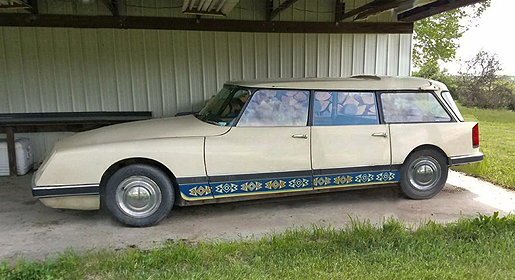
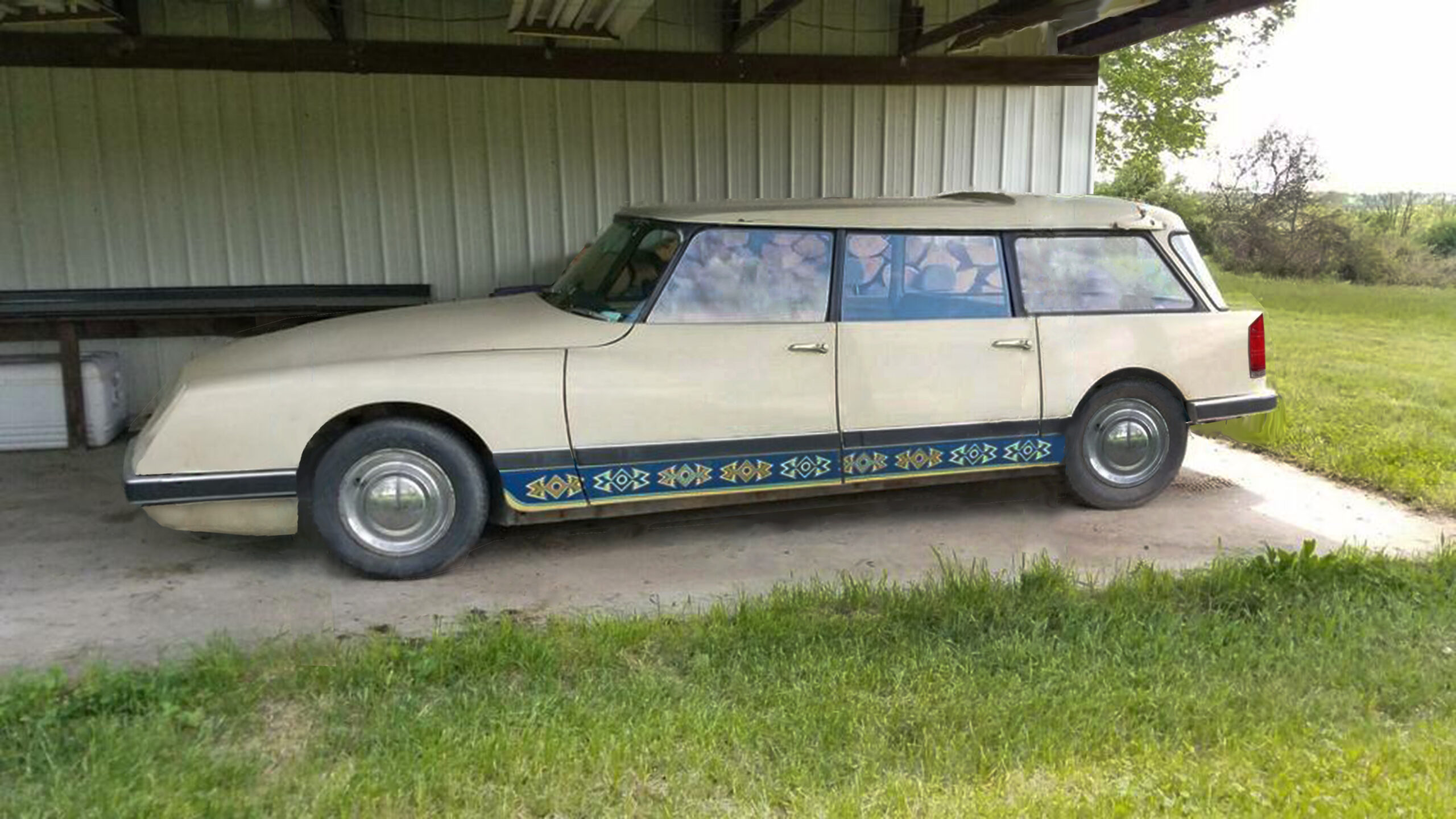
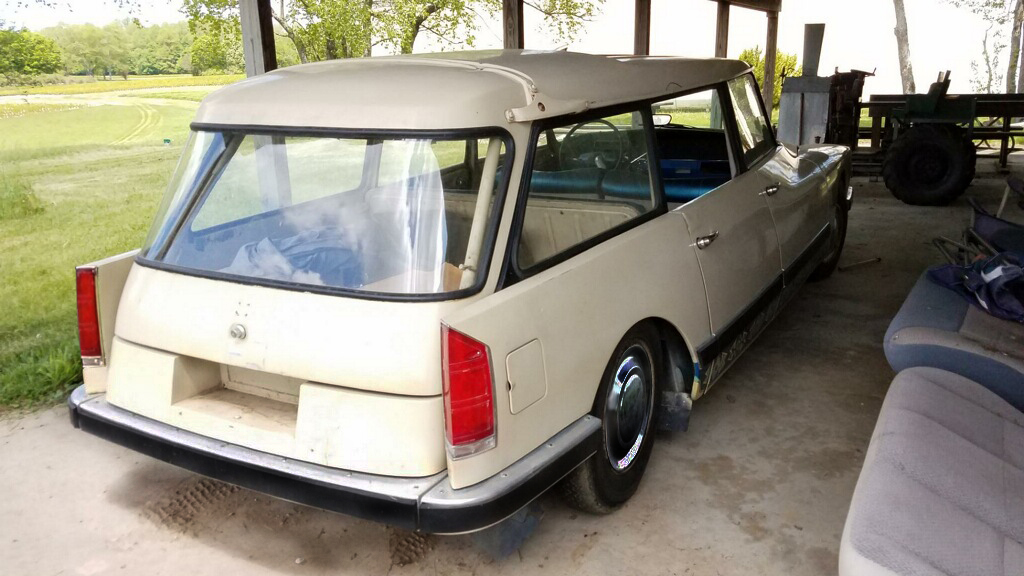
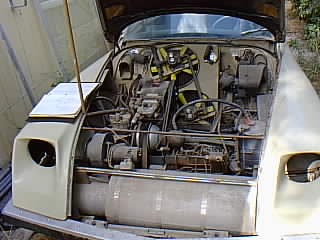
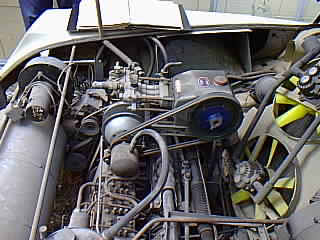
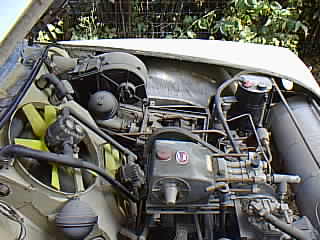
Fast forward to the 1970s and it was Citroënvie member Karl Petersen of Picacho Peak Arizona who decided to marry steam with current French automotive technology by fitting a steam engine into a Citroën D wagon for client Mike Ormiston.
Mike wanted to have an environmentally gentle station wagon in which to tour the Southwest with his teenage daughters. The concept of treading lightly on the land following the philosophy of the American Indian was foremost in Mike’s requirements, and a steam car with its naturally low pollution levels was the only technology which was suitable. The vehicle’s appearance was also of concern. It should not look like its smog emitting cousins–even like a stock Citroën. Otherwise it should be fairly compact, reliable, and interesting. Mike was confident that with the proper effort even a one-off steam car would probably be quite reliable.
Mike had asked Dick Smith to put together a car which met these needs, and Dick had tried to convince him that this was too much to hope for on a reasonable budget. Mike’s next step was to propose the same idea to Karl Petersen. Karl suggested that, although a fair amount of regular fiddling would certainly be part of the adventure, local machine shops or refrigeration mechanics could provide the necessary work to repair or replace any part of a system if a comprehensive manual and sets of drawings were provided.
Thus, in April 1973 the project was begun in earnest. Karl opened a project account, leased a quarter of the Santa Ana machine shop of John Peterson and brought the car in to strip down for reconstruction. With the power plant design work having been completed in advance, the body construction proceeded while the mechanical details were constructed and assembled.
As Karl tells it:
“In 1973, I developed a steam power plant and installed it in a 1968 DJF21 Break. I had technical assistance for shaping the body buck, making molds and assembling the body revisions. This technical assistance was available through fellow members of the Industrial Design Society of America and included many automotive professionals who followed my progress.“
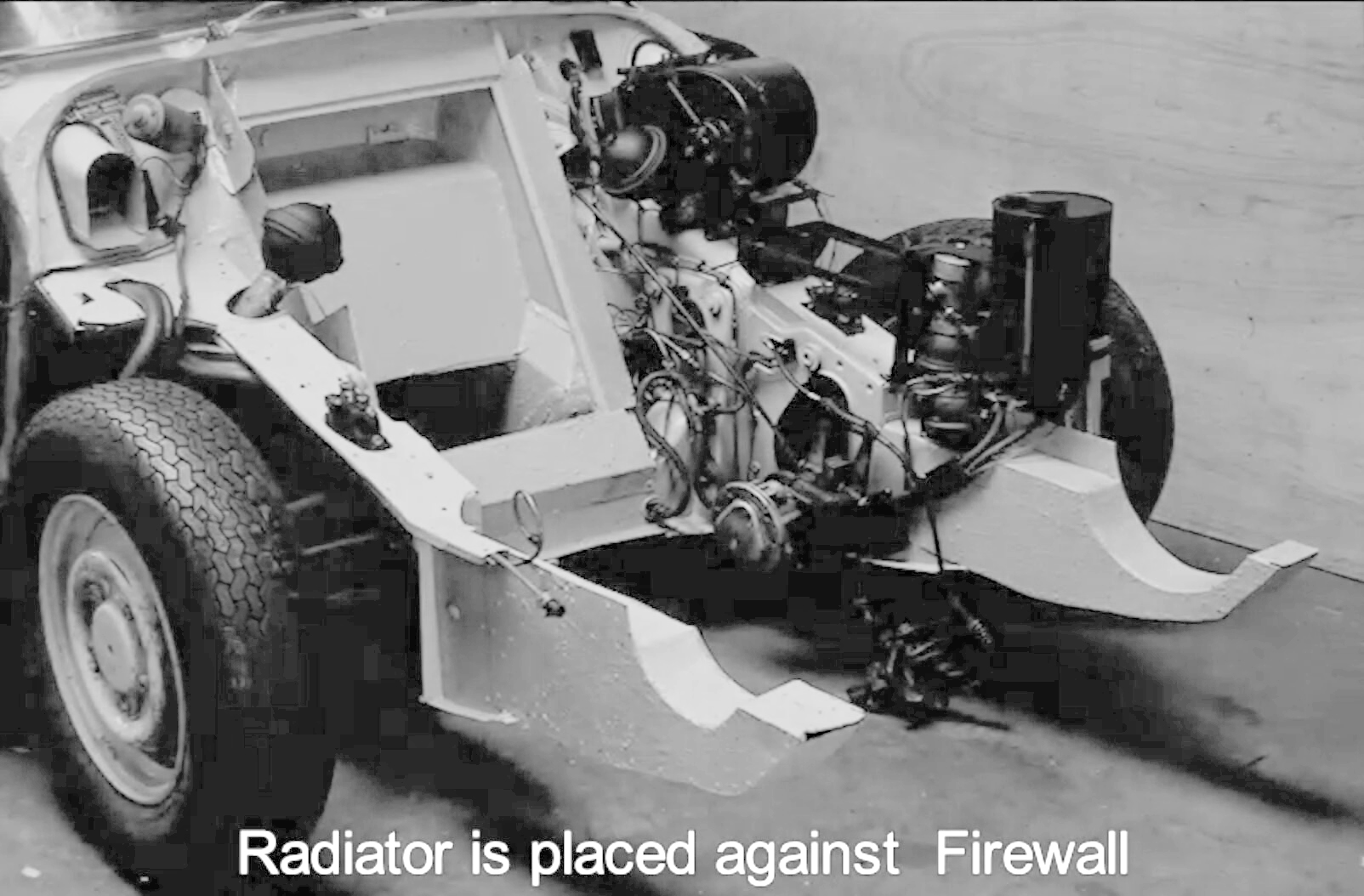
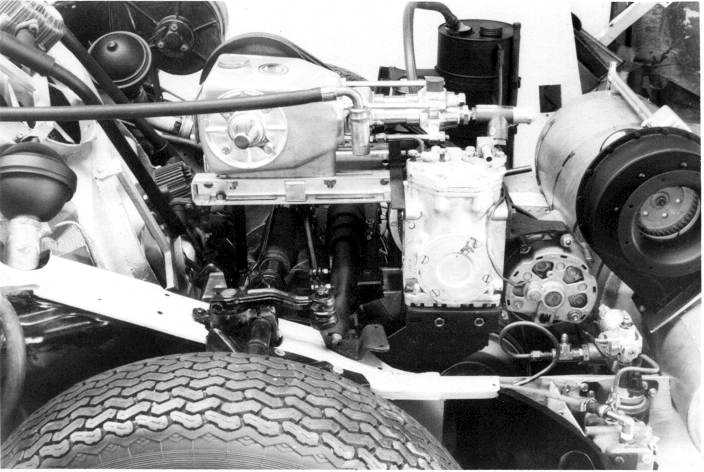
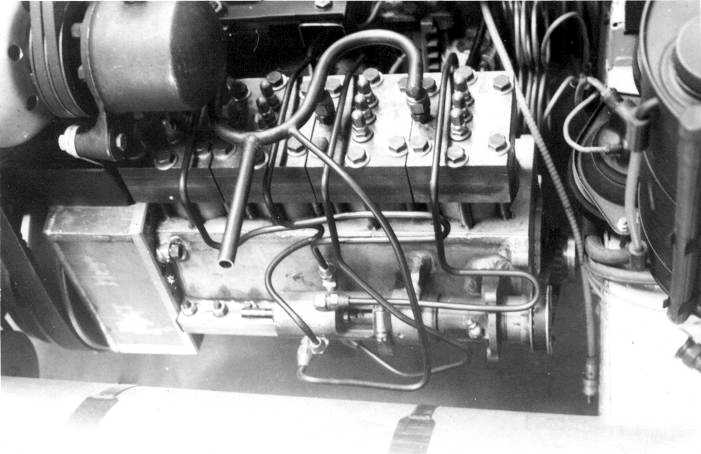
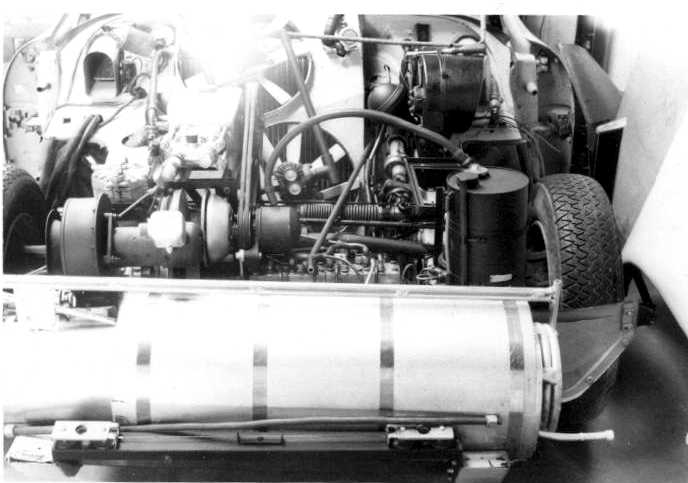
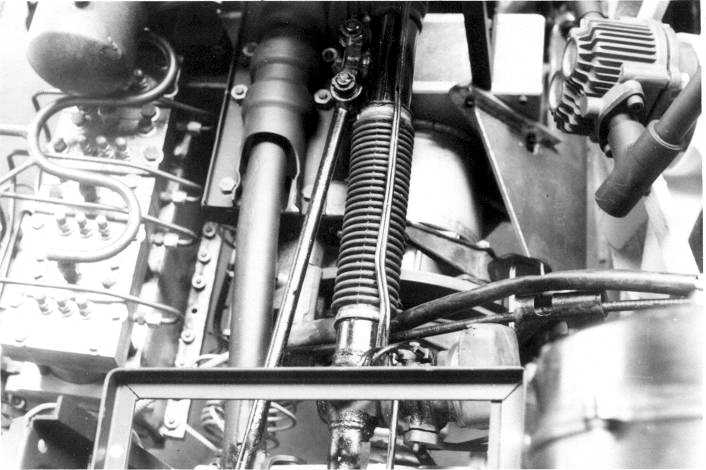
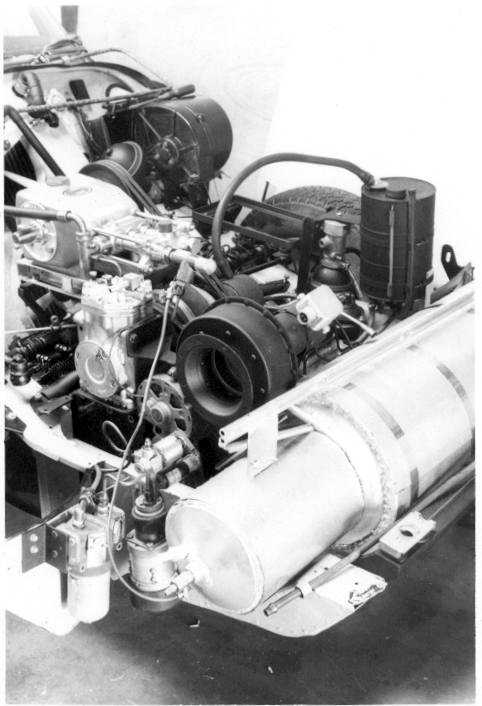
“Even though my initial sketches were reminiscent of the SM, my client for the car had specific ideas about separate eyes and no monohood. He also wanted desert colors and a native frieze along the bottom of the doors which his artist provided. I made an aluminum trimmed heavy rubber wrap across the front bumper and full sides as my contribution. So the result is what was made in 1973 and is visible today in a museum in
Michigan.“
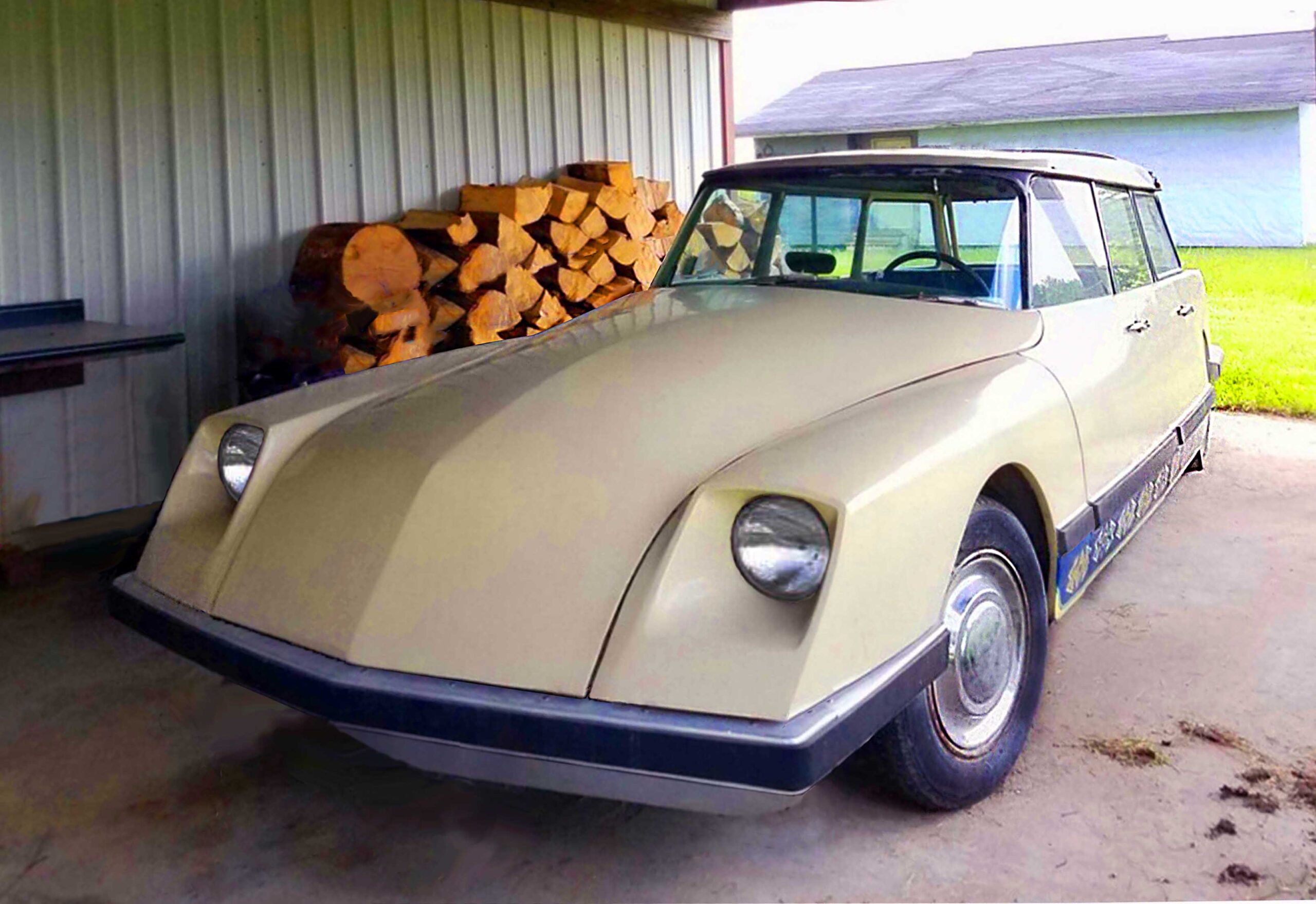
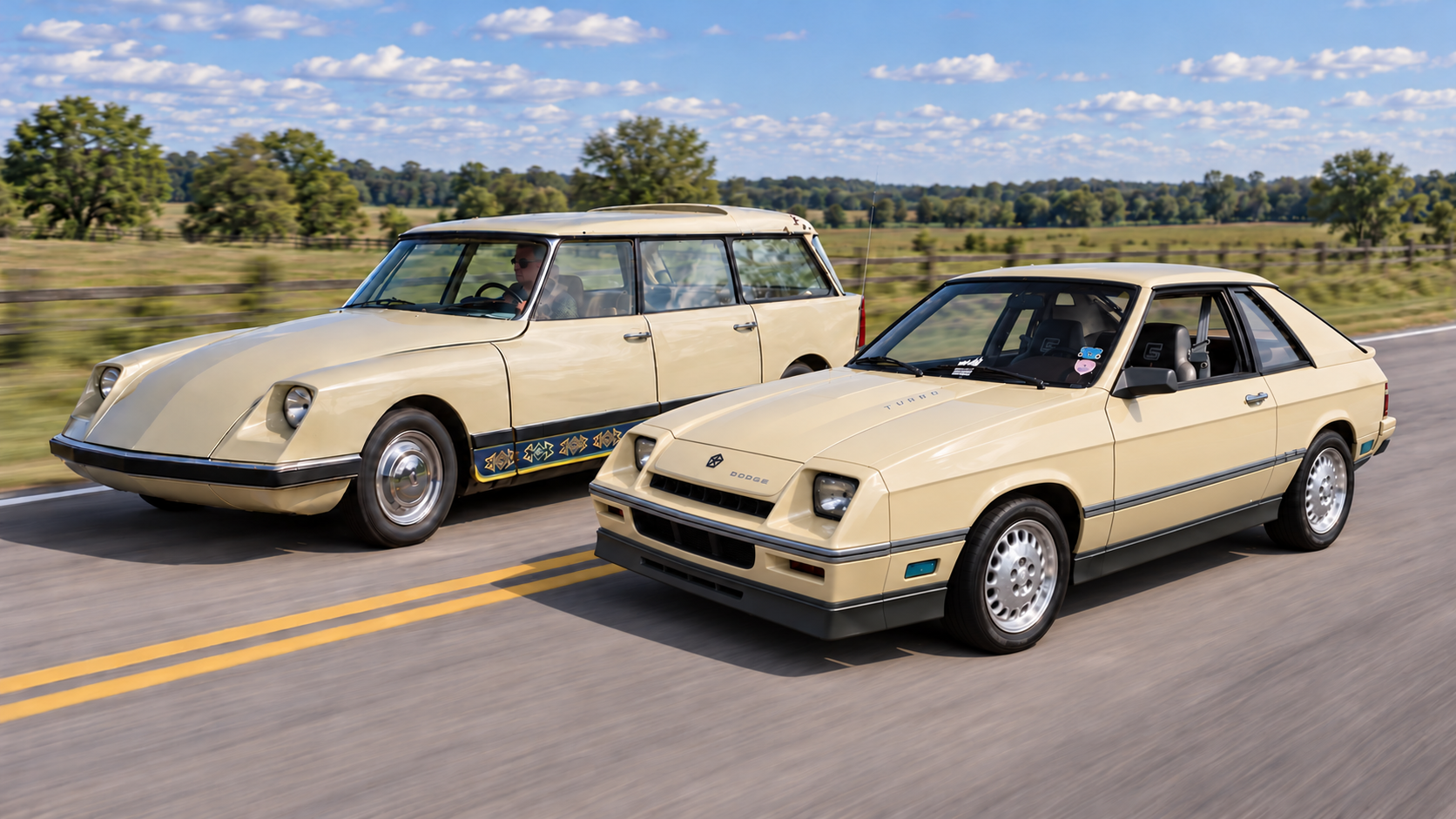
“In any case, the monohood did not take over the entire design market and twin pods and a power hump in the middle and body art still persisted. After I was done with the project, and had all sorts of comments on the design, I was surprised to see see the notable design features showing up in production cars from Jeep Cherokee to Dodge. One was particularly shocking so I photoshopped together the Steam Citroën with a 1986 Dodge Shelby GT which I repainted in the same shade as the Cit.“
The museum that Karl refers to is the steam shop of Tom Kimmel at Berrien Springs, Michigan. (Tom is the publisher of the Real Steam Power Series available on Amazon, etc.)
More information on the vehicle and its construction can be found here: http://www.firedragon.com/~kap/SteamTopics/steamcar.html