
Citroën’s 2CV Concept and Fiat’s Secret ‘Koala’ Blueprint
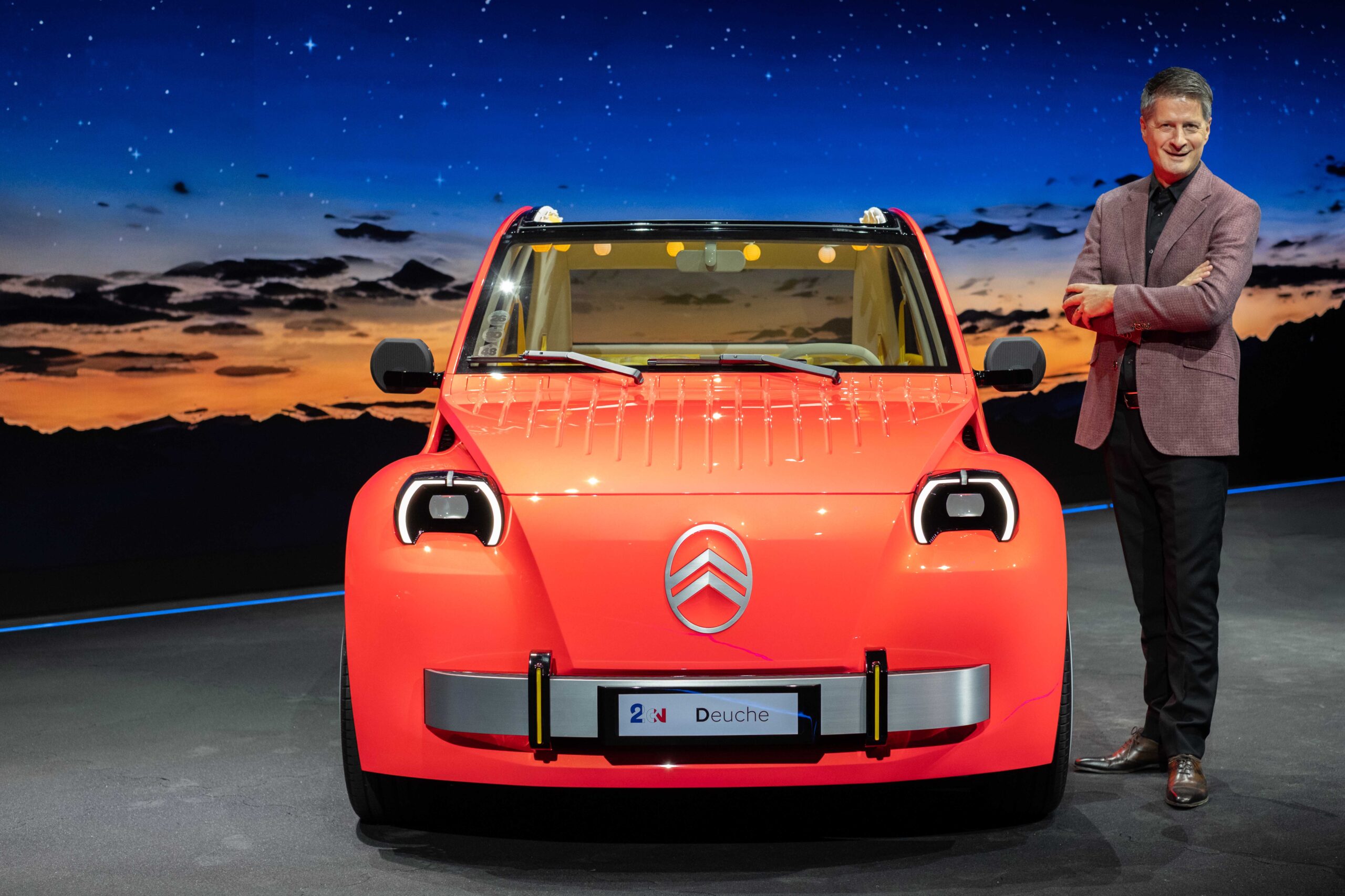
At the Paris Motor Show, the automotive industry witnessed a pivotal moment in the evolution of modern electric urban mobility. As global emissions standards tighten and European cities increasingly restrict larger vehicles, the demand for compact, affordable, lightweight electric vehicles (EVs) has reached an unprecedented peak.
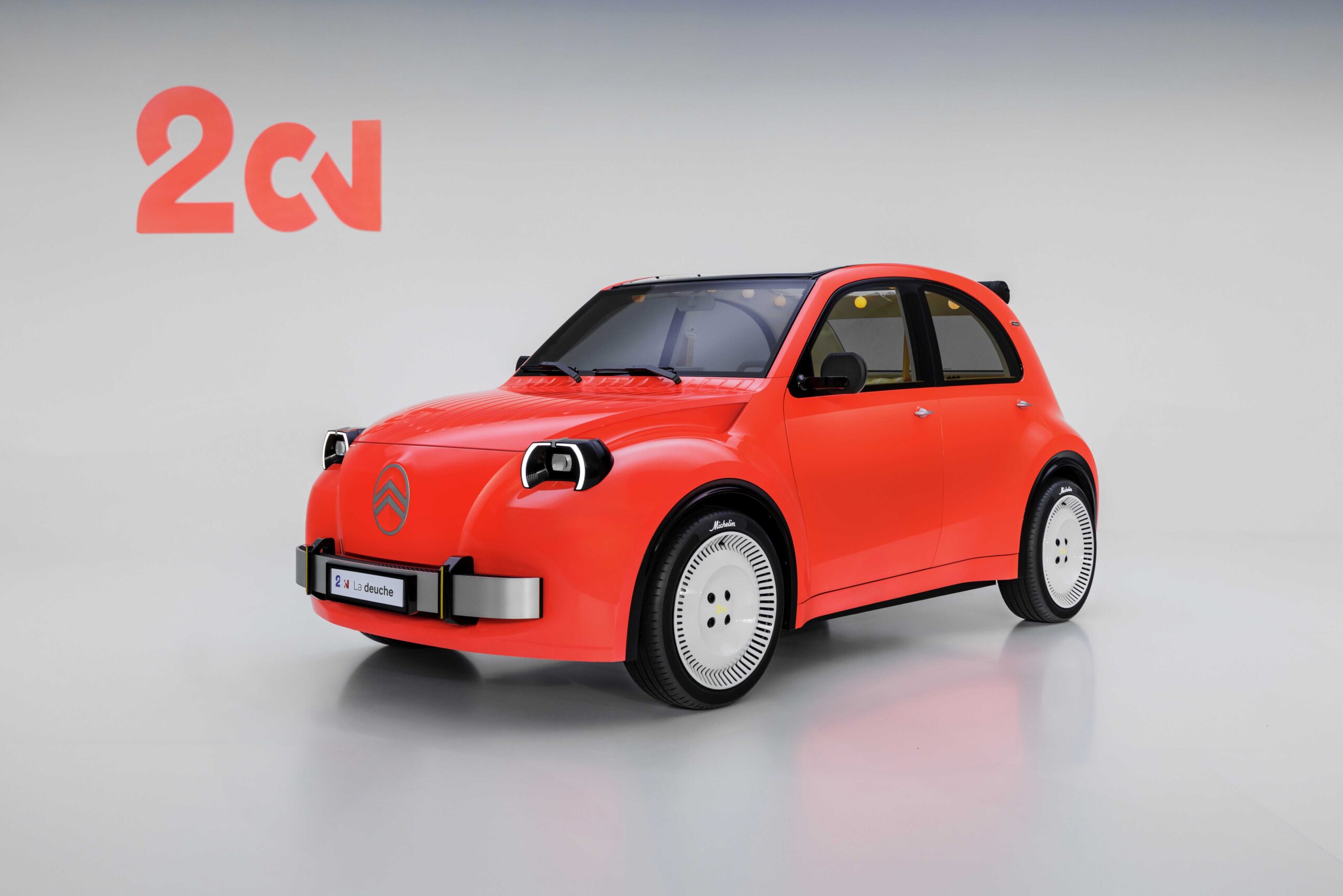
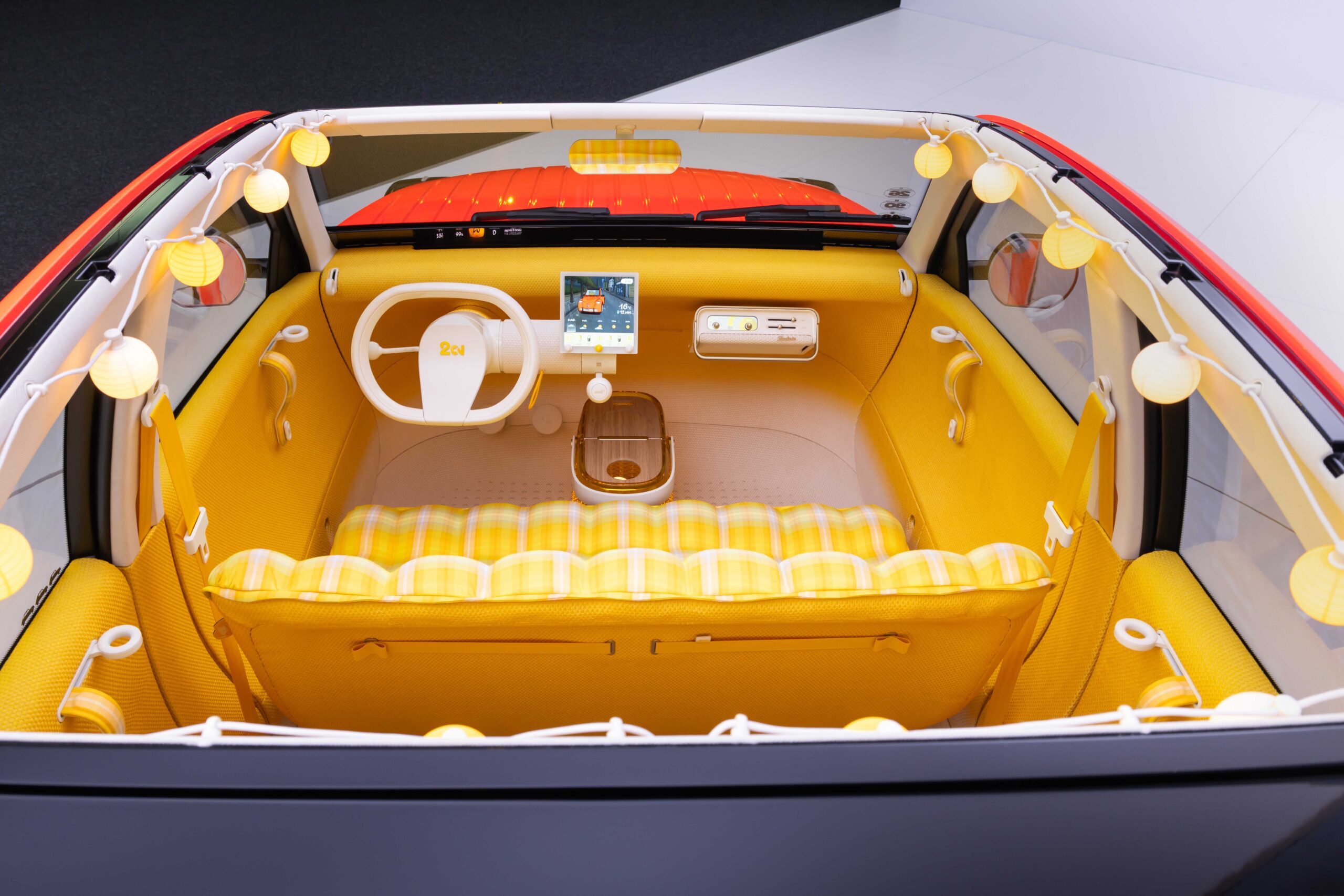
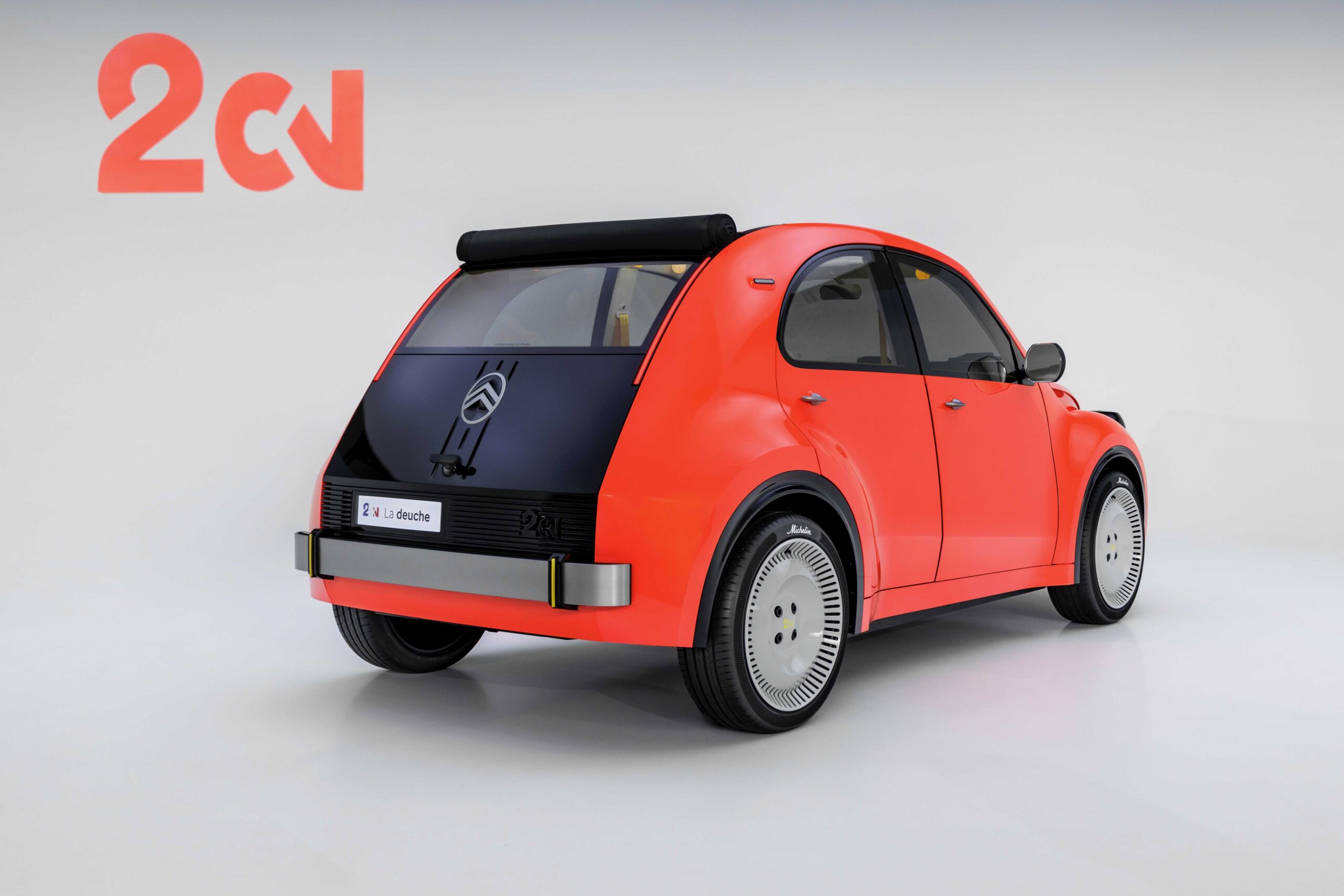
The Citroën 2CV Concept, designed as a direct response to the rising cost and inflated size of modern electric vehicles, was greeted with enthusiastic acclaim from attendees, critics, and industry observers alike as a modern interpretation of the iconic French classic designed to bring low-cost, ultra-efficient motoring back to the masses.
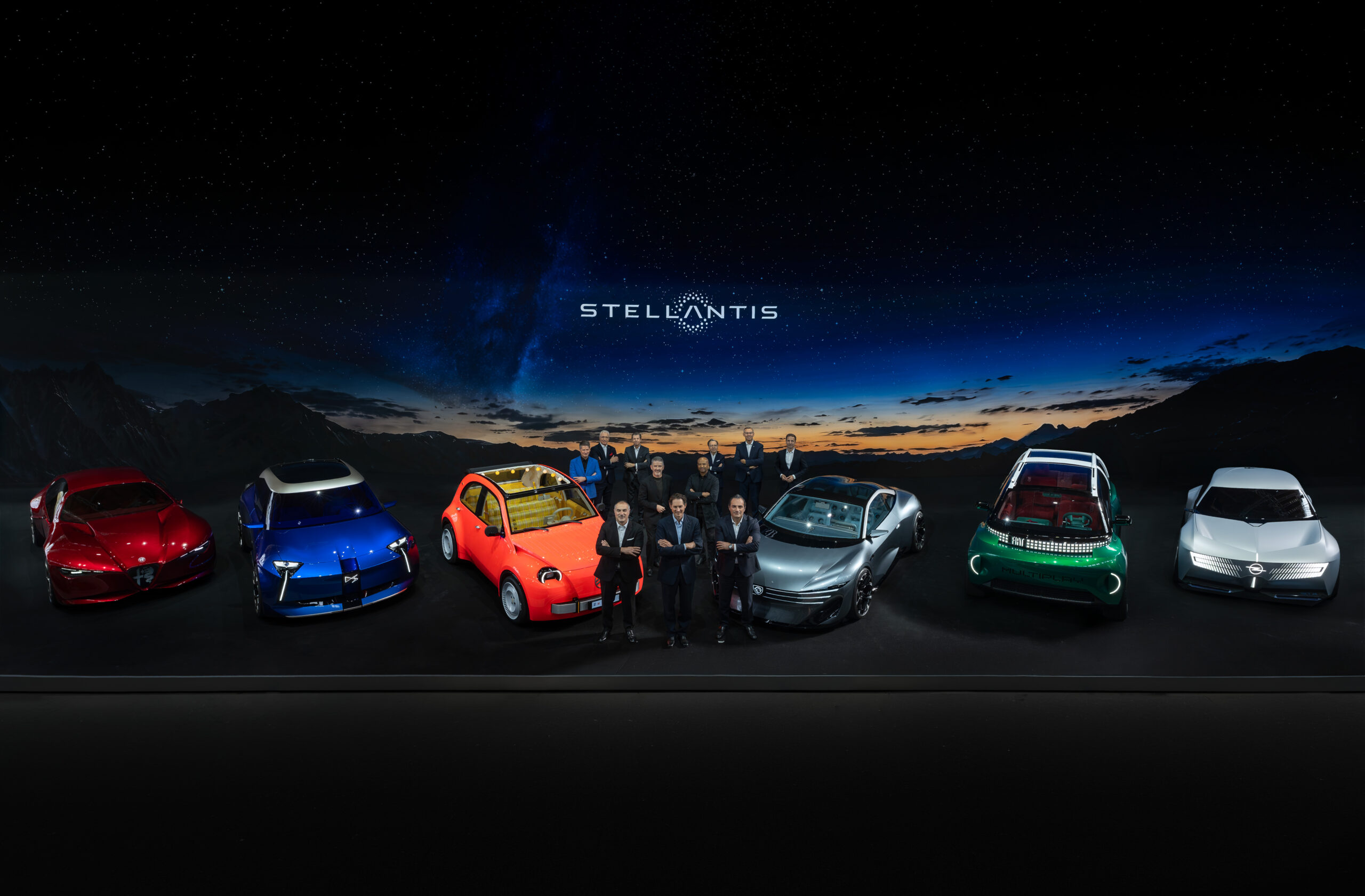
Yet beneath the glamour of Citroën’s showcase lay a deeper strategic story across the Stellantis group. Across six brands; Alfa Romeo, Citroën, DS Automobiles, Fiat, Opel and Peugeot, Stellantis showcased at the Paris Motor Show how shared platforms, lightweight engineering, and clever brand positioning are set to redefine the future of the affordable automobile.
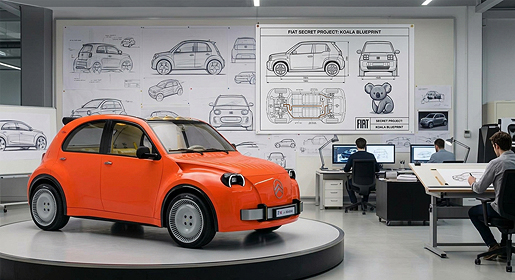
While Citroën held the spotlight in Paris, its Italian sister brand Fiat intentionally chose to hold back its own counterpart. Waiting until the tail end of the show, Fiat revealed that it is quietly preparing its own entry for the segment: a small electric city car named the Koala.
Only as the Paris Motor Show drew to a close did Fiat drop its bombshell disclosure. Speaking to Autocar, Arnaud Belloni—the newly appointed CEO of Fiat, Abarth, and Lancia succeeding Olivier François—explained the strategy behind keeping the project under wraps: “We are working on a few cars based on the E-car platform. We are preparing a small car which will be based on the 2CV, and it’s going to be a ‘wow’,” Belloni revealed.
Fiat’s Design Chief, François Leboine, echoed these sentiments, confirming that Fiat’s first model on the shared platform is “as ready as the 2CV is,” but reiterated that the Paris Motor Show was simply “not the right moment” to show it.
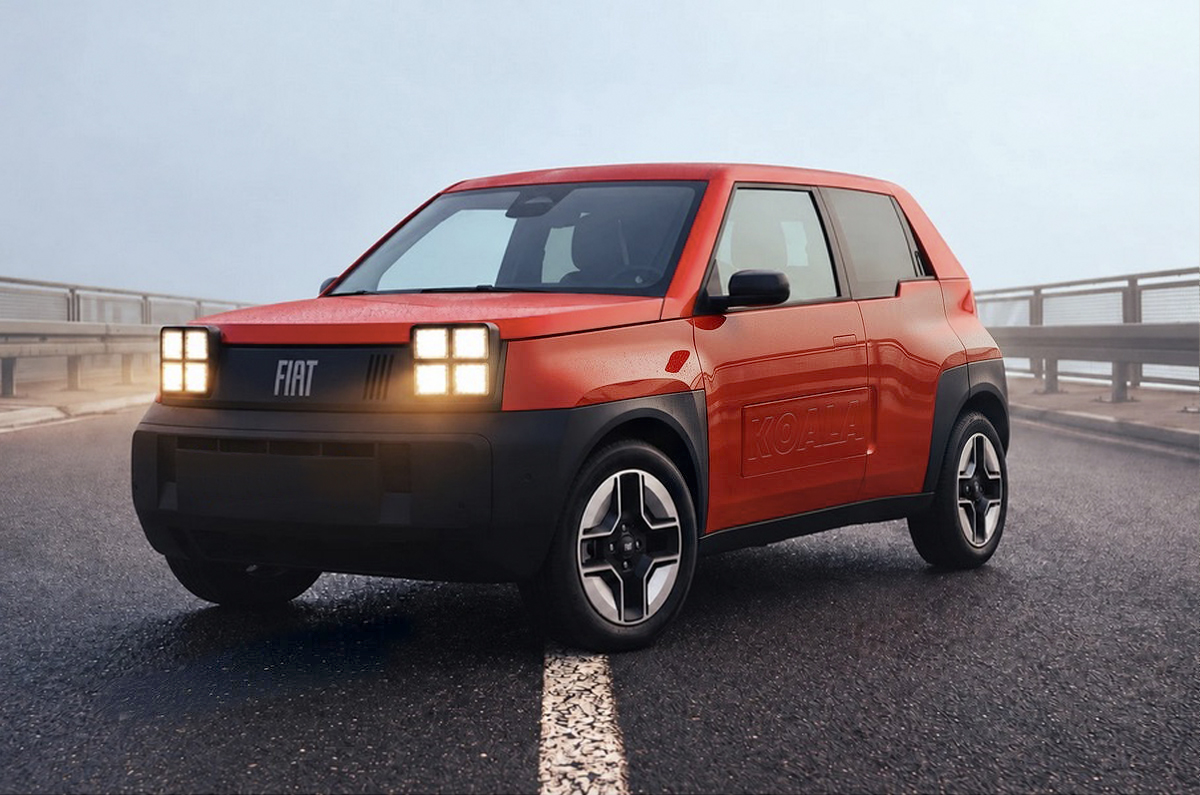
Addressing the Koala name, Belloni clarified that the trademark sits securely within Fiat’s portfolio: “Koala now belongs to Fiat. We have a Koala, a Panda, and a Grizzly.”

Fiat has deliberately embraced a bear-themed nomenclature for its rugged, utilitarian, and compact vehicle family—even acknowledging with a nod to zoology that the koala is technically a marsupial rather than a true bear. Belloni jokingly pointed out that the only bear-inspired name off-limits to Fiat is “Kodiak,” as Škoda uses that name for its mid-size SUV.
The introduction of the Koala provides Fiat with a clear structure for its small-car range. Rather than replacing existing models outright, the Koala will initially serve as an additional, fully electric offering alongside petrol-powered alternatives. Fiat’s internal combustion engine Panda (officially badged Pandina) remains the best-selling car in Italy.
Italian Manufacturing for the 2CV and the Koala
Both the 2CV and the Koala are engineered around Stellantis’ dedicated E-Car platform. This architectural framework is tailored to meet proposed European vehicle classifications designed to encourage light, efficient city cars. A critical aspect of the E-Car program is its manufacturing. Both the Citroën 2CV and the Fiat Koala will be produced side-by-side at Stellantis’ historic Pomigliano d’Arco plant near Naples, Italy.
Industry reports suggest an Opel variant sharing the E-Car architecture may also join the assembly line at a later stage, though this remains unconfirmed.
Citroën’s Neo-Retro Nostalgia
The 2CV Concept leans gracefully into neo-retro aesthetics. It takes the unmistakable, curved silhouette of the classic 1948 Deux Chevaux—with its curved roofline and rollback roof, while adding headlight pods to the minimalist front fascia to celebrate simplicity, playfulness, and French industrial heritage. It lays down a very precise physical footprint:
- Length: 3.76 metres, striking an optimal balance between urban maneuverability and internal practicality.
- Target Mass: Approximately one tonne (1,000 kg) in production form.
- Target Price: Around €15,000 at its anticipated market launch in 2028.
Fiat Koala: A Strictly Modern Approach
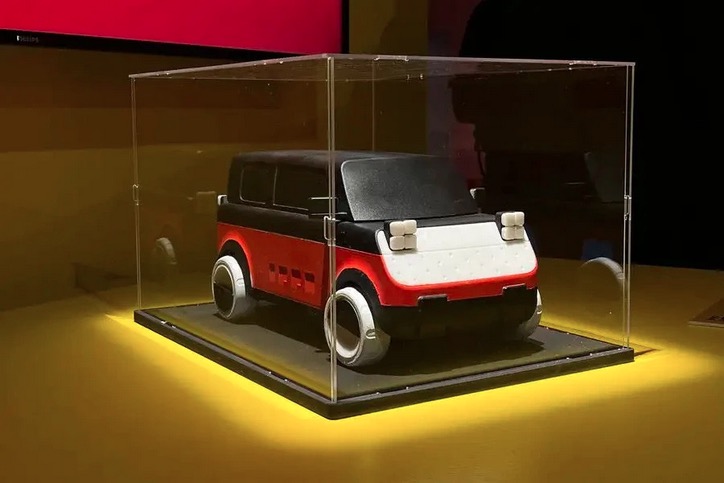
At the same target price as the 2CV Concept, but stark contrast to Citroën, Fiat is explicitly rejecting neo-retro styling for the Koala. Instead of copying the 2CV’s rounded heritage cues, the Koala will feature modern, boxy, utilitarian aesthetics heavily inspired by Fiat’s ‘Ippo’ — a styling study that emerged from an E-Car design competition held by Fiat among Italian university students. (Seven of the participating students were offered positions at the Fiat design studio, four of whom remain actively working on future models.)
Fiat’s Evolving Micro-Mobility Strategy: From Ami to Multiplina
Fiat’s strategic alignment with Citroën in the small mobility market is not a new development; it represents the evolution Citroën concepts and production models.
The Lineage: Ami to Topolino
- Citroën Ami (2019/2021): Citroën pioneered the ultra-compact electric quadricycle segment when it unveiled the Ami Concept in 2019, launching it into production in 2021 as an affordable speed-limited L6e/L7e mobility solution.


- Fiat Topolino (2024): In 2024, Fiat re-skinned the Ami, adding Italian flair and nostalgic detailing to produce the highly popular Fiat Topolino.
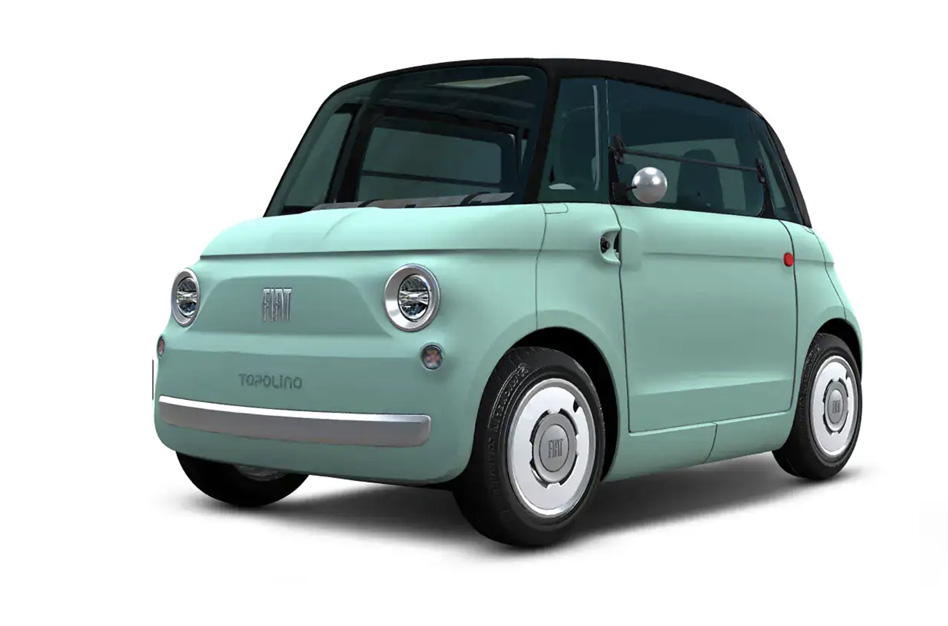

The Fiat Topolino was named One of TIME’s Best Inventions of 2026. What a brush-off of Citroën heritage!
Moving Beyond Citroën: Multiplay and the Multiplina
At the Paris Motor Show, while Citroën showcased the 2CV Concept, Fiat demonstrated how far it has expanded its larger EV mobility lineup:
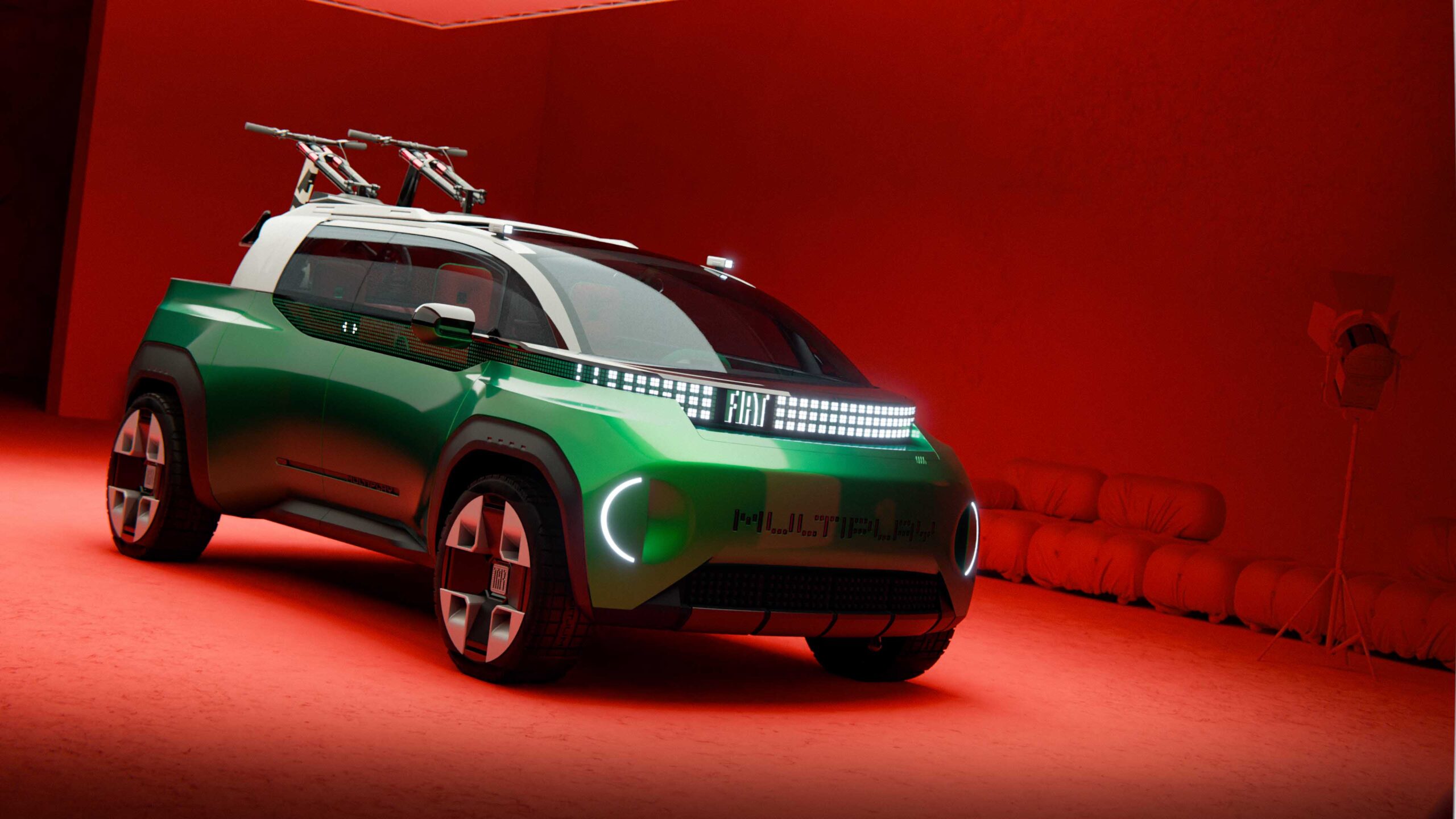
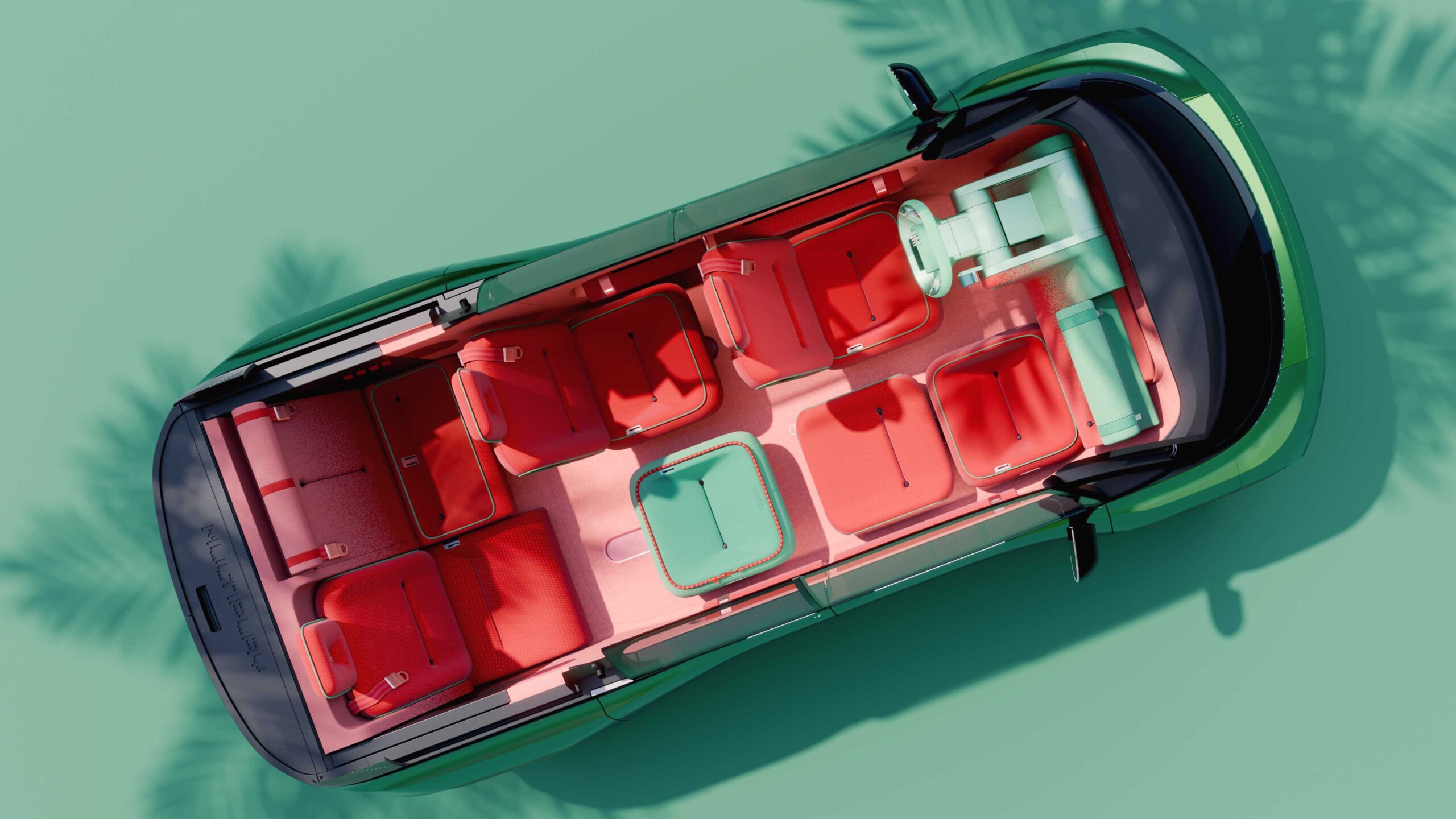
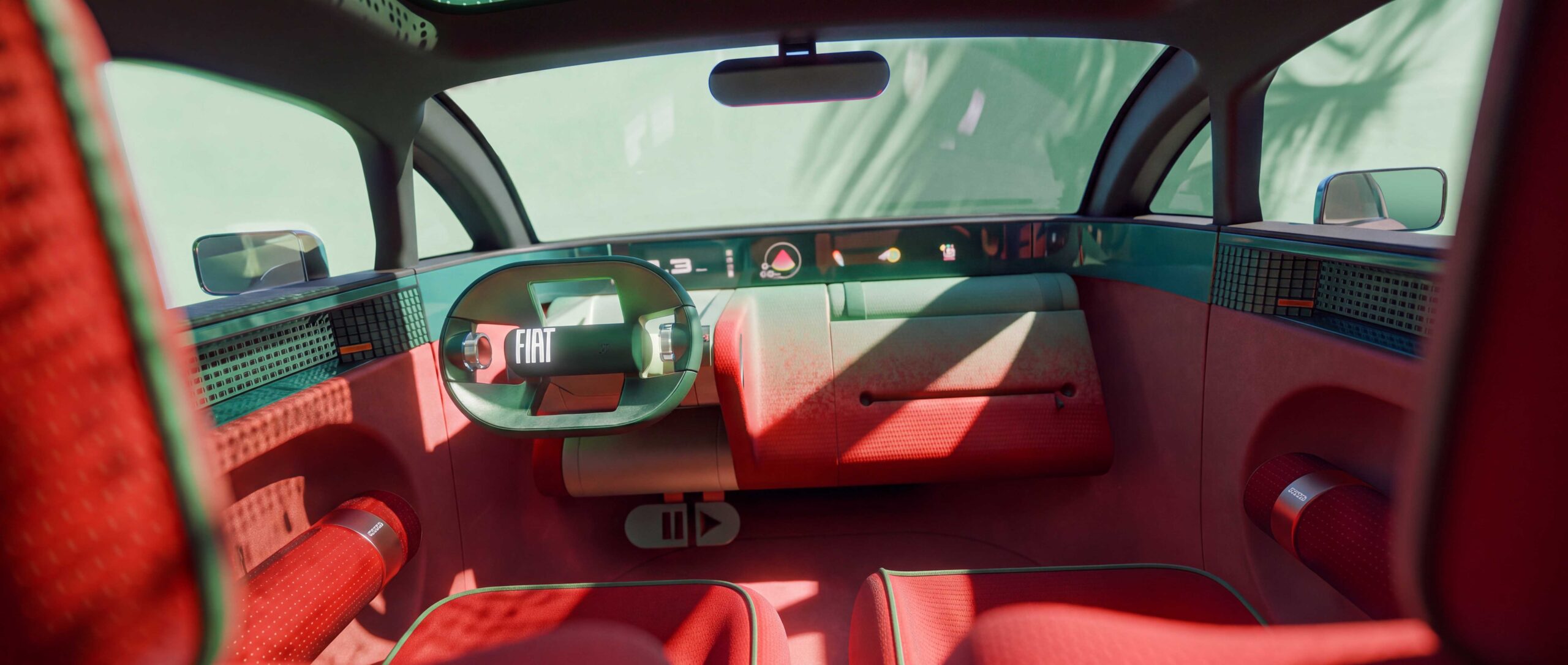
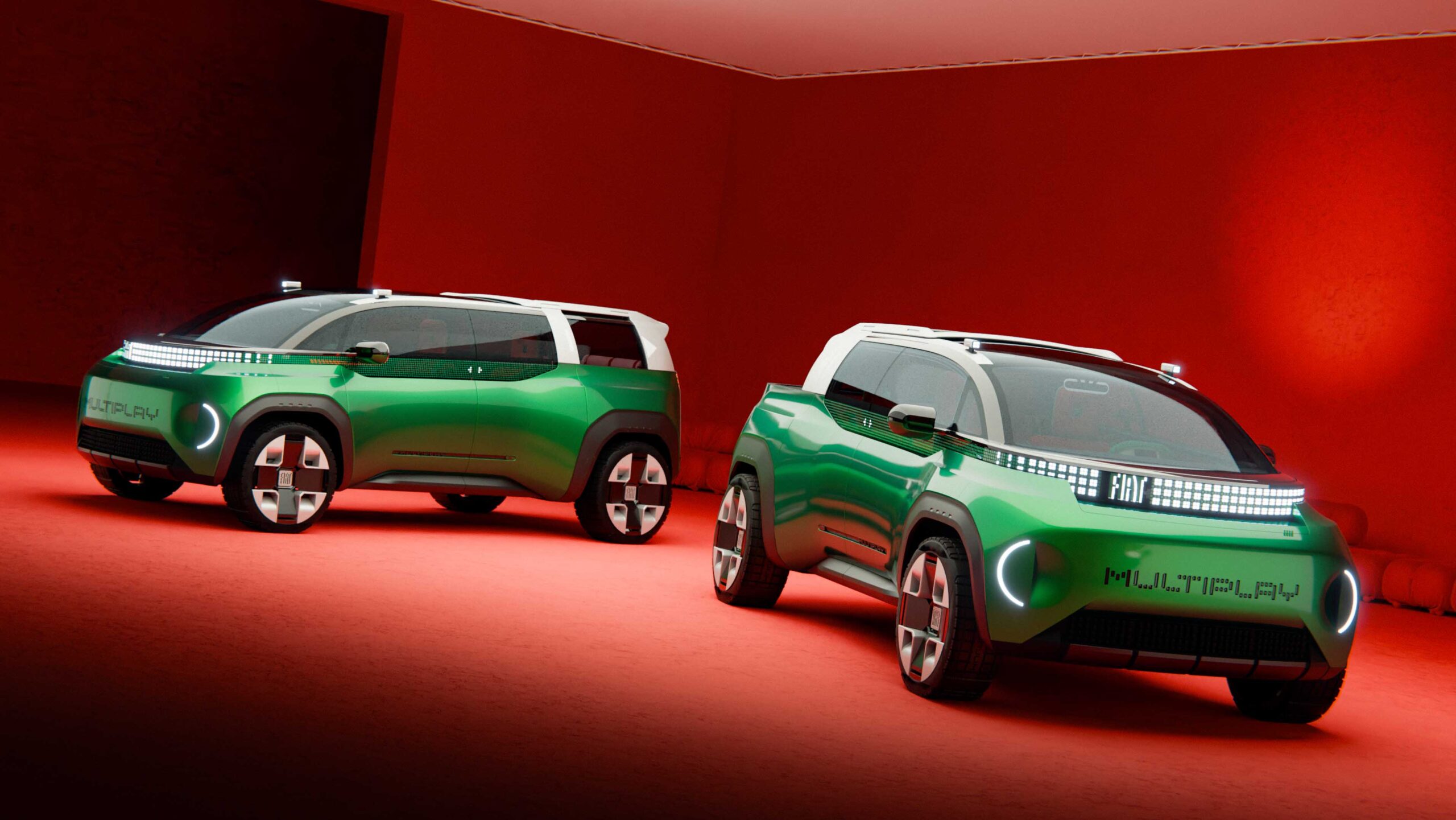
- Fiat Multiplay Concept: Fiat presented the Multiplay—a versatile, modular combination of pickup, SUV, and van attributes built around the dimensions of the upcoming Grizzly. It plays somewhat on what Citroën showed with their ELO Concept at last year’s Paris Motor Show.


- Fiat Multiplina: Most notably, Fiat displayed a near-production version of the Multiplina. Reinterpreting the iconic 1950s 600 Multipla, the Multiplina is a four-seat light electric vehicle in the L7e category based on an expanded Topolino (Ami) footprint.
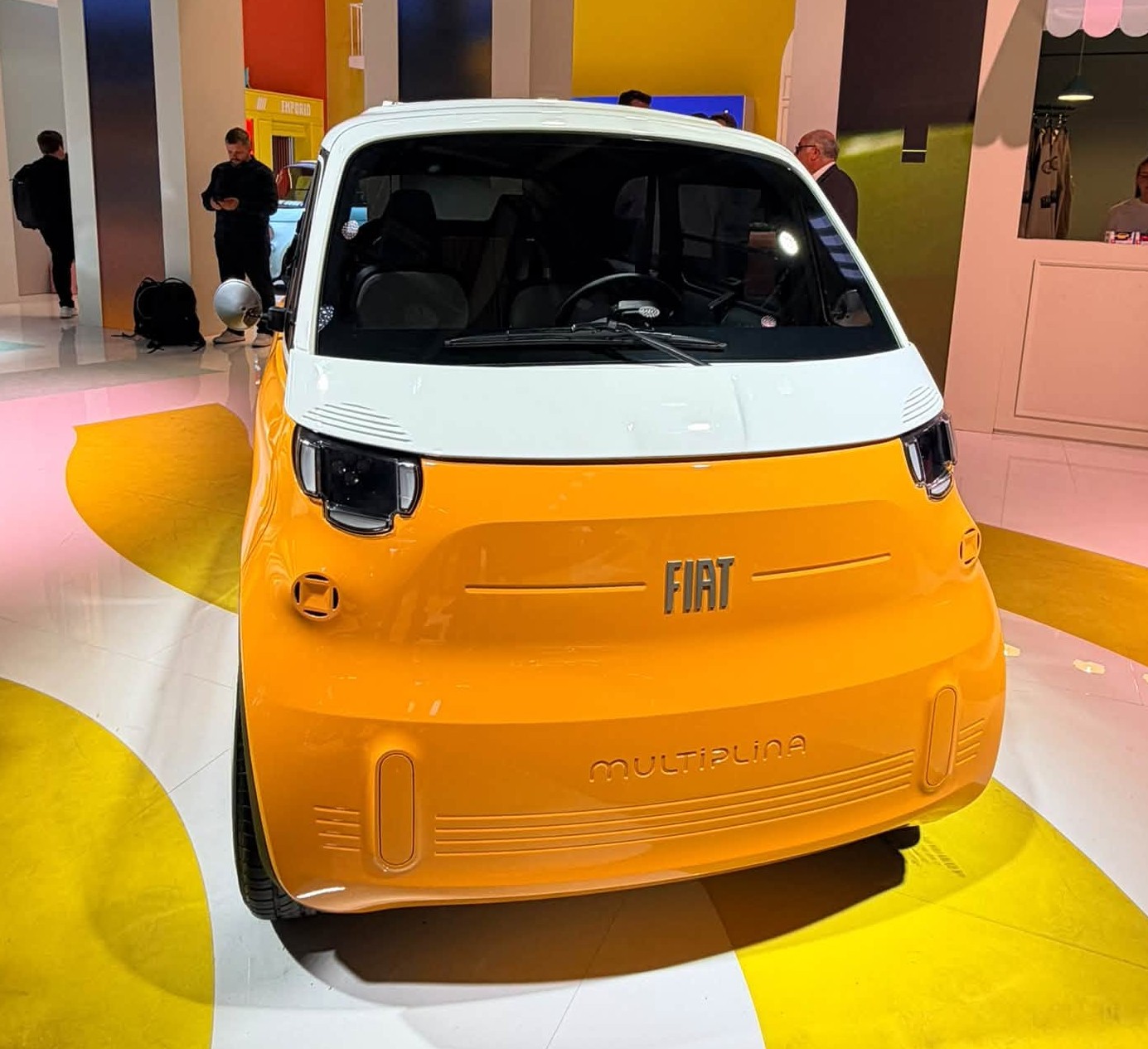
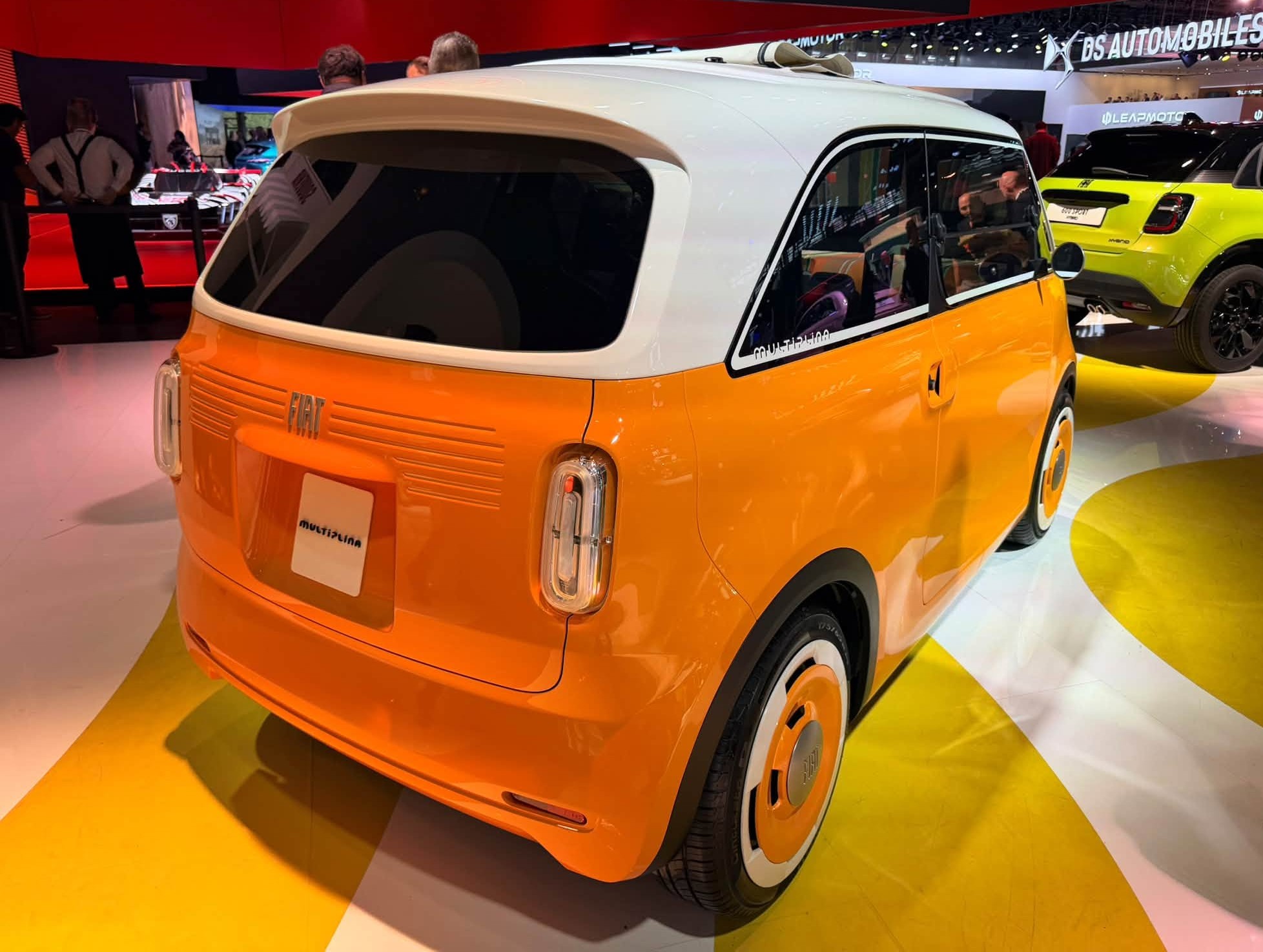
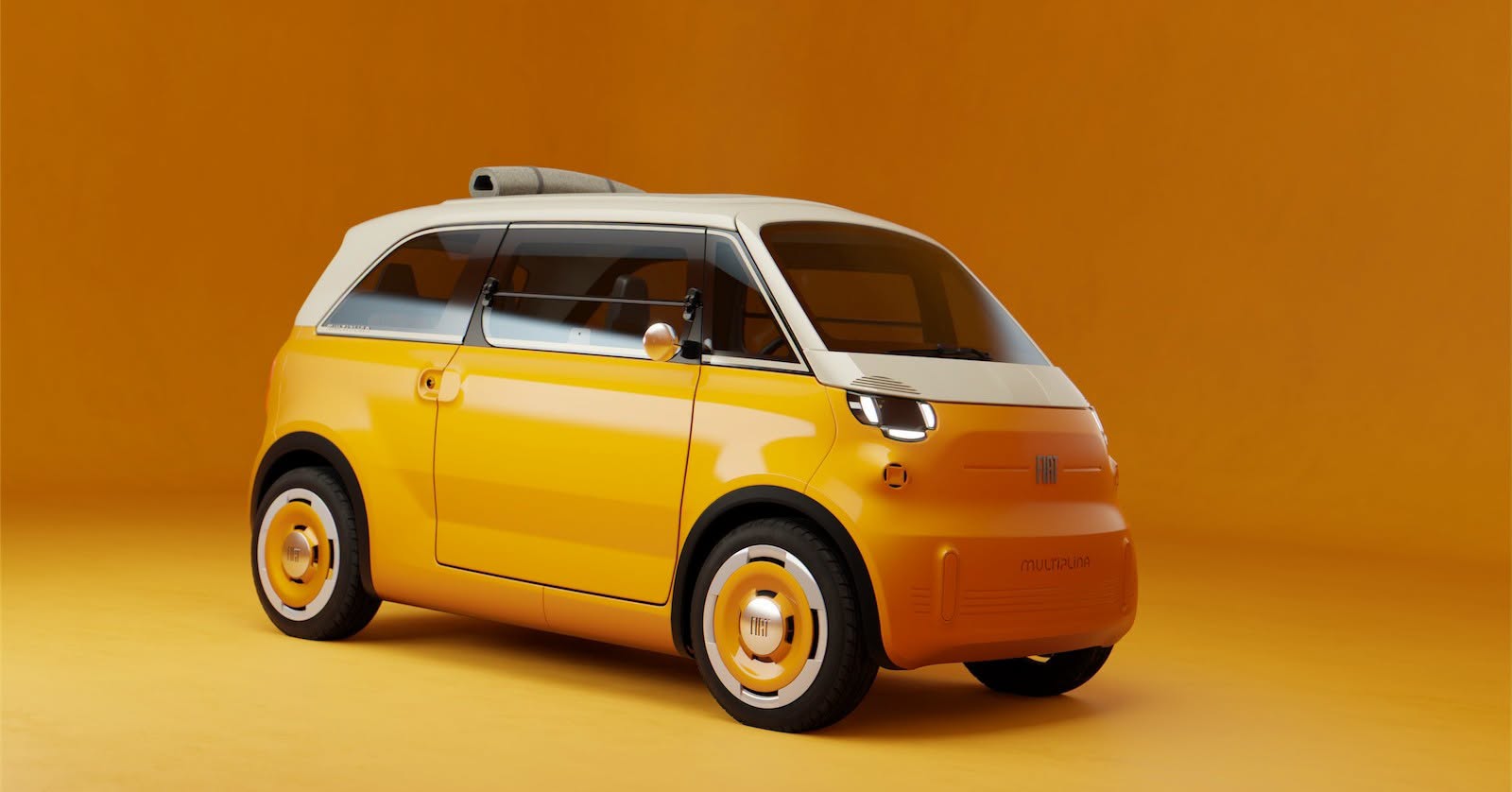
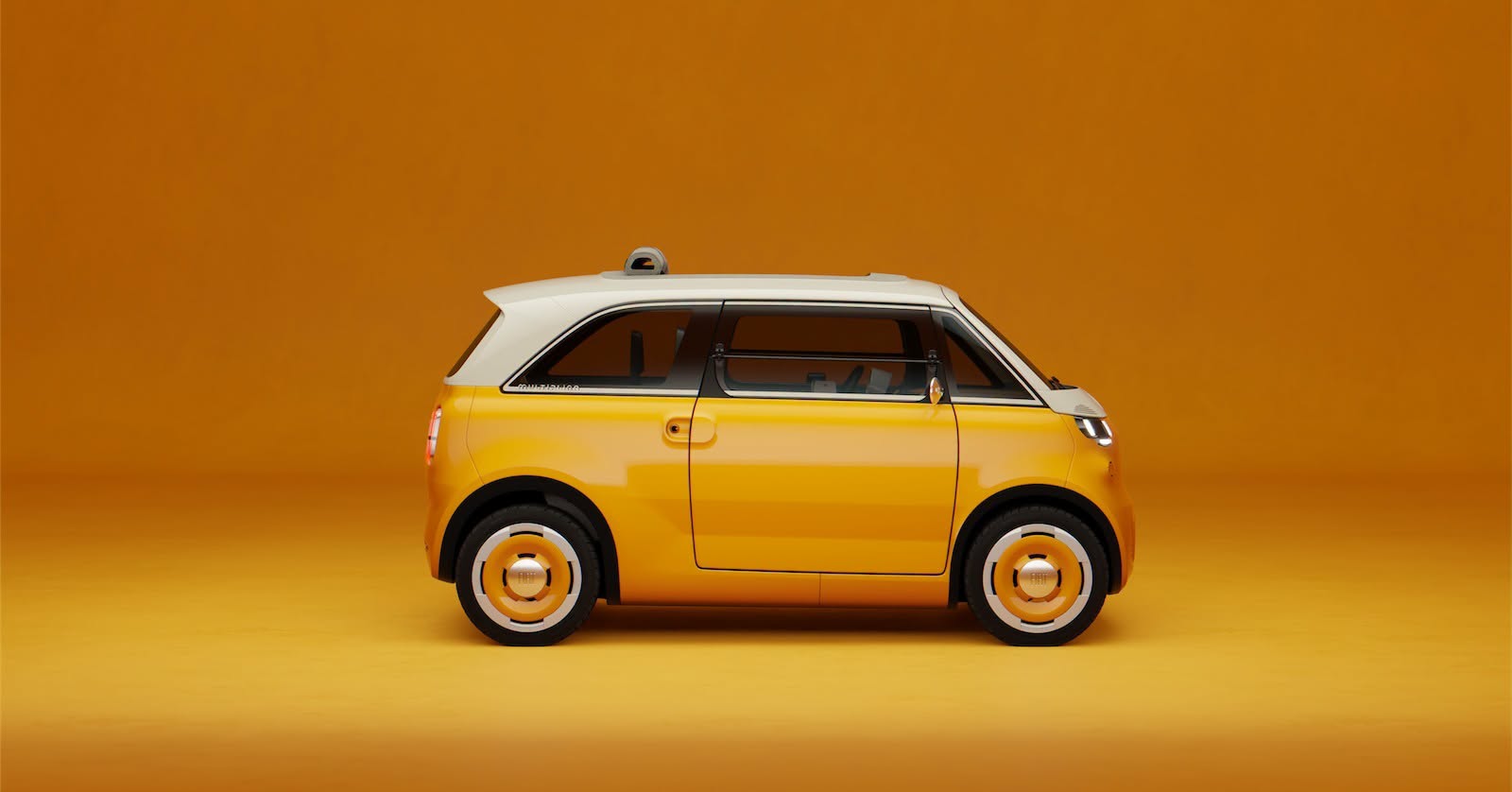
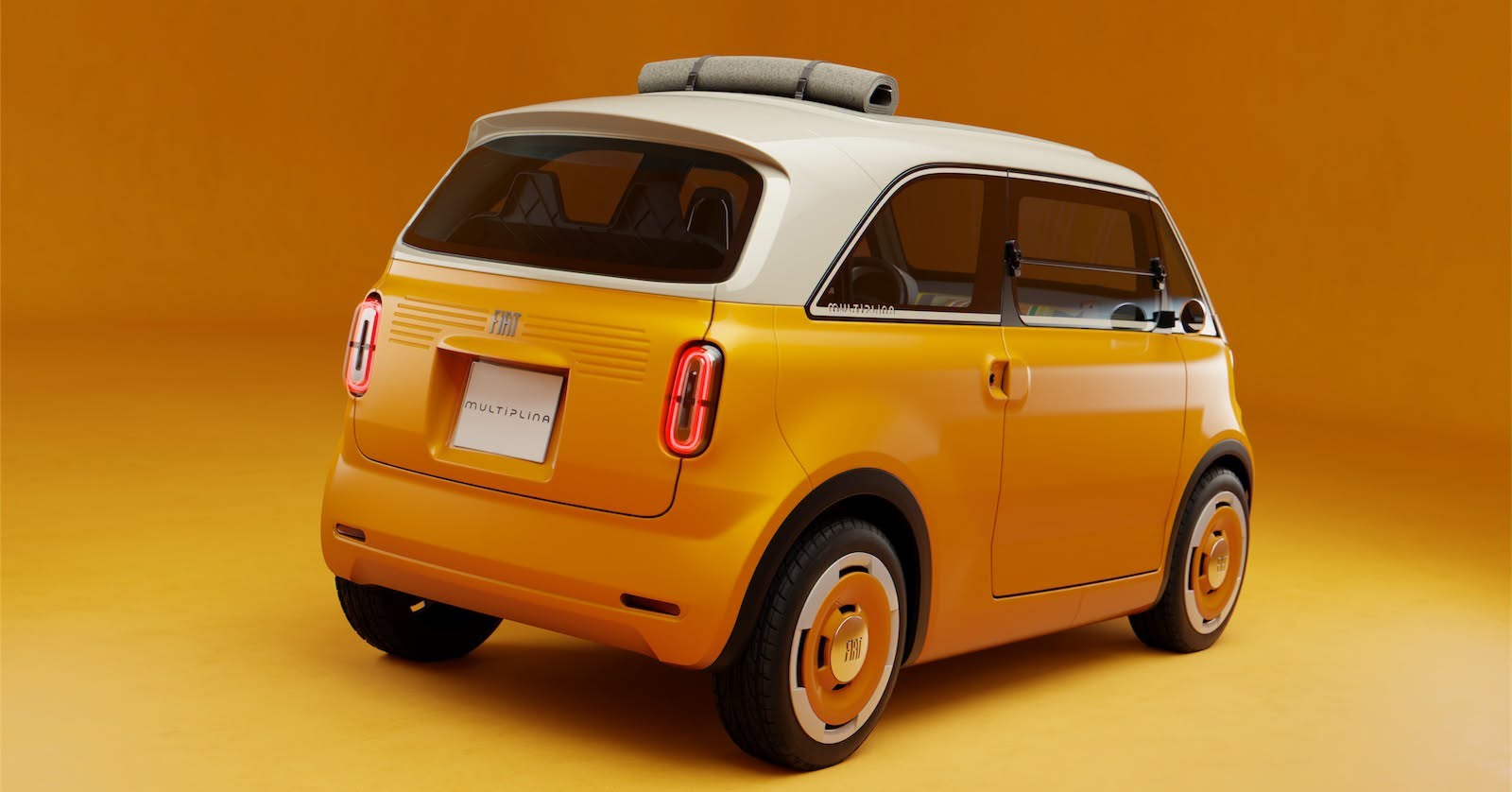
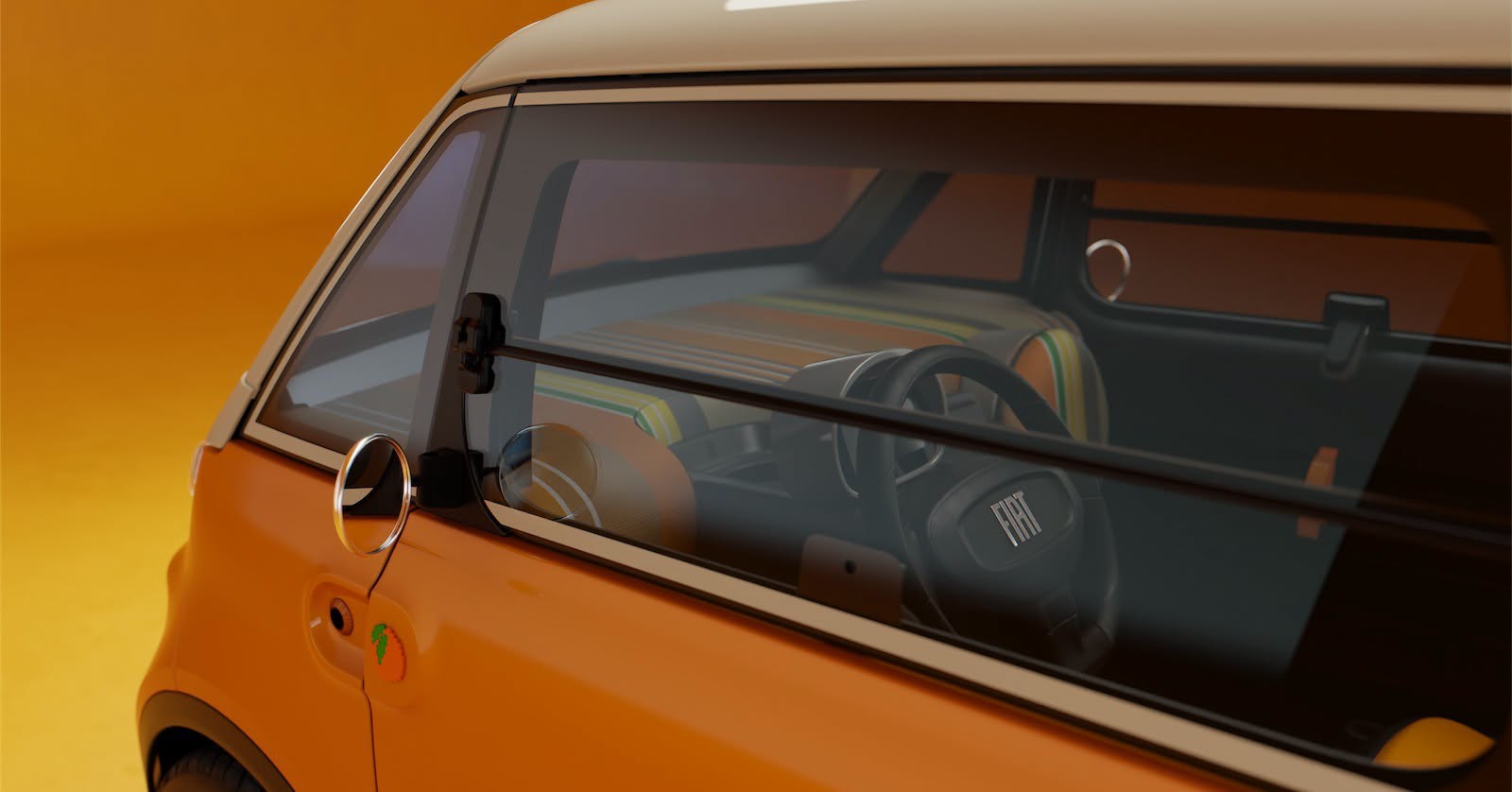
This gives Fiat a decisive first-mover advantage in urban-mobility: Citroën has yet to offer a 4-door or 4-seat version of its Ami, whereas Fiat is actively expanding into 4-passenger light urban vehicles set for production in early 2028.
In Summary
The Citroën 2CV Concept has arguably a more appealing and personable style to what has been revealed to date of the Fiat Koala, though for practical daily use, the box shape configuration of the Koala my resonate with buyers much the same way that Volkswagen has kept their practical hatchback Golf in production since 1994 while the new Beetle had a relatively short introductory life from 1998 to 2003.
With Stellantis is shifting its focus to Fiat being one of the four major brands, (the 3 others being Jeep, Peugeot and RAM), and relegating less profitable brands to “selective investment”, Citroën with their 2CV will have to capture the emotions and wallets of buyers who cherish it’s distinctive design attributes. Hopefully, like the original 2CV, enthusiasts will be purchasing it for over 4 decades!