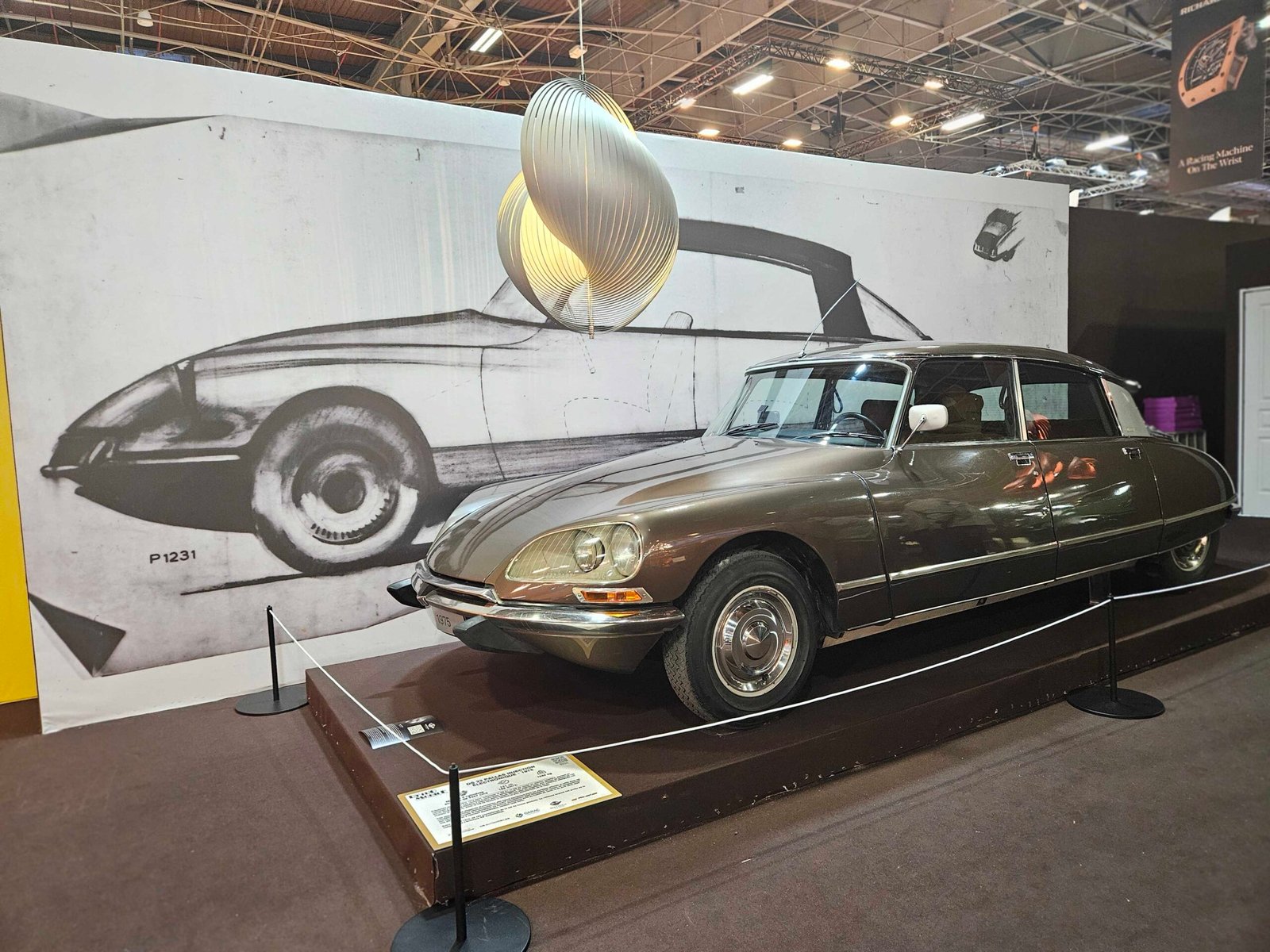
The Revolutionary Citroën DS: A Milestone in Automotive History

By Thomas Urban….
When Citroën unveiled its groundbreaking DS at the Paris Motor Show in October 1955, the reaction from the public was one of both surprise and enthusiasm. The automotive press hailed it as a revolution on four wheels, praising its innovative design and technology.
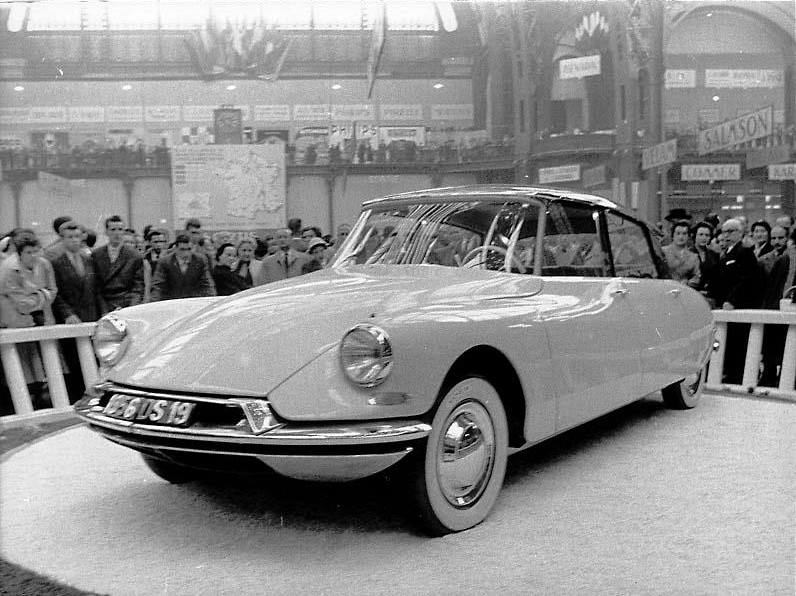
However, some journalists pointed out that it was high time for the brand, founded by André Citroën, to offer something truly special.
The Legacy of Traction Avant
The models from the Traction Avant line, which had been in production since the mid-1930s, were not criticized for their performance and handling. They remained benchmarks in their category. The real issue lay in their design, which had hardly changed since the introduction of the original versions. Compared to the new models launched after World War II, the Traction appeared outdated.
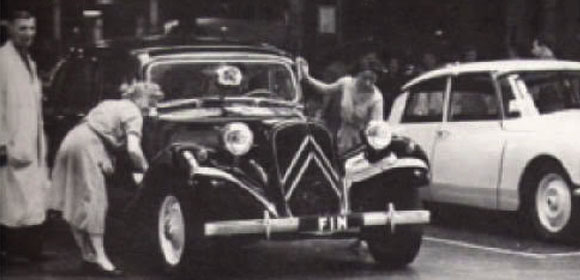
Despite this, Citroën designers and engineers felt the need to focus on the launch of the 2CV, to get the French economically mobile after the war with a means of ultra utilitarian transportation.

The 2CV was marked a significant milestone, but the team had also been working to develop a model that would revolutionize the French automobile market both technically and aesthetically. With the 2CV in production, their attention to those objectives began in earnest.
Technical Innovations of the DS
The DS aimed to outperform its rivals in both performance and design. One of its key technical innovations was a hydraulic system that controlled not only the powertrain but also the steering and braking.
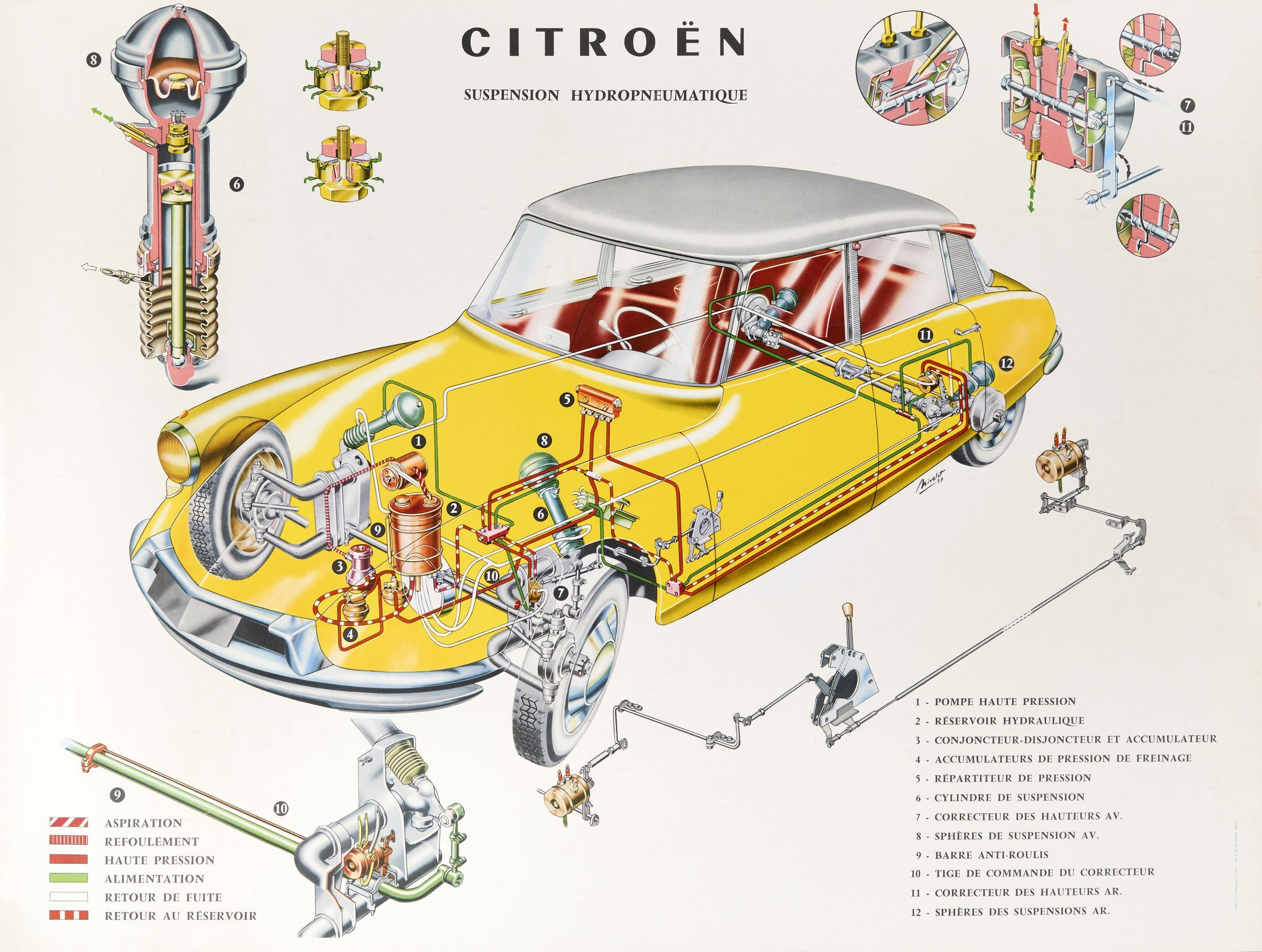

This represented a significant advancement, especially since there were no comparable systems among national manufacturers at the time. The development process was long and challenging, as Citroën sought to create a reliable model suitable for various purposes.
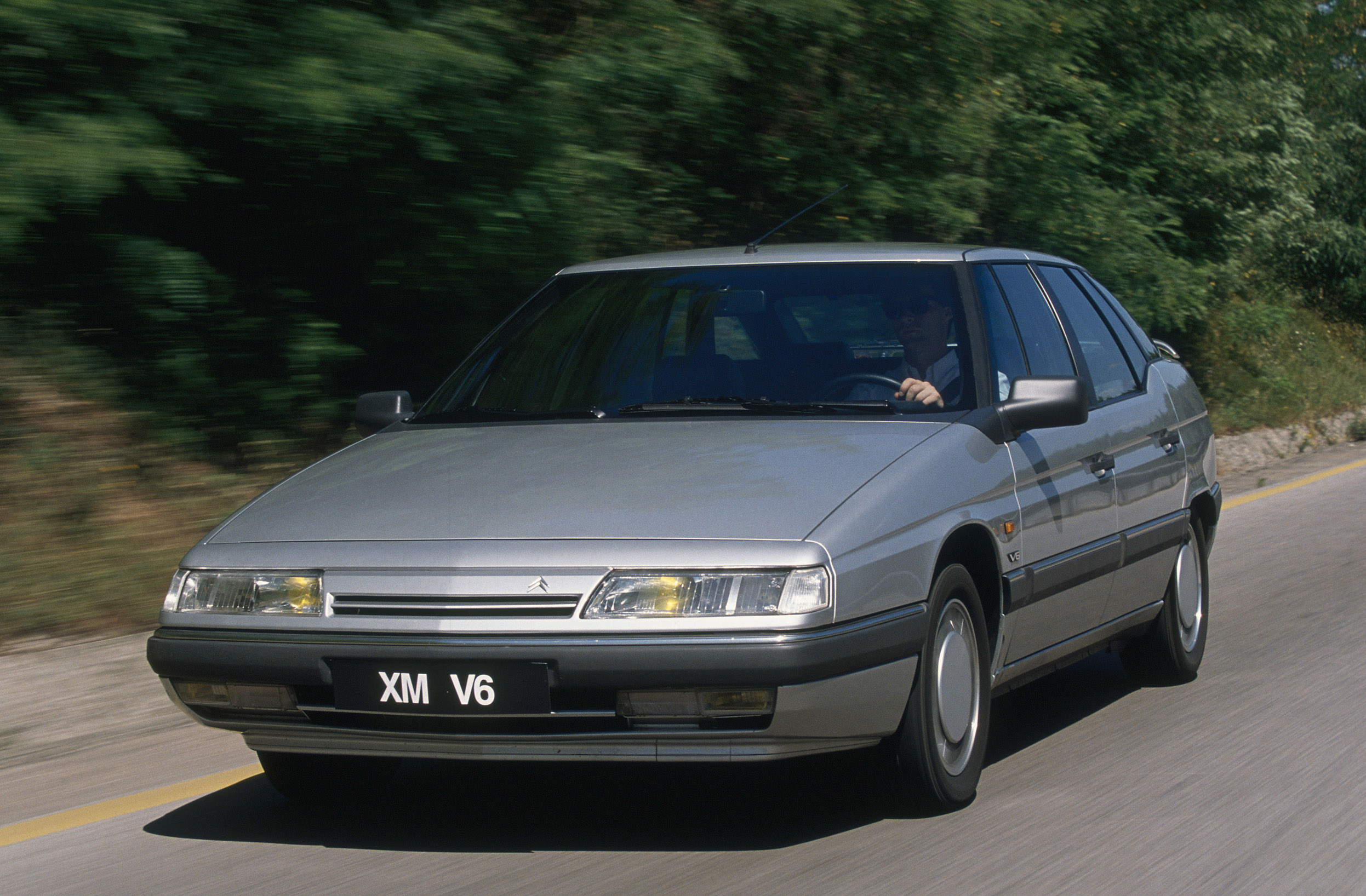
While the wait for the DS was lengthy, the French public and Citroën’s customers were ultimately rewarded. The launch of the DS led to the discontinuation of the Traction 15-6, and it would take nearly 35 years for a six-cylinder engine to return to the Citroën catalog with the XM.
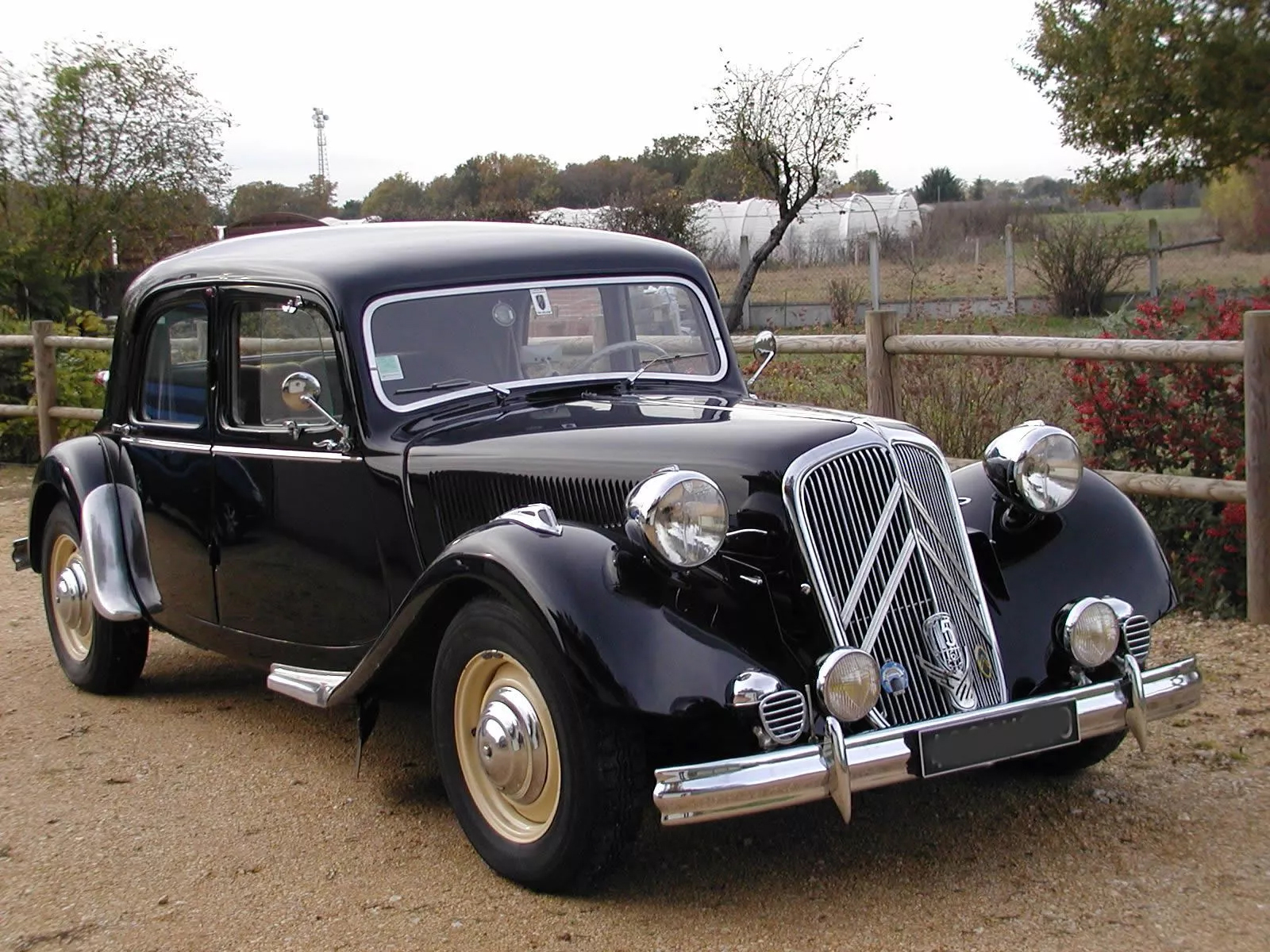
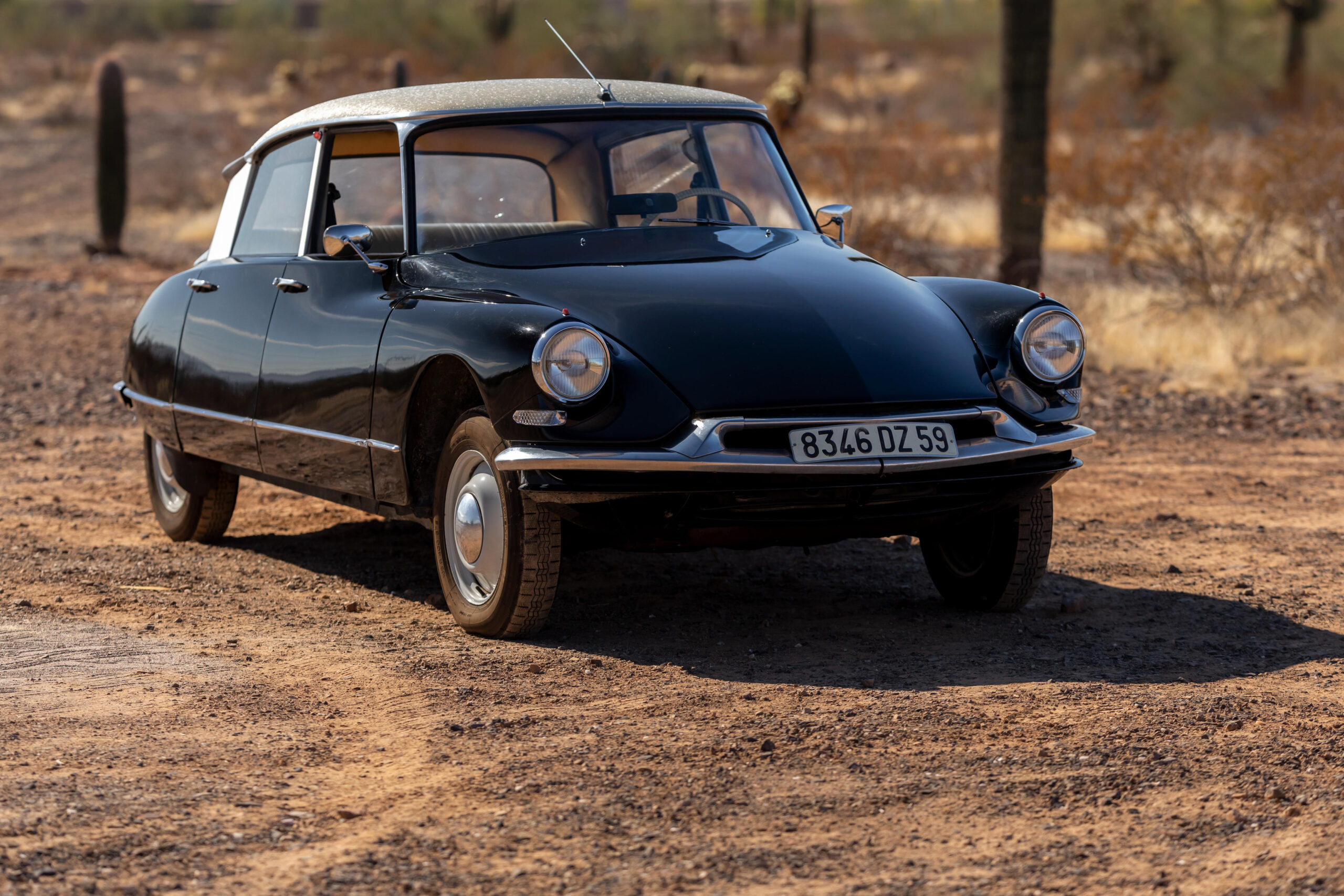
The four-cylinder Traction models received a two-year extension until a more simplified version of the DS, the ID was introduced, still having hydraulic suspension, but no power steering, a simplified braking system and a manual 4-speed gearbox instead of the semi-automatic type of the DS.
Engine Development and Performance
Originally, Citroën had ambitious plans for the DS’s engine, envisioning a flat-six similar to that of Porsche. However, due to the high costs associated with developing the hydraulic system and other DS innovations, the company opted for a more modest four-cylinder engine. The DS was equipped with a 75 hp 1.9-litre (1911 cc) engine, which allowed it to reach a top speed of around 120 km/h. By 1961, the engine size increased to 2.0 litres (83 hp) power was increased to 83 hp, and the introduction of the 2.1-liter engine in 1965 marked a significant boost in power — 109 hp.
The final 2.3-litre engine offered 124 hp, the highest performance, solidifying the DS’s reputation as a luxury vehicle with advanced engineering.
DS Luxury and Popularity
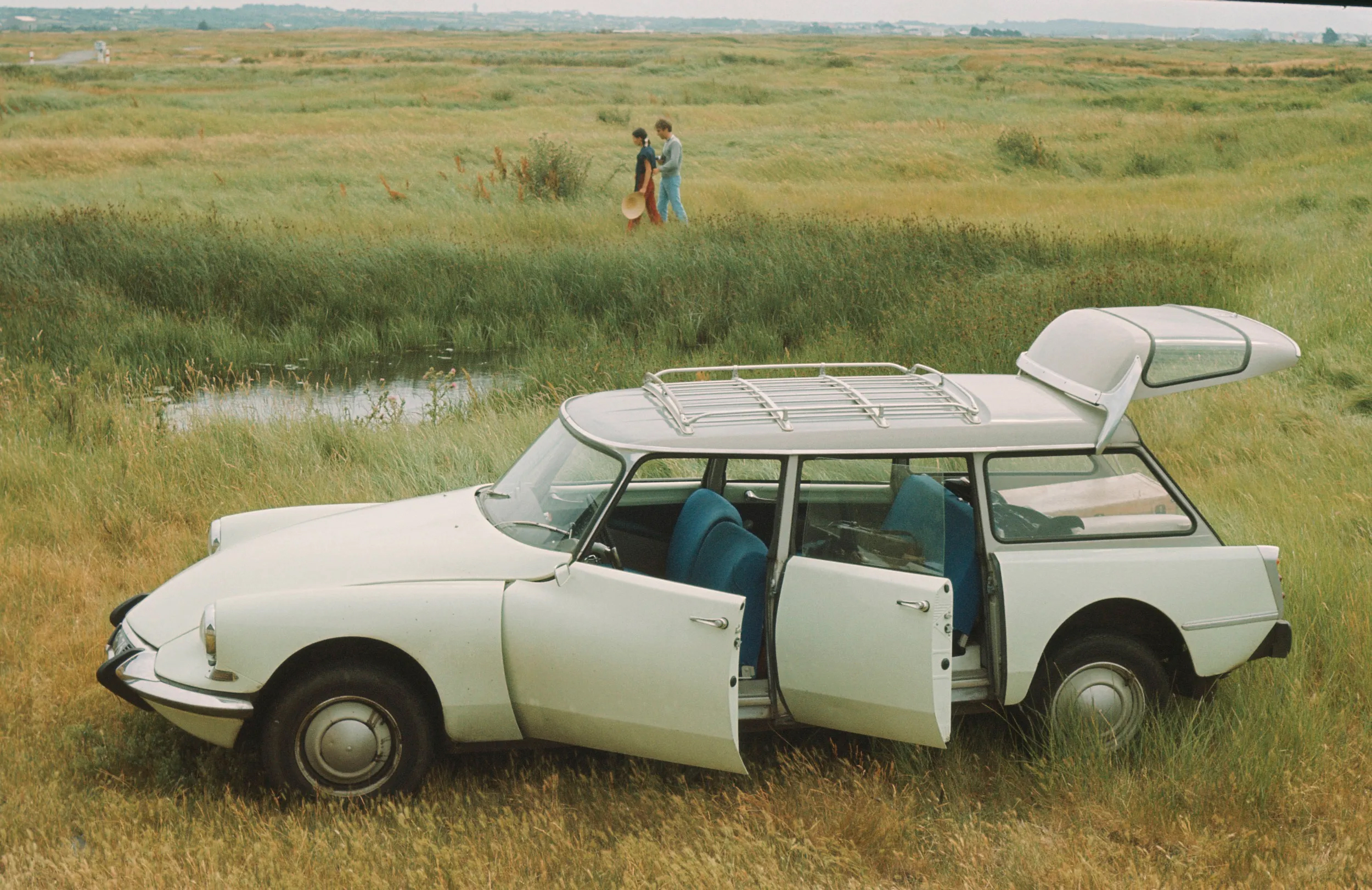
The Citroën DS Station Wagon, known as the DS Break and the Safari, was introduced in 1958, offering additional space and versatility, making it popular among families and those needing more cargo capacity.
In the fall of 1964, a new trim level, the Pallas, emerged as an emblematic model of the DS.
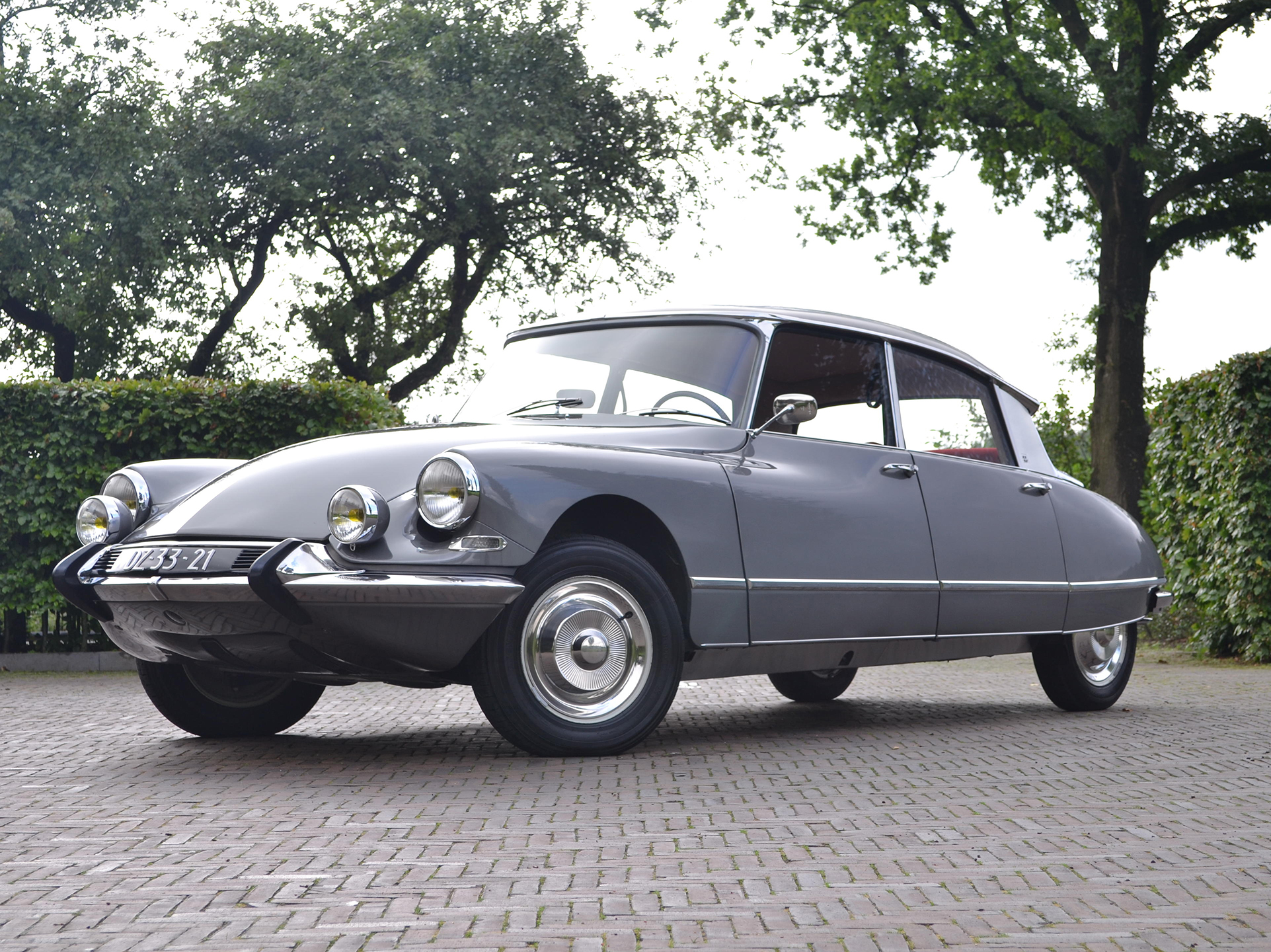
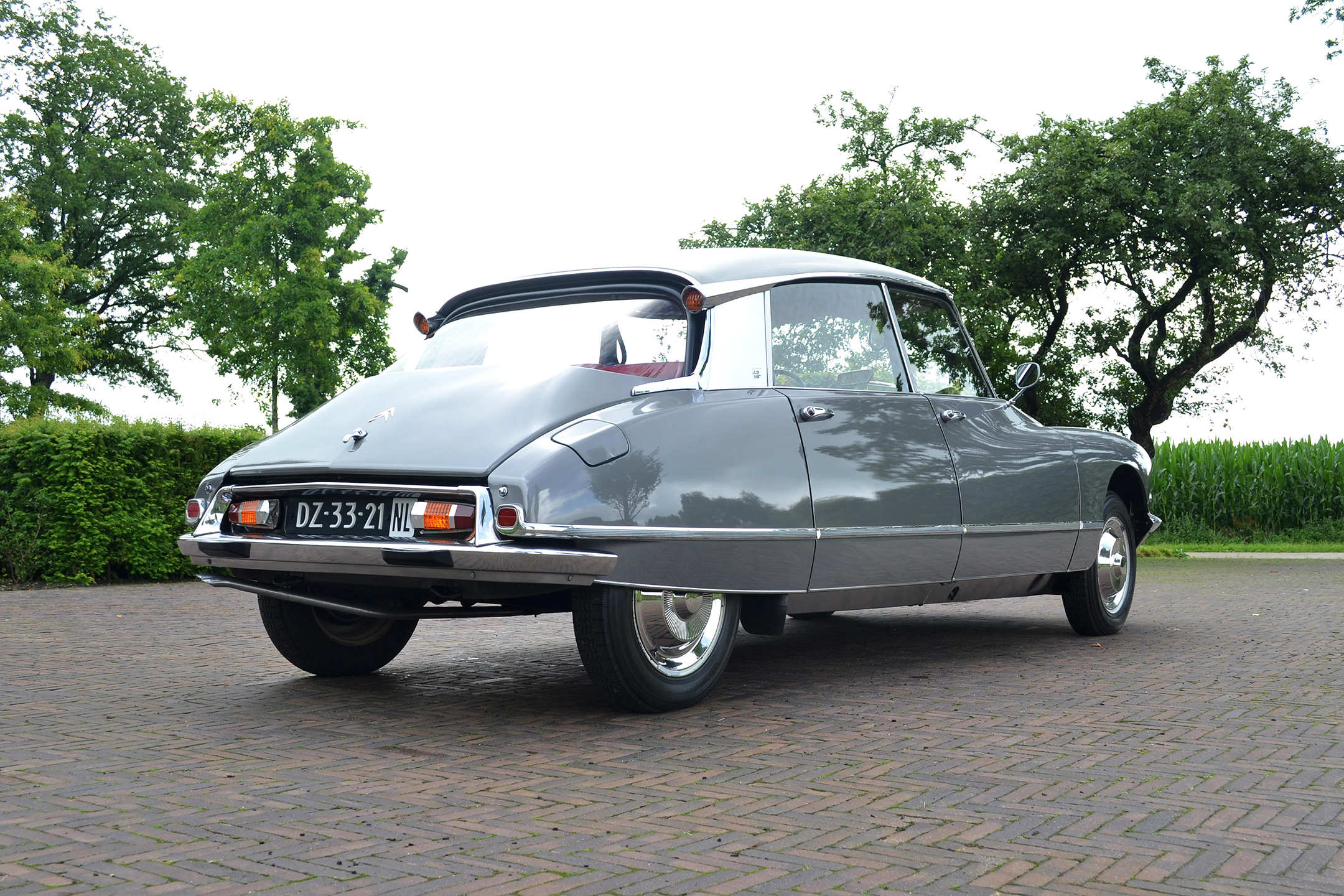
This helped the DS to become one of the most successful French cars of the late 1960s, a distinction it maintained since it’s introduction. It even became the official state car of General Charles de Gaulle, a long-time supporter of Citroën.
Henri Chapron played a significant role in the customization and luxury modifications of the DS model. He was a prominent French coachbuilder known for his close relationship with Citroën, particularly with the Citroën DS. His work often involved enhancing the luxury features of the DS, making it a symbol of sophistication and exclusivity.
Chapron created several bespoke versions of the DS, including the DS Cabriolet which were highly sought after for their elegance and style.
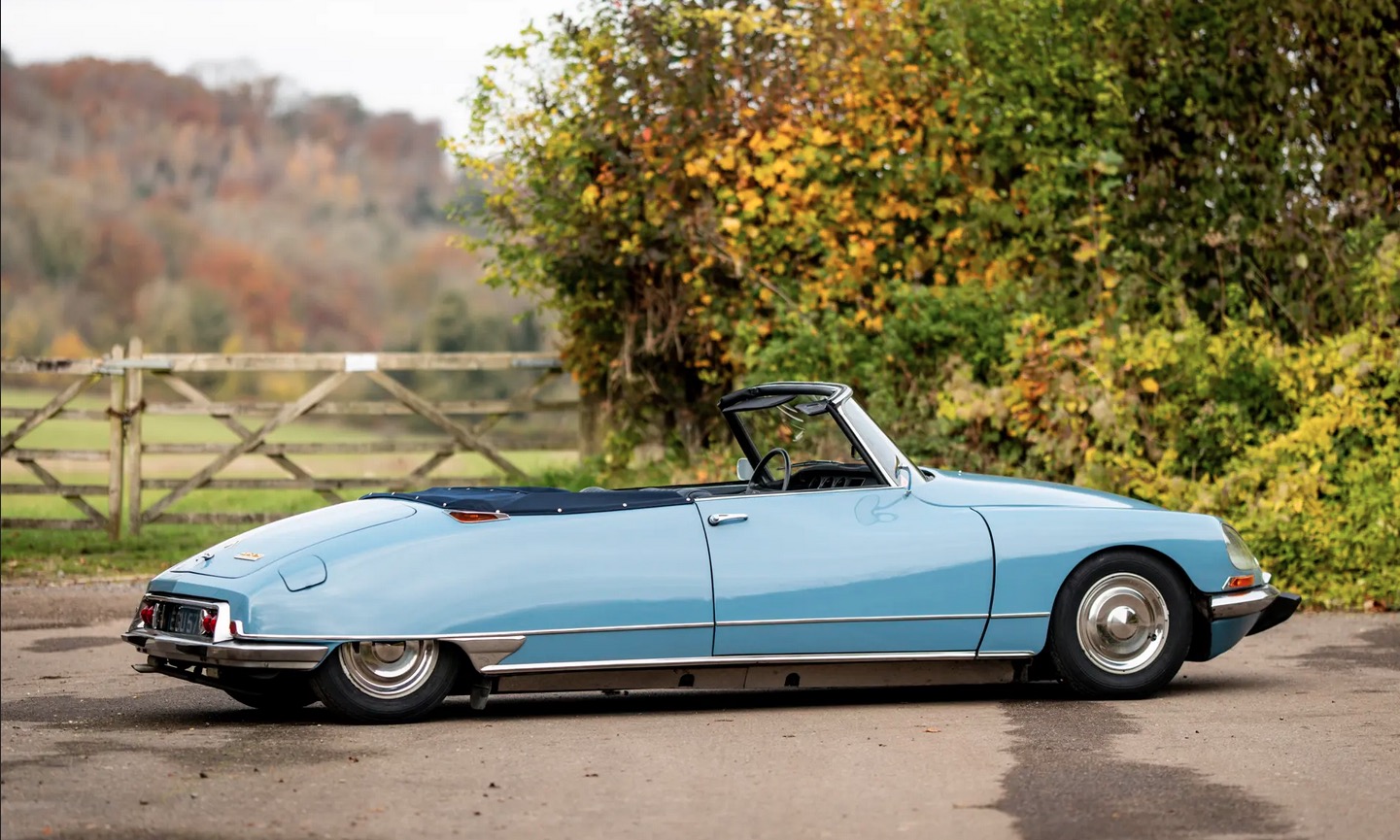
Chapron’s collaboration with Citroën helped to elevate the brand’s image, showcasing the DS not just as a car but as a work of art.
Challenges and Updates
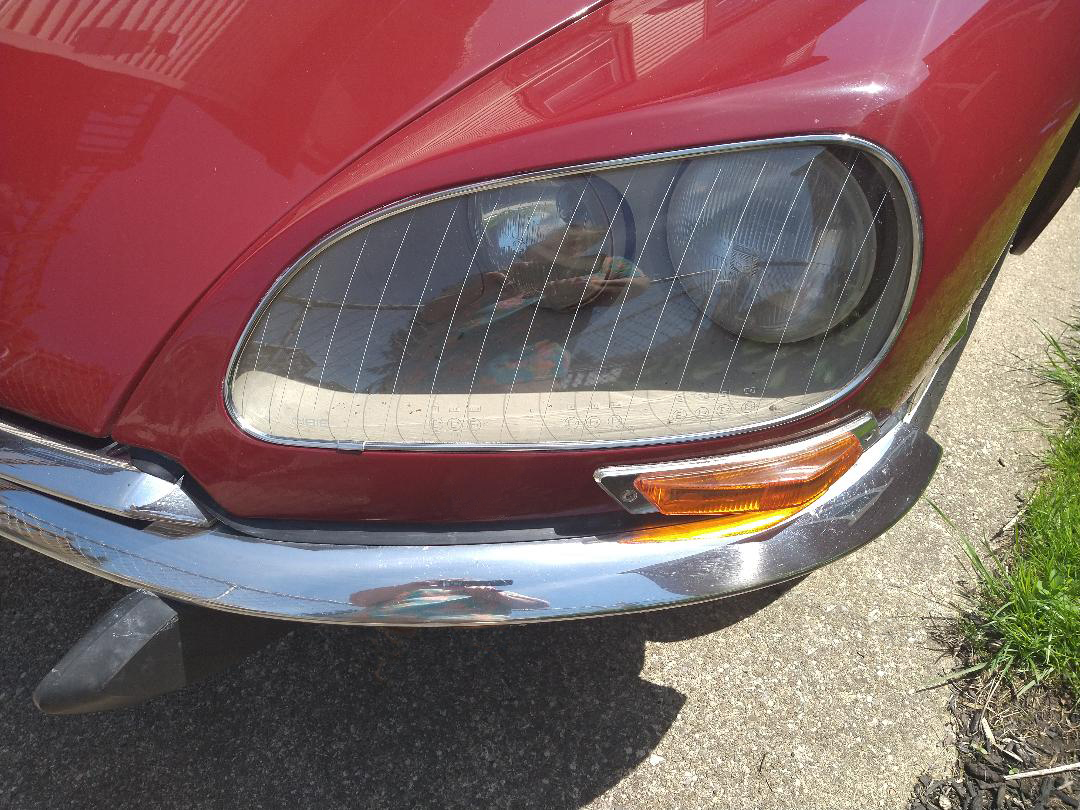
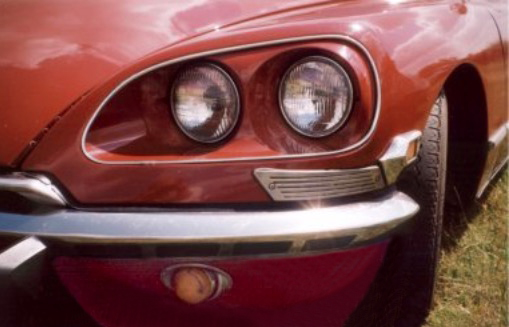
Despite its commercial success, the DS struggled to compete with its rivals in terms of performance, even after several updates. In 1968 the DS received a new front design with four directional headlights, although these were not compliant with North American regulations.
Citroën’s Expansion and Challenges in Canada
Although Citroën cars appeared in Canada as early as 1921, it was not until 1958 that Citroën established a Canadian subsidiary, Citroën Canada Limited, that expanded rapidly, opening branches in major cities like Quebec City, Toronto and Vancouver. (You can find a detailed article on Citroen’s Canadian History at: https://citroenvie.com/citroen-in-canada-history/).
The acquisition of Citroën by Peugeot in 1974 brought significant changes, including a restructuring that led to the closure of Citroën Canada.
The economic recession following the first oil crisis further complicated matters, as the new PSA group shifted its focus away from attracting North American customers. Despite representing a minority, Citroën enthusiasts in Canada remained passionate about the brand, which continued to be regarded as a “connoisseur’s car.
The Citroën DS remains a symbol of innovation and design, marking a significant chapter in automotive history that continues to resonate with car enthusiasts today.