
GS Birotor – A Rare Citroën Indeed
By Thomas Urban…
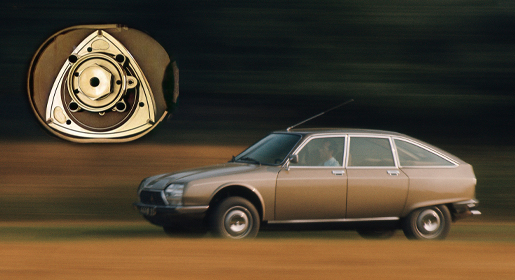
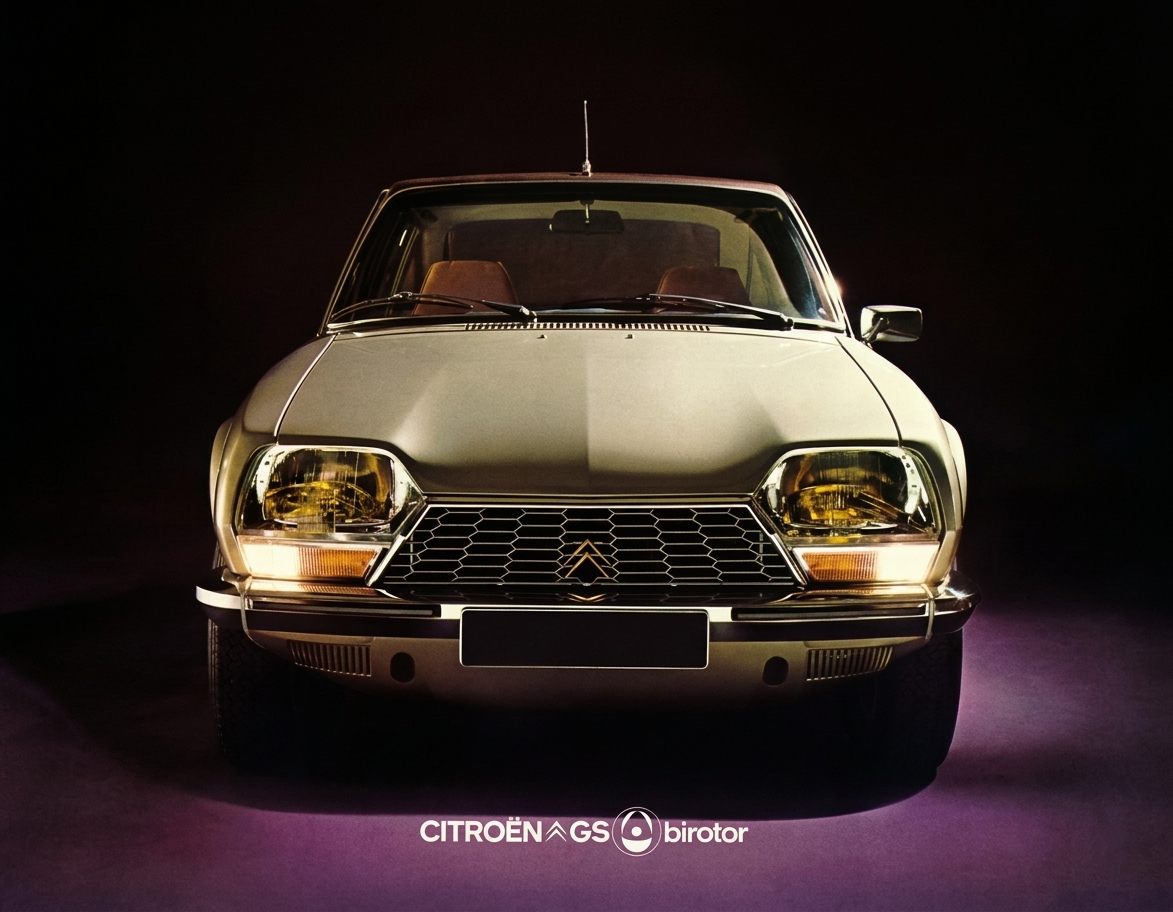
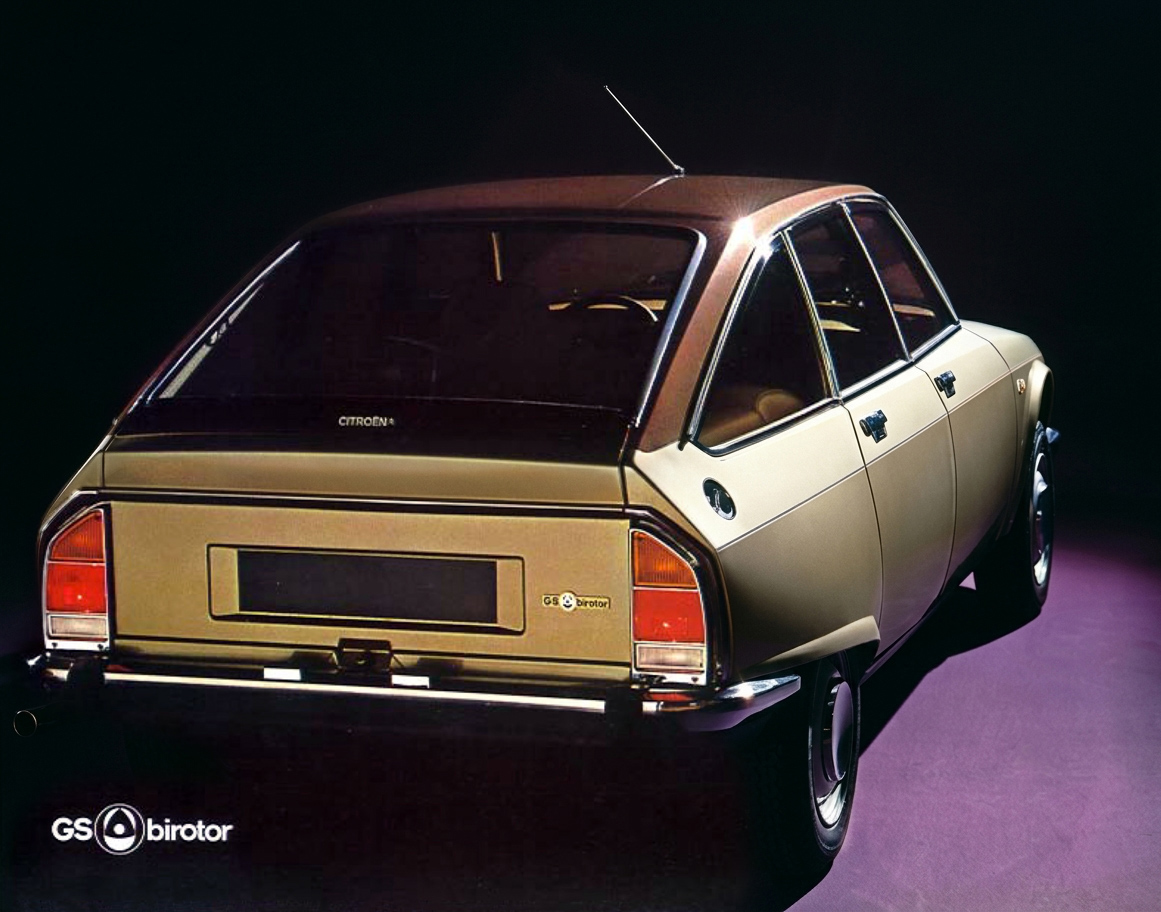
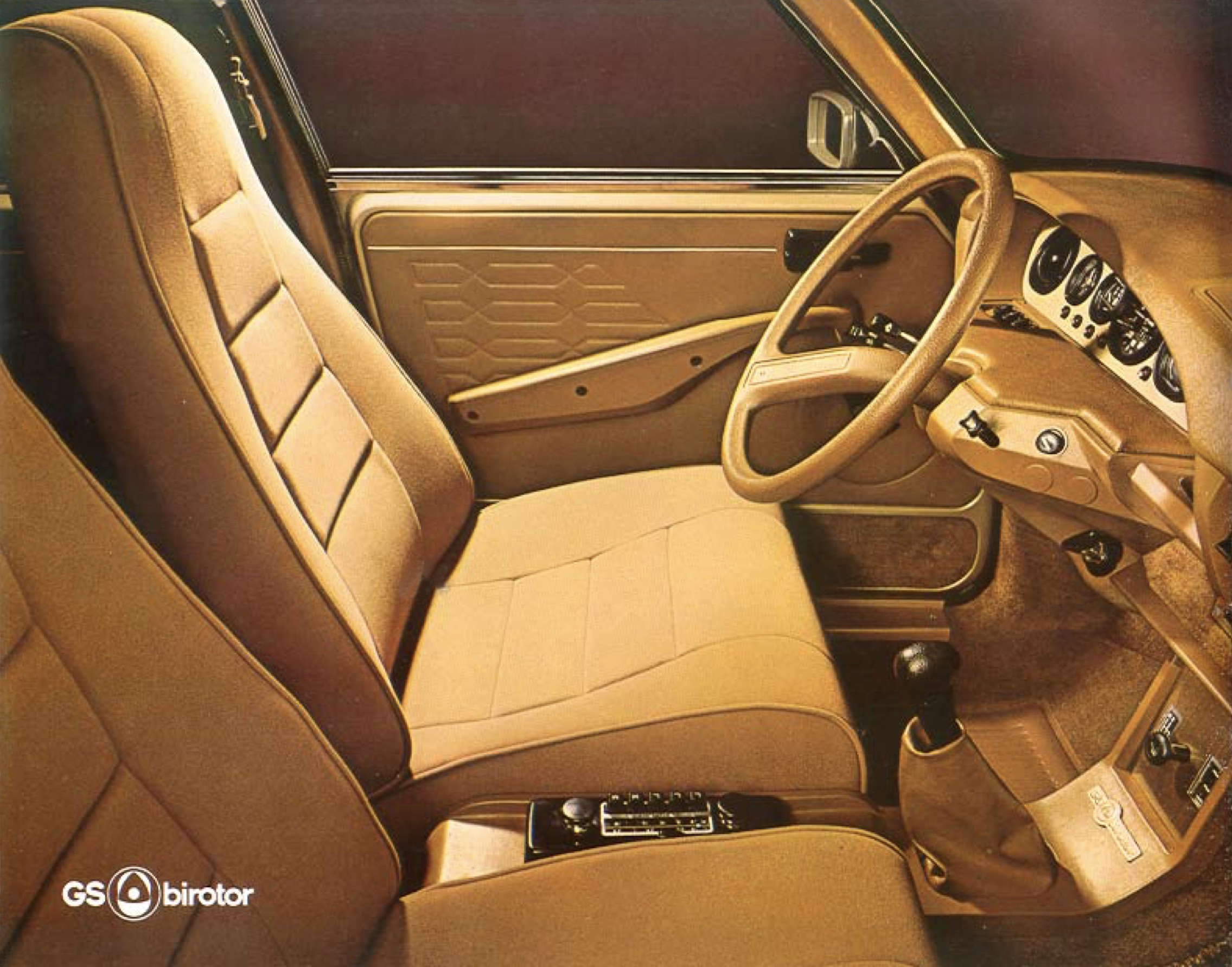
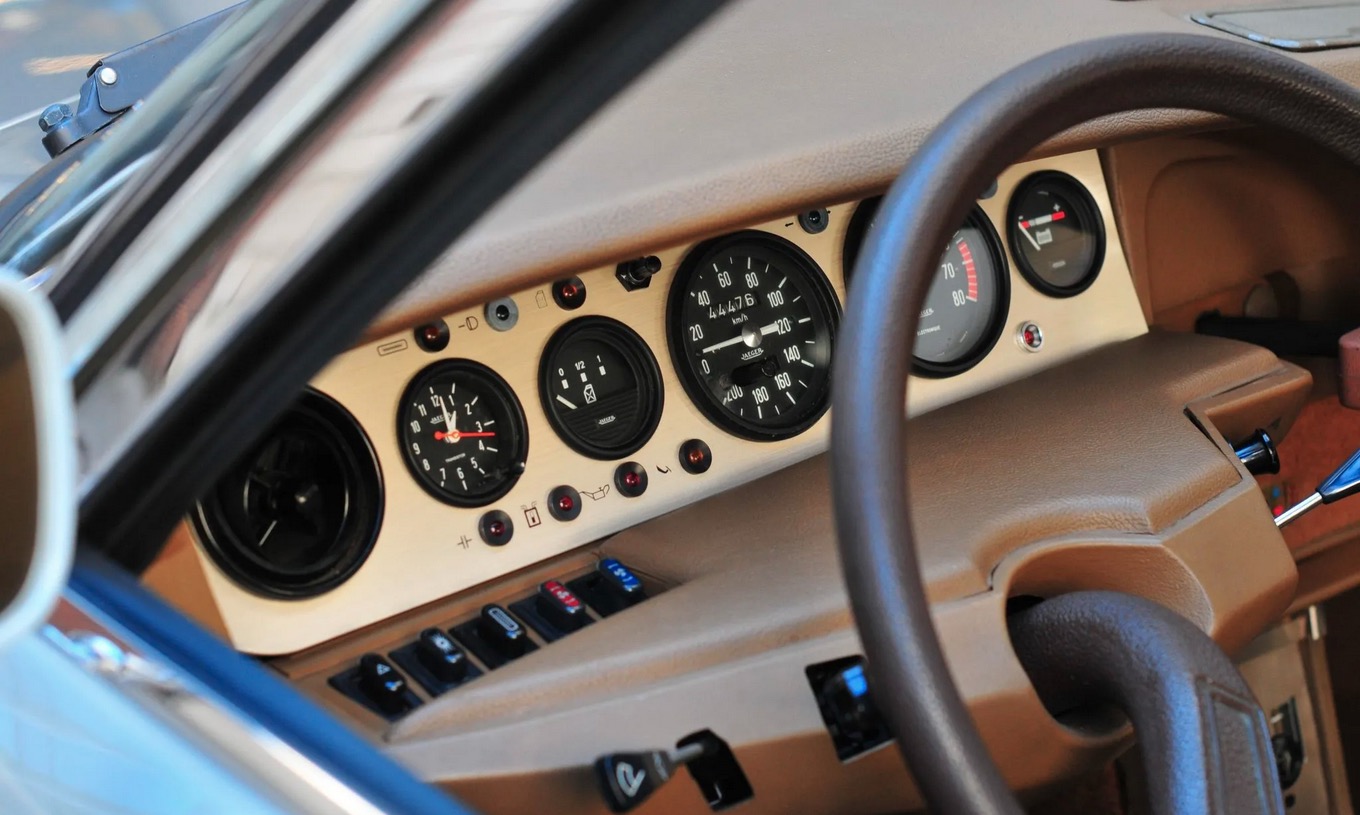
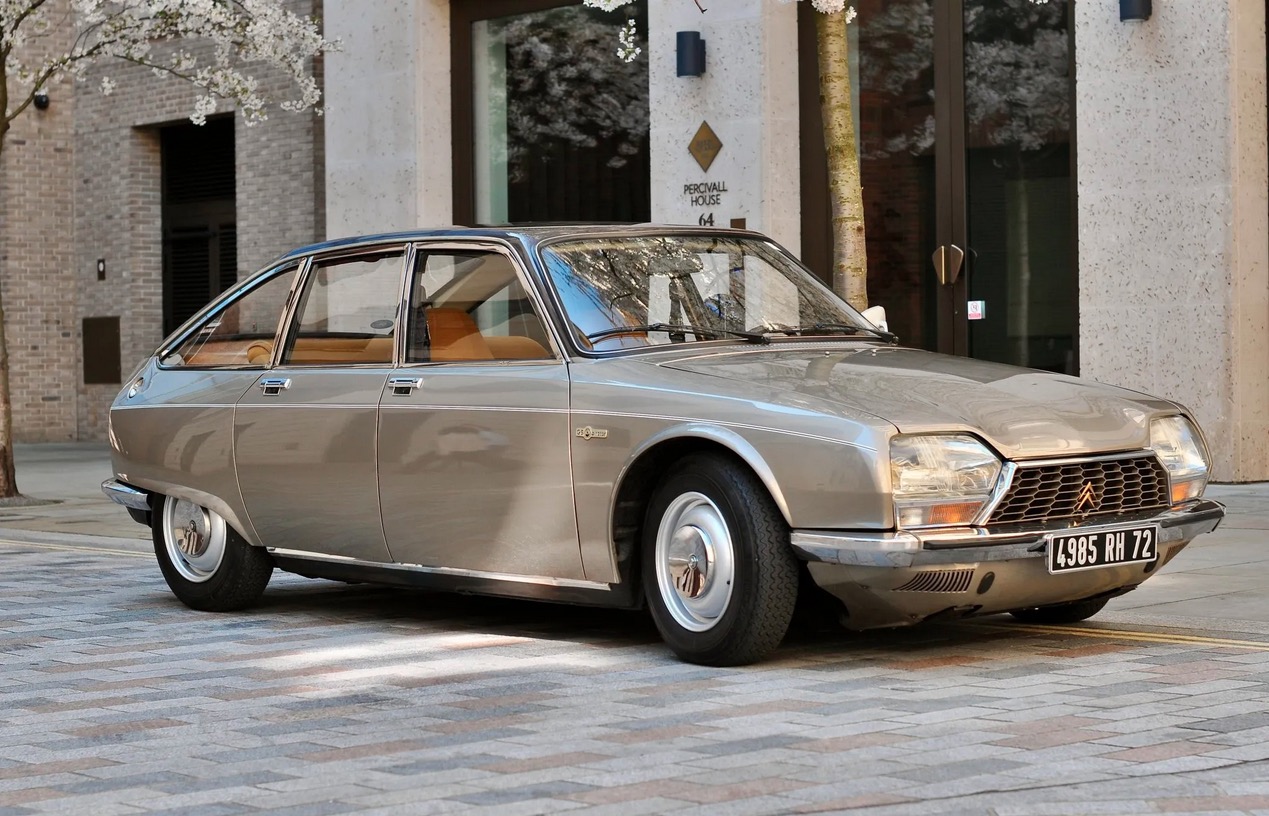
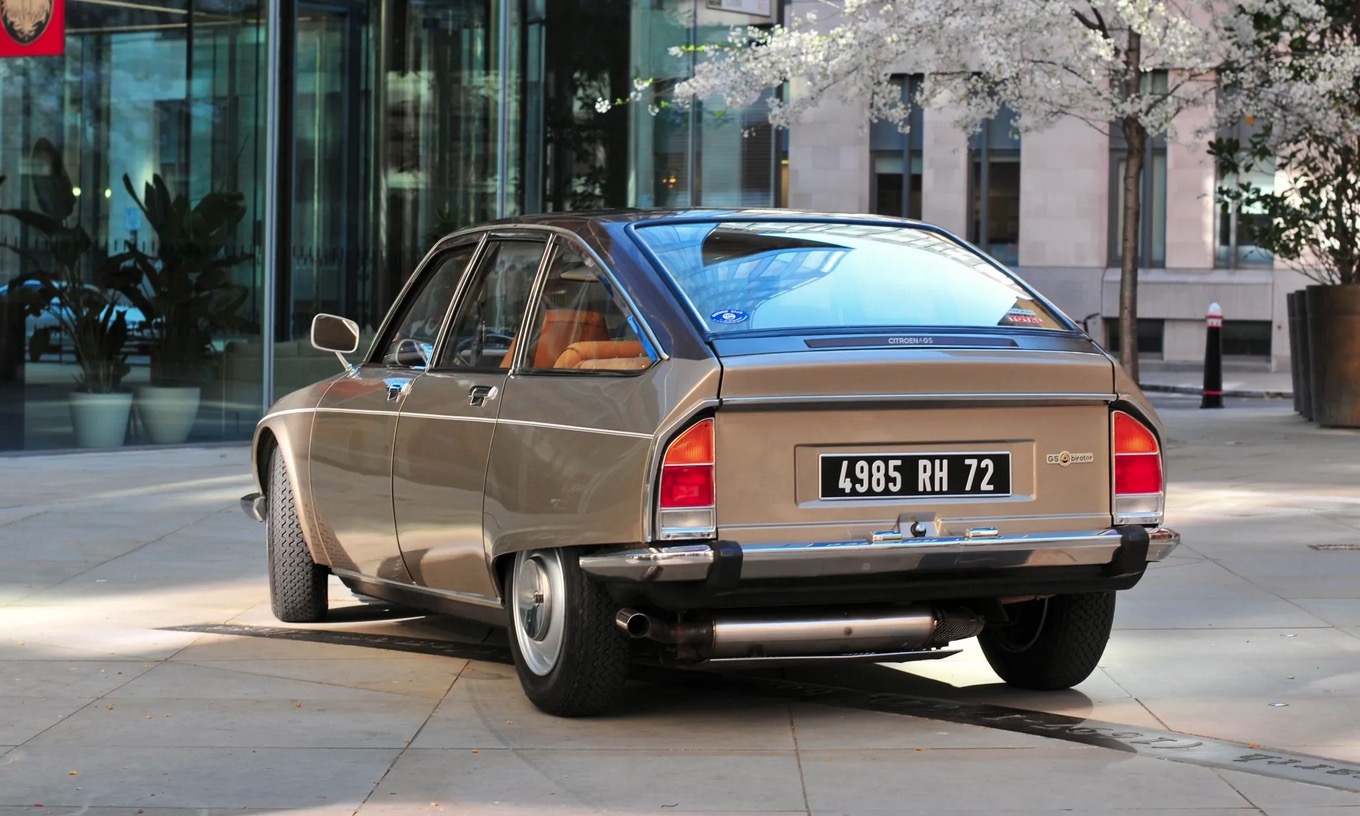
The Citroën GS Birotor is a rare 1970s experimental/limited-production version of the GS fitted with a twin-rotor Wankel (rotary) engine. The GS was styled by Citroën’s chief designer Robert Opron and introduced in 1970 as a four-door saloon with a fastback profile to fill the gap between the 2CV/Ami economy cars and the larger DS—effectively replacing the Ami and bridging the range below the DS. The GS Birotor was produced from 1973 to 1975, with distinguishing features that included; rotary-specific instrumentation (e.g., different tachometer/redline), flared wheel arches and bright rocker-panel trim.
The rotary engine’s image is inseparable from its creator, Felix Wankel, who developed the concept in the 1920s and created the first working prototype in 1957. He persuaded the German firm NSU of the rotary engine’s potential and its advantages over conventional piston engines.
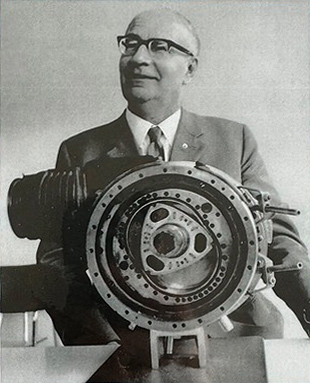
During the 1950s NSU took advantage of the “German Economic Miracle” and the postwar recovery to return to automobile manufacturing.
That move was, in a sense, a return to NSU’s roots: the company had built small, affordable cars before the war, then shifted to motorcycles. After re-entering the car market in 1958 with the compact Prinz, NSU produced a sporty coupé designed by Franco Scaglione for Bertone that used many of the Prinz’s mechanical components. Named the Sport Prinz, that coupé became the basis for NSU’s first production rotary-equipped car: the Spider. Built between 1964 and 1967, just under 2,400 Spiders were made — a small number compared with the Sport Prinz’s production of over 20,800 units from roughly 1958 to 1968.
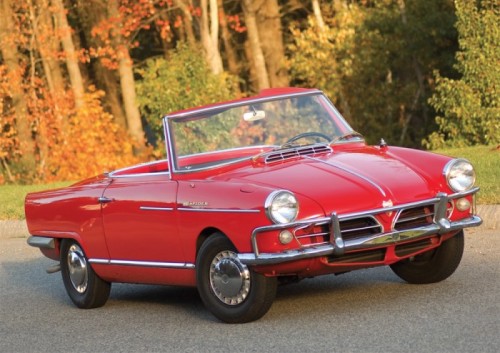
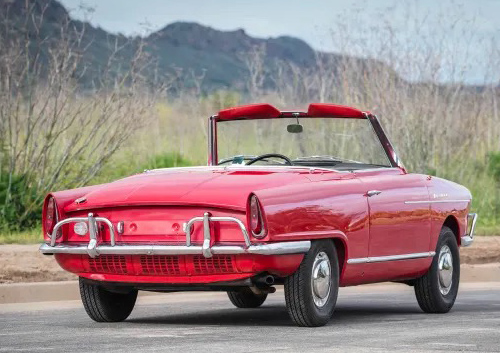
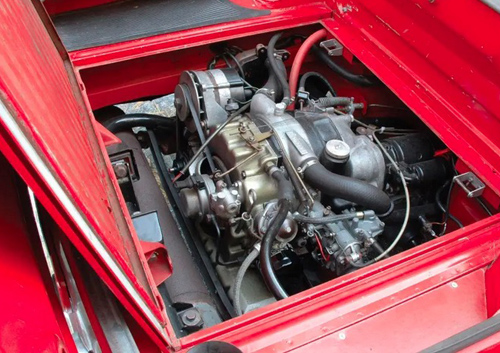
The Spider was an anomaly in NSU’s lineup and in European carmaking: a charming little convertible with a revolutionary mechanical layout that was never intended to be a high-volume seller. It functioned primarily as a rolling laboratory, letting NSU test the rotary engine in a conventional car and work out its major flaws before fitting it to a model aimed at larger-scale production.
That next model was the Ro80 sedan, unveiled at the Frankfurt Motor Show in September 1967. A superb grand tourer, the Ro80 became one of the most widely produced rotary cars, with over 37,000 units built at Neckarsulm.
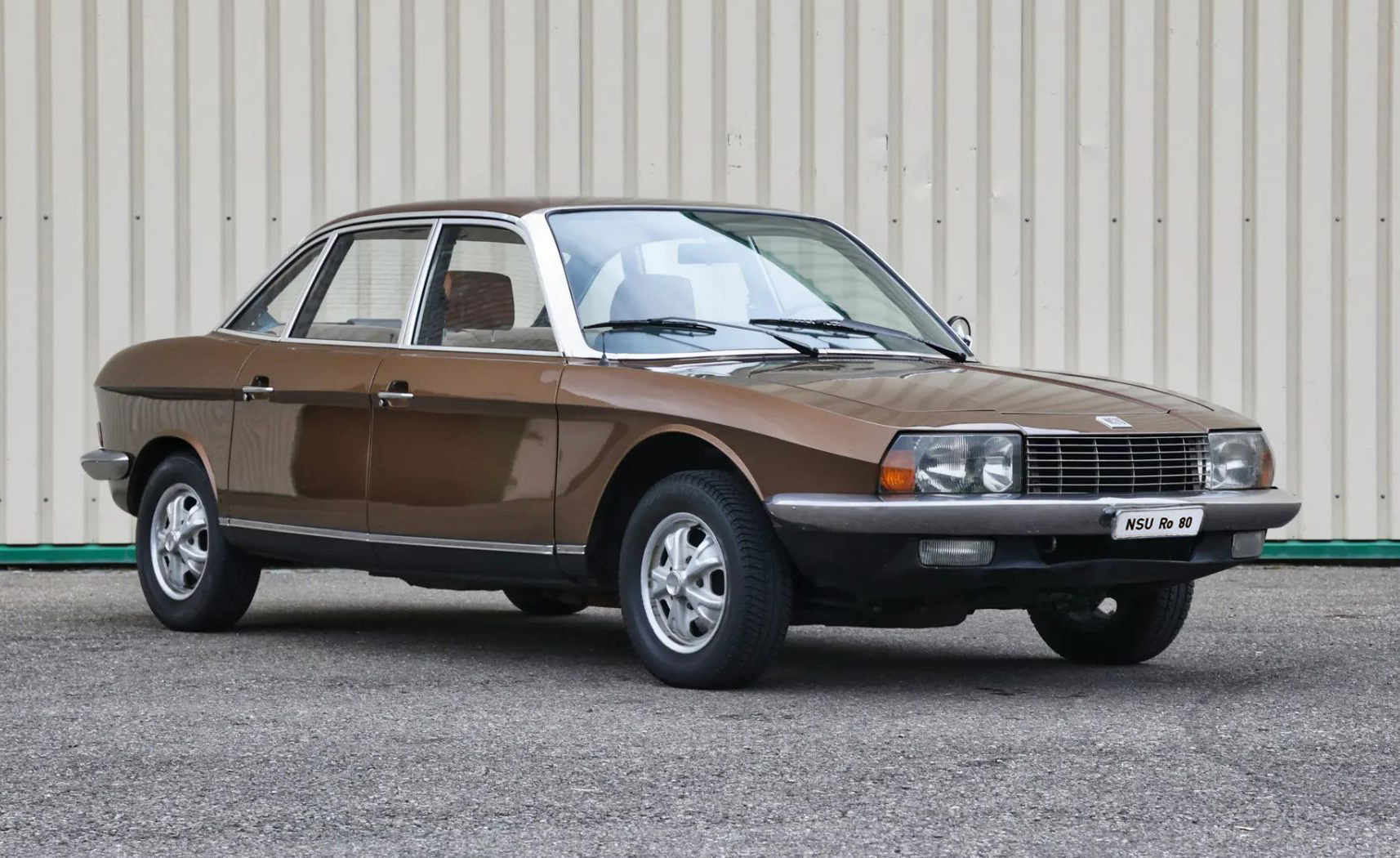
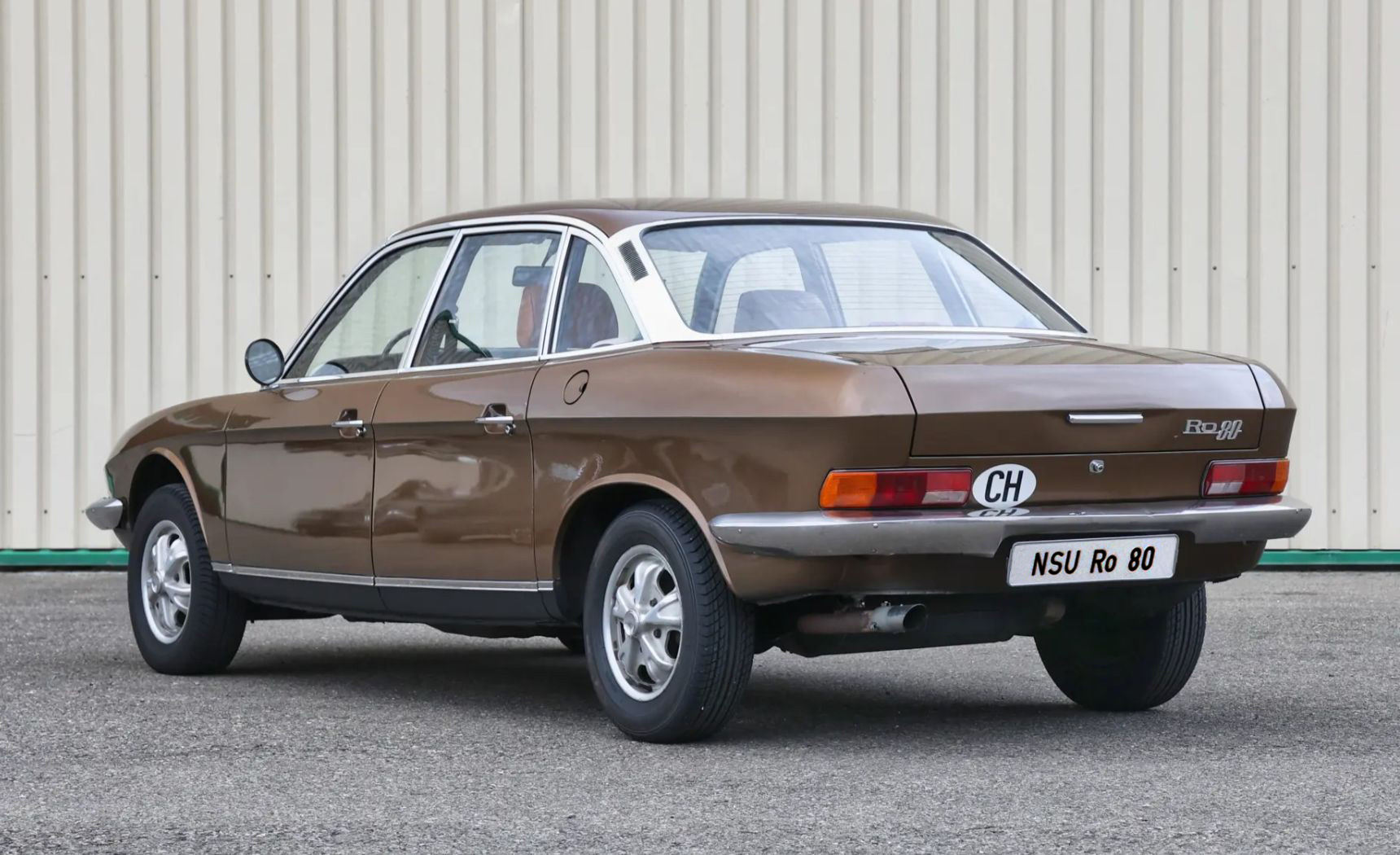
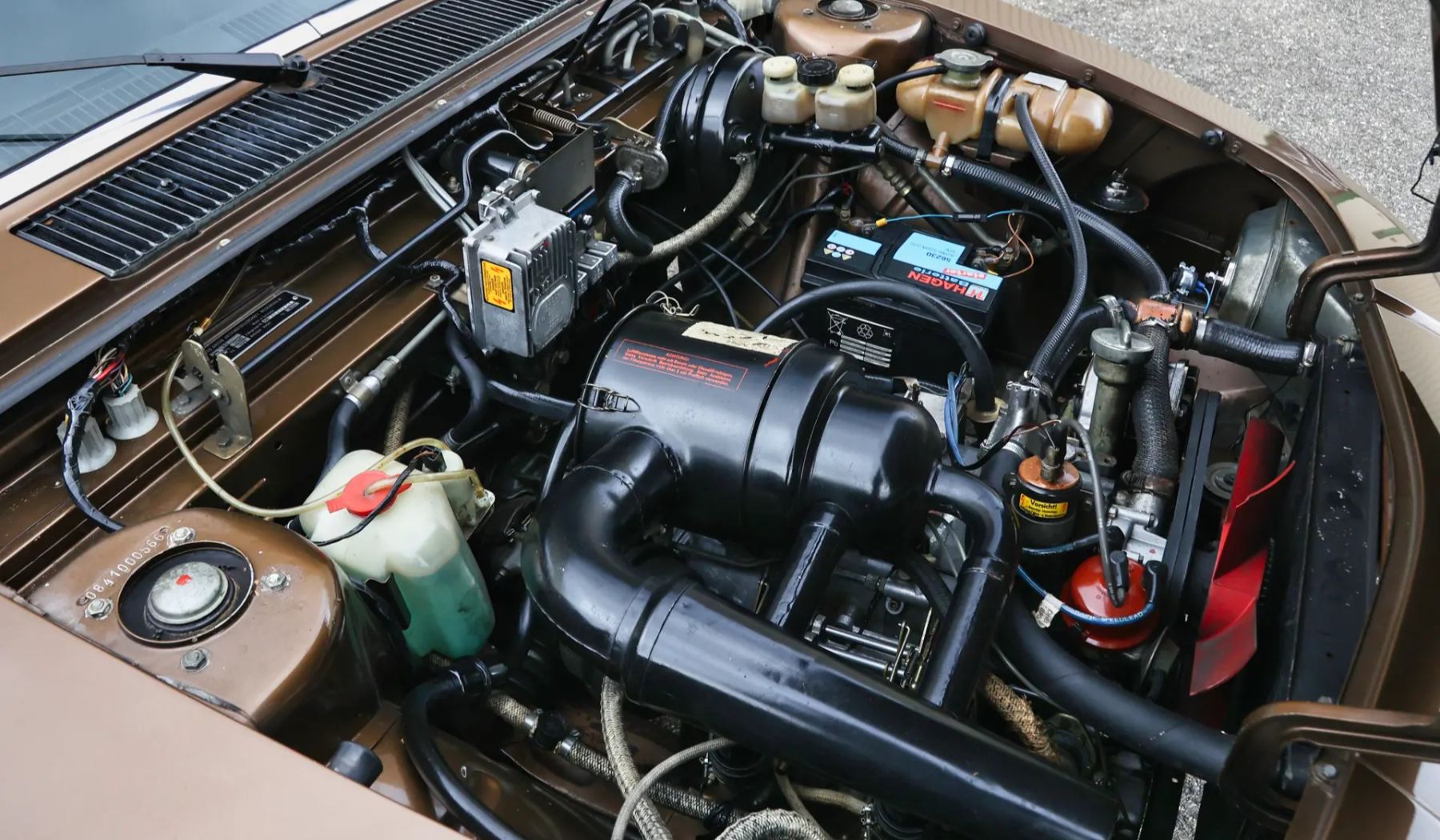
Mazda — which had also licensed the Wankel engine — eventually outpaced NSU: its first Cosmo coupe (1967–1972) began Mazda’s rotary line, which after a brief pause continued from 1975 through 1995 across three more generations.
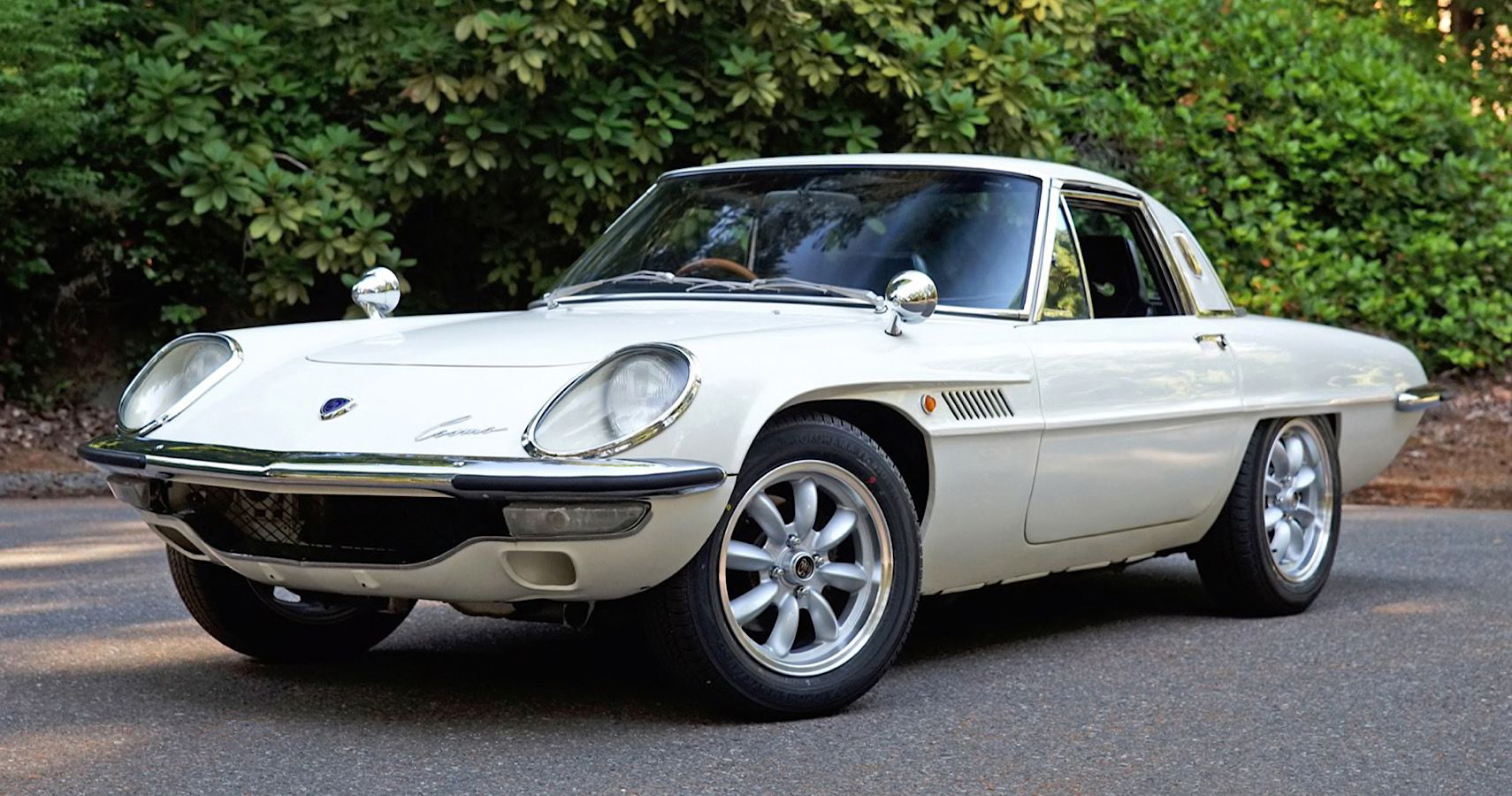
Mazda’s RX-2 through RX-5 models, the three generations of the RX-7 (1978–2002), the RX-8 (2003–2012), and even a Rotary pickup (1974–1977) broadened the engine’s reach; in total Mazda produced more than two million Wankel-powered vehicles.
The Ro80’s roughly ten-year career was cut short by the 1973 oil crisis, which exposed a key weakness of the rotary design: high fuel consumption. That drawback marginalized the elegant sedan and ultimately ended its production. NSU itself was acquired by Volkswagen two years after the Ro80’s launch; Volkswagen repurposed NSU’s Neckarsulm plant to produce the more conventionally styled K70 — introduced at the 1969 Frankfurt show and positioned beneath the Ro80 — as an economical way to refresh its lineup, then dominated by the Beetle and its derivatives. The end of Ro80 production in 1977 also marked the final chapter for NSU.
Before the first oil crisis curtailed the rotary engine’s rise, several foreign manufacturers, notably Citroën, had already begun exploring its potential.
Citroën’s image as a technological innovator dated to the Traction Avant (1934) and especially the DS (1955), but the DS’s weak point was its powerplant. Development costs for the DS — particularly its revolutionary hydraulic suspension — forced management at Quai de Javel to abandon Maurice Sainturat’s equally ambitious flat-six project and adapt existing engines instead. As a result, the DS’s original performance was middling; later DS 21 and 23 versions restored the model’s prestige with much better power, yet critics still noted a certain “lack of refinement” in its engineering.
When Pierre Bercot, Citroën’s CEO, discovered Felix Wankel’s rotary engine, he saw a chance to address that shortcoming and reinforce Citroën’s reputation for technical daring.
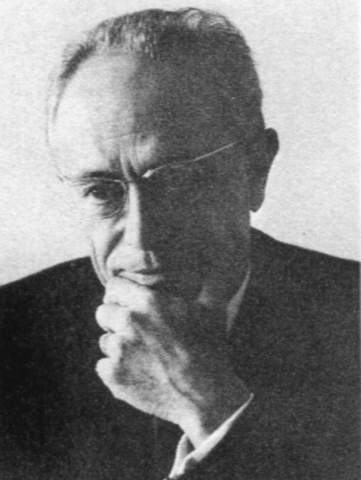
Citroën’s interest in rotary concepts was not new: in the 1930s engineer Dimitri Sensaud de Lavaud — backed by Citroën, Renault, and the Air Ministry — had developed a rotary piston engine for the Société des Batignolles, but the project was abandoned after three years because it failed to meet expectations.
In 1964, shortly after NSU launched the Spider, Citroën signed a cooperation agreement with NSU and helped create the Geneva-based company Comobil to jointly develop rotary engines for future models. Three years later the firms formed Comotor, a joint subsidiary intended to produce a “100% French” rotary engine; by 1969 construction began on the factory in the Saarland (state of Germany).
NSU’s acquisition by Volkswagen in 1969 upended that plan. Volkswagen declined to honor the cooperation agreements with Citroën and deprioritized rotary development, leaving Citroën without its experienced partner and with limited in-house expertise. Faced with this setback, Pierre Bercot and Citroën’s engineers decided to press on independently: they would develop and validate a rotary-powered car themselves.
Following NSU’s example with the Spider, Citroën created a low-volume “test” program to evaluate the Wankel in everyday use. The result was the M35 coupé, styled with strong Ami 8 influences. Citroën entrusted 500 M35s to selected customers as unpaid test drivers, asking them to report mechanical issues from regular use. The program failed to win broad customer support, and engineers concluded the Wankel was ill-suited to that model. In the end only 267 M35 coupés were produced.
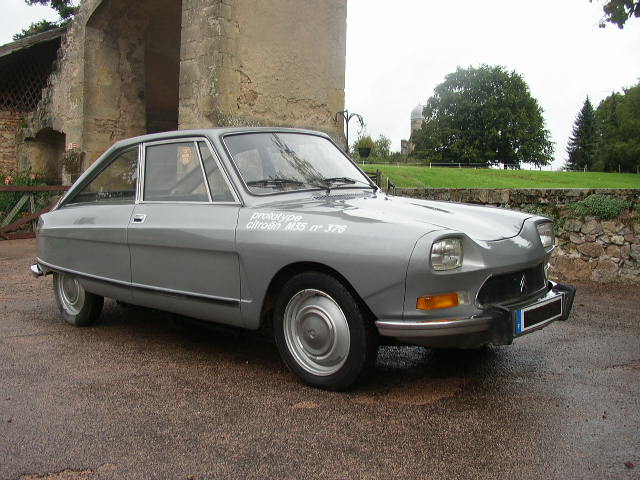
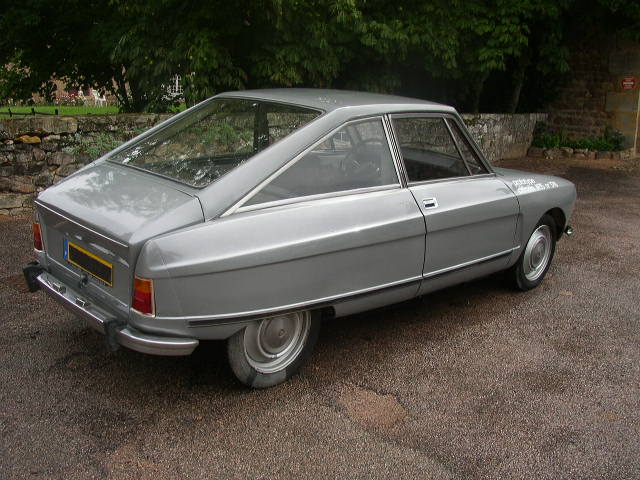
Citroën’s interest in the Wankel continued despite the M35 setback. Following NSU’s experience with the Ro80, engineers concluded the rotary was poorly suited to compact, primarily urban cars. Citroën had initially planned to fit a rotary to the top version of Project F (a mid-range prototype intended to sit between the Ami 6 and the DS), but that plan was dropped before production in favor of Project G, which became the GS. Instead, the company believed the Wankel would perform best in a grand touring sedan built for long-distance highway cruising. Mazda and other licensees, by contrast, favored sports coupes.
Citroën already had a high-profile coupe, the SM, developed with Maserati and powered by the trident firm’s V6, so the rotary offered little extra prestige there. With Project L (the future CX) still underway, management decided to fit an existing model first. Retrofitting the ageing DS—scheduled to end production in 1975—made little sense. The GS, introduced in 1970 and still fresh in the range, was the logical choice: its compact flat-four was criticized for low power, and the rotary promised the extra performance and development potential the in‑house engine could not deliver.
Some later argued it would have been better to wait and install the rotary in the CX—the new flagship would have been a more natural match for the engine’s exclusive character—yet Citroën pressed ahead with the GS to address immediate performance shortfalls.
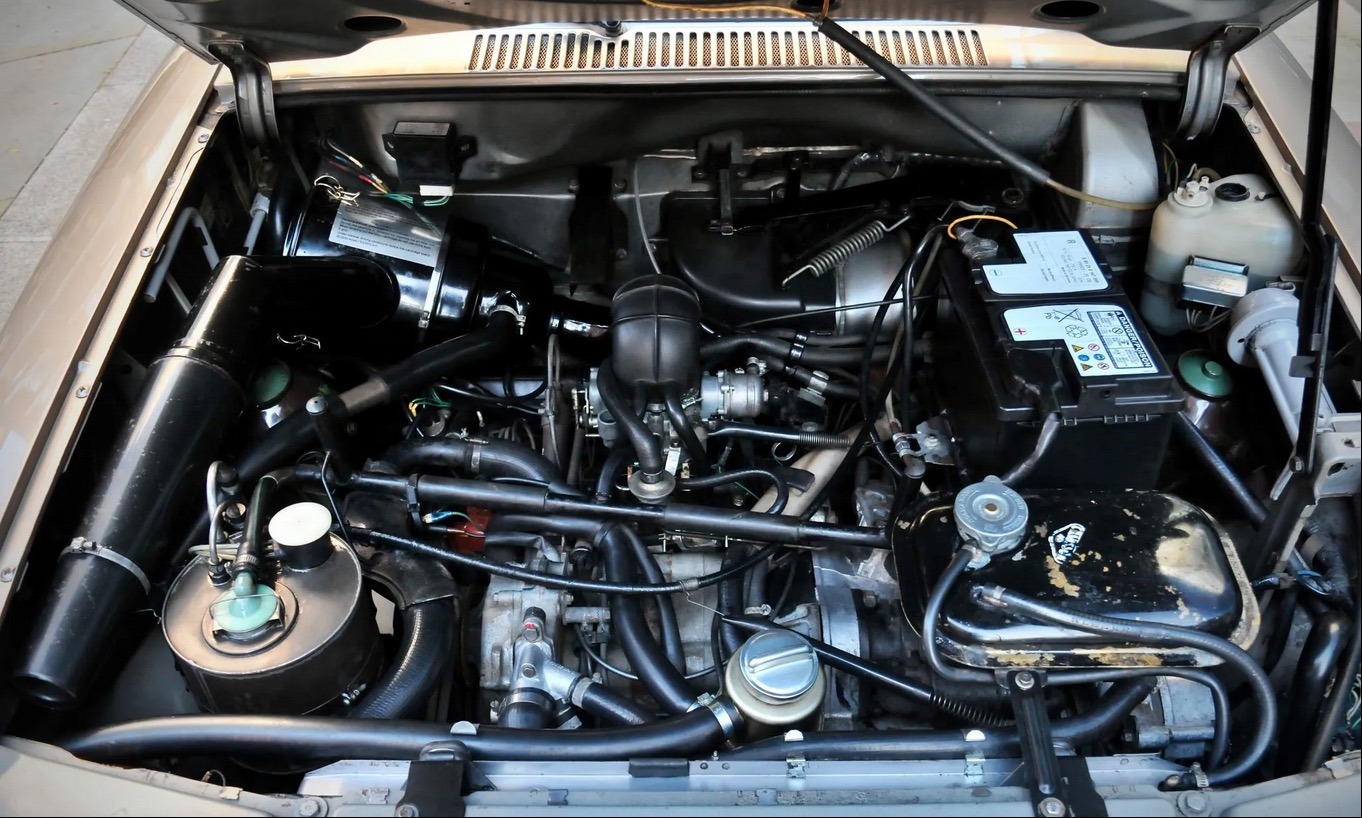
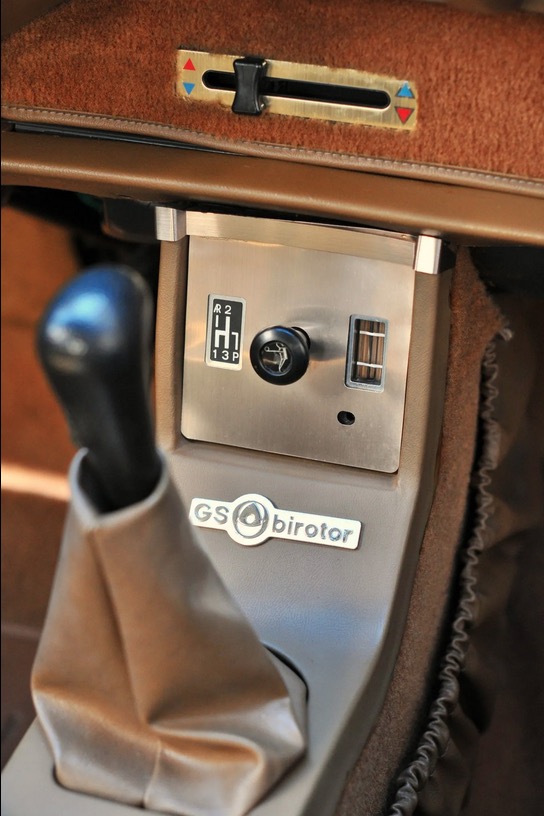
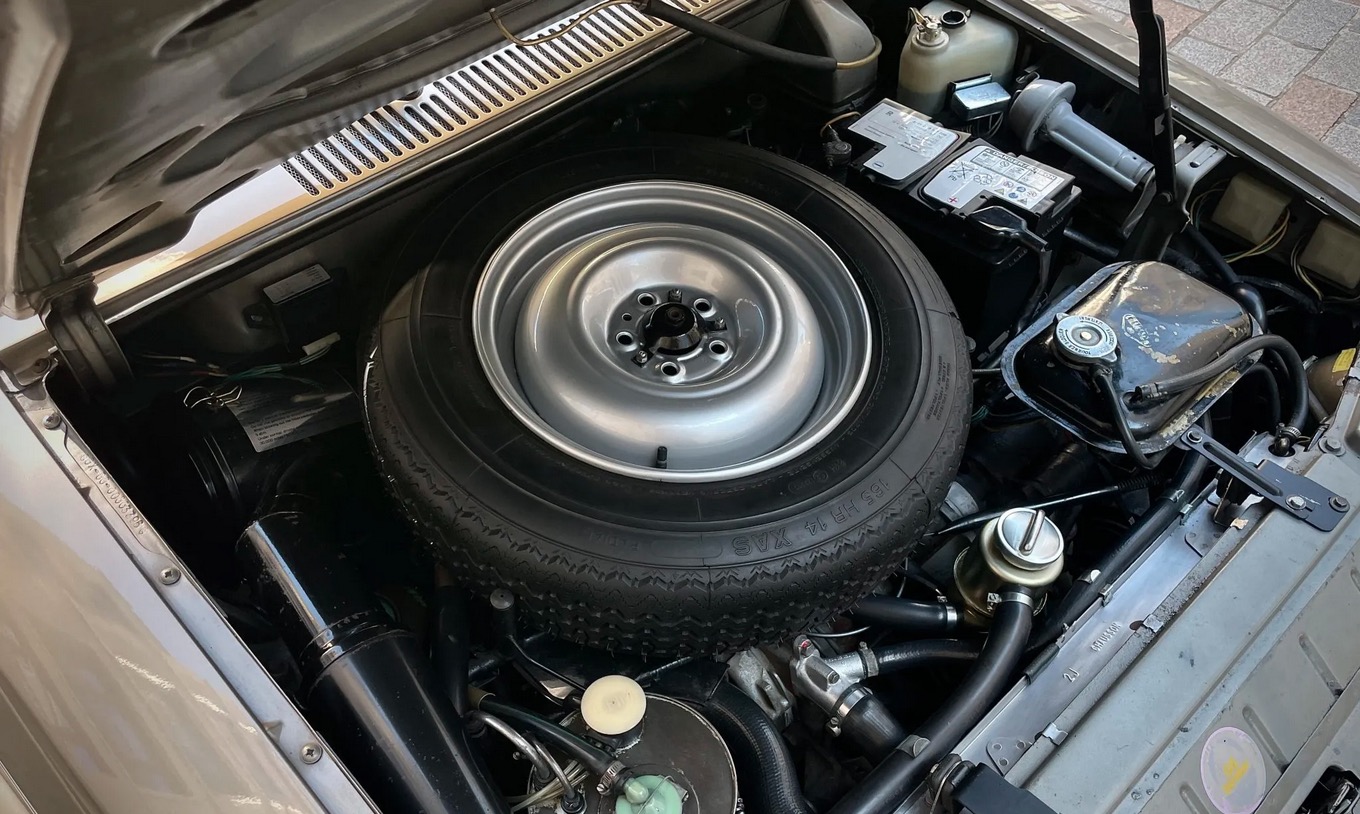
The GS “Birotor” used a two-rotor unit built at the Comotor plant (internal code 624), derived from NSU’s twin-rotor design (code 622). In the GS it displaced 1,990 cc and produced 107 hp, with fuel delivered by carburetor and ignition controlled electronically.
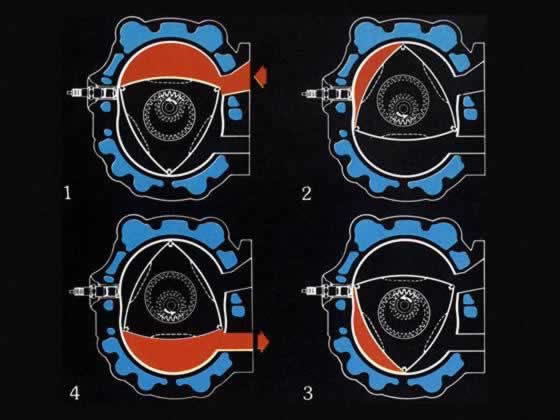
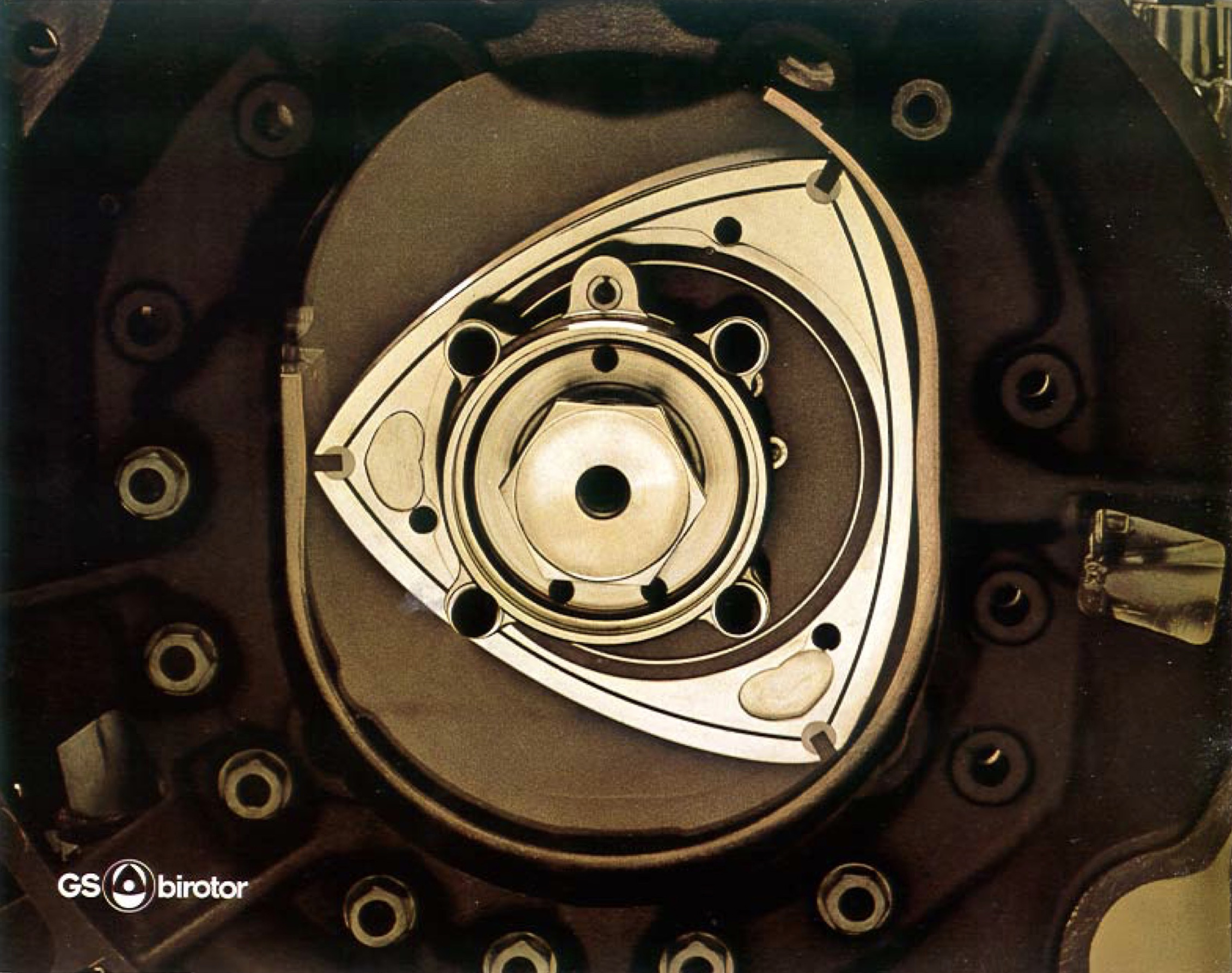
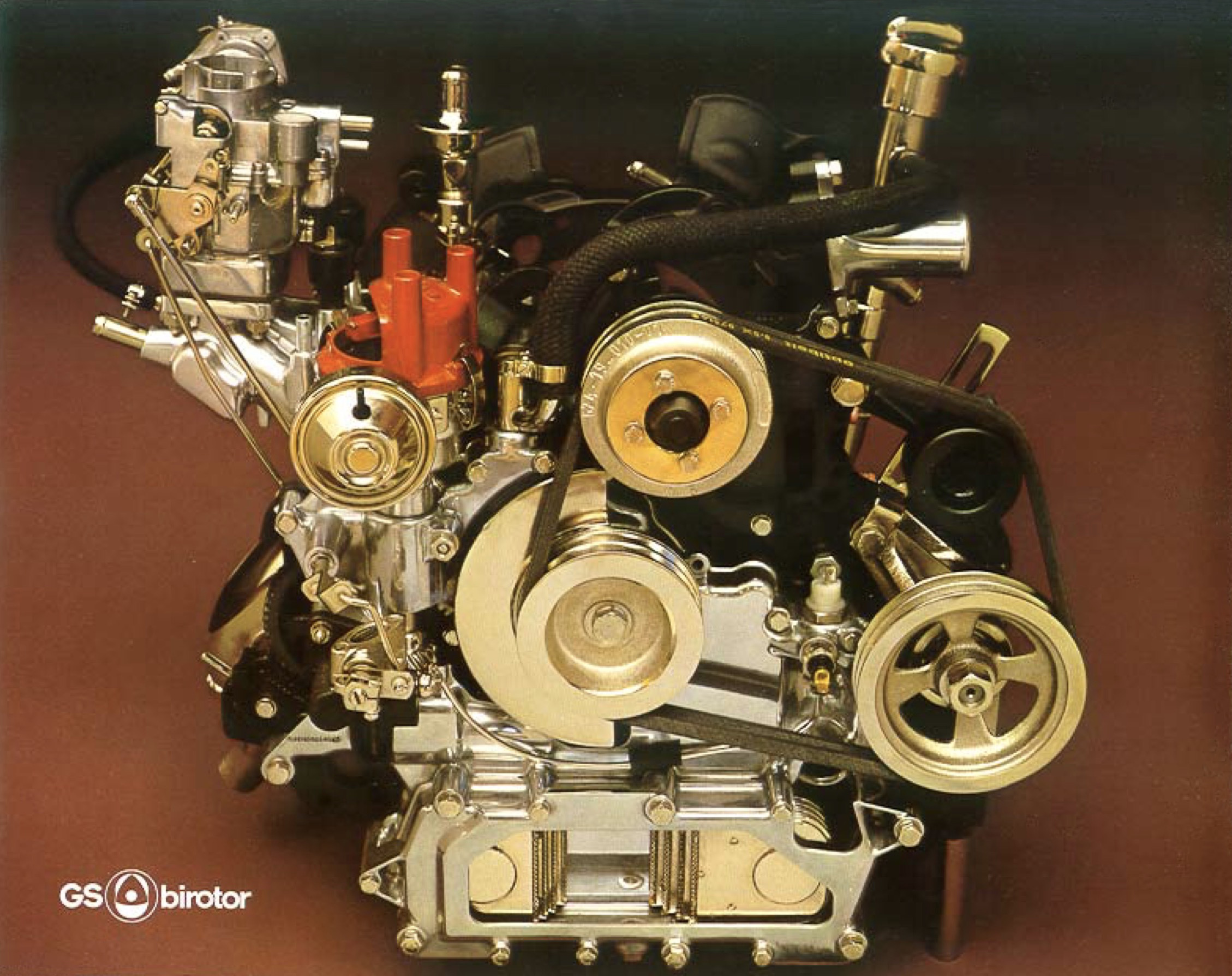
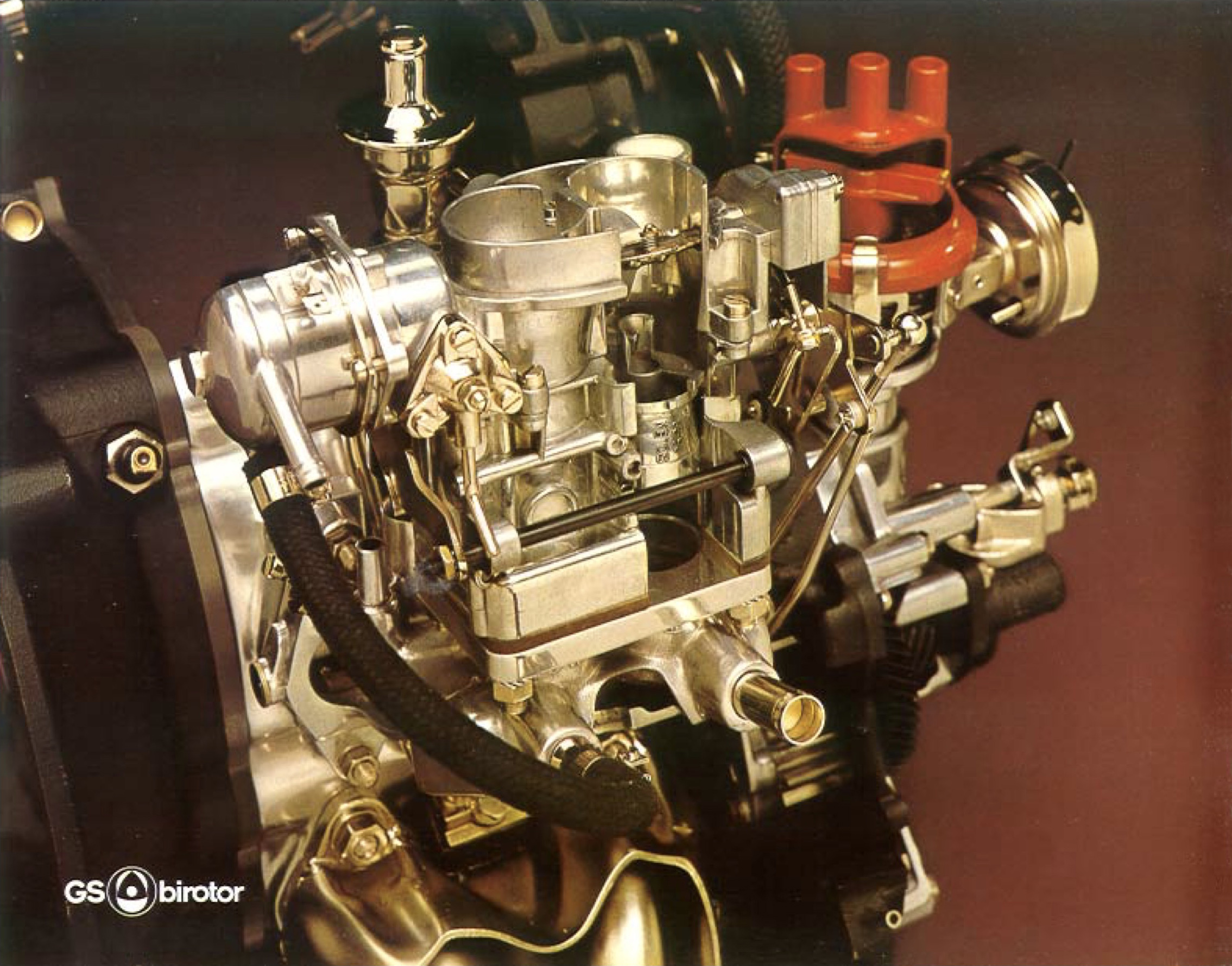
Several changes were made for transverse installation, and power went through a three-speed gearbox with a torque converter to smooth intake-related jolts. To reduce unburned emissions, Citroën fitted an air pump to the exhaust to promote afterburning. The Birotor also had four-wheel disc brakes, the front ventilated and using four‑piston calipers.
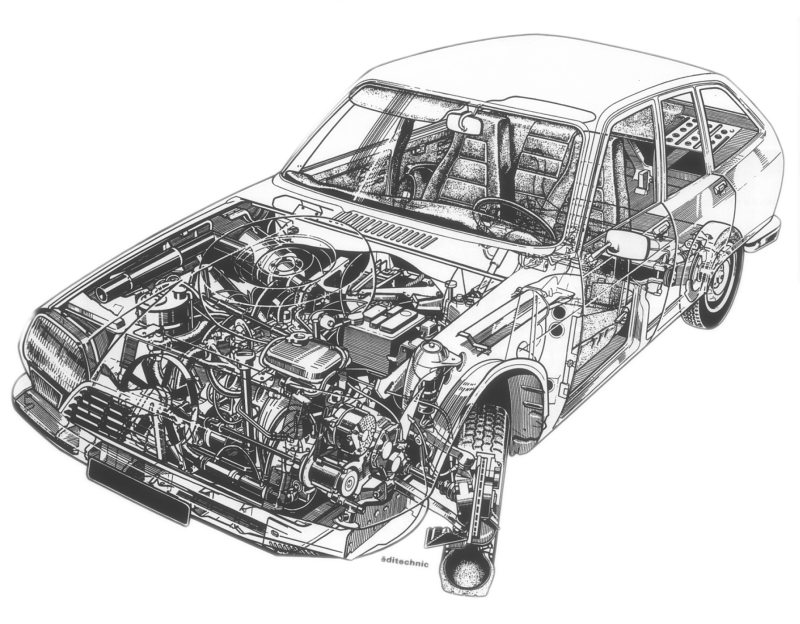
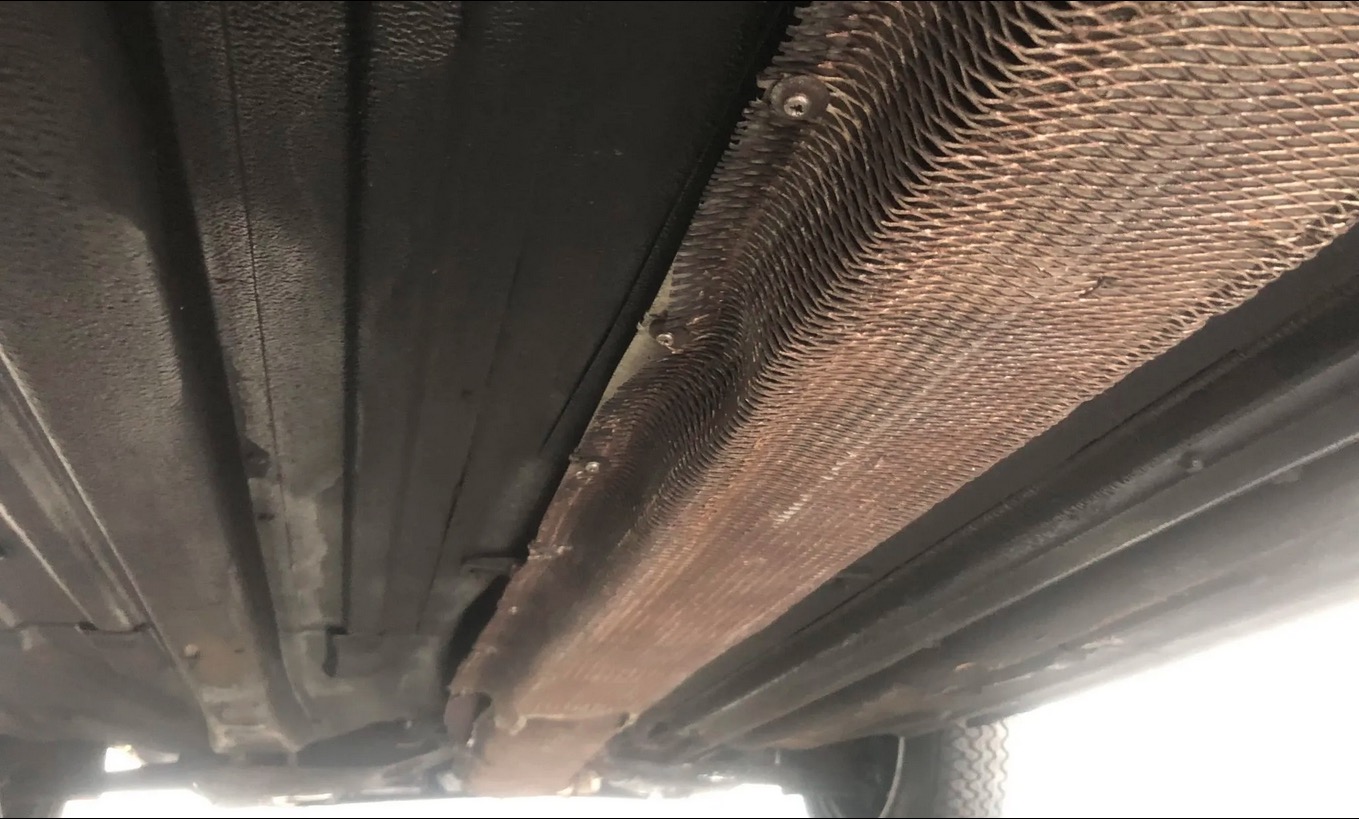
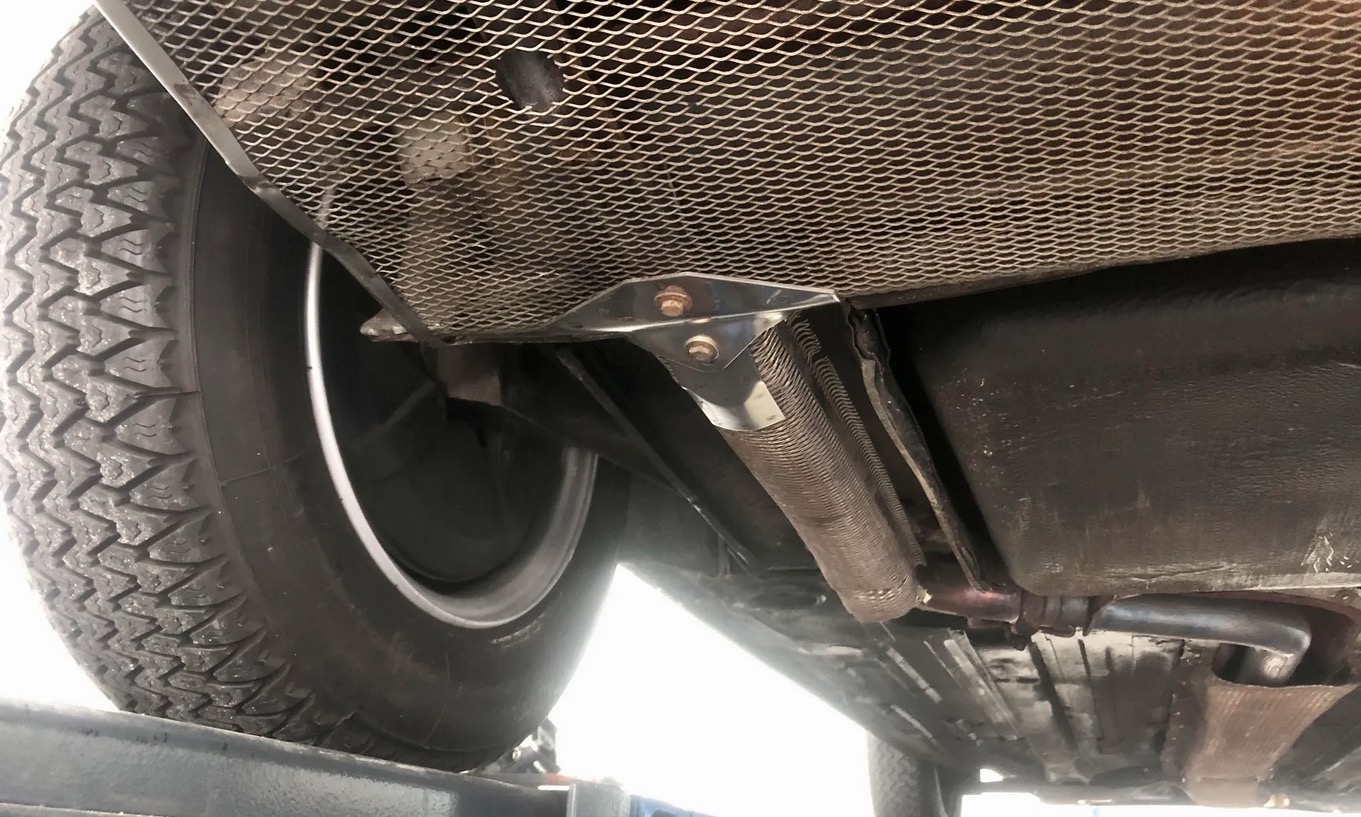
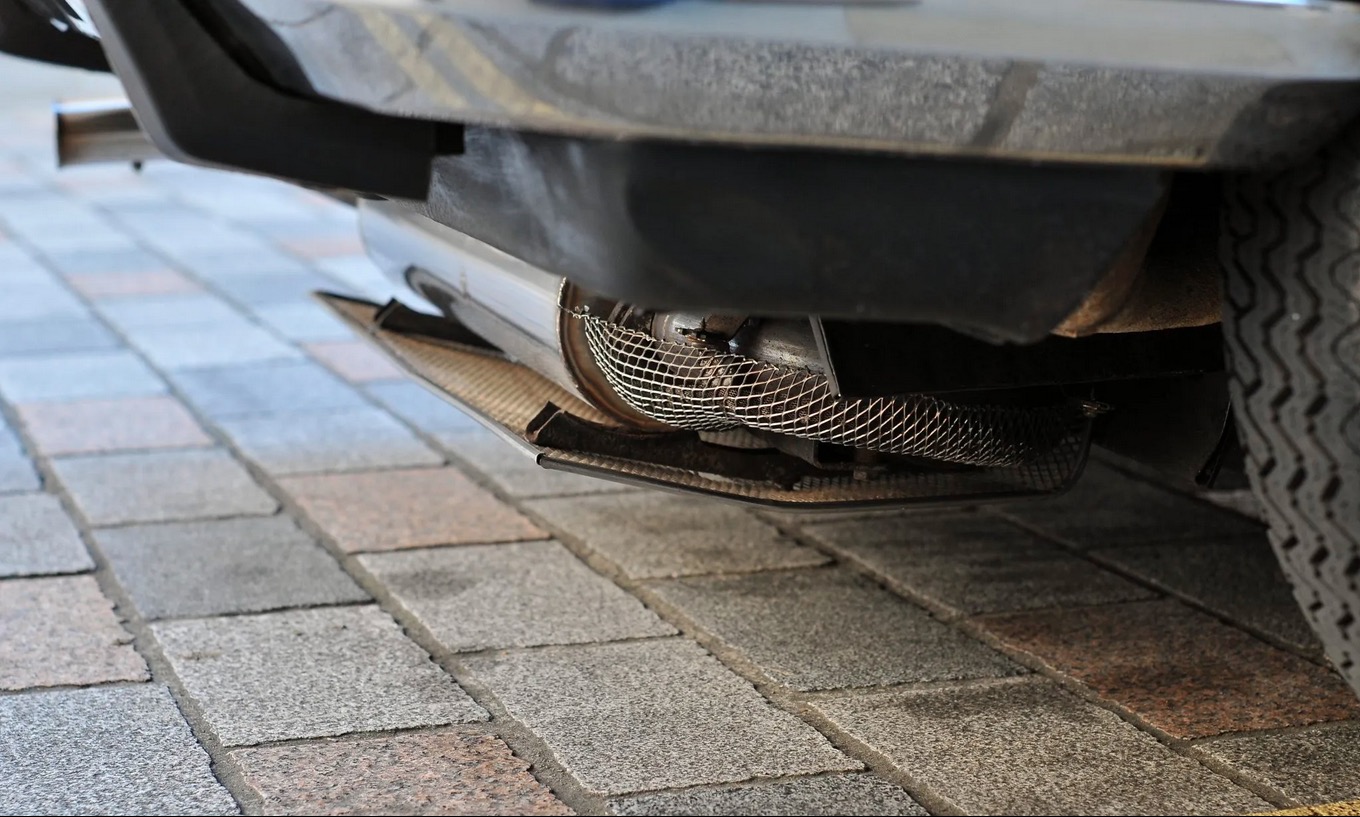
The exhaust layout closely resembled the Ro80’s but required major adaptation for the GS’s transverse engine. Engineers considered an air‑cooled tunnel to manage the high exhaust temperatures but, likely for cost and industrialization reasons, settled on metal grids beneath the system plus insulating screens above as a simpler cooling solution.
One major drawback of the rotary was its higher production cost, which translated into a much higher retail price. The most powerful regular GS (the 1220) sold for 15,400 francs, while the Birotor launched at roughly 25,000 francs—nearly as expensive as a DS 23 Pallas at 27,000 francs. Even Citroën’s most loyal customers—willing to pay a premium for innovation and distinction—hesitated at that price.
Citroën also misjudged the market by fitting the Wankel to the GS instead of reserving it for the CX. Worse, no one had foreseen the 1973 oil crisis and the sharp rise in fuel prices that followed. The GS Birotor debuted at the Frankfurt Motor Show in September 1973; barely a month later, the oil shock hit Europe during the Paris Motor Show, as the Birotor was being revealed to the French public.
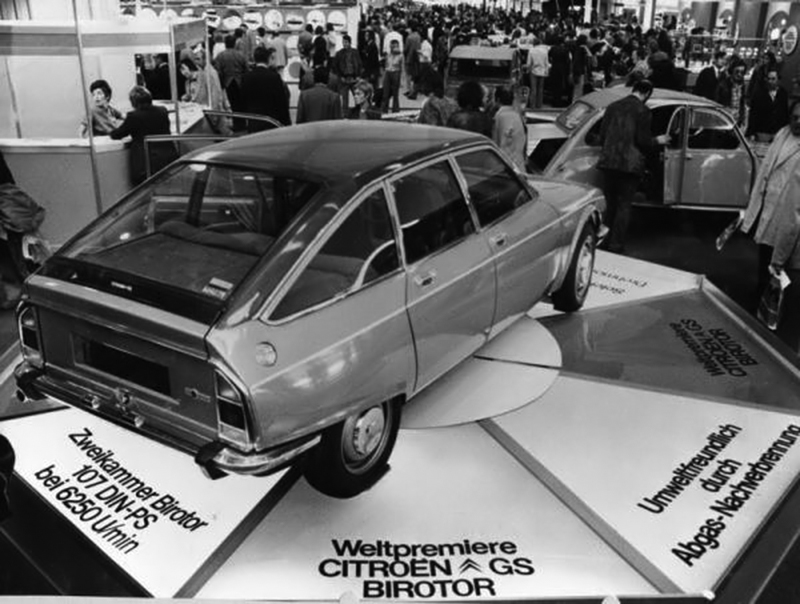
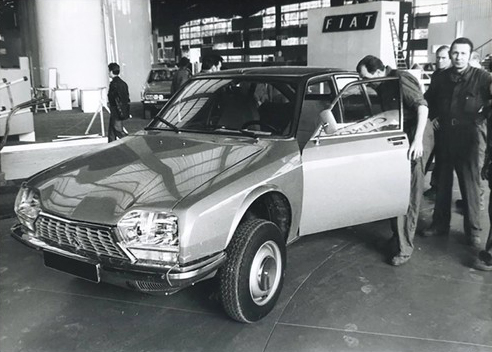
Contemporary reviewers praised the Birotor’s handling—especially at high speeds and on motorways, where it outperformed the standard GS—but criticized its heavy fuel consumption. Classified in the 11 CV tax band, the Birotor also faced higher road taxes and registration fees than other GS variants. Its strong performance (a manufacturer-claimed top speed of 175 km/h) therefore became a secondary selling point for buyers and dealers alike.
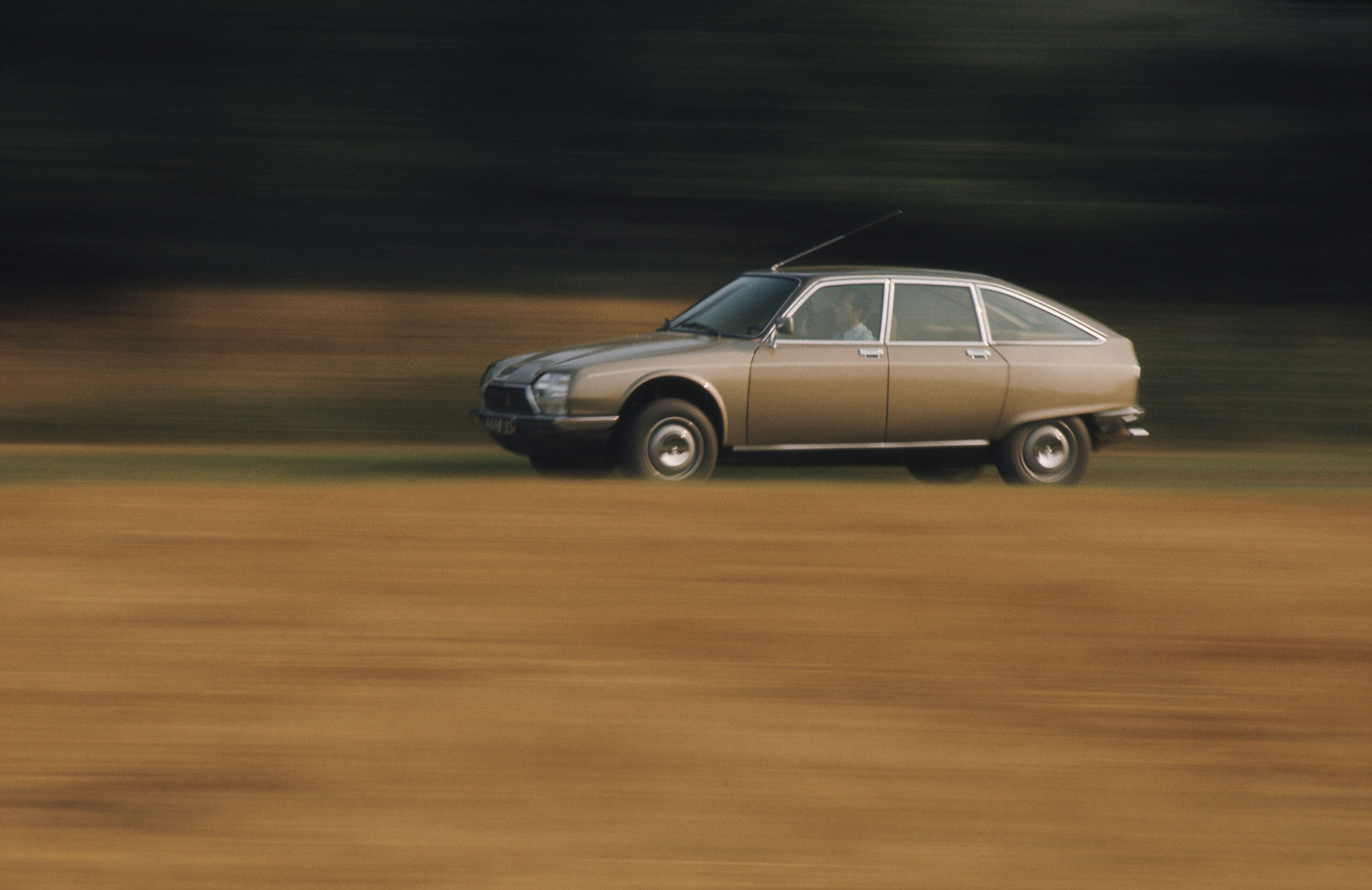
Dealers were lukewarm. Beyond the gloomy economic outlook and growing “car‑phobia,” wealthy buyers worried about breakdowns on country roads where small garages often lacked the tools or trained staff to service the unusual engine. Dealer information was inconsistent; salespeople frequently failed to explain essentials such as the oil‑mixing requirement for rotor lubrication, instead referring customers to the service booklet. The SM coupé suffered similar dealer indifference.
Citroën had also warned dealers that the Birotor would not receive enhanced roadside assistance or warranty treatment; it would be backed only by the same coverage as other GS models. Predictably, buyers did not rush to order.
Financially, Citroën was already vulnerable. The GS’s delayed launch (after Project F’s failure), the prolonged DS production, the ill-timed Maserati acquisition to supply the SM’s V6, weak SM sales after the oil crisis, and the mounting costs of the rotary program pushed the company toward the red. Michelin—owner of Citroën since 1934—had been considering divesting for years. A proposed merger with Fiat in 1968 failed after opposition from Pierre Bercot and a 1972 veto by Michelin; the government also resisted any foreign takeover of this national industrial icon.
In 1974 Michelin revealed a one‑billion‑franc deficit and decided it could no longer bankroll Citroën. Faced with that huge debt and a weak economic climate that hit tire makers as well as carmakers, Michelin chose to cut its losses rather than pour more money into the Javel firm. The French government refused to bail out Citroën—already stretched by support for Renault—so a takeover by another manufacturer became inevitable. With Simca part of the American Chrysler group, Peugeot was the only major French buyer. Despite initial reluctance, Peugeot agreed to the acquisition after encouragement from the government, backing from Lazard and Paribas (two of Citroën’s main creditors), and François Michelin’s approval.
Many within Citroën and among its loyal customers understood that Michelin’s exit ended the company’s independence. Peugeot’s hesitation was partly because it would inherit Citroën’s heavy debts. Peugeot’s first task was therefore to prune unprofitable subsidiaries and halt projects that no longer made sense in the new economic context: high oil prices and falling demand. That process ended production of the SM coupé in 1975 and led to the sale of Maserati to Alejandro De Tomaso. The rotary engine program was another casualty.
Beyond its excessive fuel consumption, the Wankel suffered persistent reliability problems in daily and long‑term use. Although Volkswagen continued the NSU Ro80 until 1977, its sales had dwindled and a successor seemed unlikely. Mazda, by contrast, continued to pursue the rotary, but for Peugeot and most European manufacturers the Japanese commitment to the Wankel felt remote and difficult to evaluate. In the mid‑1970s few in Europe appreciated how significant Japanese automakers would soon become—an oversight Peugeot and others would later regret.
Peugeot’s managers needed only the sales figures to judge the GS Birotor’s prospects in a France where diesel was expanding and gasoline became scarce after 1973. Production totals tell the story: 847 units (874 by some counts), plus roughly fifty pre‑production cars. Nearly all were built in 1974 (811), with 32 in 1973 and three in 1975 — and only about one‑third found buyers. The rest languished in Rennes‑la‑Jannais’s parking lot for weeks or months, exposed to the elements.
To move unsold stock, Citroën offered a Birotor to its best dealers during the 1973 model year, provided they signed a declaration that the car would be for personal use and not resold. Press photos of neglected cars near the factory soon circulated, and dealer morale — already weak — worsened as the network shrank.
When Peugeot took a stake in Citroën, it decided to end the rotary program. Continuing to produce spare parts for a low‑volume, costly engine was uneconomical, so Peugeot also dropped the ten‑year spare‑parts guarantee. The company moved to erase the episode from public memory.
In 1977, the newly formed PSA Group offered Birotor owners a trade‑in deal for a CX on preferential terms. Dealers were instructed to disable collected cars by puncturing the intermediate flange (which controlled fuel intake and exhaust), rendering engines inoperable. Vehicles sent to Vélizy had their manufacturer plates removed, engines stripped, and were declared destroyed.
Nonetheless, some Birotors survived. Many were among those loaned to favored dealers who, attached to the cars, refused to hand them over; others were kept by private owners who prized the model’s rarity. Of the nearly 200 cars that escaped destruction, only about 50–60 remain today in intact or roadworthy condition.
Nice document about Citroën GS birotor!
But it has a carryover effect of some mistakes: The 1930 RE patent by Felix Wankel is totally different from the engine in the image, that in turn is not the engine NSU built after W Fried turn geometry, Felix Wankel said the NSU engine was not his, and became angry about it.
When Citroën presented the M-35 prototype, they said production costs will be lower than their current Twin-Flat, 602 cc, 34 HP air cooled engine.
But it was thirsty, lacked the low rpm torque required in an Street Car, performance of a Wankel under low load is worse than in a reciprocating engine.
GM seems having solved the fuel economy, emissions and reliability of Wankel with an engine good for 750’000 km, but discontinued research.
We certainly welcome criticism, but if you feel that certain points are incorrect and/or incomplete, when you comment it would be helpful if you cite your sources.