Citroën to Revive the 2CV — A Reality Check
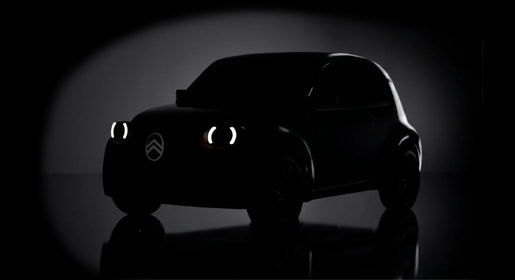
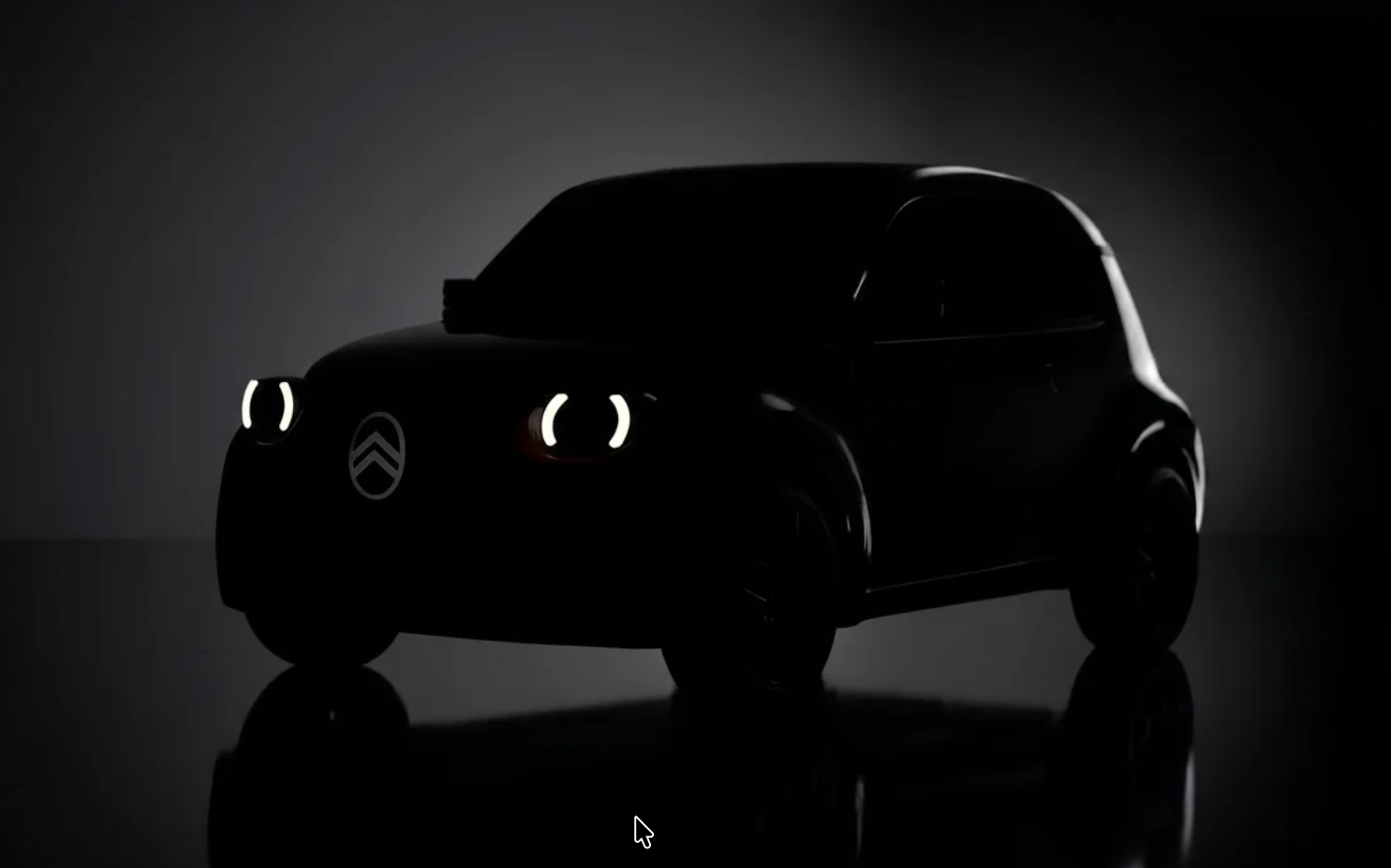
As part of the Stellantis Investor Day event in Auburn Hills, MI, on May 21, where CEO Antonio Filosa laid out “FaSTLAne 2030” — a new five‑year strategic plan worth €60 billion, Citroën officially announced its decision to launch a new model inspired by the spirit of the legendary 2CV.

A day later, Citroën Marketing released the following;
CITROËN BRINGS AN ICON BACK TO LIFE WITH THE RETURN OF THE 2 CV!
More than a revival, this future model represents a new vision of accessible mobility: electric, simple, versatile and highly desirable.
This popular concept perfectly fits with the brand’s positioning as a leader in accessible electric mobility, offering greater freedom of movement and more value at an affordable price, while maintaining a strong identity and personality.
At the Paris Motor Show in October 2026, Citroën will reveal more details about this exciting project.
“Reinventing the 2 CV of tomorrow is a huge challenge and responsibility. The original 2 CV was never created to become an icon. It became one because it gave people freedom. The new 2 CV will carry that same spirit forward — not through nostalgia, but by reinventing its simplicity and accessibility for today’s world. Electric. Essential. Affordable. Human. Just like the original once democratized mobility, the new 2 CV will re-enchant electric mobility for a new generation through a highly desirable model. The return of the 2 CV is not simply the return of a legendary name. It is the return of a bold and optimistic idea of progress. A profoundly Citroën idea.“ Xavier Chardon – Citroën CEO.
Poissy, 22 May 2026 – As part of Stellantis’ FaSTLAne strategic plan, Citroën has officially confirmed the integration of a new model into its product line-up, which will capture the spirit of the legendary 2CV. Designed to make mobility accessible to all, the Citroën 2 CV transformed everyday life with an approach centered on simplicity, ingenuity and comfort. In a world once again searching for more accessible and meaningful mobility solutions, everything that made the 2 CV unique feels more relevant than ever. With this new model, Citroën will reinterpret that philosophy for a new generation.
Inspired by the spirit of the original — not by nostalgia — the future vehicle will embody the essential values that have always defined the 2 CV: affordability, lightweight design, practicality, versatility and a distinctive character unlike anything else on the road.
True to Citroën’s DNA, the ambition is clear: to imagine the icon of tomorrow while remaining faithful to the original TPV brief that gave birth to the 2 CV. Because true innovation is not about adding more, it is about making life better and focus on what really matters.
Conceived to address the challenges of modern electric mobility and new urban regulations, it will contribute to the emergence of a new category of affordable small electric vehicles, offering greater freedom of movement with no compromise on personality or desirability.
Without waiting for this new model, the ë C3, particularly its urban-range version, already provides a concrete response to today’s mobility challenges.
THE REALITY
Putting the above Press Release into context, let’s examine how the new 2 CV will fit into not only Citroen’s model lineup but that of Stellantis’ overall brands.
Rumours have been swirling for years about Citroën introducing a new “Deux Chevaux’. 26 years ago, Citroën toyed with offering a modernized version of the 2CV — a strategy to counter Volkswagen who offered an updated Beetle in that era, and Fiat who revived the 500 with their new take on the sub-compact classic.
And back in January of this year at Rétromobile in Paris, Xavier Chardon stated that Citroën is seriously considering a daring and innovative revival of the 2CV.
Pressure from the sales success Renault is achieving with their retro-influenced R5 is another reason for Citroën to put a next-generation 2 CV into production.
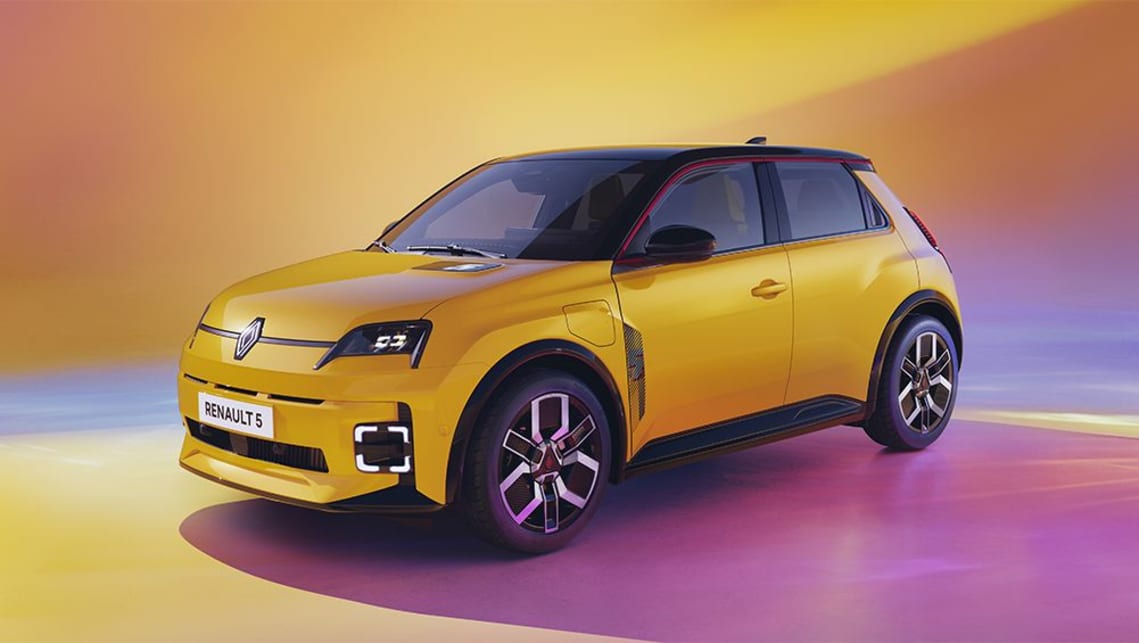
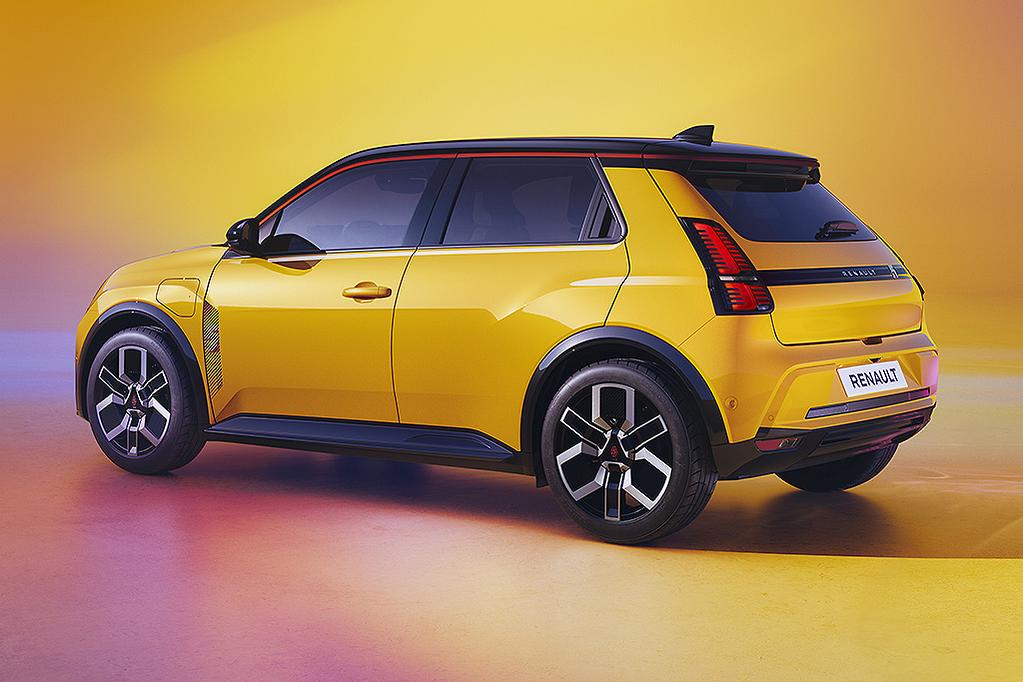
However, in the Sellantis conglomerate, a 2 CV developed solely by Citroën with any of the autonomy, exclusivity and secrecy of the original is highly unlikely.
Also announced at Stellantis Investor Day as part of “FaSTLAne 2030” and not mentioned in Citroën’s Press Release, is that along with the company’s refocus of its 14‑brand portfolio, 70% of brand and product investment will go to Jeep, Ram, Peugeot and Fiat, as well as the commercial‑vehicle unit Pro One. Other brands — including Citroën, Alfa Romeo, Opel and Vauxhall — will be repositioned more regionally, while Lancia will be folded into Fiat. In North America, Chrysler and Dodge will remain alongside Jeep and Ram. Citroën, along with Stellantis’ other “secondary’ brands are not in the forefront of model development priority.
It was also announced that Stellantis plans a €15.000 small EV to revive European market. Three days prior to “FaSTLAne 2030” being presented to investors, Antonio Filosa revealed the company’s E-Car strategy, saying that it aimed to tap into demand for “small, stylish vehicles” made in Europe for the European market, adding the E-Car would come in “new models for multiple brands”.
Within Citroën the €15.000 E-Car most likely means the 2 CV, but just how unique will it be to the brand? Corporate development funding will be allocated more toward Fiat than Citroën.
Antonio Filosa began his career in 1999 at Fiat, holding various positions in Europe (including Spain) and South America. From 2005, he focused on Fiat Chrysler Automobiles (FCA) operations in South America, becoming chief operating officer for the region in 2018. He retained this role after the merger of FCA with PSA to form Stellantis in 2021. With a penchant towards Fiat, its not surprising that last week he announced the production of their affordable, compact and fully electric “E-Car” will start in 2028 at its Pomigliano d’Arco plant in Italy.

While Citroën was first to market with the simple and affordable Ami EV, the model was shortly picked up and with a minor facelift, offered by Fiat (as the Topplino) and Opel (as the Rocks).
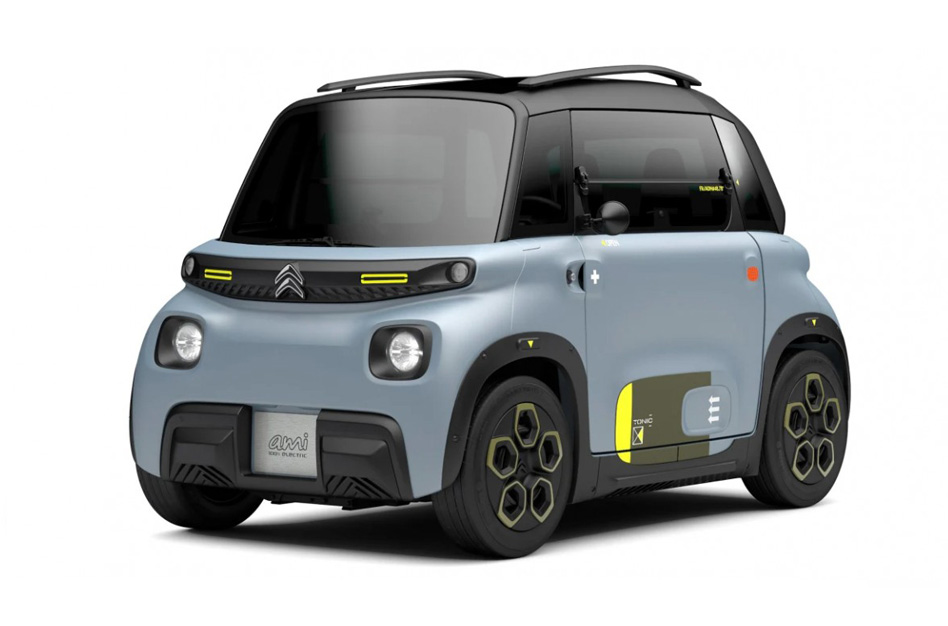
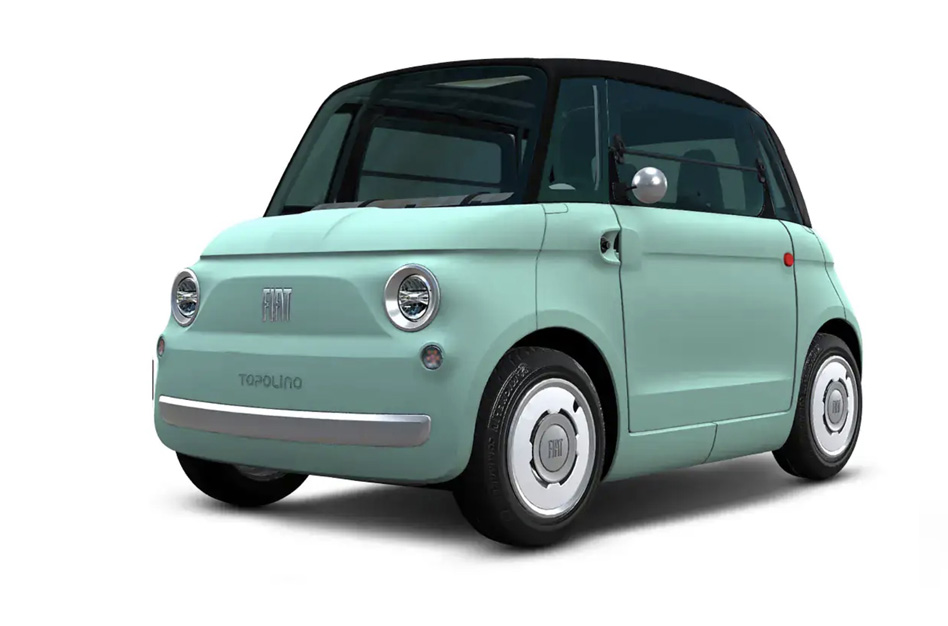
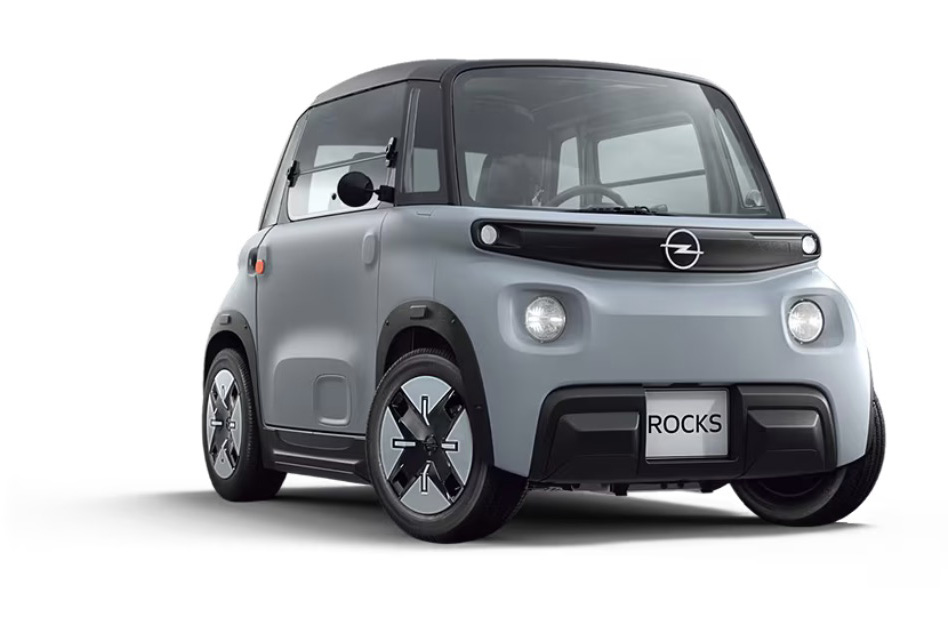
Fiat finally lifted the veil at Investor Day on its product strategy for the years ahead, notably taking a Multipla approach to what Citroen created with the Ami by preparing the Quattrolino, a four-seat version of the Topolino.
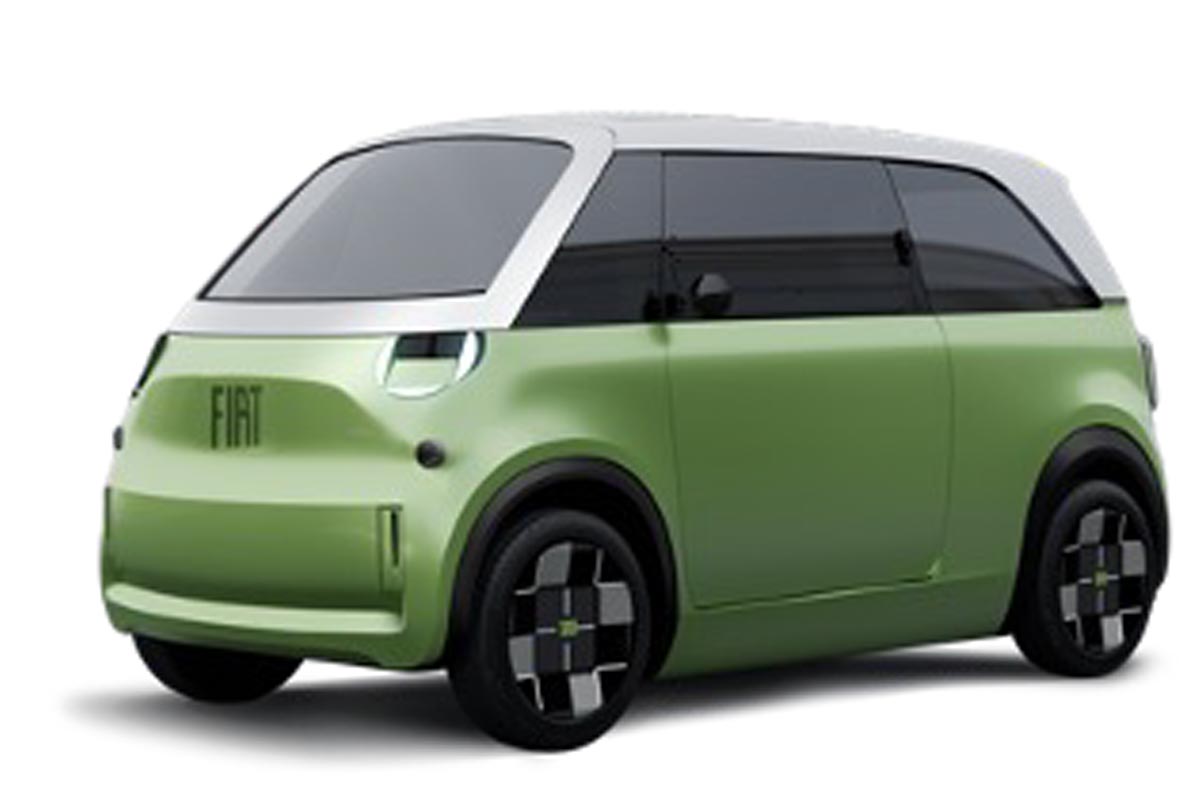
The 2 CV will need to be more than what Fiat has done by stretching an Ami/Topolino/Rocks. It cannot be a quadricycle with a restricted vehicle speed to 45 km/hr. However, as development funding is now allocated more toward Fiat, will the 2 CV of the future be derived from what Fiat designs for their new E-Car? The Quattrolino may indicate a trend.
In reality, all comes down to cost. Stellantis and longtime Chinese partner Dongfeng signed a $1.2 billion deal to produce Peugeot- and Jeep-branded vehicles in China, hinting at future expanded cooperation beyond China. Stellantis is also expanding cooperation with Chinese partner Leapmotor. The two automakers announced earlier this month the joint production of two models in Spain.
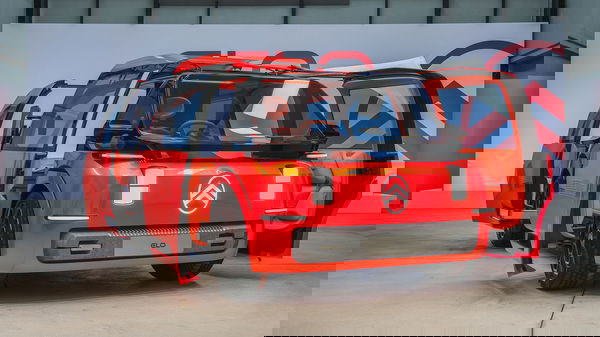
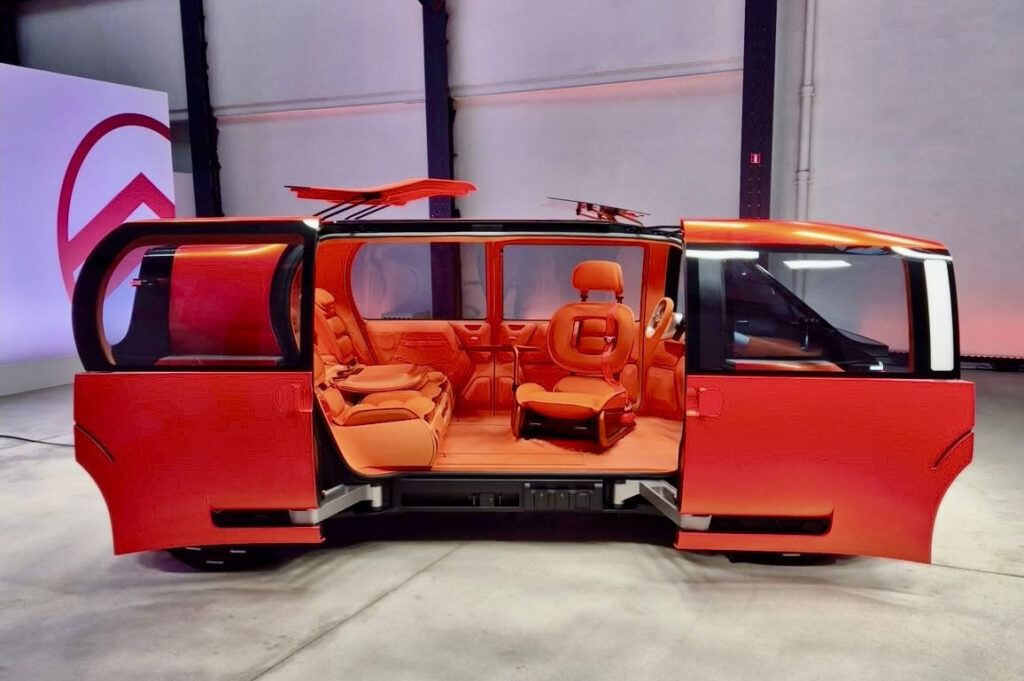
If Citroën were to offer a production version of the ELO concept as the 2 CV, to meet a €15.000 price point in that or any other similar priced Stellantis EV offering, Chinese underpinnings and technology will likely need to be incorporated to meet target cost.

One asset Stellantis has and most likely has not considered for any simple, versatile and affordable EV is what Chrysler explored with the CCV back in the mid 1990s.
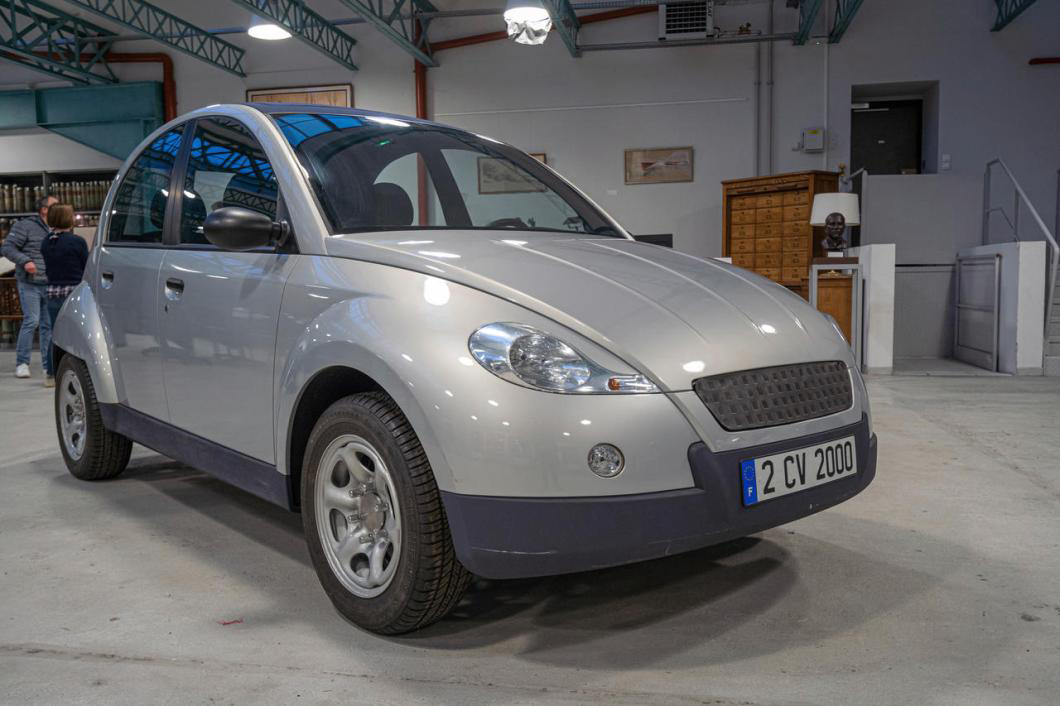
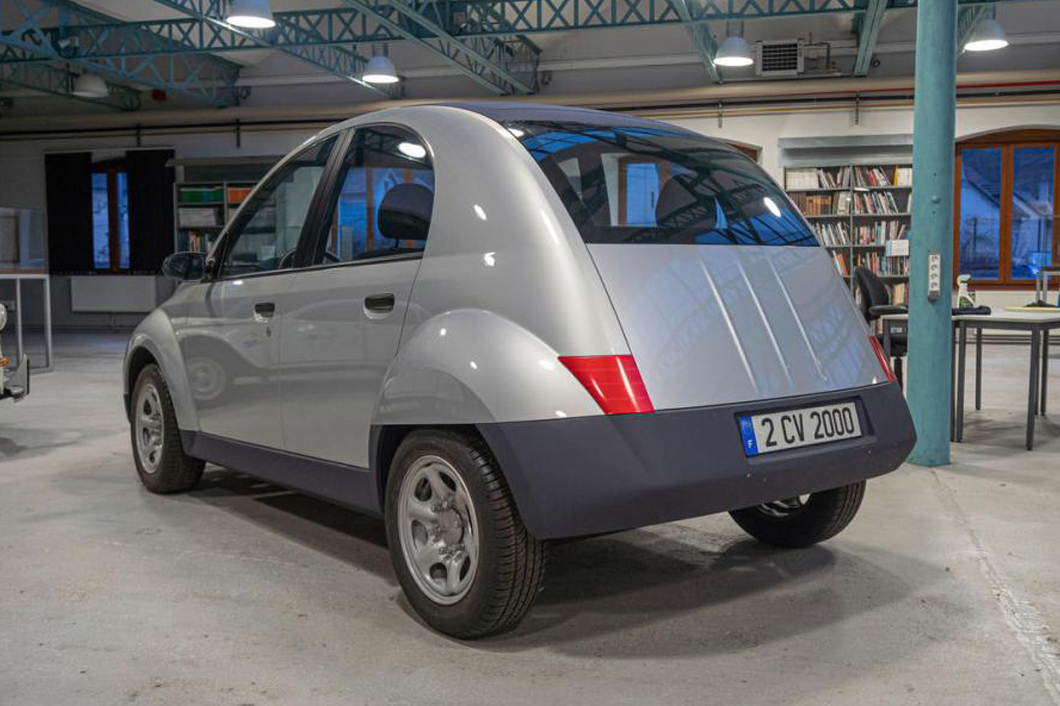
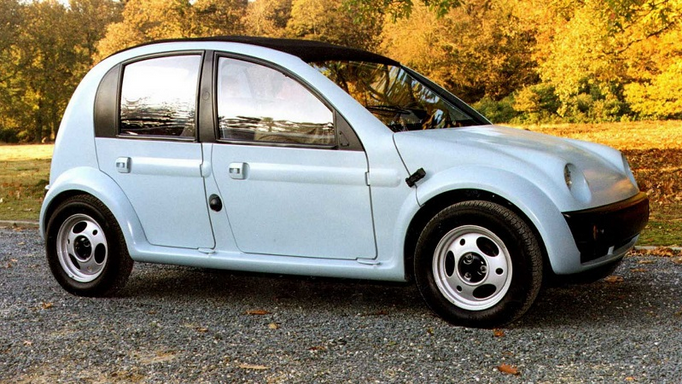
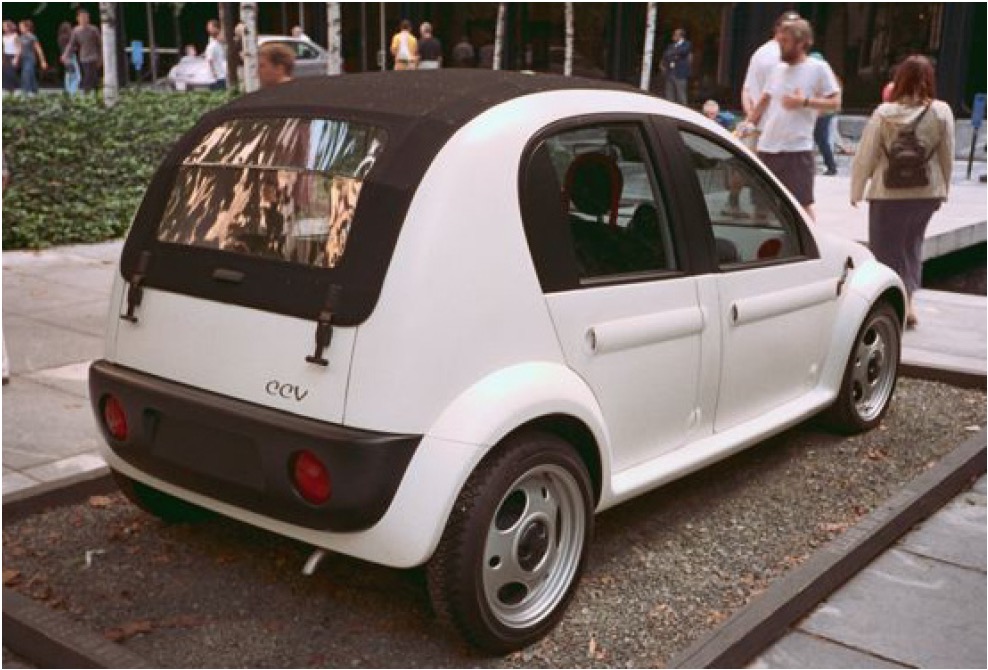
30 years ago, Chrysler was one of several manufacturers attempting to make small cars cheaper by building them smarter. One project the company undertook, that we have written about a few times, was the creation of a kind of modern-day Citroën 2CV.

See also:
- https://citroenvie.com/ken-nelson-on-panhards-citroens-and-the-chrysler-ccv/
- https://citroenvie.com/a-new-book-about-the-2cv-inspired-ccv-the-china-car/
- https://citroenvie.com/ccv-at-moma-brochure/
Called the Chrysler CCV, the name originally stood for China Concept Vehicle, a nod to its intended audience. (In the late 1990s China’s automotive market was different from today’s technology-focused behemoth). It was later re-dubbed Composite Concept Vehicle, but in either case one can read that acronym slowly and get the inference: CCV – Two C… V.
It’s overall design still looks very much like a contemporary 2CV. Using the CCV for inspiration, Citroën (or yes — FIAT) could design something, even ELO-esque, on an EV platform (from Leapmotor), dare we say with Progressive Hydraulic Cushions found in the current C3 Aircross (therefore near zero development cost for Advanced Comfort® Suspension benefit of a somewhat original 2CV-like ride). The result would have most, if not all, the attributes of what Citroën says it wants to achieve in the new 2 CV.
For a more avant-garde look, Citroën could draw on inspiration from it’s REVOLTe concept that was introduced at the 2009 Frankfurt Motor Show. The REVOLTe was billed as a vibrant and sophisticated re-chargeable hybrid, representing a bold vision of the luxury, compact city car of tomorrow, combining confident styling with environmentally responsible technology to create a unique concept for the future of urban transportation.
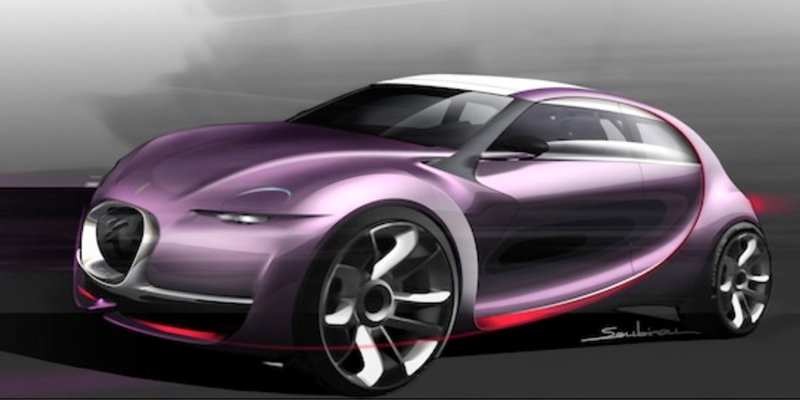
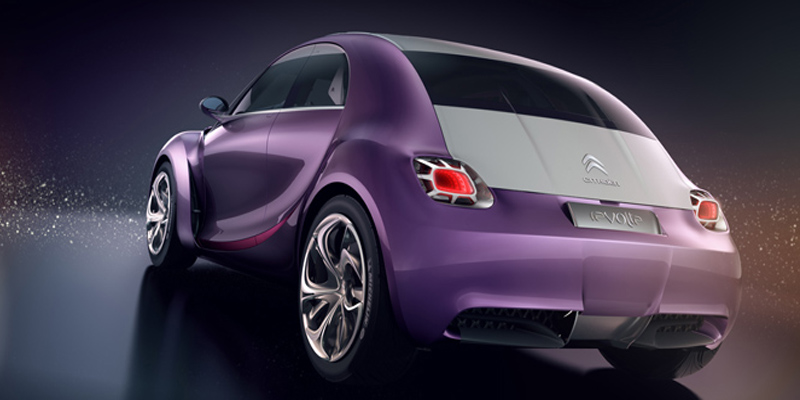
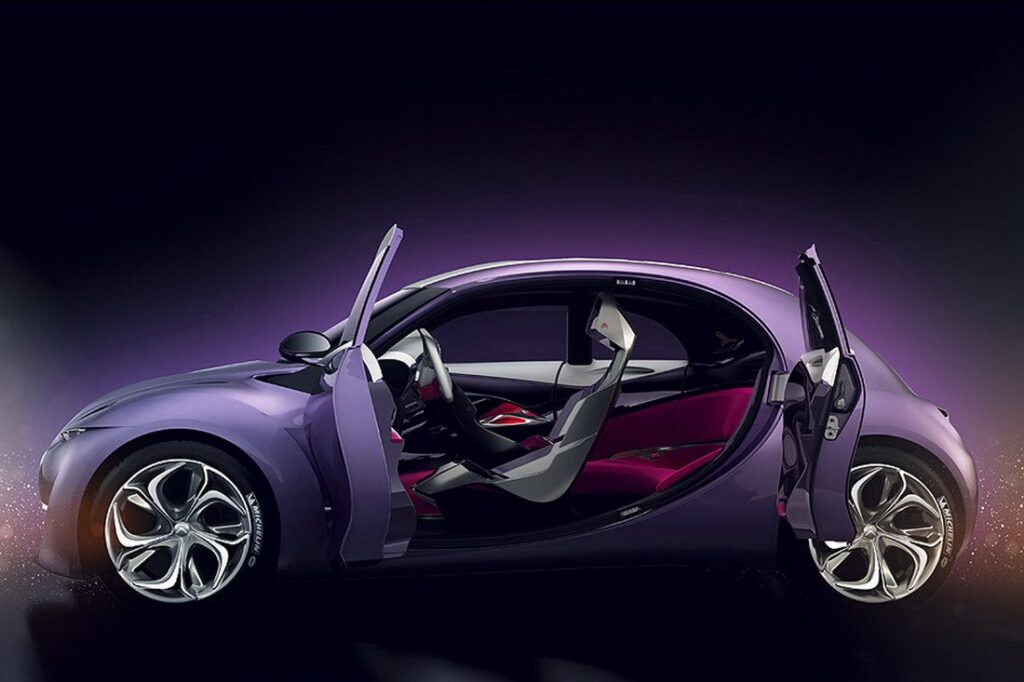
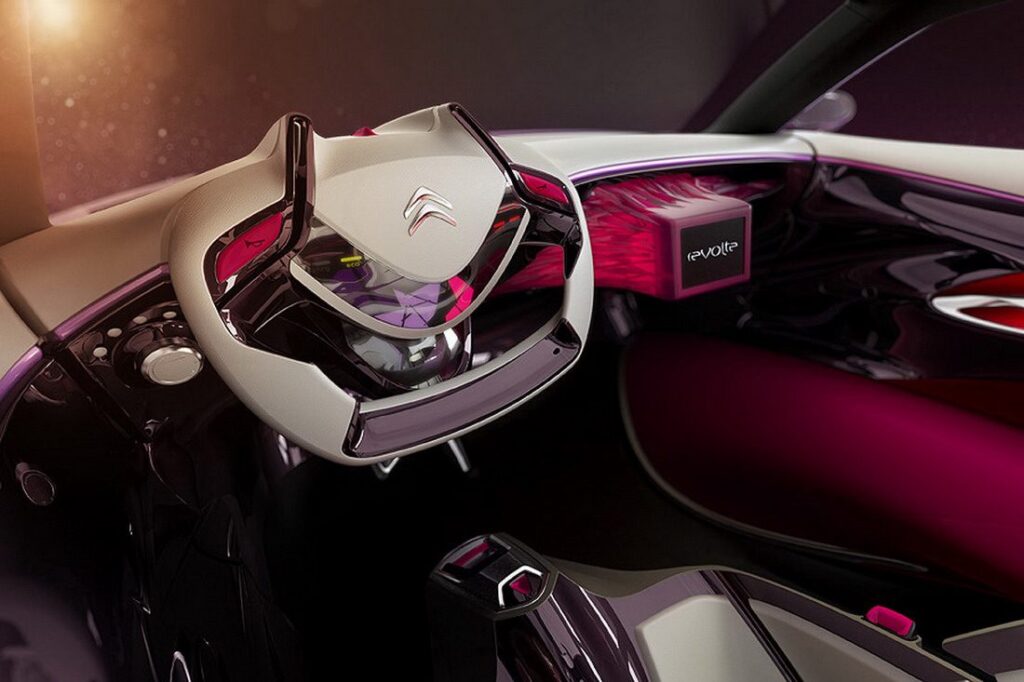
REVOLTe Concept
Backing off on the “luxury” accoutrements of the REVOLTe concept and embracing the simplicity of the CCV — these could be effective elements to what Citroën teased in their announcement of a new 2CV EV.